Why Copper?
How Anti-Galling Coatings Work and What the Alternatives Are
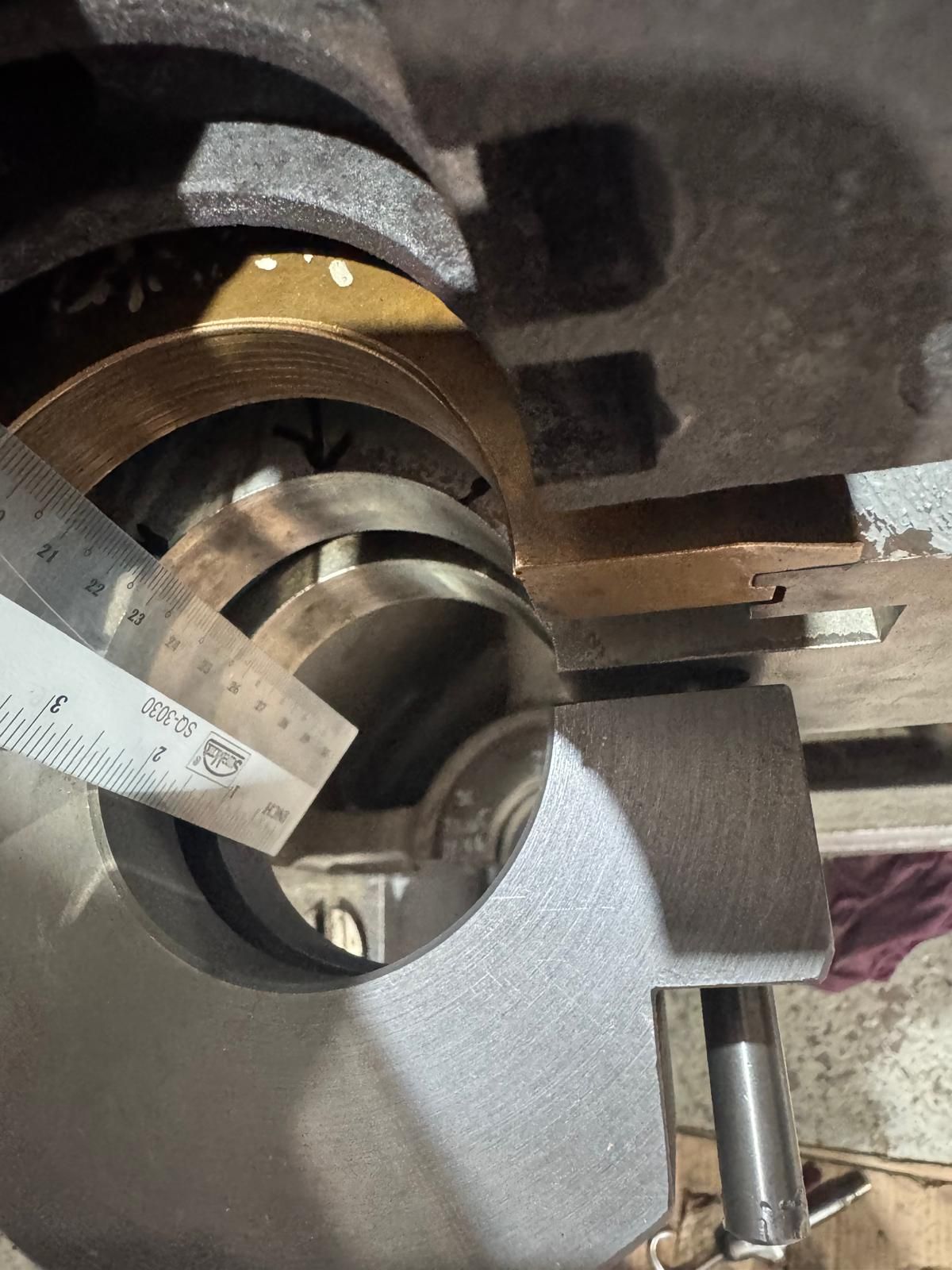
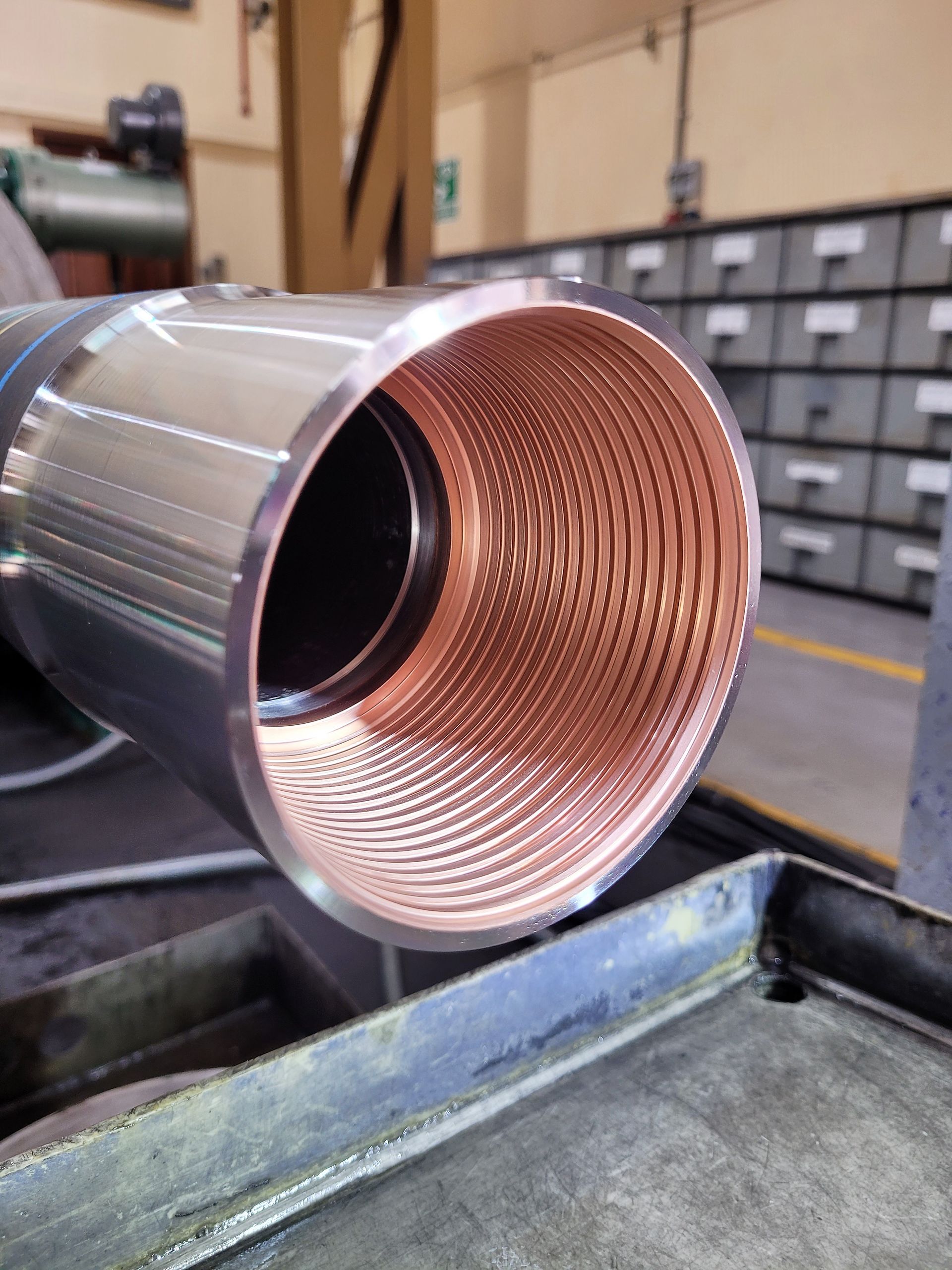
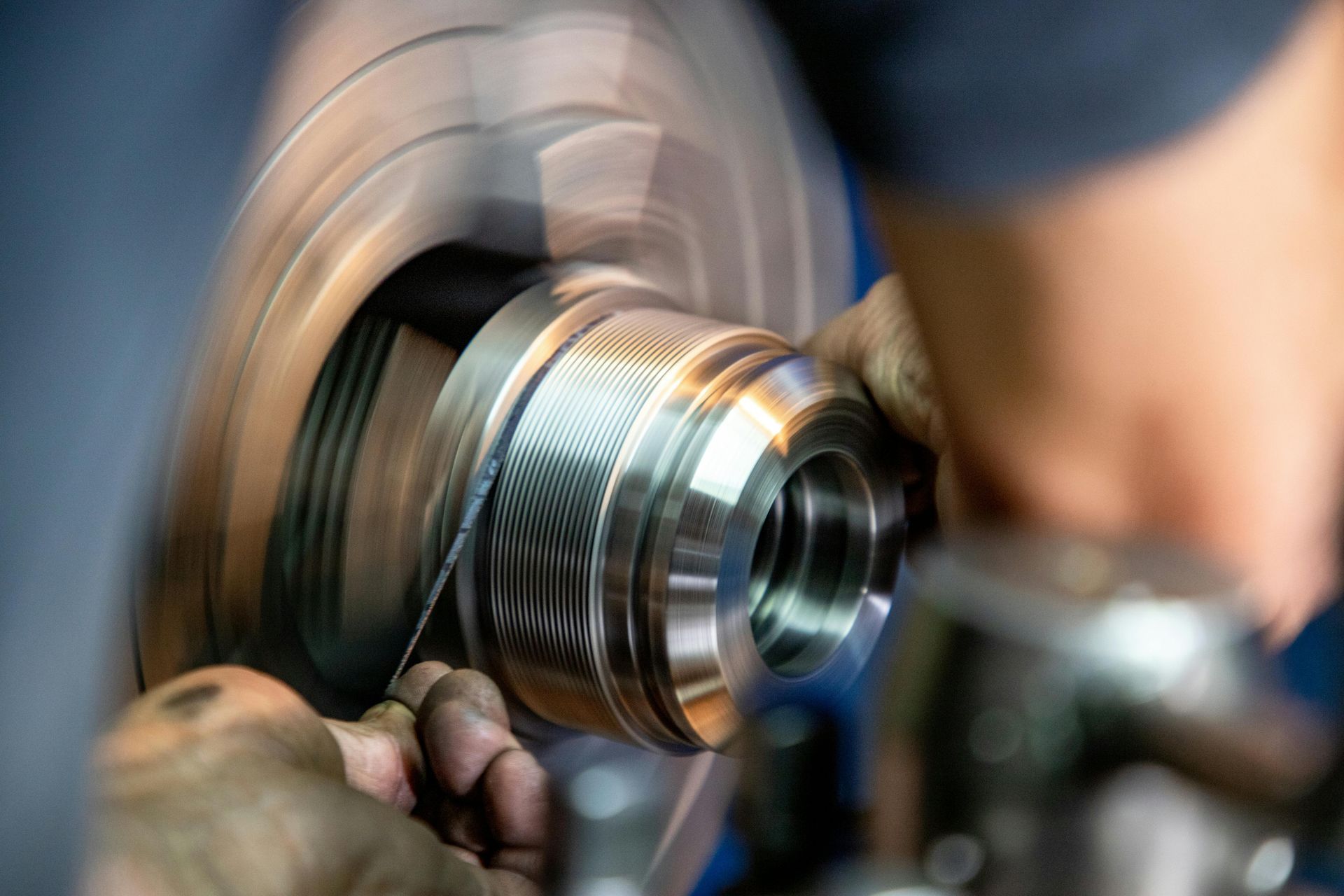
Walk into almost any threading shop that handles oil tools and you will see the same thing: copper-colored threads. Copper plating is one of the most widely used anti-galling treatments in the oil and gas industry. But why copper, and not something else? And how does it compare with other thread treatments and compounds?
This article explains how anti-galling coatings work, why copper is so common, and where the alternatives fit. It is written for threading shops, QA teams, operators, and anyone who wants a clear picture of what protects a connection from galling.
First, What Is Galling?
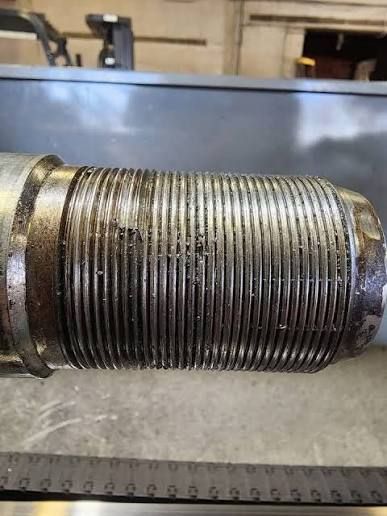
Galling is a form of severe surface damage that happens when two metal surfaces slide against each other under high pressure. Microscopic high points on the surfaces stick, or "cold weld", then tear apart. Material is pulled from one surface and smeared onto the other. The result is scored, rough threads that may not seal, may not make up properly, and in the worst cases cannot be used again.
Oil tool connections are at high risk because:
- Threads are made up and broken out under high loads
- The connection must seal, so contact pressures are high
- Many modern tubulars use steels and alloys that gall easily, particularly corrosion-resistant alloys (CRAs)
- Connections may be run many times over their life
How Anti-Galling Coatings Work
Every anti-galling treatment is trying to do the same thing: keep the steel pin and steel box from touching each other directly.
They do this in one or more of these ways:
- A soft sacrificial layer. A metal softer than steel takes the sliding and shear, so the steel underneath is not damaged.
- A lubricating film. A thin layer reduces friction, so there is less force to tear the surfaces apart.
- A reservoir for compound. A porous or textured surface holds thread compound in place, so it is not squeezed out during make-up.
- A barrier. A coating physically separates the two surfaces.
Different treatments rely on different mixes of these mechanisms.
Why Copper Is So Common
Copper plating is popular because it combines several useful properties:
- It is soft and ductile. Copper shears easily, so during make-up it deforms and spreads rather than tearing the steel threads. It acts as a sacrificial, low-friction layer.
- It bonds well to steel. With proper preparation, copper can be plated onto steel threads with good adhesion.
- It works with thread compound. Copper and compound are used together as a system, so the plating protects the threads even where compound film is thin.
- It is thin and controllable. A plated layer adds very little thickness, which helps the connection keep its designed dimensions.
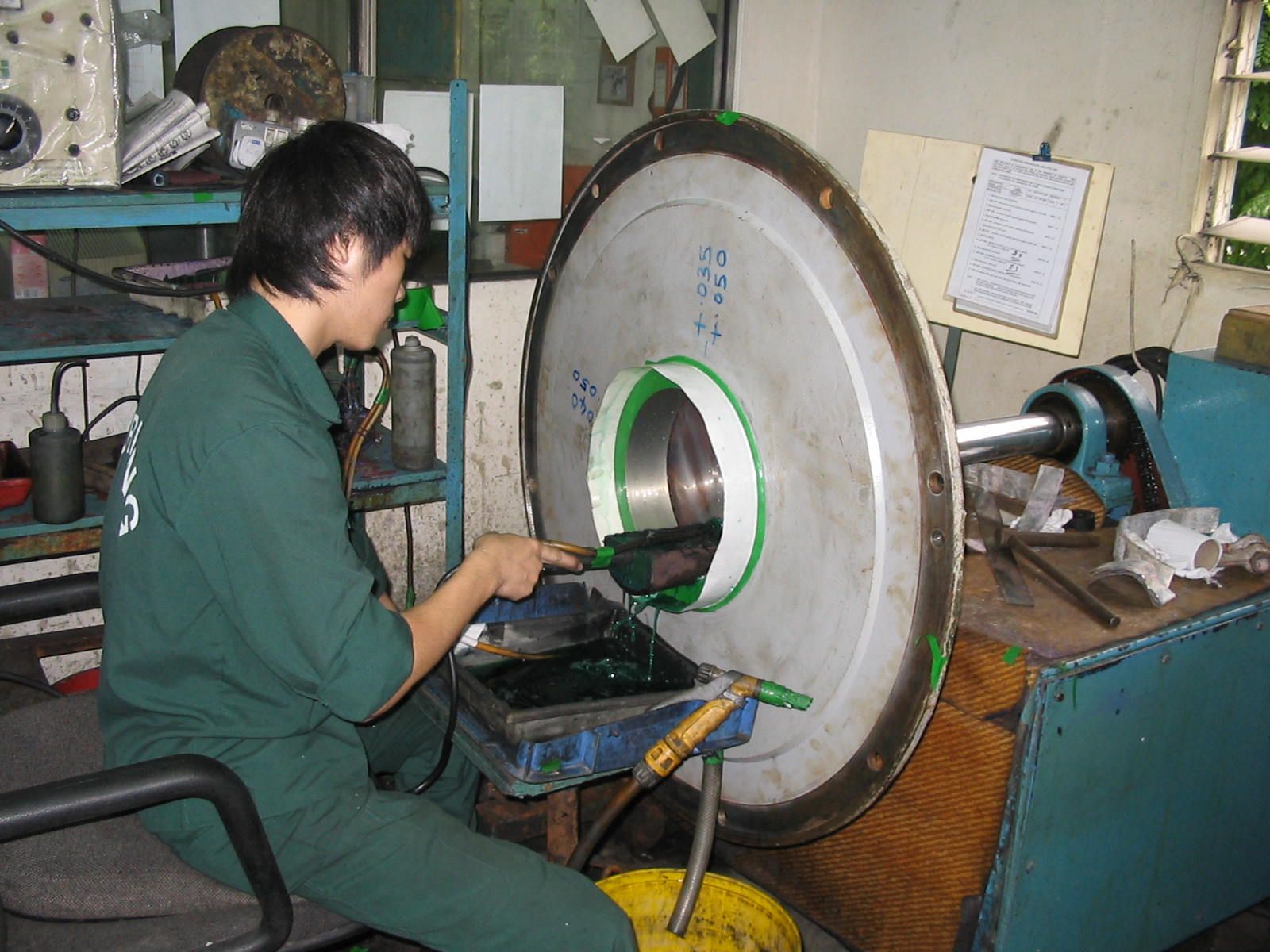
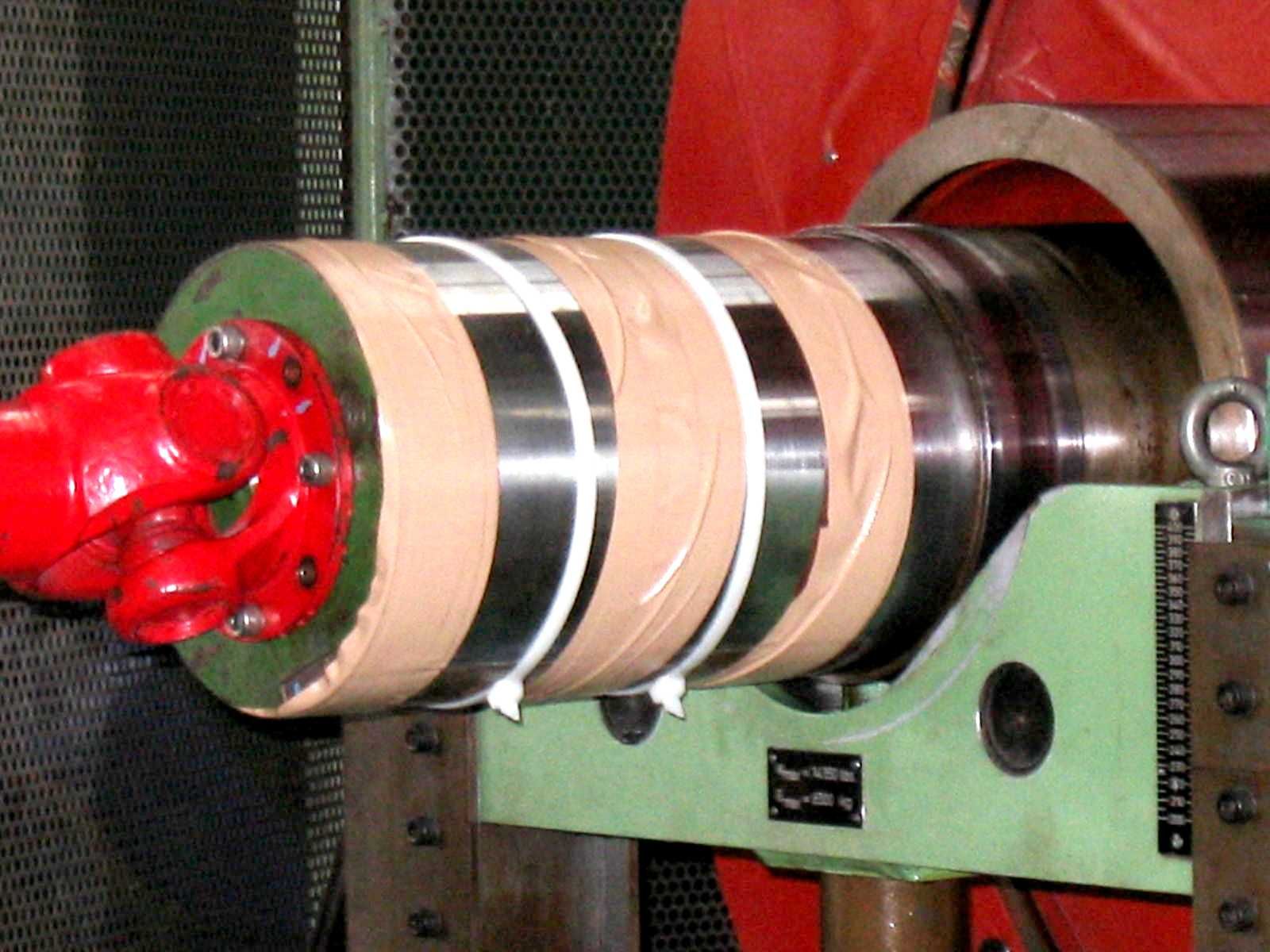
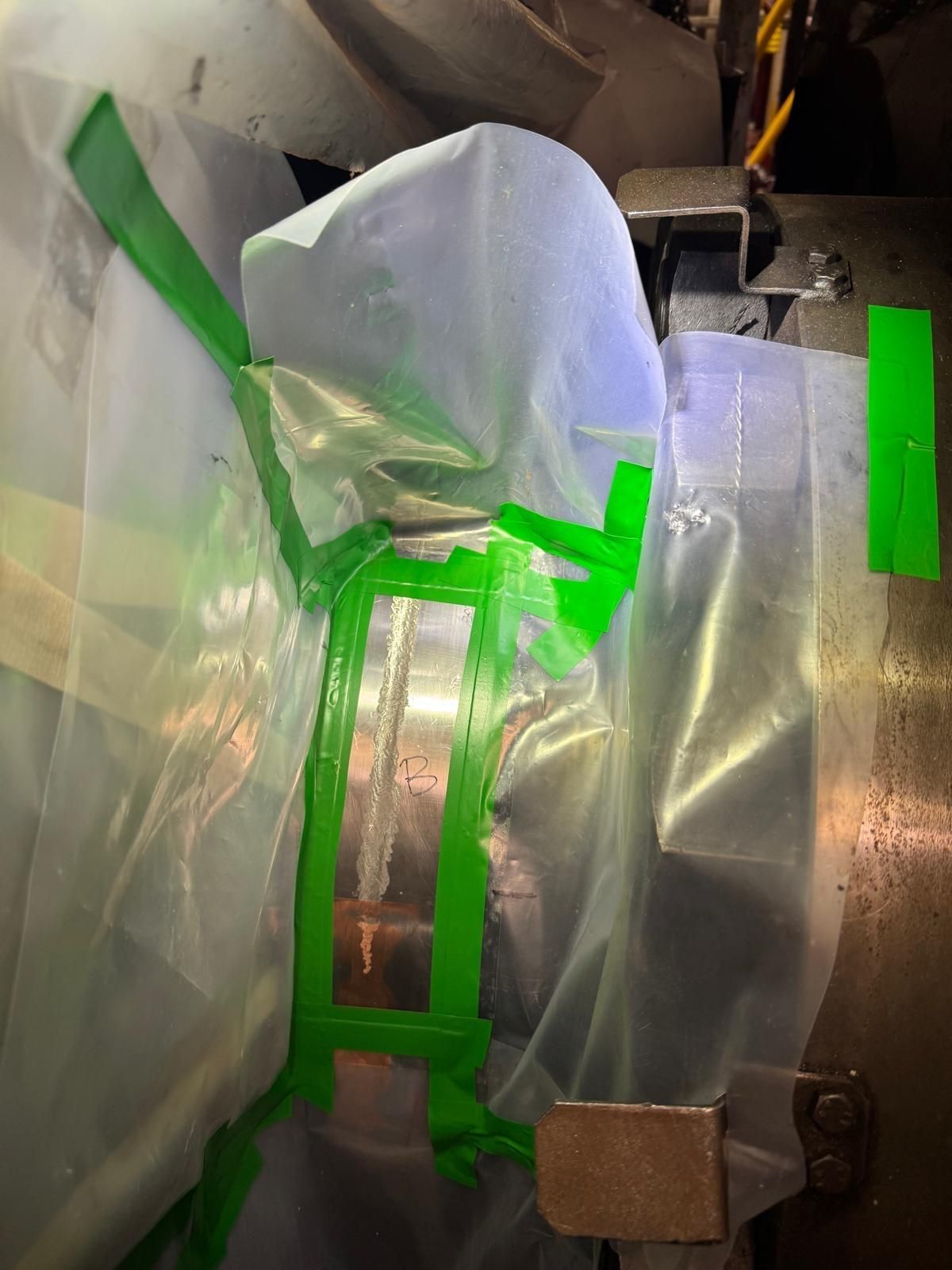
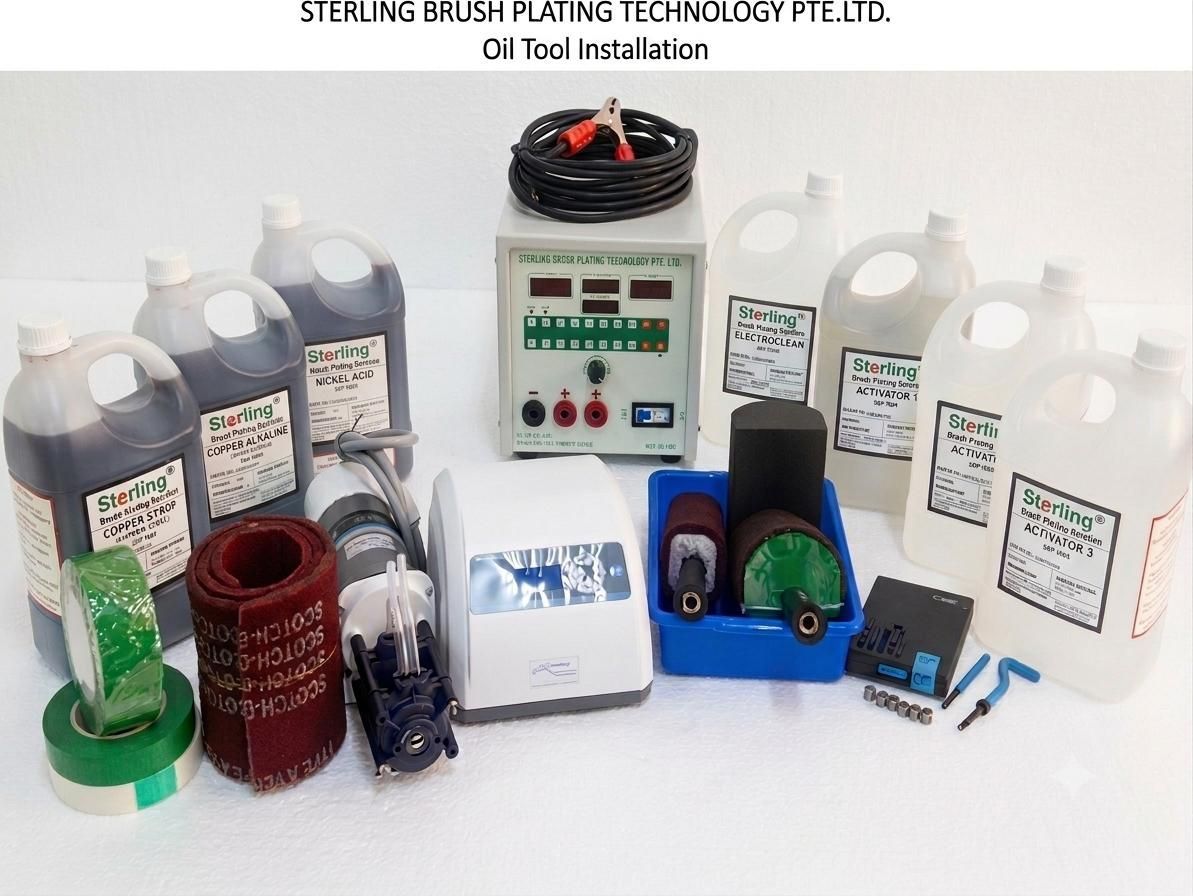
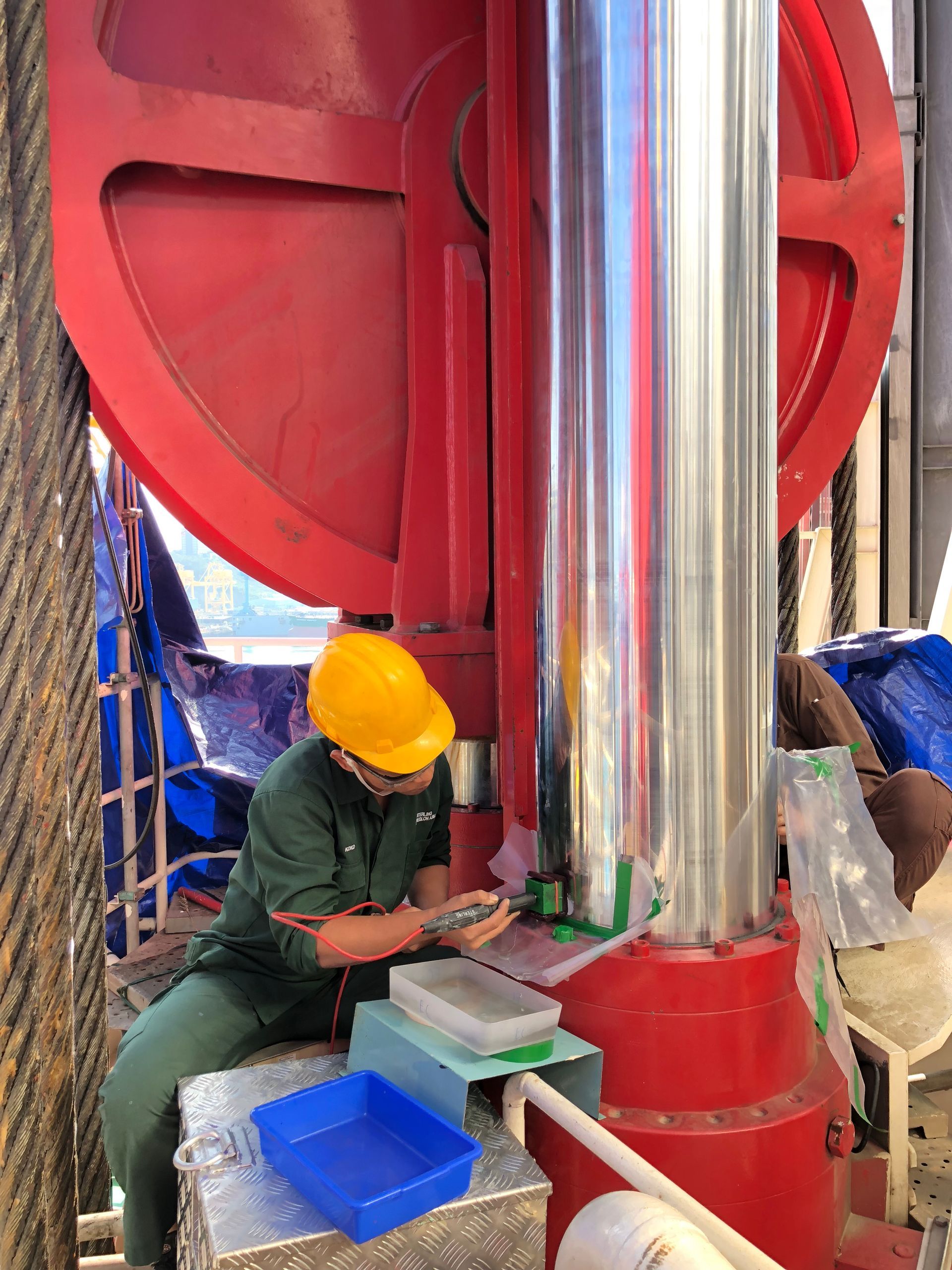
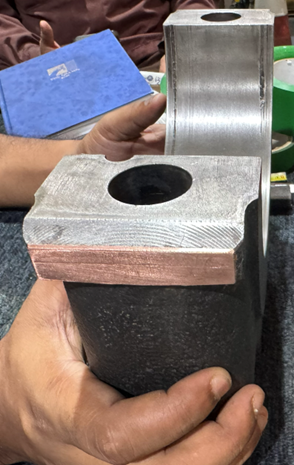
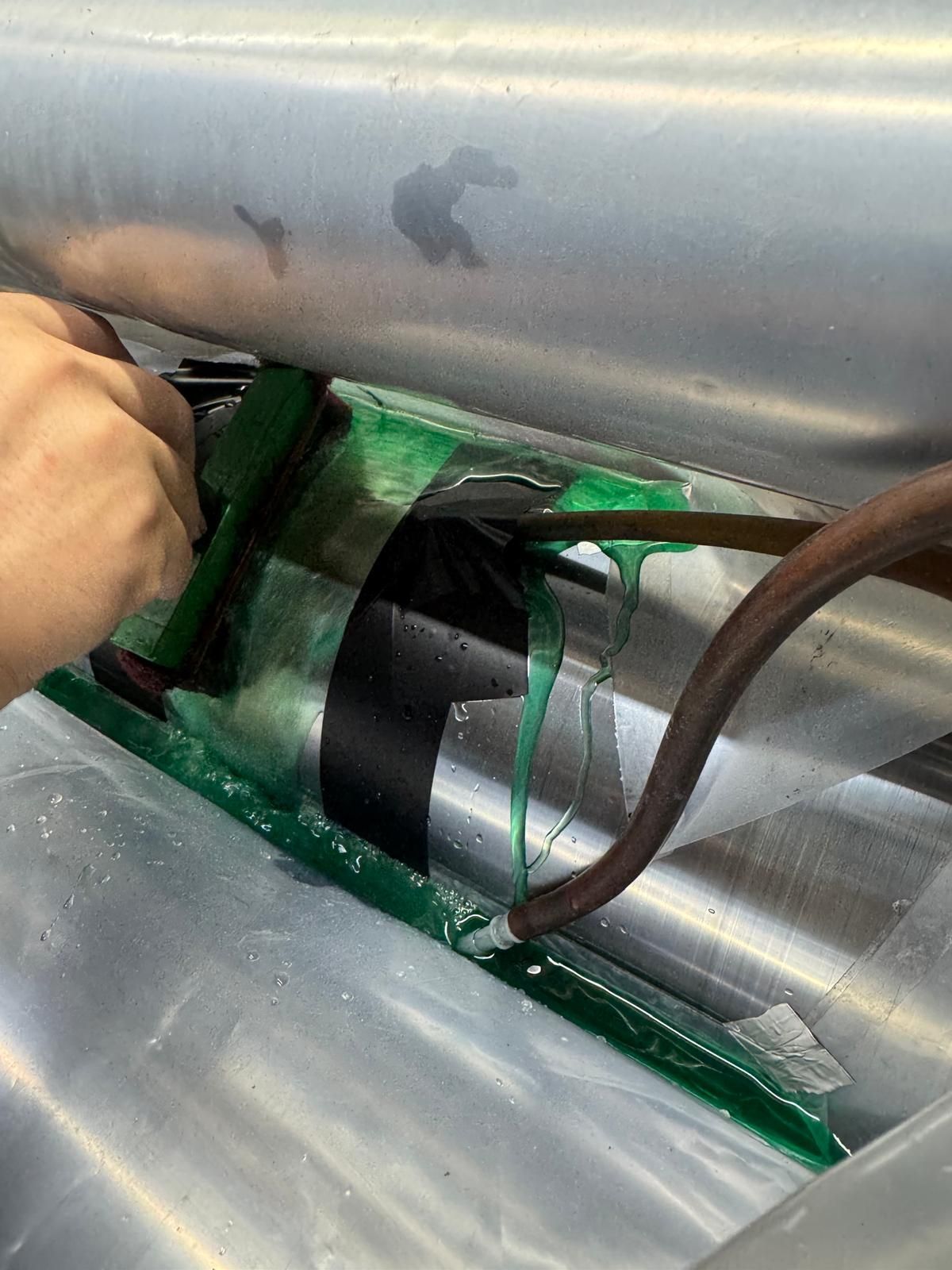
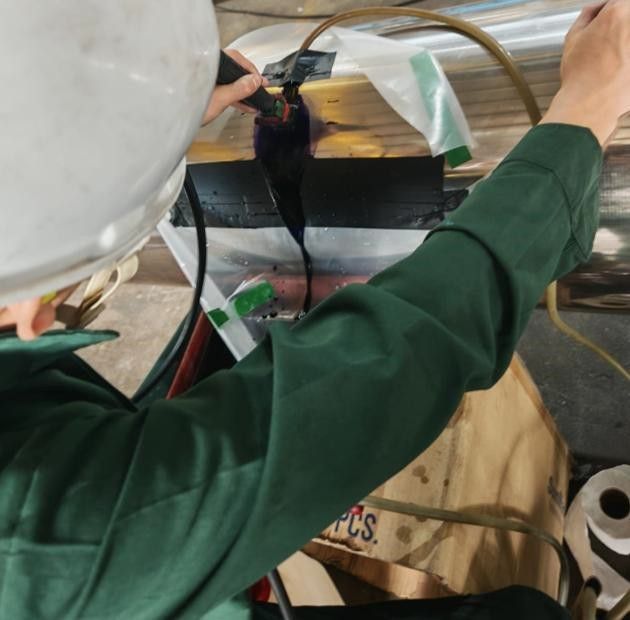
- It can be applied selectively. Processes such as Brush Plating allow only the threads and sealing areas to be treated, on new or repaired components.
- It has a long track record. Many licensors and OEMs already specify copper for their connections, so it is well understood and qualified.
In simple terms, copper acts like a thin, soft cushion between two hard surfaces.
Where Thread Compound Fits
Thread compound is not an alternative to plating so much as a partner to it. Compounds contain solid particles that fill the gaps between surfaces and carry load. Used correctly, they work with the plated layer to reduce friction and protect threads.
A few points to keep in mind:
- The right compound matters. Use the type specified for the connection and material.
- Application matters. Too little leaves areas unprotected, and too much can affect make-up torque readings or cause issues in the connection.
- Cleanliness matters. Dirt and the wrong cleaning solvents can affect how the compound performs.
- Regulations are changing. In some regions, environmental rules have pushed the industry towards compounds with reduced or no heavy metal content, so it is worth checking current requirements for your operations.
So, Is Copper Always the Answer?
Not necessarily. The right treatment depends on:
- The connection design. Premium connections and API connections may have different requirements.
- The material. Carbon steel, alloy steel, and CRAs behave differently, and some specifications restrict which coatings may be used.
- The environment. Sour service, high temperature, and marine exposure can all influence the choice.
- The number of make-up cycles. Connections run many times may need more durable protection or a plan for re-plating.
- The licensor or OEM specification. This is the deciding factor. The connection designer sets the approved treatment, and substituting a different one can affect performance and approval.
The practical rule is simple: follow the specification. If a licensor or OEM requires copper, use copper. If it calls for another treatment, use that, applied by a qualified process.
Why Application Quality Matters as Much as the Choice
A good coating choice can still fail if it is applied poorly. Whatever the treatment, performance depends on:
- Surface preparation. The surface must be clean and properly prepared before coating.
- Thickness and uniformity. Too thin can wear through and too thick can cause fit or adhesion problems.
- Adhesion. A coating that lifts or flakes does not protect.
- Process control. A qualified, repeatable process gives consistent results.
- Storage and handling. Coatings can be damaged before the connection ever reaches the rig.
Key Takeaways
- Anti-galling coatings keep steel threads from touching and tearing each other.
- Copper is popular because it is soft, bonds well, works with compound, and has a long track record.
- Alternatives such as phosphate, dry-film coatings, and other metals have their own strengths and are used where specified.
- Thread compound works together with plating, not instead of it.
- The specification decides the treatment, and quality of application decides how well it performs.
The Alternatives
Copper is not the only option. Here is how the main alternative compare.
| Treatment | How it Works? | Typical Strengths | Typical Limitations |
|---|---|---|---|
| Copper Plating | Soft, sacrificial metal layer | Well proven, good anti-galling performance, widely specified | Must be applied and controlled properly, thickness and adhesion matter |
| Thread Compound Alone | Lubricating grease with solid additives | Simple, easy to apply on-site | Can be squeezed out or contaminated, protection varies with practice |
| Phosphate Coating | Chemical conversion layer that holds lubricant | Good at retaining compound, widely used | Does not replace a soft metal layer in every application |
| Dry-Film or Solid Lubricant Coatings | Bonded layer of solid lubricant | Clean, consistent film, less reliance on compound | Specific to the connection design, can wear with repeated use |
| Other Metal Platings (Tin, Zinc, Nickel) | Different metals offering varied hardness and friction | Suited to certain materials, environments, or specifications | Properties differ from copper, so use only where specified |
| Surface Texturing or Blasting | Roughened surface that holds compound | Improves compound retention | Not a standalone solution for severe galling risk |