What is the Galling Phenomenon?
Galling - A Serious Problem for Oil Tools and Accessories?
Galling is a severe form of adhesive wear that occurs when two metal surfaces slide or rub against each other under pressure, causing material from one surface to transfer, tear, or weld onto the other surface. It is commonly seen in threaded connections, fasteners, bearings, shafts, valves, and mechanical components operating under high loads or friction.
In simple terms, galling happens when metal surfaces “stick” together during movement, and as the movement continues, the surfaces tear apart, causing damage.
How Galling Occurs
The galling process typically happens in stages:
- Metal-to-metal contact
Under load and friction, the protective oxide layer on the metal surface breaks down. - Adhesion or microscopic welding
The bare metal surfaces begin to bond together at microscopic points due to heat and pressure. - Material transfer
As the surfaces continue moving, pieces of metal are pulled from one surface and transferred to the other. - Surface tearing and damage
The damage rapidly worsens, leading to scoring, roughness, seizure, or complete locking of the component.
Common Causes of Galling
- High friction between mating surfaces
- Lack of lubrication
- Excessive torque or pressure
- Similar metal materials rubbing together (especially stainless steel)
- Poor surface finish
- High temperatures
- Repeated assembly/disassembly
- Inadequate anti-galling coating protection
Components Commonly Affected
Galling frequently occurs on:
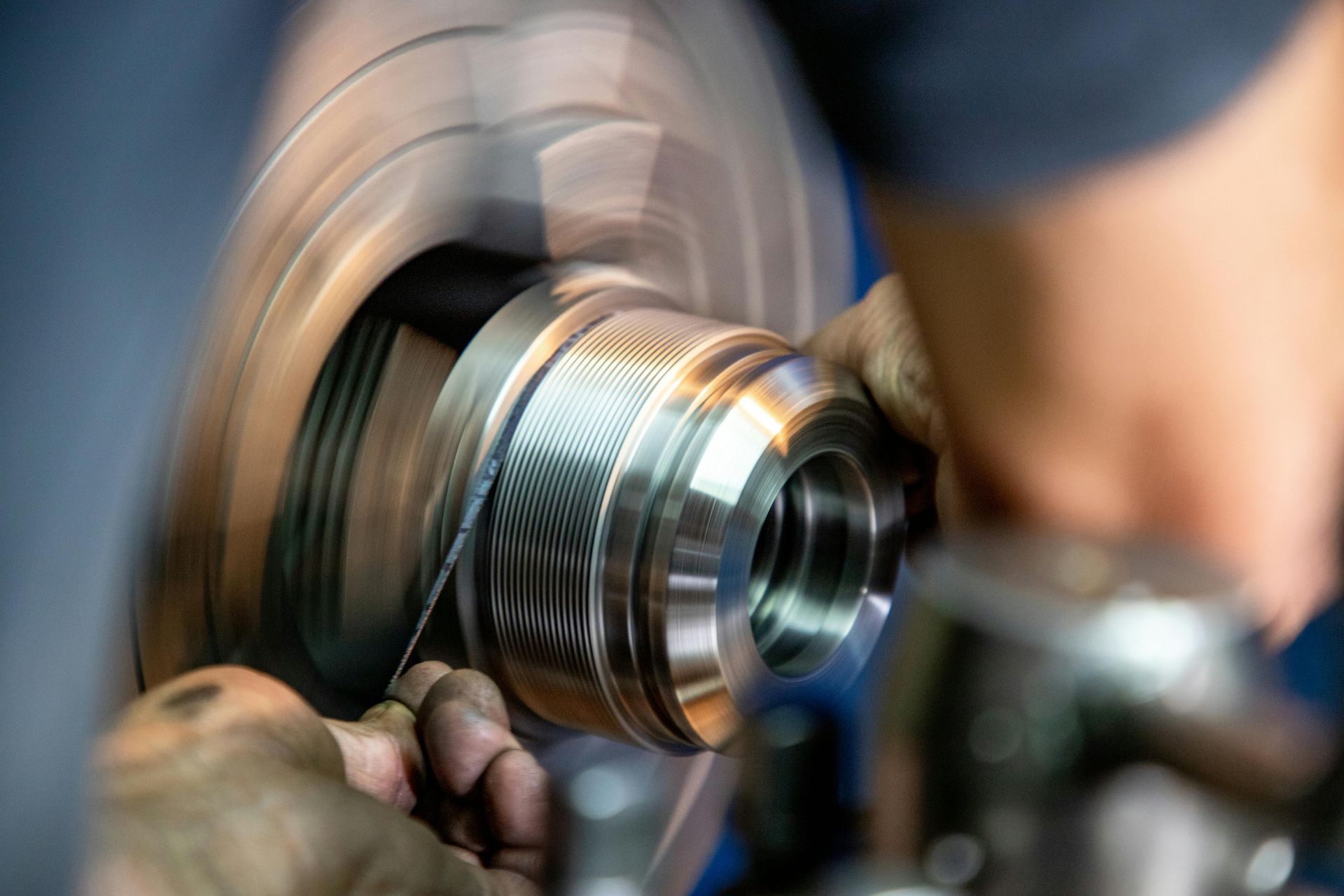
- Threaded fasteners and bolts
- Oil & gas connections
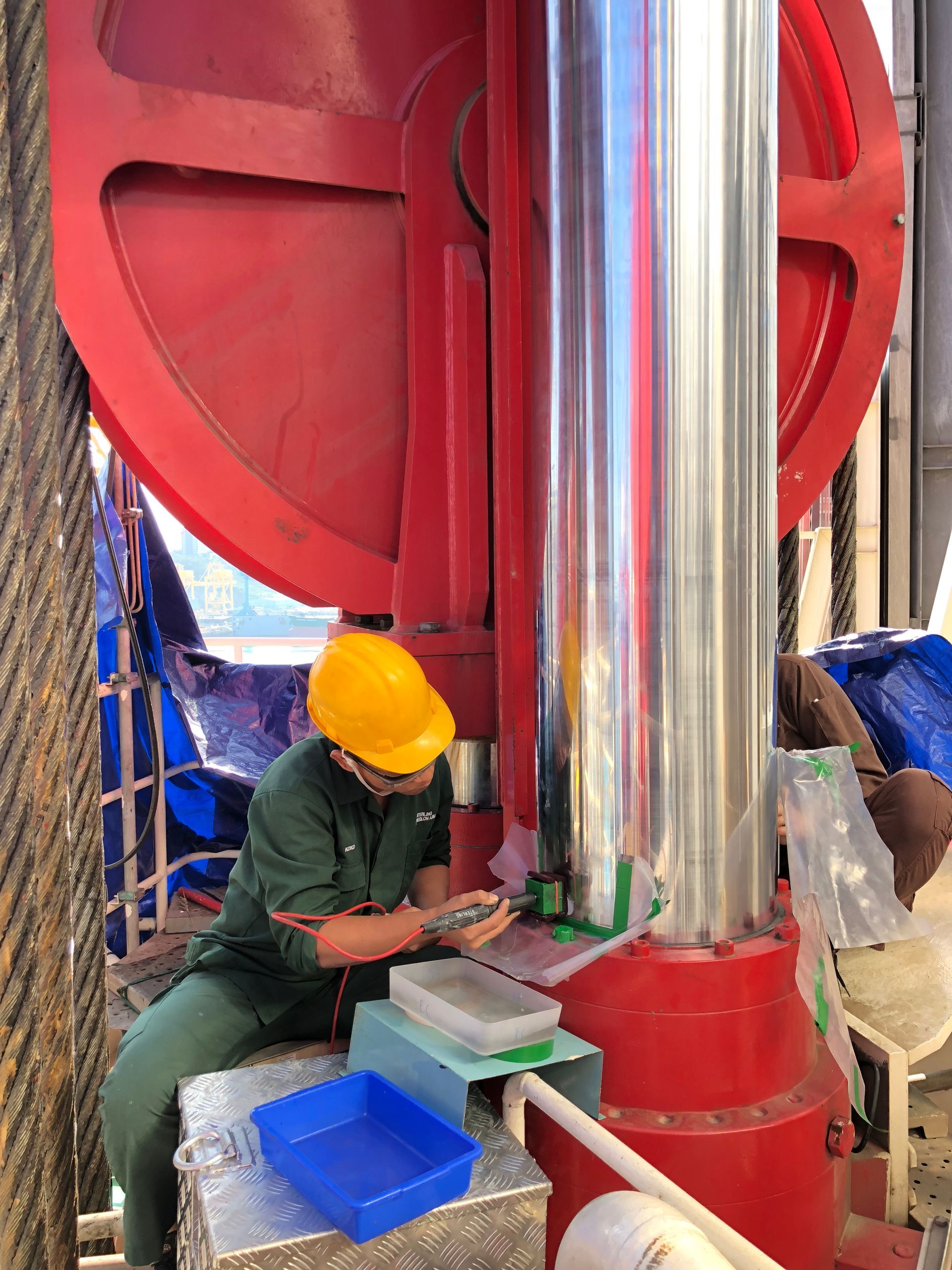
- Hydraulic shafts and cylinders
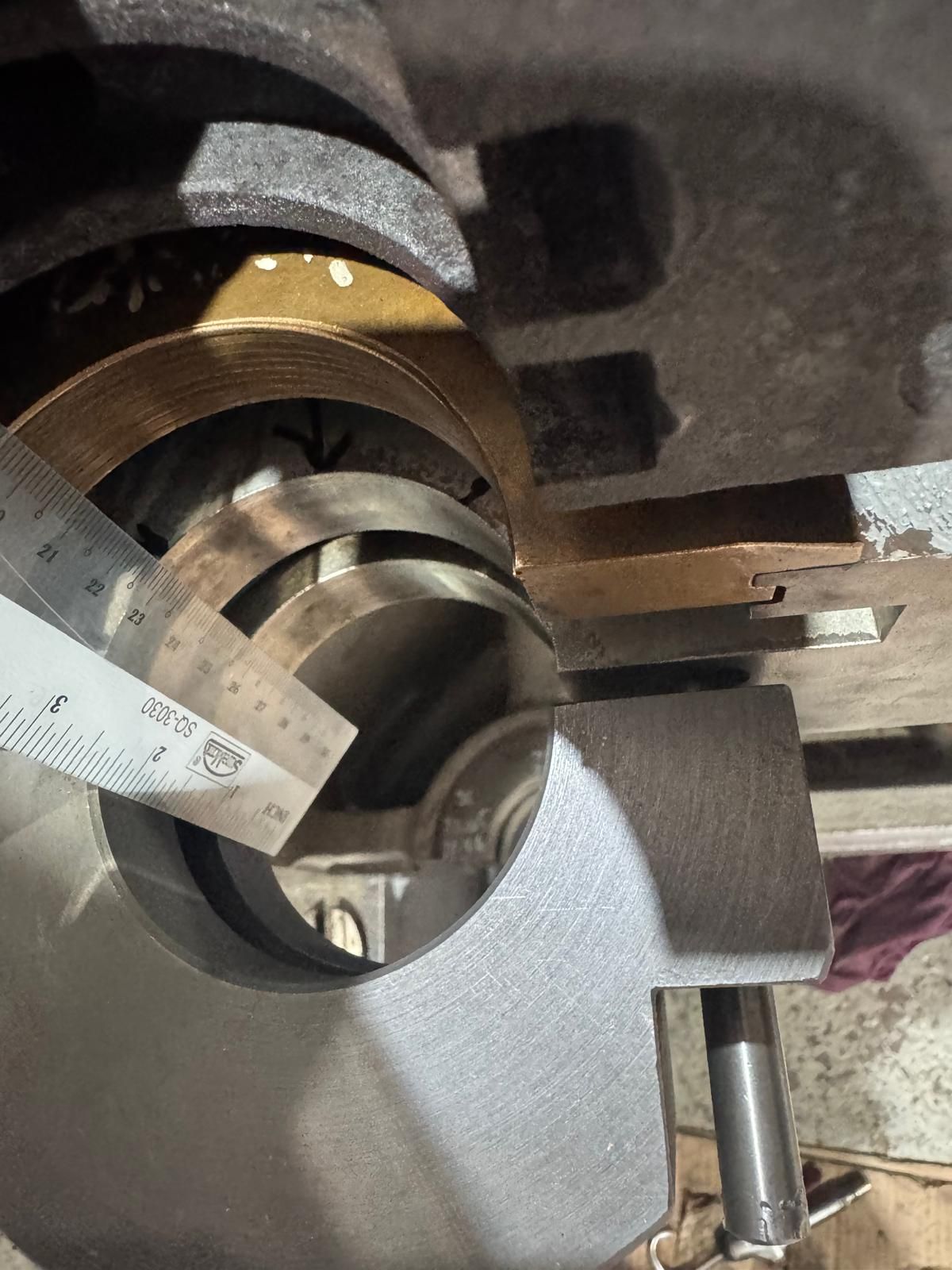
- Bearings and bushings
- Oil Tools and Accessories
- Valve stems
- Stainless steel components
- Marine equipment
- Heavy machinery parts
For the Oil & Gas industry, galling is a major concern in as it can lead to costly thread damage, rejected pipes, operational delays, and safety risks.
Typical Signs of Galling
Visual symptoms include:
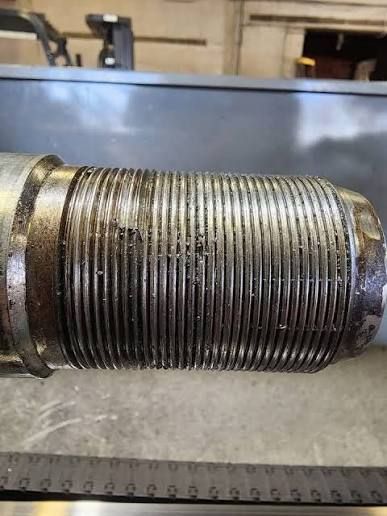
- Deep scratches or score lines
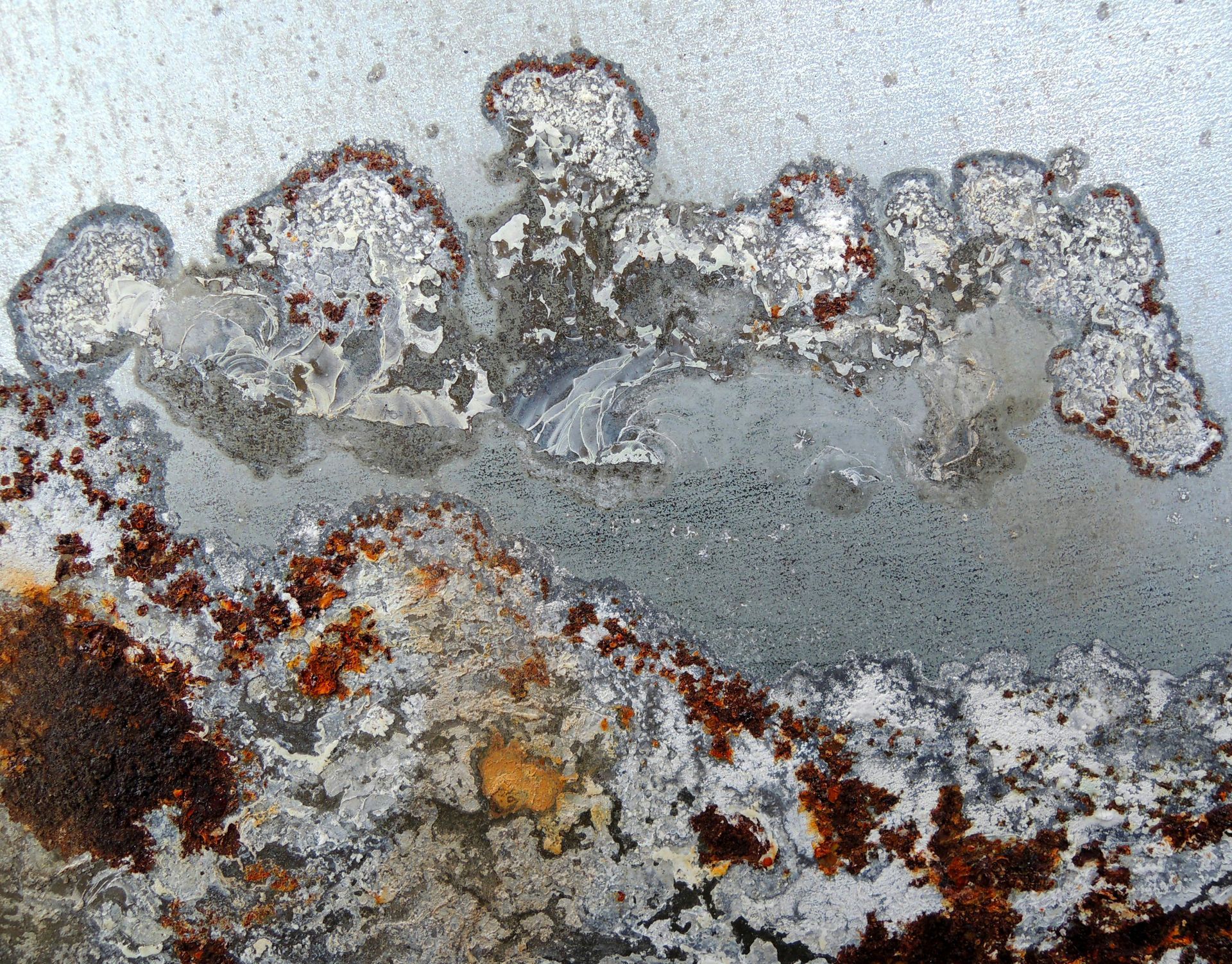
- Torn or rough metal surfaces
- Metal buildup on threads
- Seized or jammed components
- Surface discoloration
- Excessive friction during make-up or breakout
Why Galling Is Dangerous
Galling can lead to:
- Premature component failure
- Leakage in pressure systems
- Expensive downtime
- Difficult disassembly
- Damage to expensive threads
- Increased maintenance costs
- Safety and environmental risks
In severe cases, components can completely seize and become unusable.
How Galling Is Prevented
Common prevention methods include:
1. Lubrication
Using anti-seize compounds or lubricants reduces friction and heat.
2. Surface Treatments & Coatings
Protective coatings reduce direct metal-to-metal contact.
Examples include:
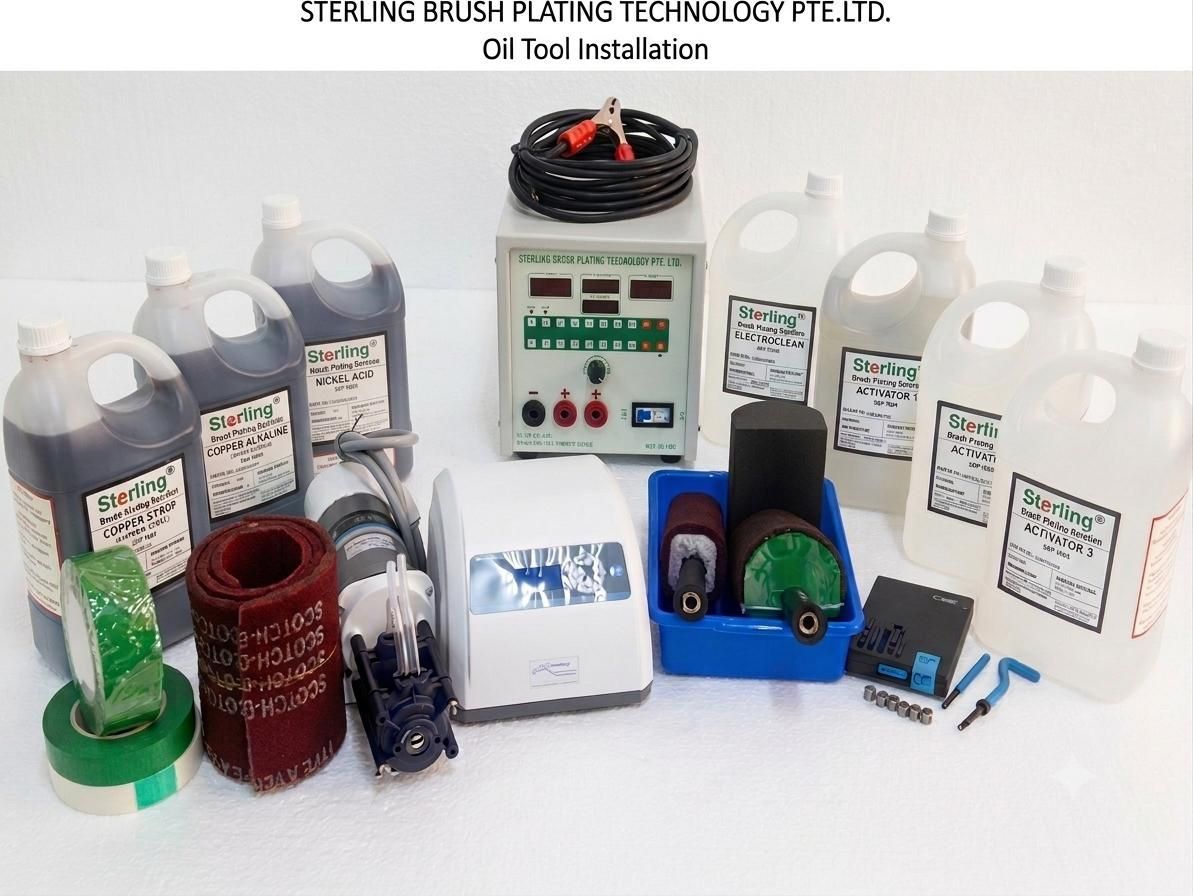
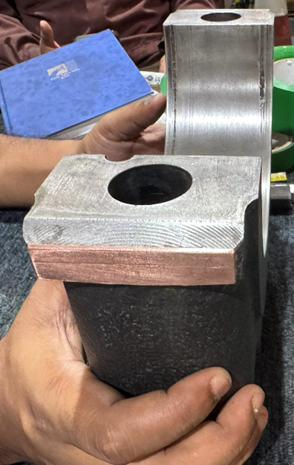
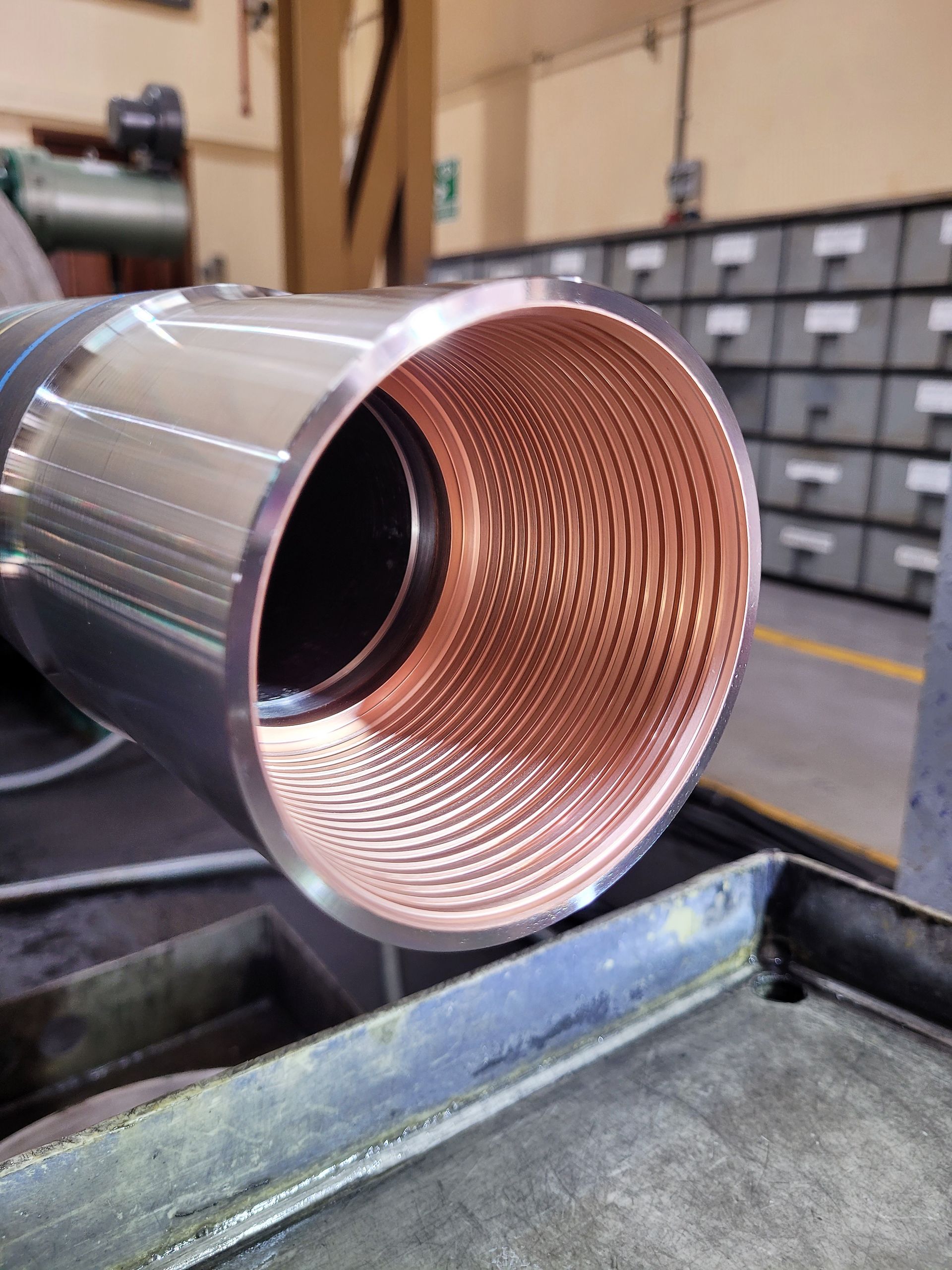
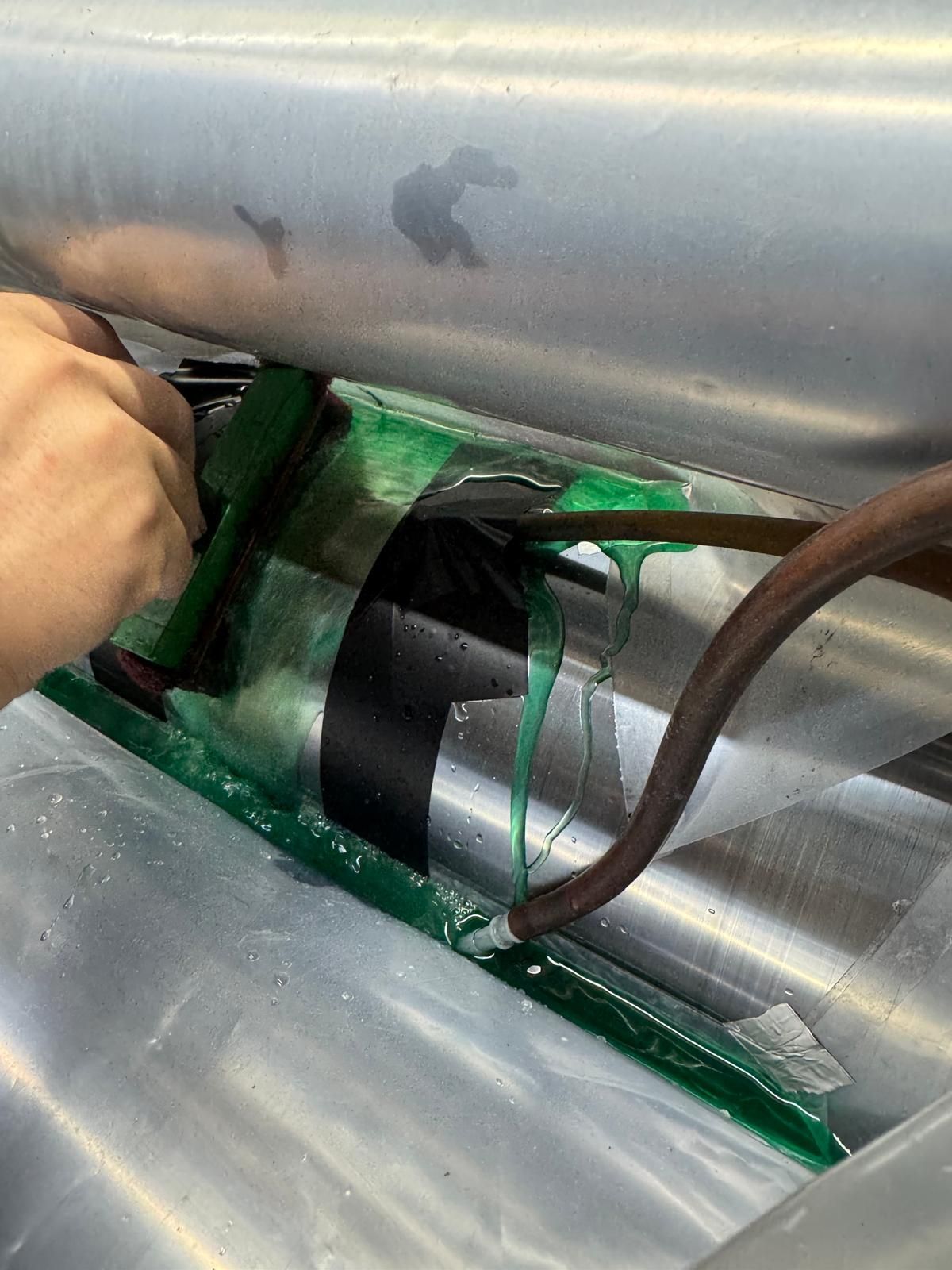
- Copper plating
- Nickel plating
- Phosphating
- Dry film lubricants
3. Proper Torque Control
Avoid excessive tightening force.
4. Material Selection
Using dissimilar metals can reduce adhesion.
5. Surface Finish Optimization
Smoother and controlled surface finishes help reduce friction points.
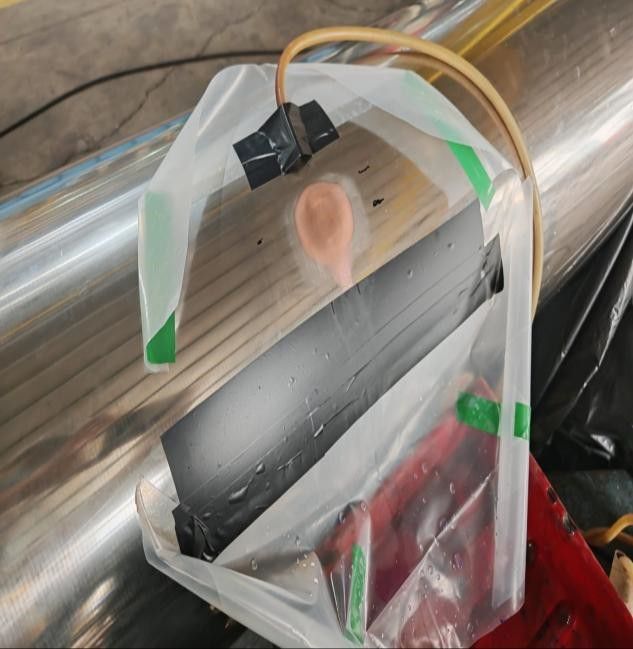
Why Copper Brush Plating Helps Prevent Galling
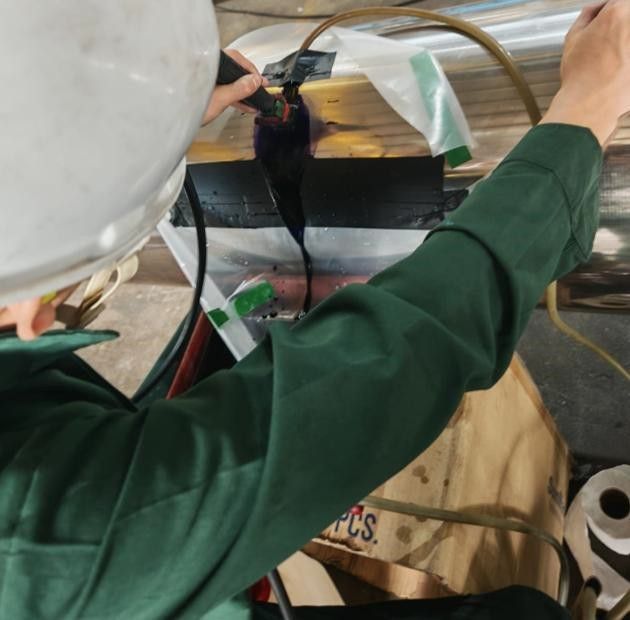
In industries such as Oil & Gas, copper brush plating is widely used as an anti-galling coating because copper:
- Provides lubricity during make-up
- Reduces friction between mating threads
- Prevents metal seizure
- Offers good adhesion to the substrate
- Helps protect premium threaded connections
This is why many OCTG manufacturers and threading facilities use copper anti-galling coatings for premium and non-premium connections.