How the Marine Industry Repairs Critical Shafts Without Dry Dock Delays
Brush Plating for the Marine Industry
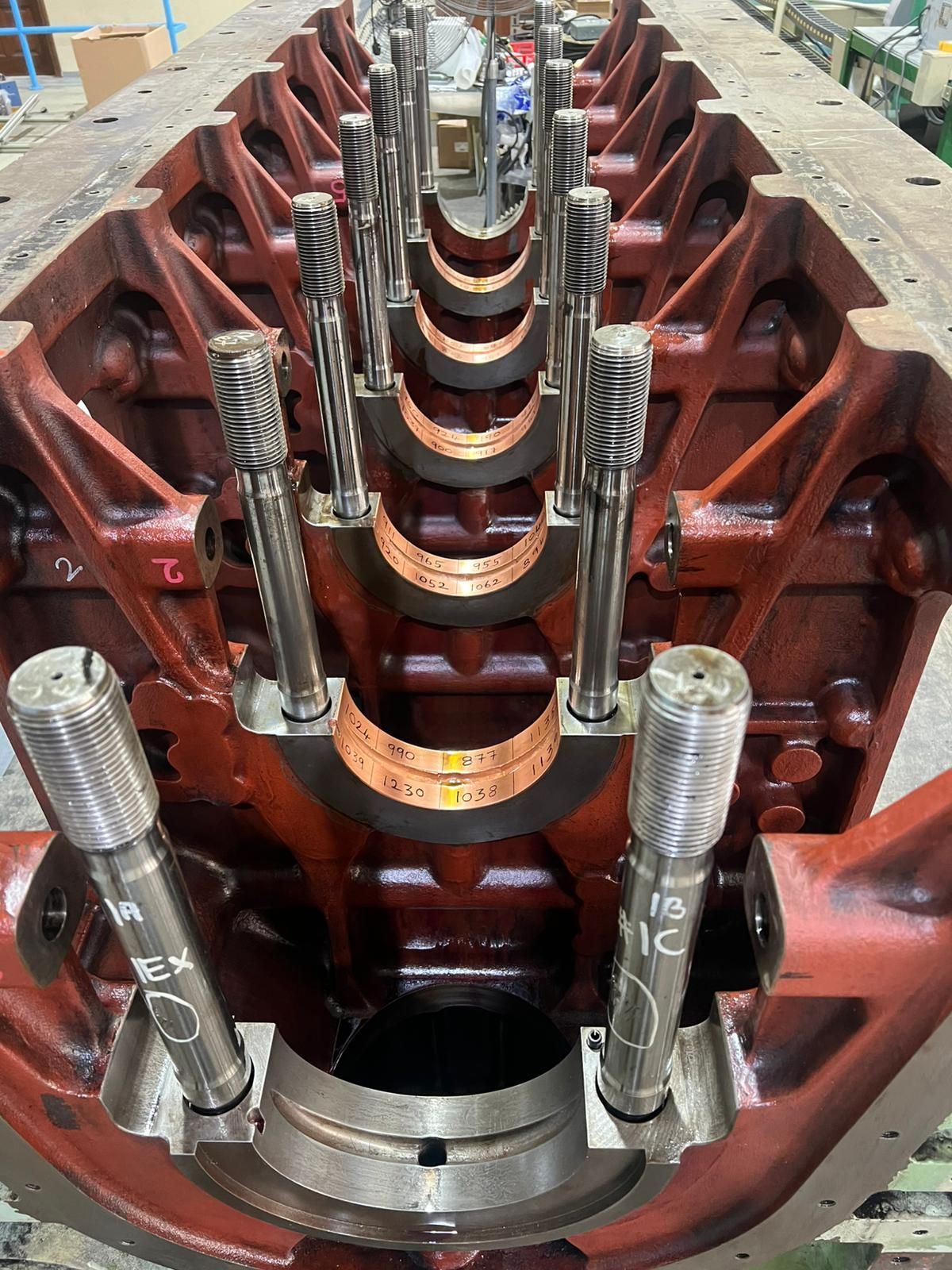
In the Marine and Offshore industry, downtime is more than just an inconvenience, it is a major operational and financial risk. When critical shafts or rotating components become damaged, every hour spent waiting for repairs can result in delayed schedules, interrupted operations, and significant losses.
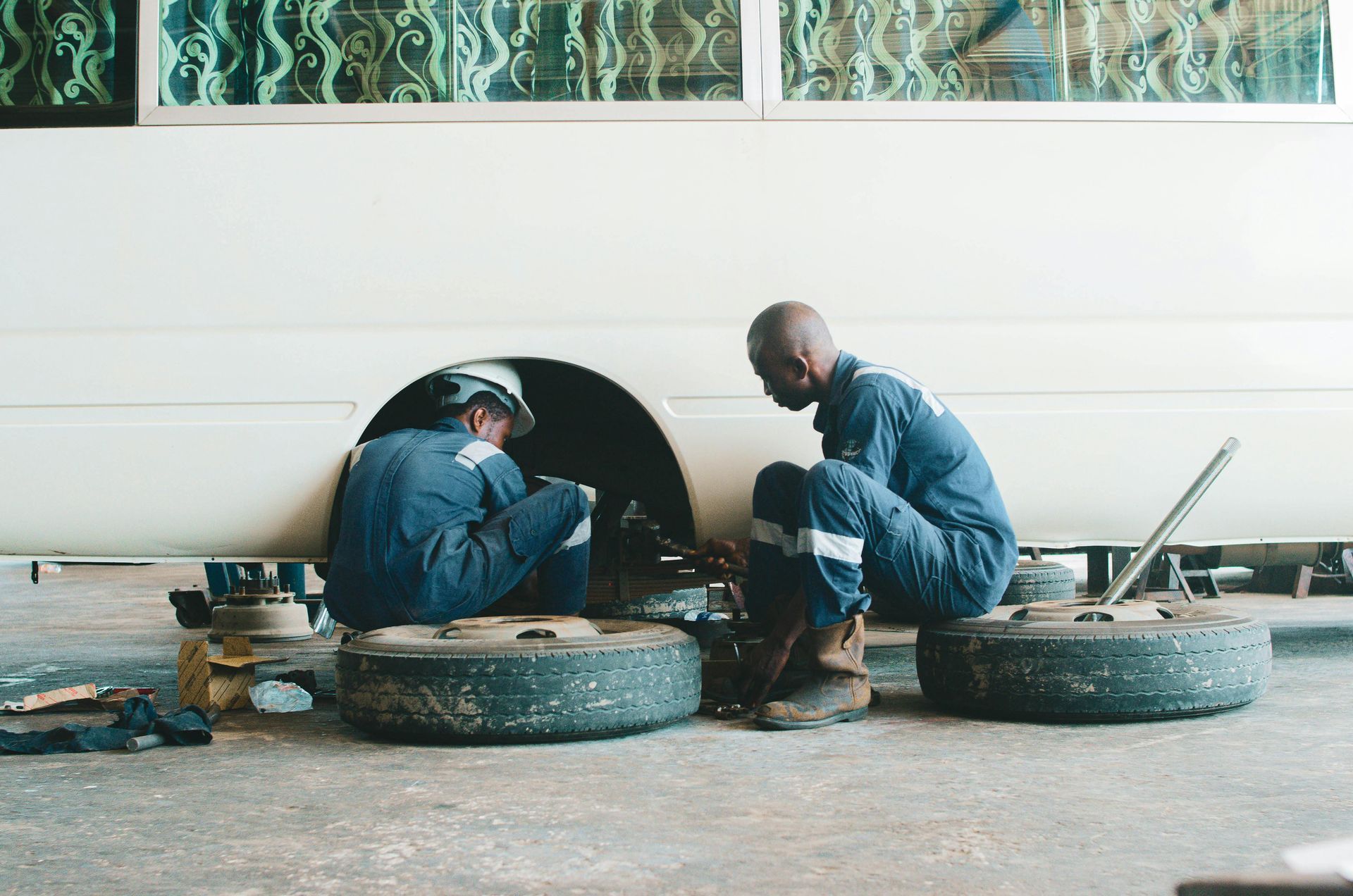
Traditionally, repairing damaged shafts often meant dismantling equipment, transporting heavy components to a workshop, and waiting for machining or replacement. In many cases, vessels would even need to be placed into dry dock resulting in costly delays and operational disruption.
Today, however, the industry is shifting towards a faster and more efficient solution: on-site repair technology.
The Challenge of Shaft Damage in Marine Operations
Marine and offshore equipment operate under harsh conditions every day. Constant exposure to saltwater, heavy loads, vibration, and continuous operation can lead to:
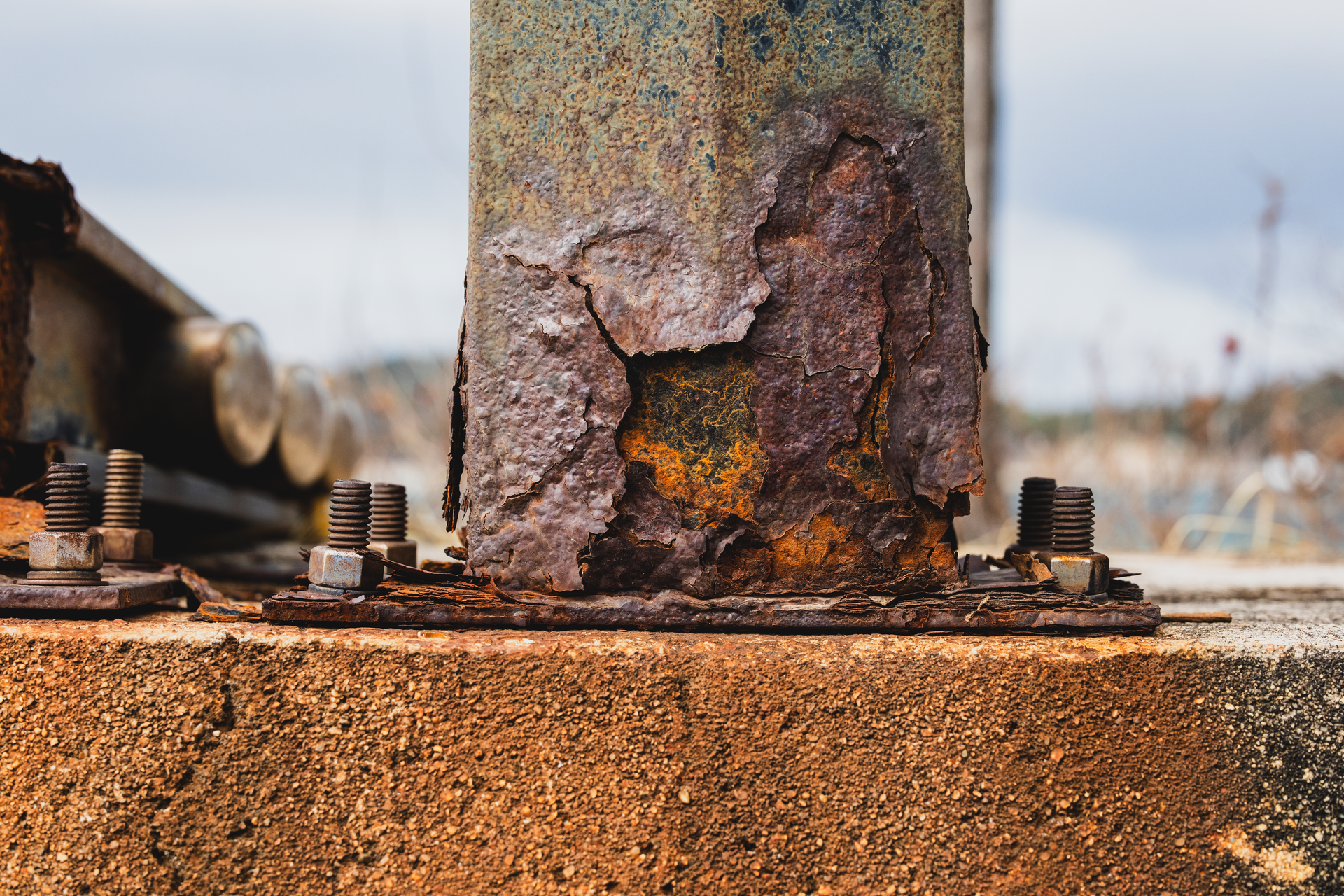
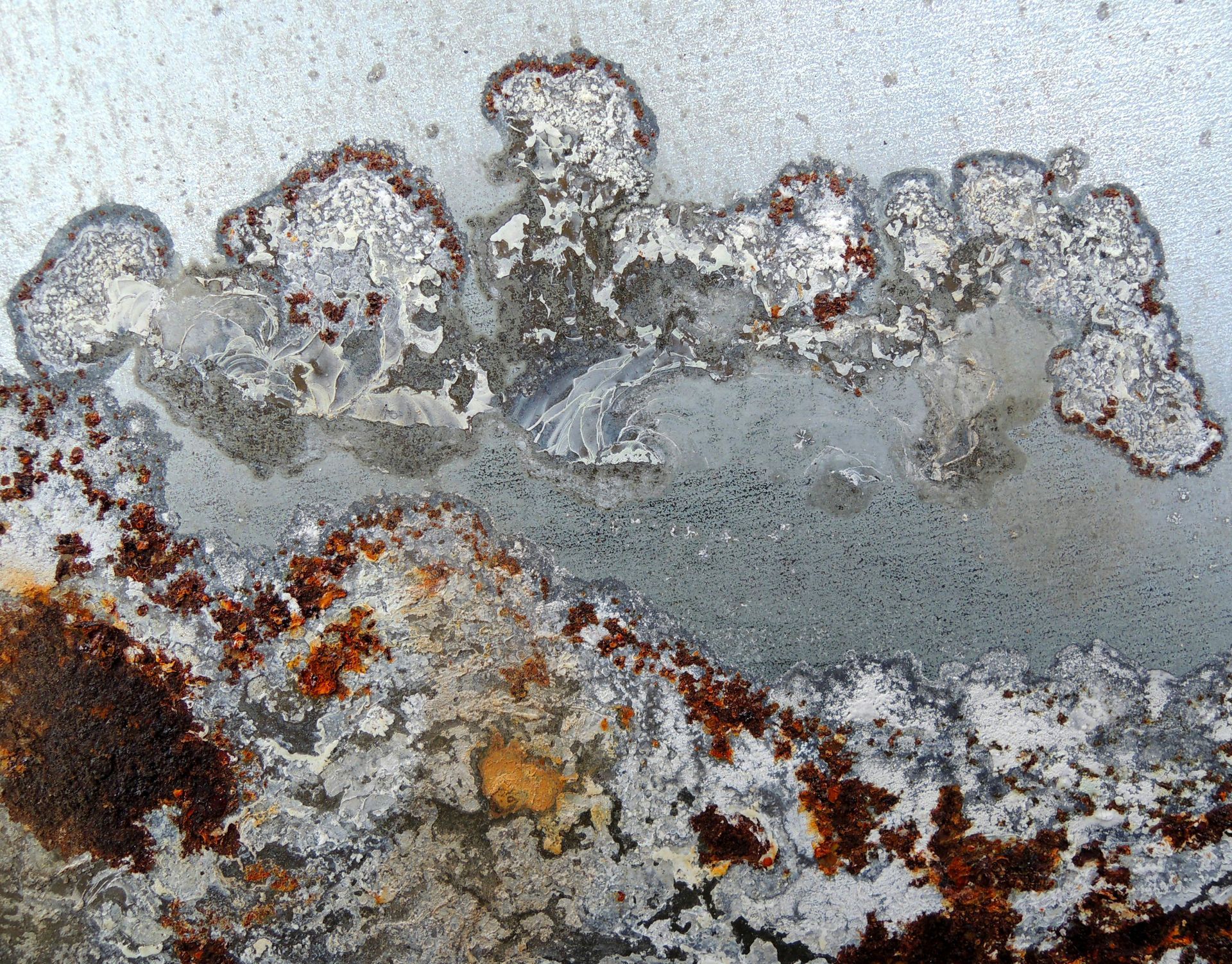
- Corrosion pitting
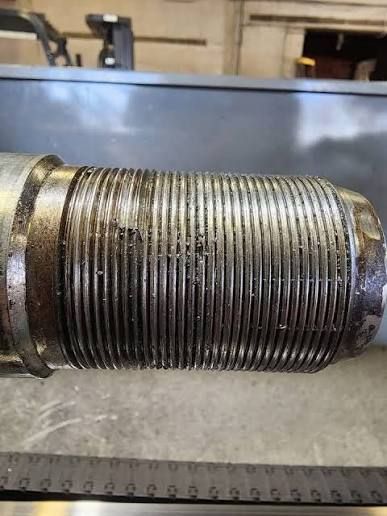
- Scorelines and wear
- Fretting damage
- Surface deterioration on shafts and journals
These issues commonly affect:
- Propeller shafts
- Hydraulic shafts and rods
- Mooring winch shafts
- Engine and gearbox components
- Deck machinery equipment
If left untreated, such damage can lead to leakage, vibration issues, seal failures, and reduced operational reliability.
The Problem with Traditional Repairs
Conventional repair methods often involve:
- Removing the damaged component
- Transporting it to a workshop
- Machining or replacing the part
- Reinstalling and recalibrating the equipment
For large marine components, this process can take days or even weeks.
For shipyards, offshore operators, and vessel owners, this means:
- Expensive dry dock delays
- Increased logistics costs
- Extended and costly downtime
- Disruption to project schedules
In a highly competitive industry, these delays directly affect profitability and operational efficiency.
The Smarter Solution: On-Site Brush Plating Repairs
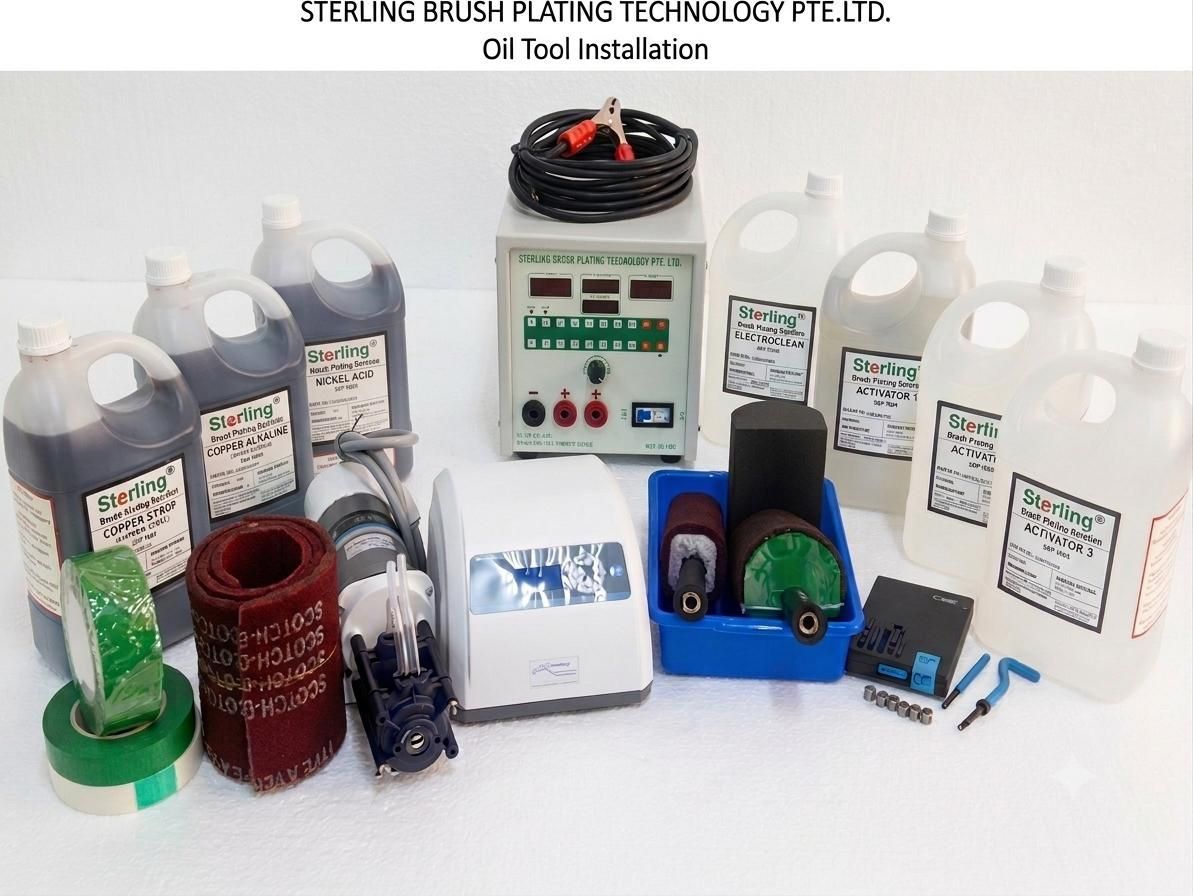
At Sterling Impreglon Asia, we provide a faster and more efficient alternative through our proprietary Brush Plating technology.
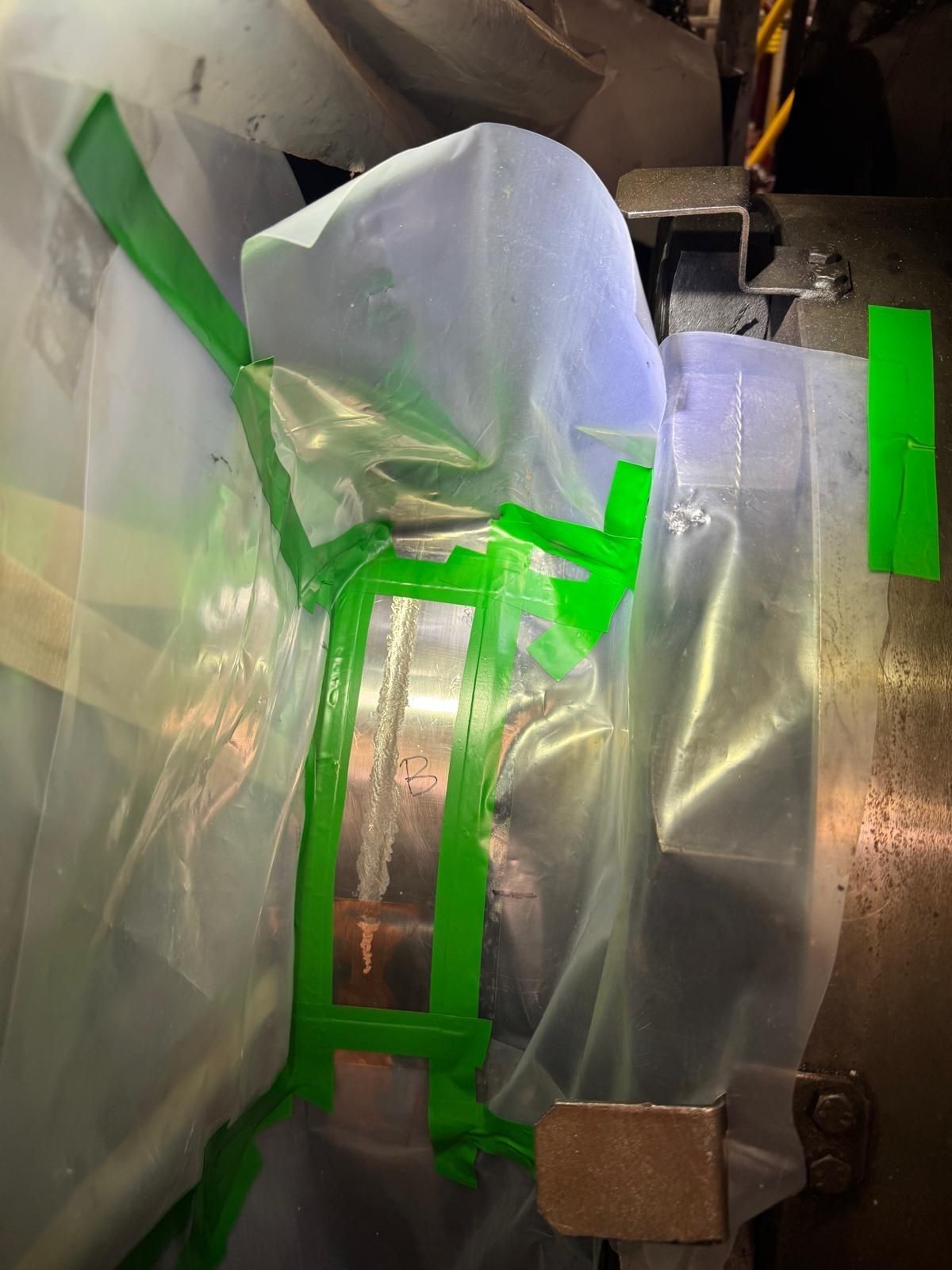
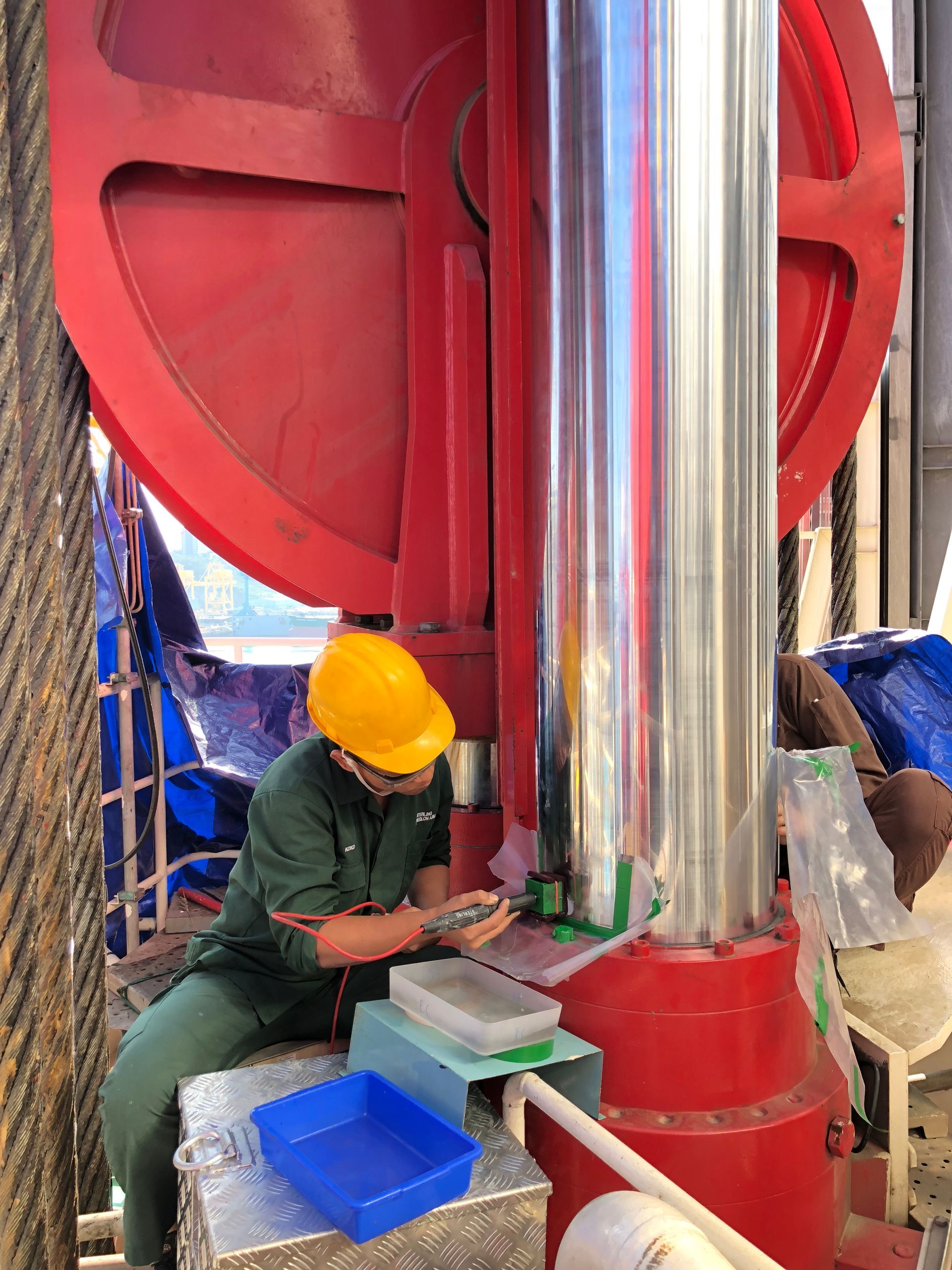
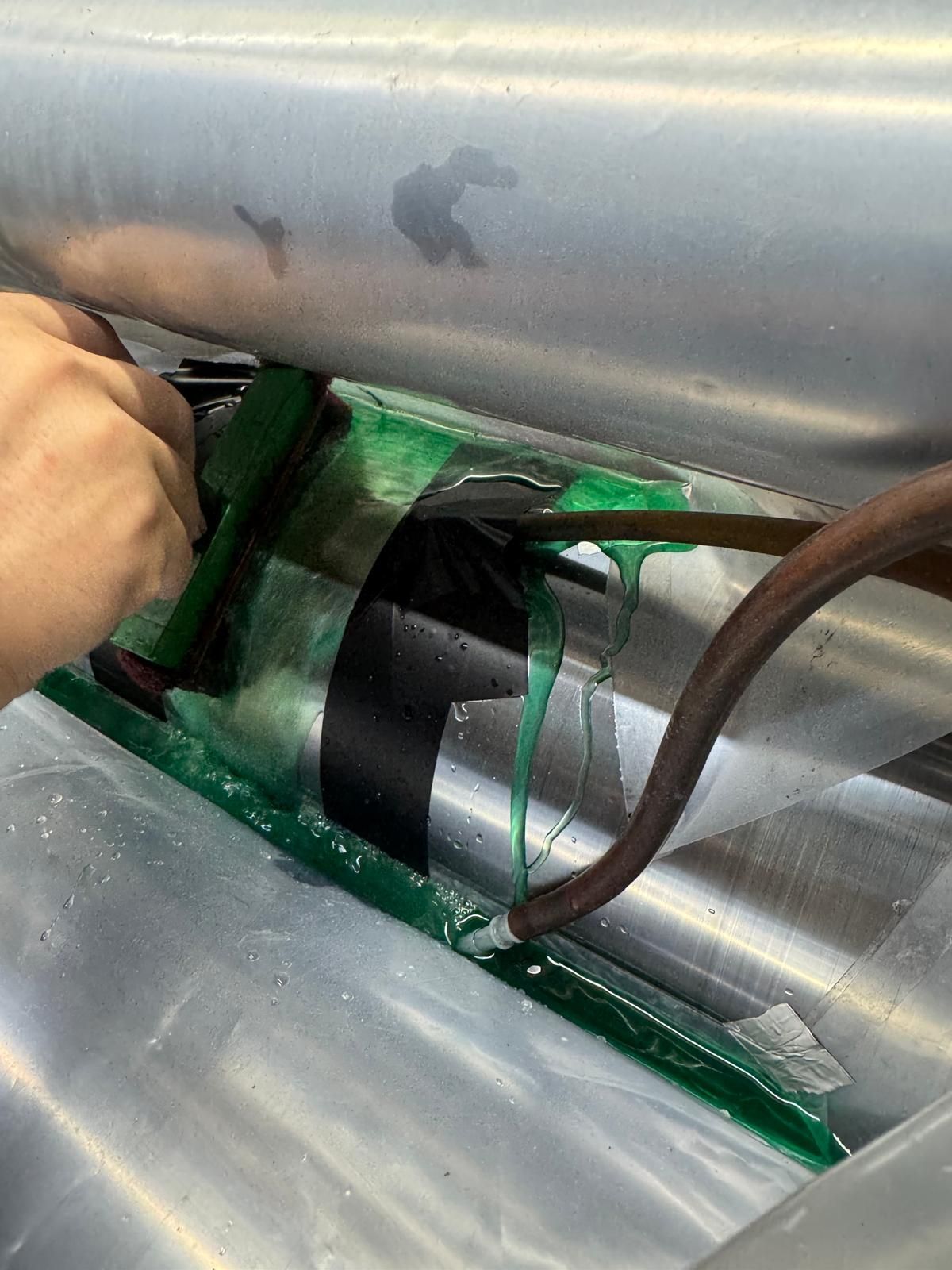
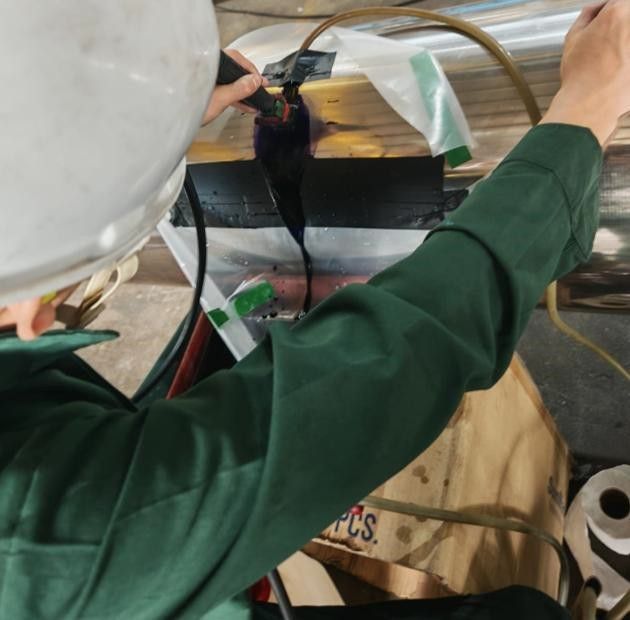
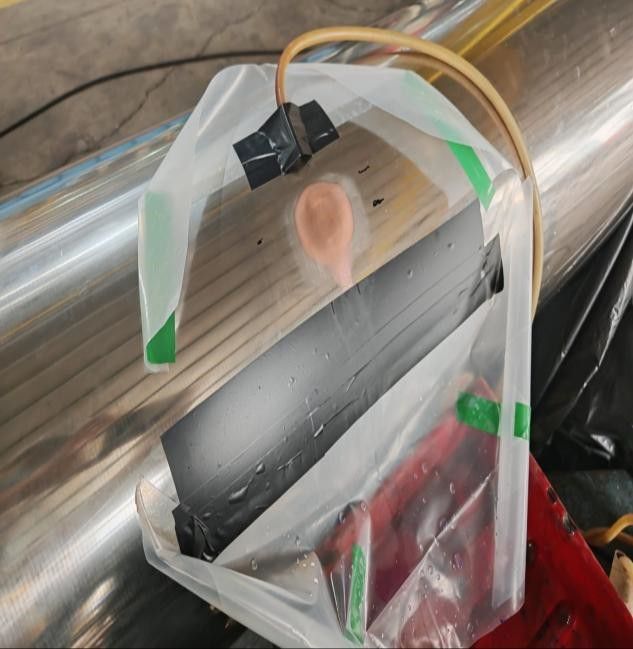
Instead of dismantling and transporting heavy equipment, our team performs repairs directly on-site whether onboard vessels, offshore platforms, or at shipyard facilities.
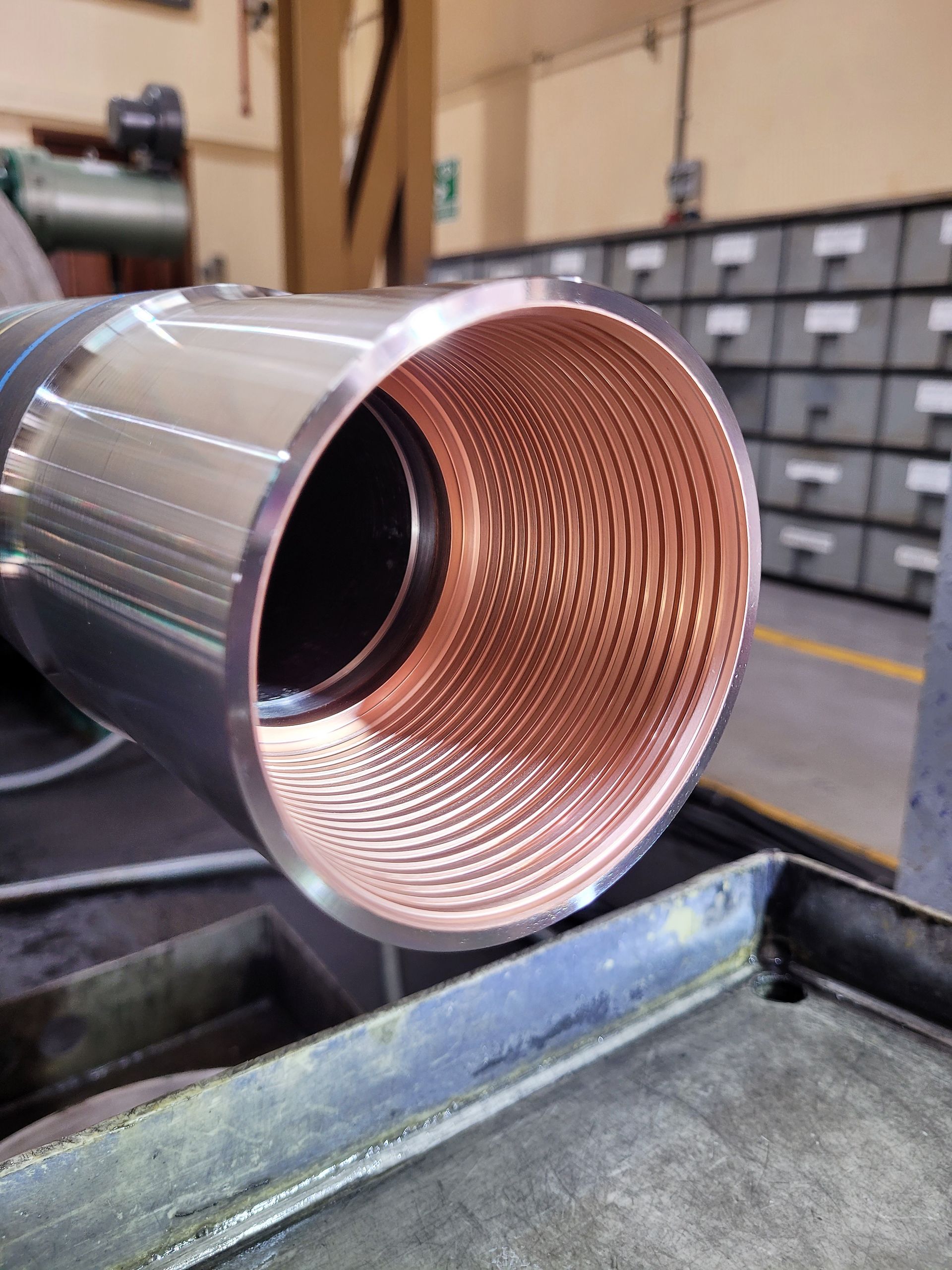
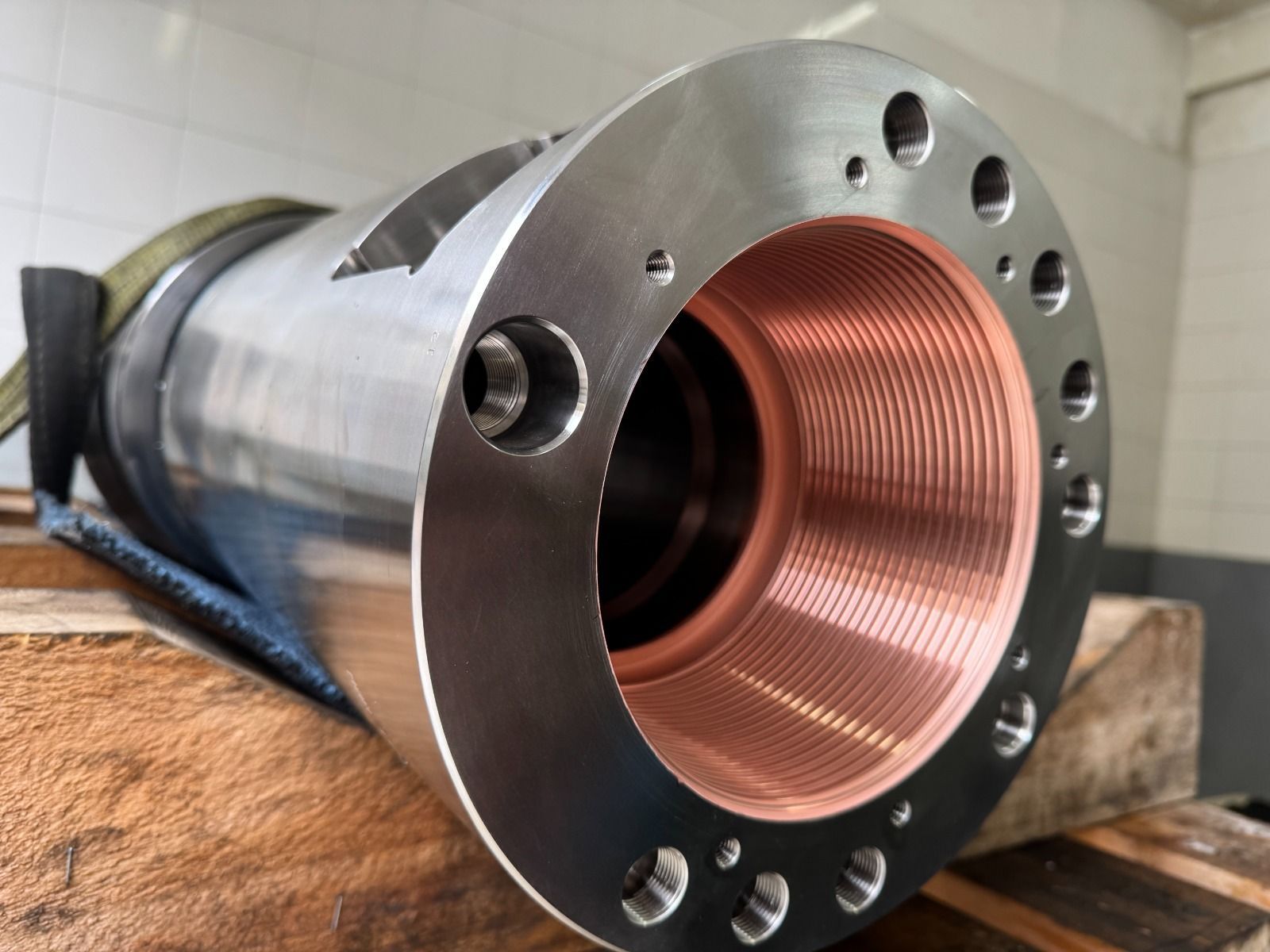
Using localized electroplating techniques, we can restore damaged shaft surfaces precisely and efficiently.
Why Marine & Offshore Clients Prefer On-Site Repairs
✔ Minimized Downtime
Repairs are completed where the equipment is installed, allowing operations to resume much faster.
✔ Avoid Costly Dry Dock Delays
No need for unnecessary dismantling or transportation of heavy shafts and components.
✔ Cost Savings
Repairing components is significantly more cost-effective than full replacement.
✔ Precision Restoration
Damaged surfaces are rebuilt accurately to original dimensions and tolerances.
✔ Proven Durability
Our Brush Plating process provides strong adhesion and long-lasting performance under demanding marine conditions.
A Trusted Solution Across the Marine Industry
Sterling Impreglon Asia has supported customers across marine, offshore, and heavy industries with reliable repair solutions for decades.
Our Brush Plating technology helps shipyards, offshore operators, and maintenance teams:
- Extend equipment lifespan
- Reduce operational disruptions
- Improve maintenance efficiency
- Lower repair and replacement costs
Most importantly, it allows critical repairs to be completed quickly without waiting for lengthy dry dock schedules.
Final Thought
The marine industry can no longer afford prolonged downtime and unnecessary repair delays.
As operational demands continue to increase, on-site repair technology is becoming the preferred solution for maintaining critical equipment efficiently and cost-effectively.
With Sterling Impreglon Asia’s Brush Plating technology, damaged shafts can be restored quickly, precisely, and reliably keeping vessels and offshore operations moving forward with minimal disruption.