Corrosion Pitting on Shafts?
Here is the Most Effective Repair Method
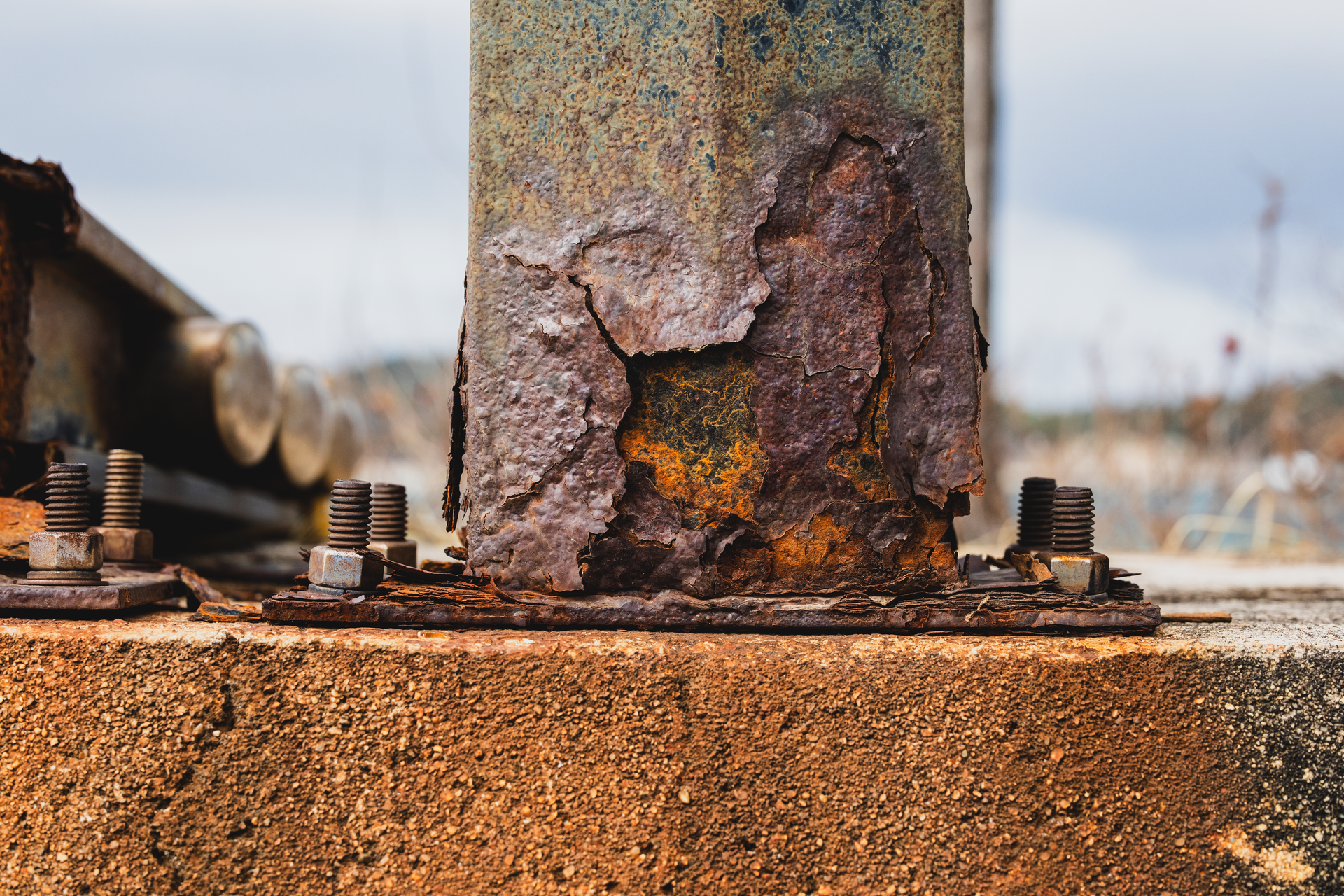
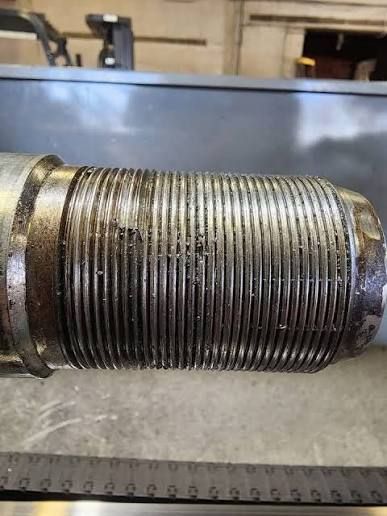
Corrosion pitting is one of the most common and damaging issues affecting shafts, rods and cylindrical components. Whether in hydraulic systems, marine equipment, or industrial machinery, even small pits can quickly lead to seal failure, leakage, and reduced performance.
If left untreated, corrosion pitting can escalate into costly downtime, equipment failure, and premature replacement.
The good news? There is a proven and effective way to repair it without replacing the entire component.
What Causes Corrosion Pitting on Shafts?
Corrosion pitting typically occurs when metal surfaces are exposed to:
- Moisture and harsh environments
- Chemical exposure
- Poor maintenance or protective coating breakdown
Over time, this leads to localized damage in the form of small pits. While they may appear minor, these defects can significantly affect surface integrity and functionality, especially in precision components like hydraulic rods and shafts.
Why Corrosion Pitting is a Serious Problem
Pitting is more than just a surface issue; it directly impacts performance:
- Damages seals, leading to oil leakage
- Increases friction and wear
- Reduces efficiency of machinery
- Shortens equipment lifespan
In critical applications, even slight surface imperfections can result in operational disruptions and expensive repairs.
Common Repair Methods (And Their Limitations)
When faced with pitting, companies often consider:
1. Replacement
- Expensive
- Long lead times
- Unnecessary for localized damage
2. Machining or Grinding
- Removes material, reducing shaft diameter
- May require additional rework
- Not suitable for deep or widespread pitting
These methods often increase costs and downtime without delivering the most efficient solution.
The Most Effective Solution: Brush Plating
For corrosion pitting on shafts,
Brush Plating offers a highly effective and efficient repair method.
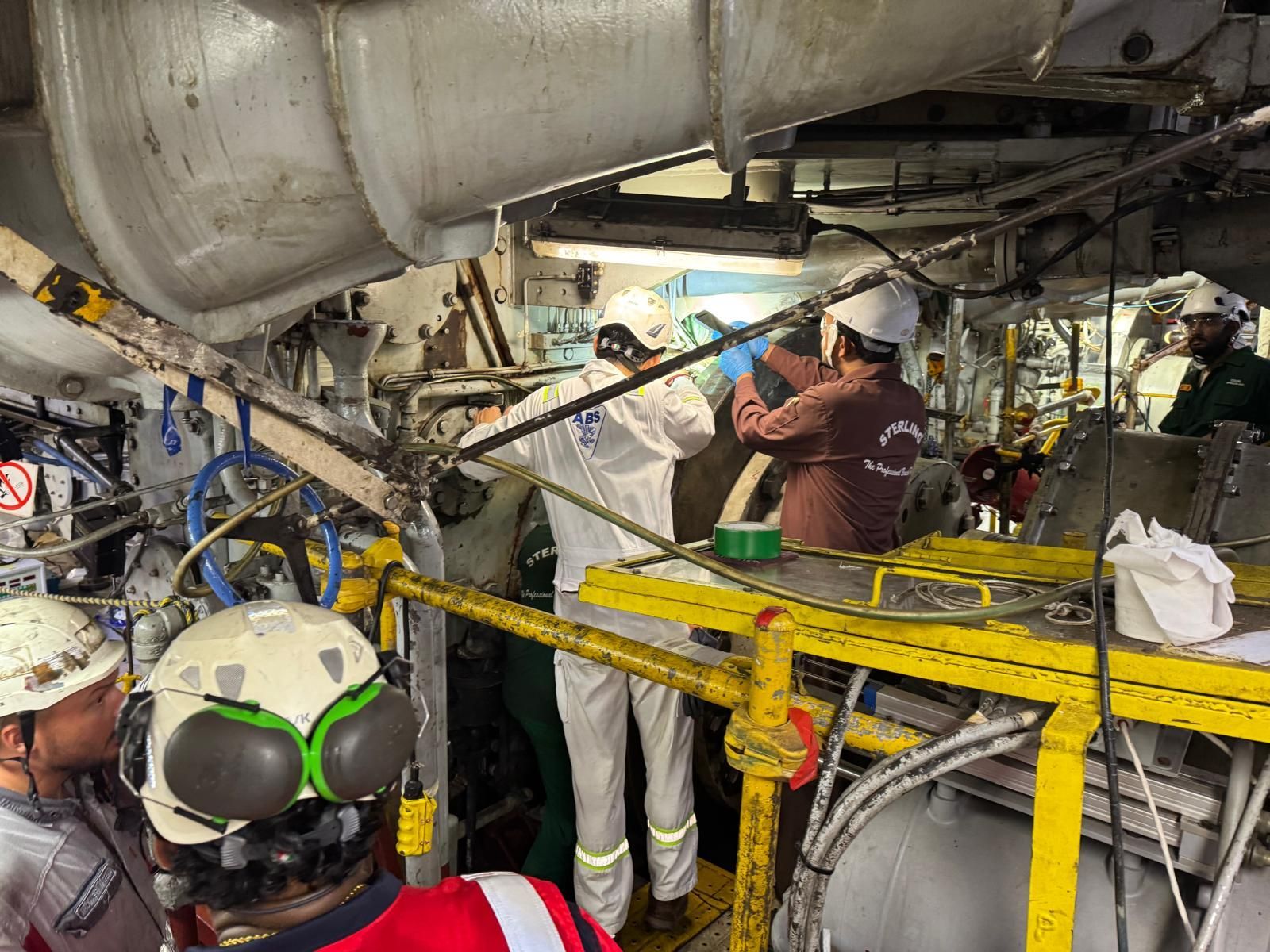
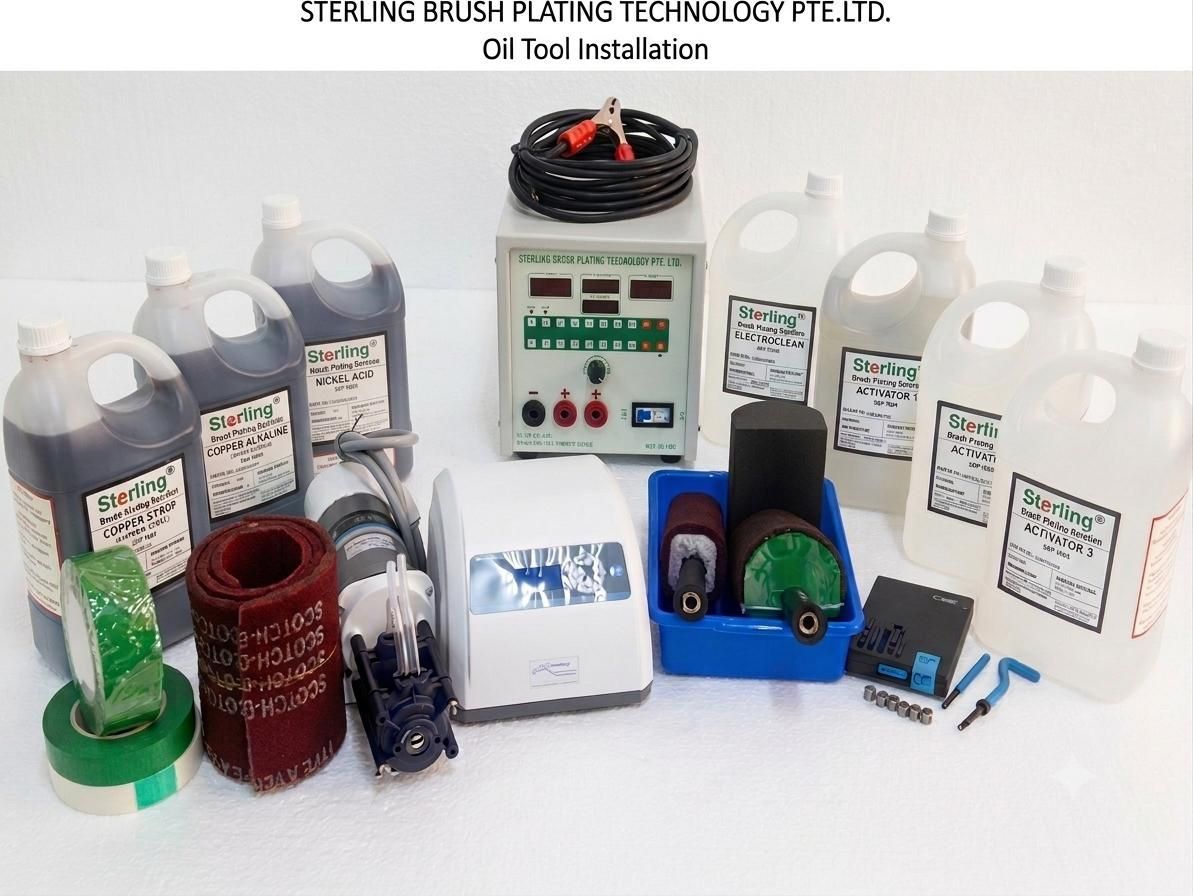
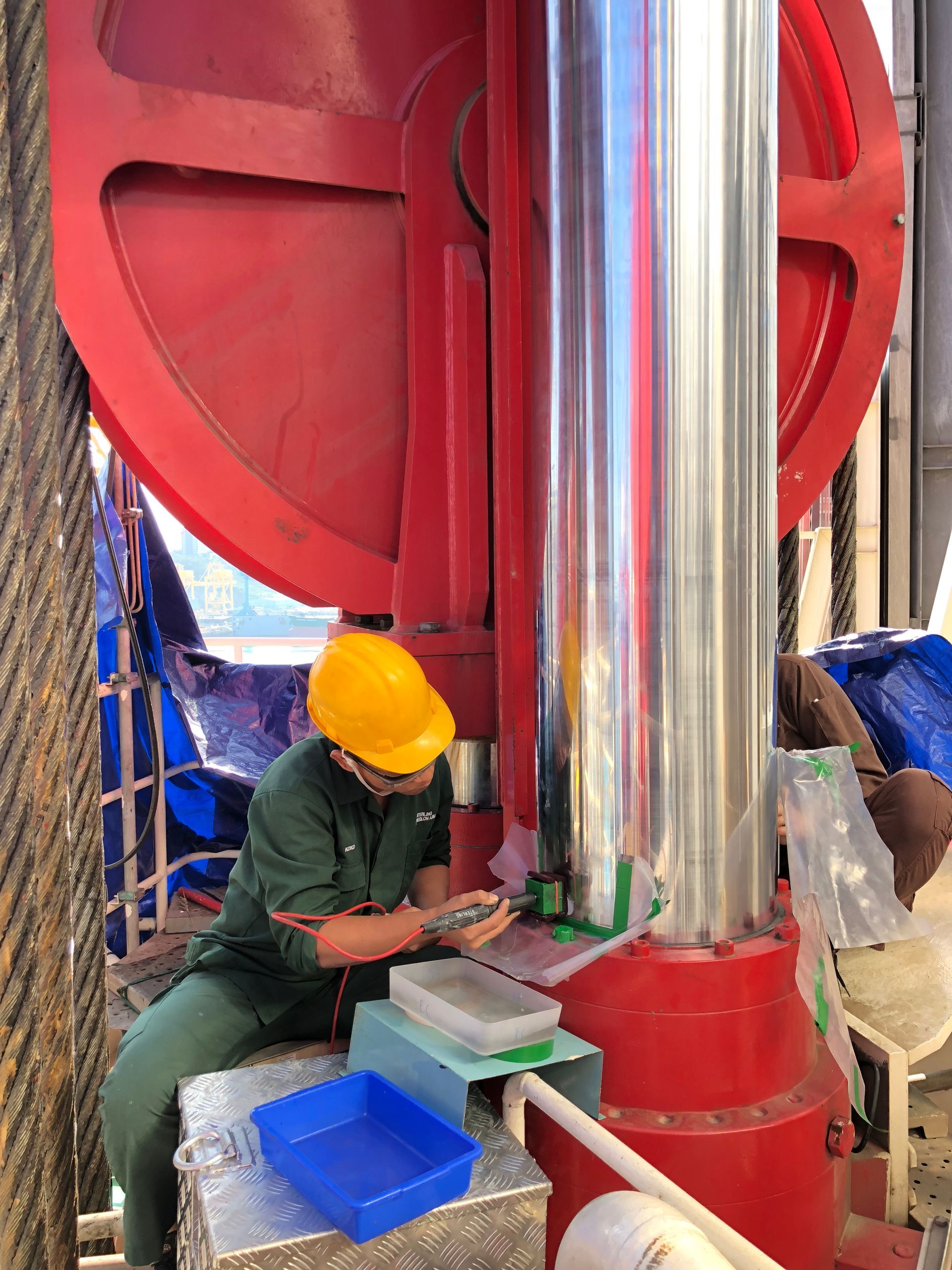
At Sterling Impreglon Asia, our proprietary Brush Plating process allows us to
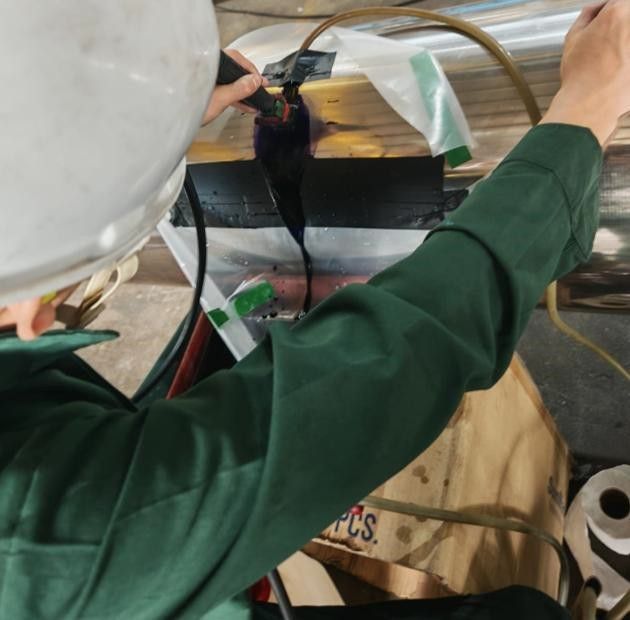
restore damaged areas precisely and reliably, without removing the shaft/cylinders from service where possible.
How Brush Plating Repairs Corrosion Pitting
The process is carefully controlled to ensure high-quality results:
- Surface Preparation
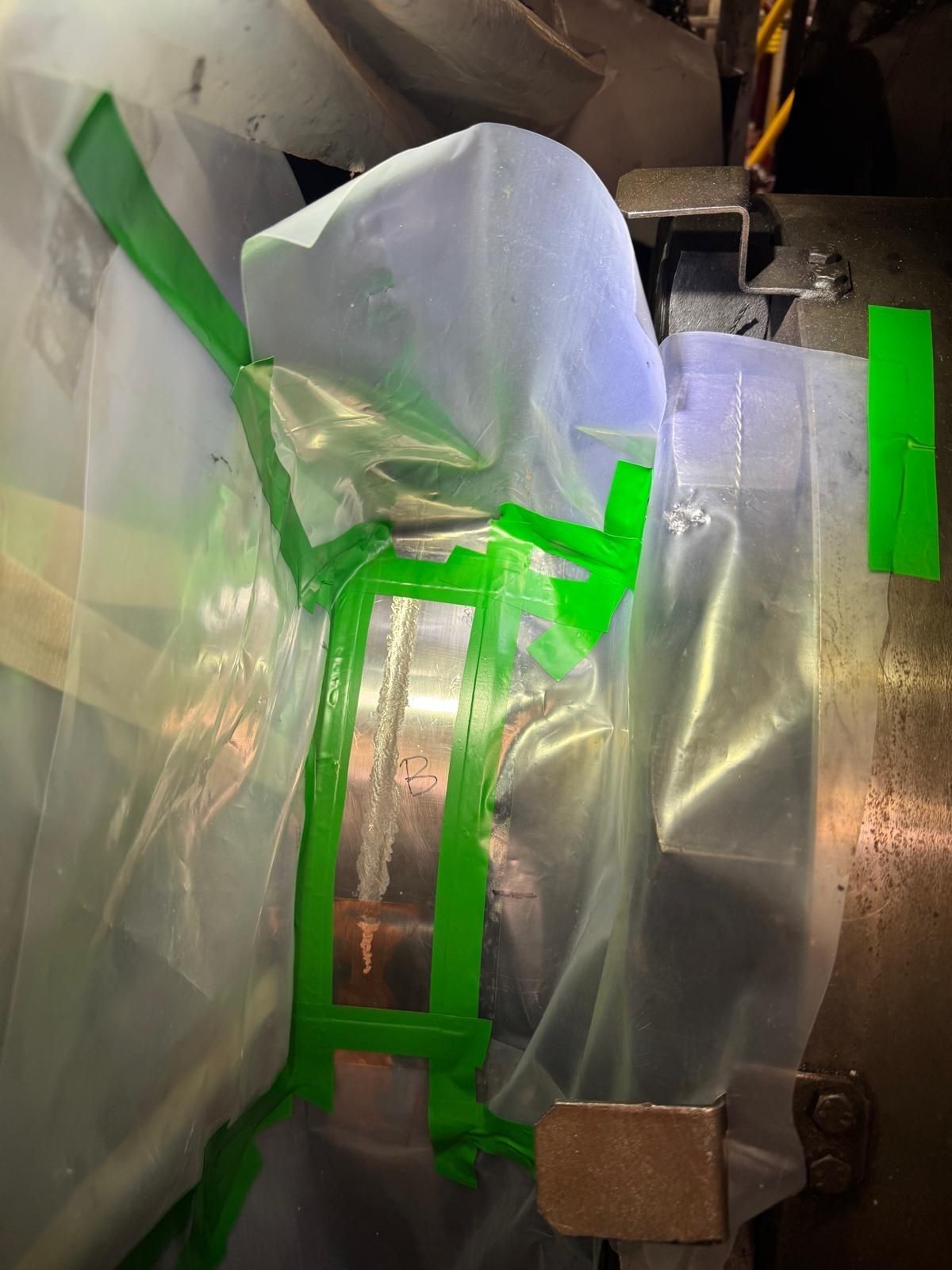
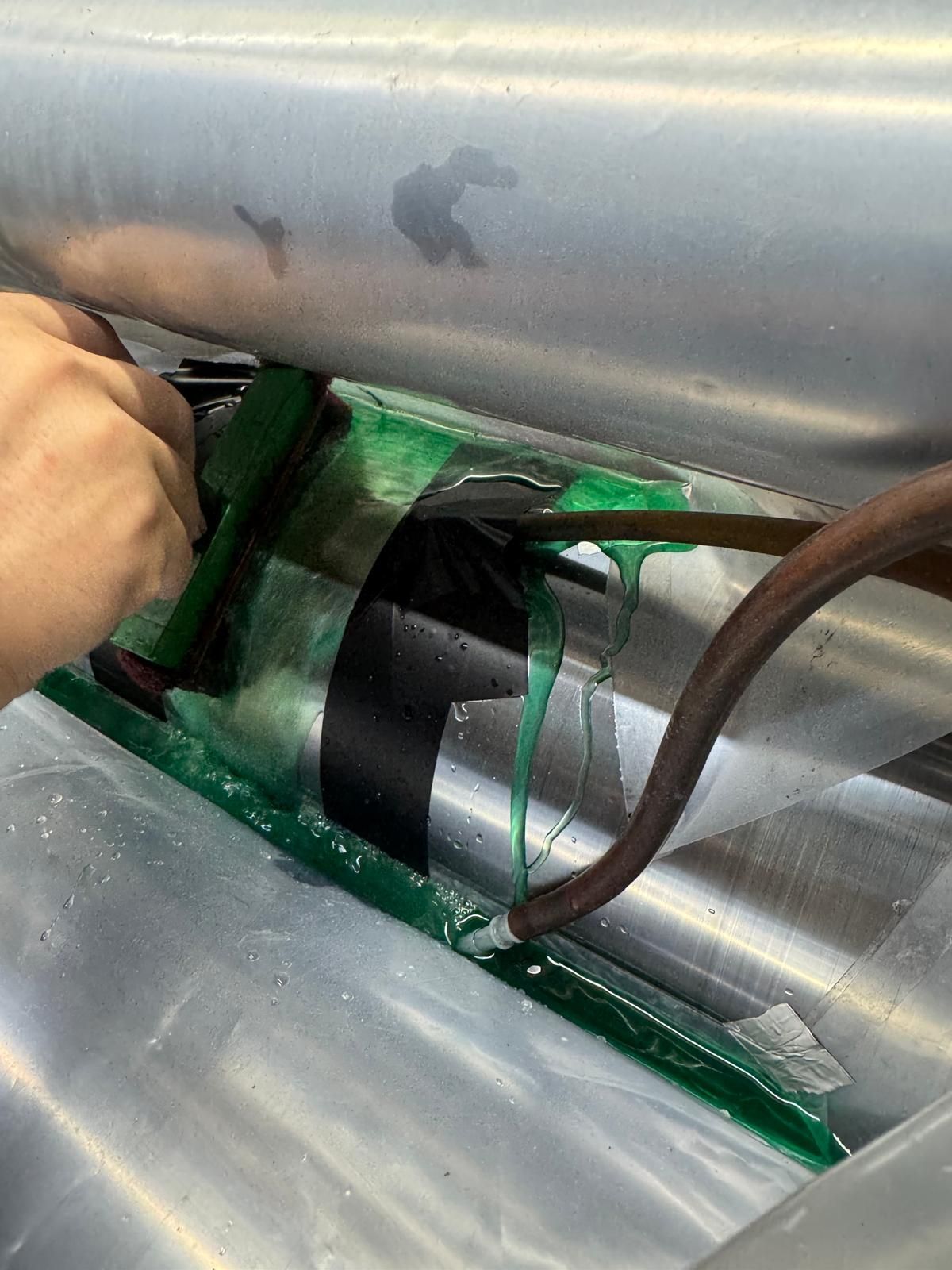
Damaged areas are cleaned and prepared, with pits opened slightly to remove corrosion and ensure proper bonding. - Masking & Protection
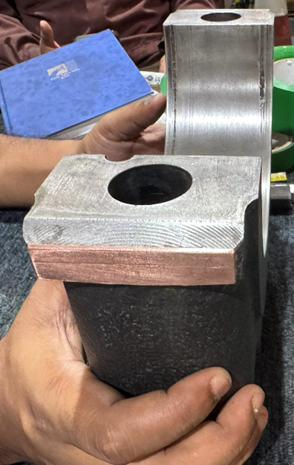
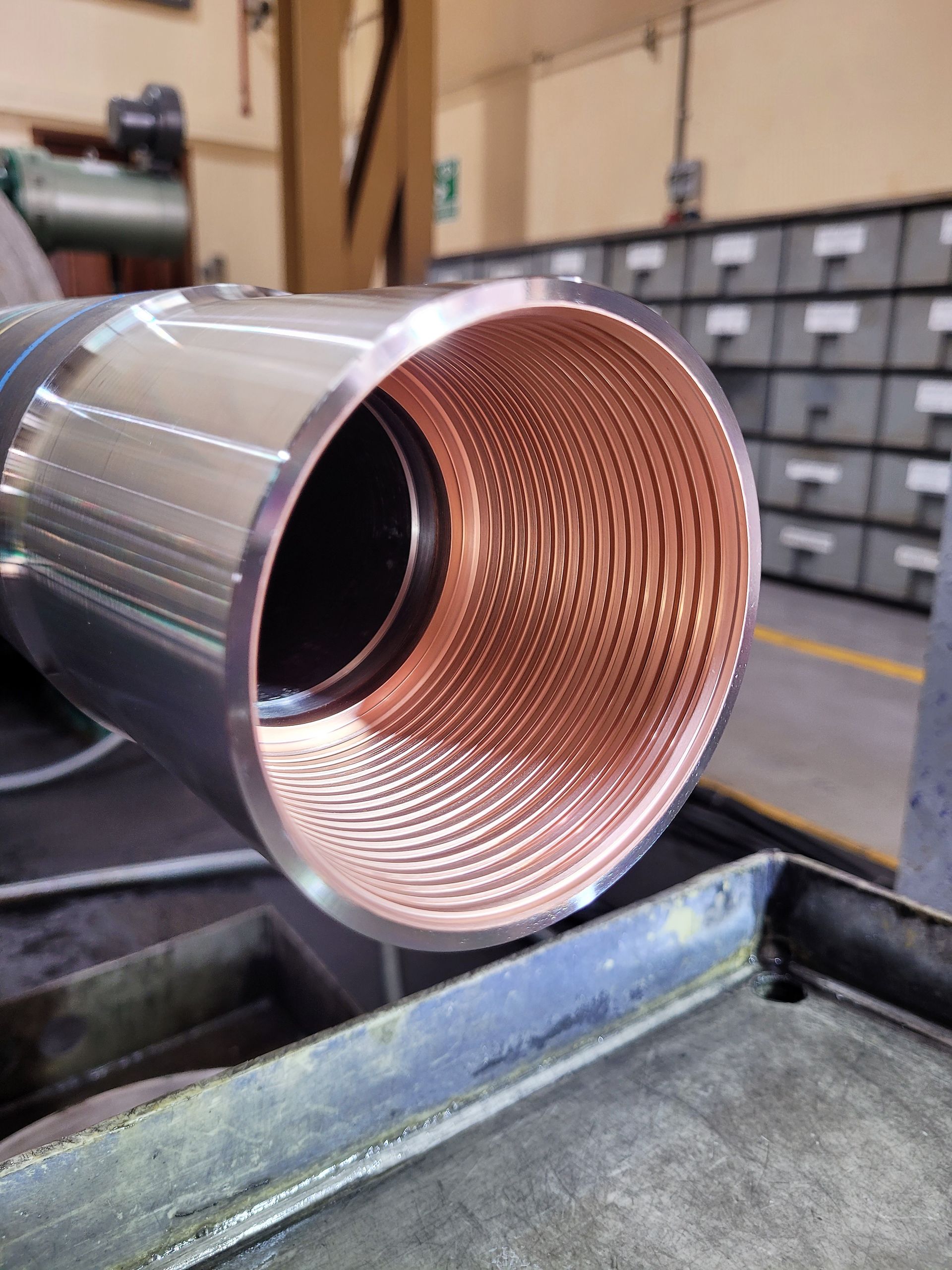
Surrounding areas are masked to ensure plating is applied only where needed. - Metal Build-Up (Copper Plating)
Using our Brush Plating technology, metal is deposited layer by layer to rebuild the damaged area to its original dimensions. - Nickel Capping & Blending
A thin final layer of nickel is plated to give an added layer of corrosion protection and to give it a metallic finish.
The repaired surface is smoothed and blended to restore proper function. - Inspection & Quality Checks
Final checks ensure the shaft meets required tolerances and performance standards.
Why Brush Plating is the Preferred Repair Method
✔
No Need for Replacement - Restore instead of replace
✔
Minimal Downtime - Repairs can be done quickly, often on-site
✔
Cost-Effective - Avoid expensive new components
✔
High Precision - Restore original dimensions accurately
✔
Strong Adhesion - Durable repair that lasts under demanding conditions
Applications Across Industries
Brush Plating is widely used to repair shafts in industries such as:
- Marine & Offshore
- Oil & Gas
- Heavy Equipment & Construction
- Manufacturing & Printing
These industries rely on Brush Plating to maintain reliability and operational efficiency.
Final Thought
Corrosion pitting may seem like a small issue but it can lead to major problems if ignored. Instead of replacing expensive components or relying on less effective methods, Brush Plating provides a precise, reliable, and cost-efficient repair solution.
Dealing with corrosion pitting on your shafts or hydraulic rods?
Contact
Sterling Impreglon Asia today to discover how our Brush Plating solutions can restore your components and reduce downtime.