What Lloyd's Register and ABS Approval Actually Means for Your Repair
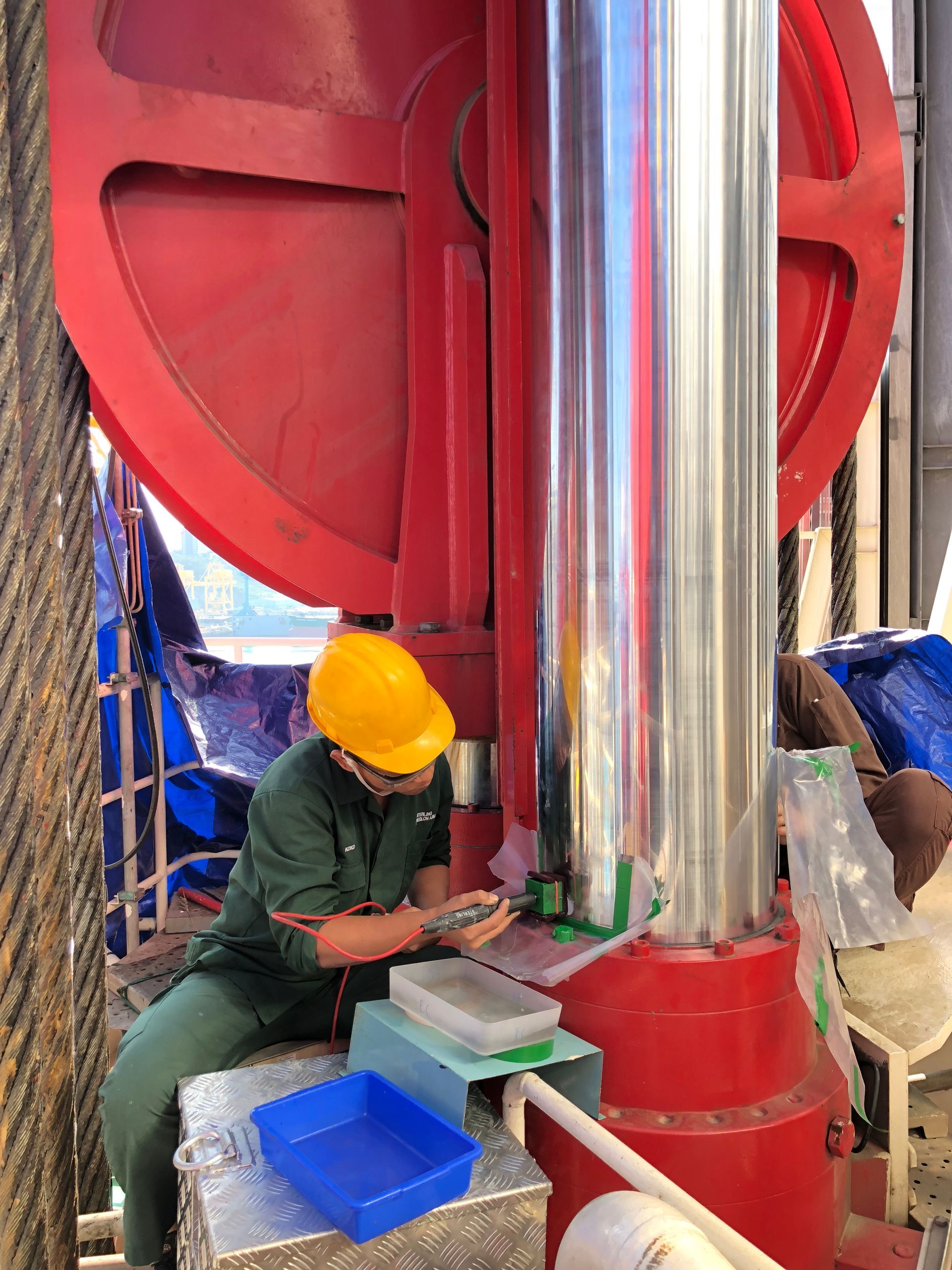
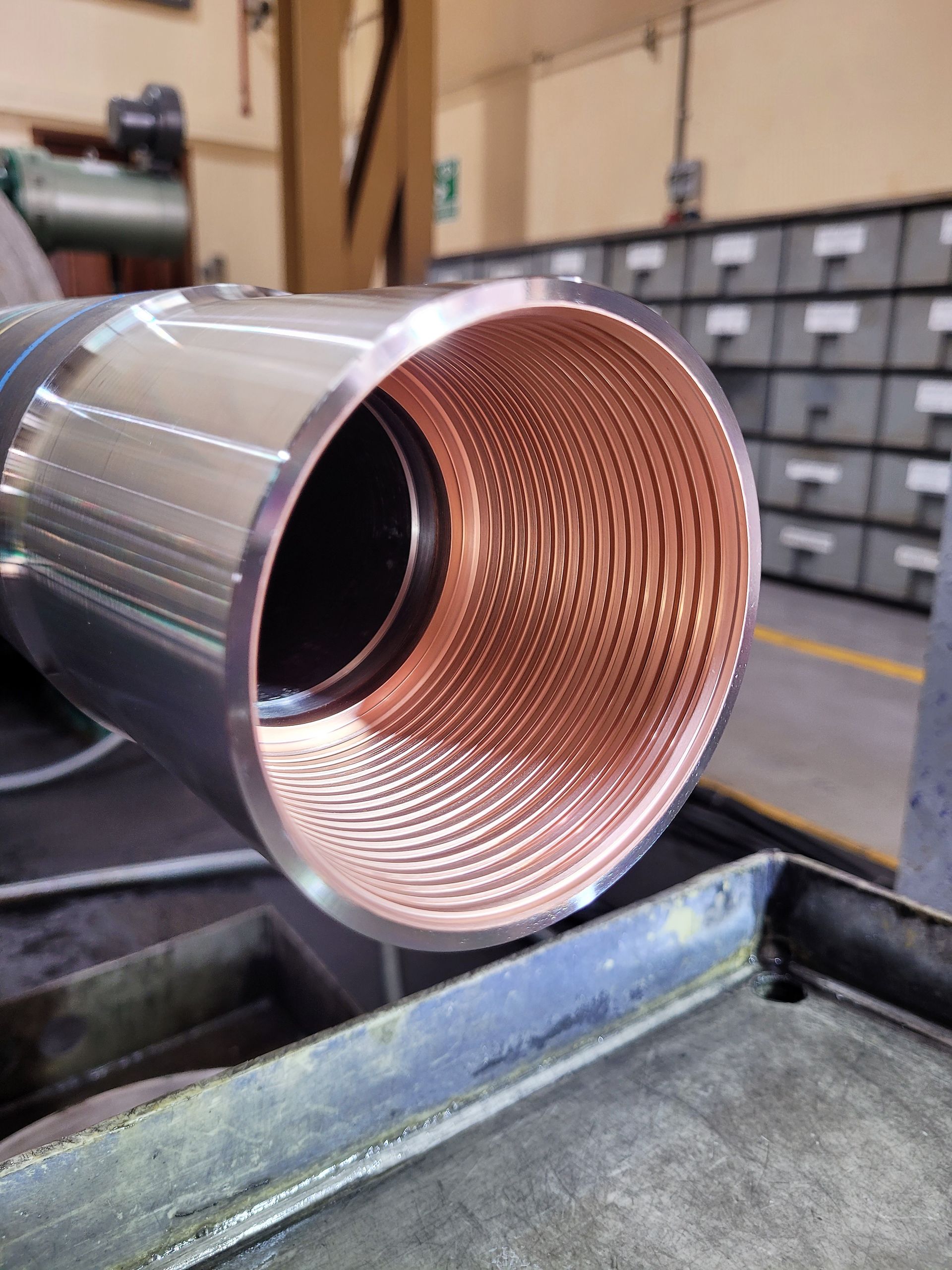
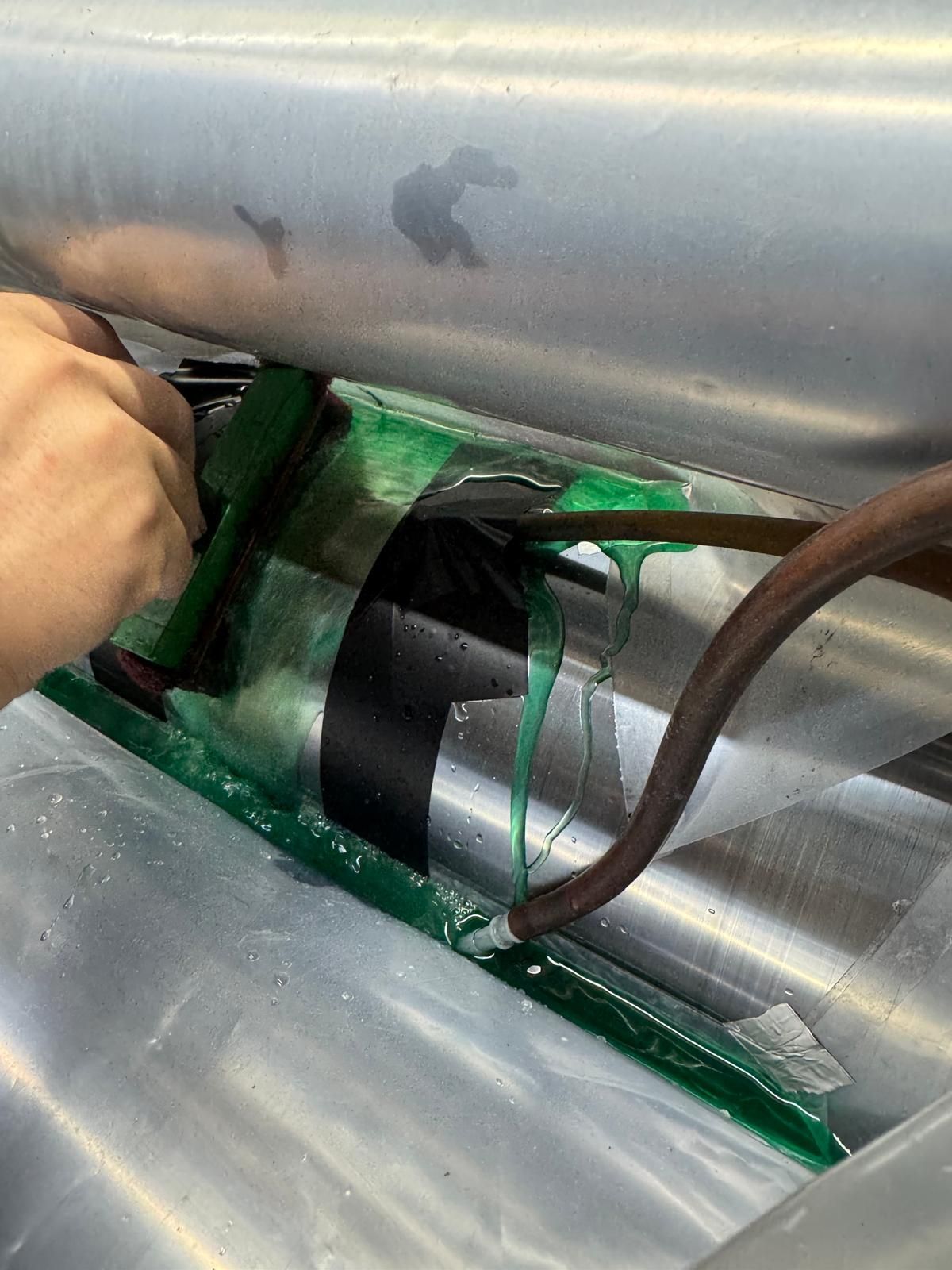
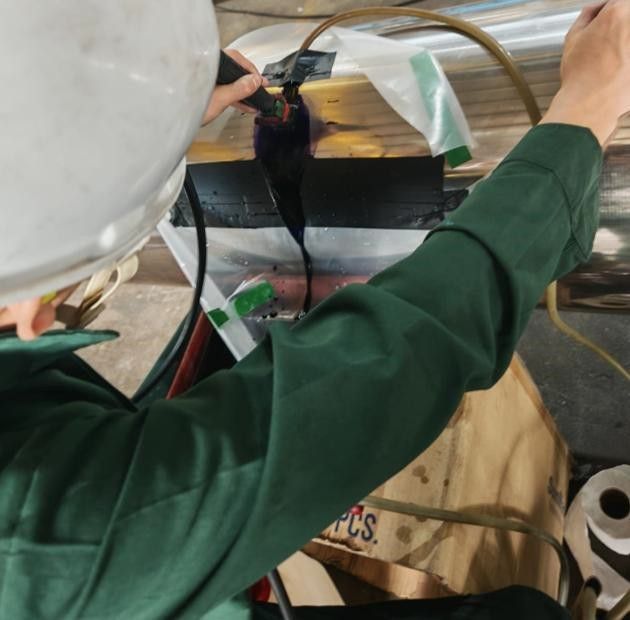
Brush Plating Technology - Approved by Lloyd's Register and ABS
If you have browsed our website or brochure, you would have probably noticed a row of logos: Lloyd's Register, and ABS (American Bureau of Shipping). For those in the marine and offshore industry, these names carry real weight. For anyone newer to the sector, they might just look like badges.
They are not just badges. Here is what they actually mean, and why they matter when you're choosing a repair partner for critical marine and offshore equipment.
What Are Classification Societies?
Lloyd's Register, and ABS (American Bureau of Shipping) are classification societies - independent organizations that set technical standards for the design, construction, and maintenance of ships and offshore structures, and verify that vessels and equipment meet those standards throughout their operating life.
In practical terms, classification societies exist to answer one question on behalf of owners, insurers, and regulators: is this vessel, and everything on it, safe and fit for service?
Vessels are required to maintain their "class" status through regular surveys and inspections. Equipment and repairs that don't meet a classification society's standards can put that status at risk which is a serious problem for any vessel owner or operator.
Why Approval Matters for a Repair Provider
When a classification society formally recognizes a repair process or approves a company's work, it means that process has been reviewed and verified against their technical requirements not just claimed by the provider.
For a customer, that distinction matters enormously. It is the difference between:
- A supplier telling you their repair process is reliable, versus
- An independent, internationally recognized authority having reviewed and verified that it meets marine industry standards
When a repair needs to hold up to survey, insurance requirements, or regulatory scrutiny, working with a provider whose process is recognized by these societies removes a significant layer of risk and uncertainty.
What This Means in Practice
For vessel owners, ship managers, and offshore operators, working with a provider recognized by these classification societies can mean:
- Confidence at survey time — repairs are less likely to raise questions during class inspections
- Reduced risk to vessel classification status — using unverified repair processes on class relevant equipment can create complications down the line
- A documented, verifiable standard of quality — rather than relying solely on a supplier's own assurances
- Alignment with insurer and regulatory expectations, which increasingly matter in an industry under growing scrutiny
In short, classification society recognition is not a marketing detail. It is a practical assurance that matters when equipment needs to be trusted, inspected, and kept in service over the long term.
Why This Matters to Our Customers
For marine and offshore operators, choosing a repair partner is not just about turnaround time and cost, it is about whether the repair will hold up to the scrutiny your vessel or equipment is subject to throughout its operating life.
Classification society recognition is one of the clearest ways to verify that a repair process meets the standards your industry actually requires.
If you are evaluating a repair provider for marine or offshore equipment, it is worth asking directly: is your process recognized by the classification societies relevant to your vessel or asset? It is a simple question that can save significant complications later.
Have a Component That Needs a Trusted Repair Partner?
If you're working on marine or offshore equipment and want to understand how our Brush Plating process fits within your classification and compliance requirements, our team is happy to walk you through it.
Get in touch with Sterling Impreglon Asia to find out more.