When a Connection Fails
Lessons the Industry Keeps Relearning About Galling
Thread galling rarely makes international headlines the way a major well control incident does. It's quieter than that, a rejected connection during inspection, a delayed spud date, a scrapped premium coupling written off as an operating cost. But talk to enough drilling engineers, rig supervisors, and QA inspectors, and the same handful of galling-related scenarios come up again and again, almost like industry folklore.
None of what follows is a single named incident. These are composite scenarios, built from well-documented galling failure mechanisms described in engineering and materials-failure literature, reflecting the kinds of situations reported across the industry rather than one specific event. The value isn't in the drama but rather it's in the pattern. Here's what these recurring scenarios keep teaching the industry, and why the lesson doesn't seem to stick as well as it should.
Scenario 1: The Connection That Looked Fine Until It Wasn't
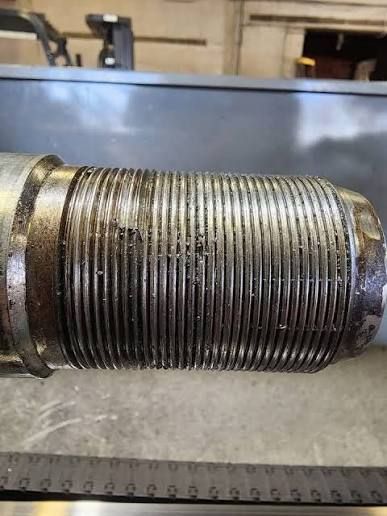
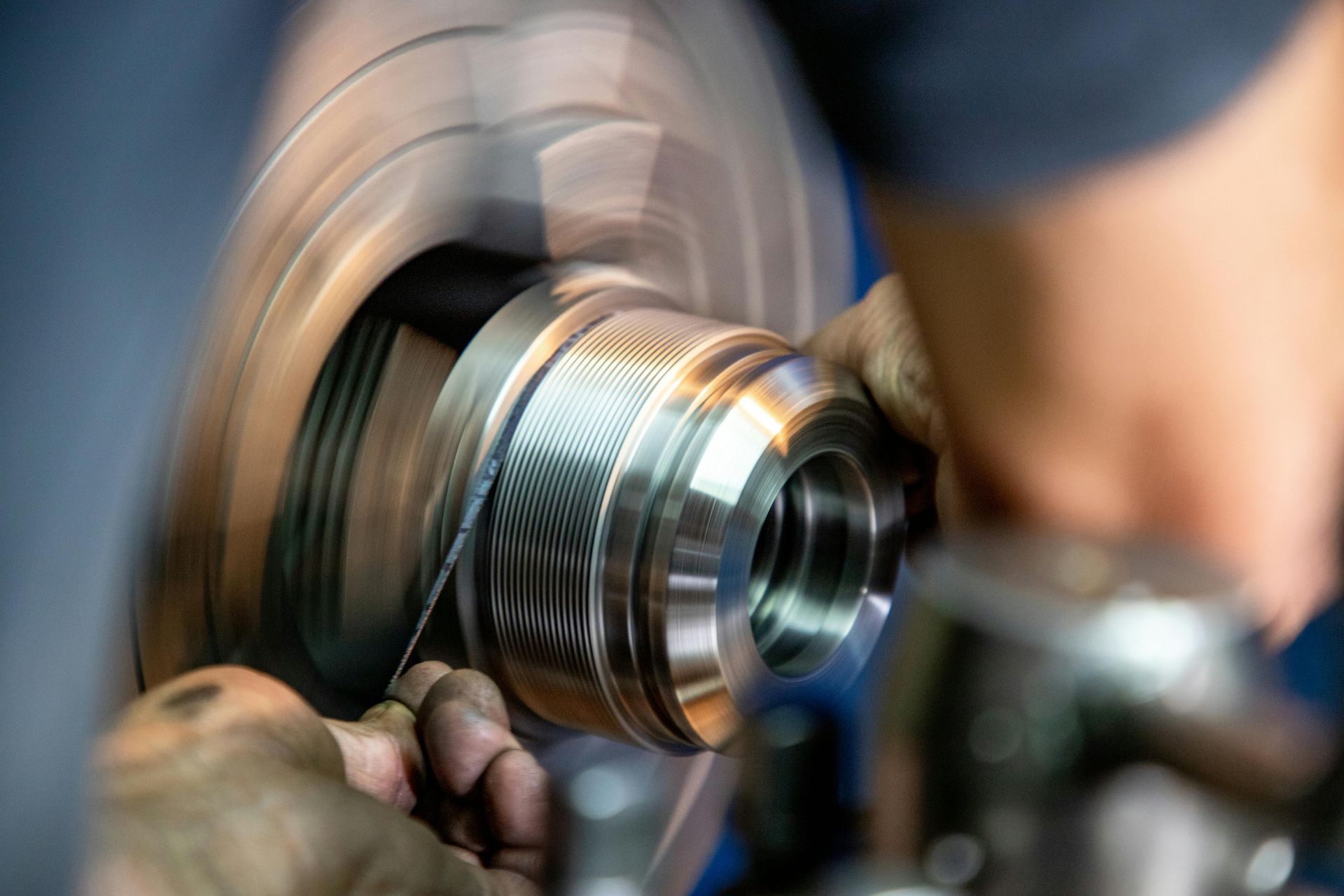
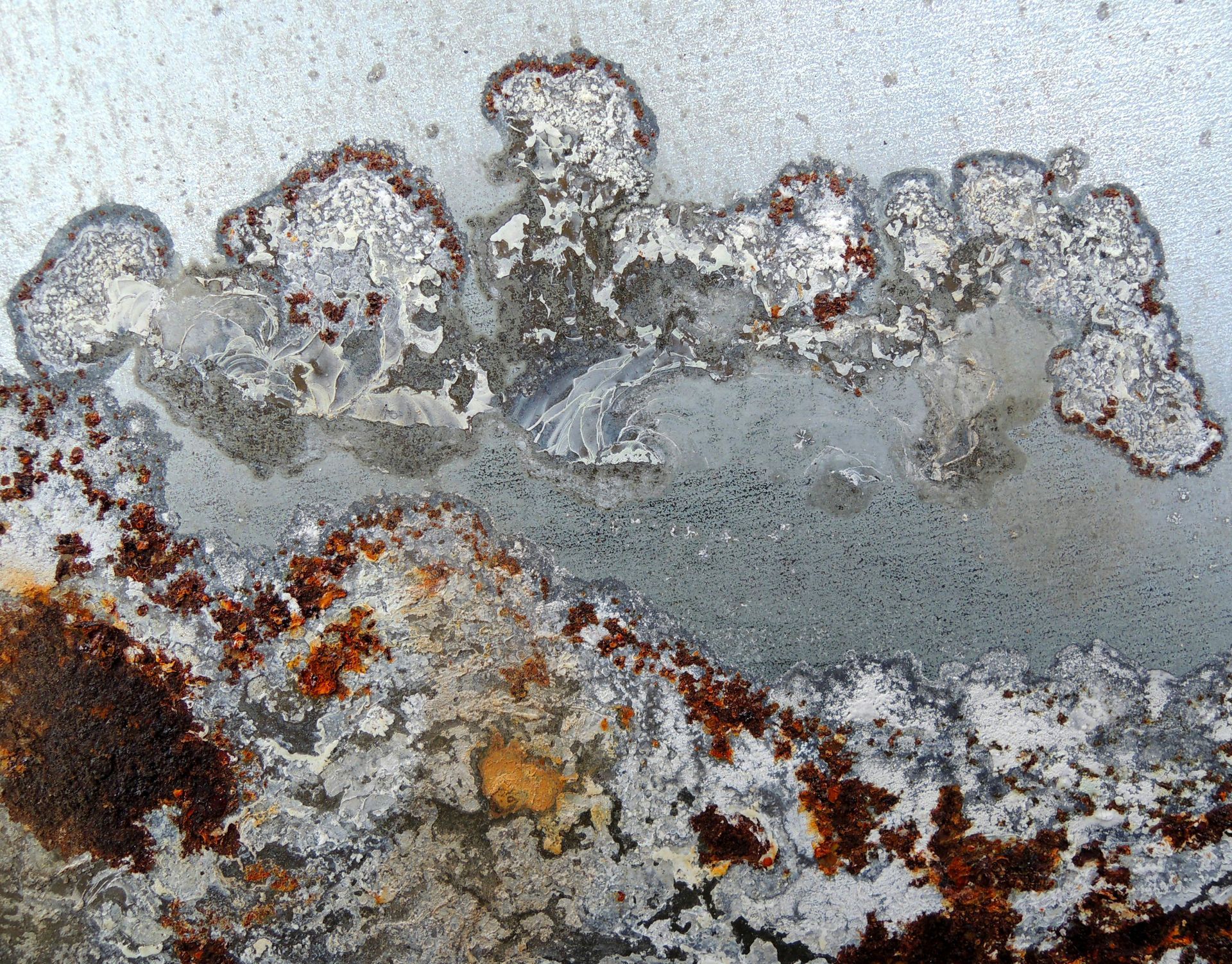
A drilling contractor makes up a premium connection under normal torque, following standard procedure. Nothing seems unusual during make-up. It's only during a later inspection or worse, during break-out that visible galling damage is discovered on the thread surfaces: smeared metal, torn threads, a connection that can no longer be trusted to seal.
The lesson: Galling damage isn't always obvious in the moment it happens. Two metal surfaces in intimate contact under pressure can begin adhering and tearing at a microscopic level well before it's visible to the naked eye or shows up as a torque anomaly. By the time damage is visually confirmed, the connection has often already been compromised. This is precisely why proactive, engineered anti-galling protection matters more than reactive inspection alone, protection has to be in place before the make-up cycle, not identified as a problem after it.
Scenario 2: The High-Cycle Tool That Finally Gave Out
A piece of downhole tooling or an accessory connection gets reused across multiple wells, cycled through make-up and break-out dozens of times over its service life. Early on, it performs without issue. Eventually, often without warning on any single job, the connection fails during make-up, costing the operation rig time while a replacement is sourced.
The lesson: Galling risk is cumulative, not static. A connection's exposure to adhesive wear compounds with every cycle, particularly on tools and accessories that see repeated use rather than a single well's lifespan. Industry failure-analysis literature consistently identifies repeated make-up and break-out cycling as a major contributing factor in galling failures yet high-cycle components are often the least frequently reassessed for protective coating condition, precisely because they "have always worked before."
Scenario 3: The Cost That Wasn't in the Budget
A connection galls during make-up on a live rig. The immediate cost is obvious, a replacement part, a delay. What's less obvious, and what tends to get underestimated in planning, is everything downstream of that moment: idle rig time billed by the day, crew standing by, a compressed schedule pushing other planned work, and in more severe cases, a scrapped premium connection representing a significant capital loss.
The lesson: The direct cost of a galling failure is rarely the real cost. Published engineering literature on threaded connection failures consistently frames the economic impact of galling in terms of downstream consequences, downtime, delay, and lost connection value rather than the failed part alone. This is a difficult cost to budget for precisely because it doesn't show up until something has already gone wrong.
Scenario 4: The Coating That Wasn't There Anymore
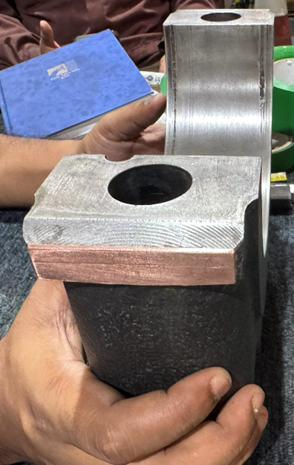
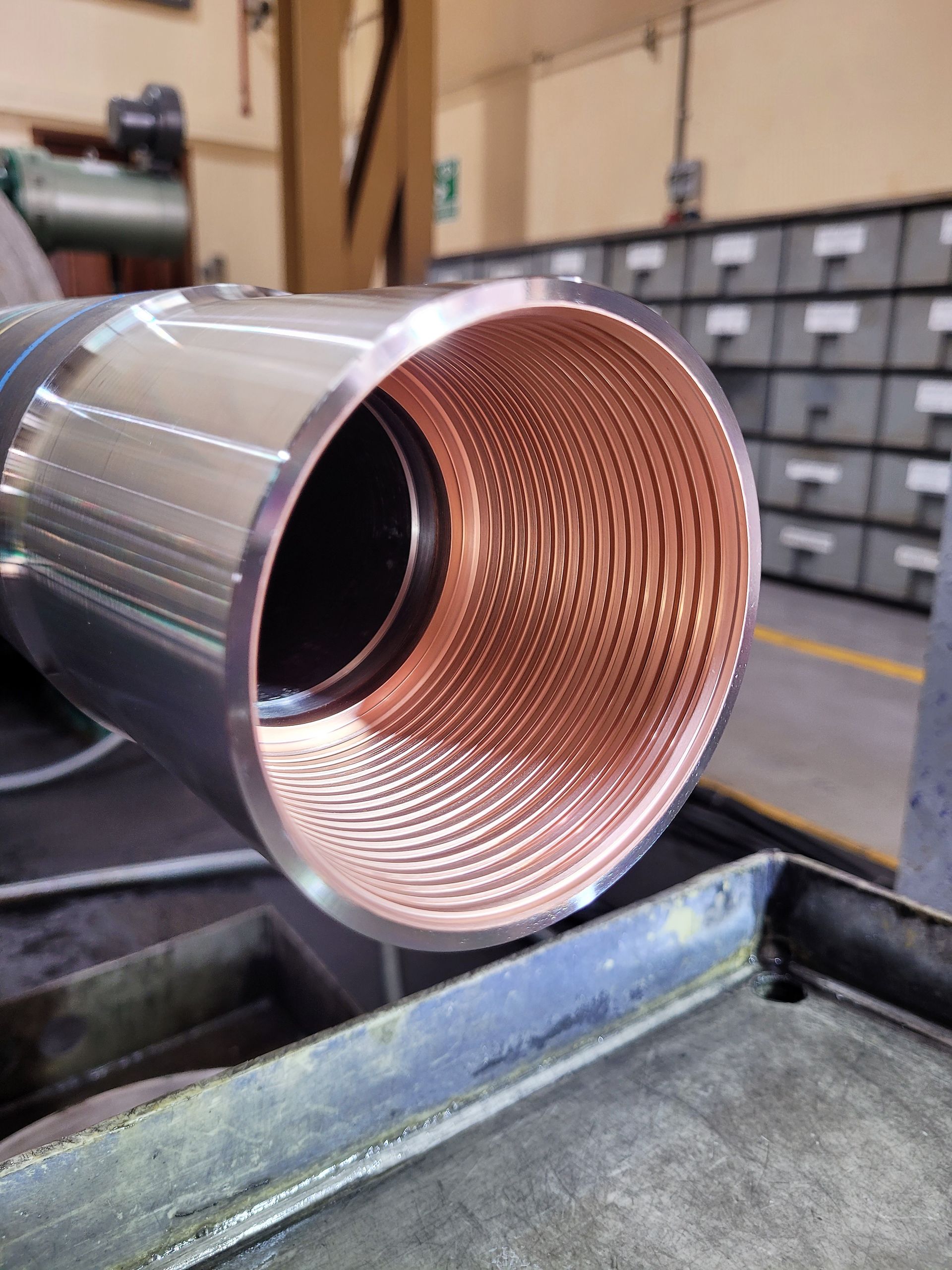
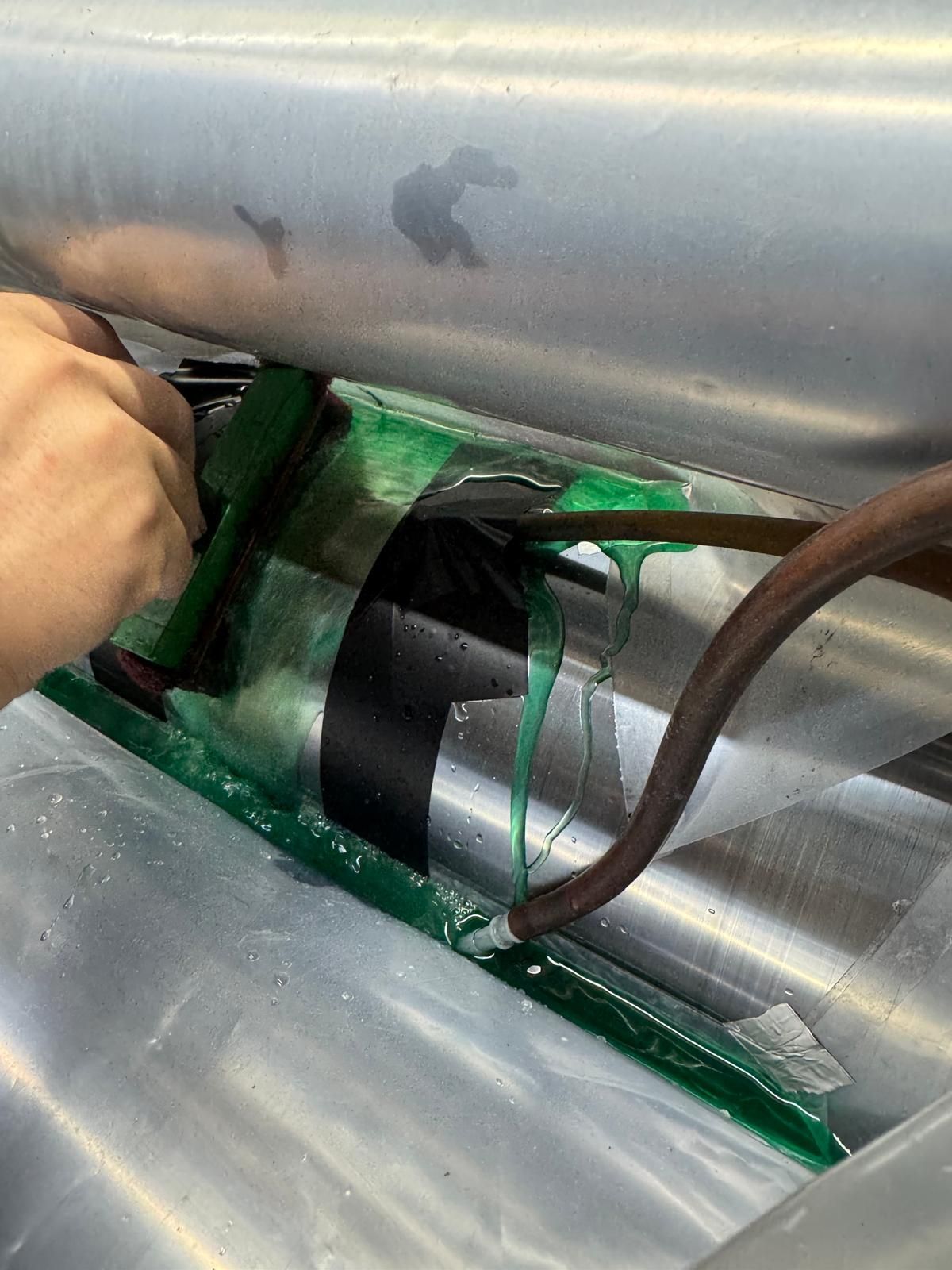
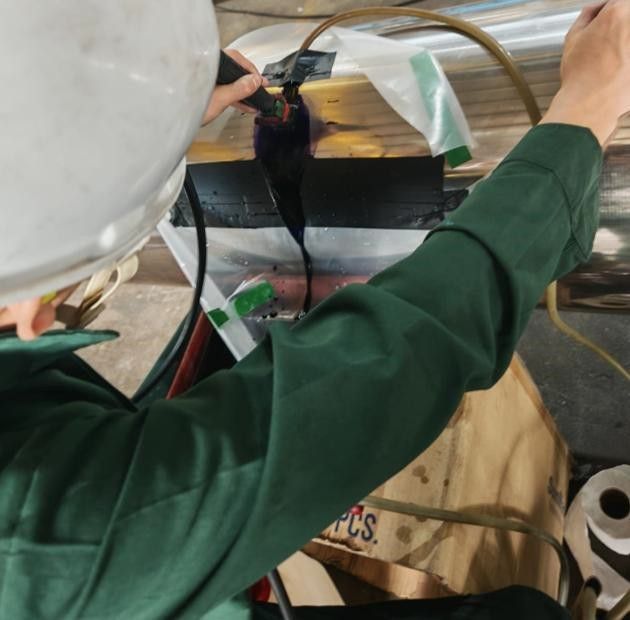
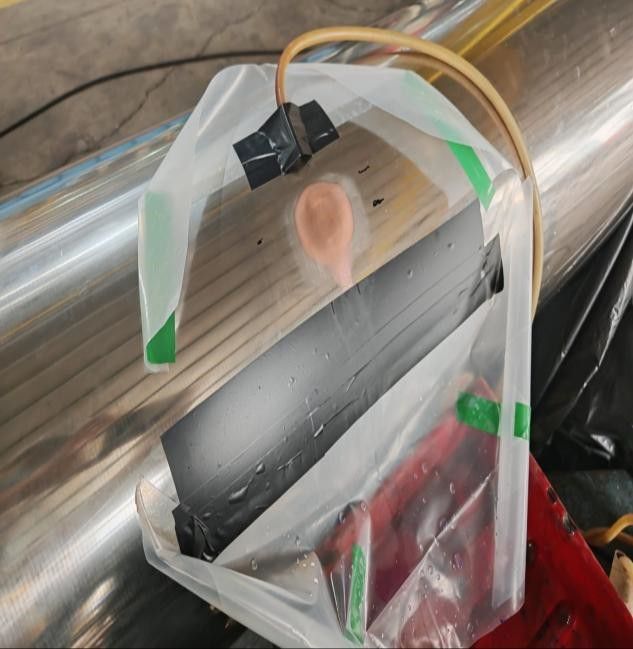
A connection is manufactured with a protective copper coating intended to prevent galling. Over time, through wear, handling, or repeated cycling, that coating thins or wears away in places often without anyone specifically checking for it, since the connection still "looks fine" overall. The next time it's run, galling occurs exactly where the protective layer had worn through.
The lesson: Anti-galling protection isn't a one-time feature, it's a condition that needs to be maintained and verified, not assumed. A connection that was properly protected when manufactured can still fail if that protection has degraded by the time, it's actually used. This is one of the more preventable patterns in galling failures, because the fix is straightforward: inspect coating condition specifically, not just thread geometry, and reapply protection when it's needed.
Why These Patterns Keep Repeating
None of these scenarios describe anything mysterious or difficult to explain. Thread galling is a well-understood failure mechanism, documented extensively in engineering literature going back decades. And yet, versions of these same scenarios continue to play out across the industry.
The common thread isn't a lack of understanding, it's a gap between knowing galling is a risk in general and treating a specific connection, on a specific job, as genuinely at risk before something goes wrong. Anti-galling protection is easy to treat as a given once it's been specified, rather than something to actively verify and maintain throughout a connection's working life.
Turning the Pattern Around
The practical response to all four scenarios is largely the same:
- Treat anti-galling coating as something to inspect and verify, not assume
- Pay particular attention to high-cycle tools and accessories, where risk compounds over time
- Reapply or reinforce protection before a connection is run again, not after damage is found
- Budget for the true downstream cost of a failure, not just the part itself, when weighing whether protective coating is "worth it"
Protecting Your Connections Before the Pattern Repeats Again
If any of these scenarios sound familiar from your own operations, it's worth having your connections and accessories assessed before your next job, rather than after a failure.
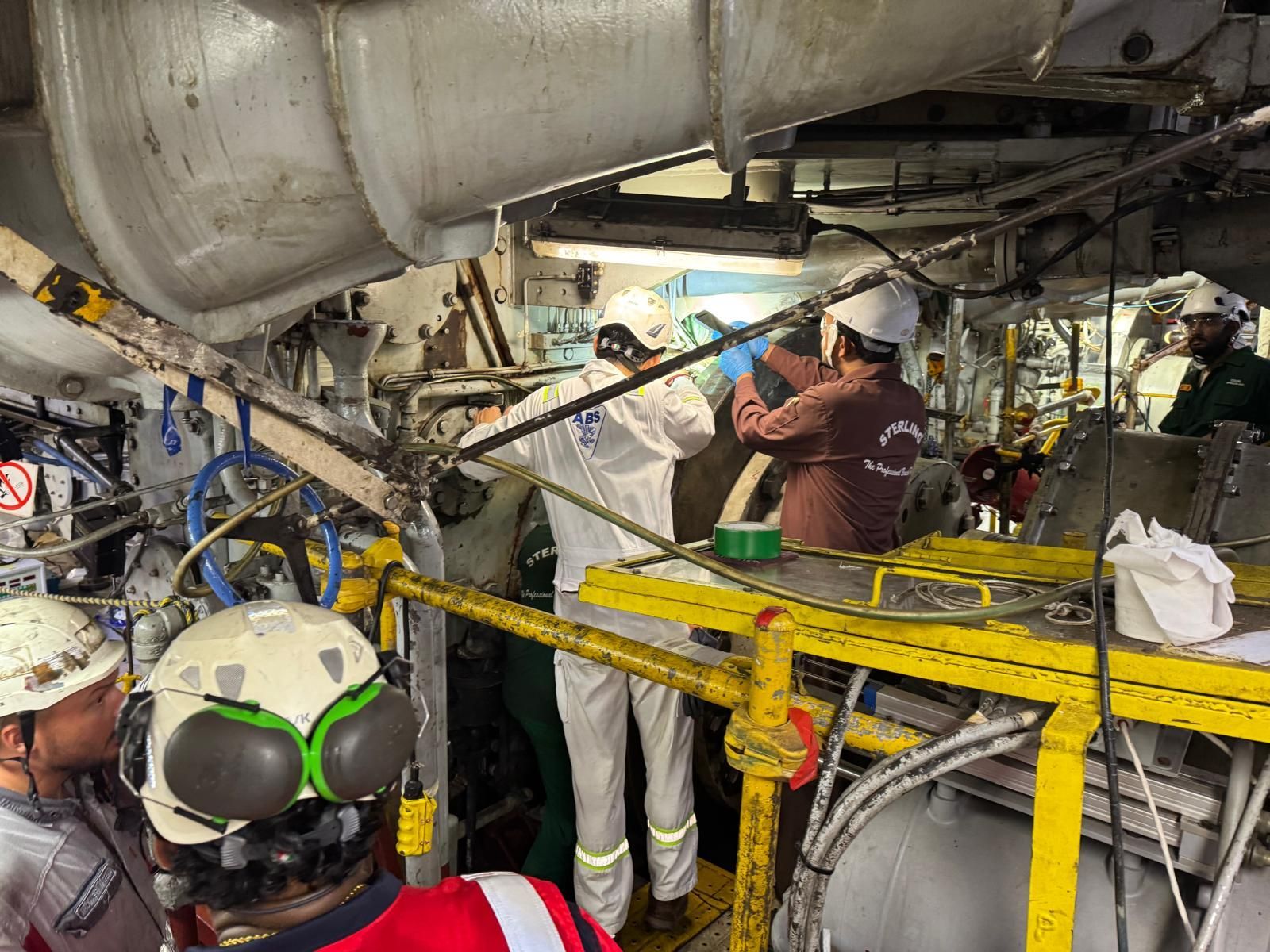
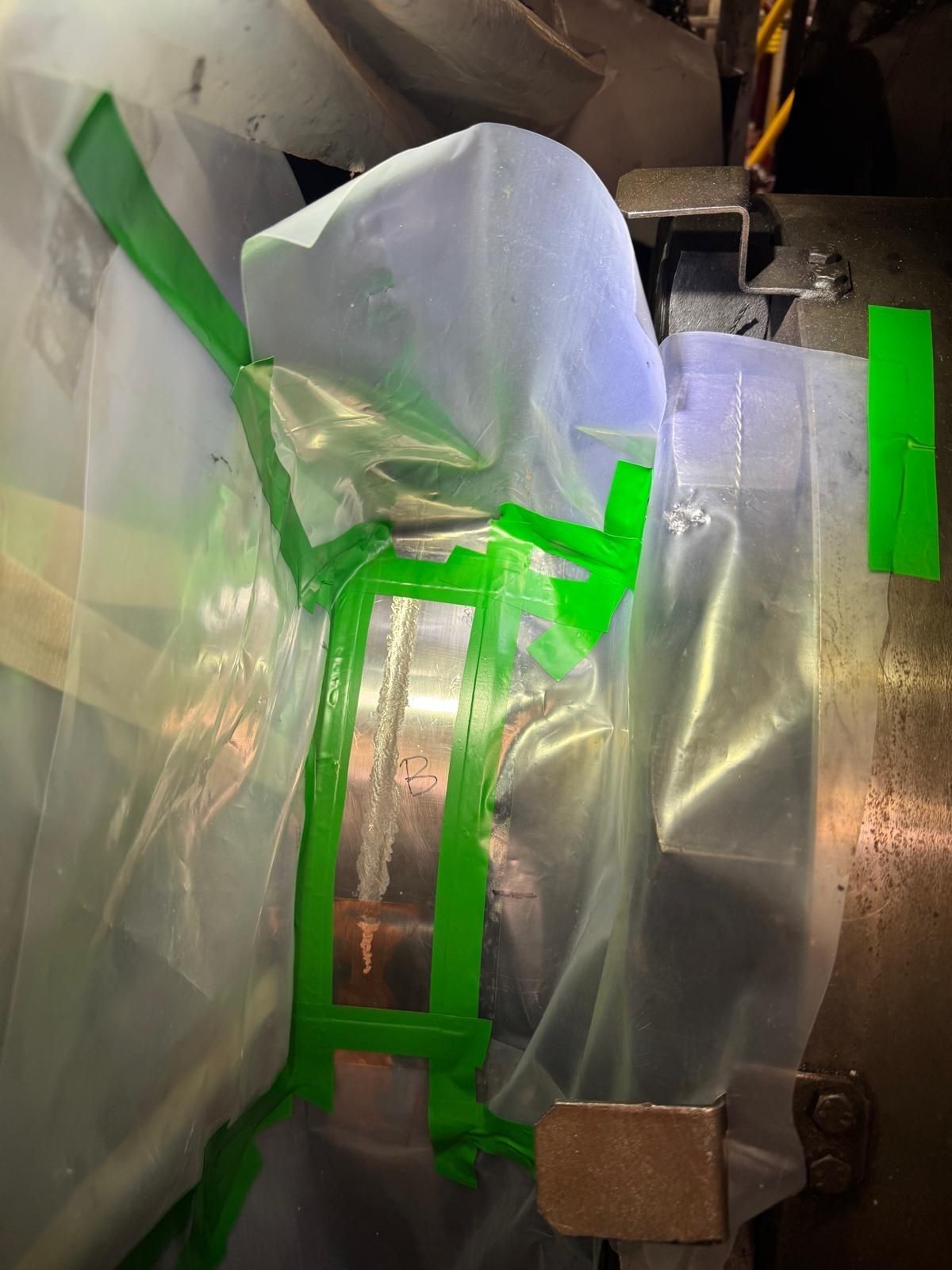
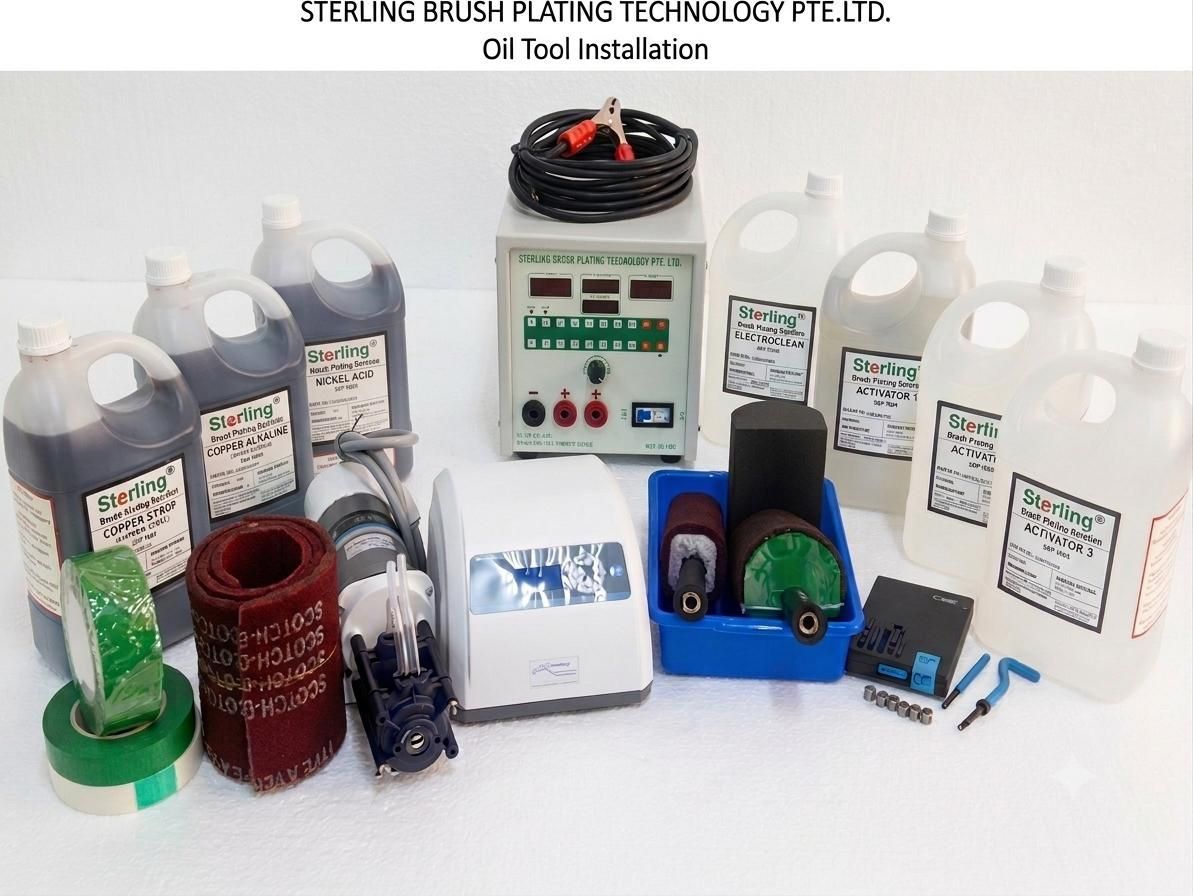
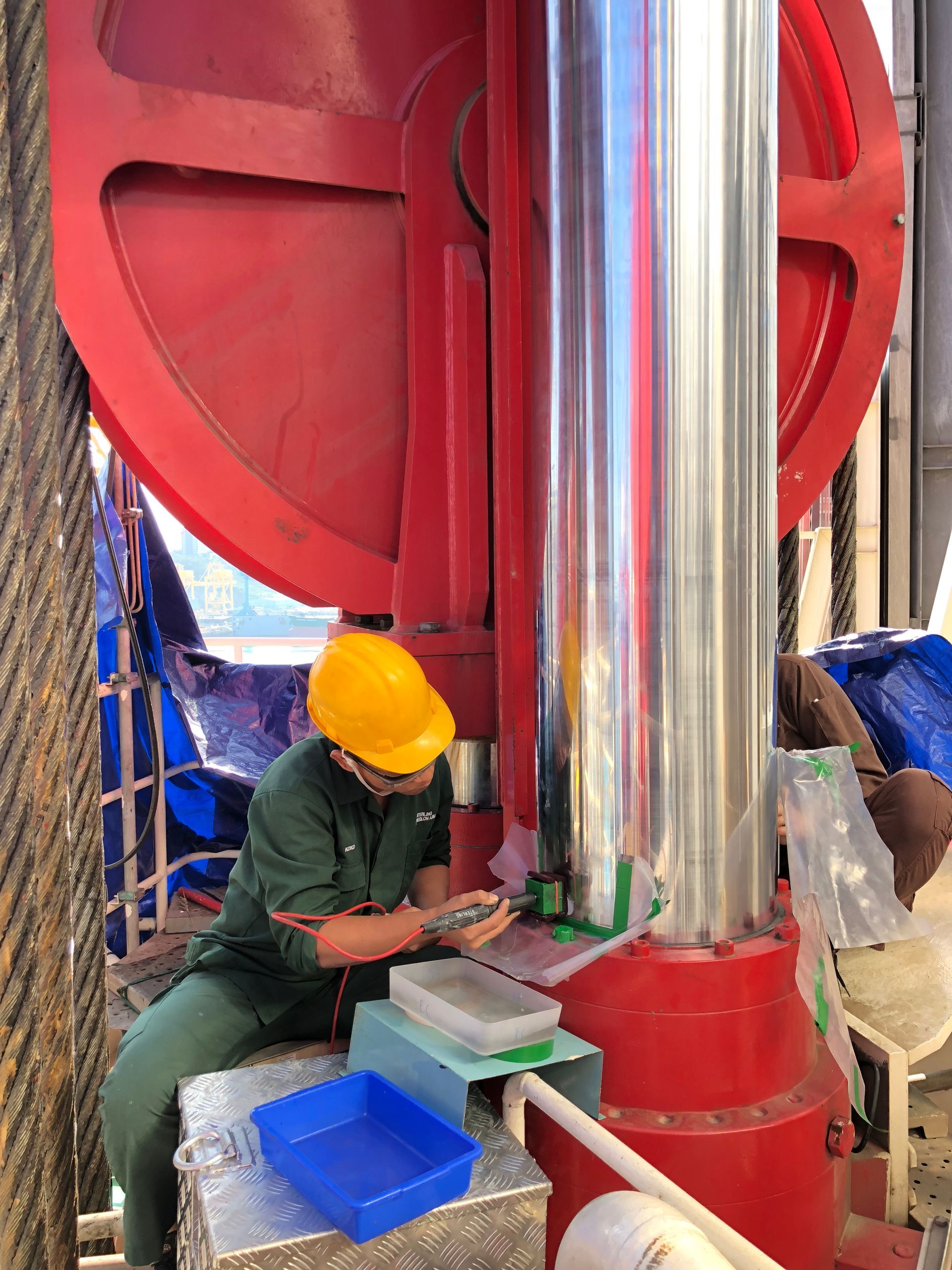
Get in touch with Sterling Impreglon Asia to find out how Brush Copper Plating can help protect your OCTG connections and reduce the risk of costly, avoidable downtime.