The First 24 Hours After You Find Shaft Damage
What Should You Do?
Finding damage on a shaft is rarely a calm moment. A worn journal, a deep scoreline, or unexpected pitting can mean a vessel is delayed, a production line is at risk, or a costly repair decision is looming. What happens in the first 24 hours often shapes how quickly, and how cheaply, the problem is resolved.
Here is a practical guide to what to document, what to avoid, and who to call. It is general guidance. Always follow your own safety procedures and any requirements set by your classification society, insurer, or the equipment manufacturer.
First: Make It Safe
Before anything else, make sure the equipment is stopped and secured according to your normal procedures. Do not keep running a shaft you know is damaged. Continued operation can turn a repairable surface problem into a much larger one, damaging bearings, seals, and mating components.
What to Document
Good records at this stage make assessment faster and more accurate, and they may matter later for insurance and survey purposes.
Try to capture:
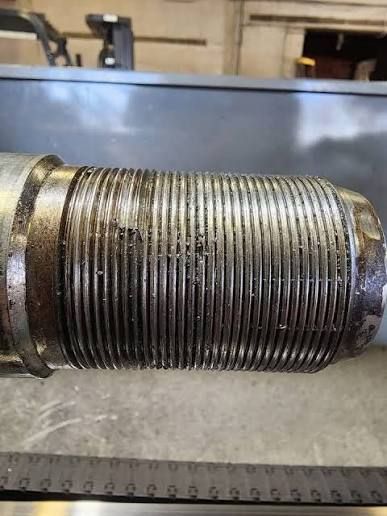
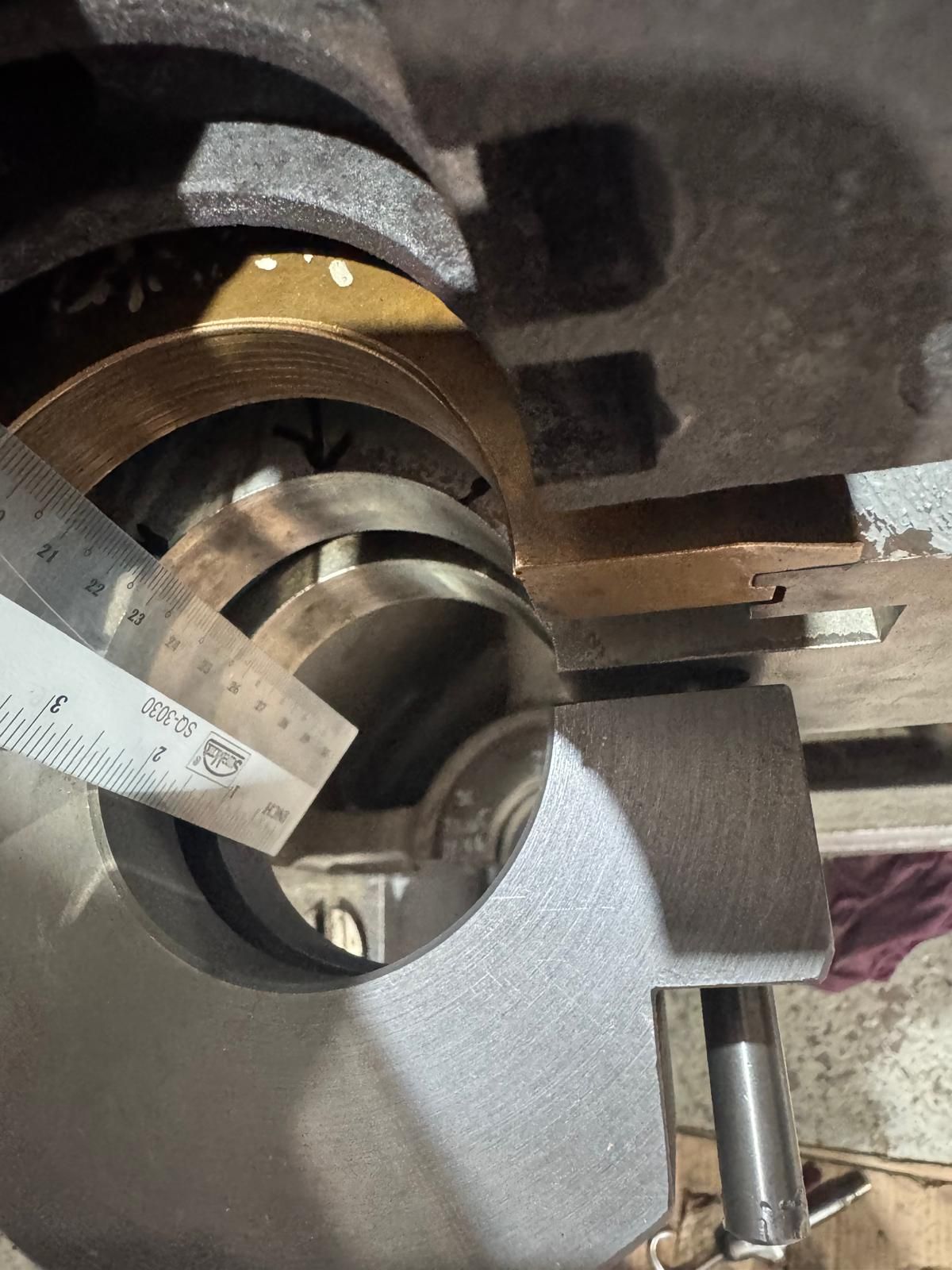
- Photographs from several angles, with a ruler or scale in the frame. Include close-ups of the damage and wider shots showing where it sits on the shaft.
- Measurements, such as the shaft diameter at the damaged area and at a clean area nearby, along with the size and depth of any scoring or pitting if you can measure it safely.
- Location, noting which shaft, which bearing or seal position, and which end or side.
- Operating history, including running hours, recent maintenance, and when the problem was last known to be absent.
- Symptoms before discovery, such as unusual vibration, noise, temperature changes, leaks, or alarms.
- Conditions at the time, such as load, speed, and anything unusual like a recent grounding, shock load, or electrical work nearby.
- Component details, including the equipment name, model, and any identification plates. Take care to keep records private where needed.
A quick note on the photos: clear, well-lit images with a scale can often allow an initial assessment before anyone travels to site.
What to Avoid
A few well-intentioned actions can make matters worse:
- Don't clean away the evidence. Wiping, polishing, or degreasing the damaged area can remove clues about the cause. Photograph it first.
- Don't file, grind, or dress the damage. It may feel like a quick fix, but removing material can make a later repair harder and change the dimensions you need to measure.
- Don't try to force a fit. If a bearing or seal no longer sits properly, adding shims or forcing it can cause further damage.
- Don't assume the cause. Wear, corrosion, misalignment, contamination, and electrical effects can look similar. Diagnosing the real cause matters if you want the repair to last.
- Don't wait to report it. If your classification society, insurer, or the manufacturer needs to be told, delays can cause complications.
- Don't order a replacement part automatically. Look at repair options first, particularly when lead times are long.
Who to Call
The right people depend on your situation, but a typical order is:
- Your chief engineer, superintendent, or maintenance manager, so the right decision-maker knows straight away
- Your classification society or surveyor, if the shaft is class-relevant or the damage affects class status
- Your insurer or P&I club, if the policy requires notification
- The equipment manufacturer, for specifications, tolerances, and any warranty implications
- A repair specialist, to find out whether the damage can be repaired in place or needs to be removed
Calling a repair specialist early costs nothing and can save days. Even a short conversation can tell you whether on-site repair is realistic and what information is needed.
Repair or Replace?
Whether a damaged shaft can be repaired depends on the type, depth, and location of the damage, and the condition of the base material. Surface wear, scoring, and pitting are often repairable. Cracks, severe deformation, or structural damage usually call for replacement. A proper assessment answers this quickly, ideally before a replacement order is placed.
A One-Page Summary
In the first 24 hours:
- Stop and secure the equipment
- Photograph the damage with a scale
- Measure and record the details
- Leave the damaged surface as it is
- Notify the right people
- Get a repair assessment before committing to replacement
Found Shaft Damage?
If you have discovered damage on a shaft and want to know whether it can be repaired, send us your photos and measurements. Our team can give you an initial view and advise on the next step.
Get in touch with Sterling Impreglon Asia to find out more.