What to Do When a Replacement Part Is No Longer Available
Proven Strategies to Repair, Adapt, or Source Hard-to-Find Components
It is a call every maintenance manager and vessel superintendent dreads. A critical component has worn out, you contact the manufacturer for a replacement, and the answer comes back: the part is discontinued, the model is obsolete, or the lead time is so long that it is effectively unavailable.
This is a common problem for older vessels, legacy machinery, and equipment from manufacturers that have changed hands, closed, or moved on to newer models. It can leave an otherwise sound asset sitting idle over a single worn component.
The good news is that "no longer available" does not always mean "no longer usable." Here are the practical options to consider, and where repair fits in.
Why Parts Become Unavailable
Replacement parts can become hard to find for several reasons:
- The model has been discontinued, and the manufacturer no longer produces or stocks its components
- The manufacturer has closed or been acquired, leaving support and spare parts uncertain
- Tooling or drawings have been lost or retired, making production of the original design difficult
- Minimum order quantities or very long lead times make a single replacement impractical
- Supply chain disruption has stretched delivery times far beyond what the operation can wait
In each case, the result is the same: a component that is worn or damaged, and no straightforward way to replace it.
Option 1: Search for Used or Surplus Stock
One option is to look for the same part from surplus dealers, decommissioned equipment, or secondary markets. This can work, but it comes with trade-offs. The condition of used parts varies, documentation may be limited, and the part may already carry its own wear. For critical components, there is a risk of replacing one worn part with another.
Option 2: Custom Fabrication or Reverse Engineering
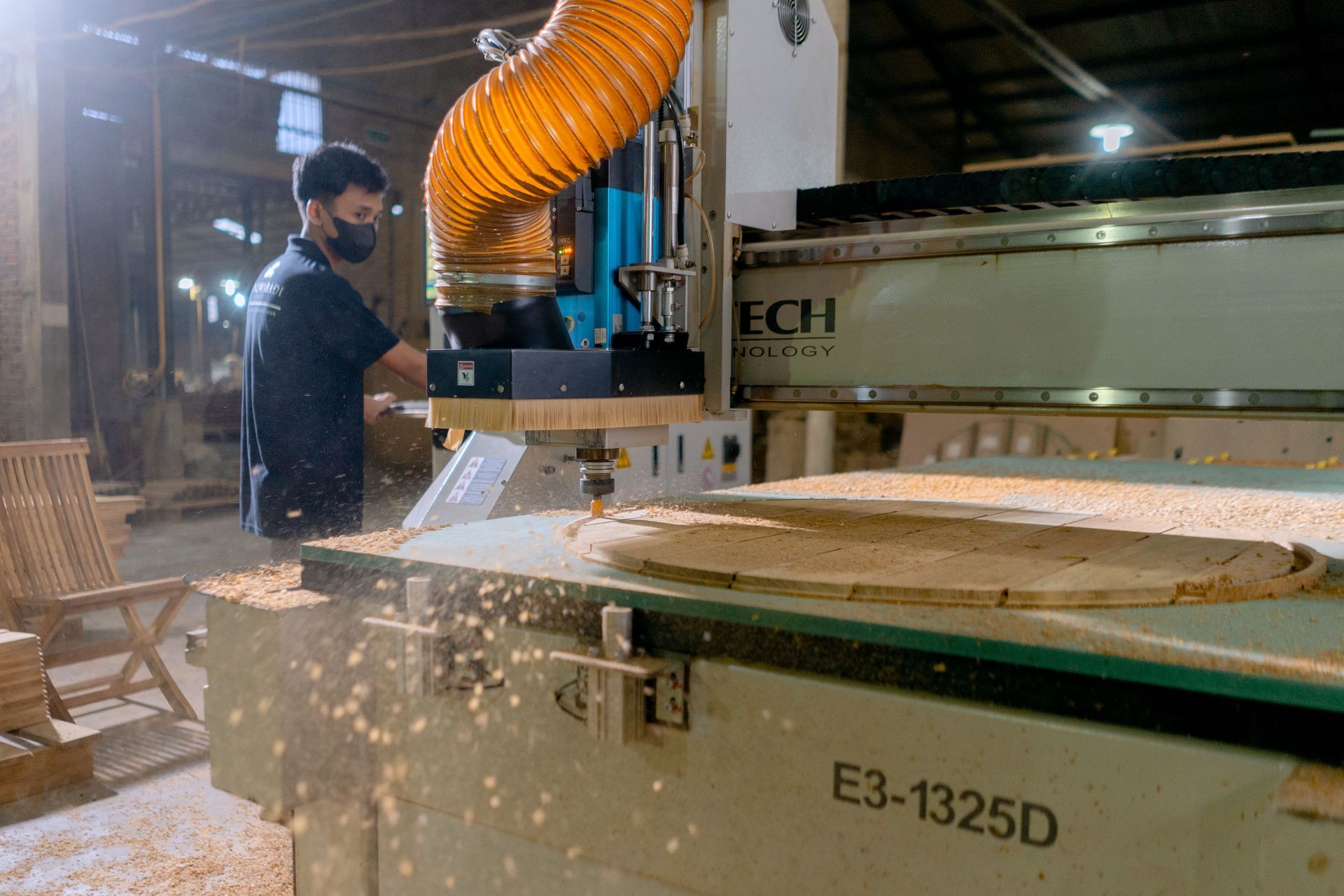
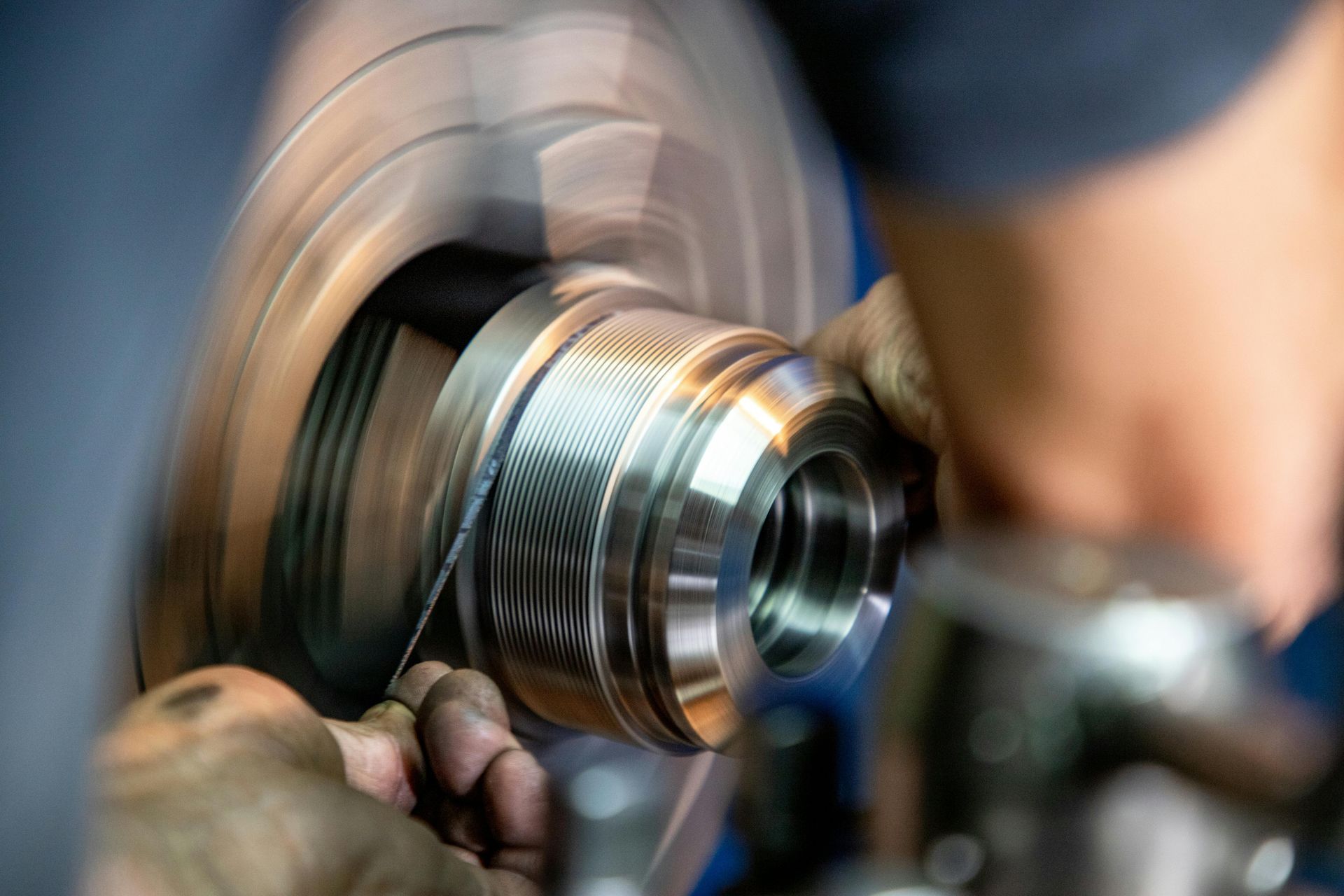
Another route is to have the part manufactured from scratch, based on the original or on measurements taken from the worn component. This can produce a good result, but it is often the most expensive and time-consuming option. Machining a one-off part, sourcing the right material, and verifying fit can take weeks, and the cost per piece is usually high.
Option 3: Replace the Wider Assembly or Equipment
In some cases, the only available replacement is a newer assembly or an entire unit, which may require modifications to fit. This can be a significant capital cost, and for an otherwise healthy asset it is often a heavy price to pay for one worn component.
Option 4: Repair the Original Component
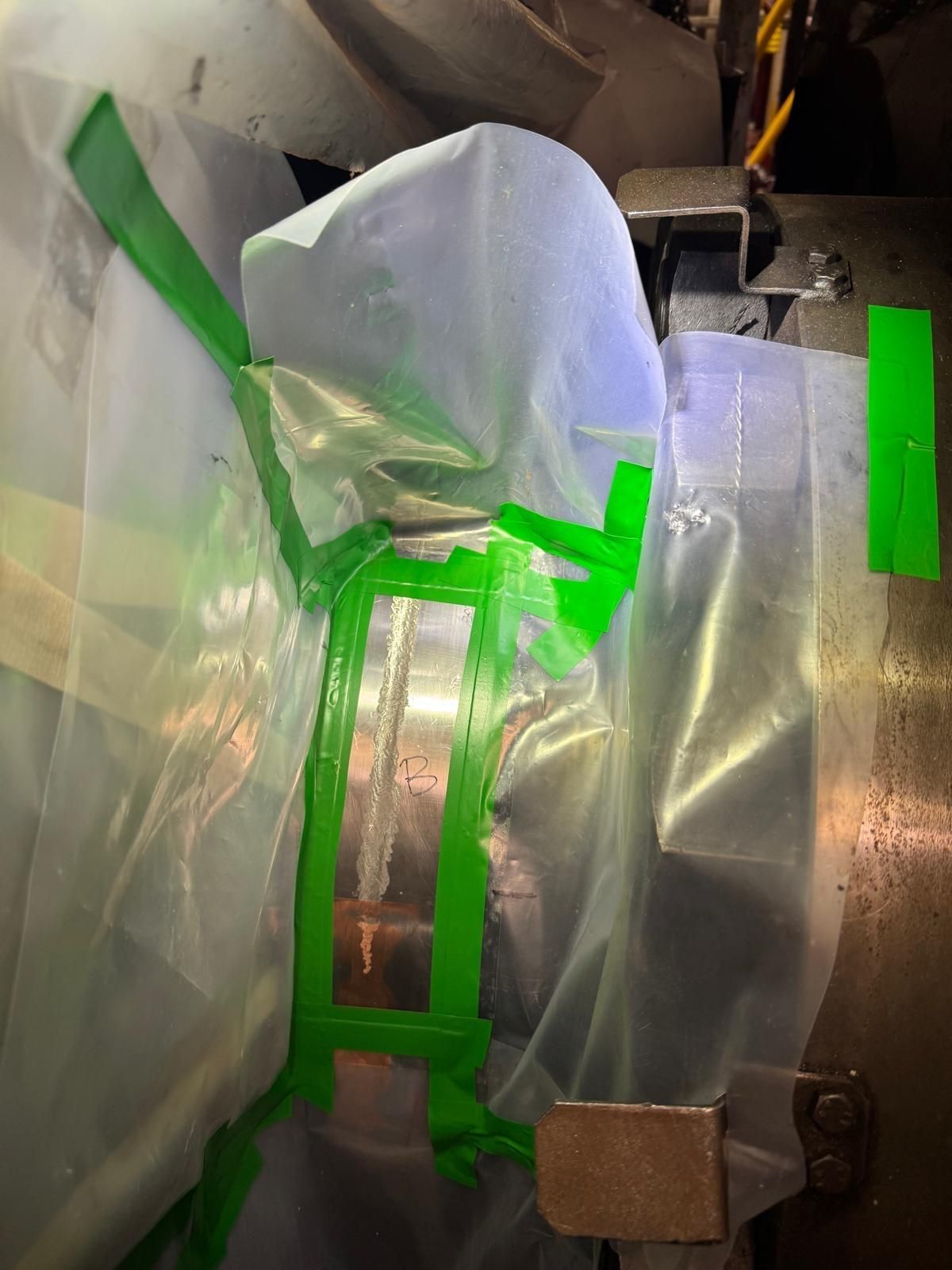
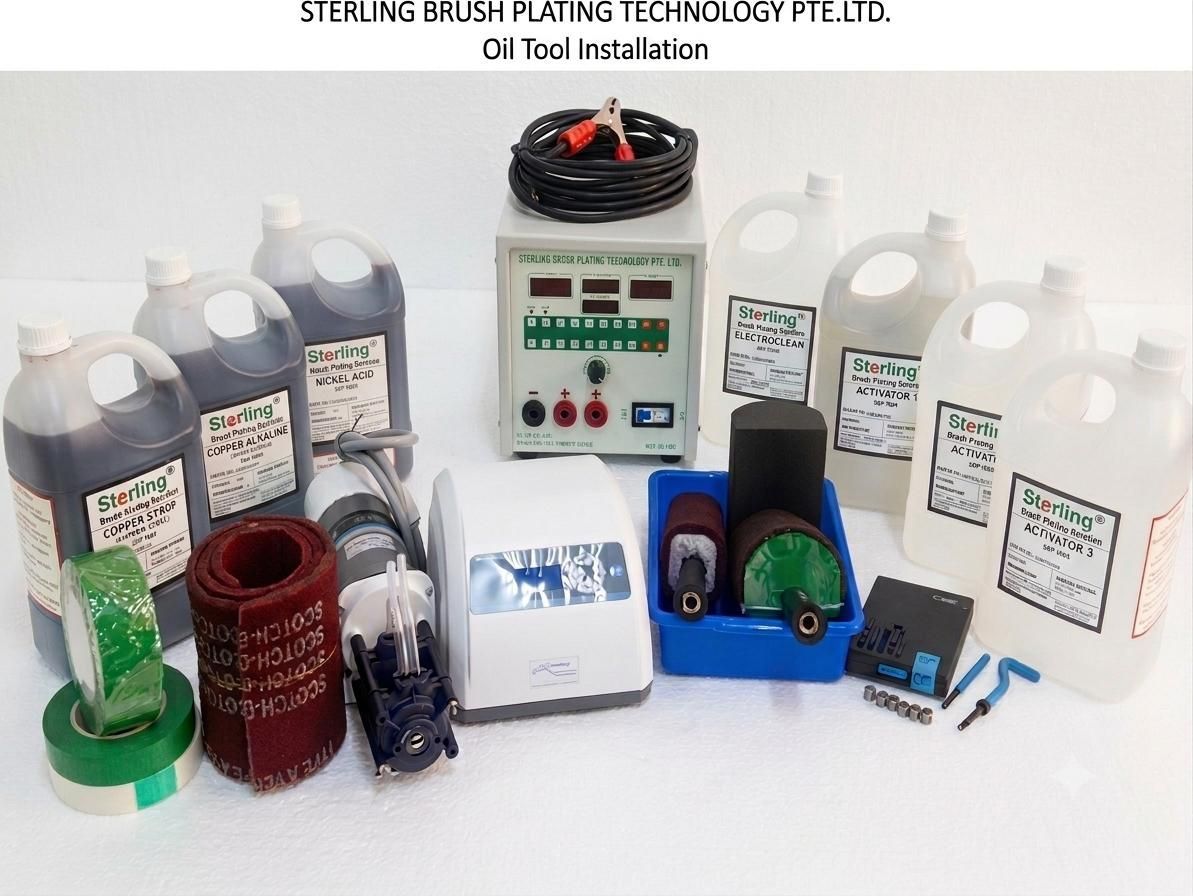
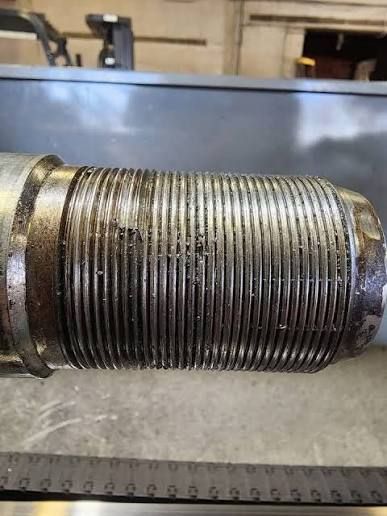
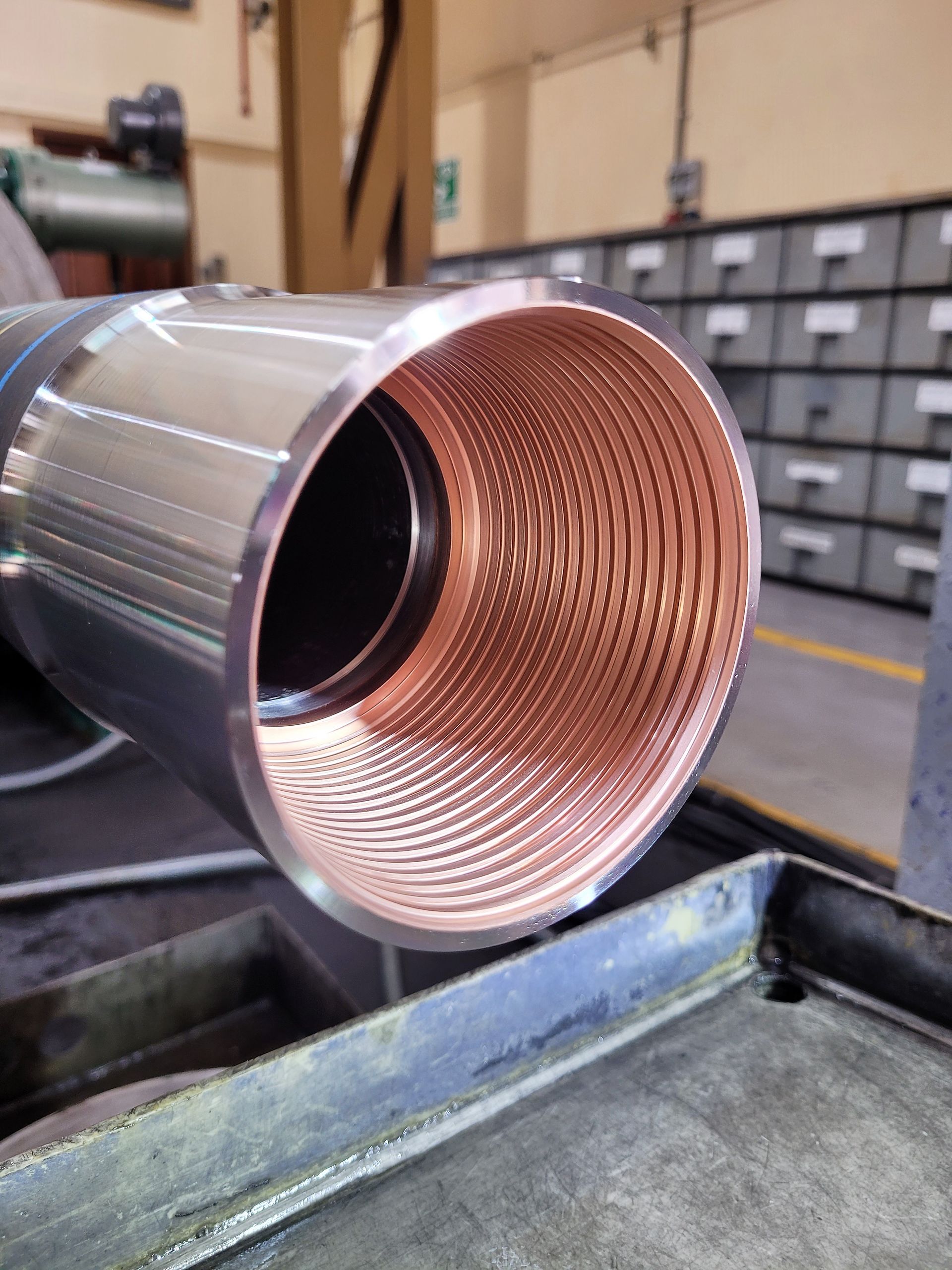
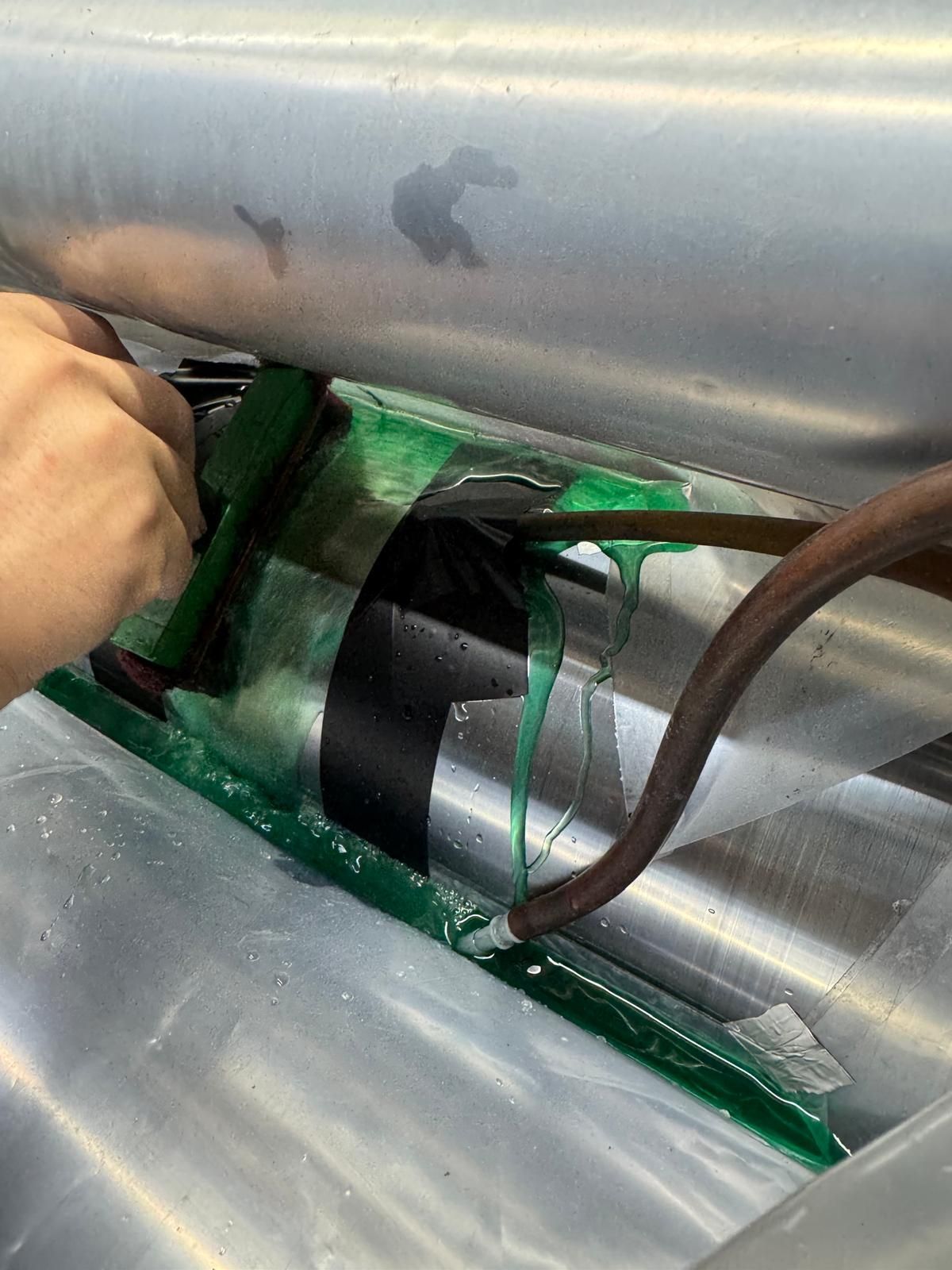
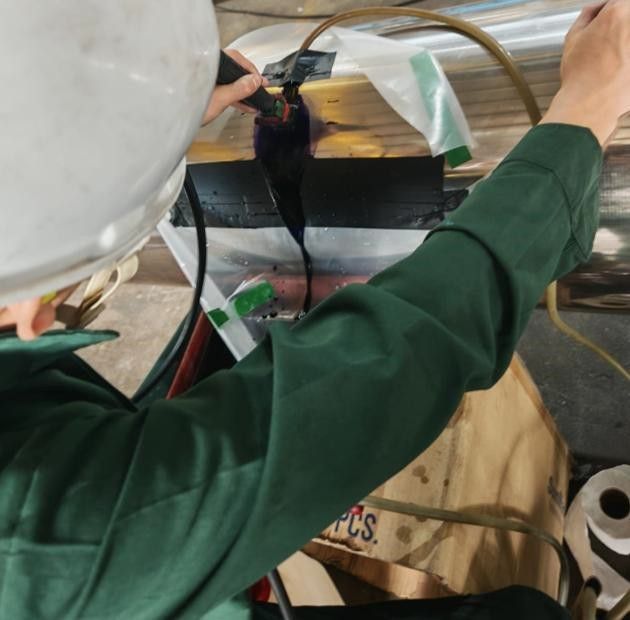
If the damage is limited to surface wear, scoring, or corrosion, and the component is otherwise structurally sound, repair can be a practical alternative. This is where Brush Plating is particularly useful for older equipment.
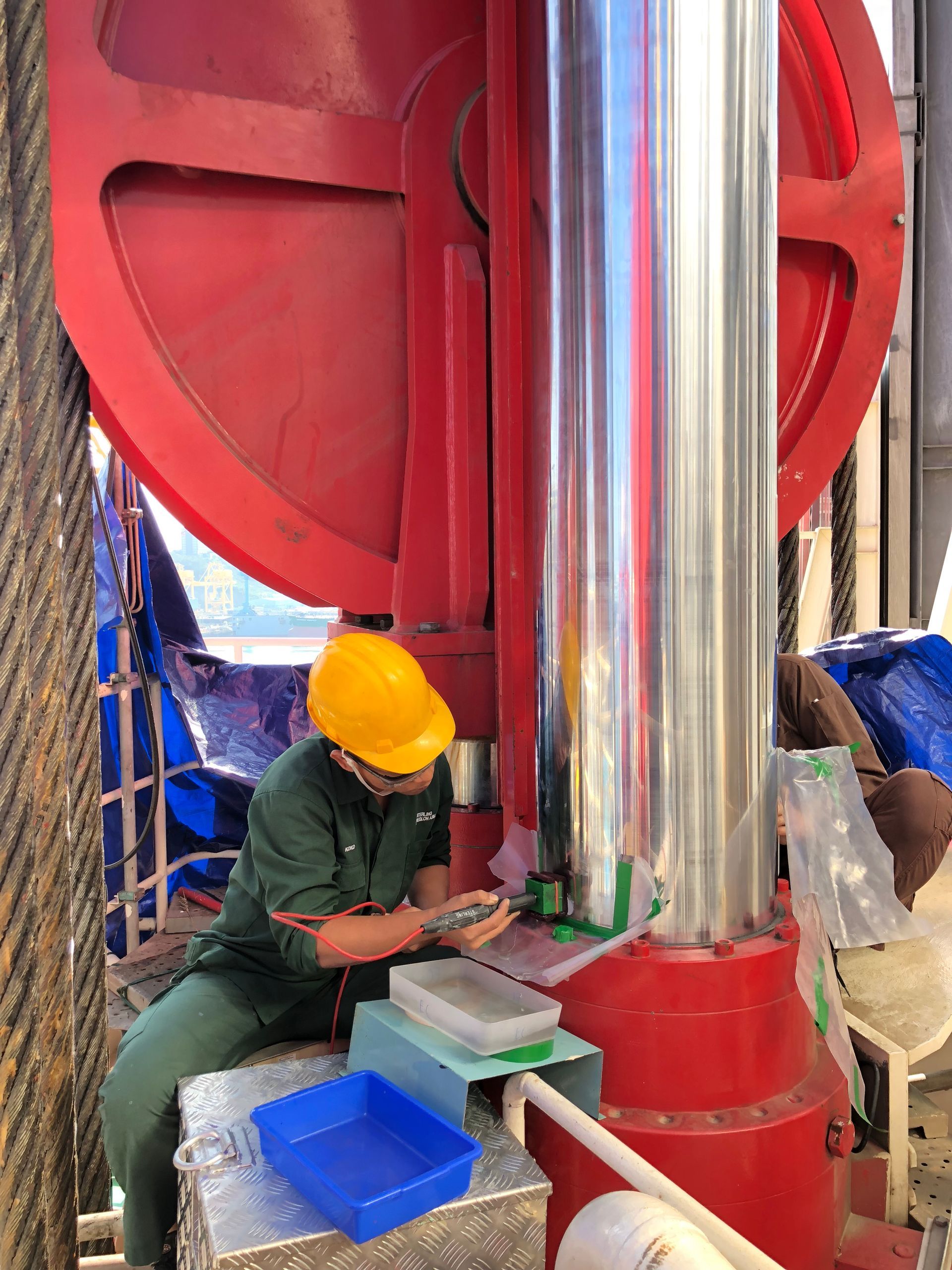
Because Brush Plating rebuilds only the worn area, the original part stays in service, and the original dimensions and fit are restored. There is no need to find a matching replacement, because the component you already have is the one being restored.
Examples of where this approach can help include:
- Worn shafts and bearing journals that no longer meet their original diameter
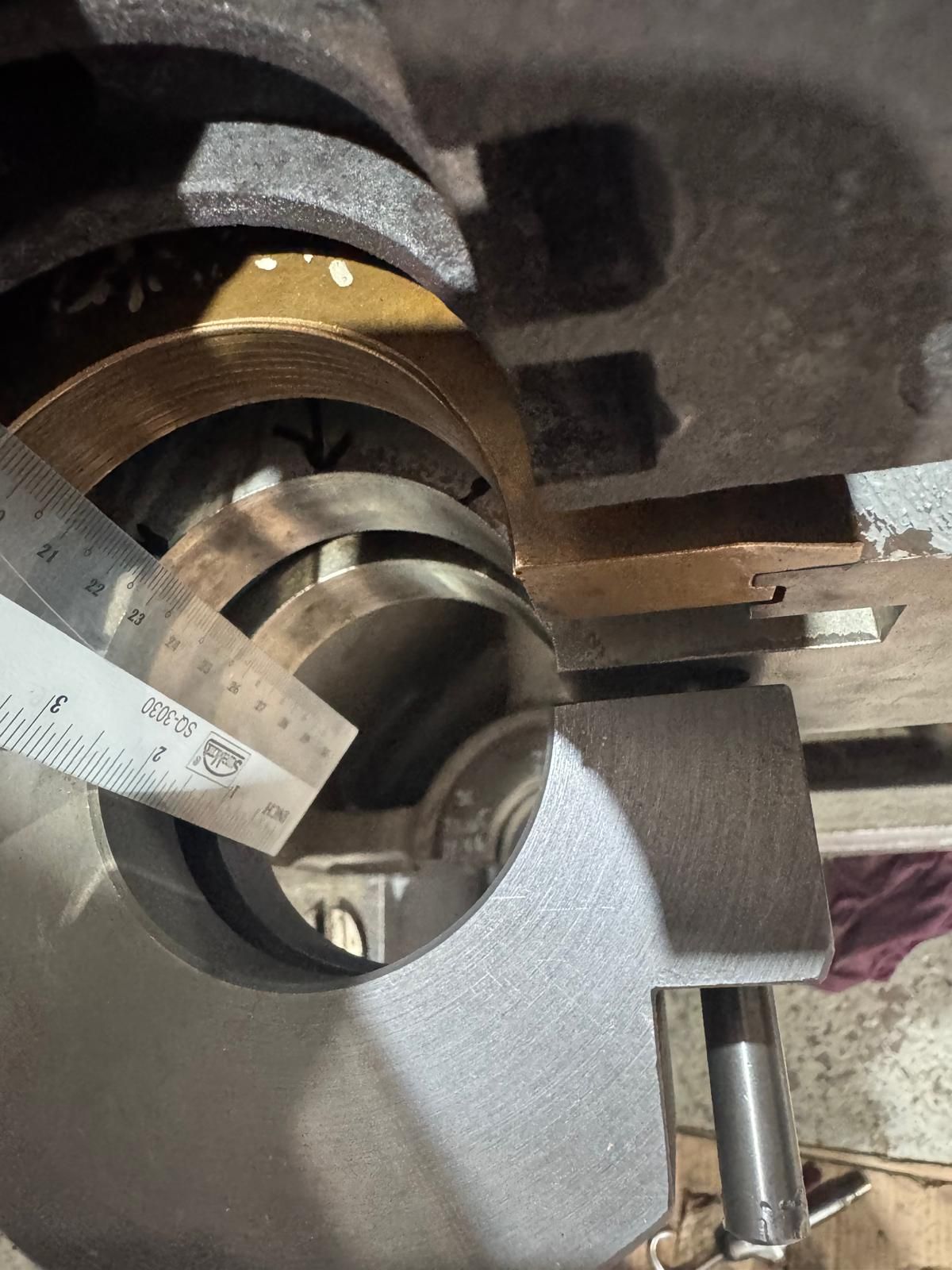
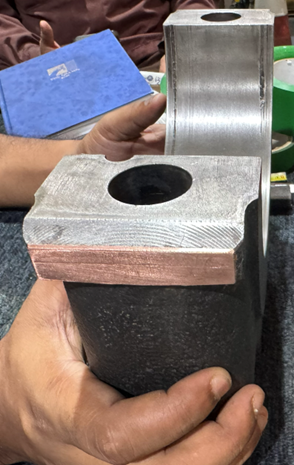
- Scored or worn housings and bearing seats, such as gearbox and turbine casings
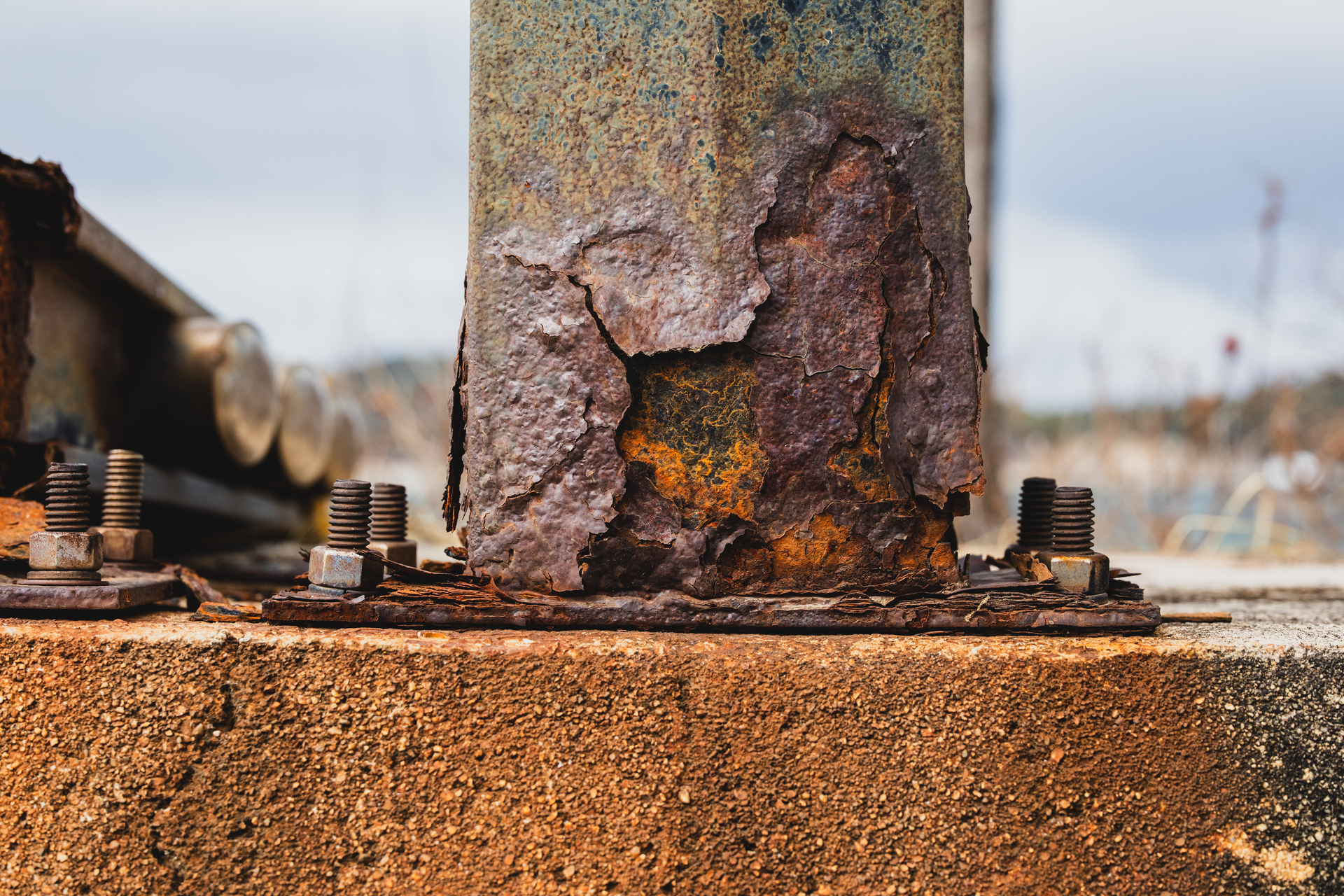
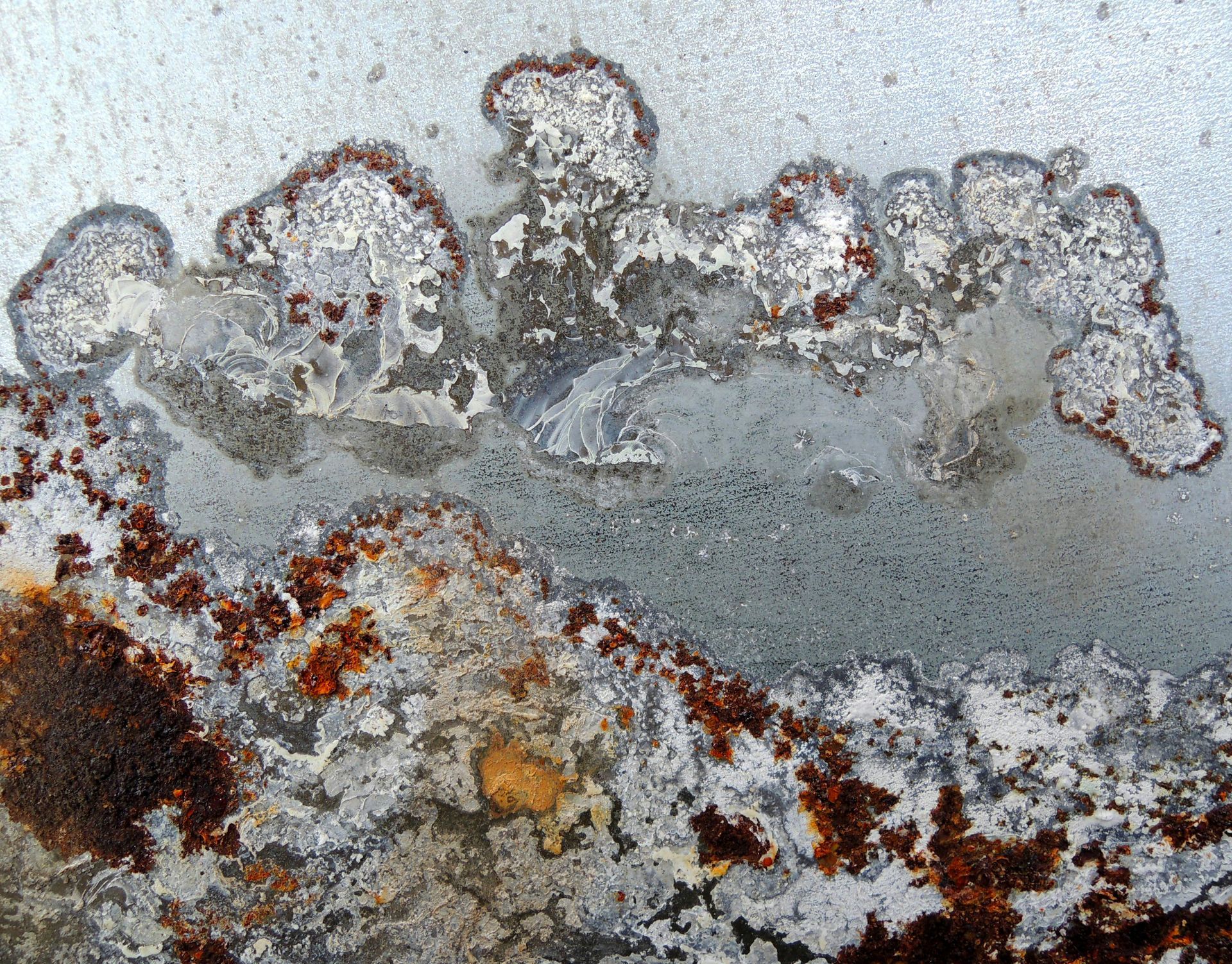
- Corroded or pitted surfaces on components that cannot easily be replaced
- Worn sealing surfaces and mating faces where dimensional accuracy is critical
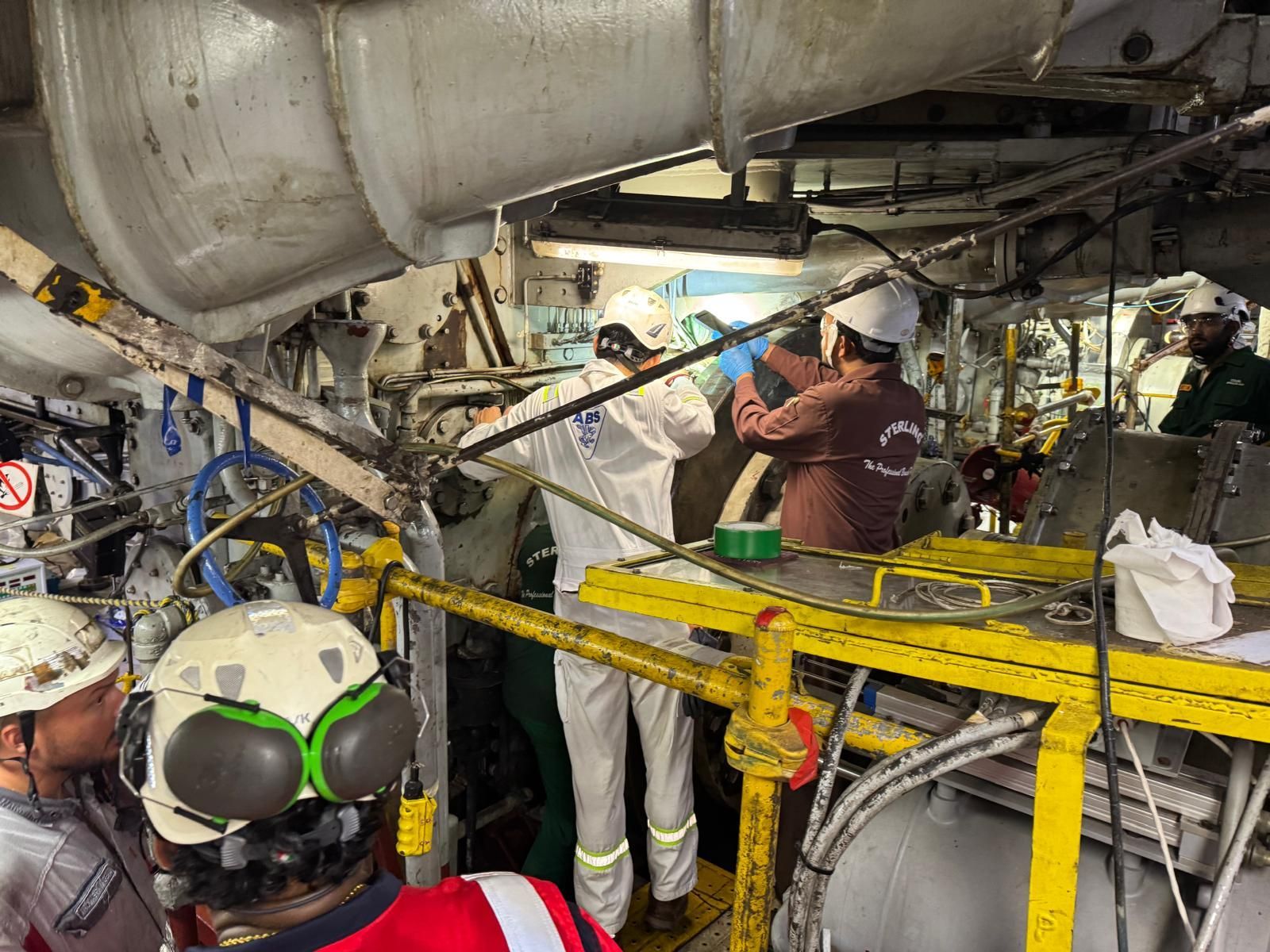
For many of these, the repair can be done on-site or in-house, with far less downtime than sourcing a custom part or an alternative assembly.
How to Tell Whether Repair Is a Realistic Option
Not every unavailable part can be repaired. A few questions help determine whether it is worth pursuing:
- Is the damage limited to the surface? Wear, scoring, and corrosion are often repairable. Cracking, severe deformation, or structural failure usually are not.
- Is the base material still sound? The repair needs a solid foundation to bond to.
- Is the component critical to safety or subject to class or regulatory requirements? If so, confirm that the repair method is acceptable to the relevant authority before proceeding.
- Is access practical? Some components can be treated in place, while others are better brought to a workshop.
A proper assessment by a specialist can answer these questions quickly, and it is usually worth doing before committing to a costly custom part or an assembly replacement.
Giving Older Equipment More Life
Older vessels and machinery often have a lot of working life left in them, provided the right maintenance decisions are made. When parts are no longer available, repair gives operators another route, one that keeps the original component working, avoids the cost and delay of custom fabrication, and reduces the pressure to retire equipment early.
Facing an Obsolete or Unavailable Part?
If a worn or damaged component on your equipment can no longer be sourced, it may still be repairable. Our team can assess it and let you know honestly whether Brush Plating is a viable option.
Get in touch with Sterling Impreglon Asia to find out more.