What Causes Stray-Current Corrosion on Vessels?
And Can the Damage Be Repaired?
Most marine engineers are familiar with corrosion from seawater and dissimilar metals. Stray-current corrosion is different, and often more aggressive. It can eat into a shaft, rudder stock, or bearing surface far faster than ordinary corrosion, and because it starts from an electrical fault rather than the metal itself, replacing the damaged part does not stop it.
Here is what causes it, how to recognize it, and whether the damage can be repaired.
What Is Stray-Current Corrosion?
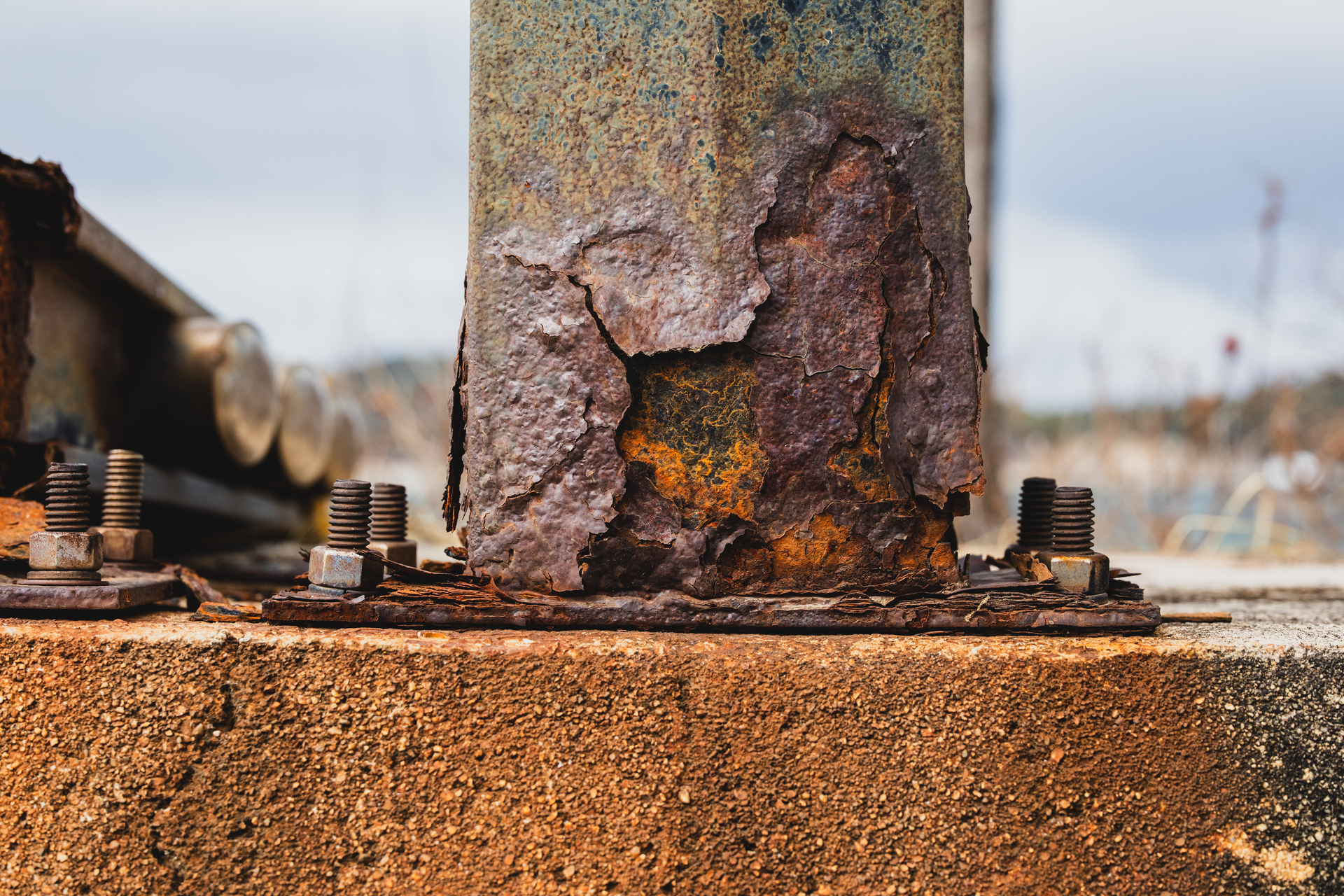
Stray-current corrosion occurs when an unintended electrical current travels through a metal structure and leaves it through seawater or another conductive path. Wherever the current leaves the metal, the metal dissolves. This is the point of damage.
Ordinary galvanic corrosion is driven by the natural difference between two metals in seawater. Stray current comes from an outside electrical source, so it can be much faster, and it can strike metals that would otherwise be corrosion resistant.
What Causes It?
The current has to come from somewhere. Common sources on and around vessels include:
- Welding equipment on board or alongside. If the return clamp is attached far from the work, the current may take an unintended path through the hull, machinery, or seawater.
- Shore power and dock connections. Faults or poor isolation in a shore supply can introduce current into a vessel's hull.
- Faulty electrical insulation or earthing. Damaged cables, wet junction boxes, or poorly earthed equipment can let current leak into the structure.
- Nearby impressed current systems. Cathodic protection on a neighboring vessel, jetty, or structure can create unwanted currents in a vessel nearby.
- Shaft and bearing currents. In some installations, electrical currents can pass through bearings and shafts, leaving small pits where the current discharges.
In many cases the cause is not a single obvious fault but a combination of small issues, such as moisture, aging insulation, and poor connections.
How to Recognize It
Stray-current damage tends to look different from general corrosion:
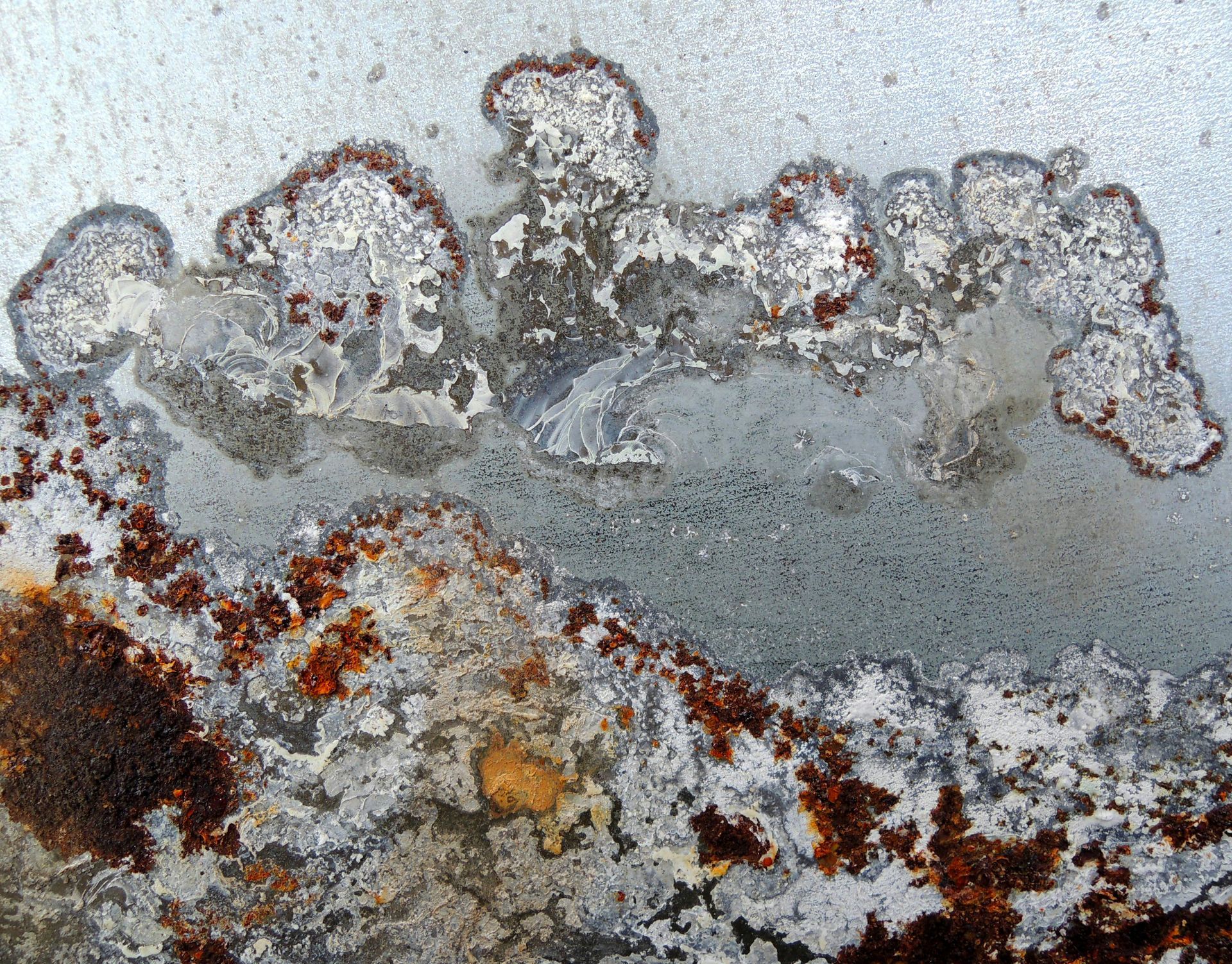
- Localized, crater-like pitting with relatively sharp edges, rather than even surface loss
- Damage concentrated at specific points, such as where a shaft meets a bearing or seal, or where a component is close to the current's exit path
- Rapid progression, with damage appearing much faster than expected for the material and environment
- Repeat damage in the same place after a component has been replaced
If a part has failed unusually quickly, or the same damage keeps coming back, an electrical cause is worth investigating.
Why Replacing the Part Is Not Enough
This is the critical point: if the electrical source is not found and fixed, the new part will suffer the same damage. Any repair, whether replacement or restoration, is only a temporary answer until the underlying cause is addressed.
For that reason, a proper response has two parts:
- Find and eliminate the source of the stray current. This usually requires a marine electrician or corrosion specialist to check insulation, earthing, shore power connections, and any impressed current systems.
- Repair the physical damage once the source is controlled.
Can the Damage Be Repaired?
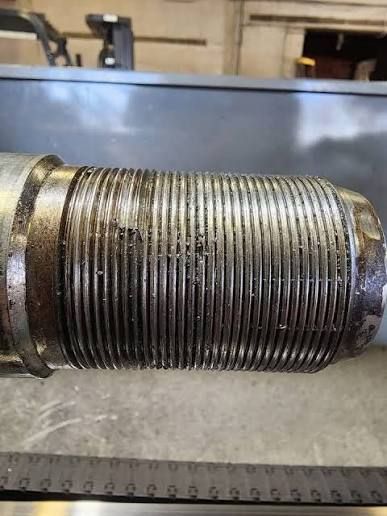
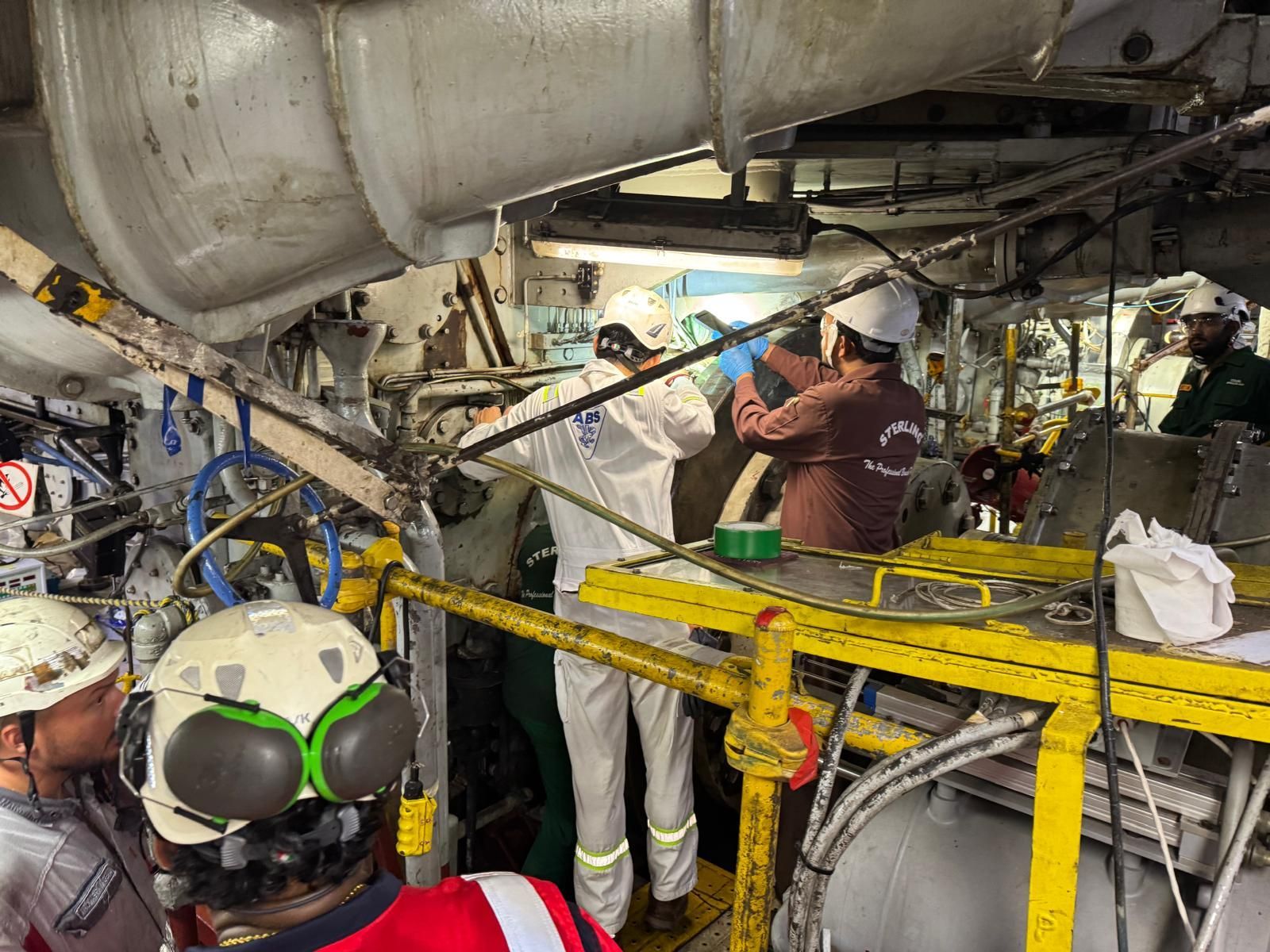
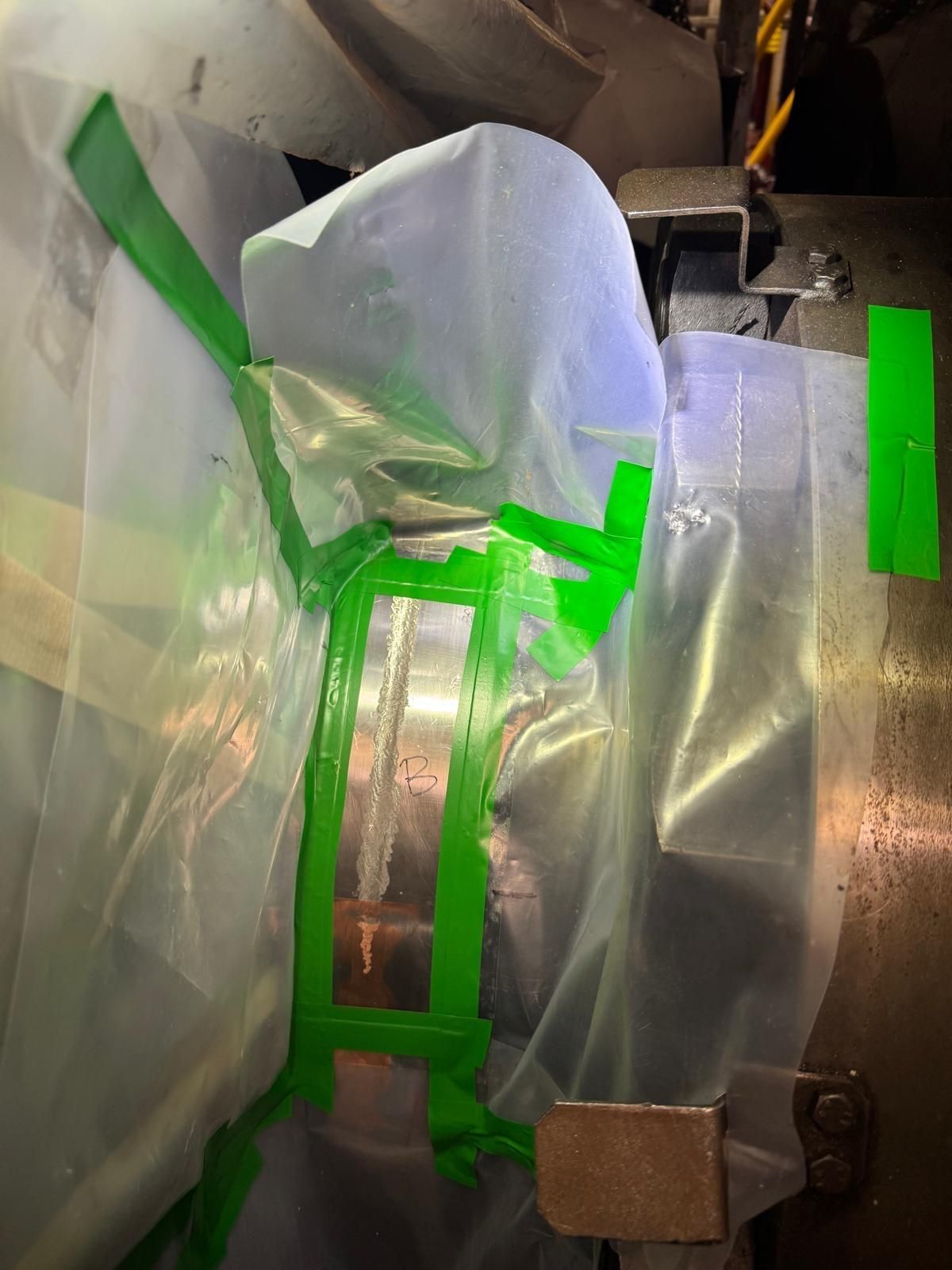
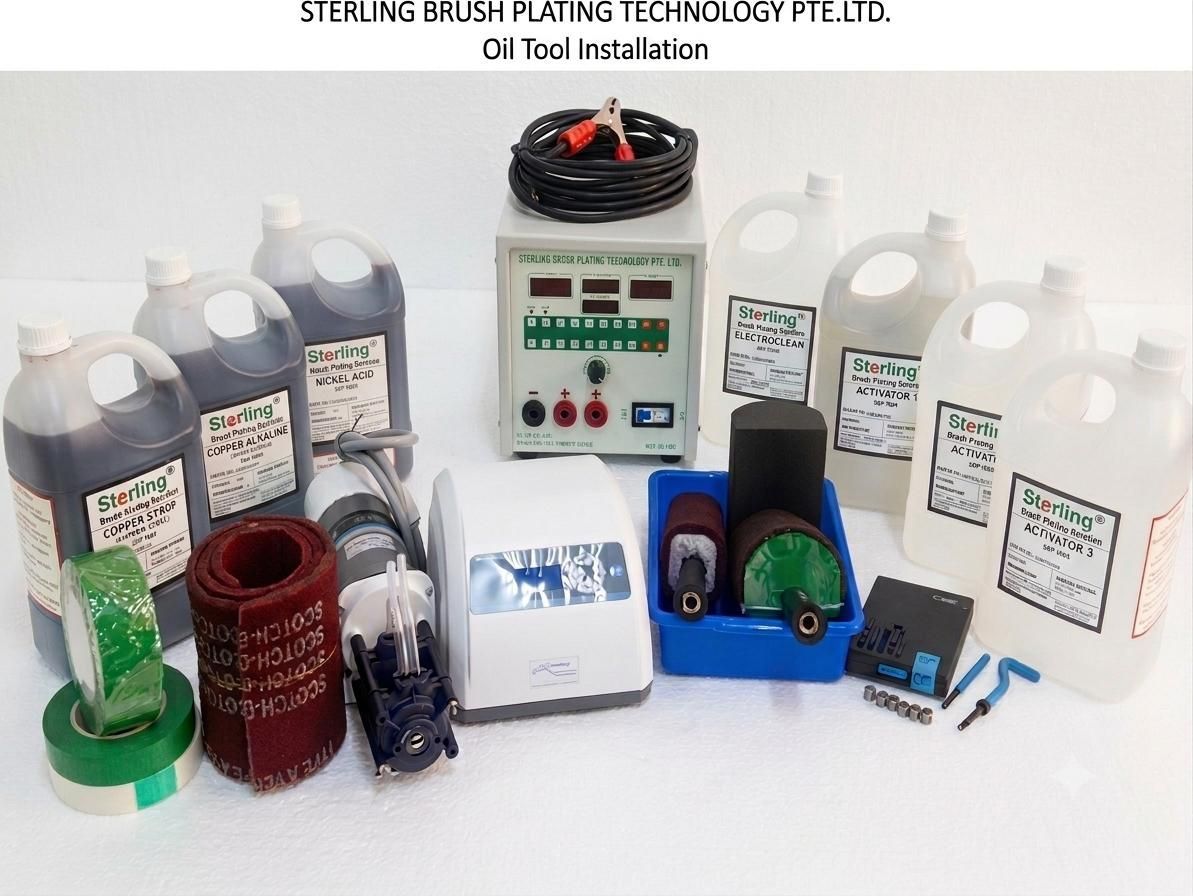
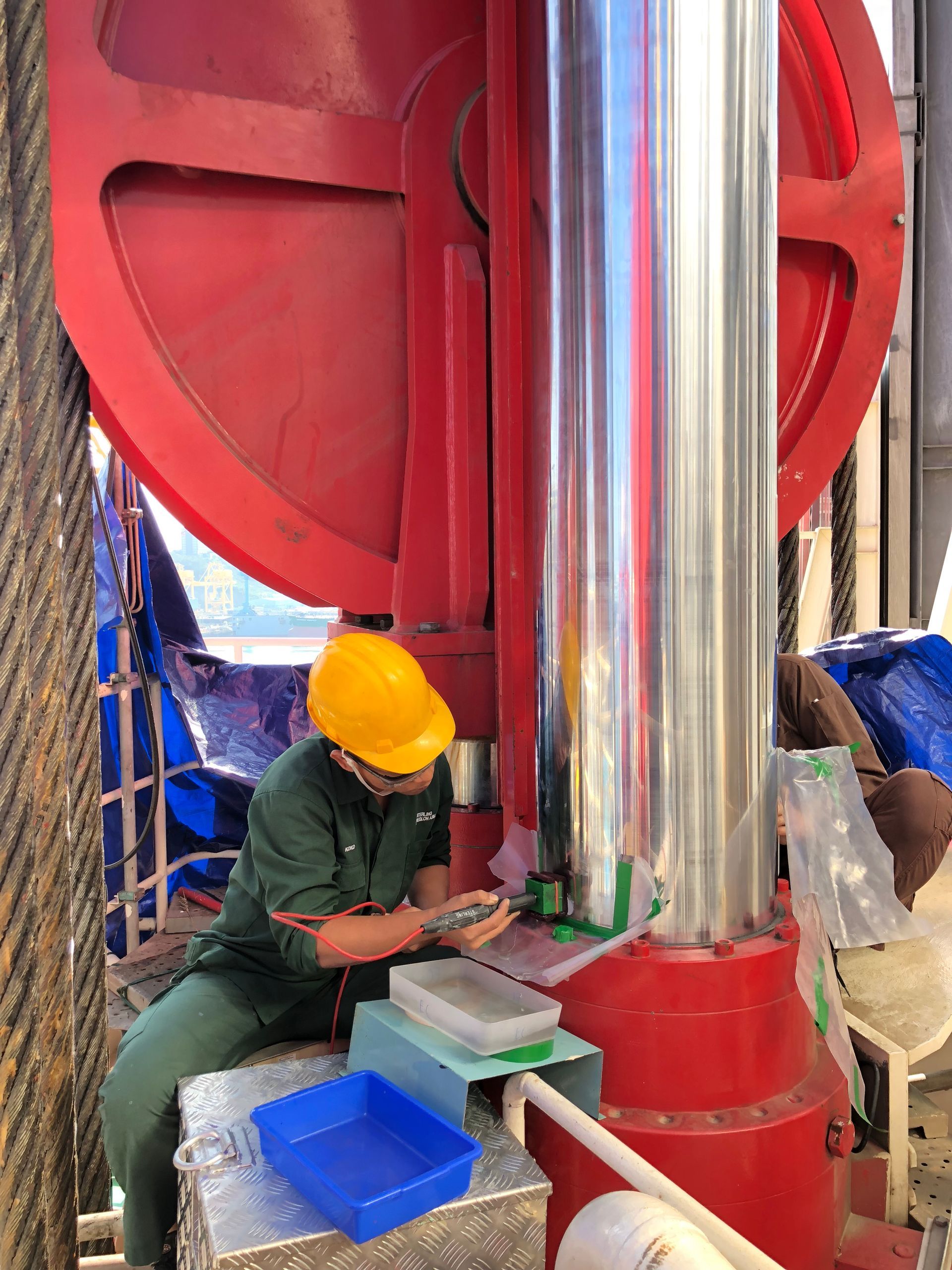
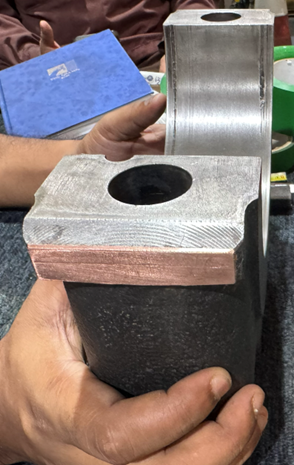
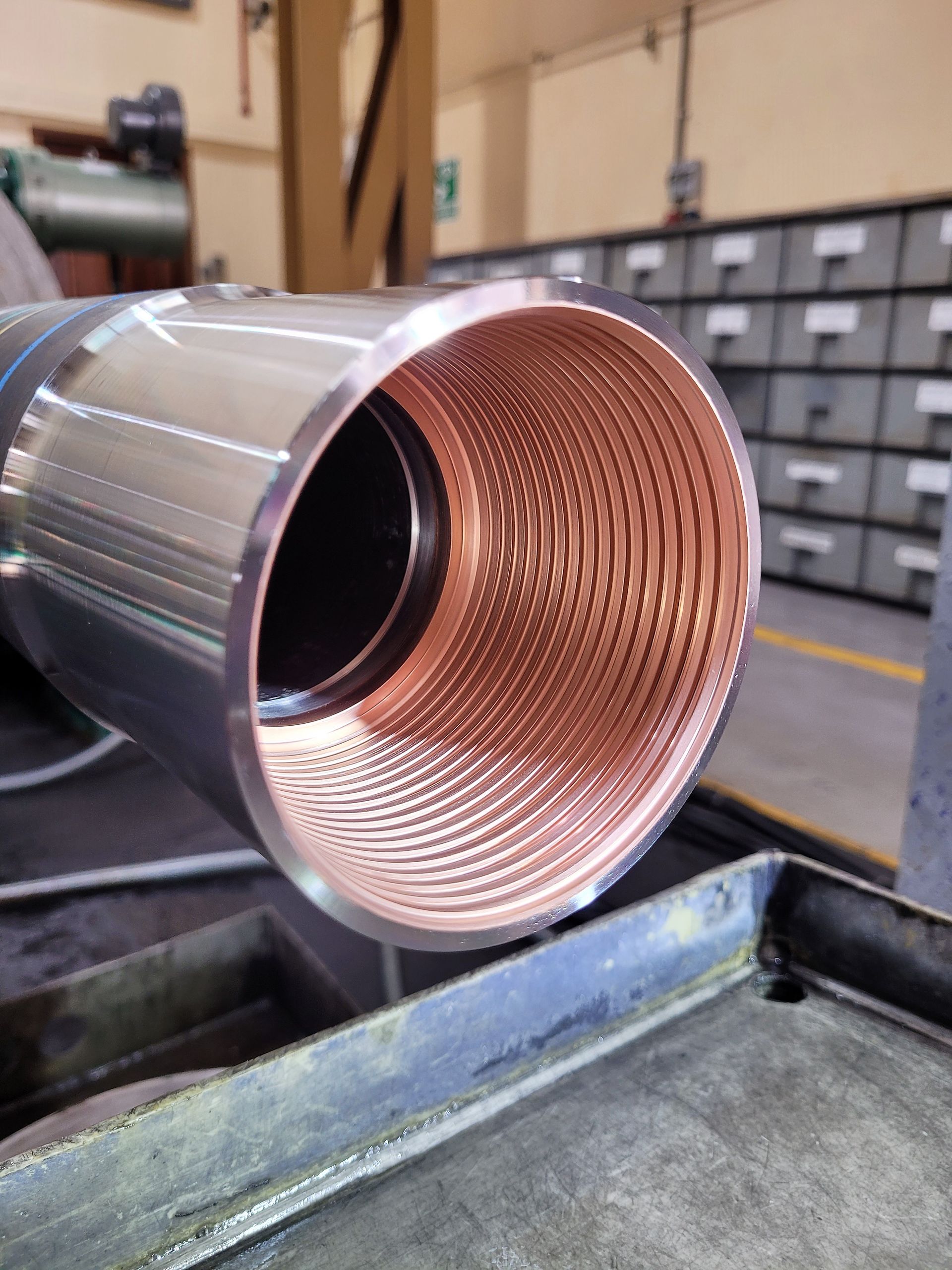
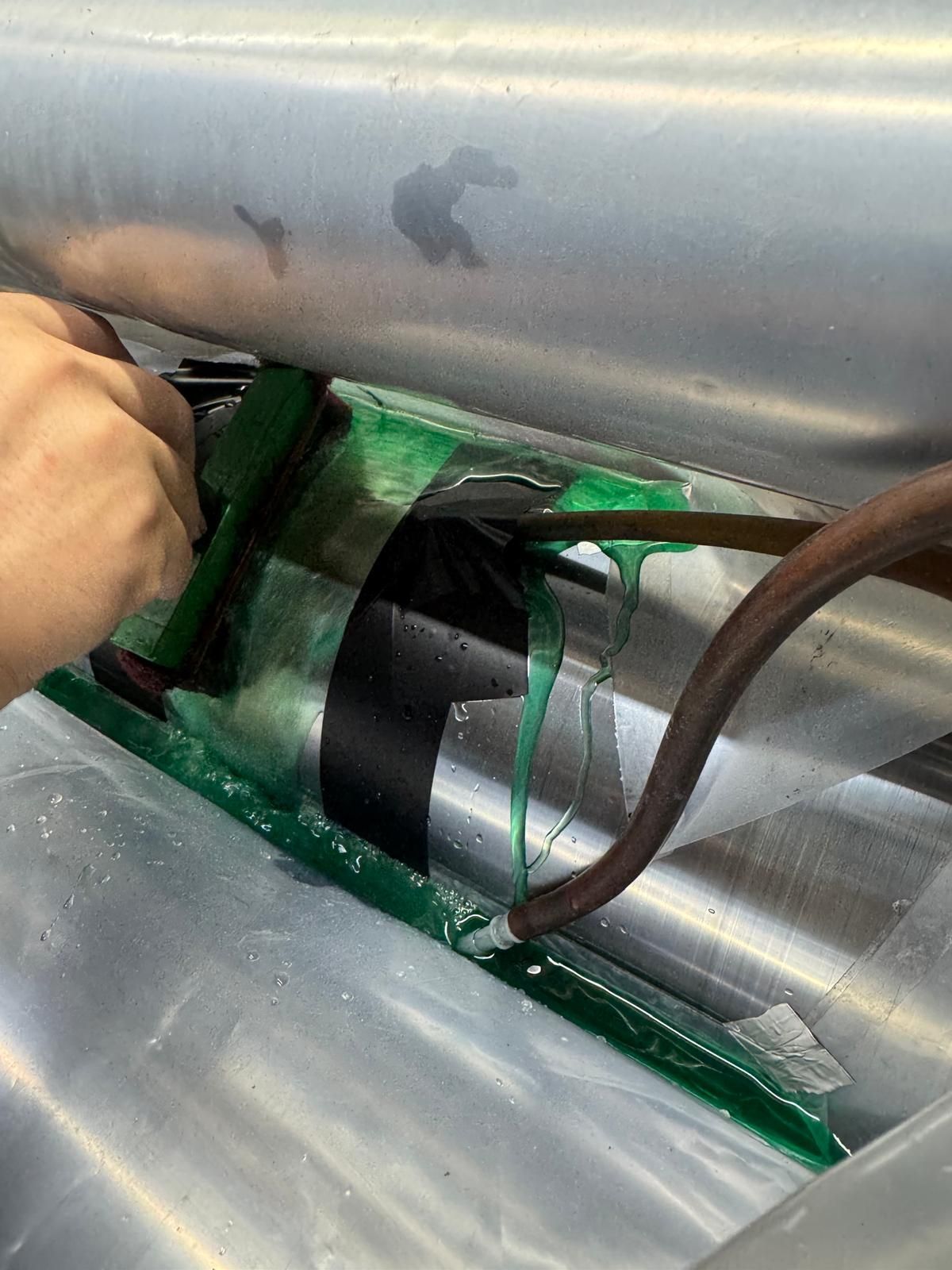
In many cases, yes, provided the damage is limited to the surface and the underlying material is still sound. As with ordinary pitting corrosion, Brush Plating can be a practical option:
- The damaged area is assessed, with the depth and extent of the pitting measured
- The surface is cleaned and prepared so the new metal bonds properly
- Metal is built up in and over the pitted area, restoring the original profile and dimensions
- The surface is finished and blended, with a protective capping layer where corrosion resistance matters
This approach is often used on shafts, bearing journals, and other precision surfaces where replacing the entire component would be costly and slow. Because Brush Plating can often be performed on-site, it can also reduce time out of service.
When Replacement Is Still the Right Call
Not every stray-current-damaged part can be repaired. If the pitting is very deep, if material loss is severe, or if the component's structural strength has been compromised, replacement may be the safer choice. On class-regulated equipment, the repair method should also be agreed with the classification society or surveyor before work begins.
A Practical Checklist
If you suspect stray-current corrosion on a vessel:
- Note where the damage is, how it looks, and how quickly it appeared
- Check for recent welding work, shore power use, or changes to electrical equipment
- Have the electrical system and any cathodic protection checked by a specialist
- Assess the damaged components before deciding to repair or replace
- Address the source before returning repaired parts to service
Have a Component Showing Stray-Current Damage?
If you have a shaft, journal, or other component with localized pitting, our team can assess whether it is a candidate for Brush Plating repair, and advise on what to look for before the part goes back into service.
Get in touch with Sterling Impreglon Asia to find out more.