Common Problems Found on Offshore Equipment
The Most Common Issues Found on Offshore Machineries
In the offshore industry, equipment reliability is everything. From hydraulic systems and deck machinery to propulsion and winching equipment, shafts play a critical role in keeping operations running safely and efficiently.
However, offshore environments are among the harshest in the world. Constant exposure to saltwater, humidity, heavy loads, vibration, and continuous operation can gradually damage shaft surfaces over time.
If left untreated, even minor issues can lead to seal failures, operational downtime, expensive repairs, and reduced equipment reliability.
Understanding the most common shaft problems and how to address them early can help operators avoid costly disruptions.
1. Corrosion Pitting
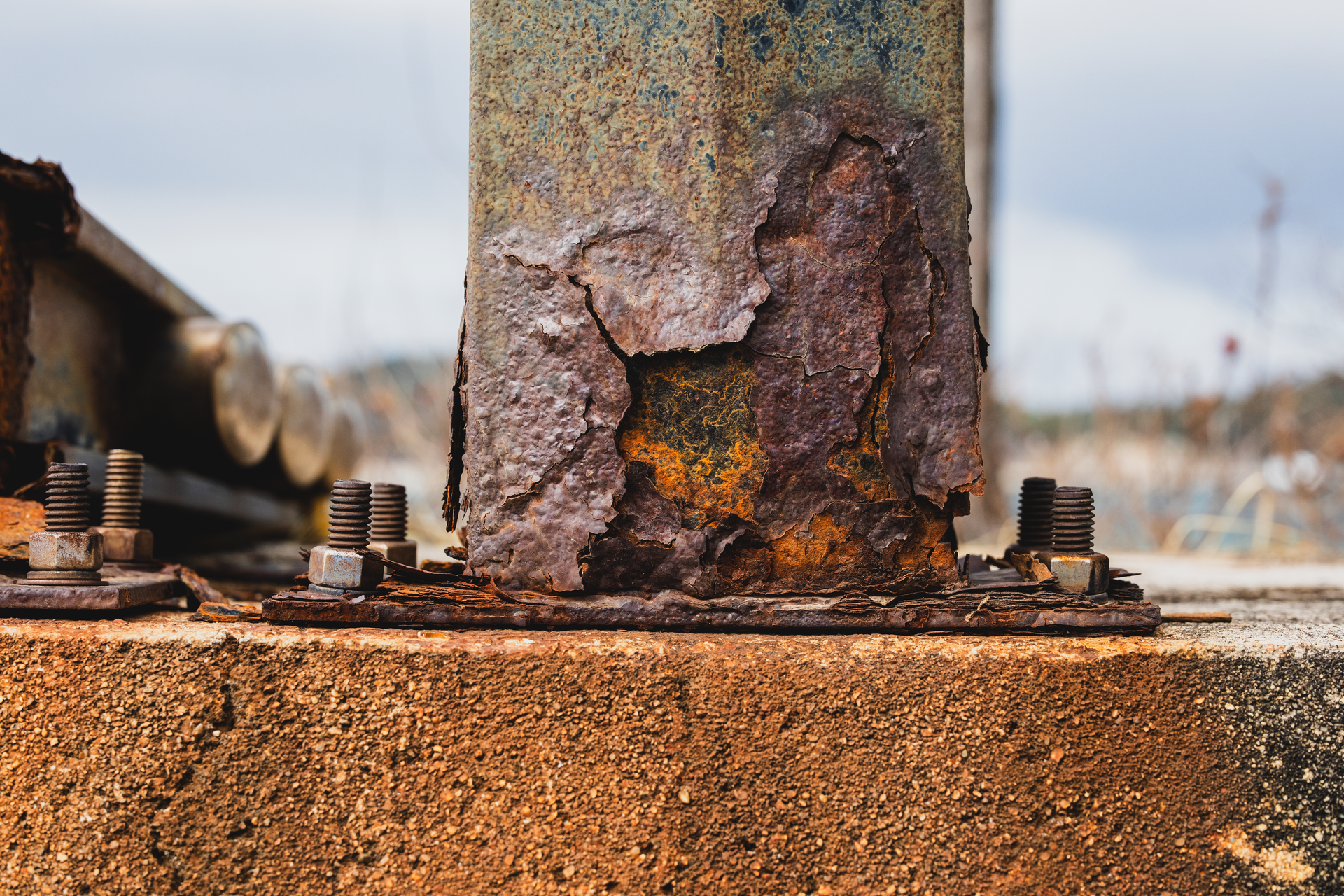
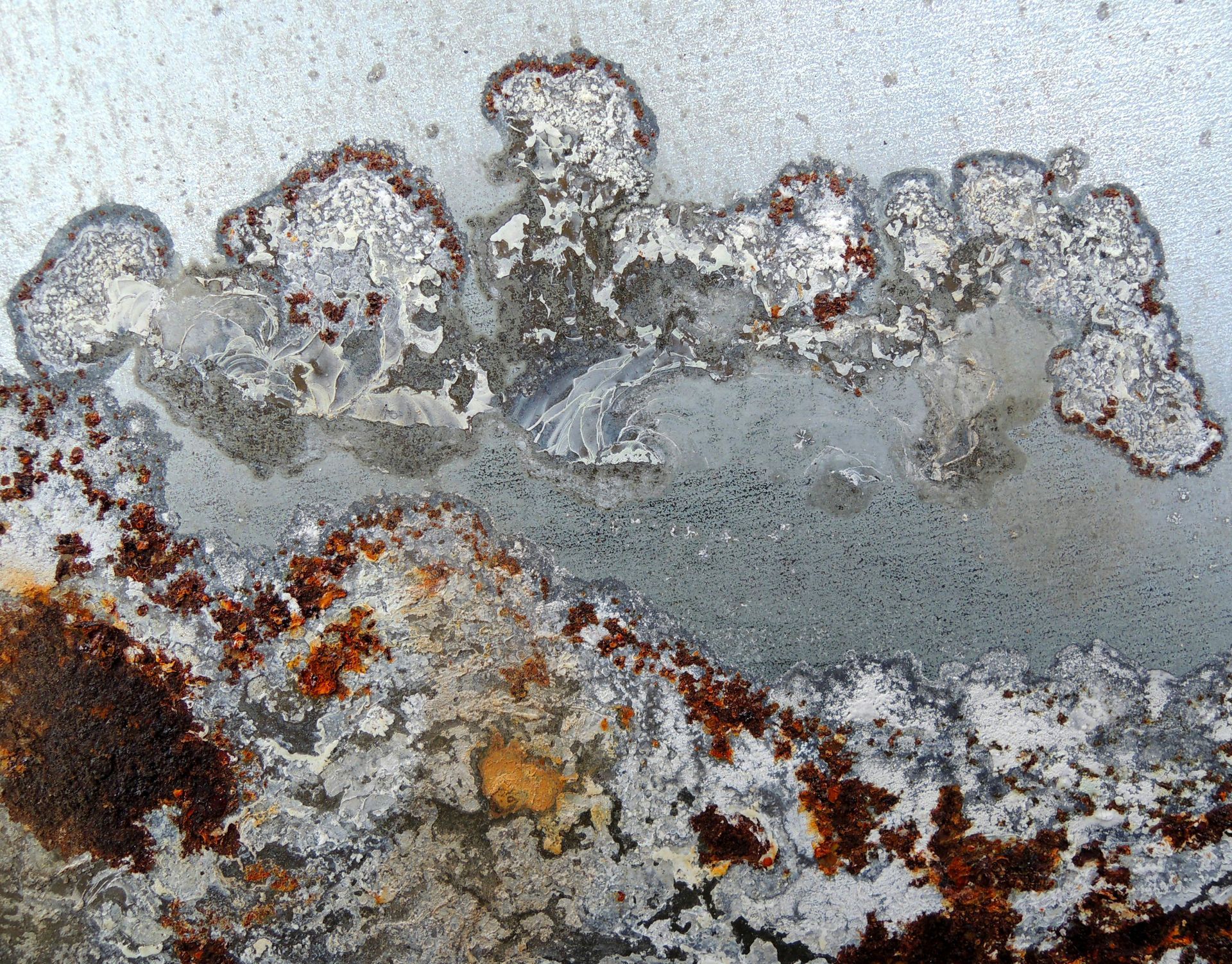
One of the most common issues found on offshore shafts/rods is corrosion pitting.
Saltwater exposure and harsh environmental conditions can cause localized surface damage, resulting in small pits forming on the shaft surface. While these may appear minor initially, corrosion pitting can worsen over time and affect the shaft’s functionality.
Common Causes:
- Saltwater exposure
- Moisture and humidity
- Chemical contamination
- Breakdown of protective coatings
Risks:
- Seal damage and oil leakage
- Reduced shaft performance
- Accelerated wear on surrounding components
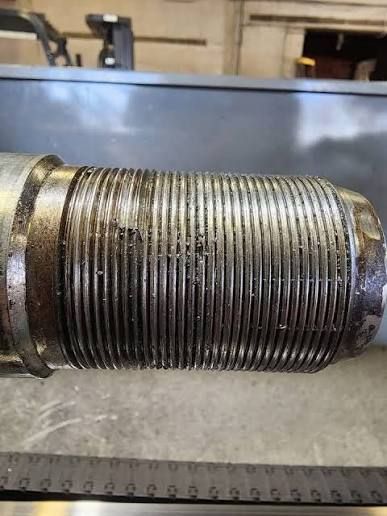
2. Scorelines and Surface Damage
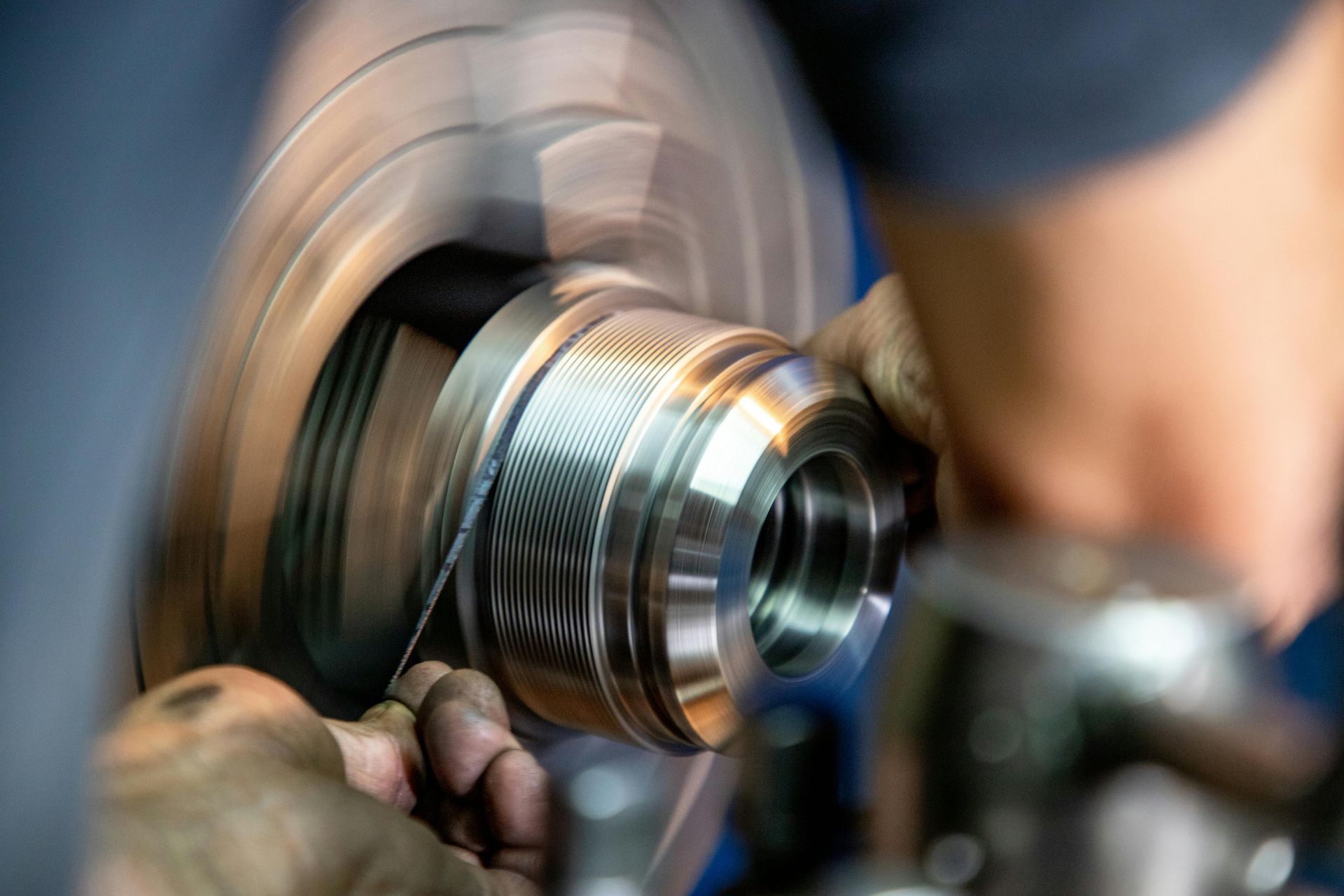
Shafts operating under continuous friction can develop scorelines, scratches, and surface grooves. These are commonly caused by contaminants, worn seals, or improper alignment.
Common Causes:
- Dirt or debris trapped between seals
- Improper lubrication
- Equipment misalignment
- Excessive friction during operation
Risks:
- Hydraulic leakage
- Poor sealing performance
- Premature component failure
3. Wear and Surface Degradation
Continuous operation under heavy load often leads to surface wear and dimensional loss over time.
This is especially common in:
- Hydraulic shafts and cylinders
- Mooring winch shafts
- Propeller shaft journals
- Engine and gearbox components
Risks:
- Reduced efficiency
- Increased vibration
- Poor equipment performance
4. Fretting Damage
Fretting occurs when repeated micro-movements between contacting surfaces cause wear and oxidation.
Although small in appearance, fretting damage can lead to larger maintenance issues if ignored.
Common Causes:
- Vibration
- Repeated movement under load
- Improper fitting or alignment
Risks:
- Reduced component lifespan
- Increased wear rates
- Reliability issues in critical equipment
Why Early Detection Matters
Many offshore equipment problems begin small but quickly escalate if neglected.
Early identification and timely repair can help offshore operators:
✔ Avoid major equipment failures
✔ Reduce costly downtime
✔ Extend equipment lifespan
✔ Lower replacement and maintenance costs
The key is acting before minor damage becomes a major operational issue.
A Smarter Repair Approach
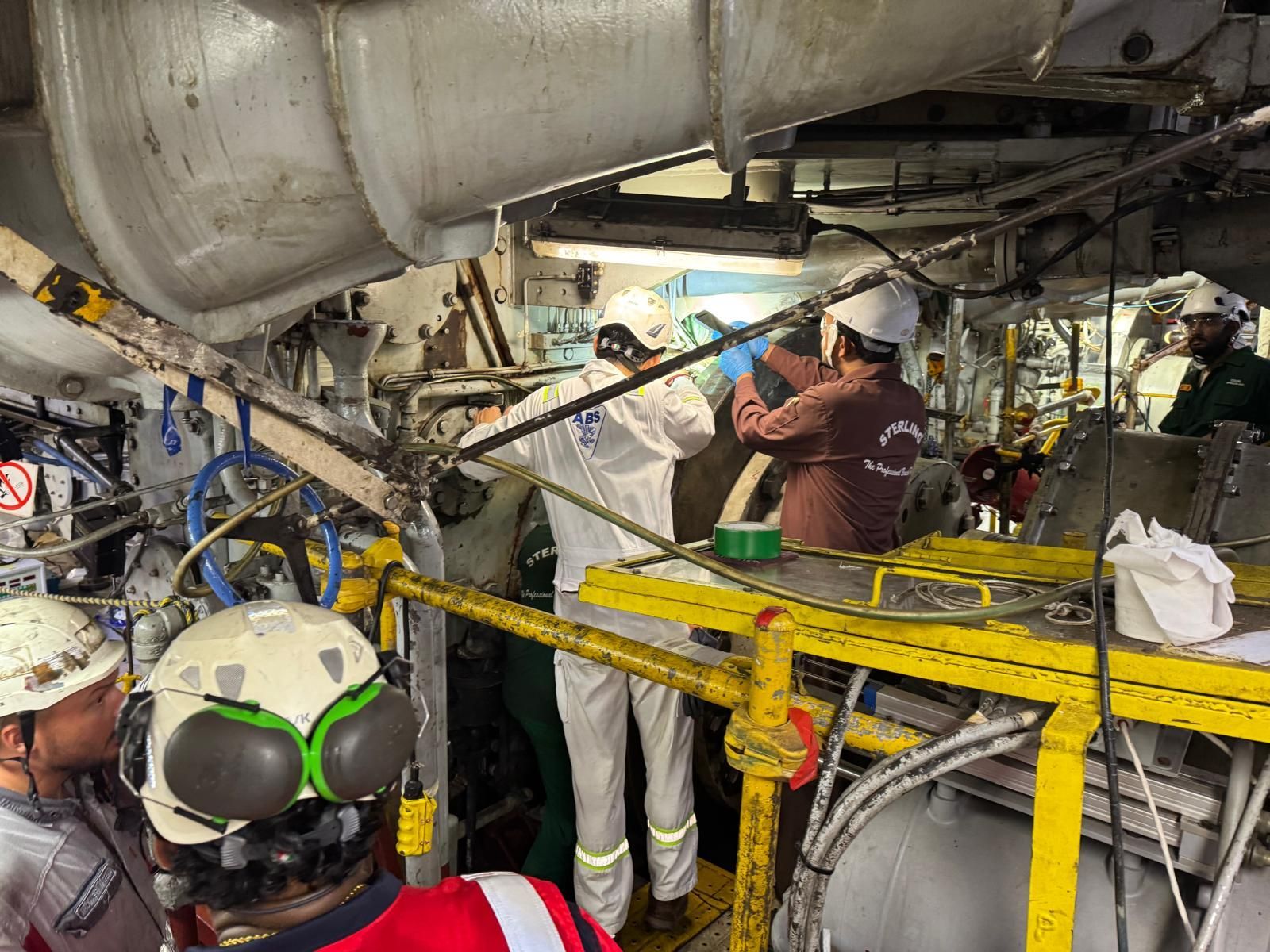
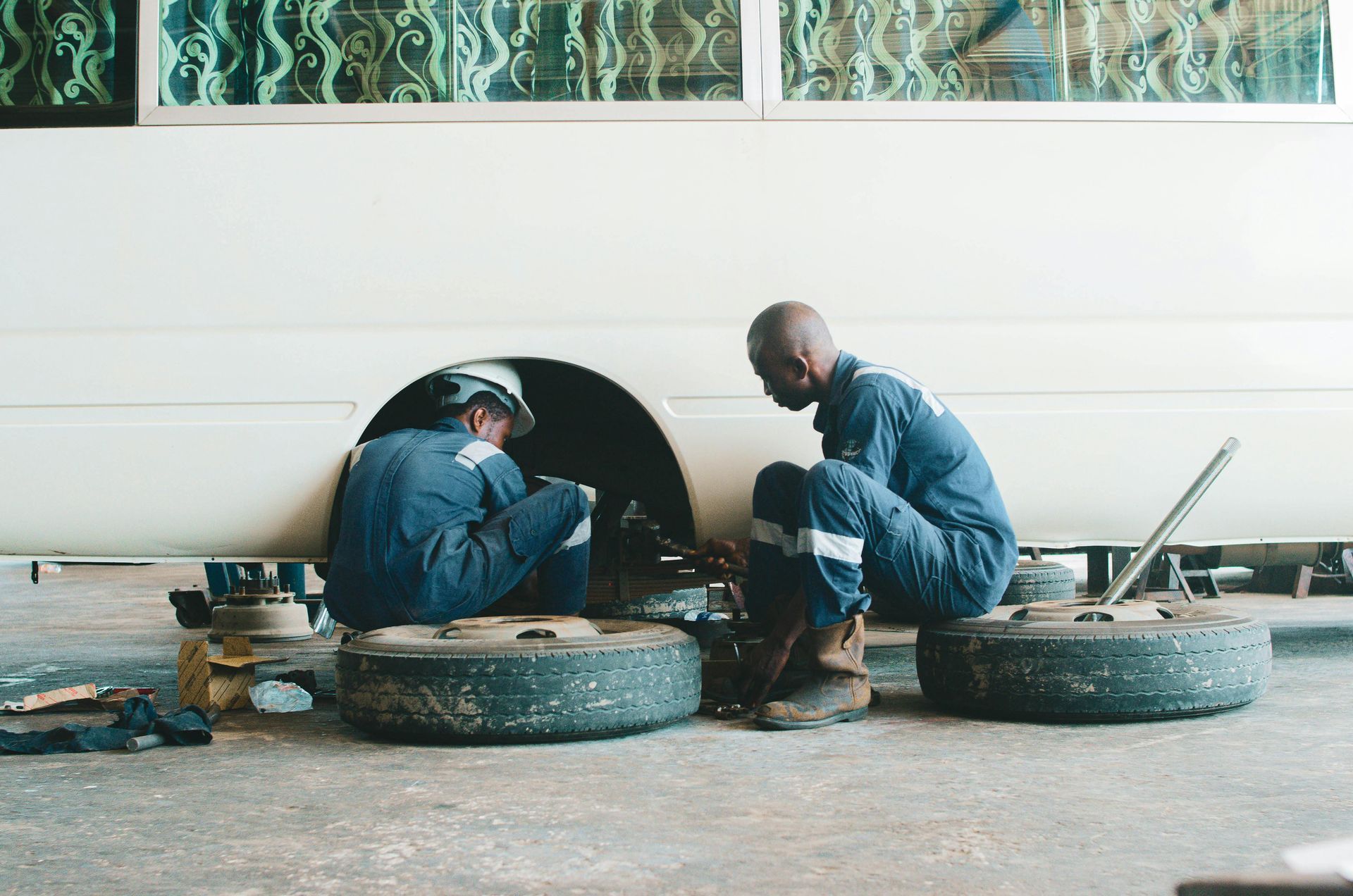
Traditionally, damaged offshore shafts often required dismantling and workshop repairs, resulting in downtime and logistics challenges.
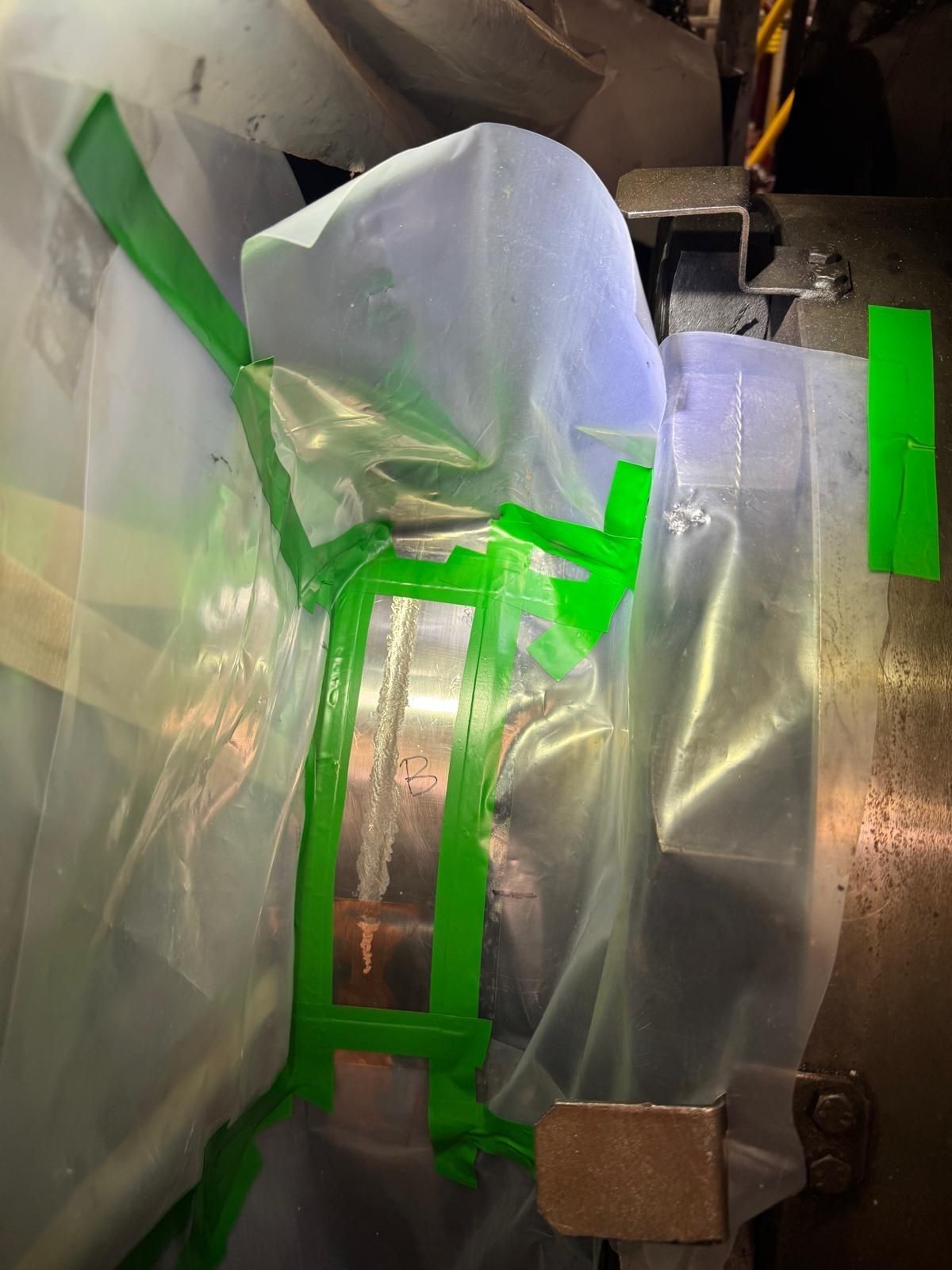
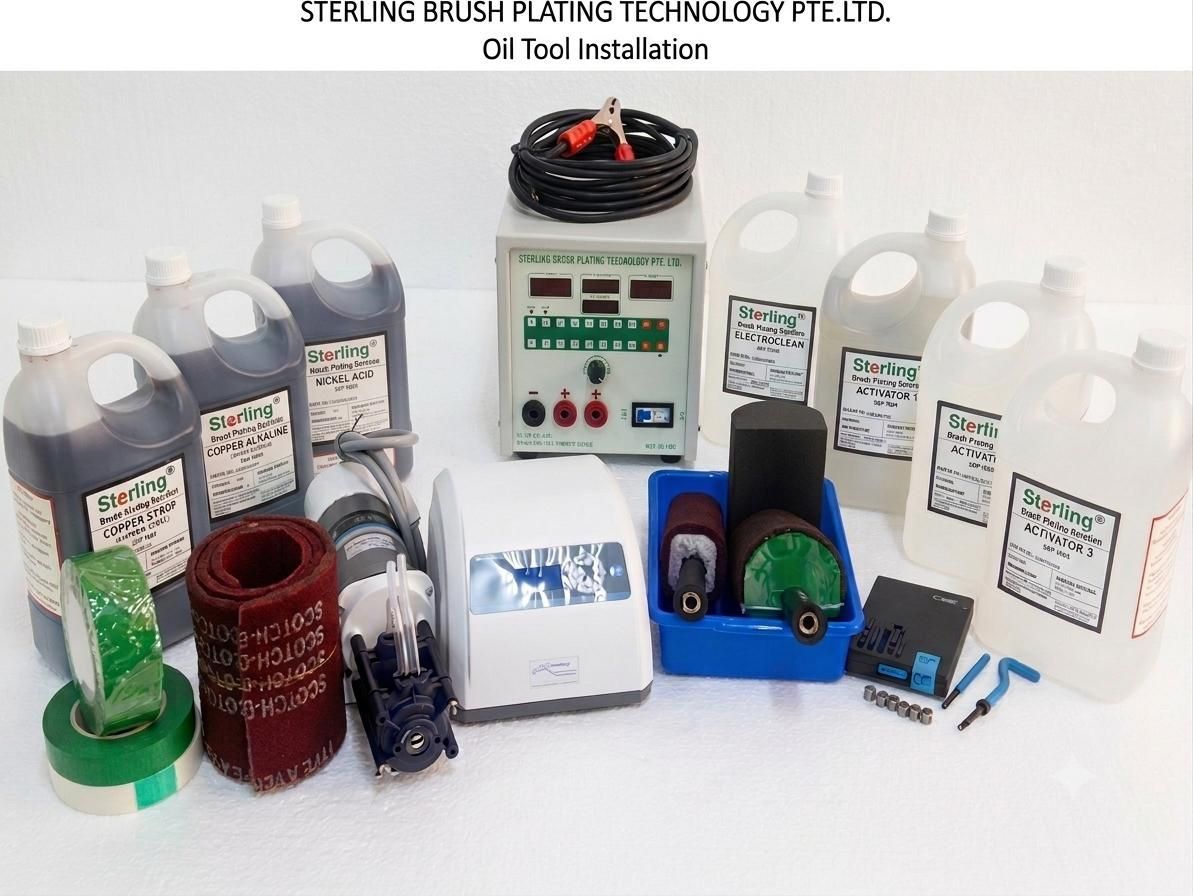
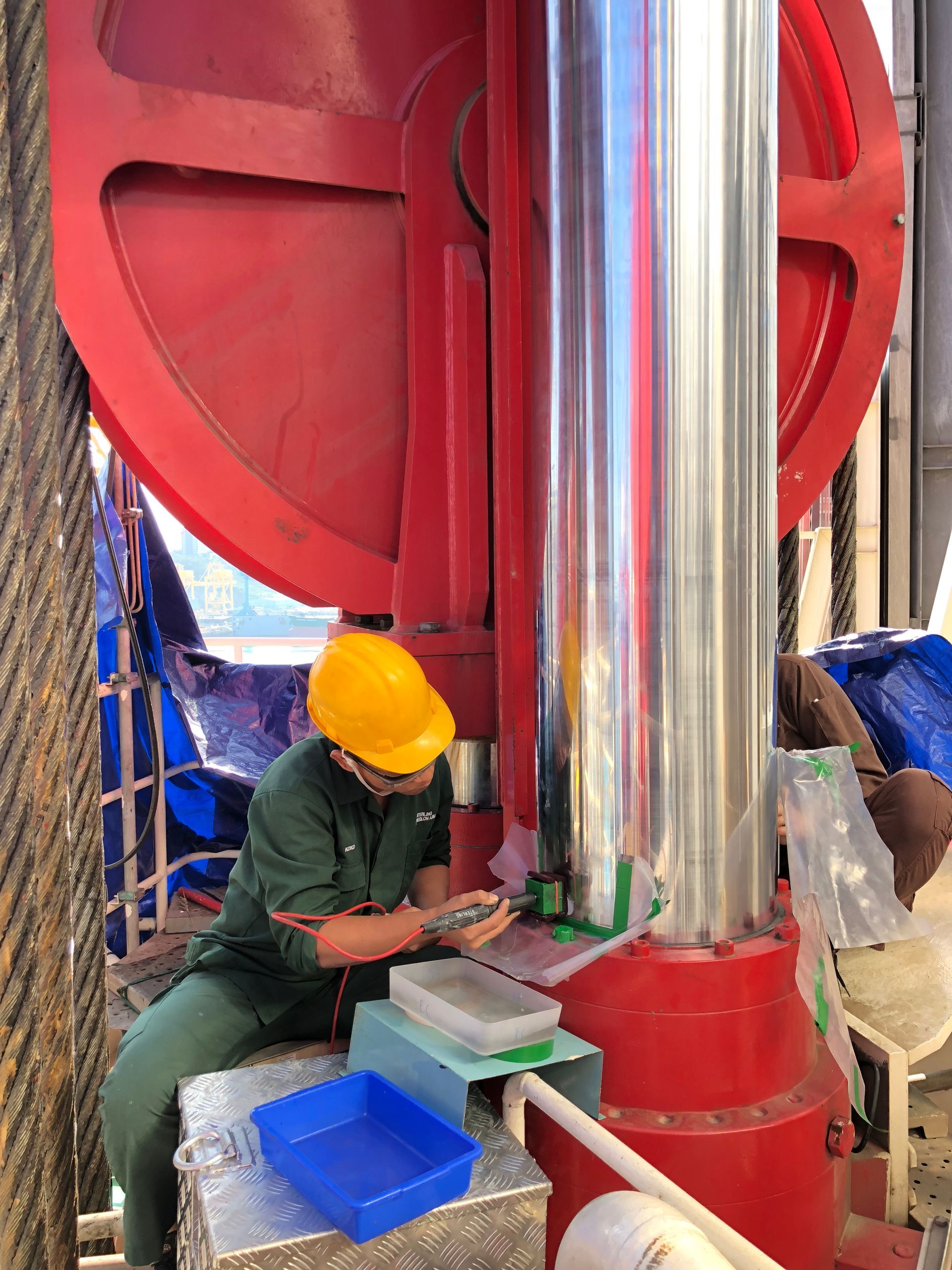
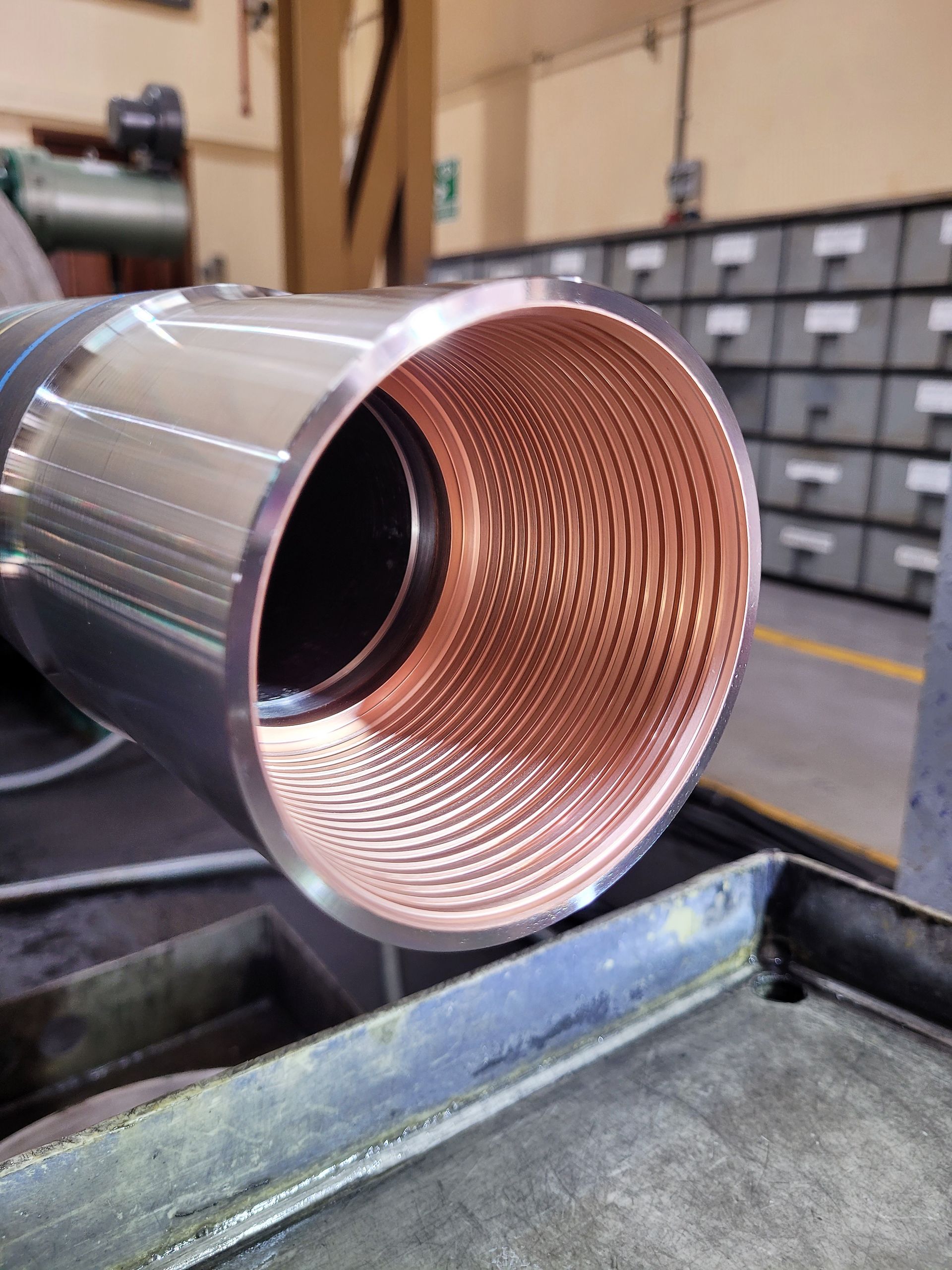
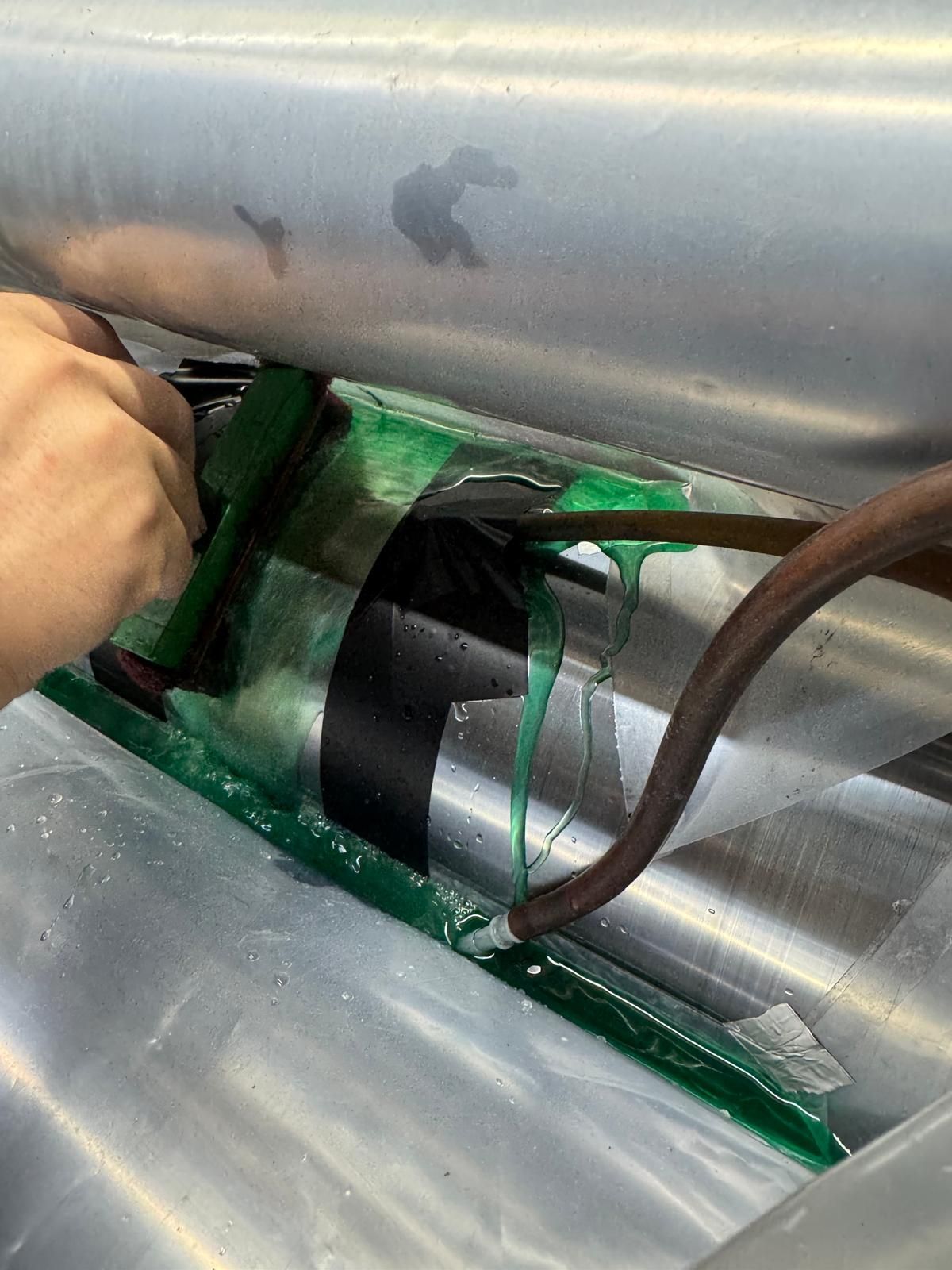
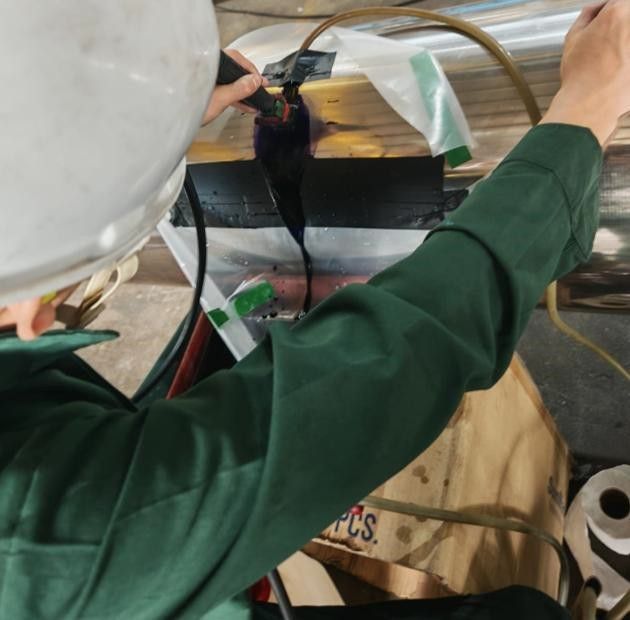
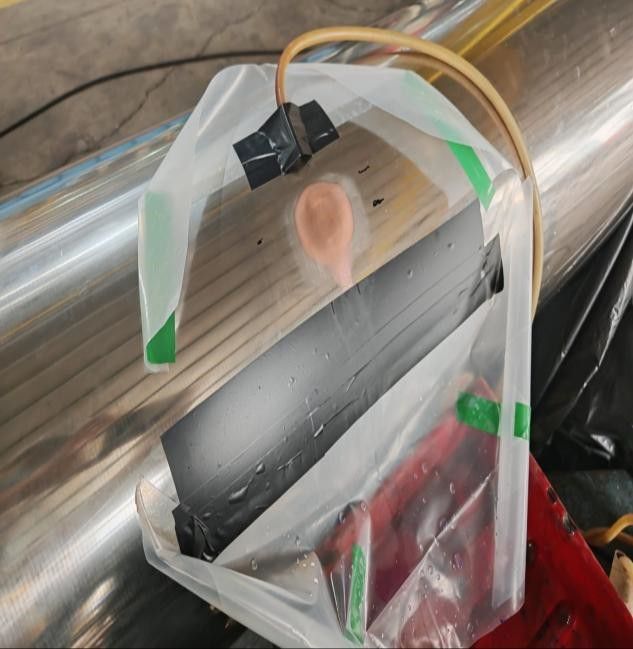
Today, technologies such as Brush Plating allow damaged areas to be restored on-site or in a workshop, reducing delays and avoiding unnecessary replacement costs.
At Sterling Impreglon Asia, we specialize in repairing offshore equipment issues such as:
✔ Corrosion pitting
✔ Scorelines and wear
✔ Fretting damage
✔ Surface restoration for critical offshore equipment
Our precision repair solutions help offshore operators maintain reliability while minimizing downtime.
Final Thought
Offshore equipment and machineries operate in demanding environments, and shaft damage is often unavoidable. However, understanding the most common problems and addressing them early can make a significant difference in operational reliability and cost savings.
By adopting the right repair strategies, offshore companies can extend equipment life, reduce downtime, and keep operations running efficiently.