💡 Reducing Total Cost of Ownership Through Repair Technologies
Why Smart Operators Choose Repair Over Replacement
How do we extend equipment life while minimizing operational cost?
For many years, the traditional mindset was simple — when a critical component wears out, replace it. But in today’s environment of supply chain uncertainty, long manufacturing lead times, and rising material costs, smart operators are rethinking that approach.
Increasingly, the forward-thinking companies are choosing a more strategic solution:
repair instead of replace.
🧠 Total Cost of Ownership is More Than Just Purchase Price
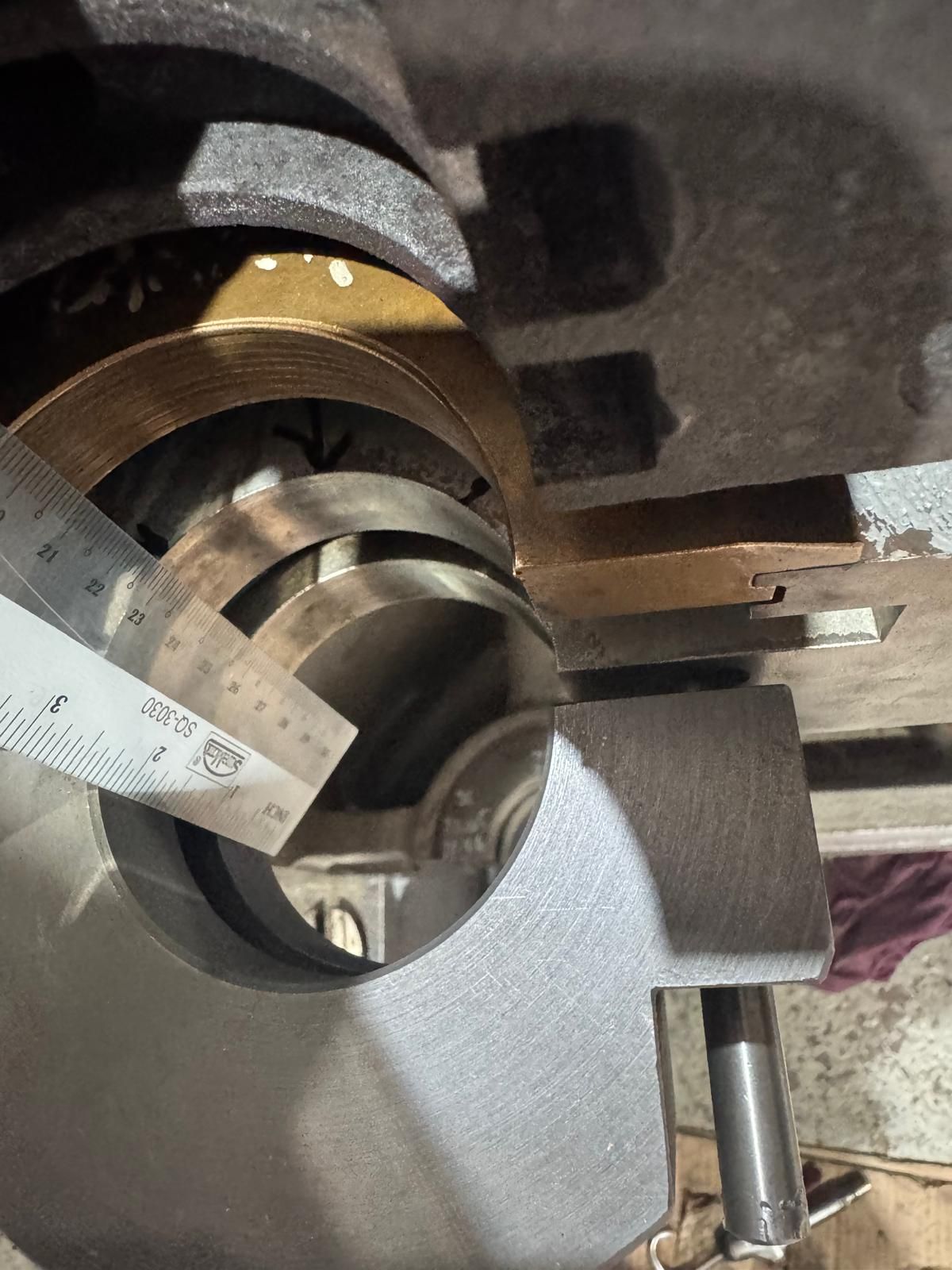
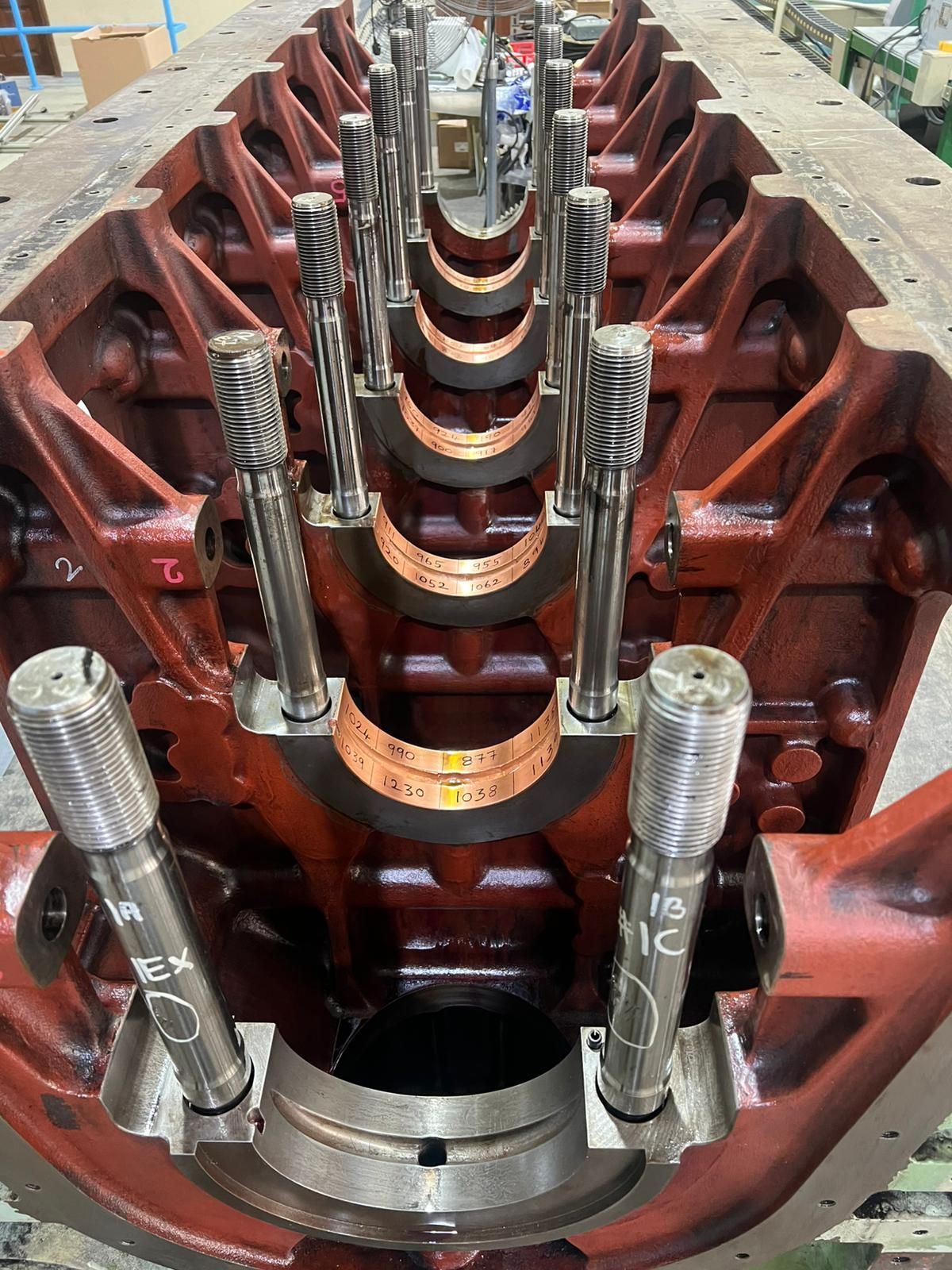
If a hydraulic shaft, generator main bearing saddle, engine block, or gearbox housing is damaged, the instinct is to purchase a new replacement part. But the real financial impact includes far more than the cost of the component itself.
Companies must also consider:
- Unplanned downtime
- Loss of production output
- Disassembly and re-installation labour
- Transport and logistics
- Procurement delays
- Lead time from manufacturers
- Replacement part availability
- Emergency shipping costs
When all these costs are measured, a replacement part is usually the
most expensive option.
⚙️ Repair Technologies Are Now Strategic Business Tools
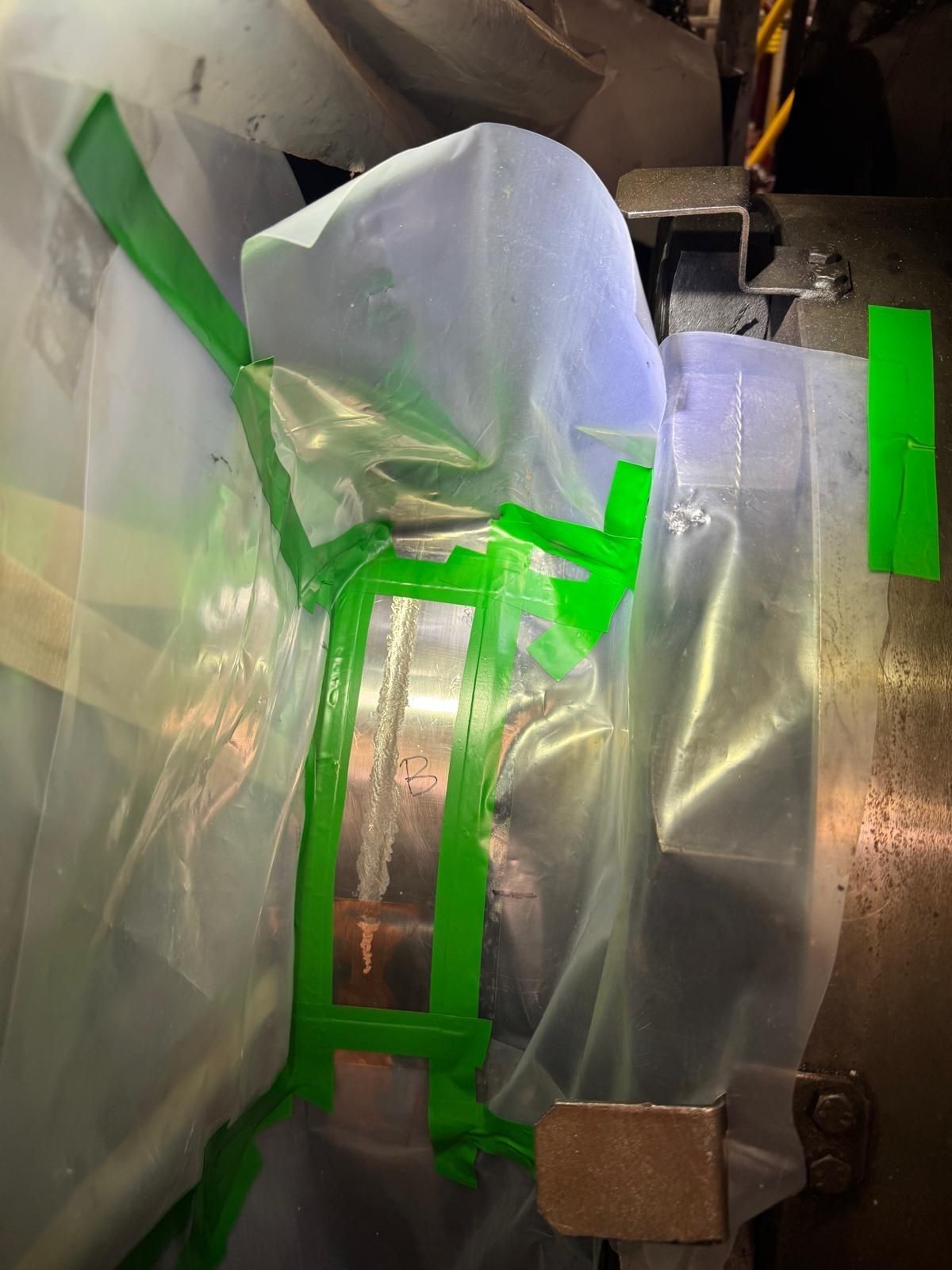
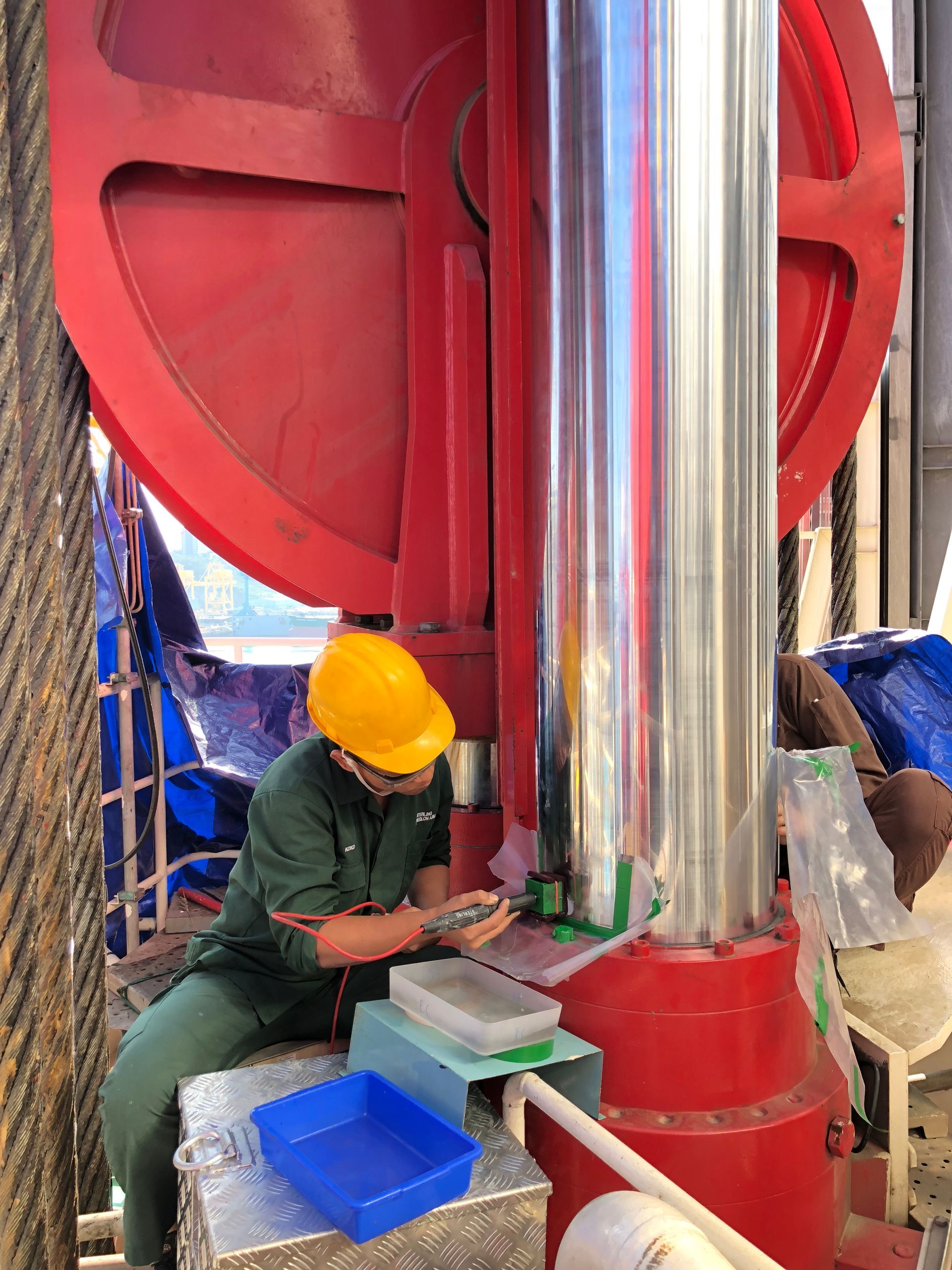
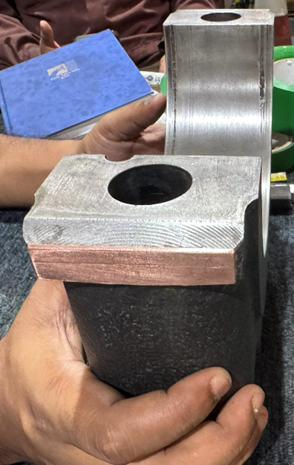
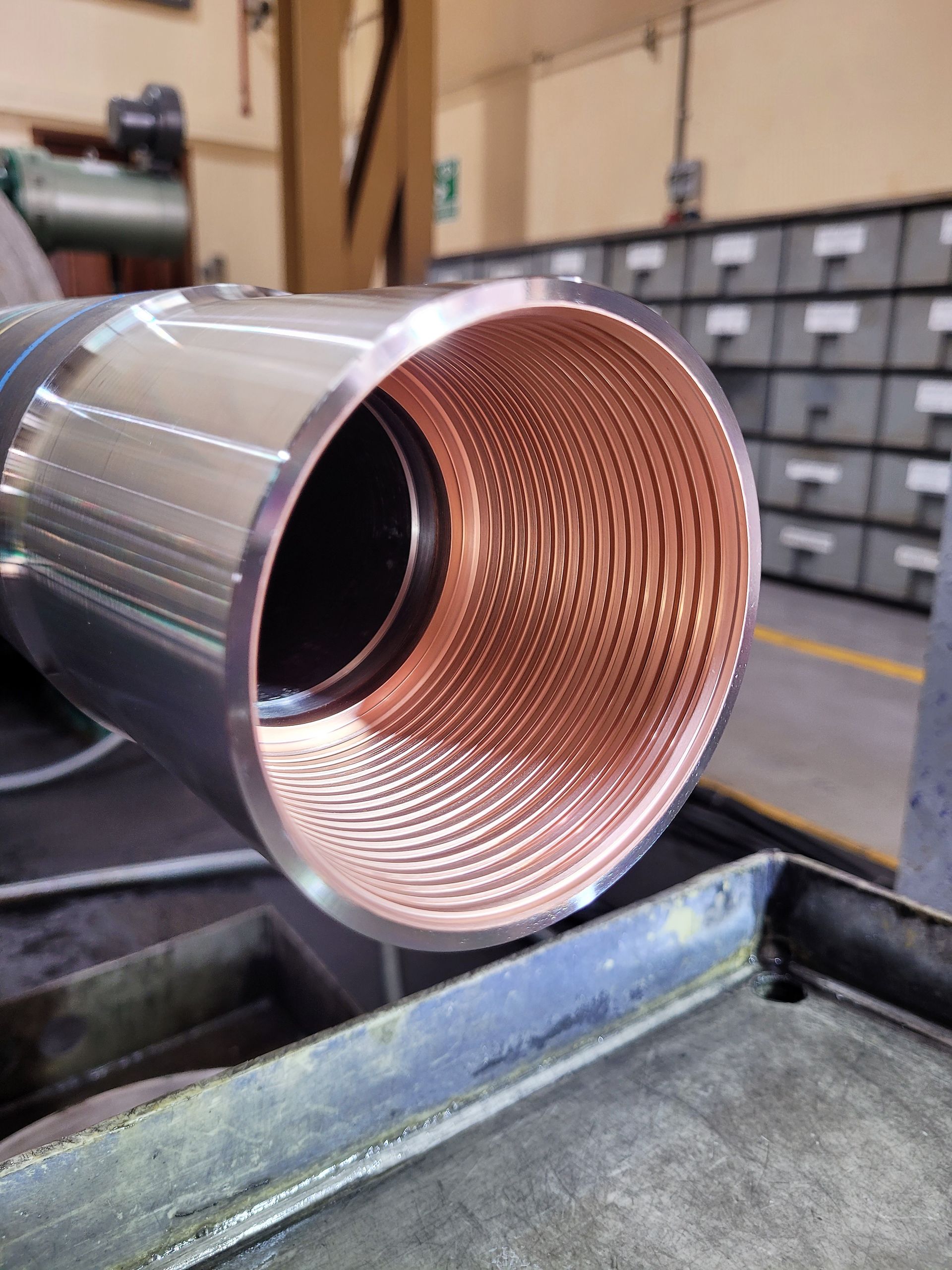
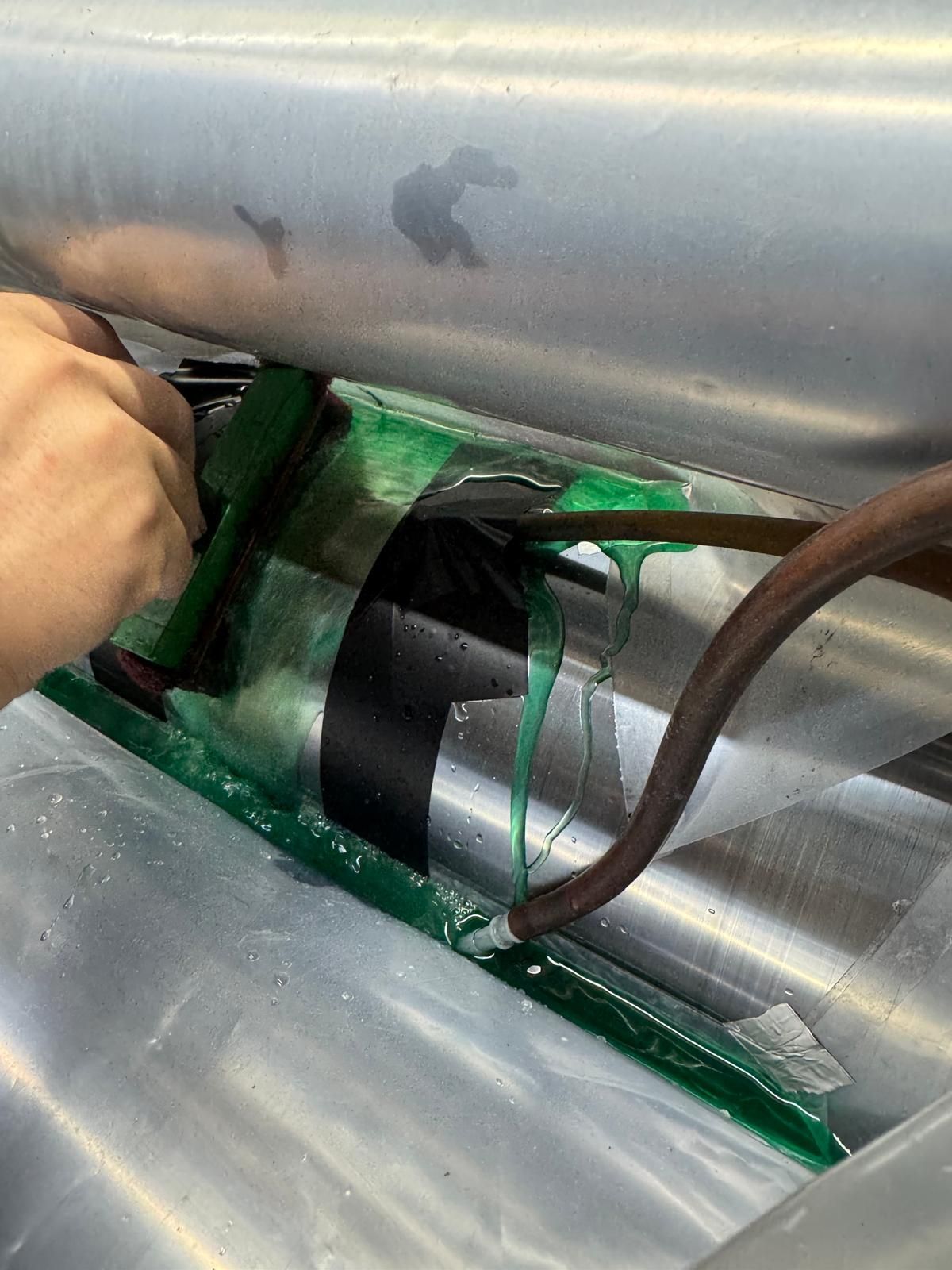
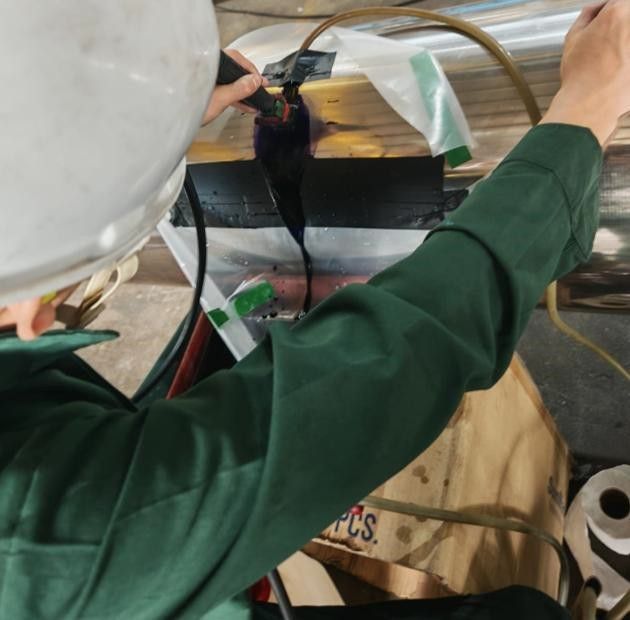
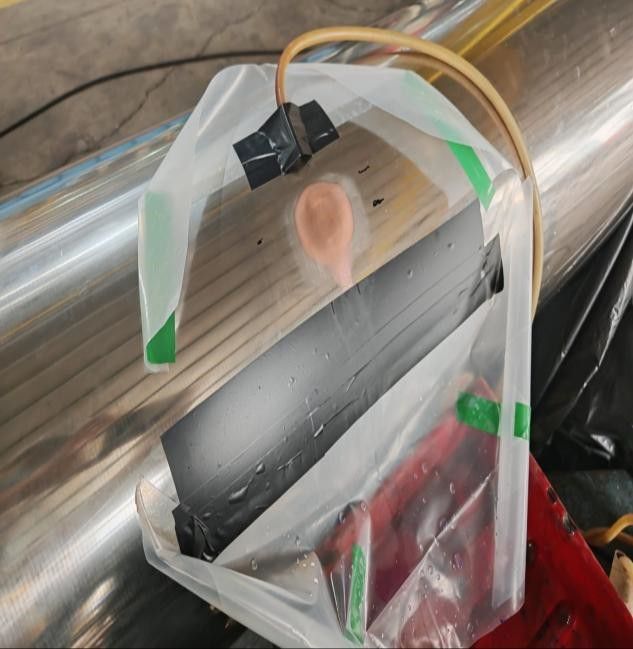
Technologies such as Brush Plating provide a rapid, precise, and cost-effective repair solution that restores worn components back to OEM dimensions — often without dismantling equipment or sending it off-site.
This makes Brush Plating repair part of a modern asset-management strategy.
Key advantages:
- Uses existing components
- Avoids long waiting time
- Prevents unexpected failure
- Enables planned maintenance
- Extends asset life
- Minimizes supply chain risk
Better performance with lower capital expenditure — this is what companies care about.
📉 Downtime Is Far More Costly Than Most Managers Realize
Every hour that a factory line, marine vessel, offshore crane, or generator is offline carries a hidden economic value.
Consider:
- Marine vessel idle: thousands of dollars per hour
- Power plant reduction: major financial penalties
- Offshore equipment downtime: tens of thousands per hour
In these environments, even one day of downtime is more expensive than a complete repair job.
This is why more companies now use selective repair as part of their operational strategy.
🚢 Supply Chain Disruptions Are Now the New Normal
The last several years have revealed how fragile industrial supply chains are:
- Steel and alloy shortages
- Long factory lead times
- Transportation delays
- Export/import restrictions
- Rising material and freight cost
Companies cannot afford to wait weeks or months for a replacement part.
Repair keeps assets running using components already installed on-site — no global supply chain required.
♻️ Repair = Sustainability + Business Efficiency
Repairing instead of replacing directly supports:
- ESG goals
- Circular economy
- Reduction of industrial waste
- Lower carbon footprint
- Longer equipment life cycle
Repair is both financially and environmentally smarter — a rare combination that C-suite leaders actively want today.
🔧 Brush Plating: A Key Enabler of Cost-Efficient Repair
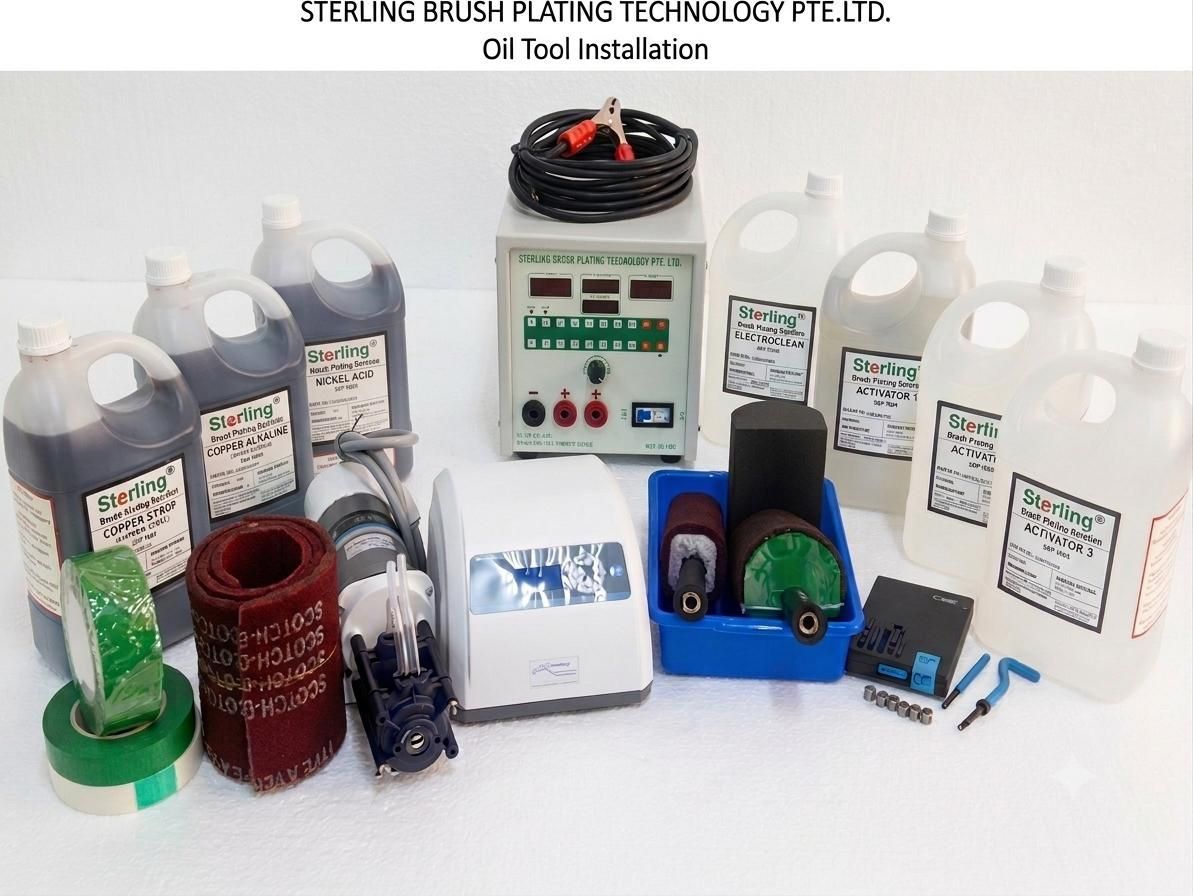
Sterling’s Brush Plating process allows damaged surfaces to be rebuilt:
- On-site
- Quickly
- Precisely
- With metallurgical bonding
- With no heat distortion
- With minimal downtime
- Without requiring disassembly of components
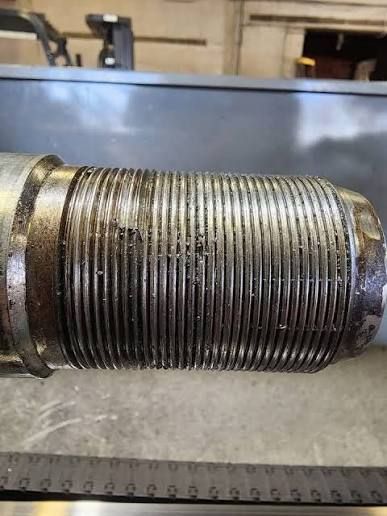
From hydraulic cylinders to diesel engine blocks and generator housings — repair is no longer a “stop-gap measure”; it is a strategic advantage.
🧩 The Undervalued Option Executives Often Miss
Many companies automatically default to replacement without evaluating repair capability.
This mindset results in:
- Overspending
- Unnecessary capital expenditure
- Extended downtime
- Missed opportunity to extend asset life
Forward-thinking asset owners now examine repair as part of their long-term planning and cost-optimization strategy.
📈 Repair Is Now a Board-Level Decision
Smart operators increasingly view repair not as a maintenance tool, but as:
- A cost-saving strategy
- An ESG contributor
- A supply chain risk reduction method
- A competitive advantage in uptime and performance
Companies must treat repair options as part of strategic business planning — not just technical maintenance work.