The Cost of a Single Galling Incident
Cost Breakdown of Galling
In oilfield operations,
galling is often treated as a technical nuisance.
In reality, it is a
cost event that can quietly erase margins, delay deliveries, and disrupt operations.
For operations and procurement leaders, understanding the
true cost of a single galling incident is essential to making smarter sourcing and maintenance decisions.
What Is a Galling Incident—From a Cost Perspective?
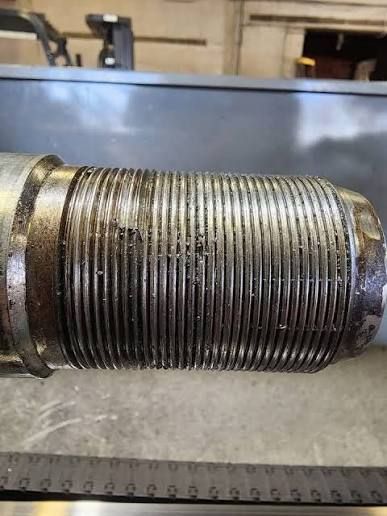
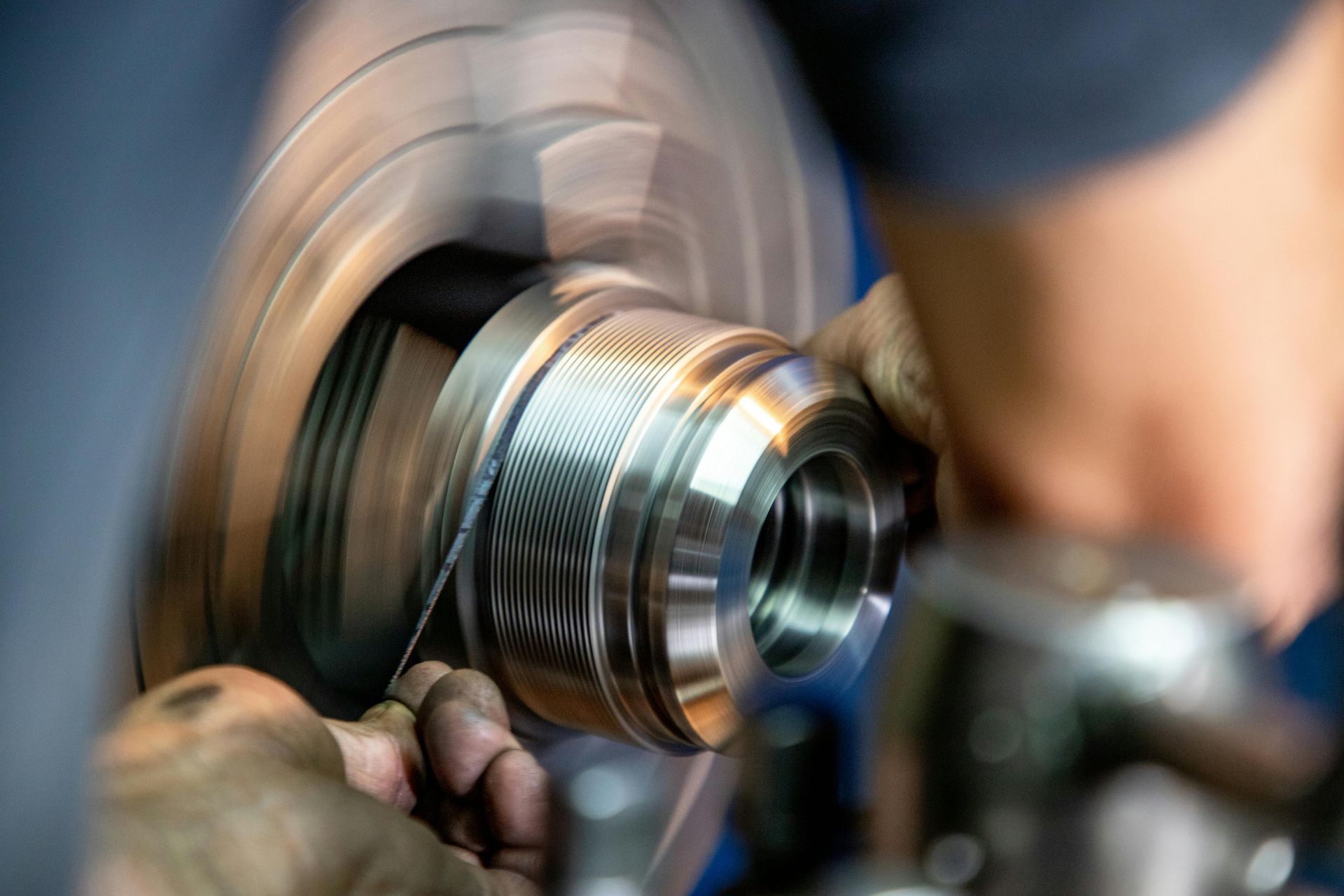
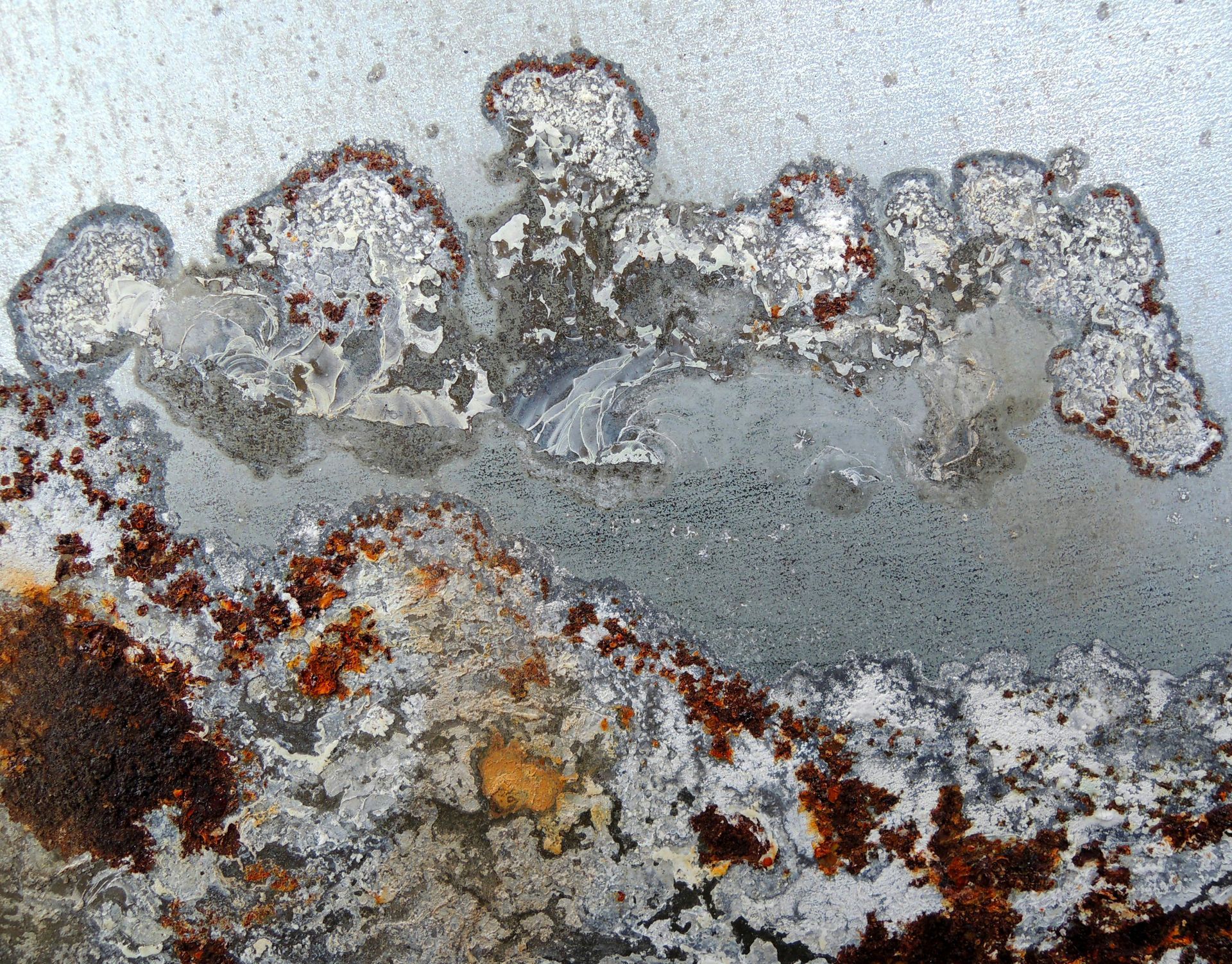
A galling incident typically occurs during make-up or break-out when metal-to-metal contact damages threads on oil tools or accessories. While the physical damage may look localized, the
financial impact spreads fast.
The Cost Breakdown (What It Really Adds Up To)
1) Rework & Re-Cutting
- Machine time and skilled labor
- Additional inspection and documentation
- Tool wear and consumables
Typical impact: Hundreds of dollars per item, per incident.
2) Scrap & Replacement
If damage exceeds limits, parts are scrapped.
For premium accessories, this can mean
high replacement value which means more than the original plating cost for an entire batch.
Typical impact: Hundreds to thousands of dollars per part.
3) Delivery Delays
A galled item can hold up a full shipment or batch approval.
That delay cascades into:
- Missed delivery windows
- Expedited shipping costs
- Customer dissatisfaction
Typical impact: Lost time, loss of customer trust.
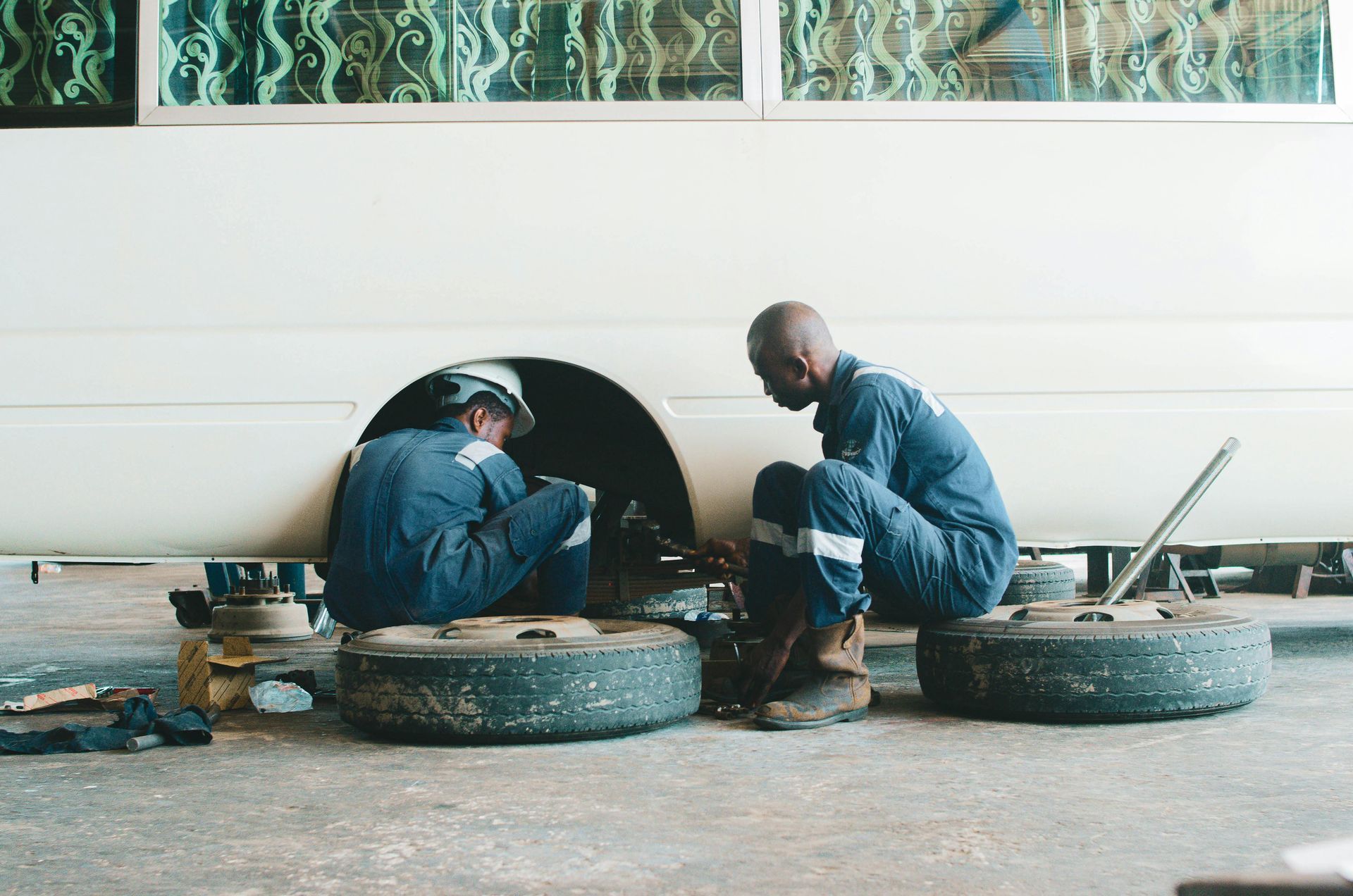
4) Operational Downtime
When tools are needed urgently, galling can stop work entirely.
Idle crews, idle rigs, and idle equipment are the most expensive line items—yet often the least visible.
Typical impact: Thousands per hour in lost productivity.
5) Administrative & Hidden Costs
- Extra QA/QC checks
- Supplier disputes
- Internal coordination and re-planning
These costs do not show up as invoices, but they consume time and resources.
Why Procurement Often Pays Twice
From a procurement standpoint, galling failures can:
- Force emergency purchases
- Increase reliance on expedited orders
- Reduce negotiating leverage with suppliers
Preventive measures that look like “added cost” upfront often reduce total spend over the lifecycle of tools and accessories.
The Preventive Alternative: Anti-Galling Plating
Proper anti-galling plating creates a controlled, durable barrier that:
- Prevents metal-to-metal welding
- Maintains consistent make-up performance
- Reduces rework and rejection rates
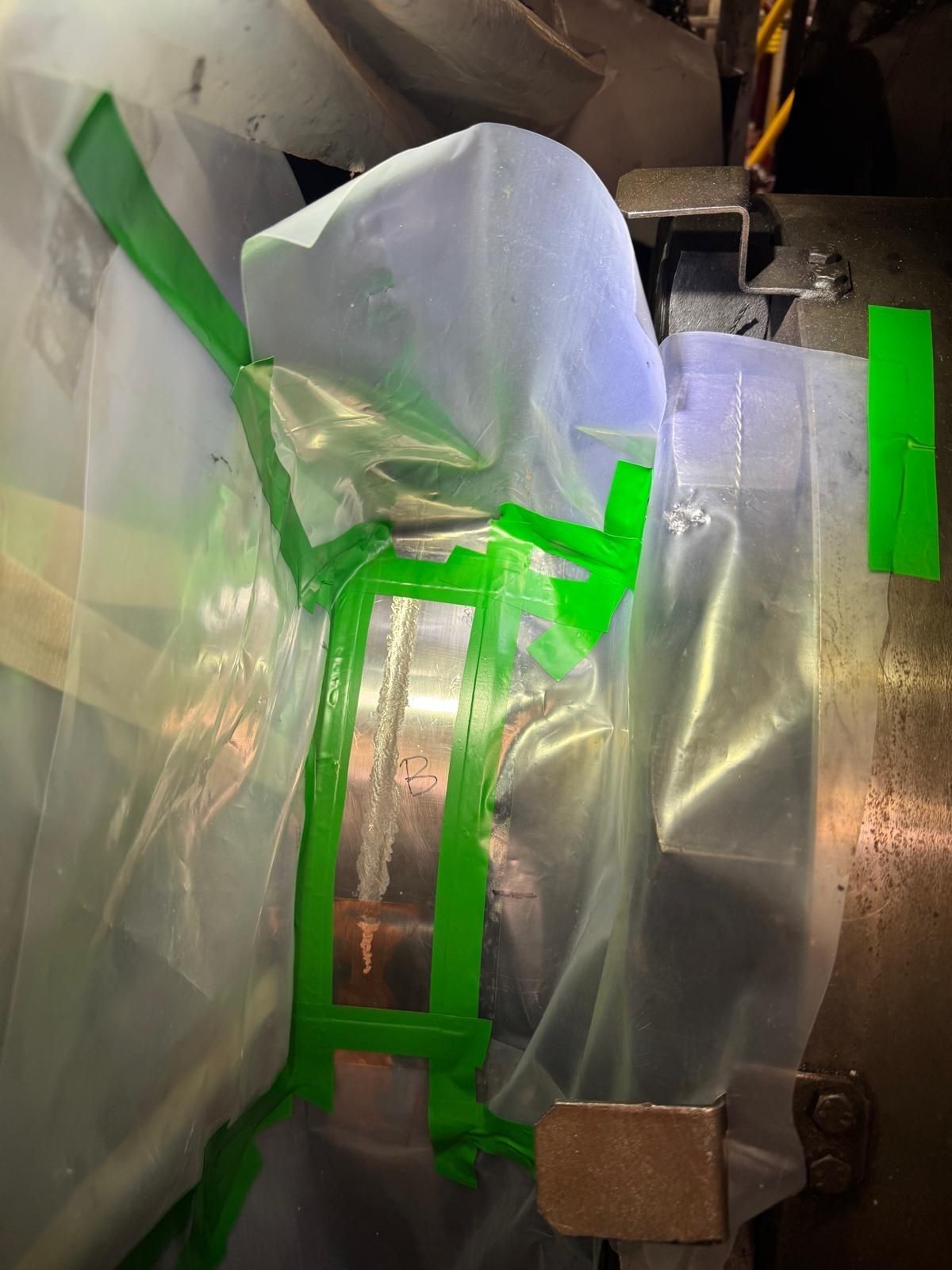
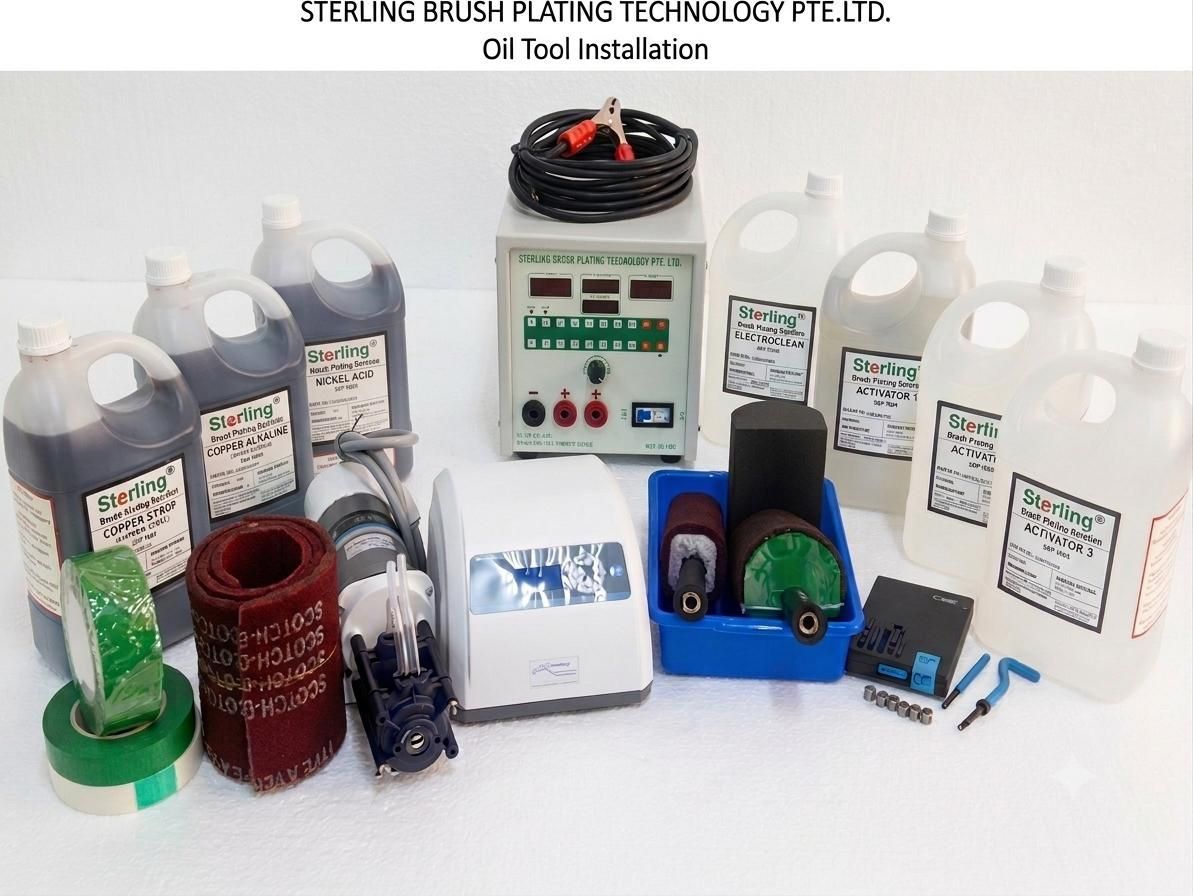
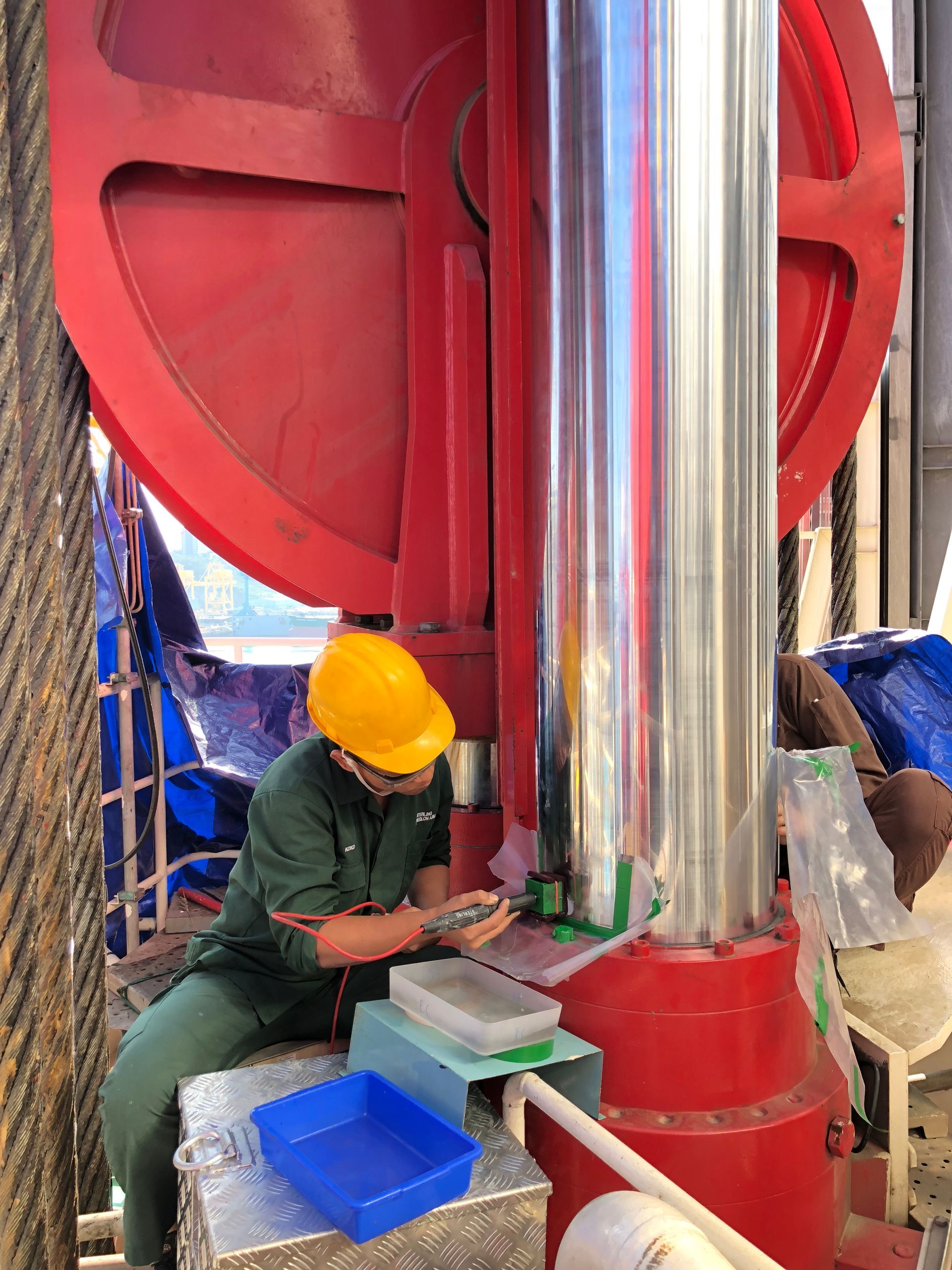
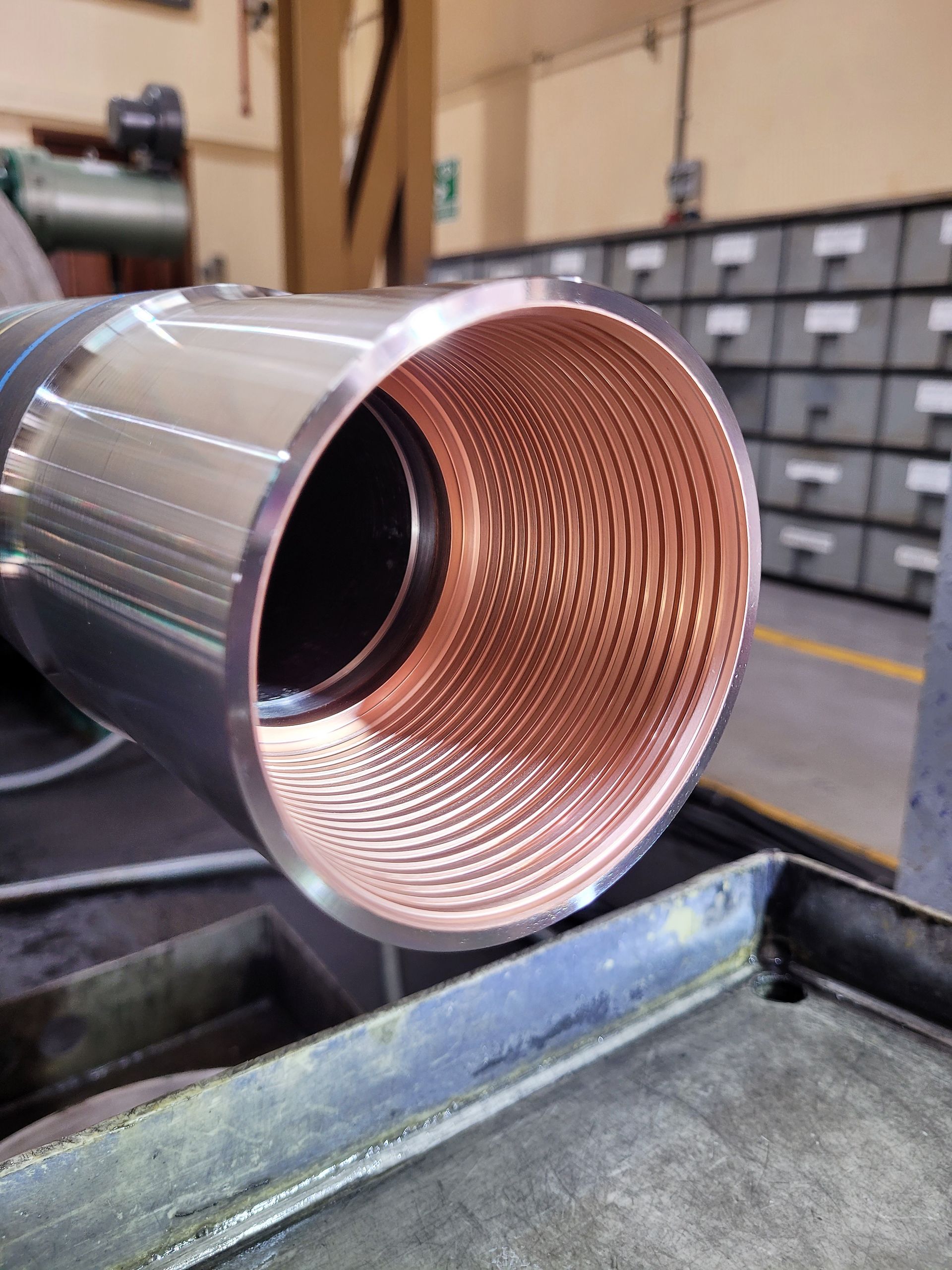
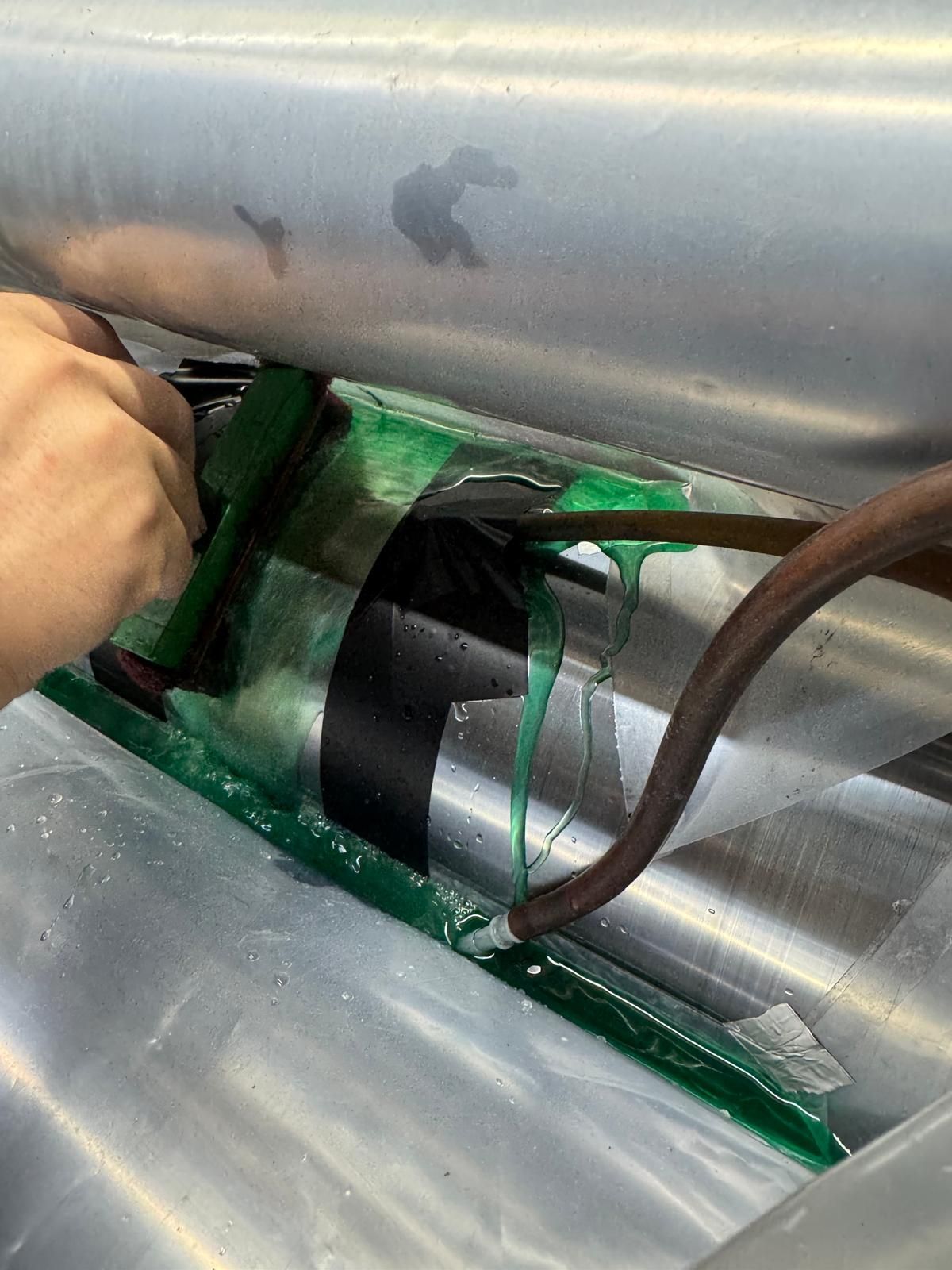
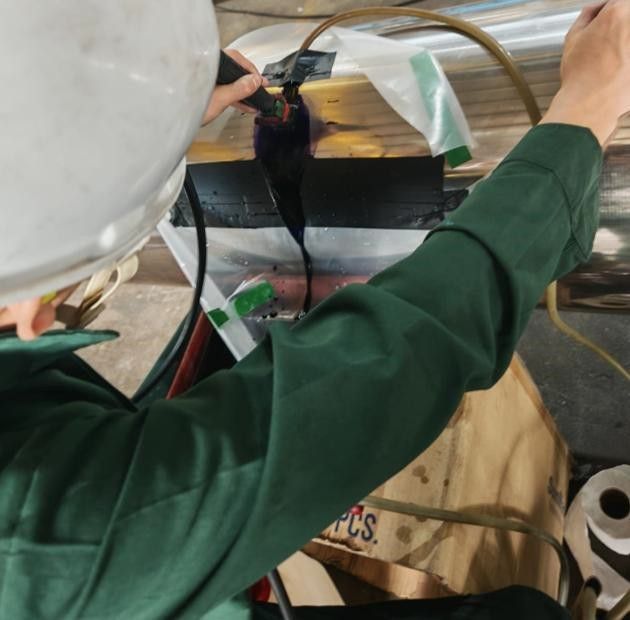
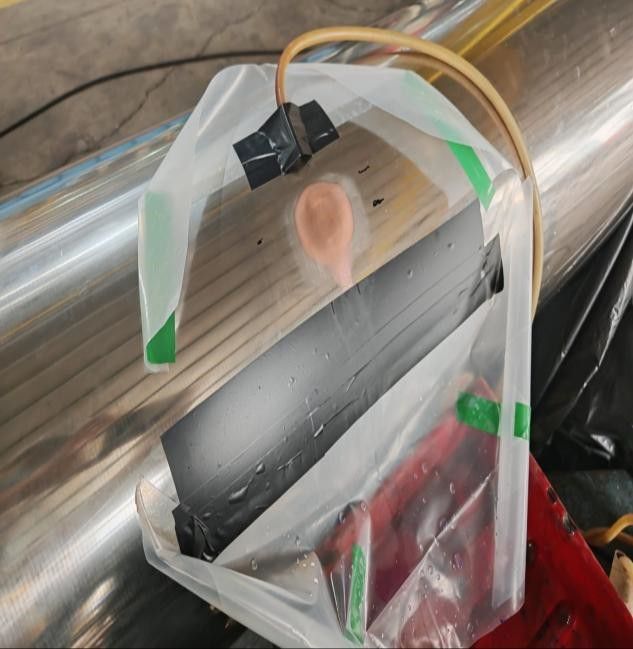
At Sterling Impreglon Asia, our Brush Plating process is used globally for anti-galling applications because it delivers repeatable results—and helps teams avoid the compounding costs outlined above.
The Takeaway for Operations & Procurement
A single galling incident is rarely “just one incident.”
It is a chain reaction of rework, delay, and cost escalation.
Preventive anti-galling is not an added expense; it is risk management.
When you look beyond the unit price and assess total operational impact, the decision becomes clear:
- Fewer failures
- More predictable schedules
- Lower total cost of ownership