Opinion: Future Trends in Surface Engineering for Industrial Repairs
Industrial Repair Is Entering A New Era
With rising equipment costs, tightening delivery schedules, and growing pressure to reduce downtime, companies across oil & gas, marine, heavy equipment, and manufacturing are turning to smarter and more efficient surface engineering technologies.
At the center of this transformation is a powerful convergence:
Brush Plating, selective plating, additive manufacturing, and digital IoT-enabled maintenance — all working together to help companies repair faster, extend component life, and optimize operational performance.
For more than 35 years,
Sterling Impreglon Asia has been at the forefront of surface engineering solutions. Today, we continue to evolve with technologies that are shaping the future of industrial repairs.
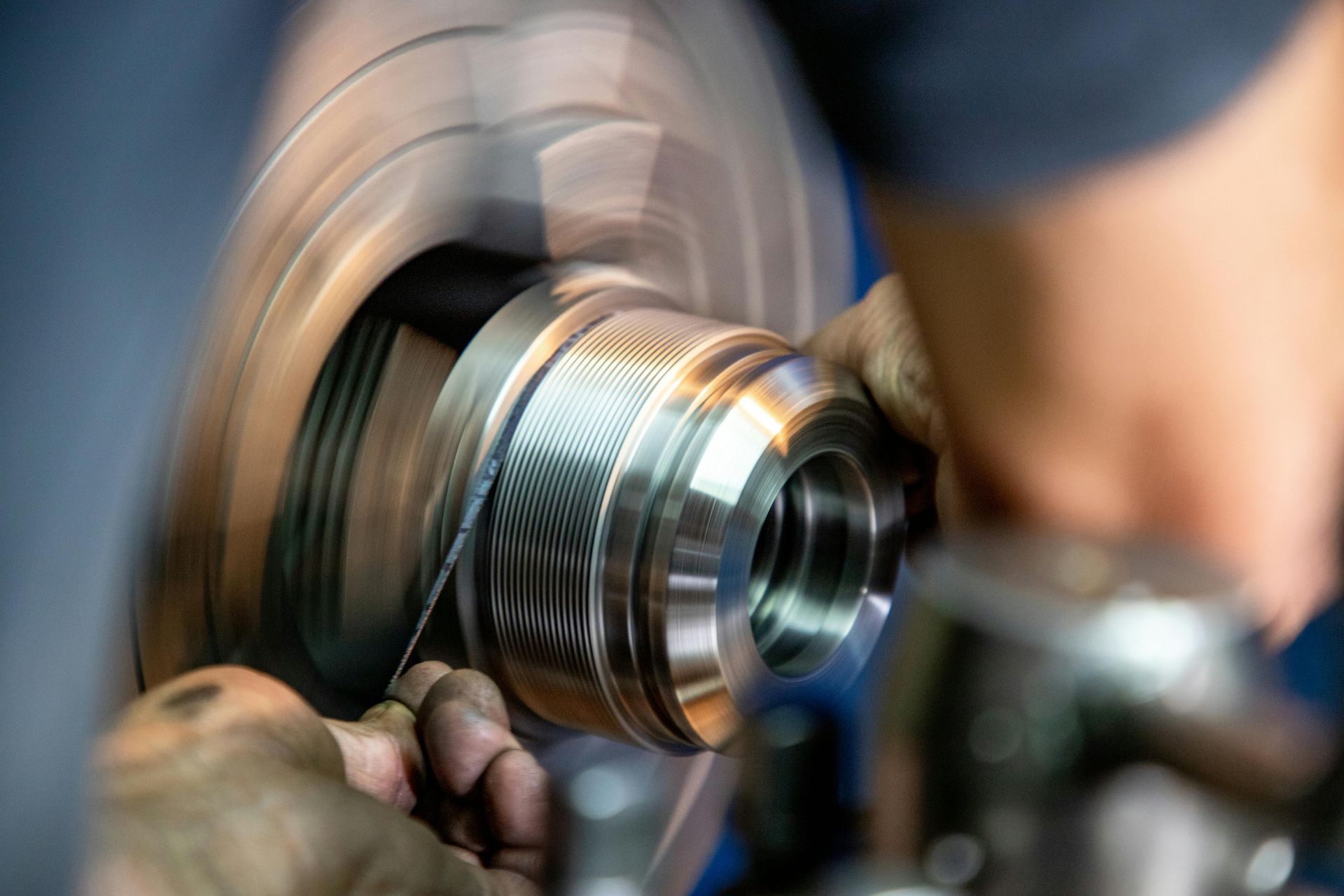
1. Selective Plating and Brush Plating Are Becoming the Go-To Repair Method
As industries push for
faster turnarounds and reduced downtime, portable and selective plating methods are replacing traditional repair and full component refurbishment.
Why?
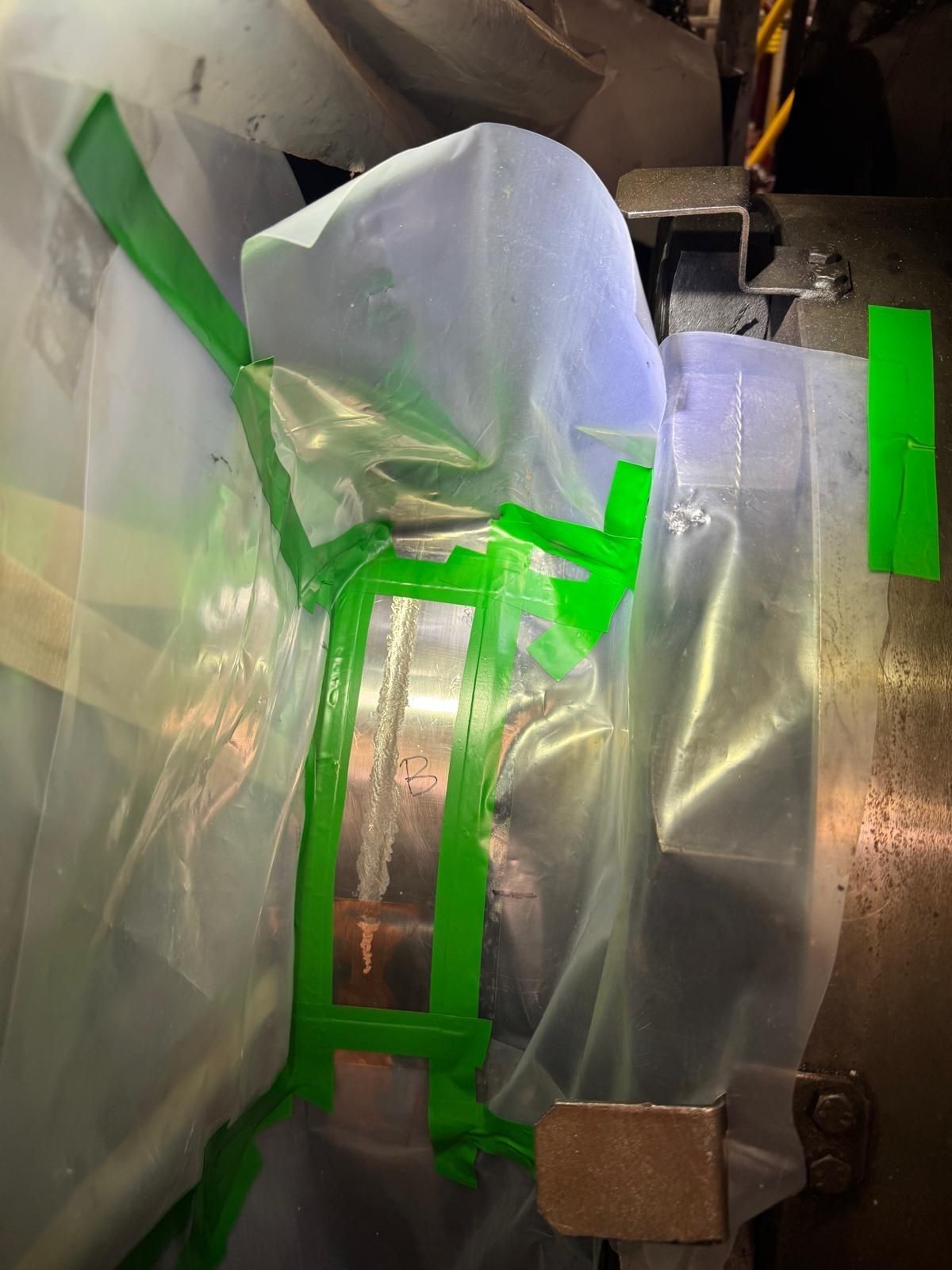
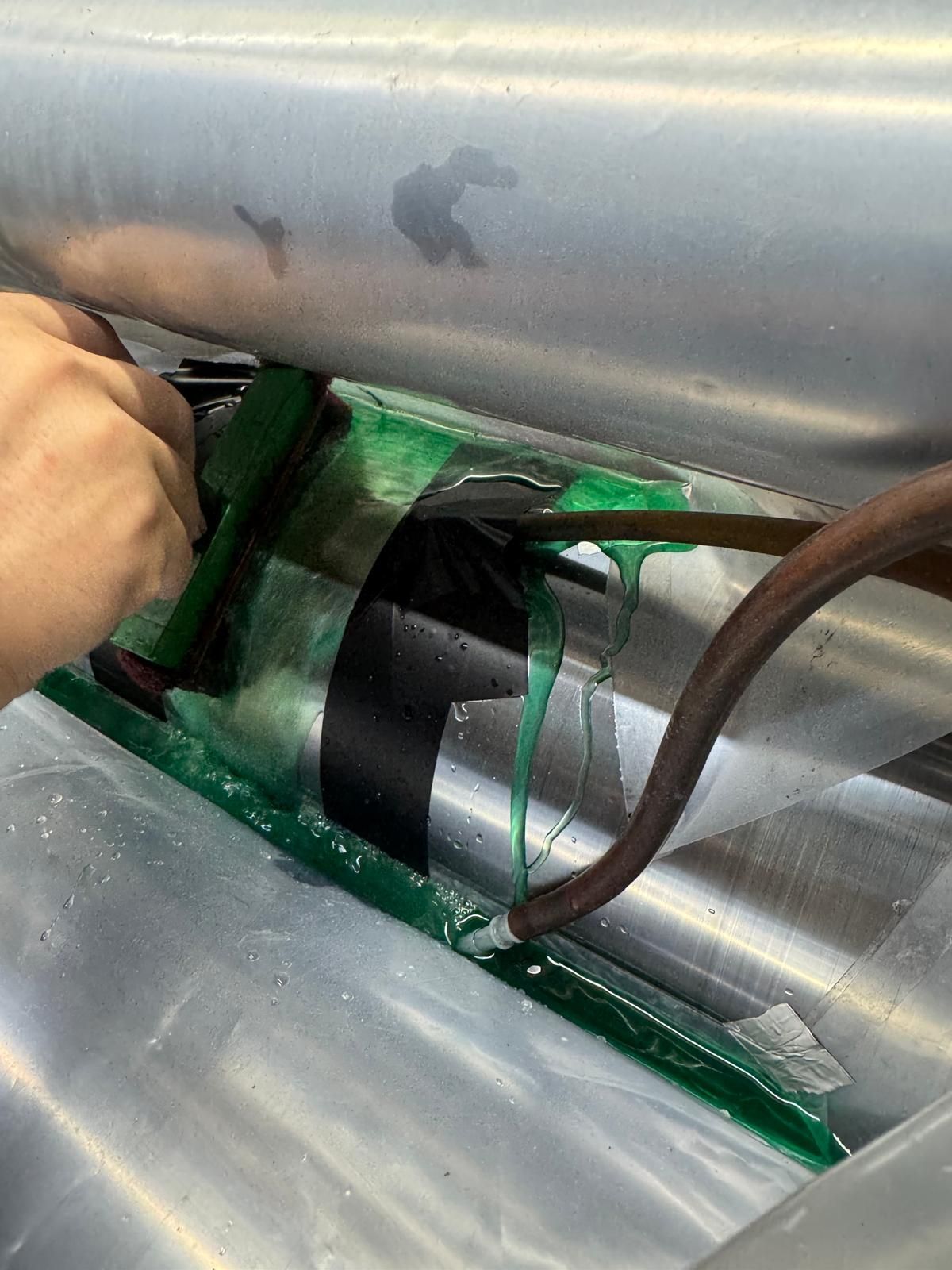
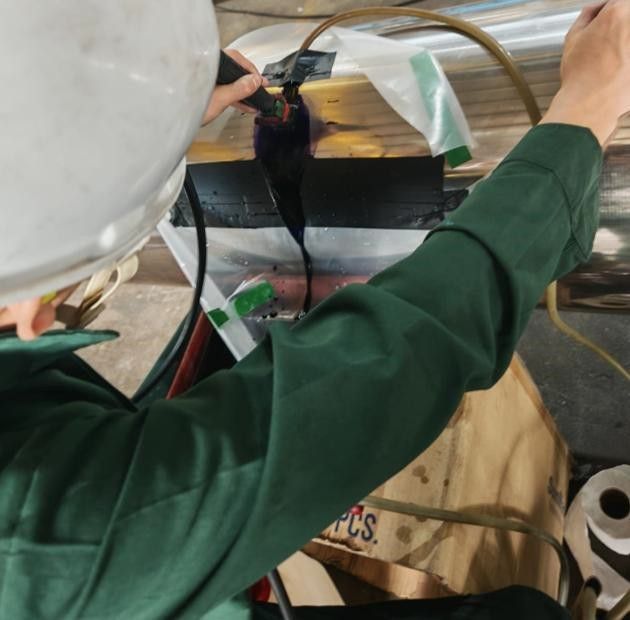
Because technologies like Brush Plating offer:
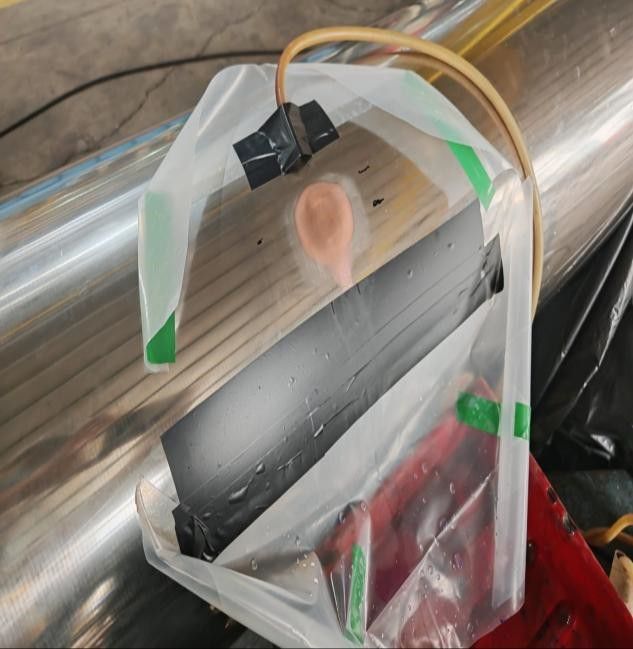
- On-site repair capability
- Micron-level precision
- No heat distortion
- Minimal masking
- Environmentally efficient processes
- Immediate restoration without dismantling machinery
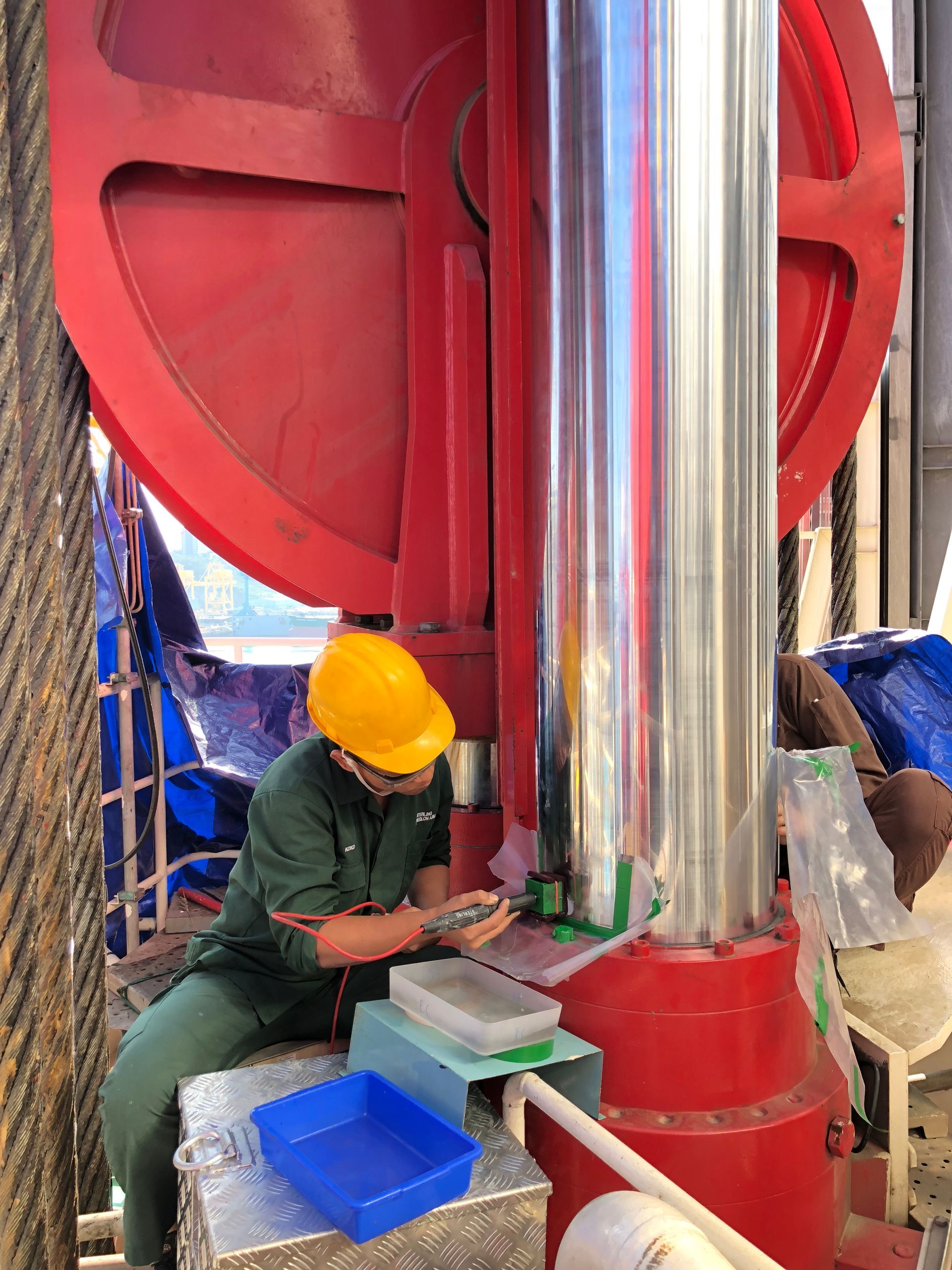
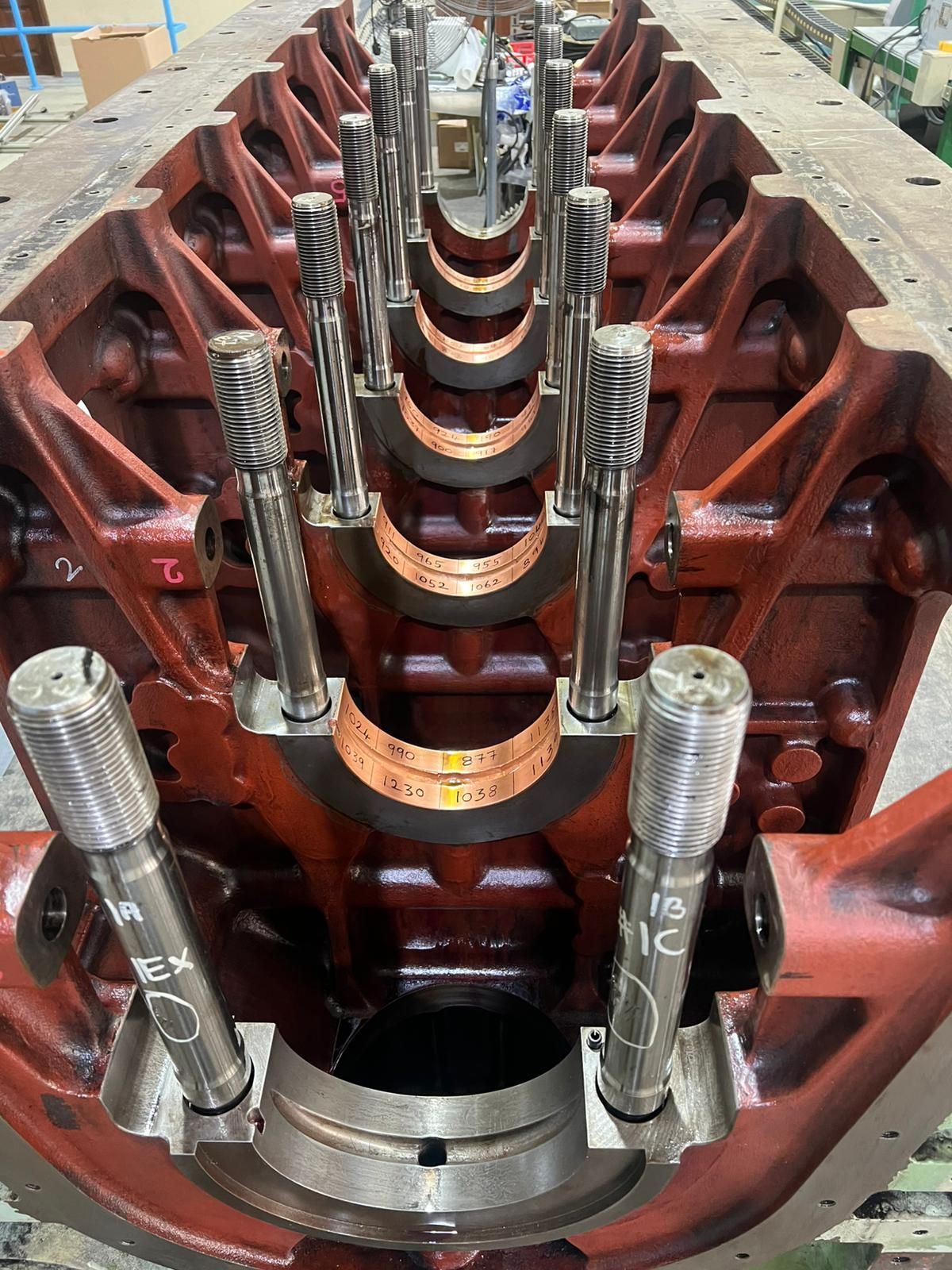
This makes Brush Plating one of the most strategic repair methods for large-scale equipment such as:
- Hydraulic cylinders
- Diesel engine components
- Gearbox housings
- Printing cylinders
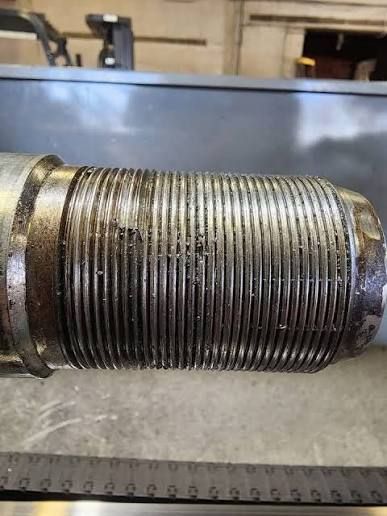
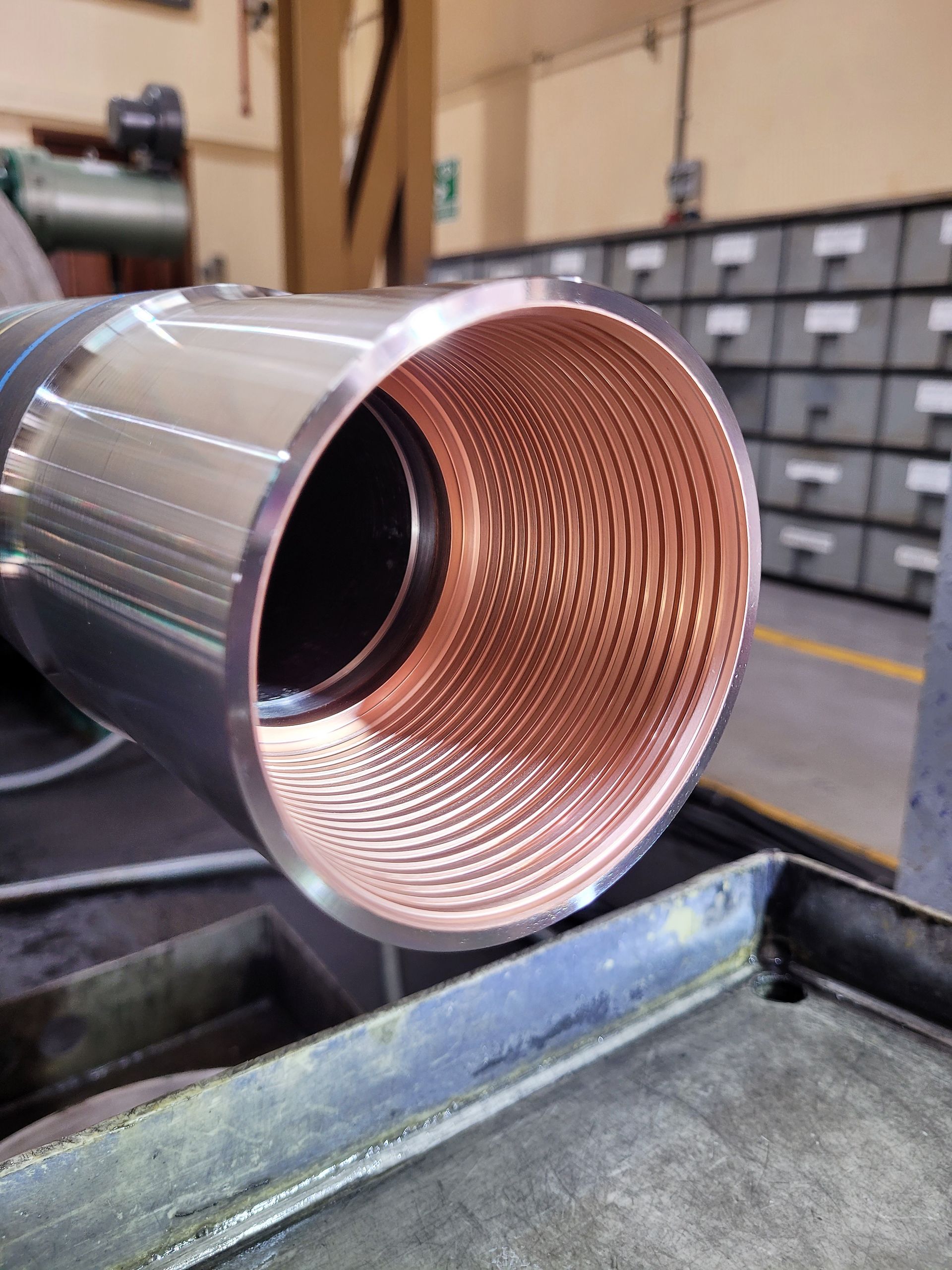
- Oilfield tool connections and Drilling tools
As industries demand higher output with less interruption,
selective plating will only grow in adoption.
2. Additive Manufacturing + Brush Plating = The Future of Hybrid Repairs
Additive manufacturing (AM) — often referred to as industrial 3D printing — is rapidly being integrated into mainstream manufacturing and repair workflows.
However, AM alone cannot achieve the precision finish required for many mechanical components.
This is where Brush Plating plays a critical role.
Hybrid Repair Workflow of the Future:
- AM reconstructs the base shape of a damaged component
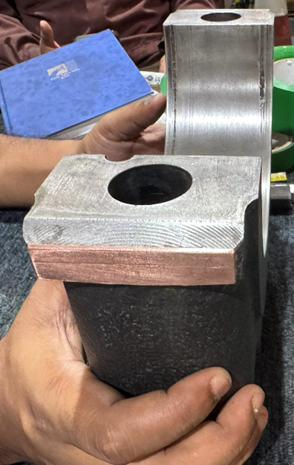
- Brush Plating rebuilds the surface, restoring:
- Dimensional accuracy
- Surface hardness
- Wear resistance
- Corrosion protection
This hybrid approach will allow companies to salvage components previously considered scrap.
Sterling is already advising customers on integrating Brush Plating into hybrid repair strategies — a trend that will define next-generation maintenance.
3. IoT and Predictive Maintenance Will Trigger Automated Repair Cycles
Industrial operations are increasingly adopting IoT sensors and digital condition monitoring.
Wearable devices, embedded sensors, and wireless telemetry now track:
- Vibration
- Temperature
- Pressure fluctuations
- Surface degradation
- Shaft/motor imbalance
Predictive maintenance systems will notify engineers when Brush Plating should be applied — BEFORE catastrophic wear occurs.
This reduces unplanned shutdowns and allows planned, targeted, and timely repairs.
Sterling’s on-site mobility and portable equipment make us uniquely positioned to support predictive-maintenance-driven repair cycles across diverse industries.
4. High-Performance Coatings for Extreme Environments Are Becoming a Critical Priority
With equipment now operating deeper, hotter, and under higher pressure, industries require coatings that withstand:
- High torque loads
- Extreme temperatures
- Corrosive chemicals
- Abrasive fluids
- High-pressure cycles
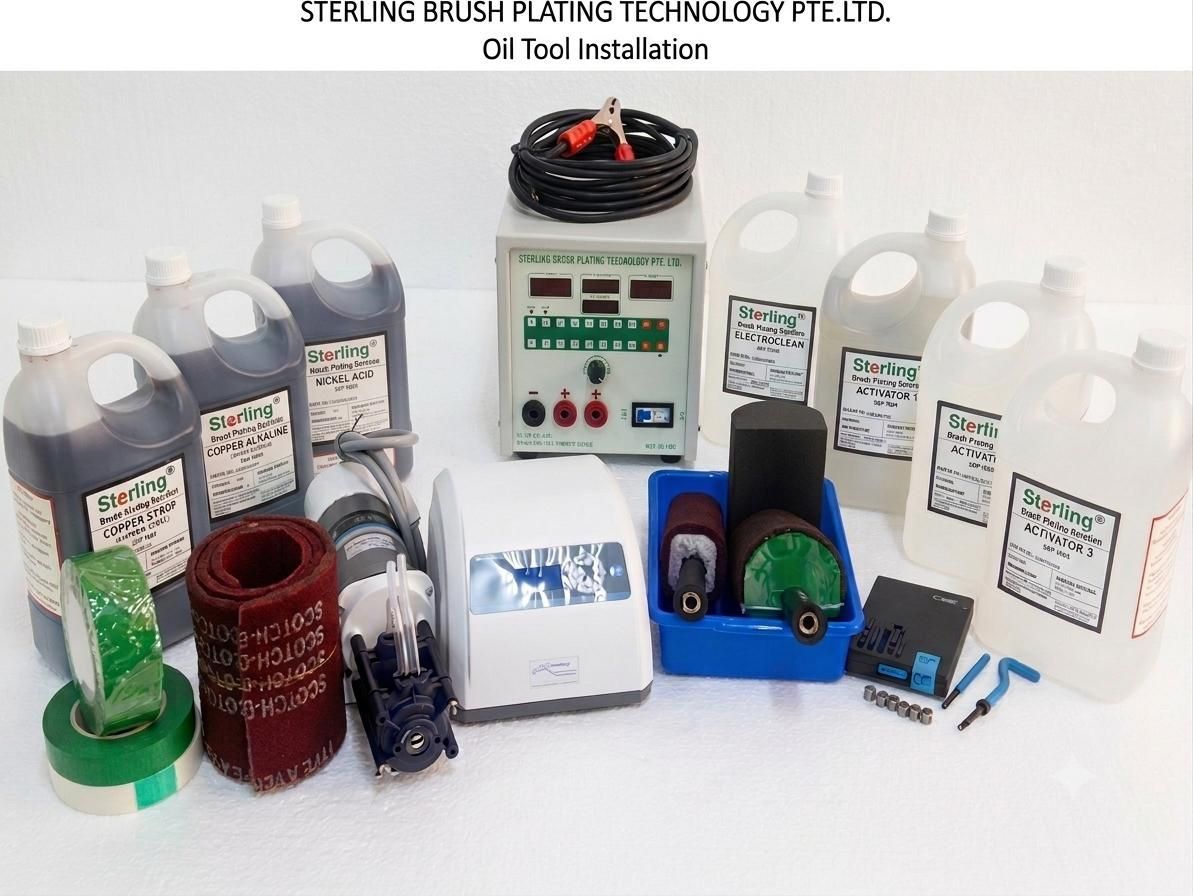
Sterling’s Brush Plating — qualified by major OCTG manufacturers — continues to evolve with:
- New electrolyte formulations
- Increased wear resistance
- Improved adhesion characteristics
- Enhanced anti-galling performance
This ensures our coatings not only meet current demands, but also anticipate
future drilling, marine, and industrial requirements.
5. Sustainability & Circular Manufacturing Are Driving Repair Innovation
Global industries are under pressure to reduce carbon emissions, minimize waste, and extend equipment lifespan.
Repair technologies like Brush Plating play a direct role in this transition.
How?
- Significantly reduces scrap waste
- Avoids energy-intensive part replacement
- Requires minimal chemical consumption
- Supports circular-economy models
- Extends asset life, reducing total environmental footprint
Governments and corporations worldwide are now integrating repair-centric metrics into ESG and operational KPI reporting.
Sterling’s on-site repair capability aligns perfectly with this sustainable future.
The Future of Surface Engineering: Smarter, Faster, More Adaptive
The next decade of industrial repair will be defined by:
- Digital-enabled diagnostics
- Rapid-response on-site repair
- Integrated additive manufacturing solutions
- High-performance, extreme-condition coatings
- Sustainability-driven repair strategies
Sterling Impreglon Asia is already investing in these areas through continuous R&D, global technical qualifications, and our commitment to on-site mobility and precision repair excellence.
We’re not just keeping up — we’re shaping the future of surface engineering.
📞 Explore Sterling’s Capabilities for Next-Generation Industrial Repairs
If your organization wants to prepare for the future of maintenance and equipment reliability, talk to us about integrating Brush Plating and advanced repair solutions into your operations.