Why Equipment Failure in 2026 Is No Longer a Maintenance Problem.......
It’s a Management Problem
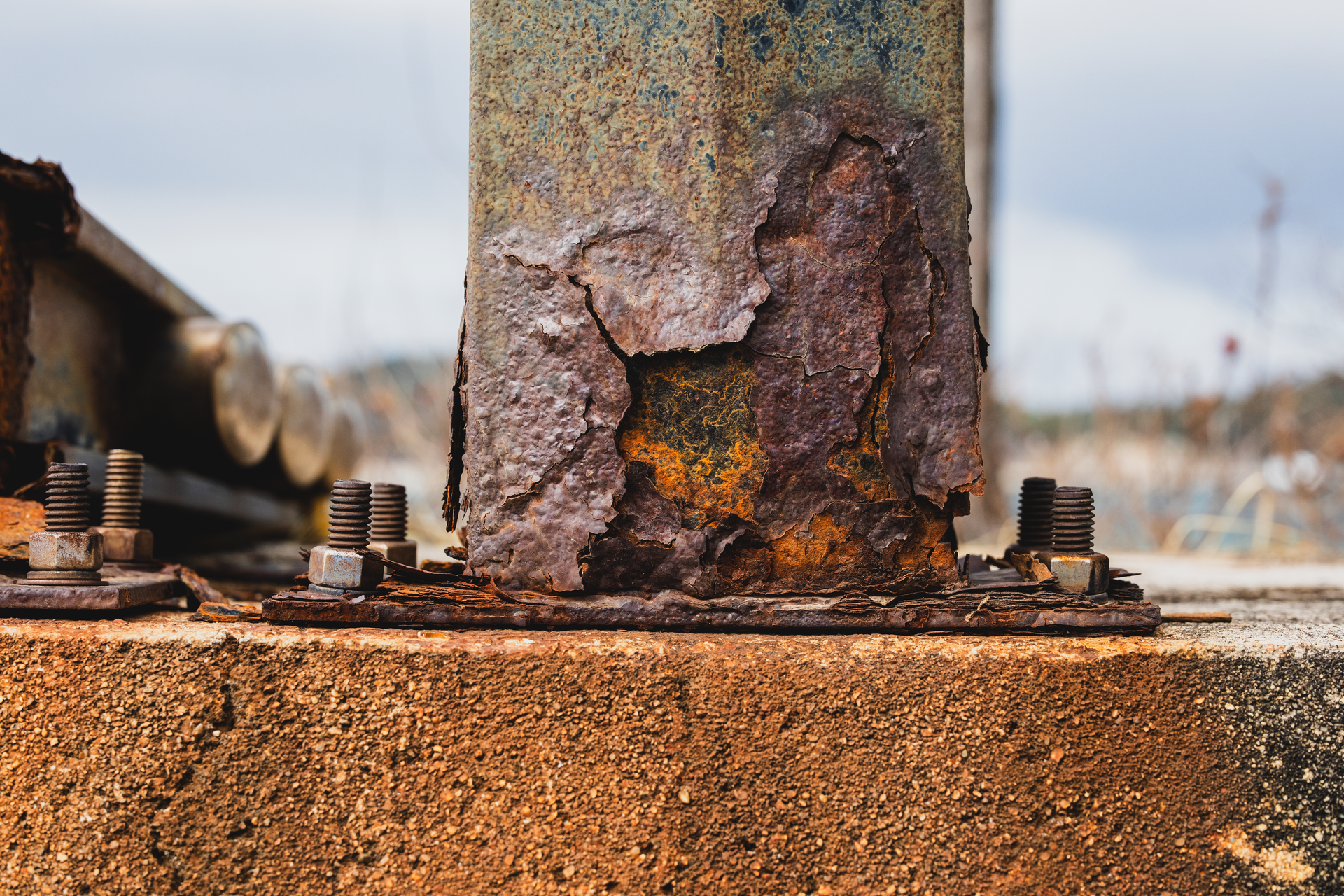
For decades, equipment failure has been treated as a maintenance issue.
When a machine breaks down, the response is predictable: call maintenance, raise a work order, replace the part, and move on.
But in 2026, that mindset is no longer sufficient - and in many cases, it is costing organizations far more than they realize.
Today, unplanned equipment failure is not just a technical problem.
It is a
management decision problem.
Downtime Is a Leadership Outcome, Not a Technical Accident
Most breakdowns do not happen suddenly.
They are the result of accumulated decisions made months, sometimes years or earlier.
Decisions such as:
- Deferring maintenance to protect short-term budgets
- Defaulting to replacement instead of repair without cost analysis
- Underinvesting in preventive and on-site repair capabilities
- Treating downtime as “operational noise” rather than financial loss
When equipment finally fails, it appears to be a maintenance issue.
In reality, it is the
outcome of strategic choices made at management level.
The Real Cost of Failure Is Rarely on the Maintenance Report
Maintenance teams are often evaluated on:
- Response time
- Repair execution
- Spare part usage
What is rarely measured at leadership level is:
- Lost production
- Idle labor
- Missed delivery commitments
- Emergency logistics
- Opportunity cost
- Reputational damage
These costs do not appear on a maintenance report - they appear on the profit and loss statement.
When downtime is viewed purely as a technical problem, organizations underestimate its true impact.
CAPEX vs OPEX: A False Trade-Off Many Leaders Still Make
In many organizations, decisions around equipment are framed too narrowly:
- Replace the part (CAPEX)
- Repair the part (OPEX)
This oversimplification ignores a critical factor: time.
Replacement often involves:
- Long lead times
- Supply chain dependency
- Installation delays
- Extended downtime
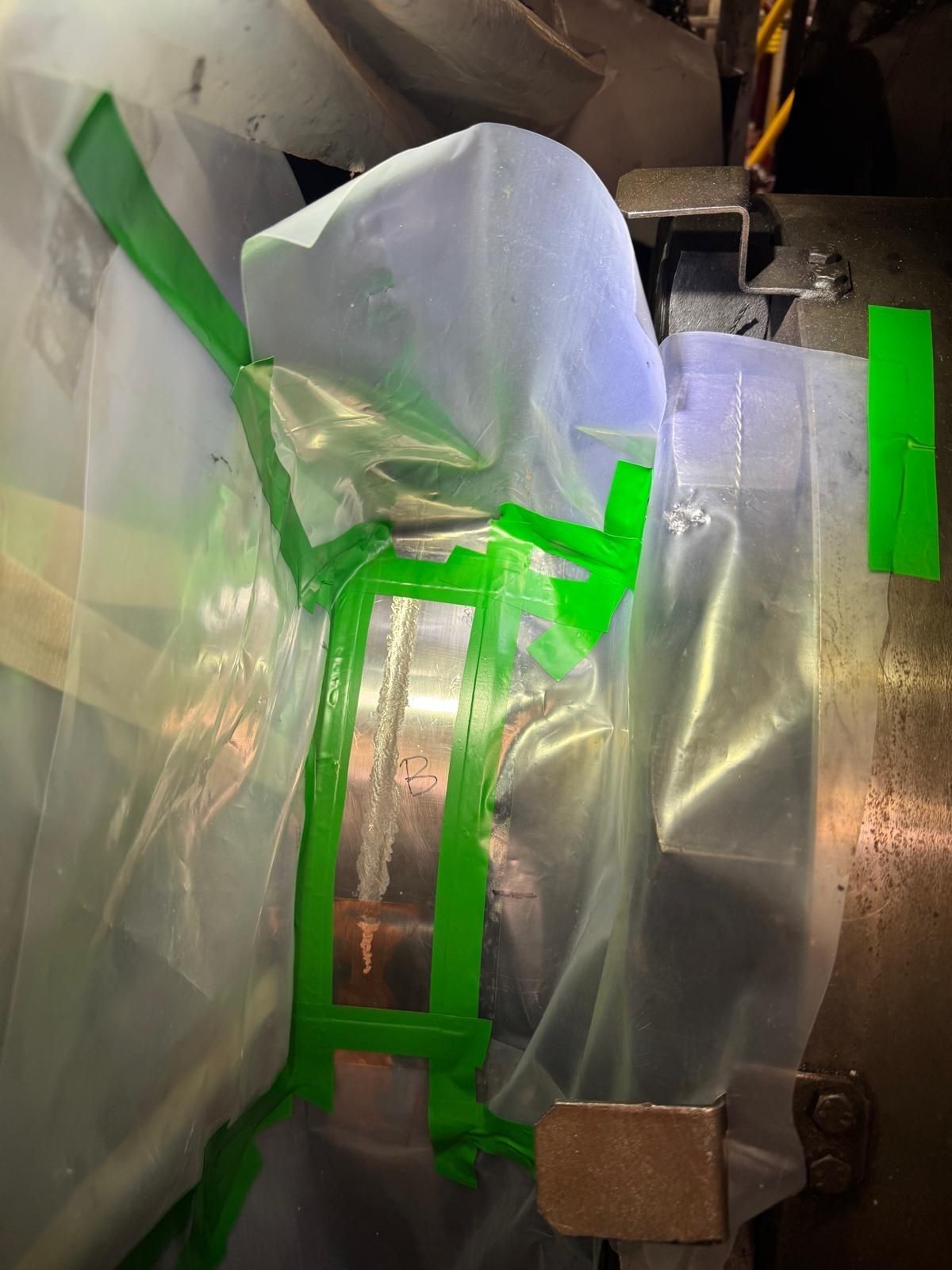
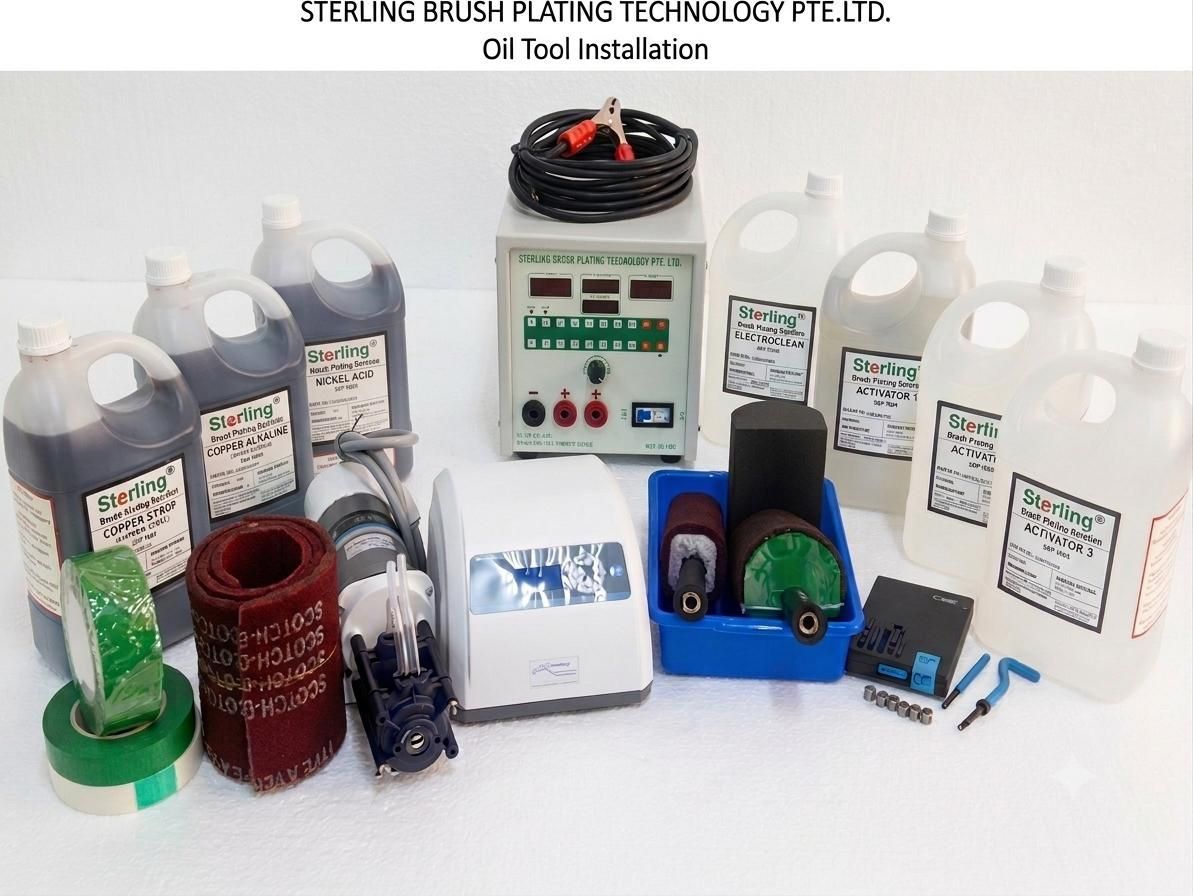
Repair - especially modern, precision, on-site repair - often:
- Restores functionality faster
- Extends asset life
- Avoids major capital expenditure
- Reduces operational disruption
The smarter question in 2026 is not “Repair or replace?”
It is “Which decision minimizes total business impact?”
That is a management question, not a maintenance one.
Asset Strategy Is the New Maintenance Strategy
Forward-thinking organizations now treat maintenance as part of a broader asset management strategy.
This includes:
- Understanding where wear typically occurs
- Planning intervention before failure
- Using repair technologies to extend asset life
- Reducing dependency on replacement parts
- Building resilience against supply chain disruption
In this model, maintenance teams execute - but management defines the strategy.
Equipment reliability becomes a leadership responsibility.
Why Repair Technologies Are Gaining Strategic Importance
Repair is no longer a temporary fix or a “stop-gap solution.”
In 2026, advanced repair technologies are strategic tools that support:
- Uptime and availability
- Cost control
- Sustainability goals
- Supply chain resilience
- Faster decision-making
Organizations that integrate repair into their asset strategy experience fewer surprises - and fewer emergencies.
Those that don’t remain reactive.
A Shift in Mindset Is Already Happening
Across industries - from heavy equipment and manufacturing to marine, energy, and infrastructure - leading operators are changing how they think about failure.
They are:
- Moving away from reactive replacement
- Investing in faster, smarter repair options
- Treating downtime as a financial risk
- Embedding repair into asset planning
- Making reliability a management KPI
This shift separates organizations that manage assets strategically from those that simply react to breakdowns.
In 2026, Reliability Is a Management Responsibility
Maintenance teams will always play a critical role.
But equipment failure is no longer something leadership can delegate away.
Downtime is not random.
Failure is not inevitable.
And reliability is not accidental.
In 2026, the most resilient organizations understand one thing clearly:
Equipment failure is no longer a maintenance problem.
It is a management problem — and a leadership opportunity.