When “Minor Wear” Becomes a Major Failure
How Small Surface Damage Escalates
In reality,
most failures do not start big.
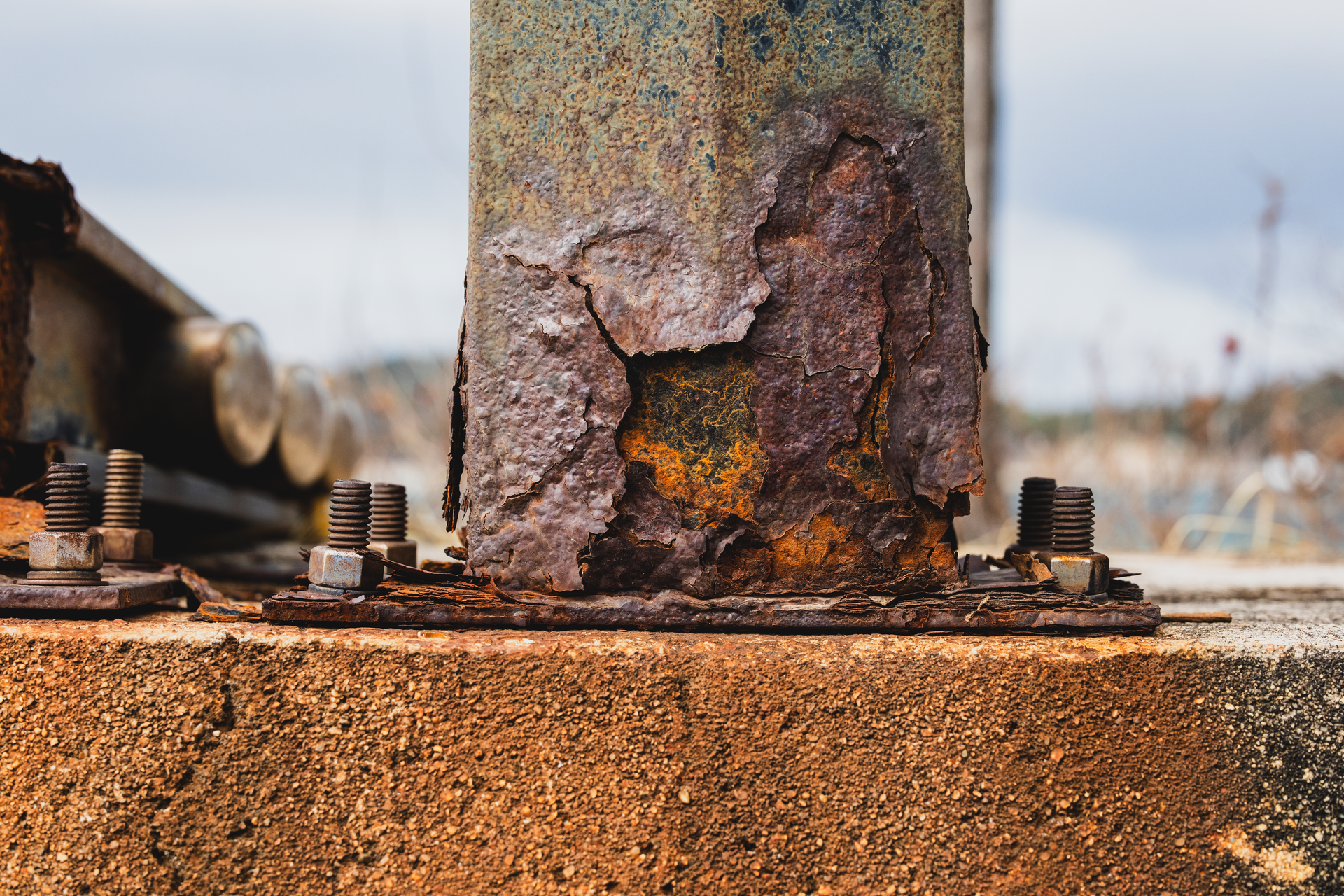
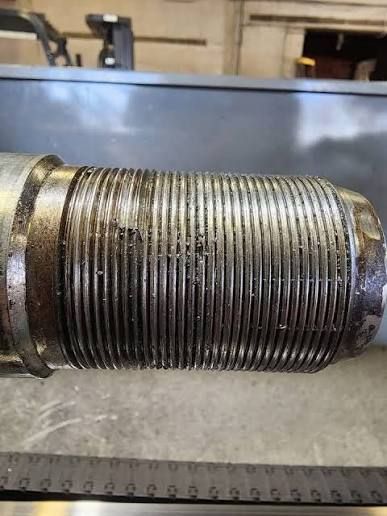
They start small - a light score mark, a shallow corrosion pit, a slightly worn surface that looks harmless at first glance.
Ignored long enough, these minor imperfections quietly grow into major failures that stop operations, delay projects, and inflate maintenance costs.
Understanding how
small surface damage escalates is one of the most important lessons for today’s asset owners and managers.
What Looks Minor Often Isn’t
From the outside, early-stage damage can appear insignificant:
- A faint line on a hydraulic rod
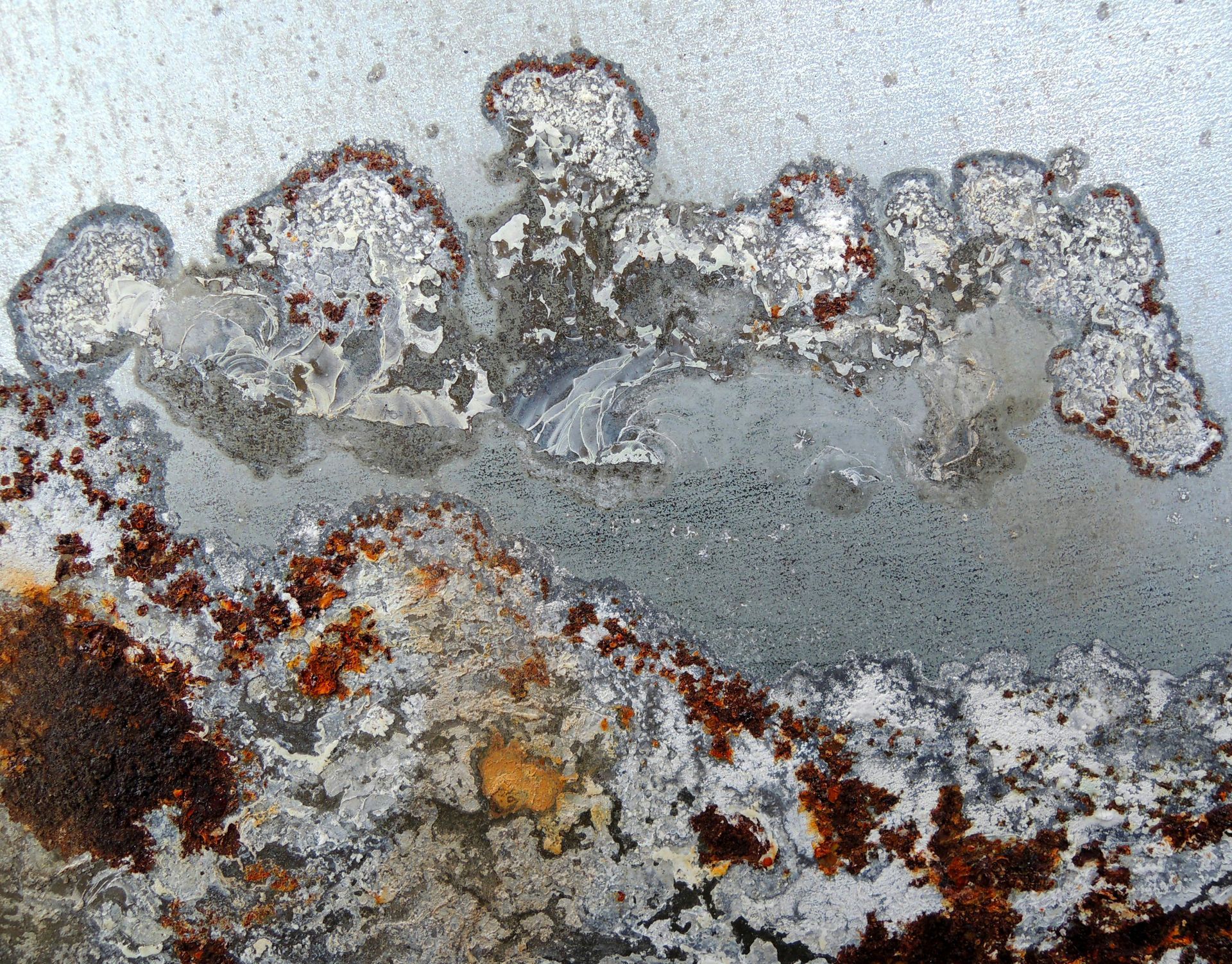
- Minor pitting on a shaft
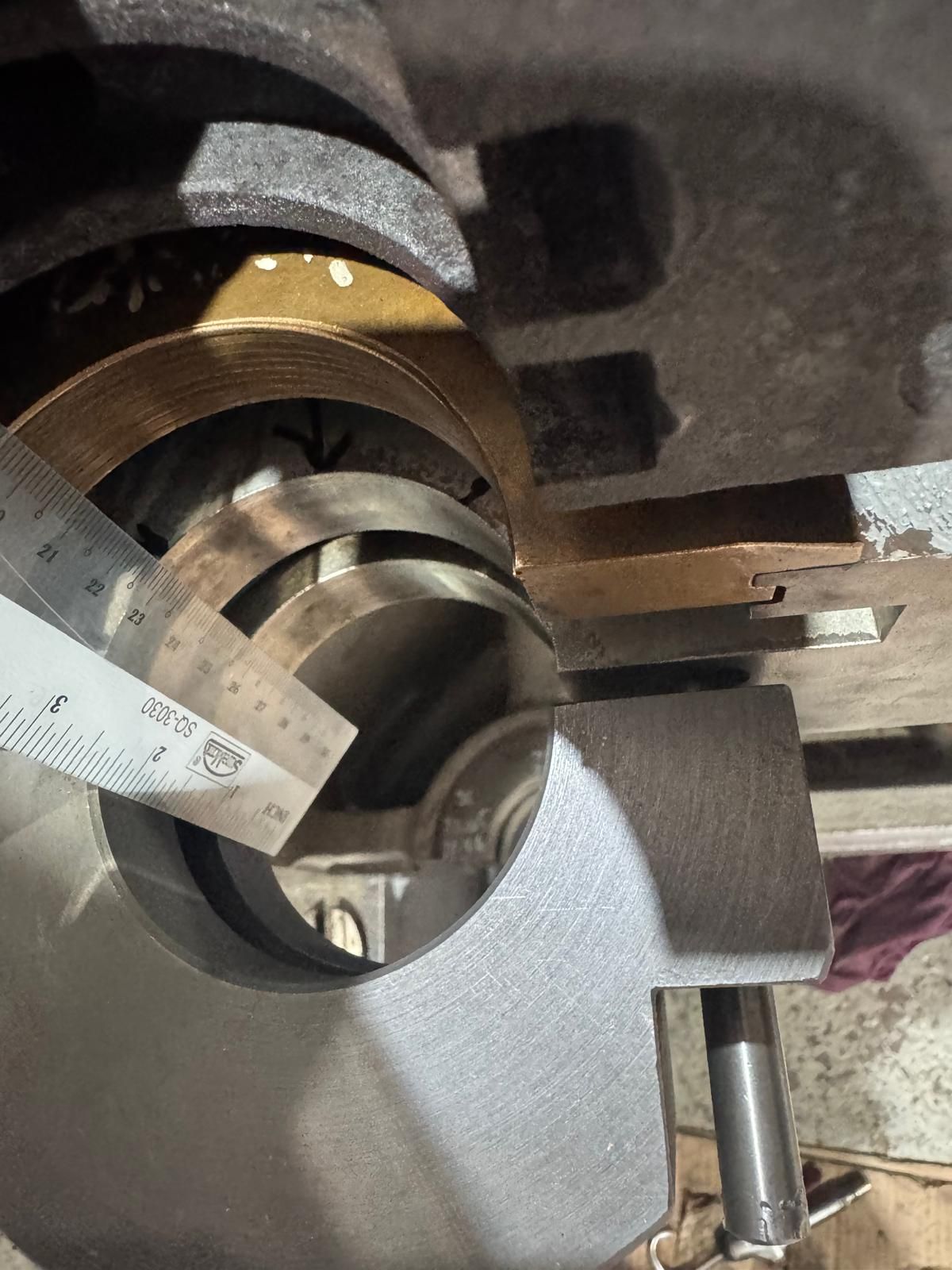
- Slight wear on a bearing surface
- Light corrosion on a sealing face
To a non-technical eye, these defects may seem cosmetic.
In reality, they are often the
starting point of accelerated wear.
Once the surface integrity is compromised, damage rarely stays contained.
How Small Damage Grows Into Major Failure
Here is what typically happens - step by step:
- Surface Imperfection Appears
Small scratches, pits, or wear marks form due to friction, corrosion, or contamination. - Stress Concentration Begins
Loads and pressure concentrate around the damaged area, increasing local stress. - Accelerated Wear Takes Over
Seals, bearings, or mating parts wear faster because they no longer contact a smooth surface. - Secondary Damage Follows
What started as surface damage now affects seals, housings, or adjacent components. - Failure Becomes Inevitable
Leakage, vibration, overheating, or seizure occurs - forcing an unplanned shutdown.
By the time failure happens, the cost is no longer about surface repair - it is about downtime, replacement, and lost productivity.
The Hidden Cost of “Waiting and Seeing”
For many managers, delaying repair feels like a cost-saving decision.
In practice, it often does the opposite.
Waiting allows:
- Damage to spread
- Repair scope to increase
- Downtime to lengthen
- Replacement to become unavoidable
What could have been a controlled, targeted repair turns into a full component replacement.
Why Early Intervention Changes Everything
Early intervention focuses on repairing only the damaged area, before secondary damage occurs.
This approach:
- Stops damage progression
- Preserves the original component
- Reduces repair scope
- Minimizes downtime
- Avoids unnecessary replacement
In other words, it turns maintenance from a reactive emergency into a planned decision.
How Precision Surface Repair Fits In
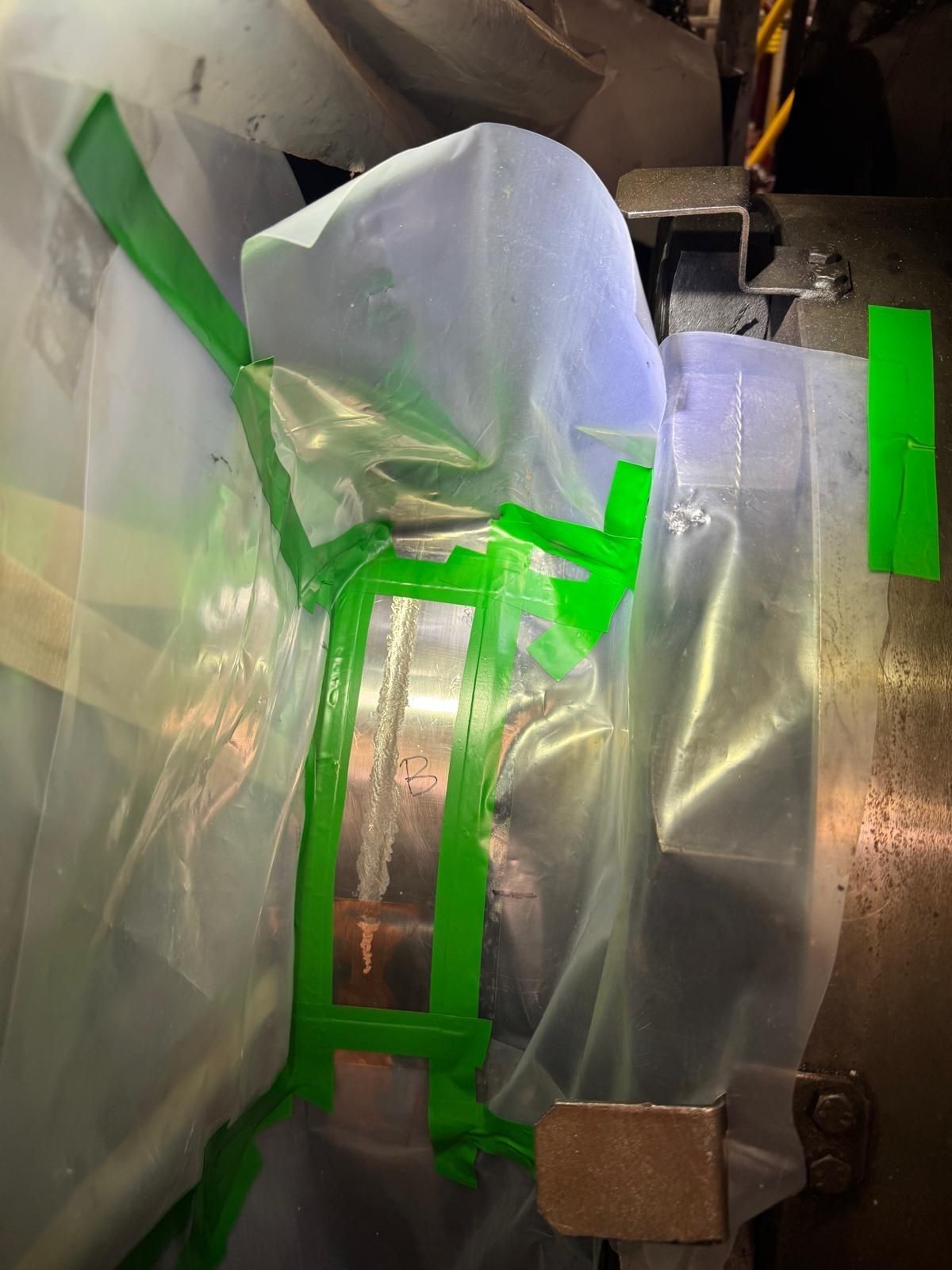
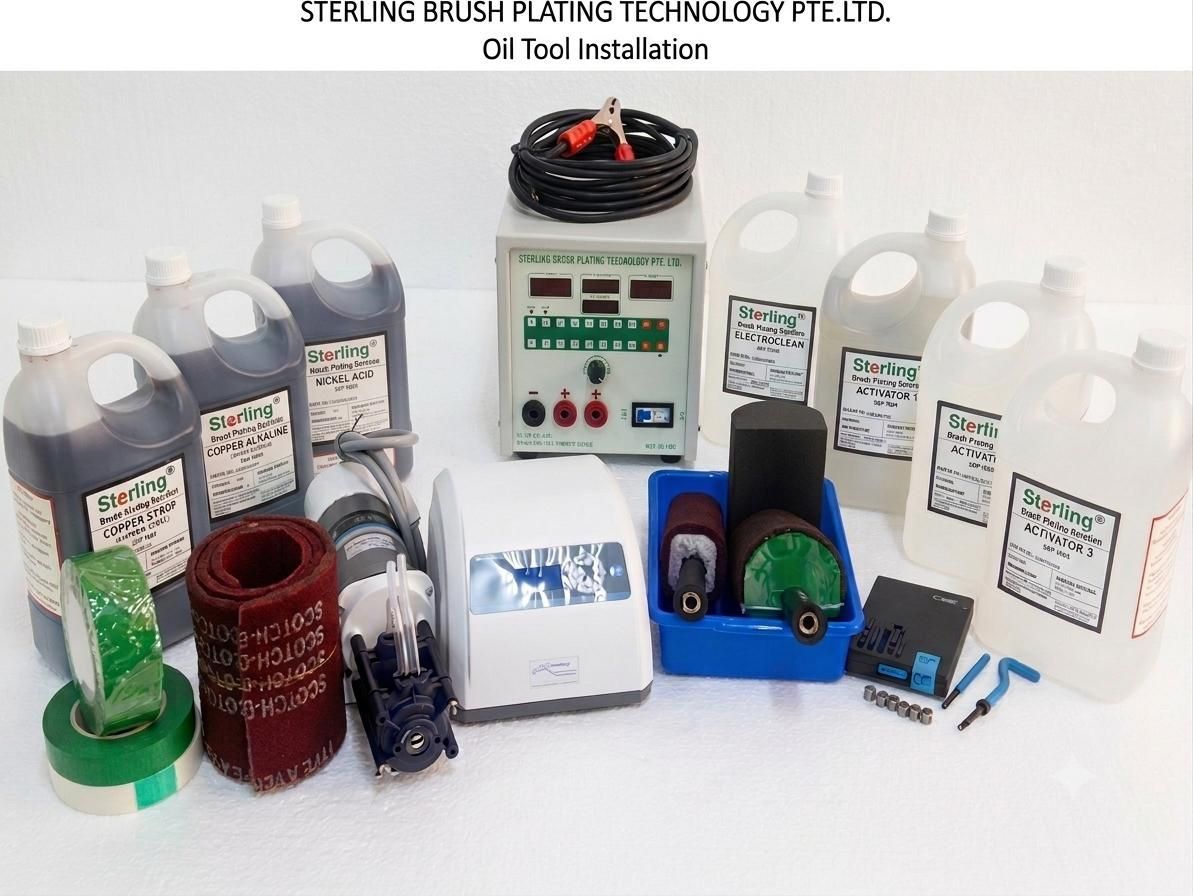
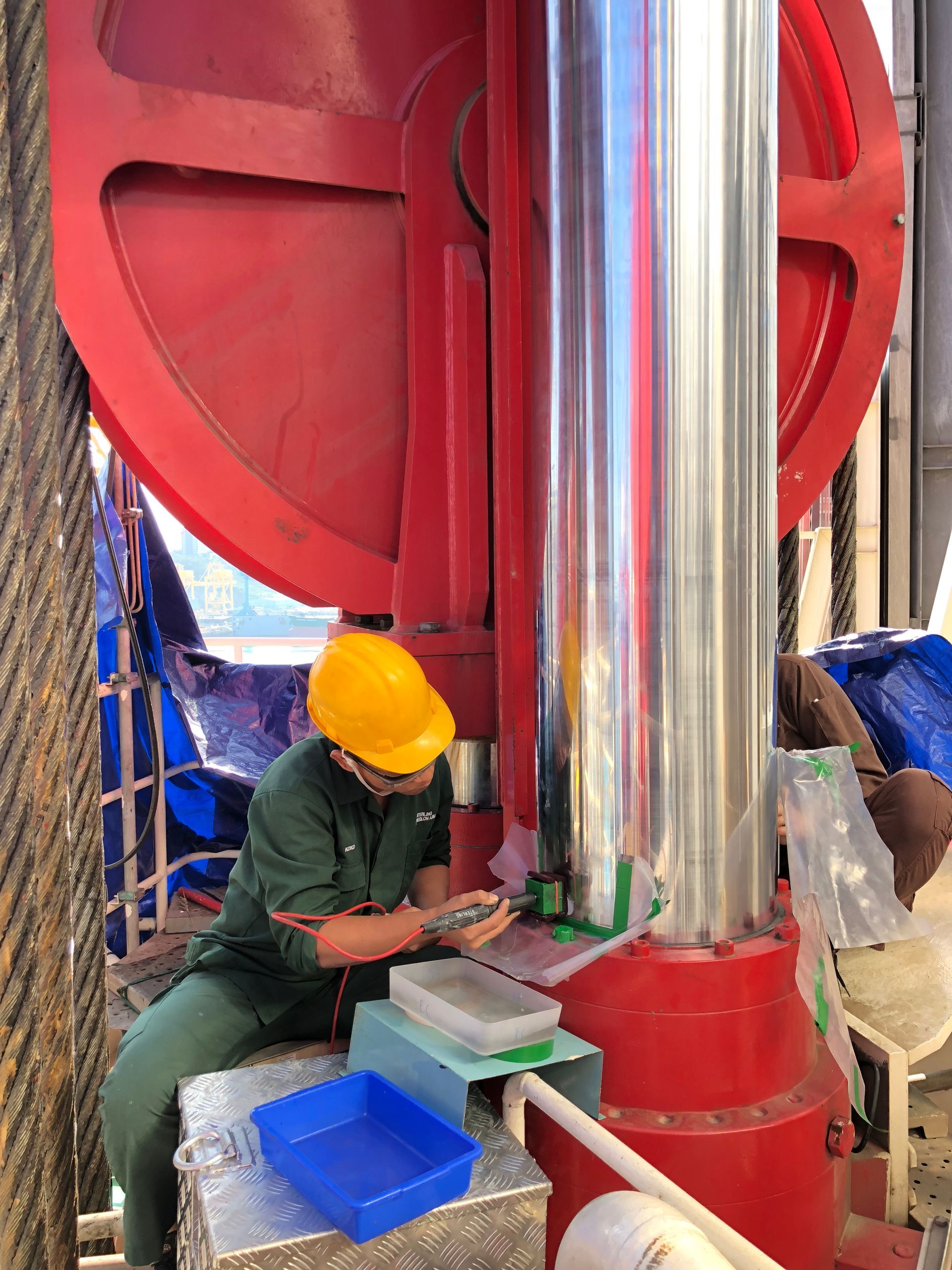
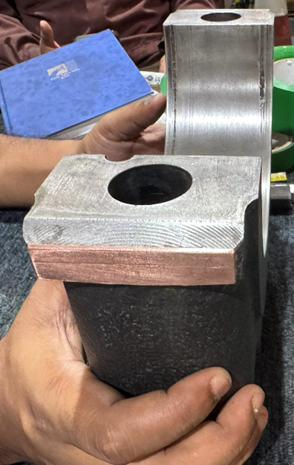
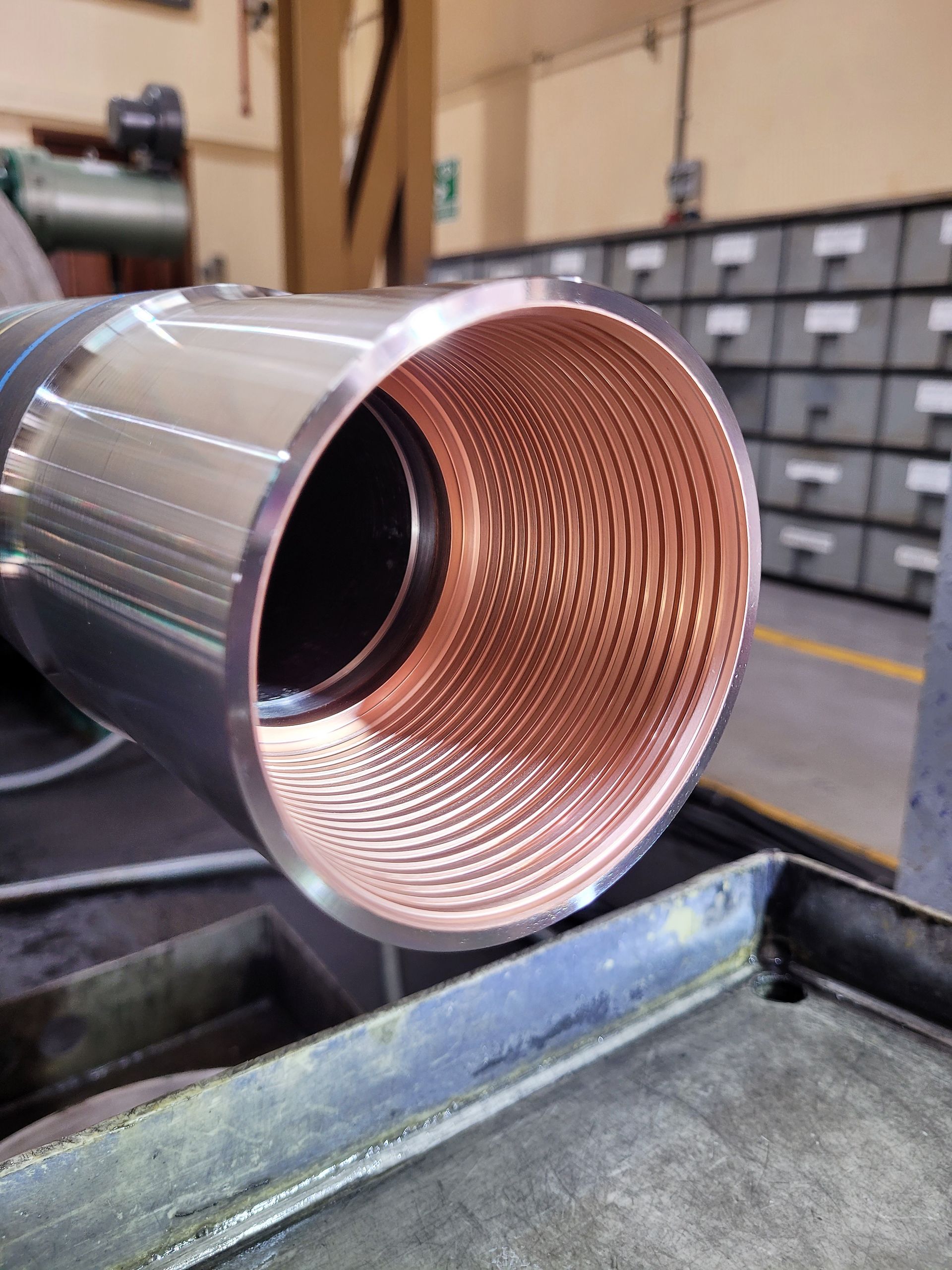
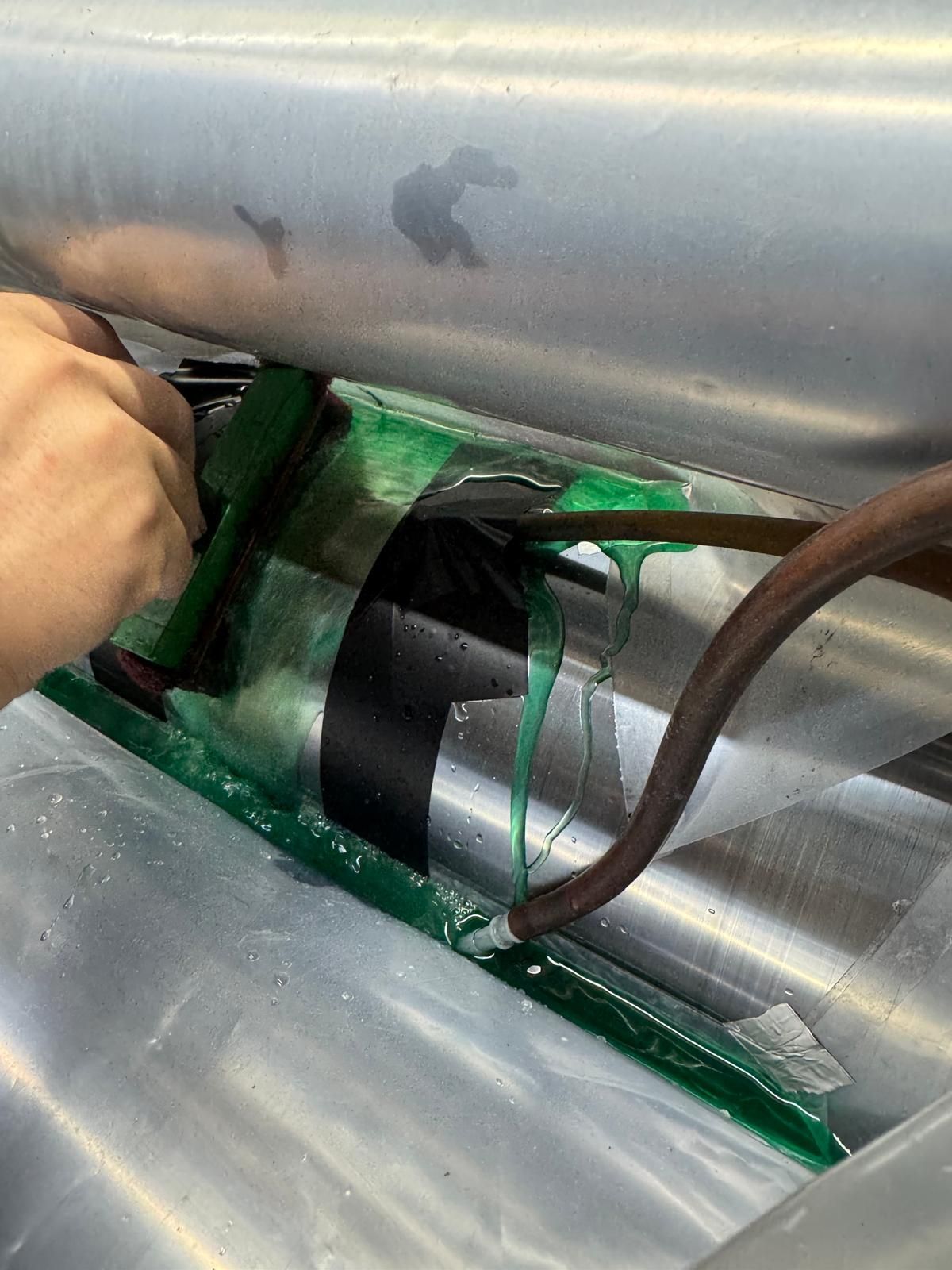
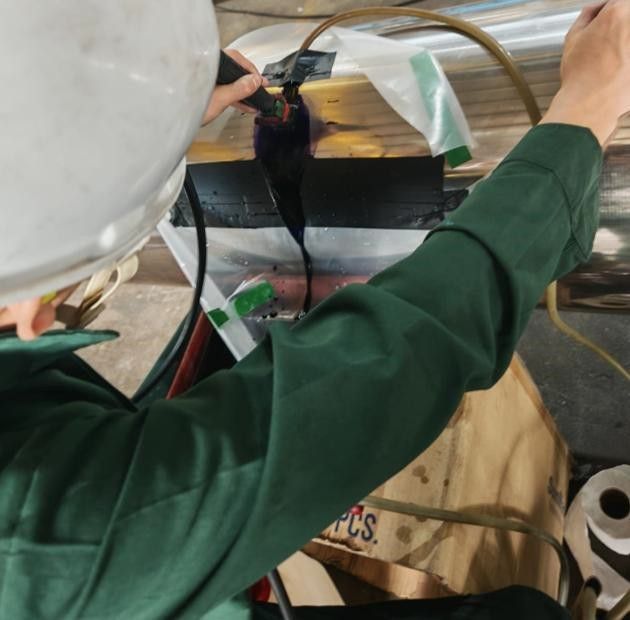
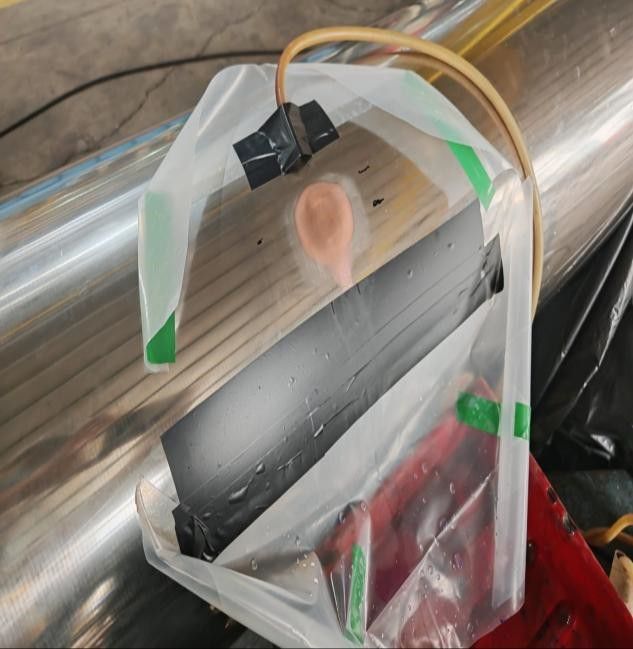
Modern repair technologies such as Brush Plating are designed exactly for this purpose.
They allow:
- Localized metal build-up on worn areas
- Restoration of original dimensions
- Strong adhesion without heat distortion
- On-site or workshop repair
- Fast turnaround with minimal disruption
This makes them ideal for addressing early-stage surface damage before it escalates.
By identifying and addressing minor wear early, they:
- Extend equipment life
- Reduce total maintenance cost
- Improve uptime
- Gain better control over planning and budgets
From Minor Wear to Managed Risk
At Sterling Impreglon Asia, we frequently see components that were considered “still usable” - but only just.
In many cases, early repair could have prevented:
- Weeks of downtime
- Emergency replacement orders
- Escalated repair costs
That’s why we encourage asset owners and maintenance leaders to treat minor surface damage as an early warning, not a cosmetic issue.
Early intervention repair:
- Costs less
- Takes less time
- Reduces risk
- Preserves assets
And most importantly, it gives management control, instead of forcing reaction.
📞 If your equipment shows early signs of wear, corrosion, or surface damage, it may already be the right time to act.