Common Mistakes in Anti-Galling Coating Applications......
And How to Avoid Them
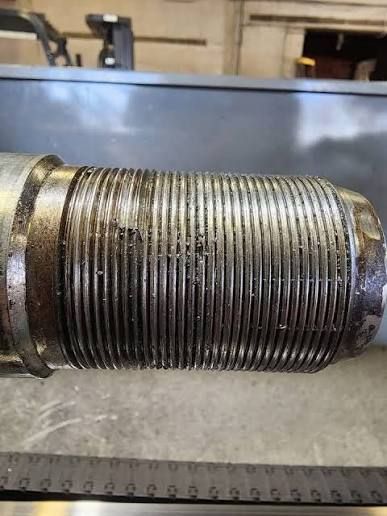
In the Oil & Gas operations, the performance of OCTG connections and oil tool accessories depends heavily on one critical factor: effective anti-galling protection.
While many companies apply anti-galling coatings, failures still occur not because the concept is flawed, but because of how the coating is applied.
For QA/QC teams, understanding these common mistakes is essential to ensuring consistent quality, reliability, and compliance with standards.
Why Anti-Galling Coatings Fail
Galling failures often stem from application issues rather than material limitations. Even a high-quality coating can fail if the process is not properly controlled.
Below are the most common mistakes and how to avoid them.
1. Inadequate Surface Preparation
The Problem:
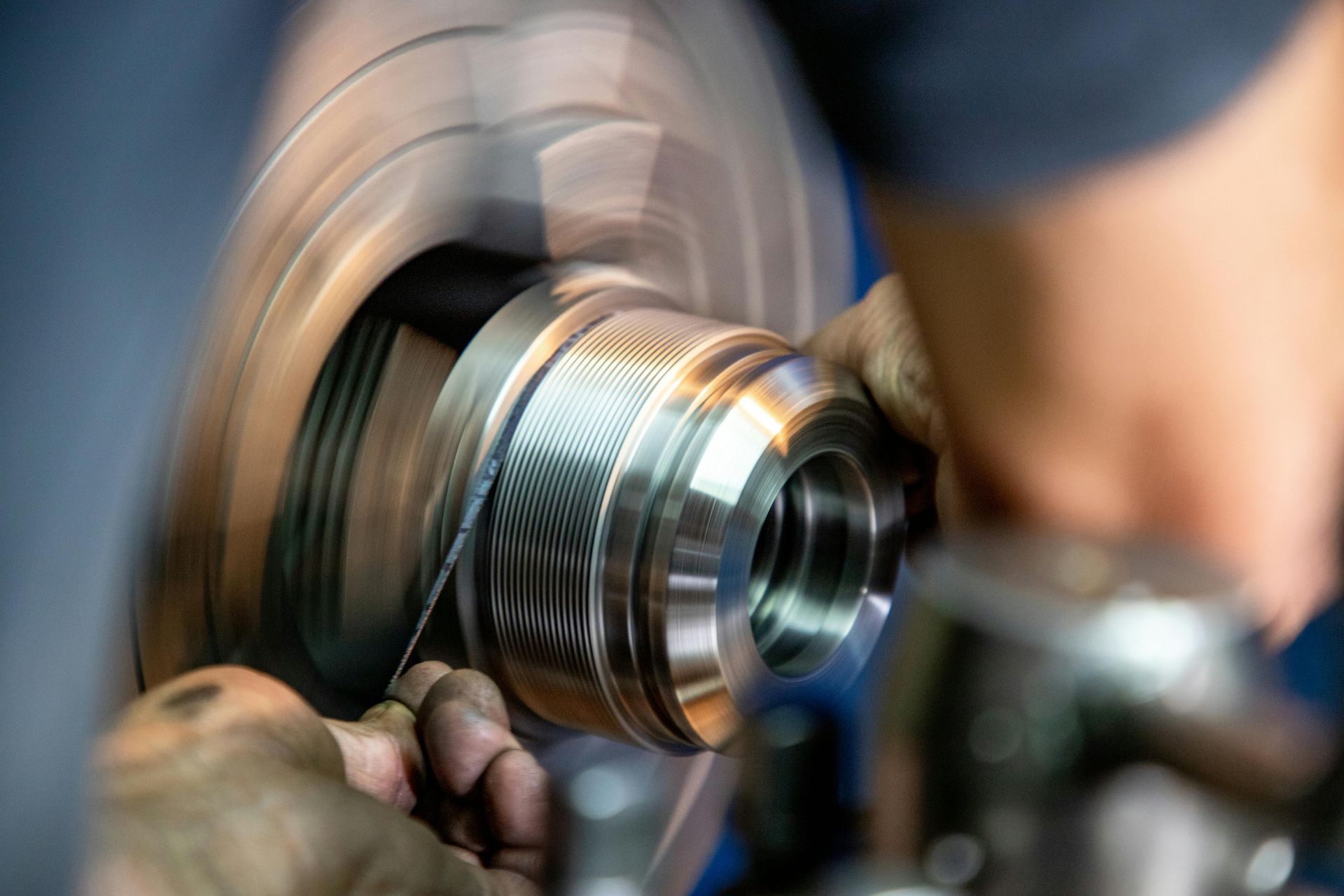
Surface contaminants such as oil, dirt, oxidation, or residue can prevent proper bonding between the coating and base material.
The Impact:
- Poor adhesion
- Premature peeling or flaking
- Increased risk of galling during make-up
The Solution:
✔ Ensure thorough cleaning and surface activation before coating
✔ Implement strict preparation procedures and checks
2. Poor Adhesion Control
The Problem:
Without proper process control, coatings may not bond strongly to the substrate.
The Impact:
- Coating detachment during handling or installation
- Reduced anti-galling effectiveness
- Increased rejection rates
The Solution:
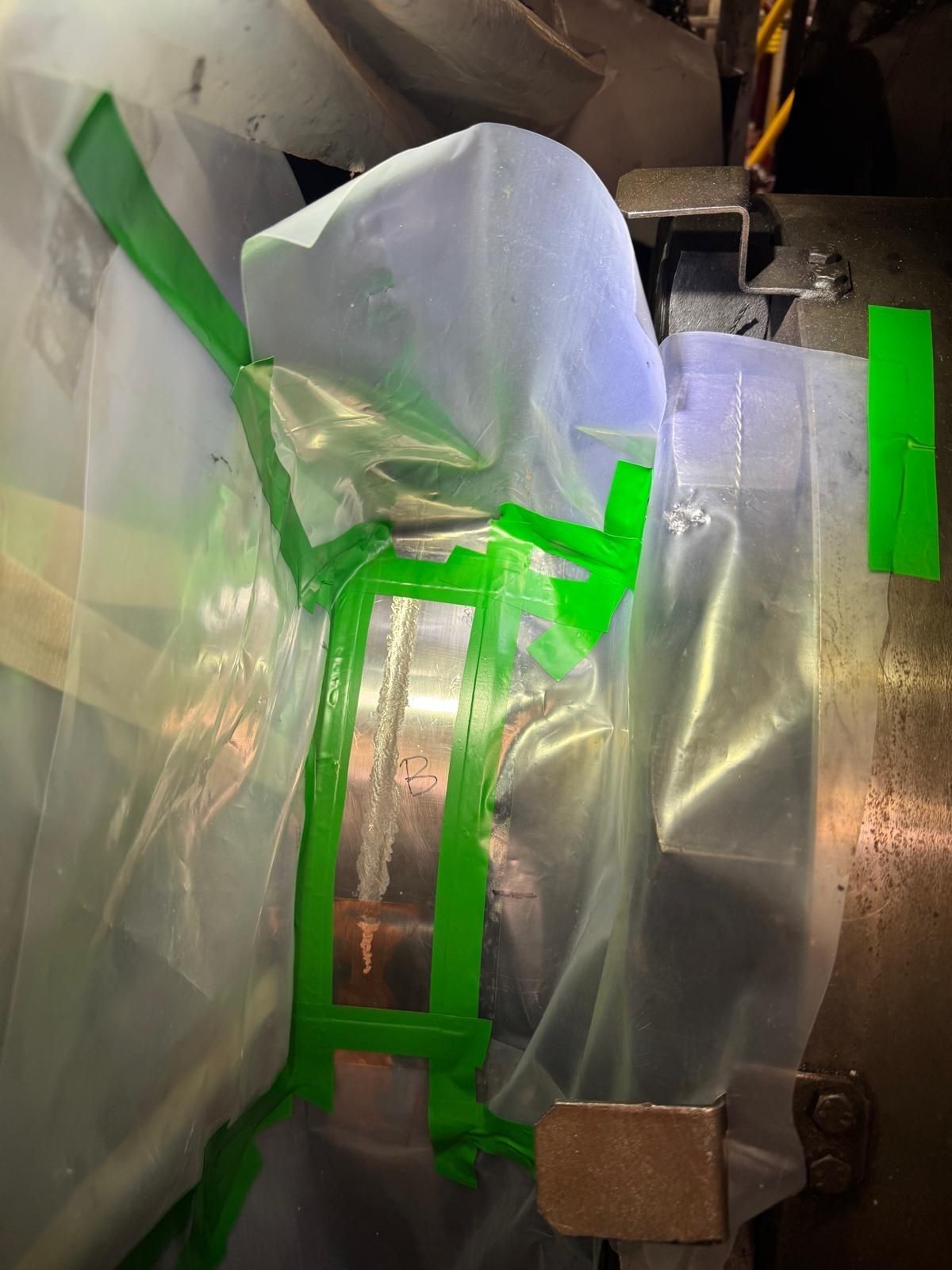
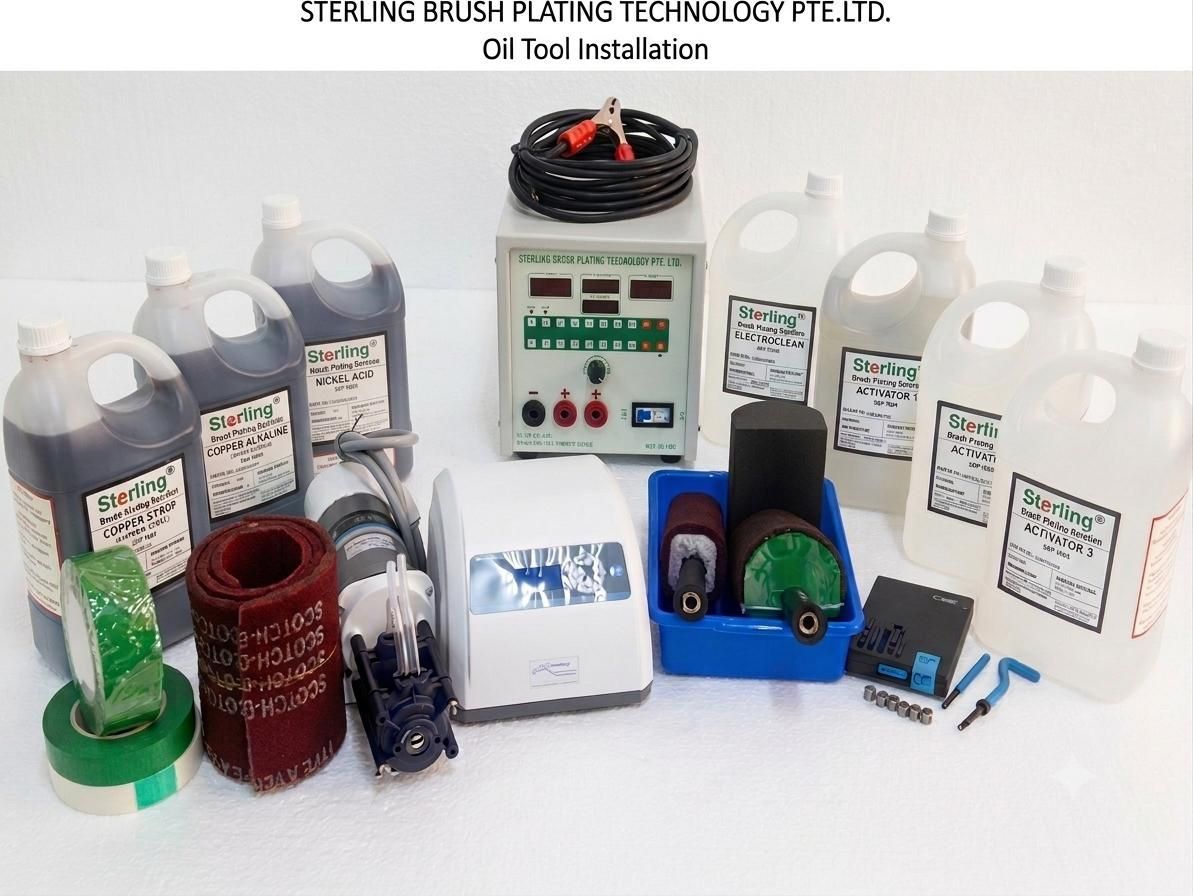
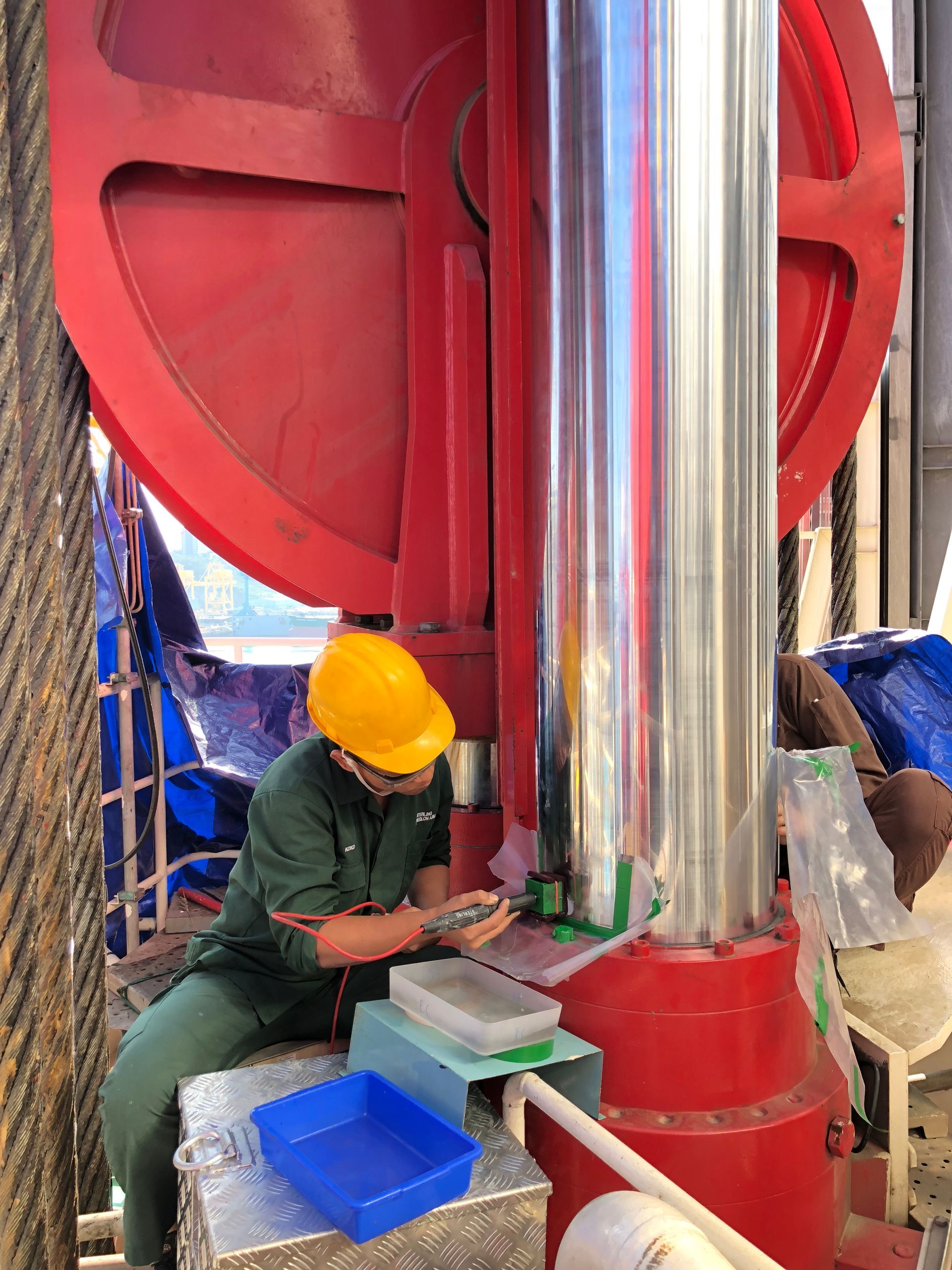
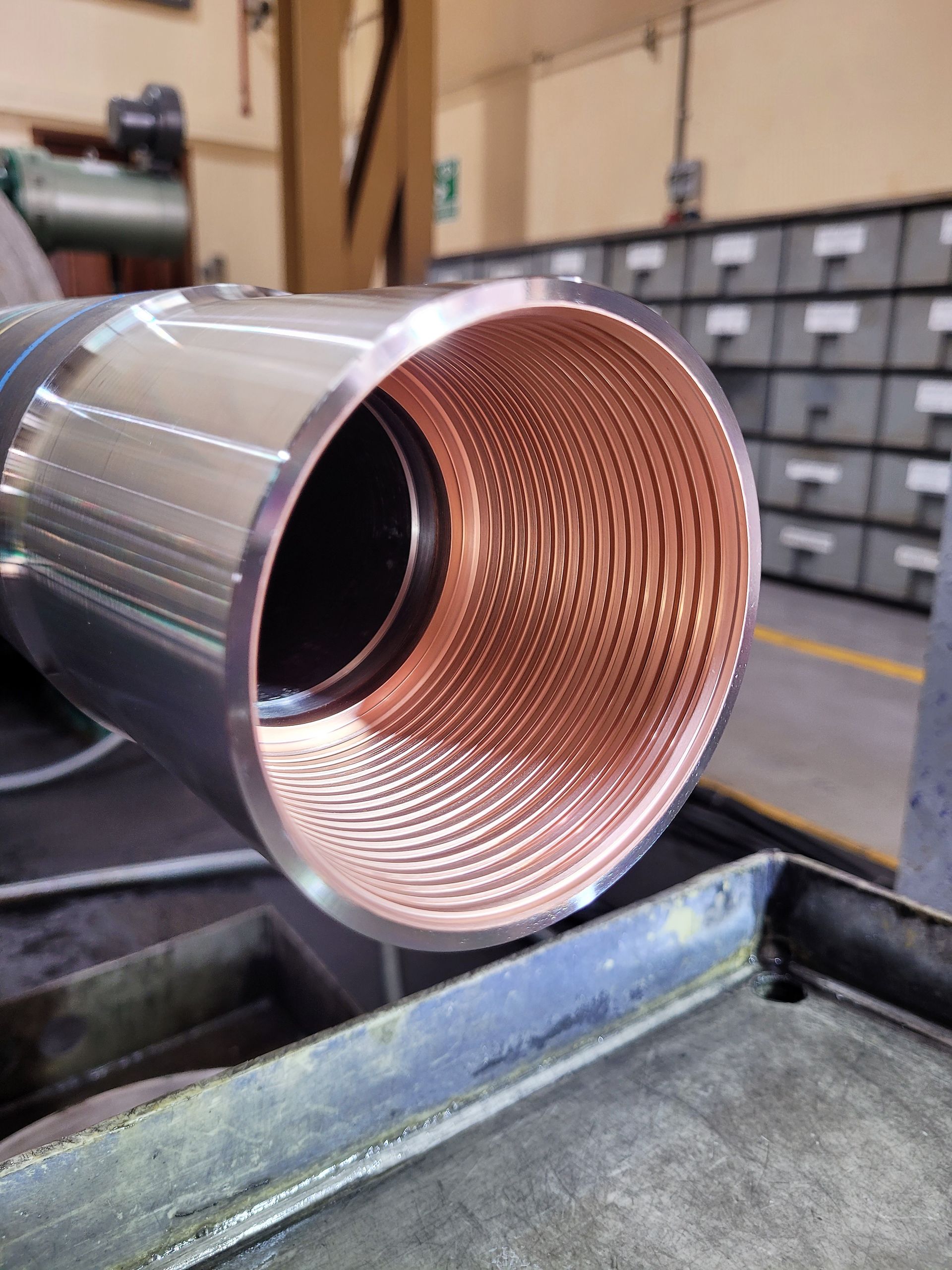
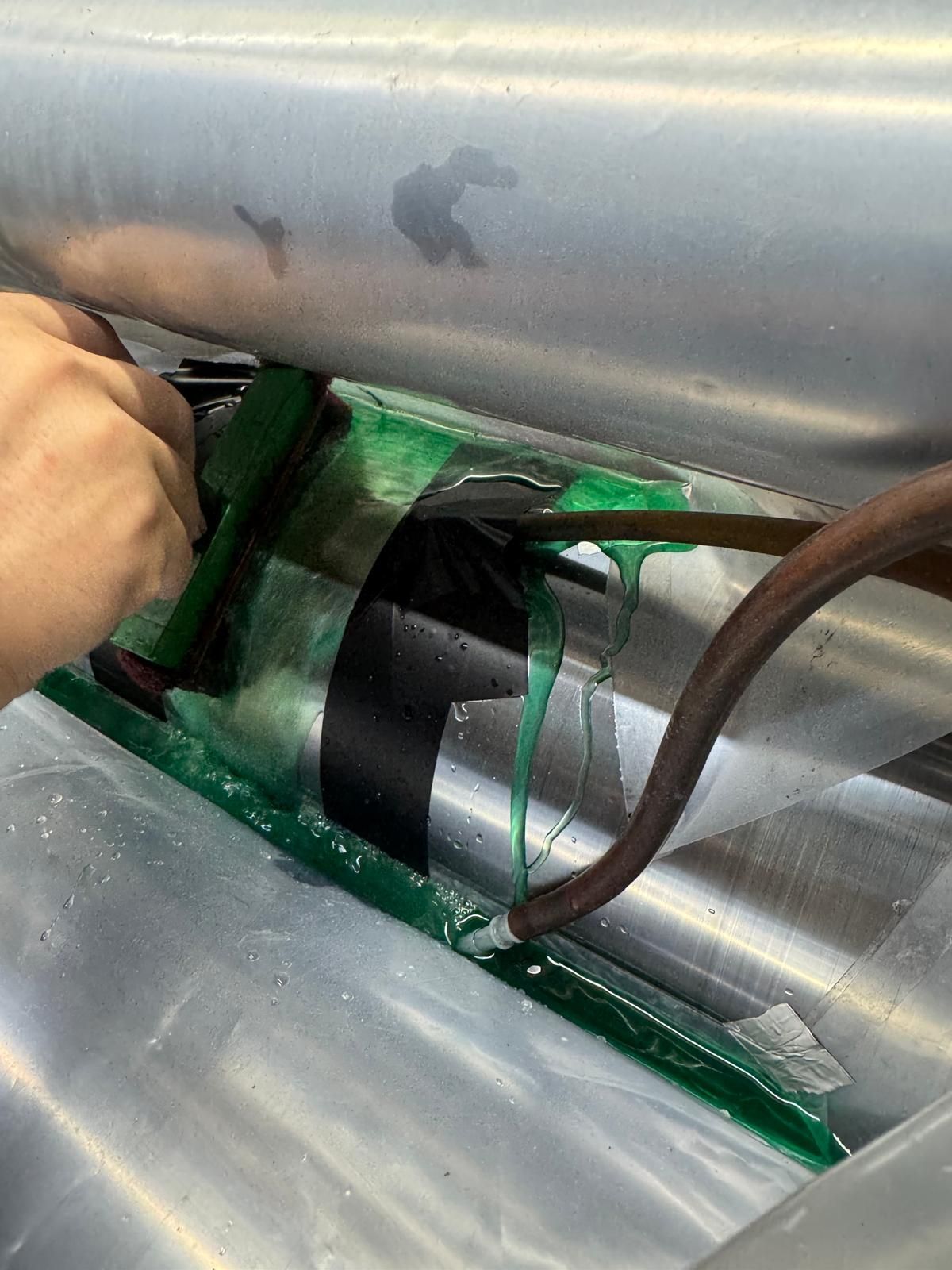
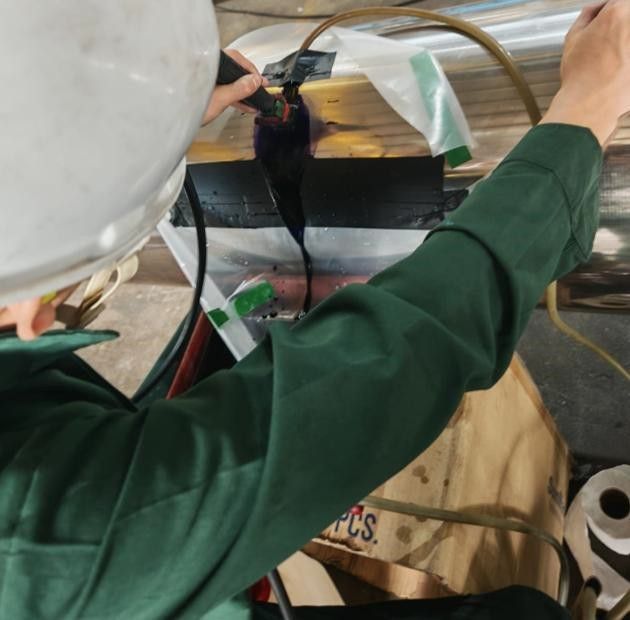
✔ Use controlled application methods such as
Brush Copper Plating
✔ Conduct adhesion tests (e.g., tape test, high pressure water jet test) as part of QA/QC procedures
3. Inconsistent Coating Thickness
The Problem:
Uneven or excessive coating thickness can affect thread performance and sealing integrity.
The Impact:
- Improper thread engagement
- Potential connection failure
- Non-compliance with specifications
The Solution:
✔ Apply coatings with precise thickness control
✔ Use proper measurement tools and inspection methods
4. Improper Masking and Application
The Problem:
Lack of proper masking can result in coating being applied to unintended areas or insufficient coverage in critical zones.
The Impact:
- Inconsistent protection
- Reduced performance
- Rework requirements
The Solution:
✔ Ensure proper masking and controlled application
✔ Focus on critical thread areas where protection is most needed
5. Lack of Quality Inspection and Testing
The Problem:
Skipping or minimizing inspection processes can allow defects to go unnoticed.
The Impact:
- Increased risk of field failures
- Rejected batches
- Loss of customer confidence
The Solution:
✔ Implement comprehensive QA/QC checks, including:
- Visual inspection
- Thickness Measurement
- Adhesion testing
The Role of a Controlled Process
Avoiding these mistakes requires more than awareness, it requires a proven and controlled coating process.
At Sterling Impreglon Asia, our Brush Copper Plating technology is designed with quality and consistency in mind:
✔ Controlled and precise application
✔ Strong and reliable adhesion
✔ Consistent coating thickness
✔ Proven acceptance by major OCTG manufacturers worldwide
This ensures that every coating meets the performance demands of high-pressure, high-reliability environments.
A Key Responsibility for QA/QC Teams
For QA/QC professionals, anti-galling coating is not just a step in the process, it is a critical quality control point.
By identifying and eliminating common mistakes, teams can:
- Reduce rejection rates
- Improve product reliability
- Ensure compliance with industry standards
- Build confidence with customers and partners
Final Thought
Anti-galling coatings are essential but their effectiveness depends entirely on how well they are applied and controlled.
By avoiding common mistakes and adopting proven processes, companies can ensure consistent performance, reduced failures, and greater operational efficiency.
Looking to improve your anti-galling coating quality and consistency?
Contact Sterling Impreglon Asia today to learn how our Brush Copper Plating solutions can support your QA/QC requirements.