Opinion: The Future of Industrial Repairs?
Why Restoration is Replacing Replacement?
In today’s world, companies are under increasing pressure to reduce costs, improve efficiency, and maximize asset performance.
A clear shift is taking place across many industries we see today. That is restoration is replacing replacement.
Forward-thinking organizations are re-evaluating how they maintain critical equipment, and many are turning to advanced repair technologies to extend the life of their assets without compromising performance or reliability.
The Limitations of Replacement
For decades, replacing damaged components has been the default solution.
While straightforward, it comes with significant drawbacks:
- High Costs: New components, especially large or specialized ones, come at a premium
- Long Lead Times: Manufacturing and delivery delays can disrupt operations
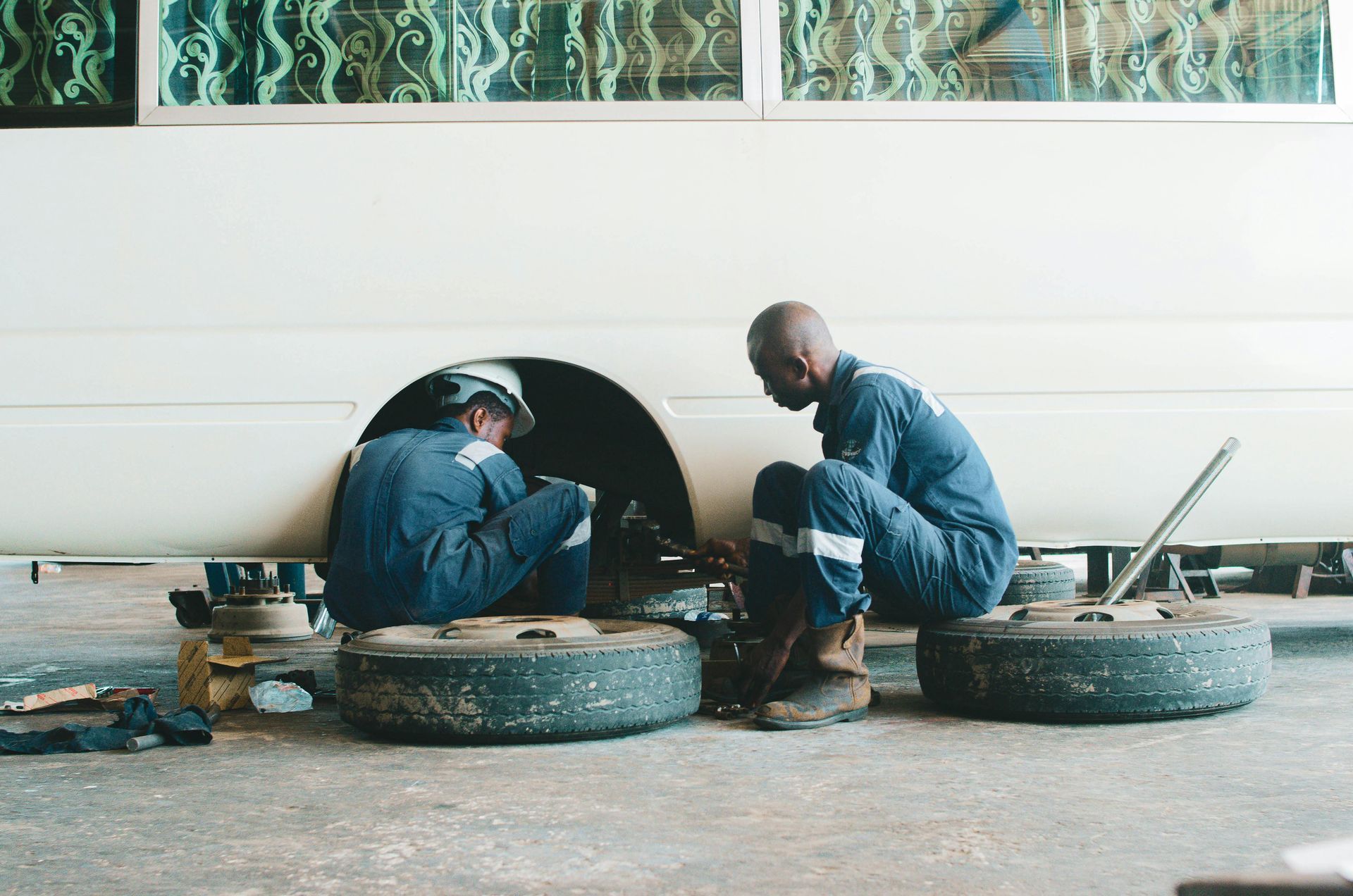
- Extended Downtime: Equipment must be dismantled, replaced, and recalibrated
- Logistics Challenges: Transporting heavy machinery adds complexity and risk
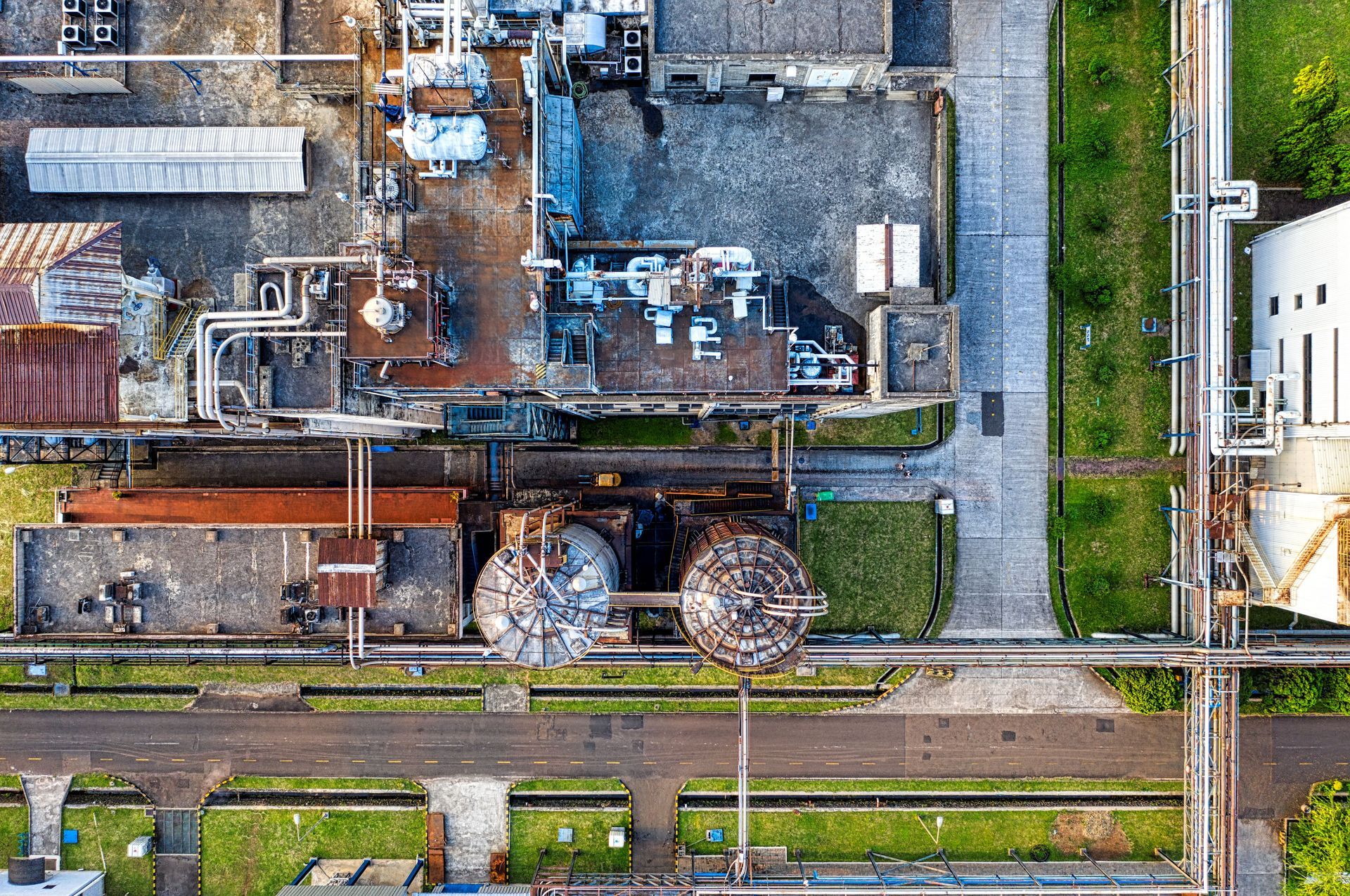
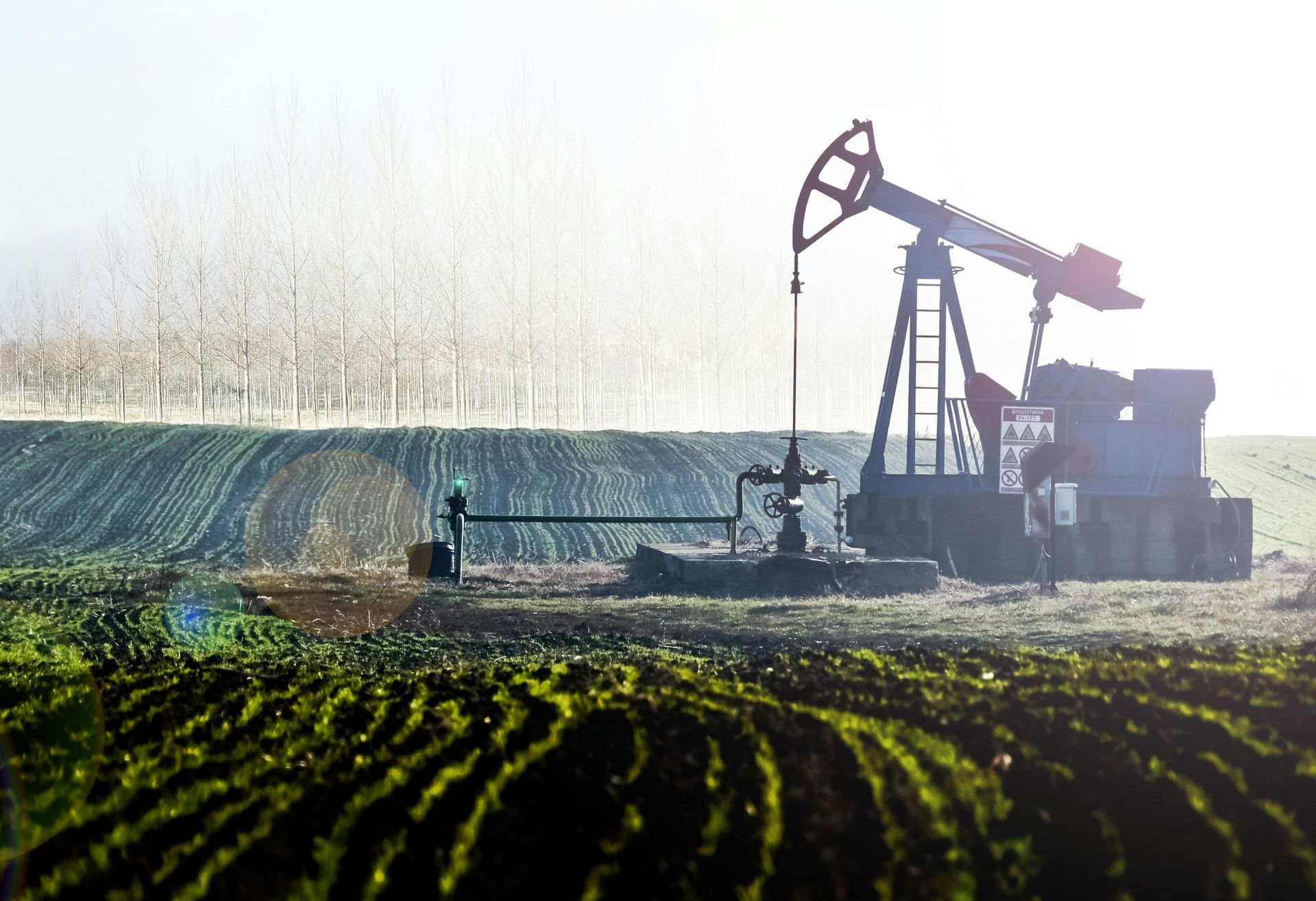
In industries such as marine, oil & gas, heavy equipment, and manufacturing, these challenges translate directly into
lost revenue and operational inefficiencies.
The Rise of Restoration
Instead of replacing entire components, companies can now
restore worn or damaged areas back to their original specifications, quickly and precisely.
This shift is driven by three key factors:
1. Cost Efficiency
Restoration significantly reduces capital expenditure by extending the lifespan of existing components.
2. Operational Continuity
Modern repair methods allow for on-site restoration, minimizing downtime and keeping operations running.
3. Sustainability
Repairing instead of replacing reduces material waste and supports global sustainability initiatives which is becoming an increasingly important factor for modern businesses.
Brush Plating: A Key Enabler of the Future
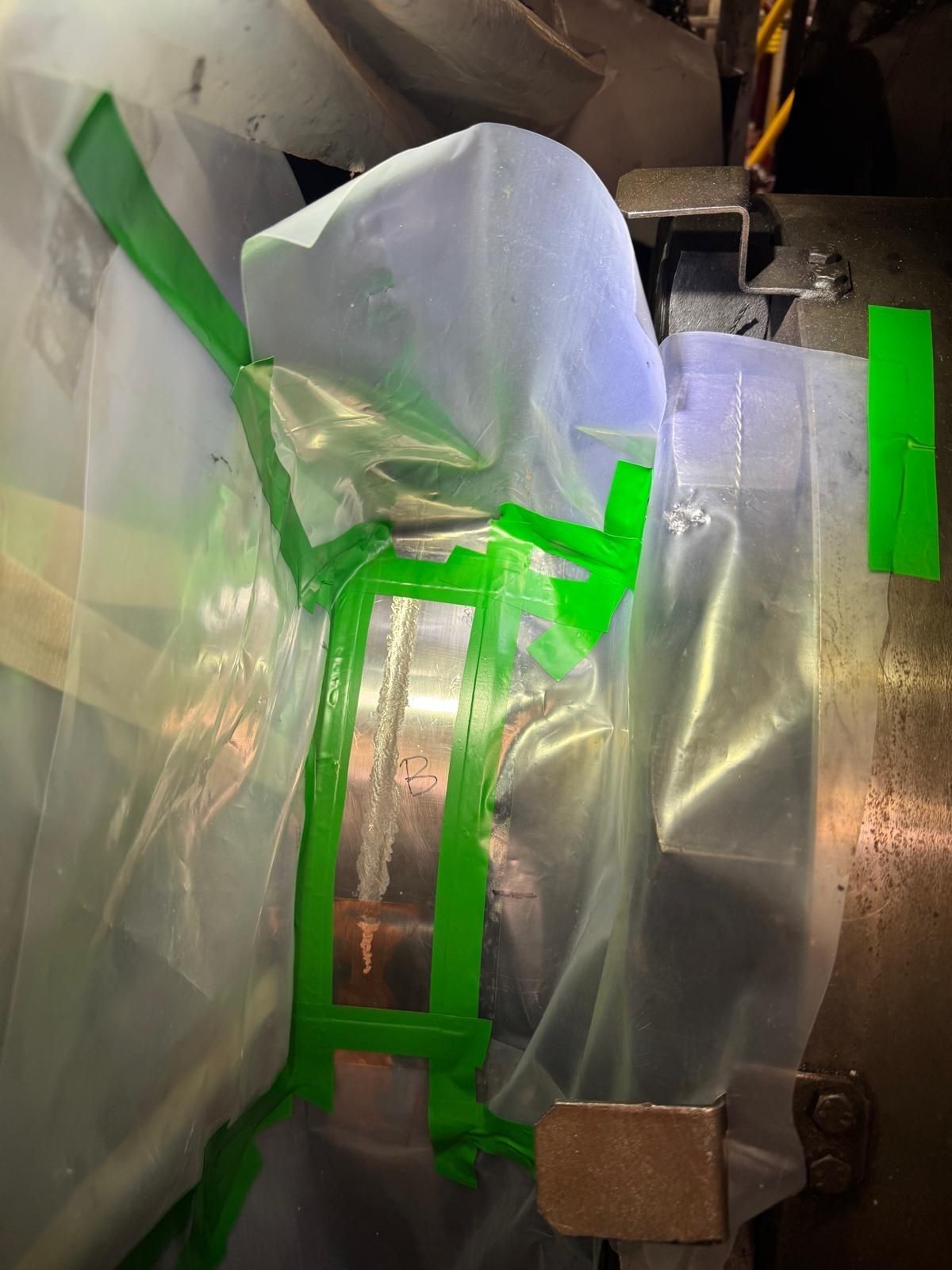
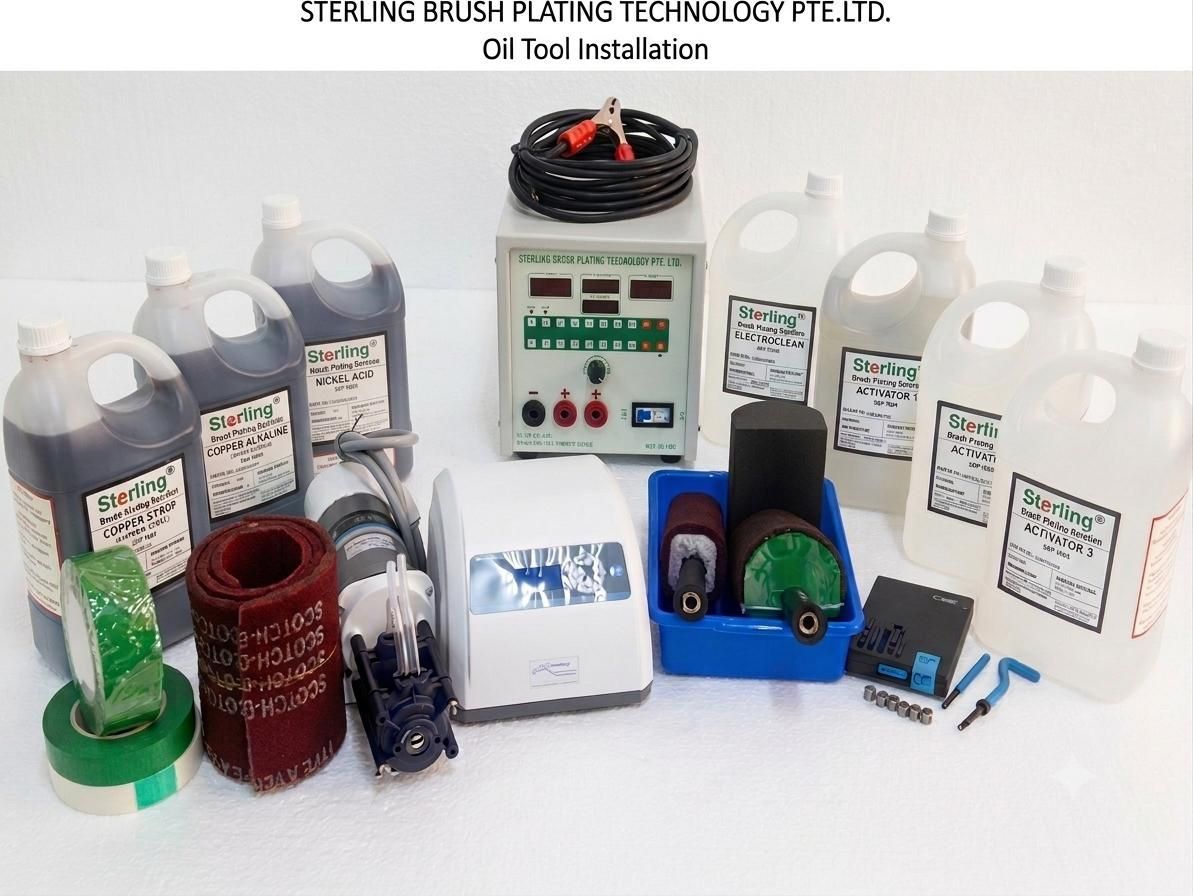
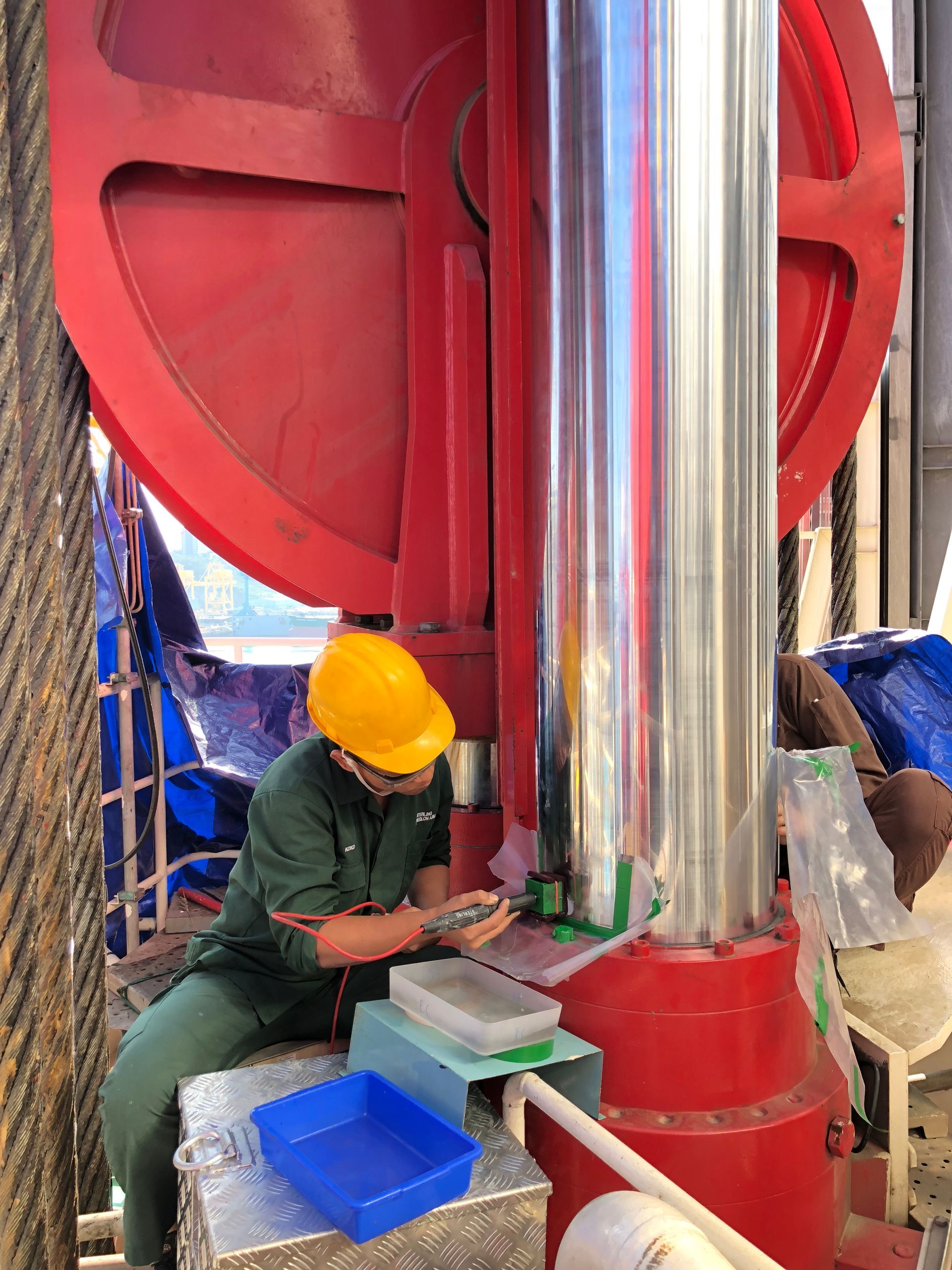
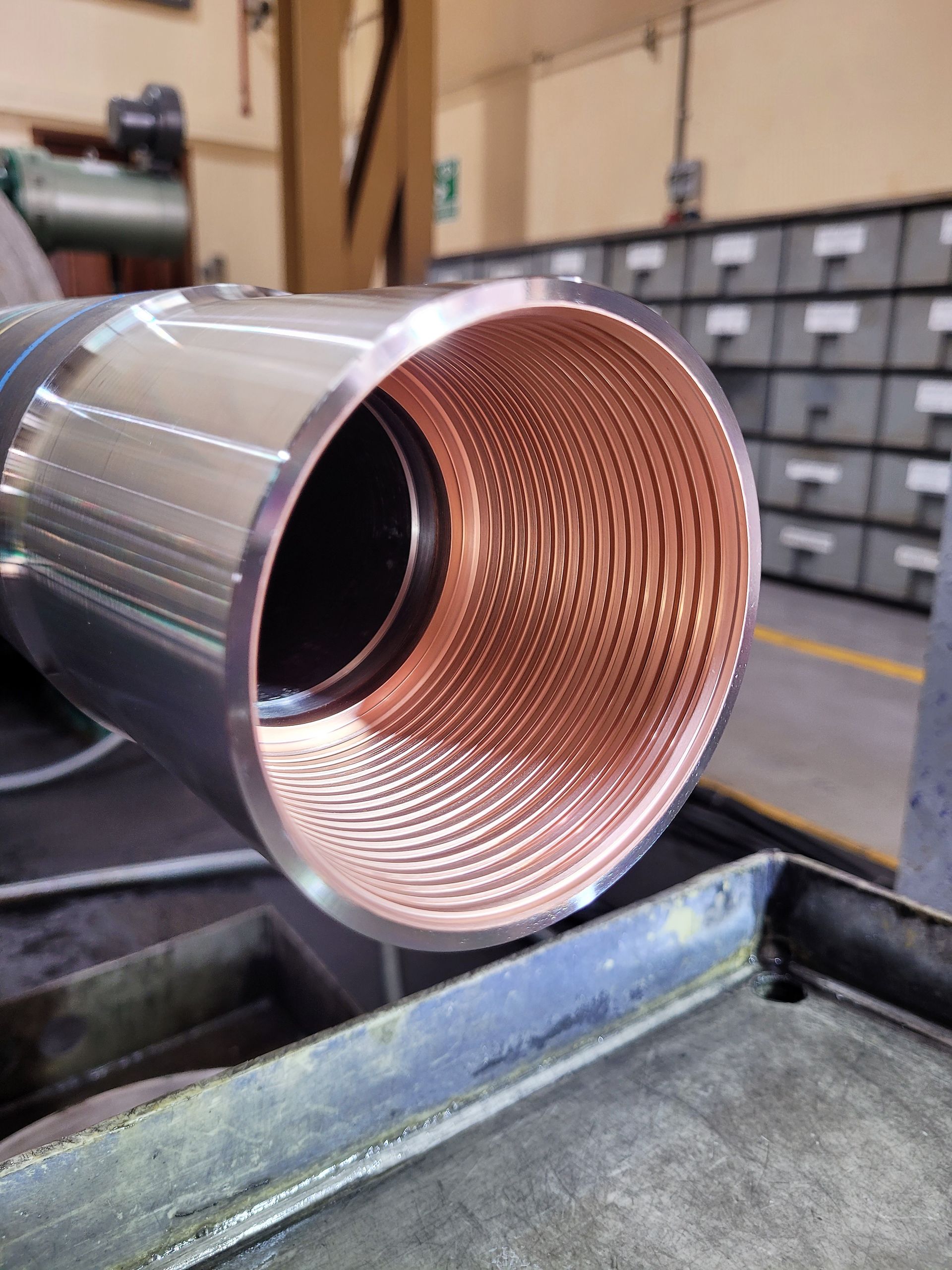
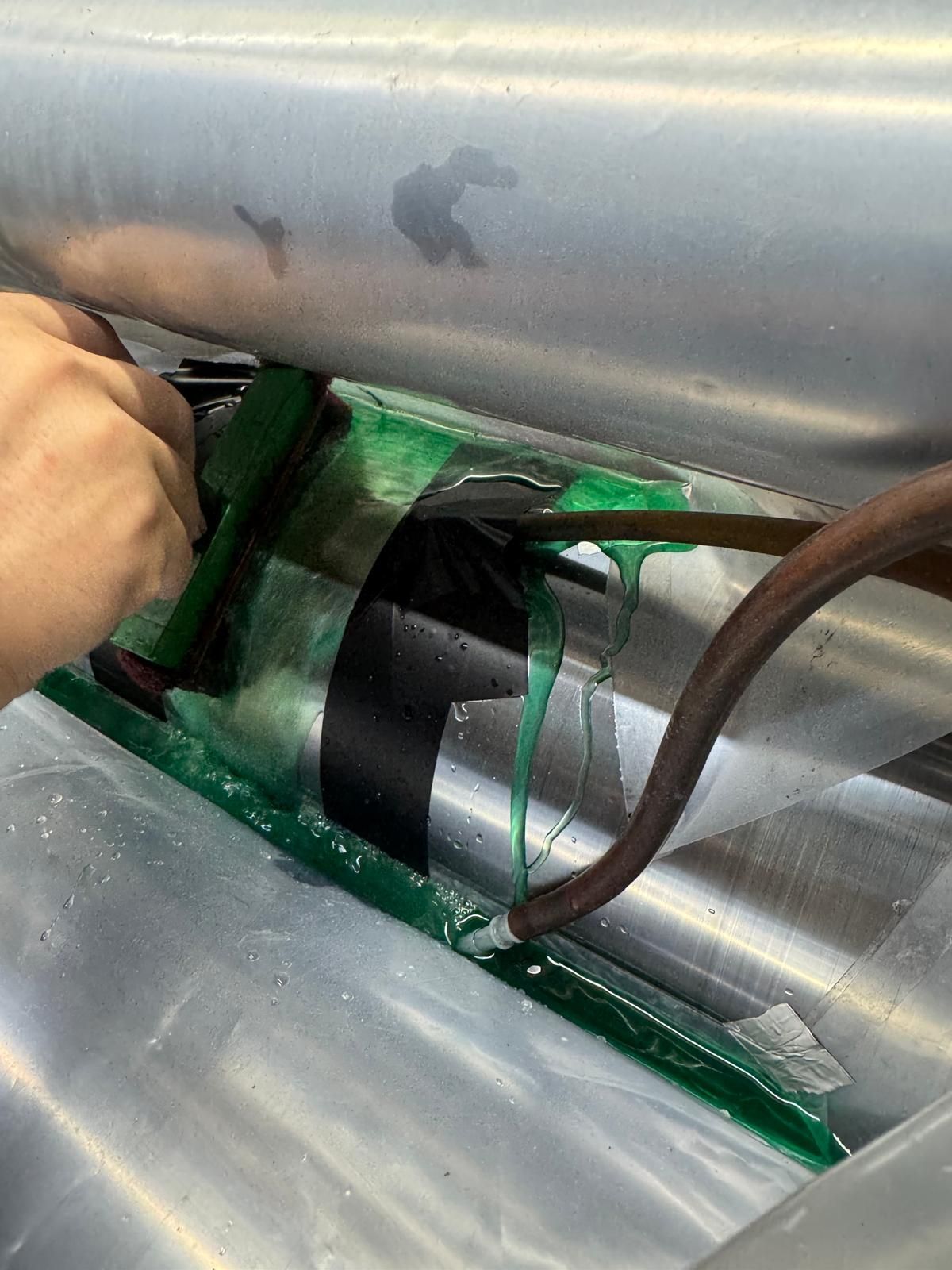
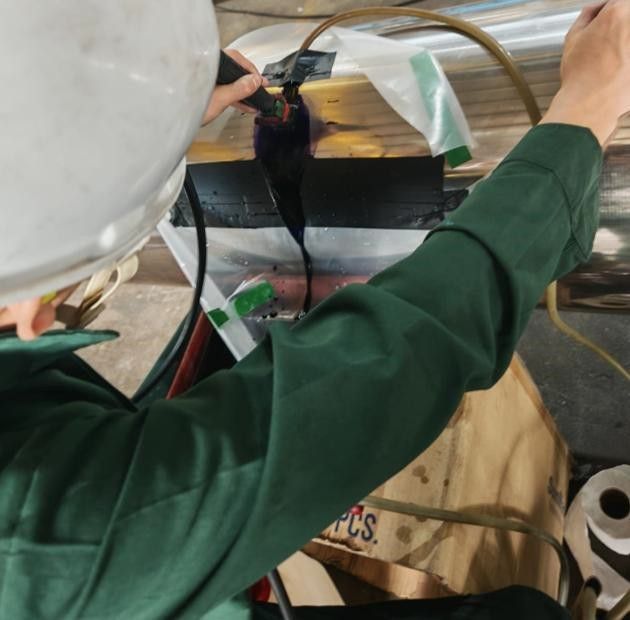
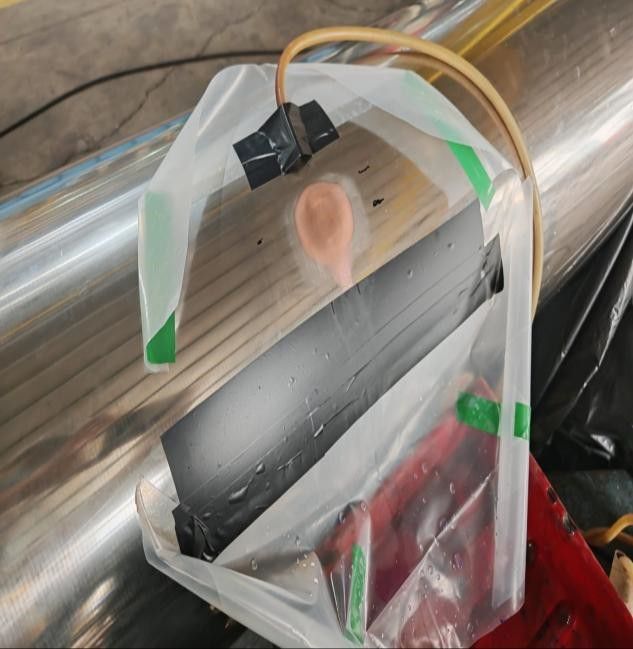
Among the leading restoration technologies is Brush Plating, a highly controlled, localized electroplating process that enables precise metal build-up directly on damaged surfaces.
At Sterling Impreglon Asia, our proprietary Brush Plating technology allows us to:
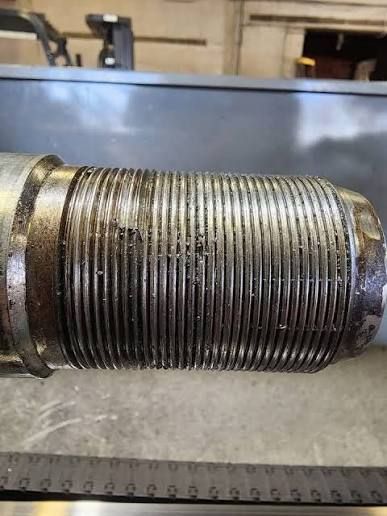
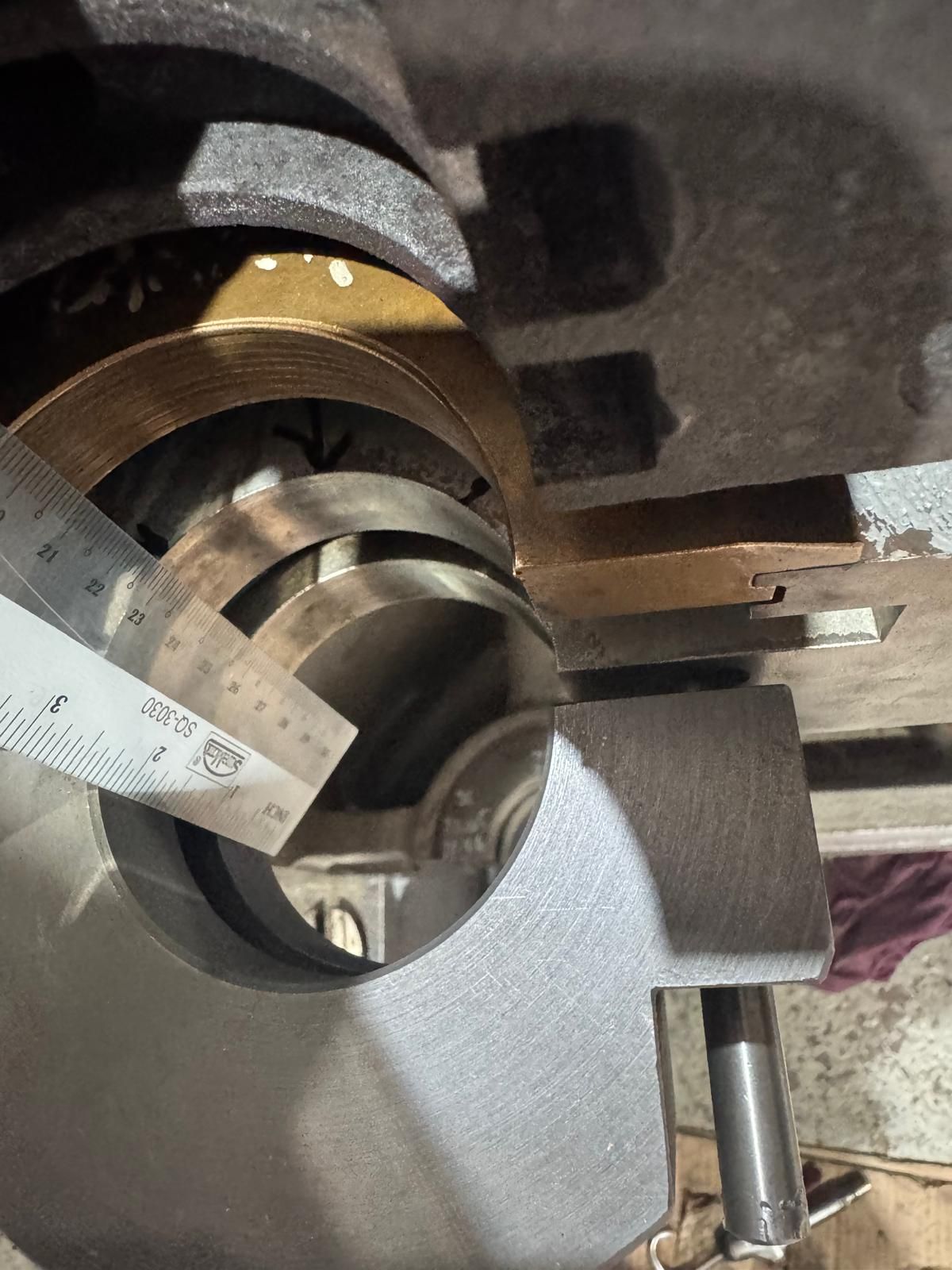
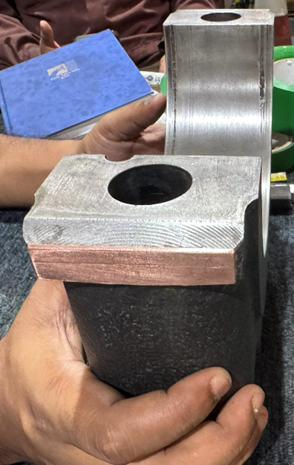
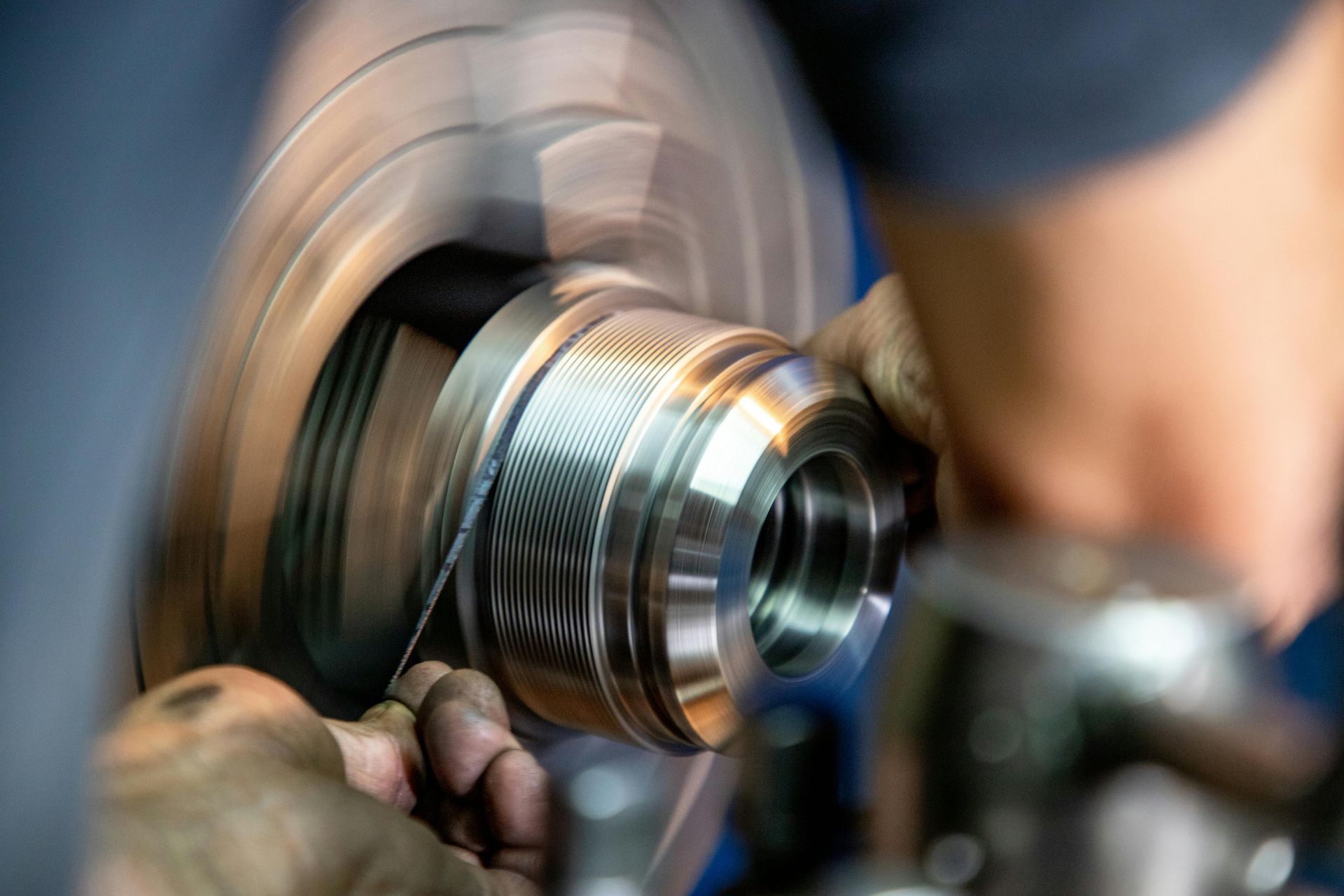
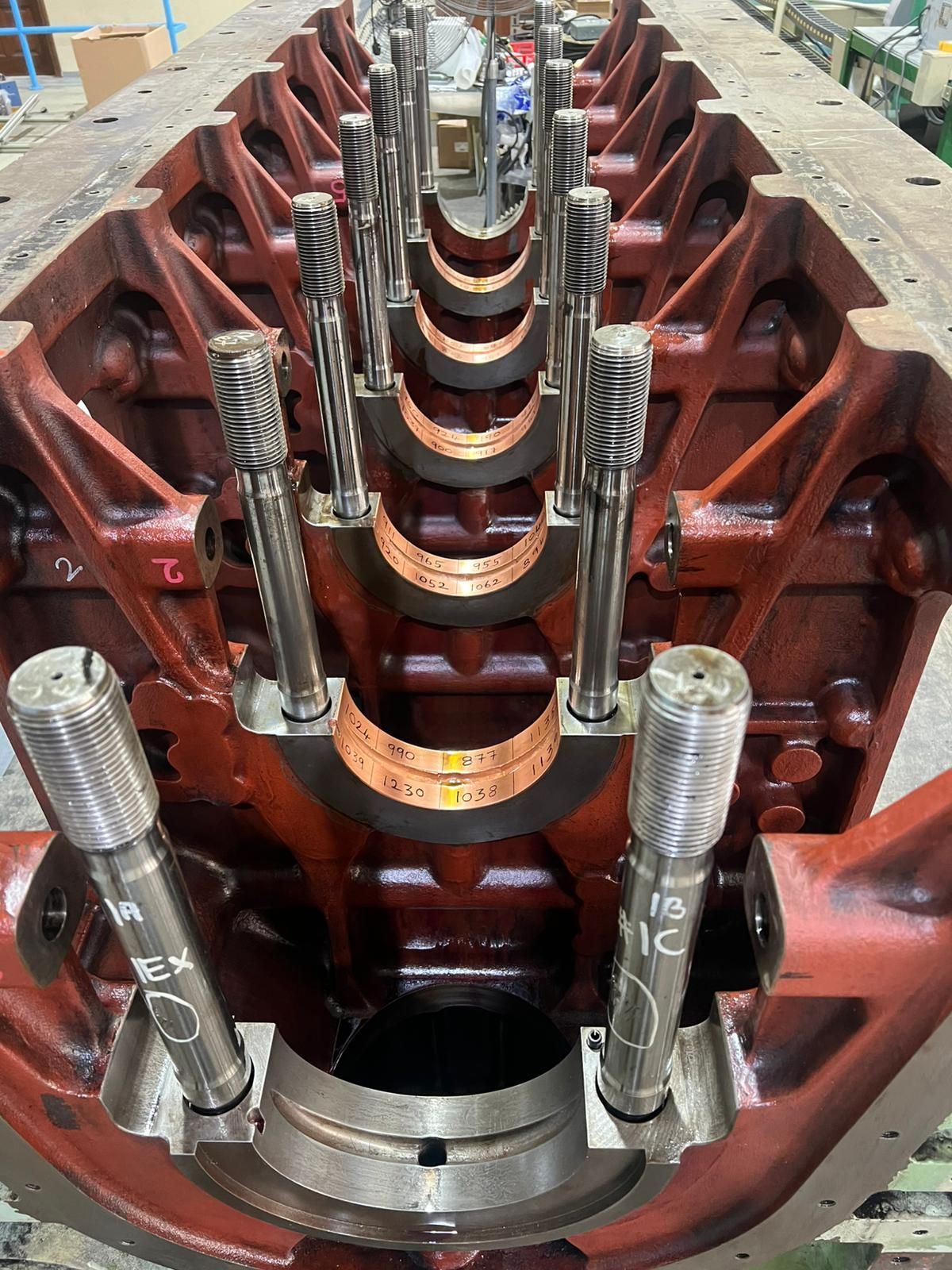
✔ Restore mechanical components such as hydraulic shafts, printing cylinders, engine parts, and bearing saddles
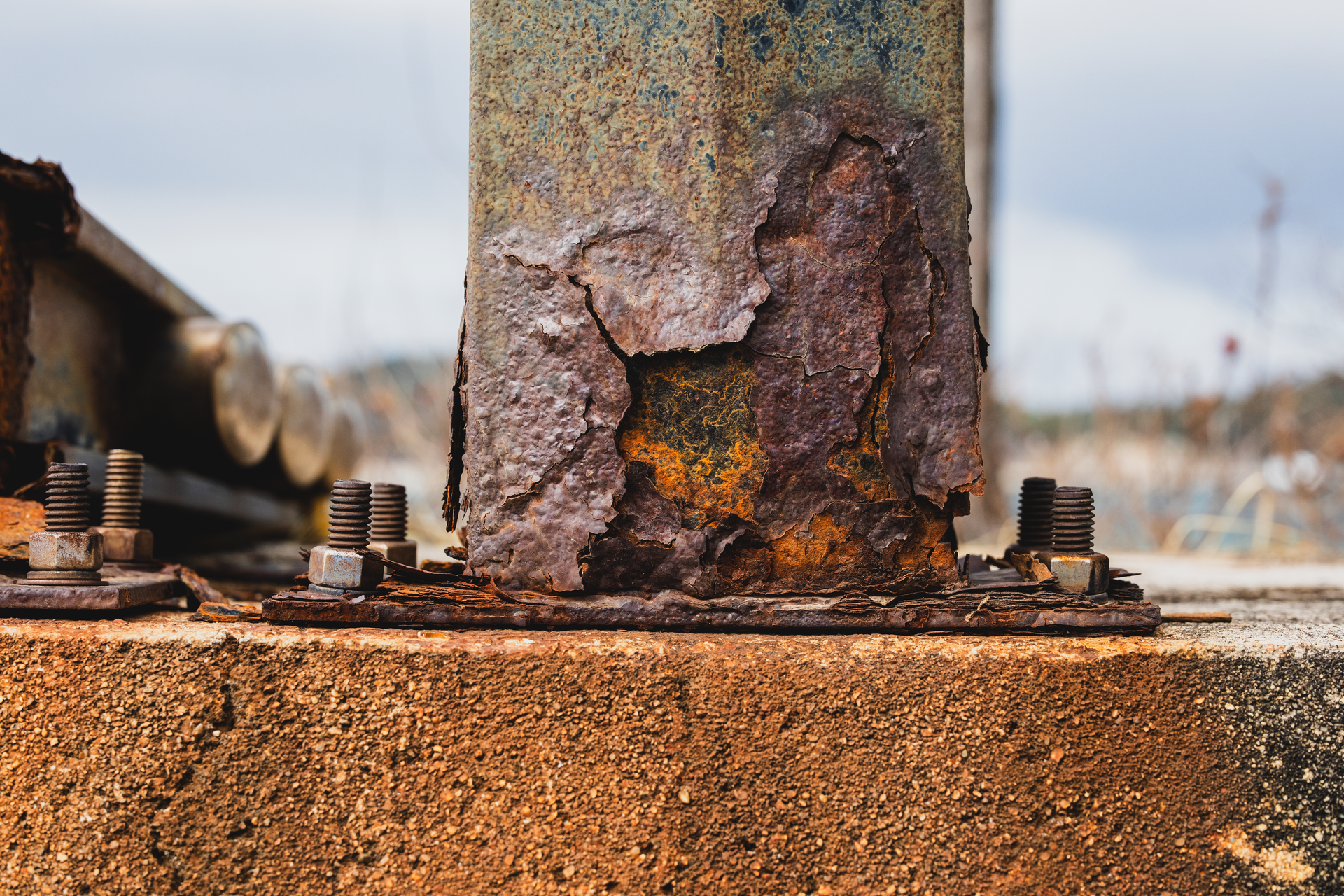
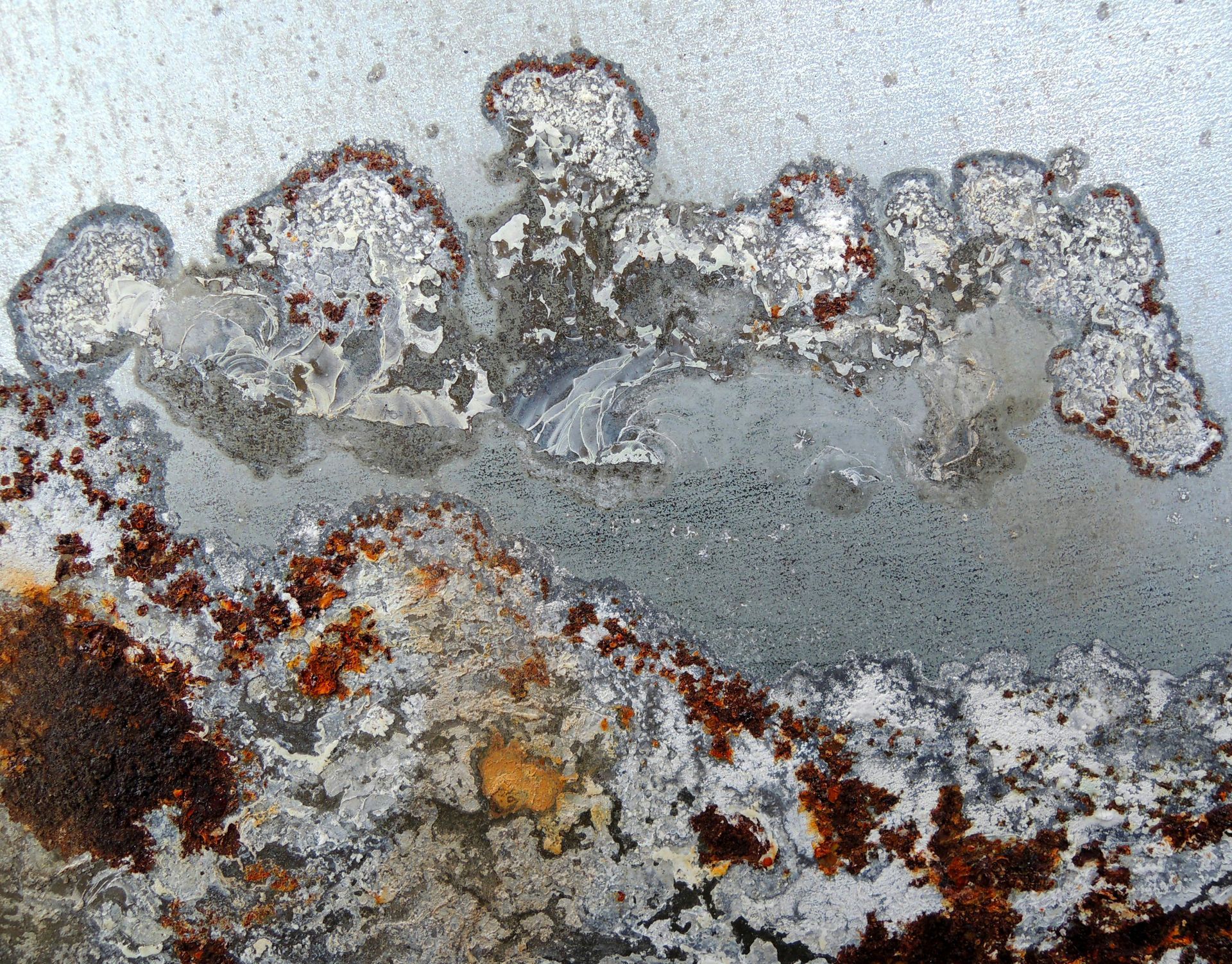
✔ Repair damage caused by wear and tear, corrosion, pitting, and scorelines
✔ Perform repairs
on-site or in our workshop, depending on operational needs
✔ Deliver strong adhesion and long-lasting durability under demanding conditions
Unlike traditional repair methods, Brush Plating focuses only on the damaged area which makes it both efficient and cost-effective.
A Strategic Advantage for Companies
For business leaders, maintenance strategies are no longer just operational decisions but rather they are strategic business decisions.
Adopting restoration technologies like Brush Plating offers clear advantages:
- Reduced operational costs without compromising quality
- Shorter downtime, leading to higher productivity
- Improved asset lifecycle management
- Greater flexibility in handling unexpected equipment failures
Organizations that embrace restoration are better positioned to remain competitive, agile, and resilient in an increasingly demanding market.
At Sterling Impreglon Asia, we are proud to be part of this transformation, helping businesses worldwide move towards a future where precision restoration keeps industries running stronger, longer, and more efficiently.