The Future of Asset Life Extension in Industrial Maintenance
Smarter Repair, Longer Equipment Life
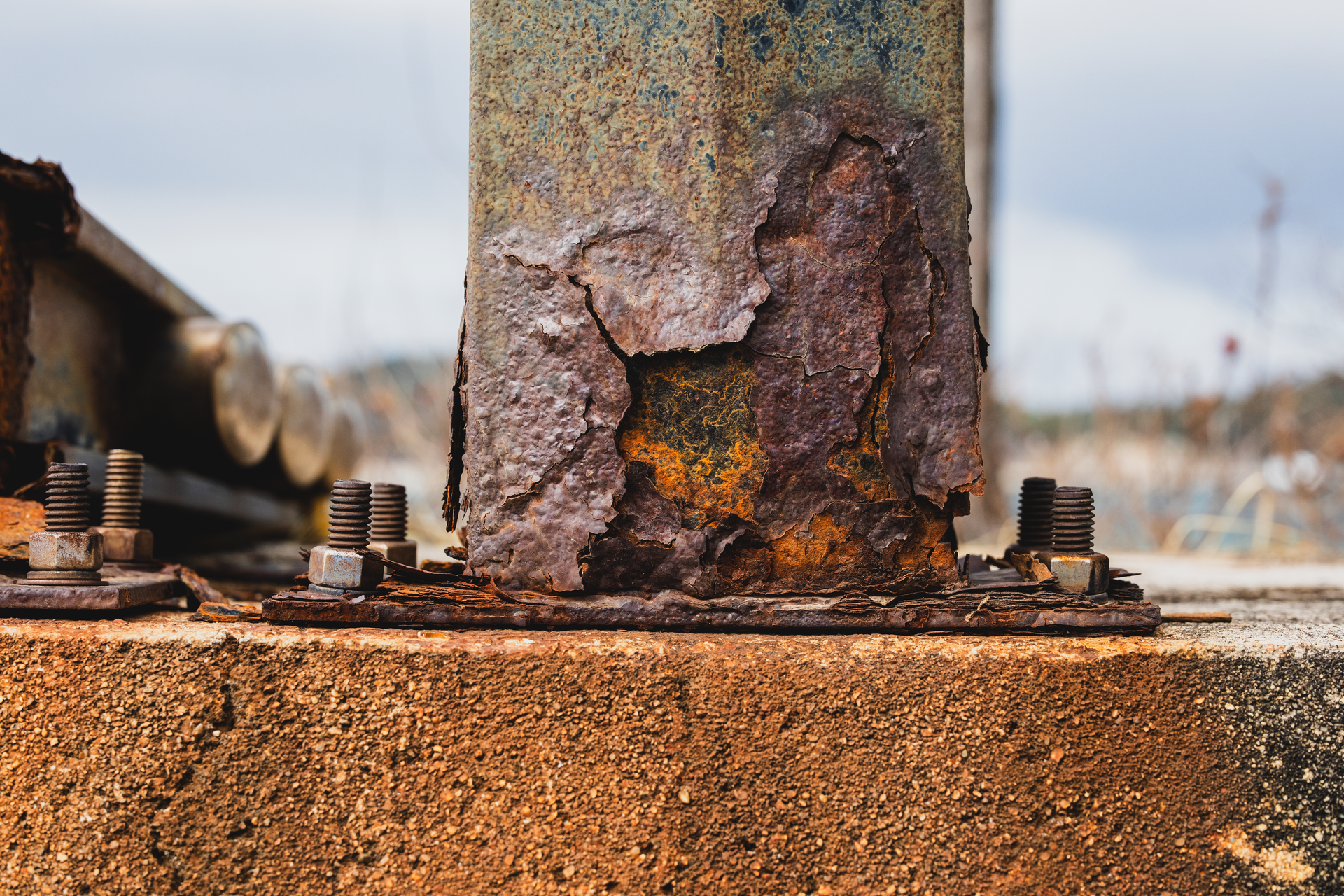
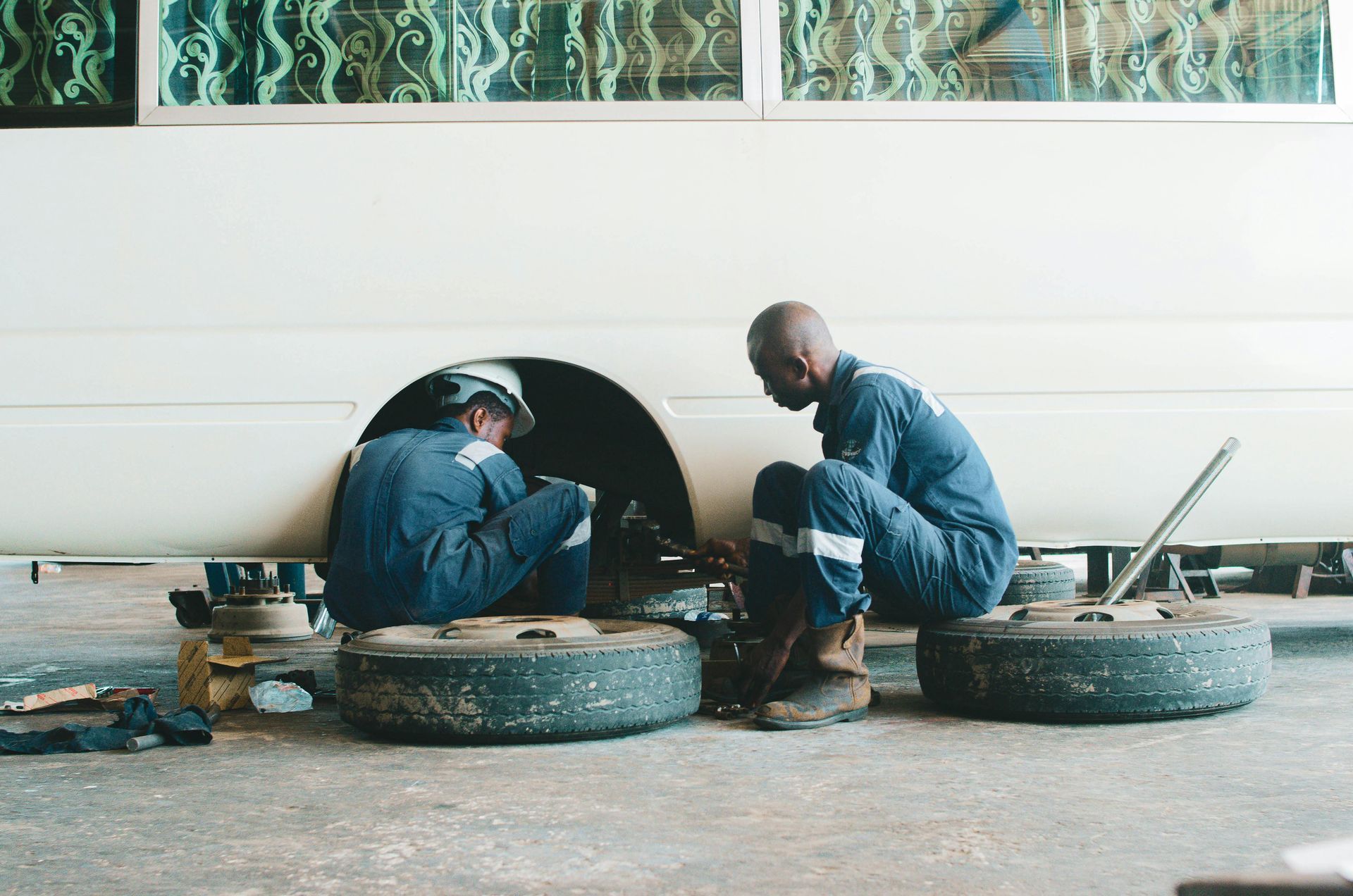
For decades, industrial maintenance has followed a familiar pattern: operate equipment until it begins to fail, repair it when necessary, and replace it when repairs are no longer practical.
However, that approach is changing.
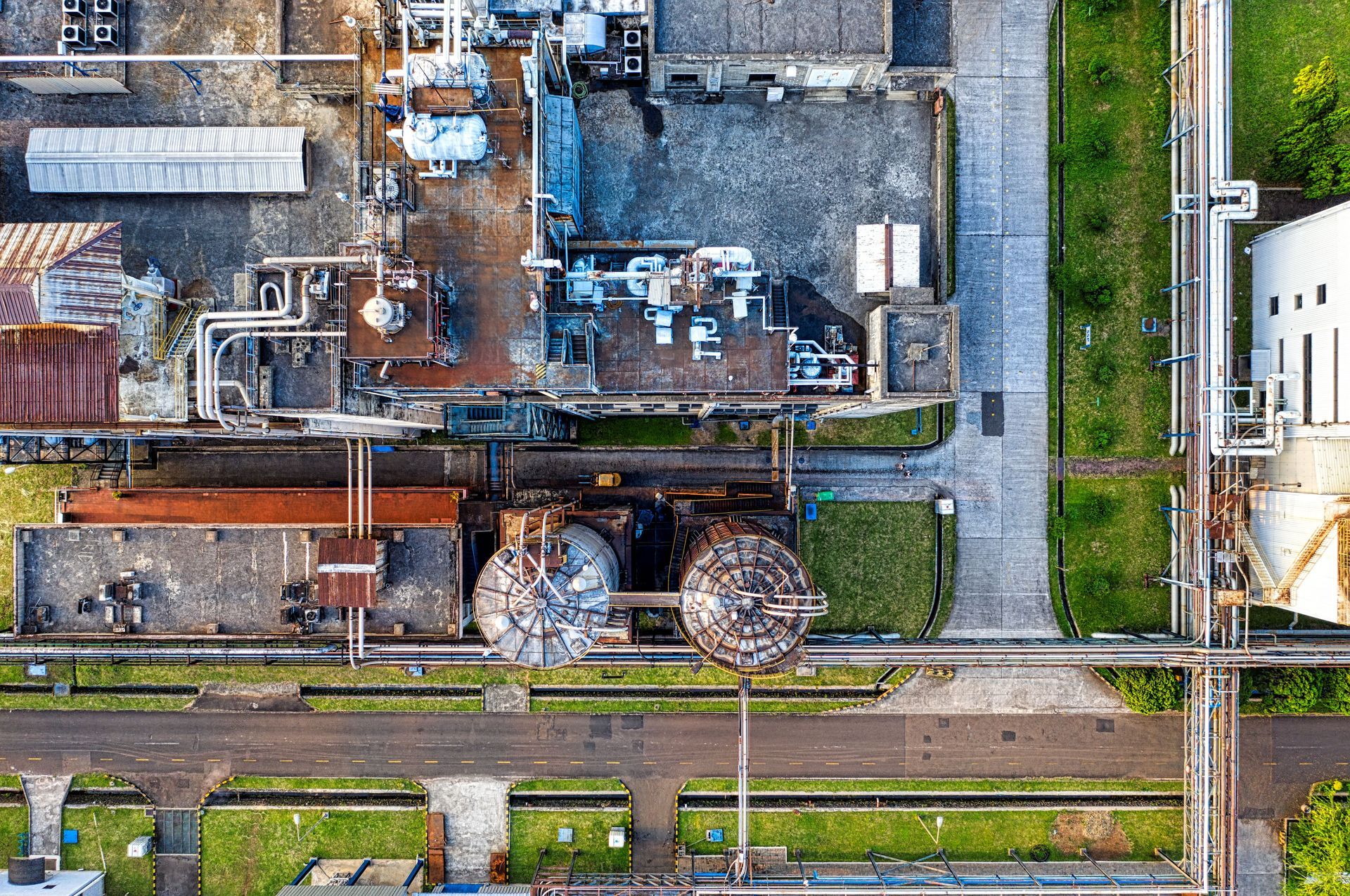
Today, manufacturers, shipyards, power plants, offshore operators, and heavy industries are shifting their focus from simply maintaining equipment to maximizing the life of every critical asset.
This change is driven by rising equipment costs, longer lead times for replacement parts, sustainability goals, and the need to keep operations running with minimal disruption. As a result, asset life extension has become one of the most important strategies in modern industrial maintenance.
What Is Asset Life Extension?
Asset life extension is the practice of restoring, repairing, and maintaining equipment so it continues to operate safely and efficiently beyond its original expected service life.
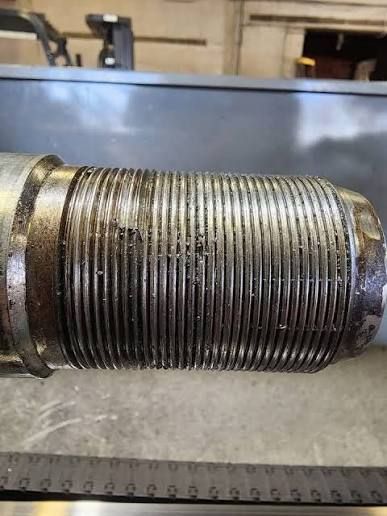
Rather than replacing expensive components at the first sign of wear, companies are investing in proven repair technologies that restore critical dimensions and performance while preserving the integrity of the original component.
The goal is simple:
Maximize equipment reliability while minimizing maintenance costs and downtime.
Why the Industry Is Changing?
Several factors are accelerating the move towards asset life extension.
1. Rising Equipment Costs
Replacing large mechanical components such as shafts, hydraulic rods, printing cylinders, bearing housings, engine components, and gearboxes has become significantly more expensive.
Many organizations are finding that restoring existing components offers a far better return on investment.
2. Longer Delivery Times
Global supply chain disruptions have increased lead times for replacement parts. Waiting weeks or even months for a new component is often not an option when production depends on that equipment.
3. Minimizing Downtime
Every hour of unplanned downtime affects productivity, delivery schedules, and profitability. Repair technologies that can quickly restore components help businesses resume operations much faster than waiting for replacements.
4. Sustainability and ESG Goals
Many companies are now committed to reducing waste, lowering carbon emissions, and extending the useful life of industrial assets. Repairing equipment instead of replacing it supports these objectives while reducing overall lifecycle costs.
5. Repair Is No Longer a Temporary Fix
In the past, repairs were sometimes viewed as short-term solutions. That perception has changed dramatically.
Modern repair technologies can restore worn or damaged surfaces with exceptional precision and durability.
When performed correctly, repaired components can continue to deliver reliable performance for many years.
This is why industries around the world increasingly regard restoration as a planned maintenance strategy rather than an emergency measure.
The Role of Brush Plating Technology
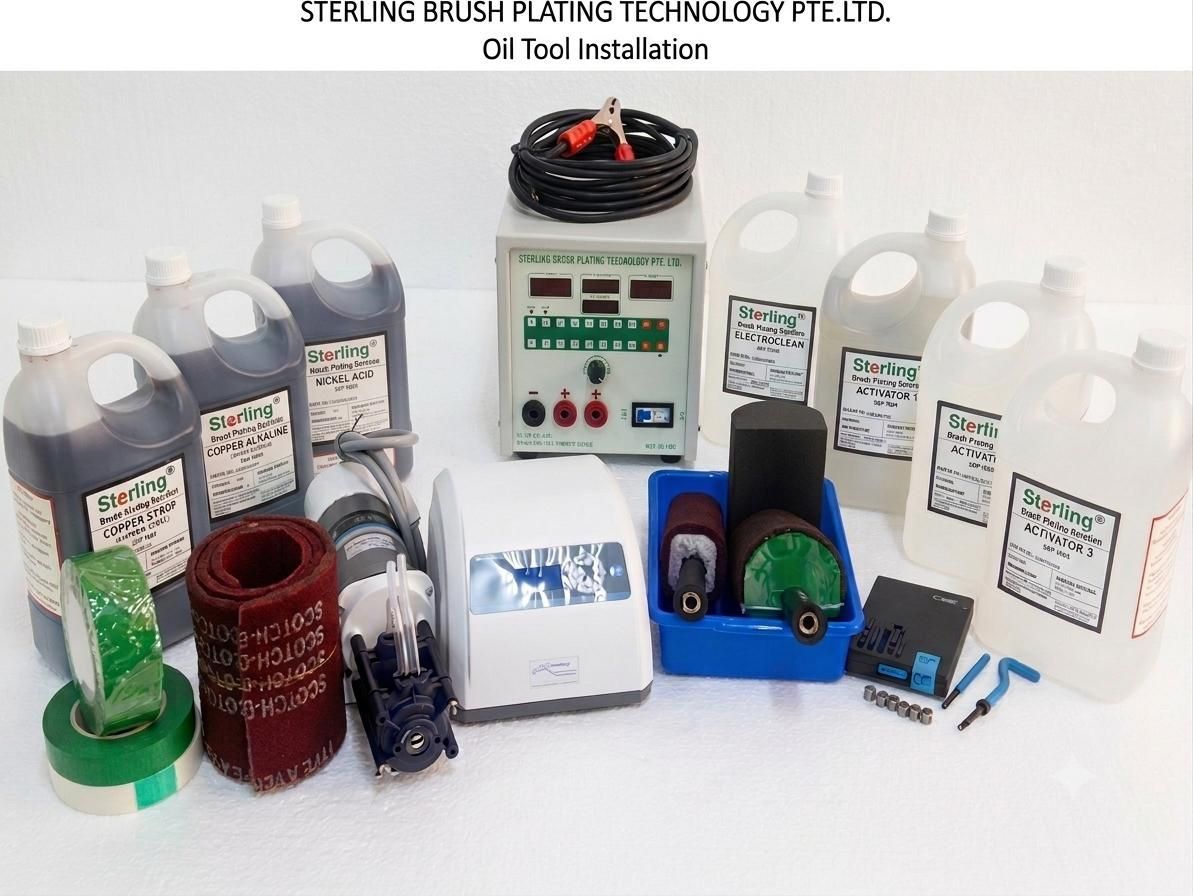
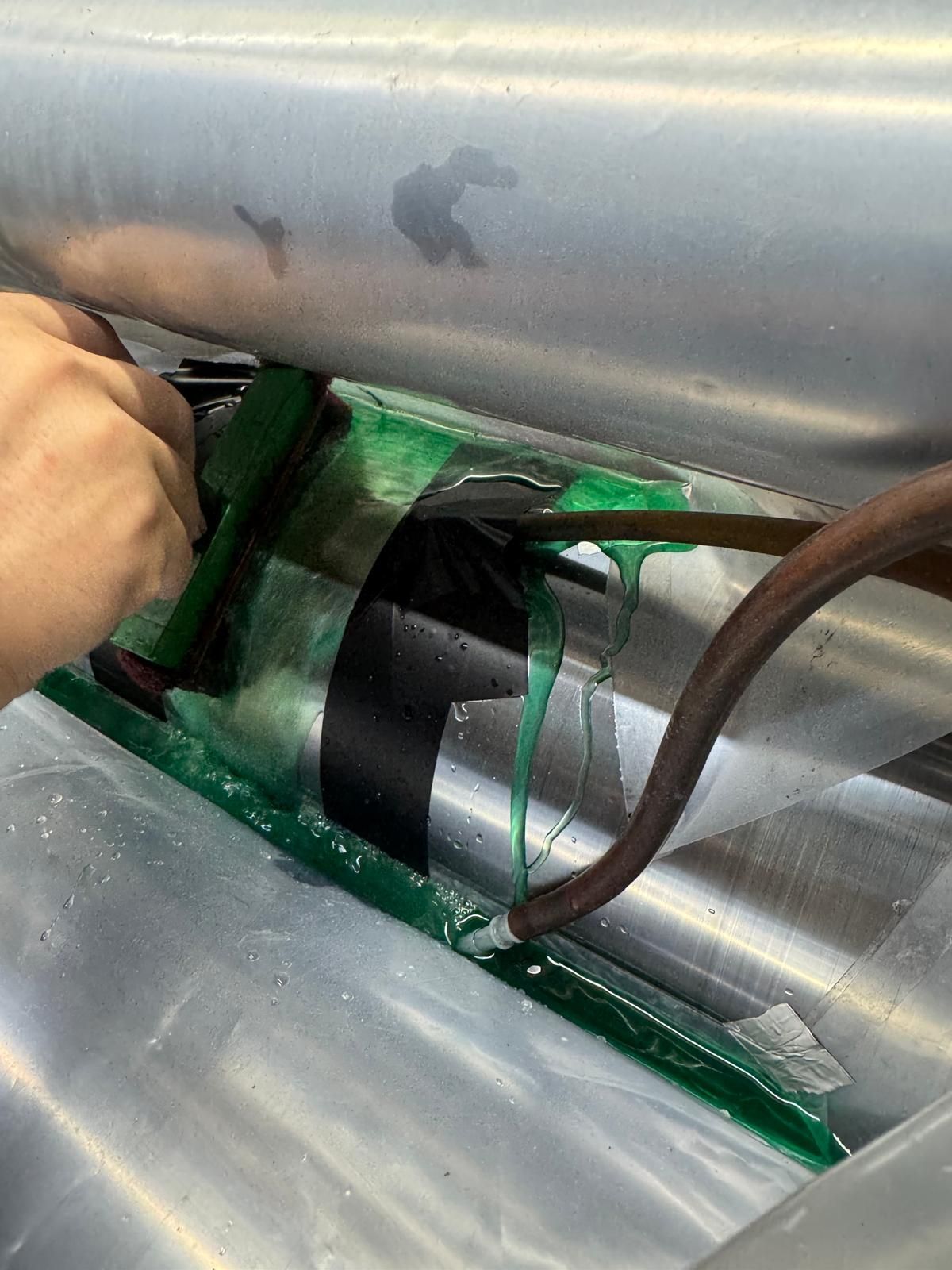
One technology helping drive this transformation is Brush Plating.
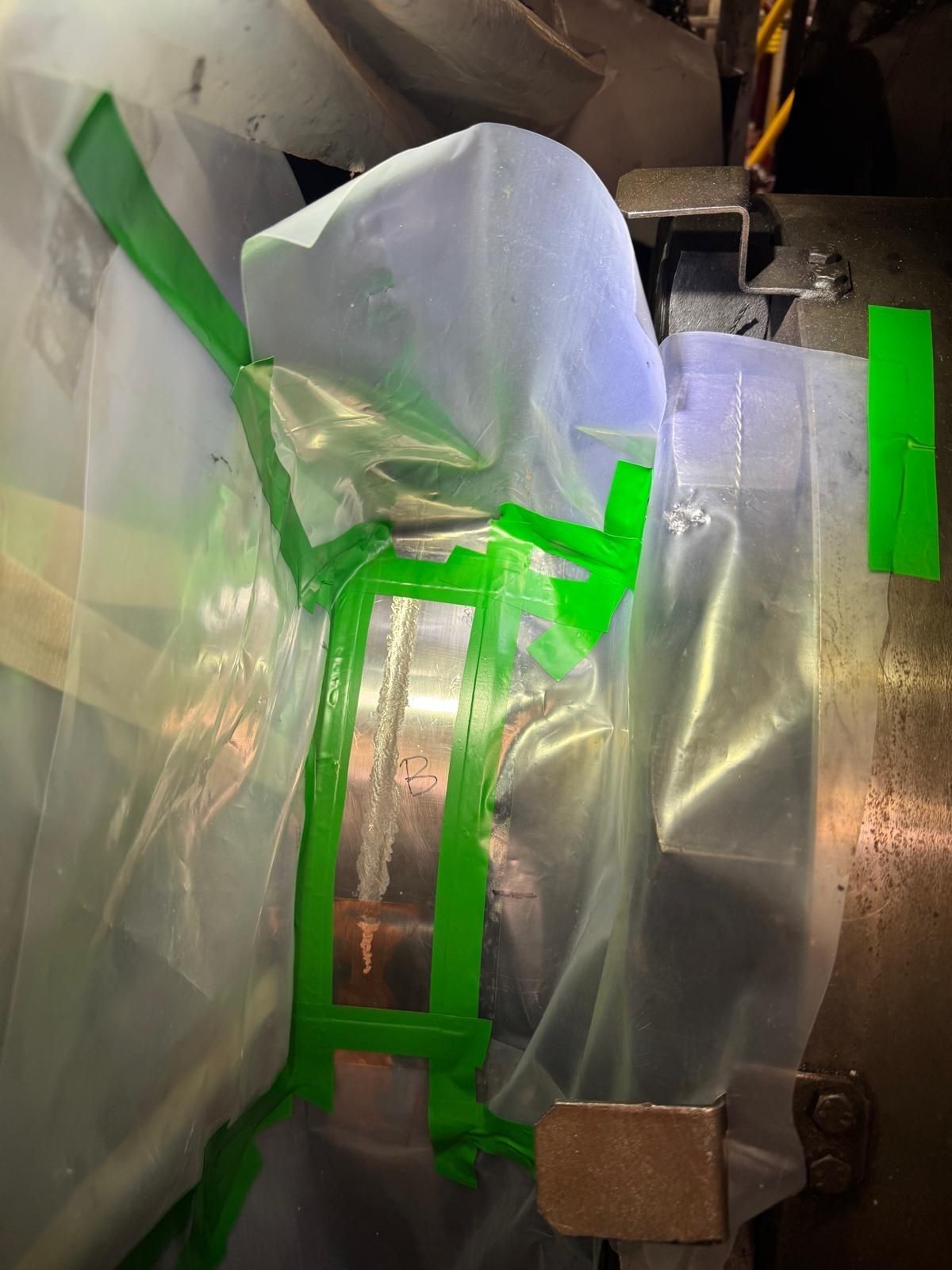
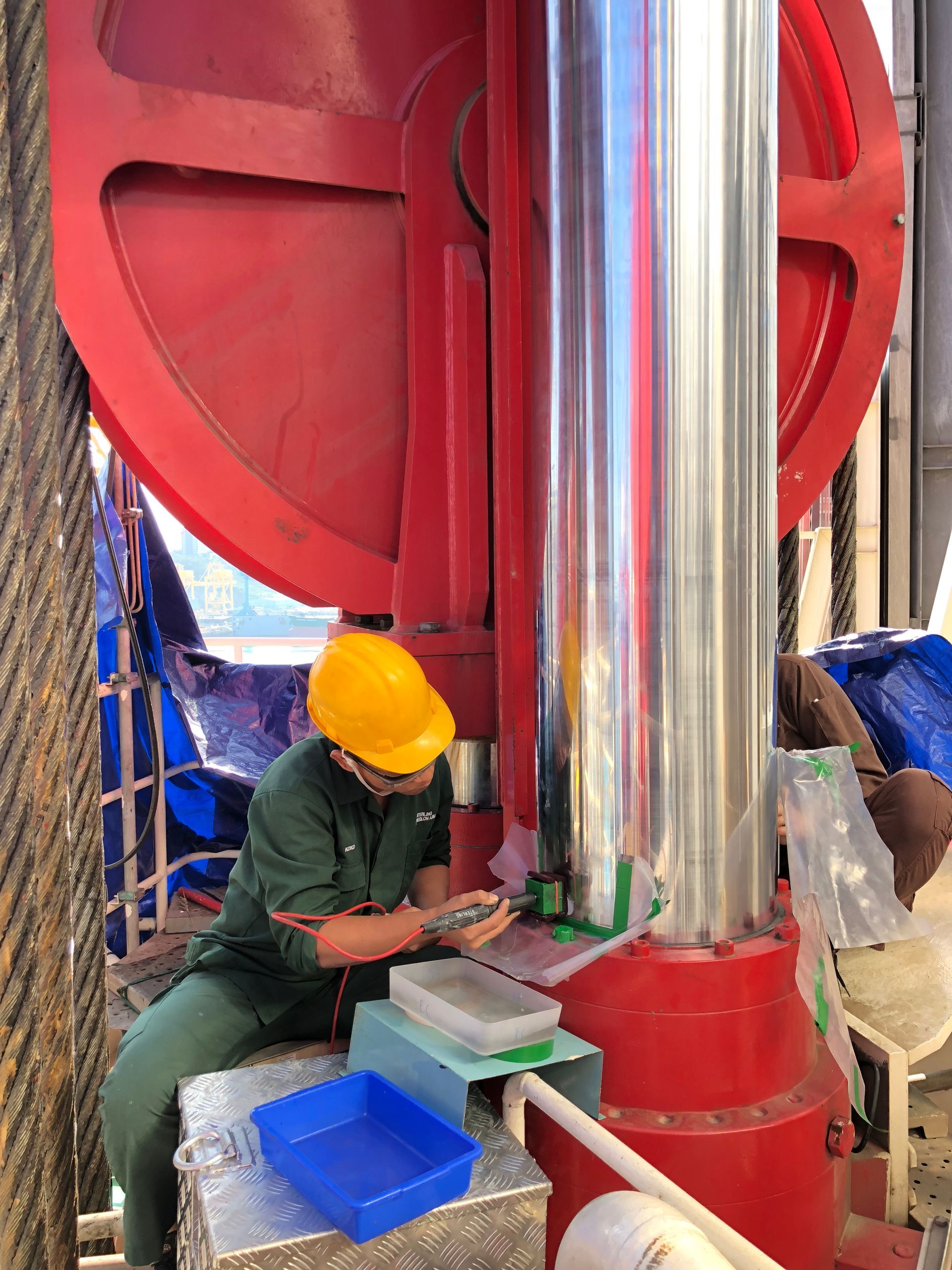
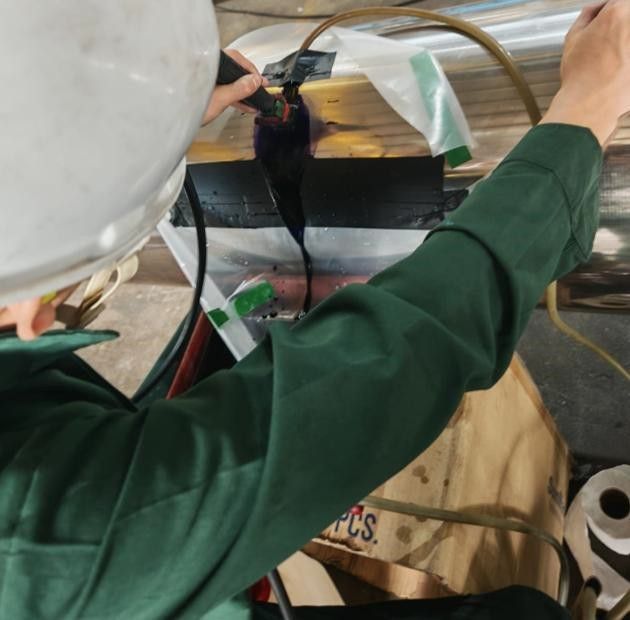
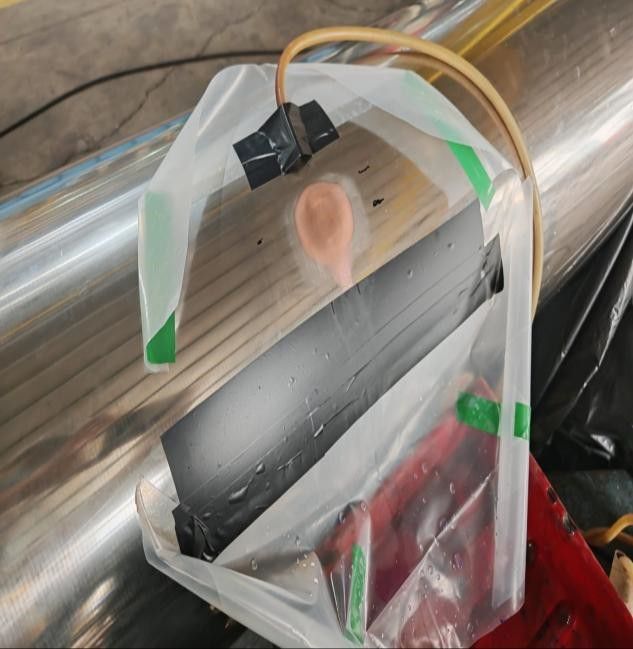
Unlike conventional repair methods that may require extensive machining, welding, or complete replacement, Brush Plating allows metal to be deposited precisely where it is needed.
This localized repair process offers several advantages:
- Restores worn dimensions with high precision
- Produces excellent adhesion to the base material
- Introduces minimal heat, reducing the risk of distortion
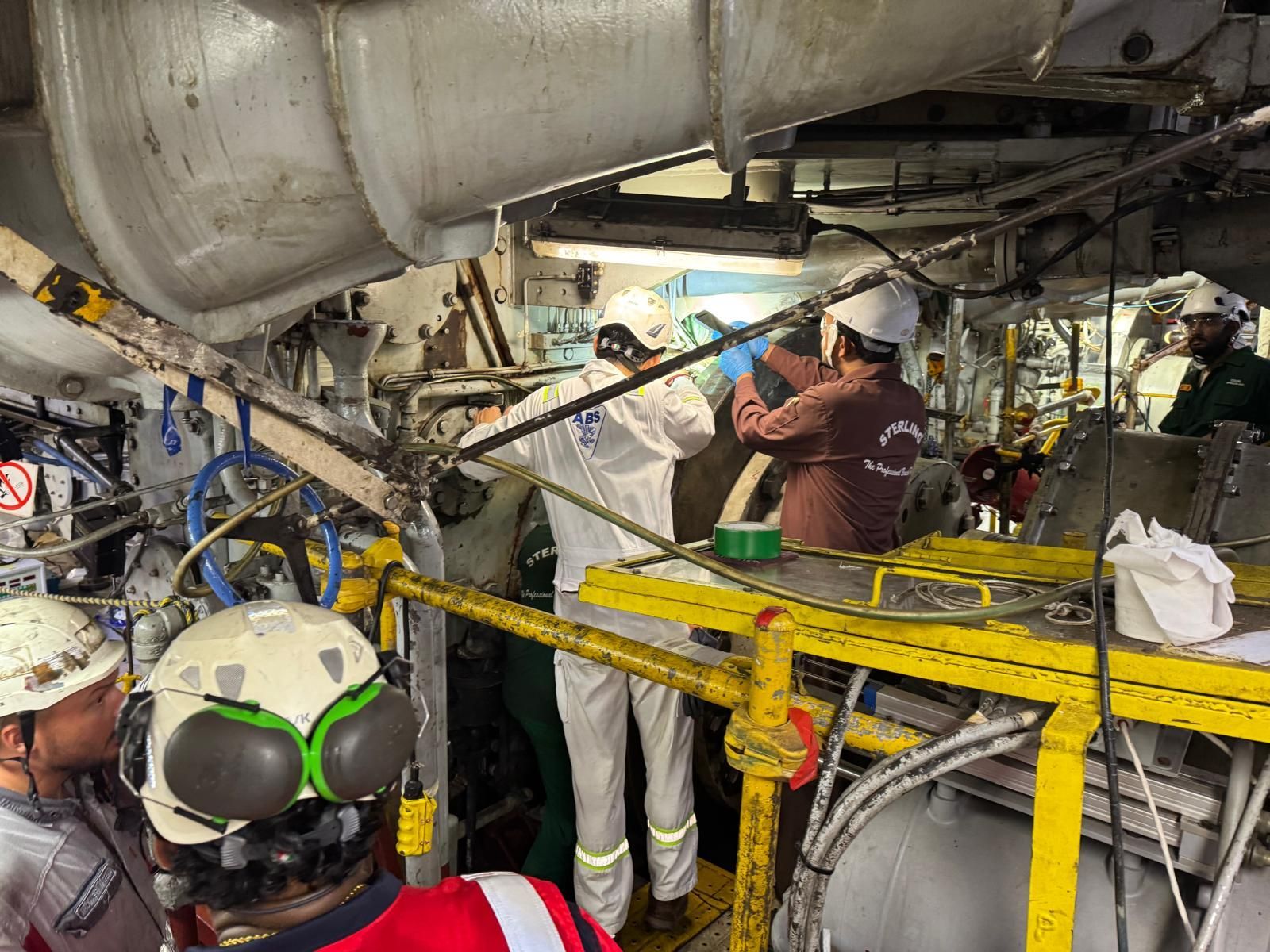
- Can often be performed on-site, minimizing equipment removal
- Reduces repair time and operational downtime
- Extends the service life of valuable components
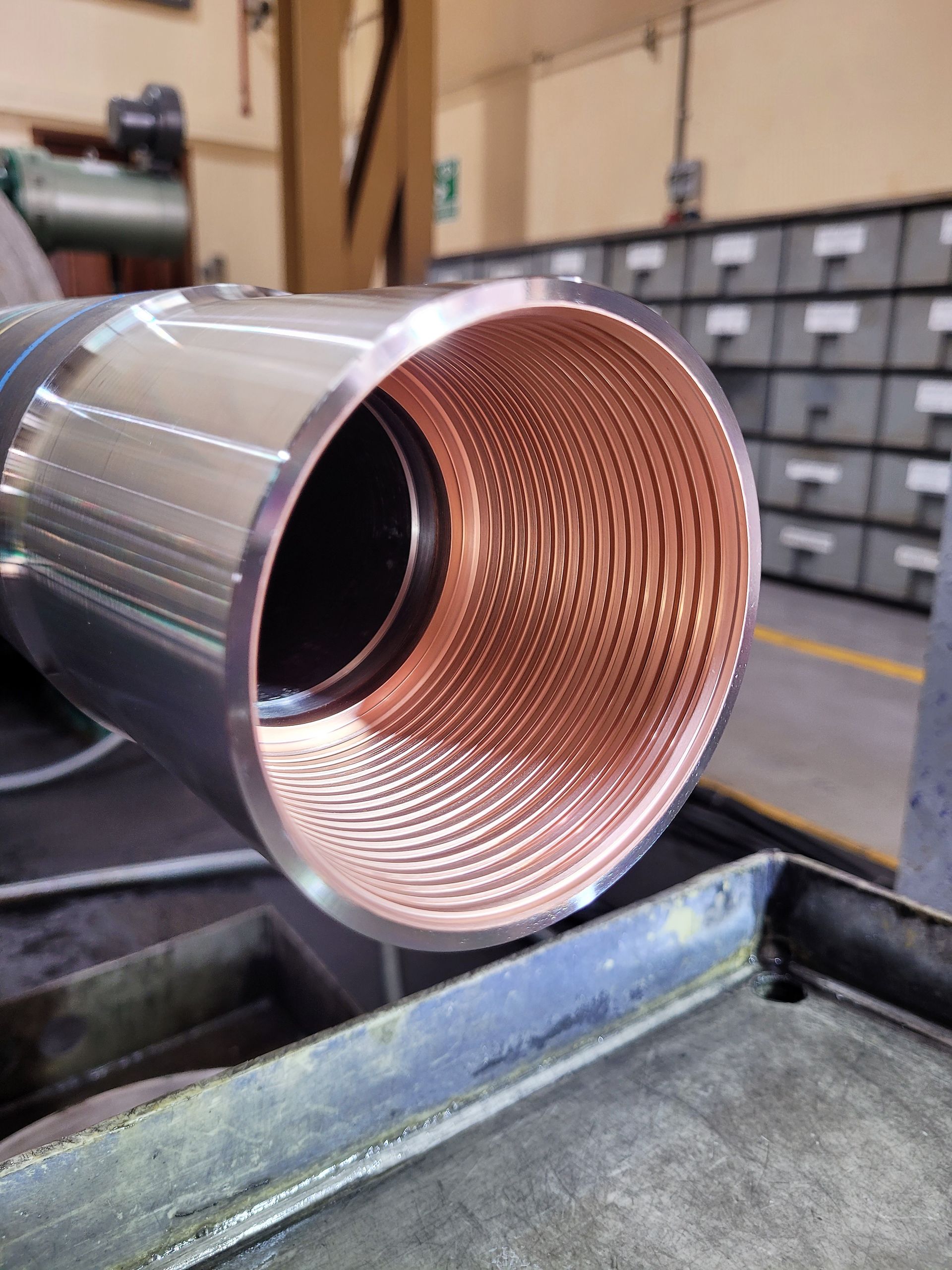
Brush Plating has become an effective solution for repairing:
- Hydraulic rods and cylinders
- Shafts and journals
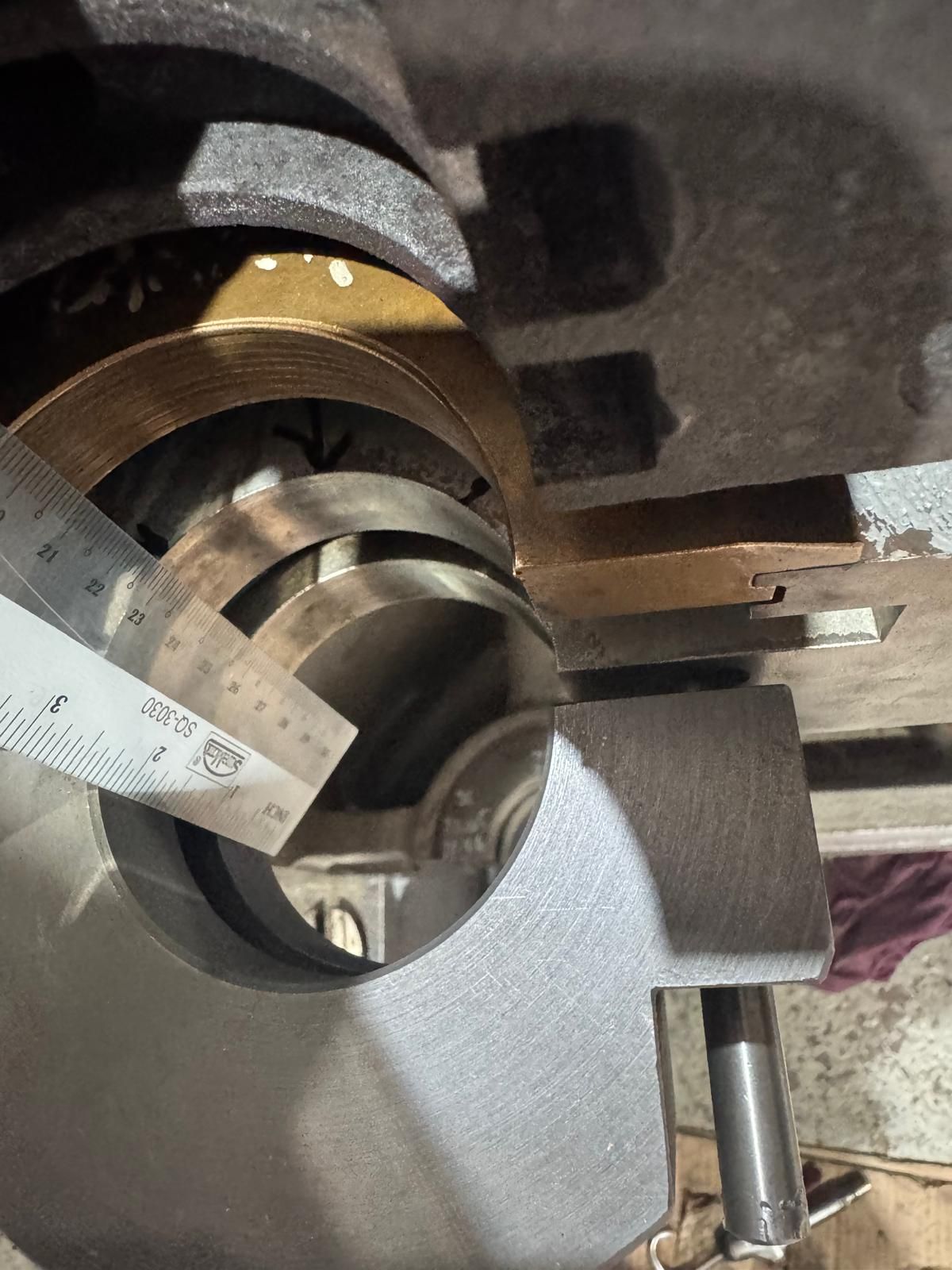
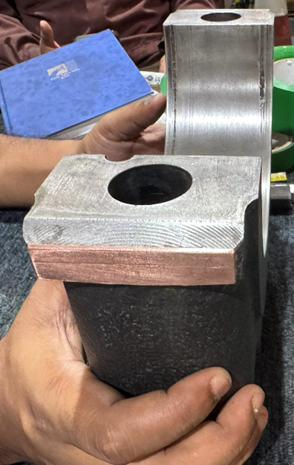
- Bearing housings
- Printing cylinders
- Marine engine components
- Gearbox components
- Industrial rollers
- Heavy equipment parts
By restoring rather than replacing these components, businesses can achieve significant savings while maintaining equipment reliability.
Looking Beyond Reactive Maintenance
The future of industrial maintenance lies in proactive decision-making.
Instead of waiting for equipment to fail, forward-thinking organizations are identifying wear at an early stage and carrying out planned repairs before minor defects develop into major failures.
This approach helps:
- Reduce emergency breakdowns
- Improve equipment availability
- Extend maintenance intervals
- Lower total lifecycle costs
- Increase operational efficiency
Asset life extension is no longer simply about fixing equipment, it is about protecting productivity.
Final Thoughts
The future of industrial maintenance is no longer centered on replacing equipment whenever damage occurs.
It is about making smarter maintenance decisions that improve reliability, reduce costs, minimize downtime, and support long-term sustainability.
Asset life extension is becoming a key part of that strategy. By embracing advanced repair technologies such as Brush Plating, companies can protect critical equipment, maximize their investments, and keep operations running efficiently for years to come.
At Sterling Impreglon Asia, we are proud to support industries in this transition, helping customers restore today, perform tomorrow, and build a more sustainable future for industrial maintenance.