The True Cost of Part Replacement
What the Invoice Doesn't Show You
When a component wears out, the cost that gets budgeted for is usually just one number: the price of the new part. But that number is rarely the real cost of replacement. By the time a replacement part is sourced, shipped, and installed, several other costs have quietly stacked on top of it and most of them never show up on the purchase order.
Here's a closer look at where those costs actually come from, and how they compare to the cost profile of a Brush Plating repair.
Cost 1: The Part Itself
This is the only cost most budgets account for upfront. But even here, there's often more to it than the sticker price:
- OEM parts frequently carry a premium over the cost of the raw materials and labor involved
- Older or specialized equipment may only have limited suppliers, reducing your negotiating leverage
- Discontinued components may require custom fabrication, at a significantly higher cost than a standard part
Cost 2: Freight and Logistics
Getting the part from the supplier to your site is rarely simple, and rarely cheap:
- Standard freight can take days to weeks, depending on origin and destination
- Expedited or air freight, often necessary when a component is urgently needed, can cost multiples of standard shipping
- Customs, duties, and handling fees add further cost, particularly for cross-border shipments
- Damage or loss in transit, while uncommon, adds real risk to the timeline
For companies operating in Asia sourcing parts from OEMs overseas, this leg of the process alone can extend the timeline by weeks.
Cost 3: Lead Time and Idle Equipment
This is usually the largest cost, and the one least visible on paper. While a replacement part is being sourced and shipped, the equipment it belongs to is typically out of service.
Idle equipment is not a neutral cost. Depending on the operation, it can mean:
- Lost production output
- Vessels unable to sail or operate at capacity
- Contractual penalties for missed deadlines or delayed delivery
- Idle labour - staff and crew unable to perform their normal work
These costs accumulate for every day the equipment is down, regardless of how efficiently the part itself is sourced.
Cost 4: Installation and Labor
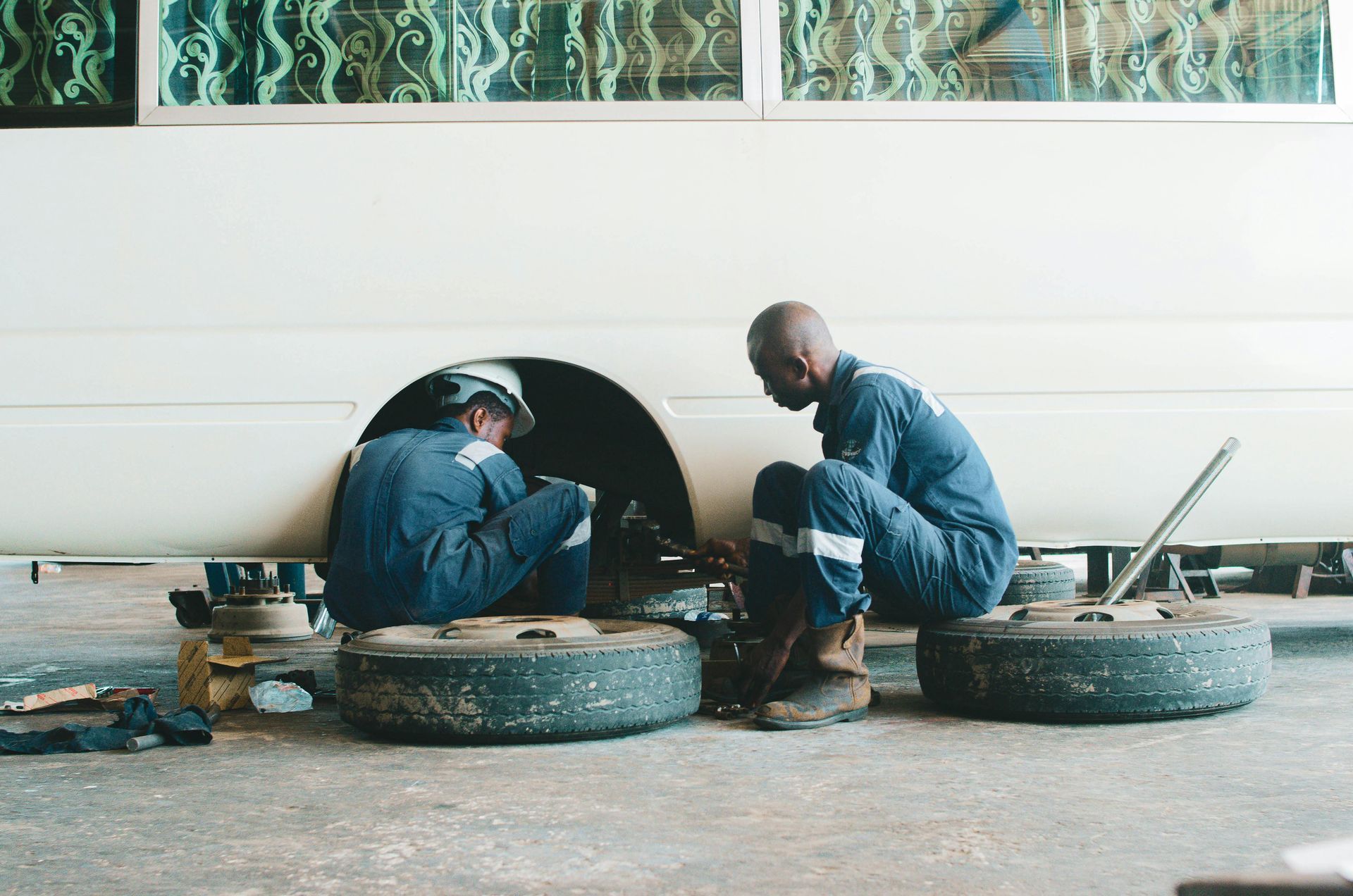
Once the new part finally arrives, it still needs to be installed which, depending on the component, can mean specialized labor, equipment access, alignment work, or even partial disassembly of surrounding machinery. This adds further time and cost on top of everything already spent.
Cost 5: Risk and Uncertainty
Beyond the direct costs, replacement carries risks that are harder to price but very real:
- Availability risk — the part may be back-ordered, discontinued, or unavailable in the required timeframe
- Compatibility risk — a replacement part may differ slightly from the original, particularly for older equipment
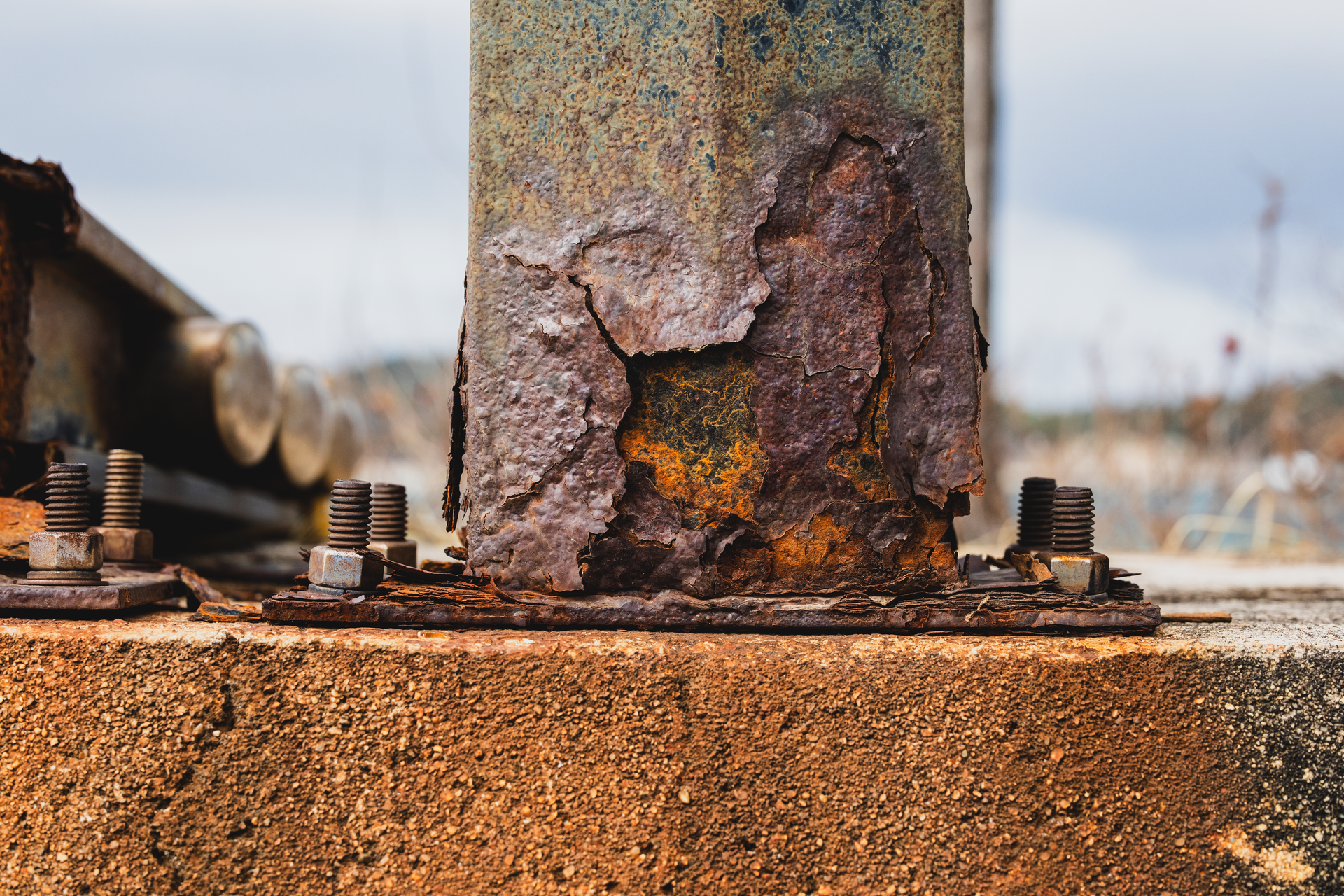
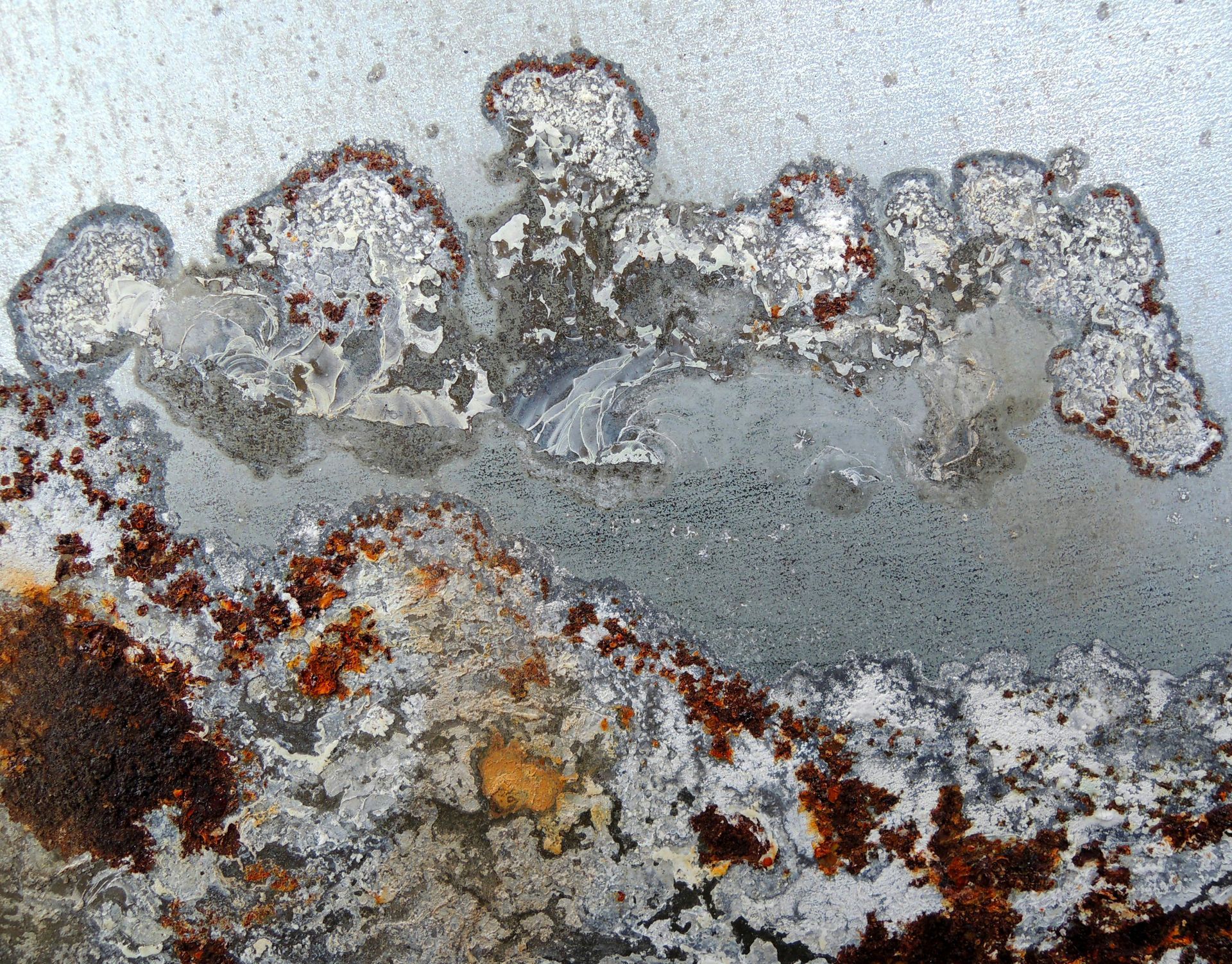
- Repeat risk — if the underlying cause of wear is not addressed, a new part may simply wear down the same way
How This Compares to a Brush Plating Repair
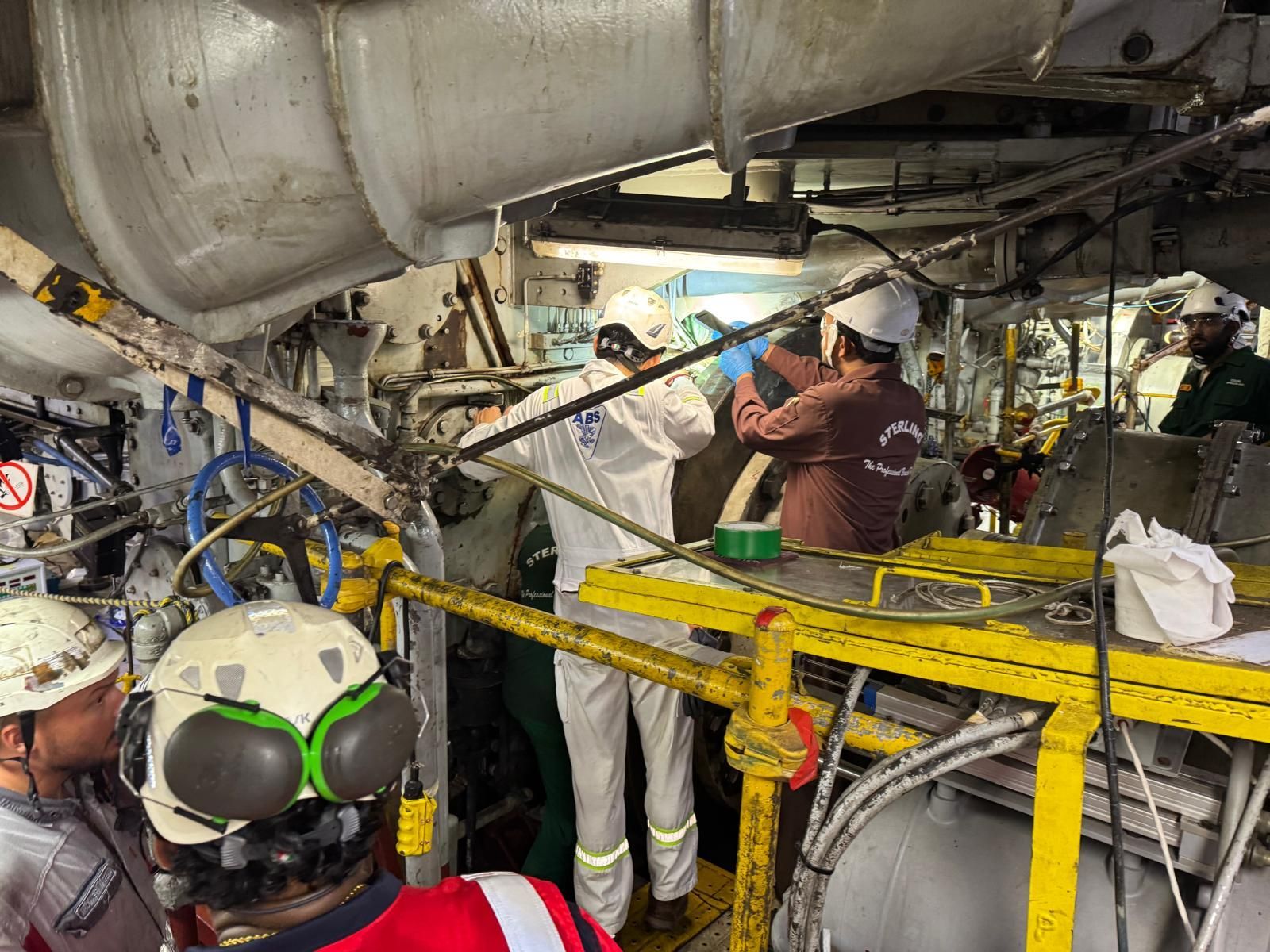
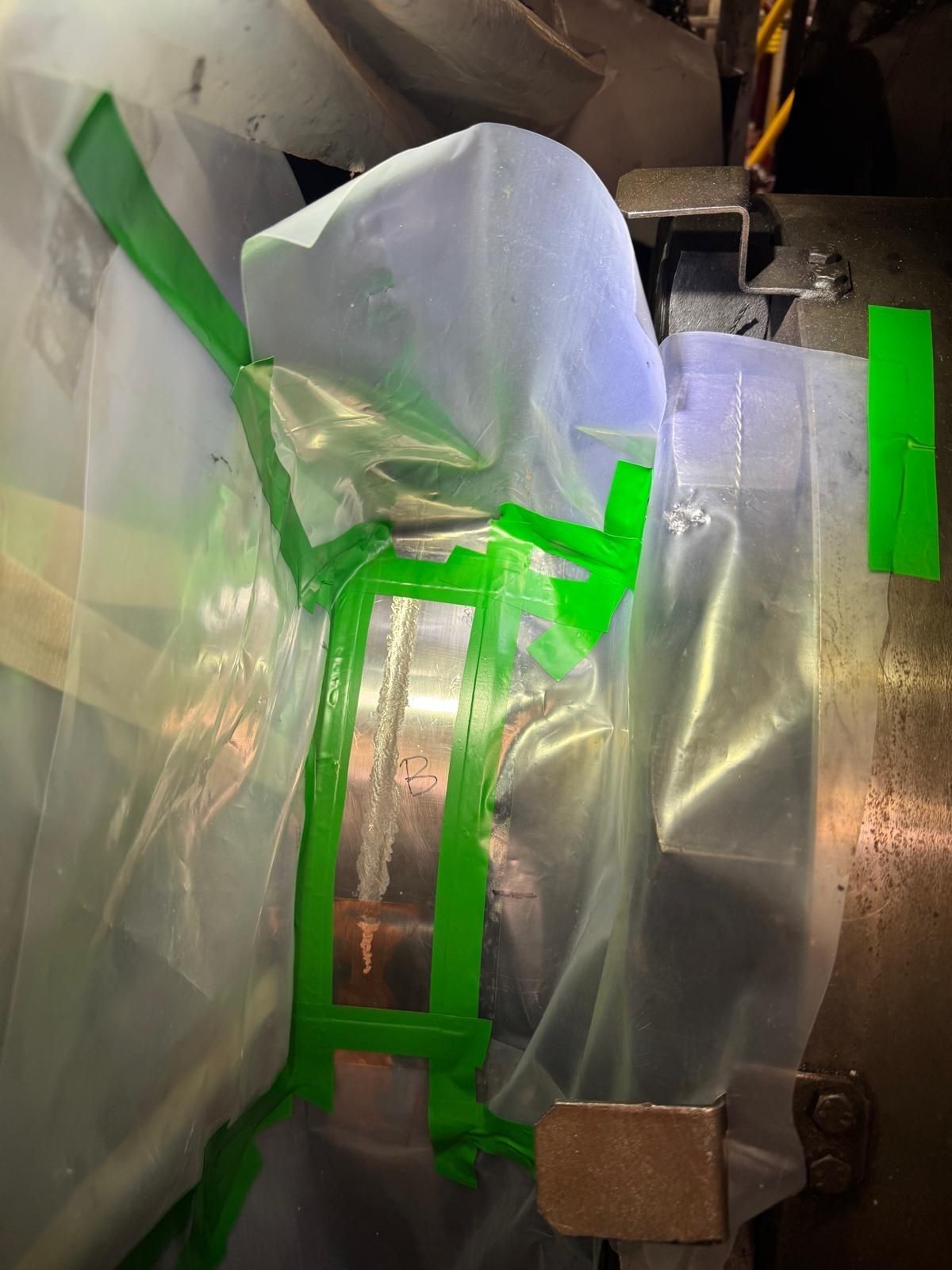
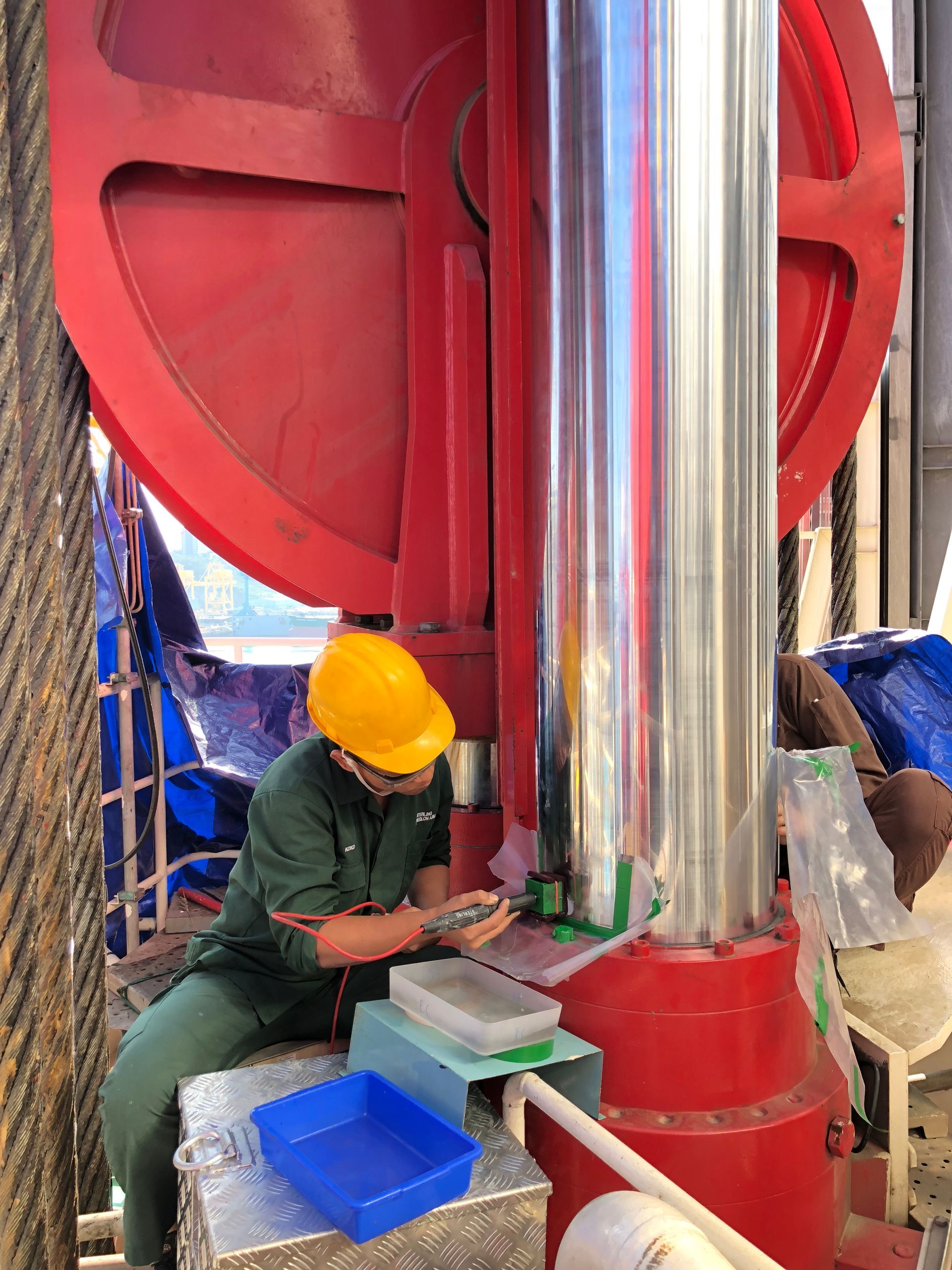
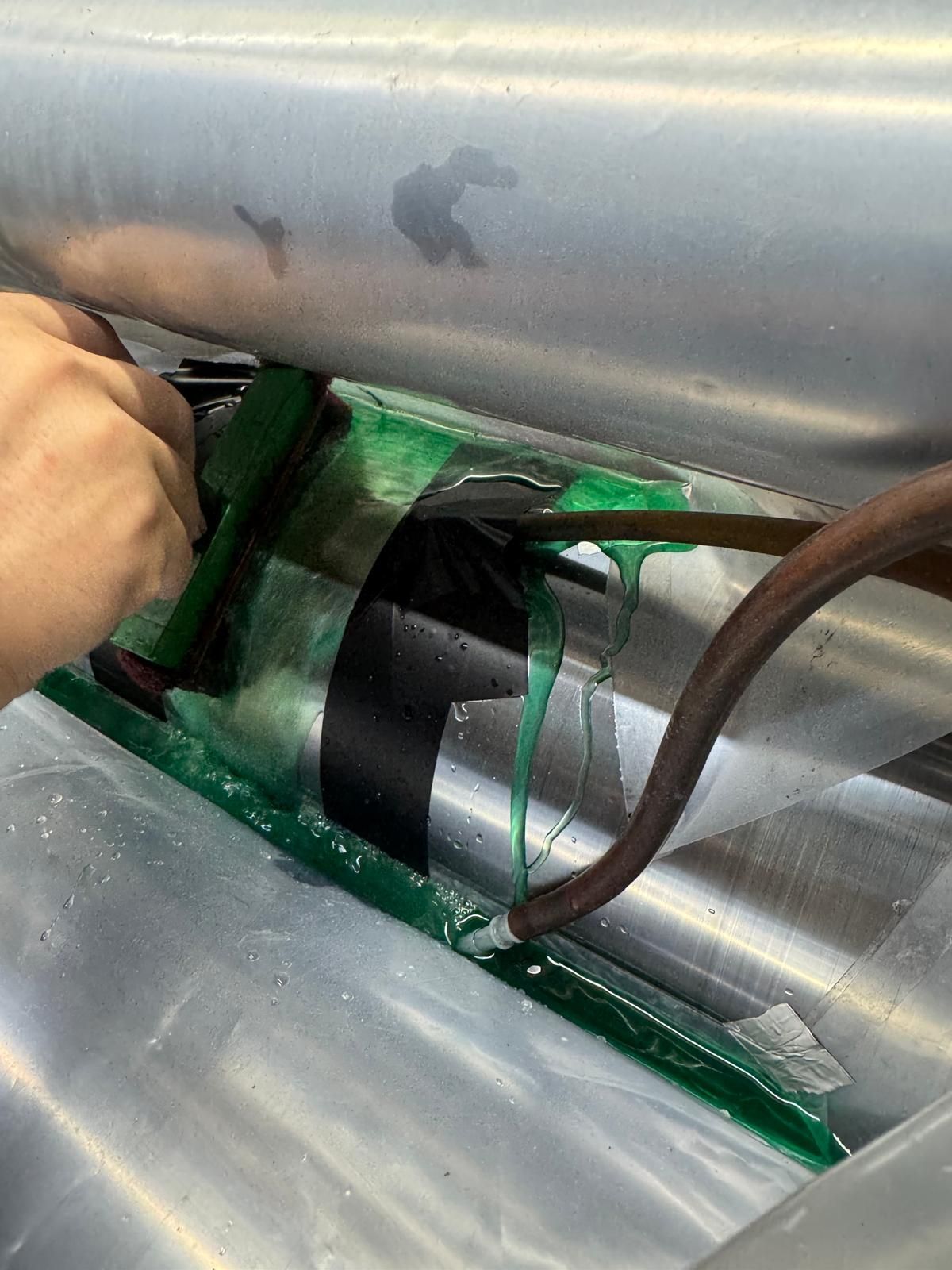
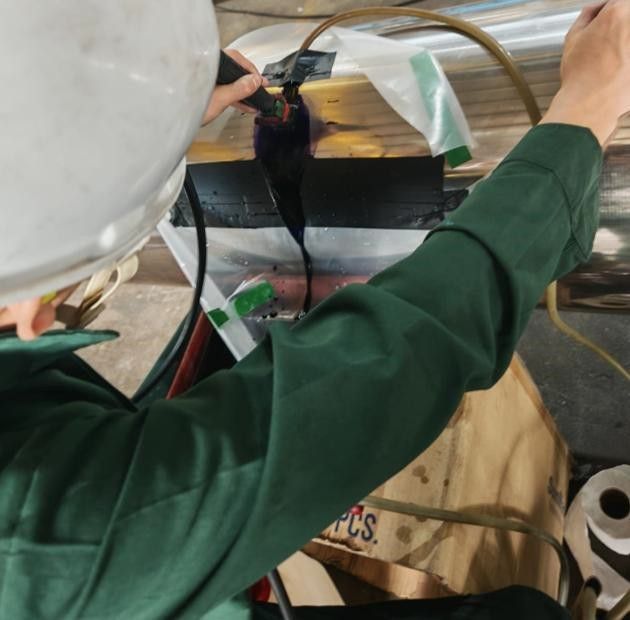
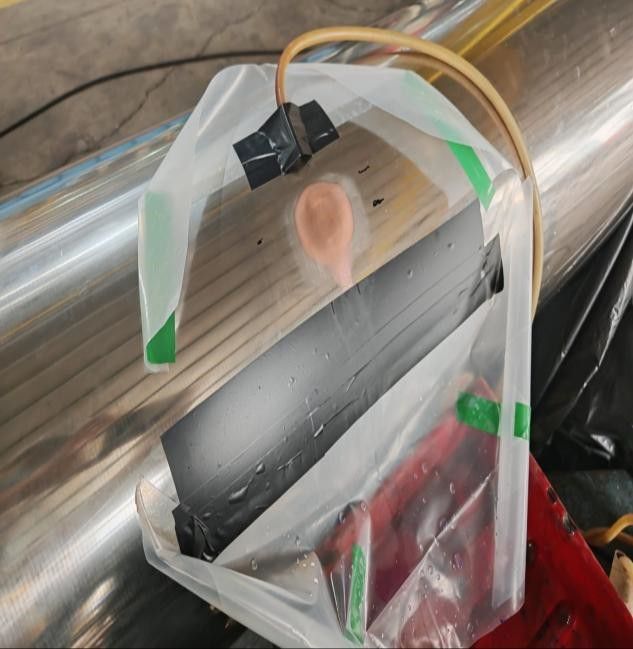
Brush Plating changes this cost profile significantly, because it removes several of these costs from the equation entirely. Refer to the table below for cost comparison between Replacement and our Brush Plating Repair.
Because Brush Plating restores the existing component rather than sourcing a new one, most of the freight, lead-time, and availability costs simply do not apply. What remains is a more predictable, contained cost and timeline, one your team can plan around with far more confidence.
Why This Matters for Budgeting and Planning
Understanding the full, stacked cost of replacement, not just the part price changes the calculation for a lot of maintenance and procurement decisions. A repair that looks like it costs more than a "cheap" replacement part often turns out to be the lower-cost option once freight, downtime, and installation are factored in honestly.
This is particularly relevant in industries where equipment sits idle at real cost, marine vessels, heavy equipment, and continuous production environments among them.
Get a Clear Picture Before You Order That Part
If you are weighing a replacement decision and want a realistic comparison of cost and timeline, our team can assess your component and give you a straightforward answer on whether Brush Plating repair is a viable, faster, and more cost-effective alternative.
Get in touch with Sterling Impreglon Asia to find out more.
| Cost Category | Replacement | Brush Plating Repair |
|---|---|---|
| Part Sourcing | Required, can be lengthy | Not required |
| Freight | Often significant | Minimal - Technicians come to you |
| Lead Time | Days to weeks | Often days, sometimes on-site the same week |
| Idle Equipment | For the full sourcing and shipping window | Minimized |
| Installation | May require specialized labour | Not typically required, component often stays in place |
| Availability Risk | Real, especially for older equipment | Not applicable |