Electric Motor Bearing Seats and Rotor Shafts
A Common, Overlooked Repair
When an electric motor keeps failing bearings, most maintenance teams look at the bearing first. They check the lubrication, the load, the alignment, and the brand. What often goes unchecked is the surface the bearing sits on.
Worn bearing seats in the end shield and worn bearing journals on the rotor shaft are among the most common causes of repeat bearing failure, rising vibration, and motors that never quite run right after a rewind or overhaul. They are also among the most commonly overlooked, because the damage can be tiny, measured in hundredths of a millimetre, and easy to miss without a micrometer and bore gauge.
This article explains how these seats wear, how to spot the signs, what your repair options are, and where Brush Plating fits in. It is written for plant maintenance teams, reliability engineers, and motor repair shops.
Why Bearing Seats Matter
A rolling element bearing depends on a precise fit at two places:
- The shaft seat (journal). The bearing's inner ring sits on the rotor shaft.
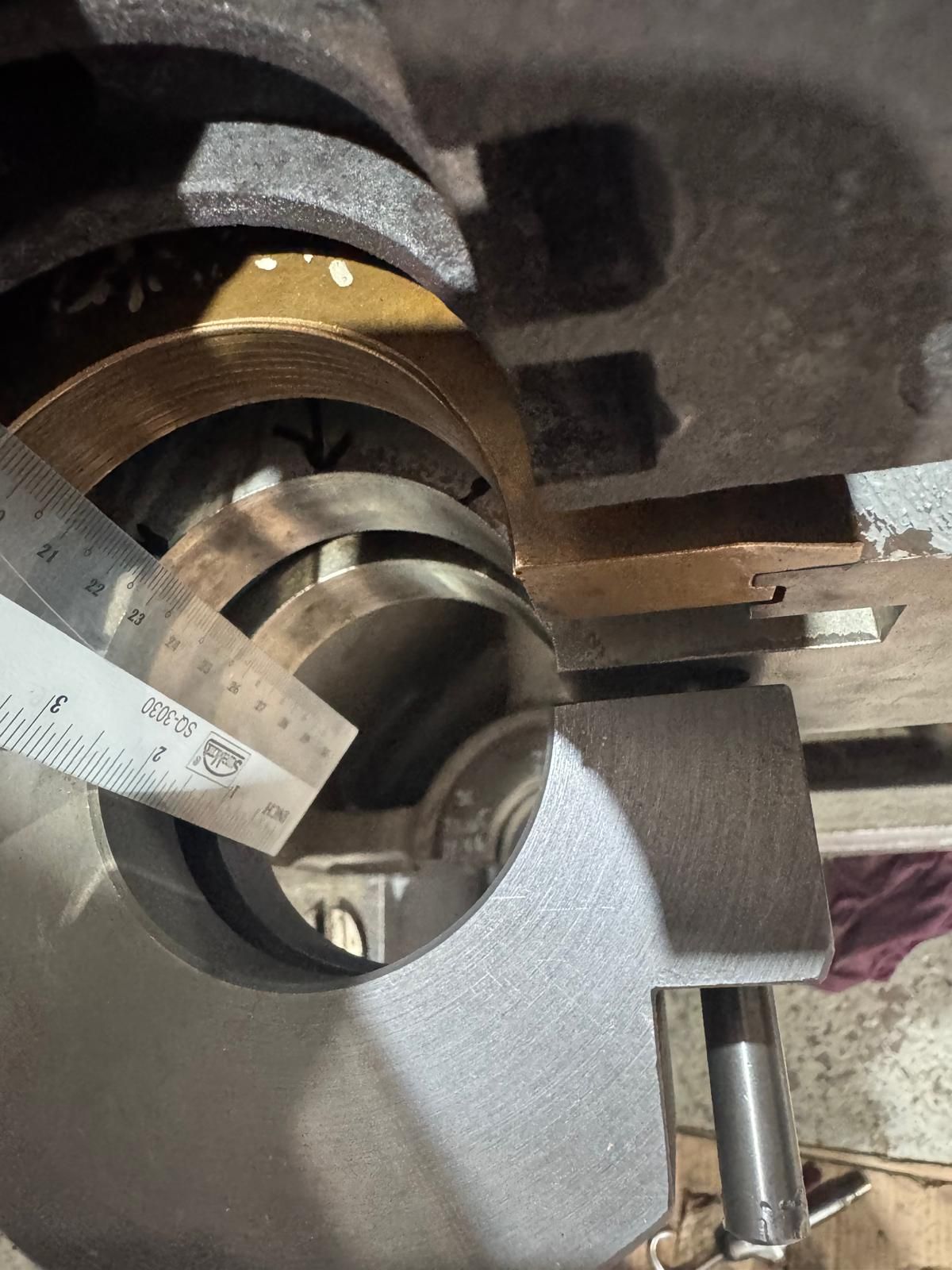
- The housing seat (bore). The bearing's outer ring sits in the end shield or bearing housing.
These fits are designed to hold each ring firmly in place while allowing for thermal growth and installation.
If either seat wears undersize (the shaft) or oversize (the bore), the ring is no longer held tightly. It can turn slightly against its seat, a movement called creep or spinning, and that is where the damage accelerates.
How Bearing Seats and Shafts Wear
- Fretting and creep. Tiny movements between a loose ring and its seat wear the metal away, often leaving a polished surface and reddish-brown dust (fretting corrosion). Once started, the fit gets looser, and the wear speeds up.
- Bearing failure damage. When a bearing seizes or breaks up, the ring can spin hard against the shaft or housing, scoring the seat or removing metal quickly. Fitting a new bearing into a damaged seat repeats the cycle.
- Installation damage. Hammering a bearing on, using uneven heat, or forcing a ring can score or distort a seat. Even careful removal with pullers can leave marks.
- Electrical damage from drives. Motors on variable frequency drives (VFDs) can develop bearing currents that discharge through the bearing, leaving pitting and fluting on raceways. Sometimes the same currents affect nearby surfaces, and the bearing failure that follows damages the seats.
- Thermal cycling and vibration. Repeated heating and cooling, together with vibration or imbalance, can loosen fits over time, especially in softer housing materials.
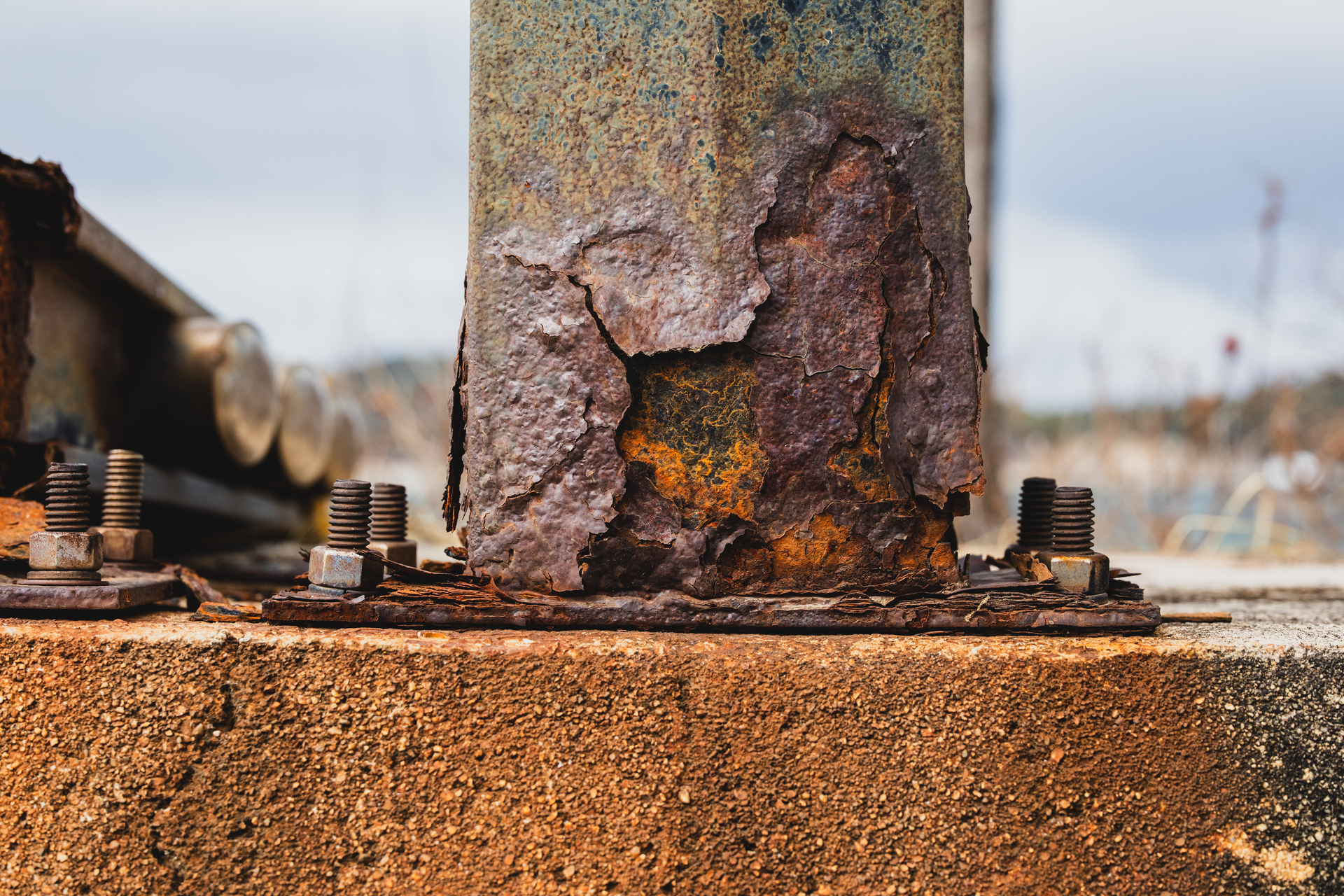
- Corrosion and contamination. Moisture, dust, or aggressive environments can attack seats, particularly in outdoor, marine, or washdown applications.
Signs a Motor Has a Seat Problem
Watch for these indicators:
- Bearings that fail repeatedly or sooner than expected
- Rising vibration or noise after a bearing change
- A bearing that feels loose on the shaft or in the bore
- Discolouration, polishing, or reddish-brown dust around a seat
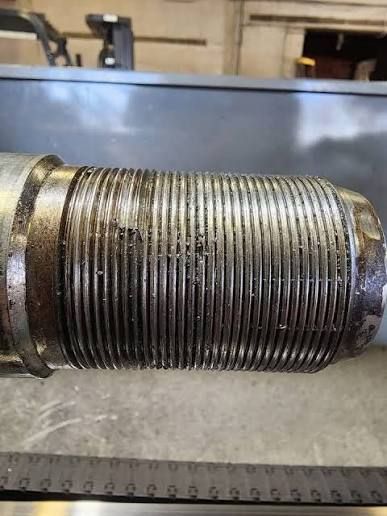
- Visible score marks on the shaft or inside the bore
- Bearing outer rings that show signs of turning in the housing
- Grease leaking or discolored at the seat
- Hot spots on the end shield or bearing cap
If any of these appear, measure the seat before fitting another bearing. A bearing is only as good as the seat it sits in.
What Is at Stake
Ignoring seat wear tends to be expensive:
- Repeat bearing replacements, with labour, parts, and downtime each time
- Rotor misalignment, which can lead to the rotor rubbing the stator and damaging windings
- Unplanned downtime on critical pumps, fans, compressors, and drives
- Premature replacement of an otherwise sound motor, end shield, or rotor
For large or specialist motors, the cost of replacing the whole component, or the lead time to get one, can be significant.
Where Brush Plating Fits
Brush Plating suits bearing seat repair for several reasons:
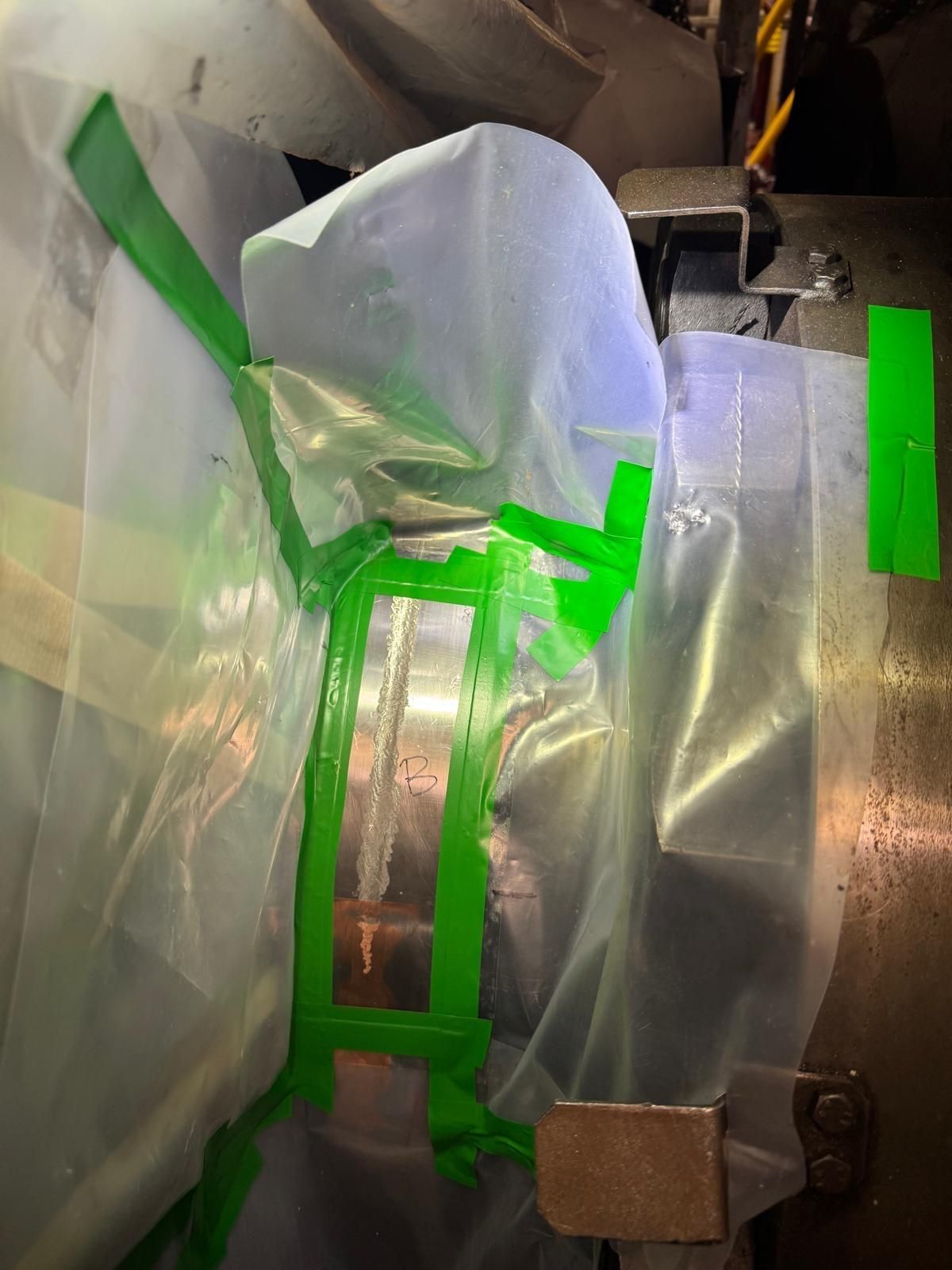
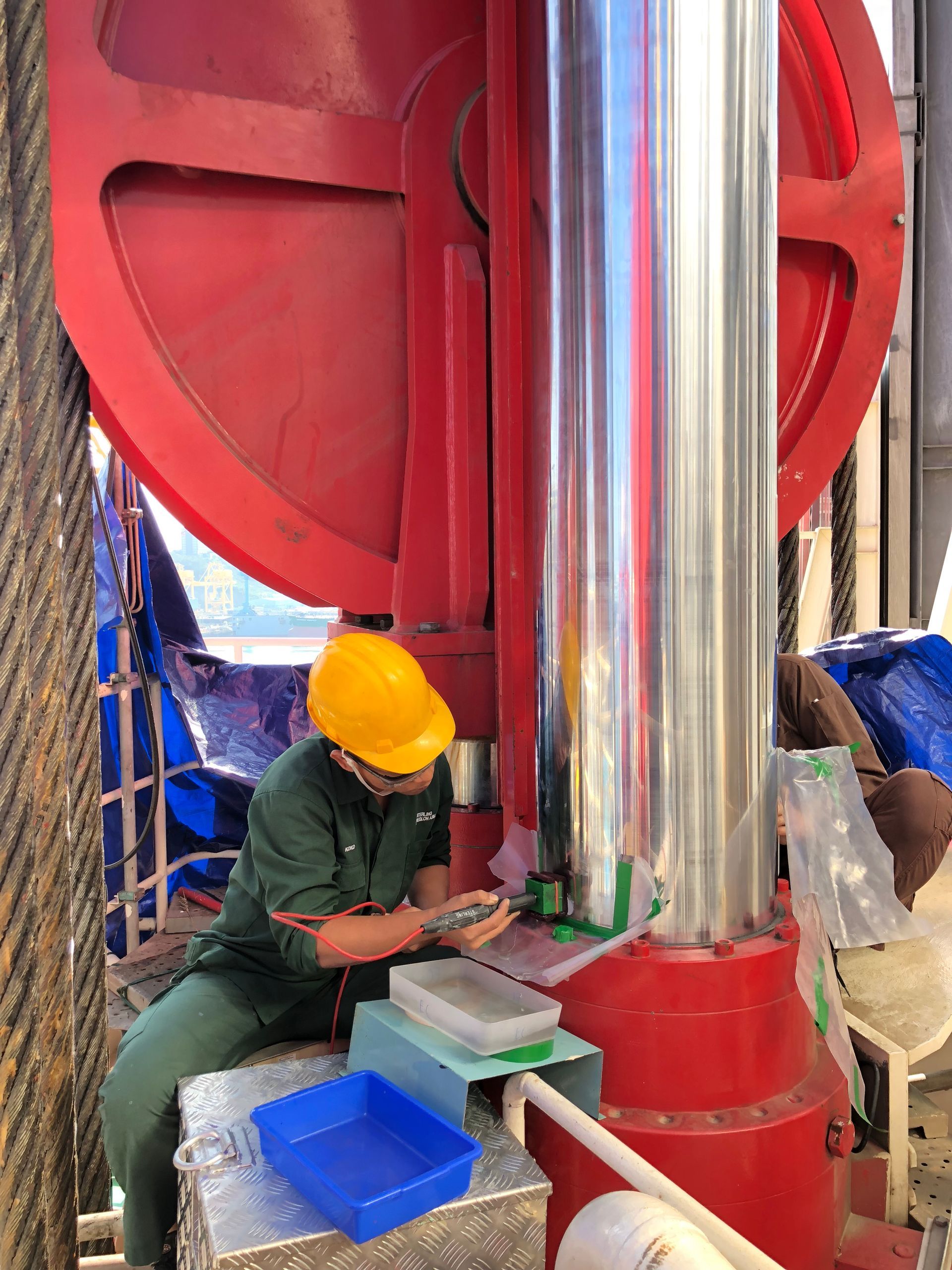
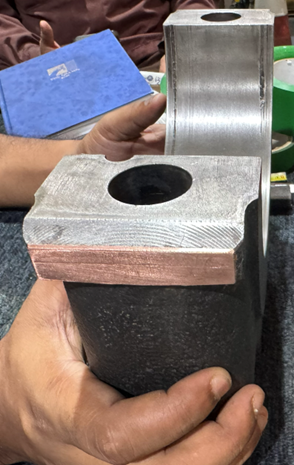
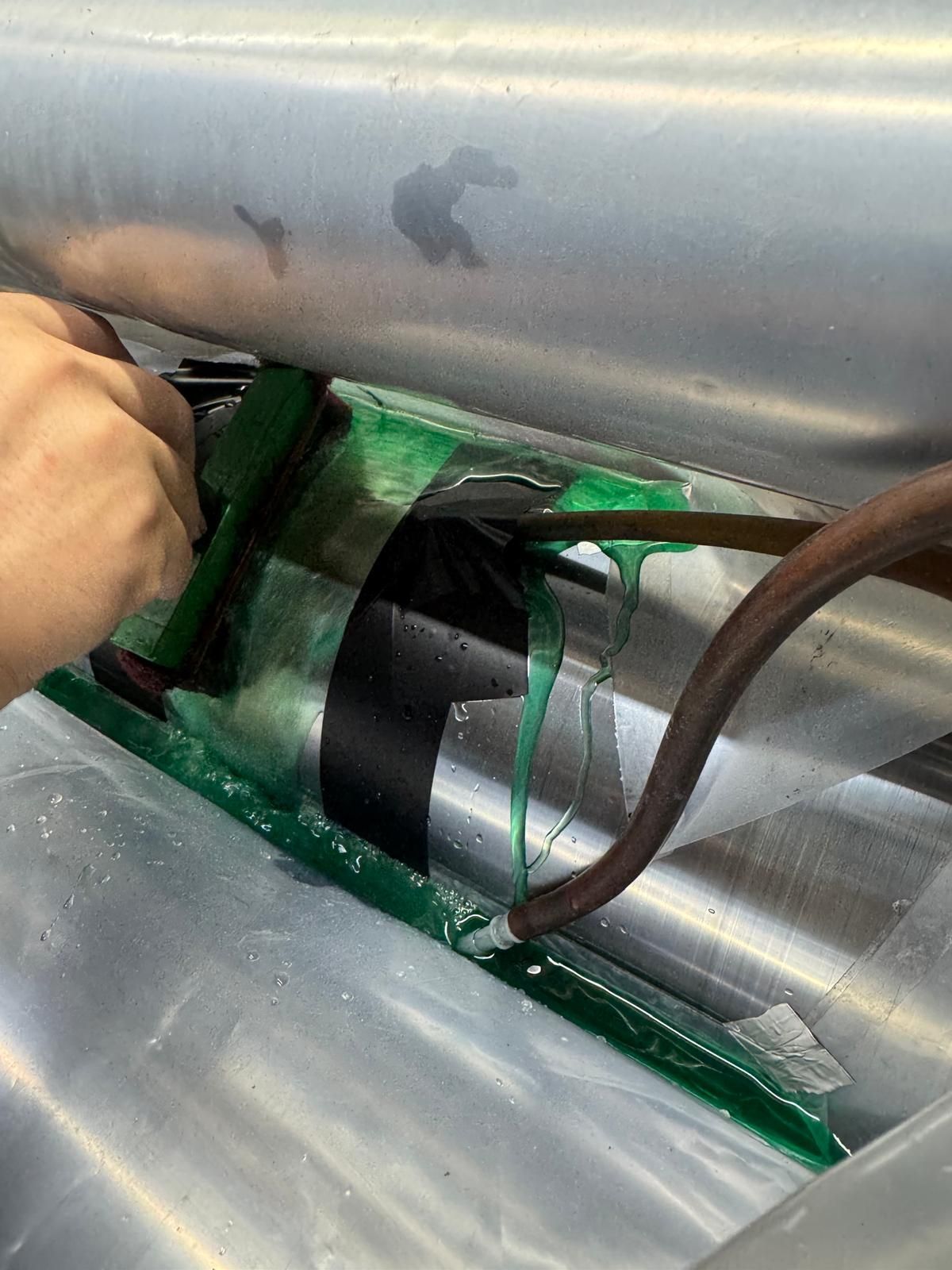
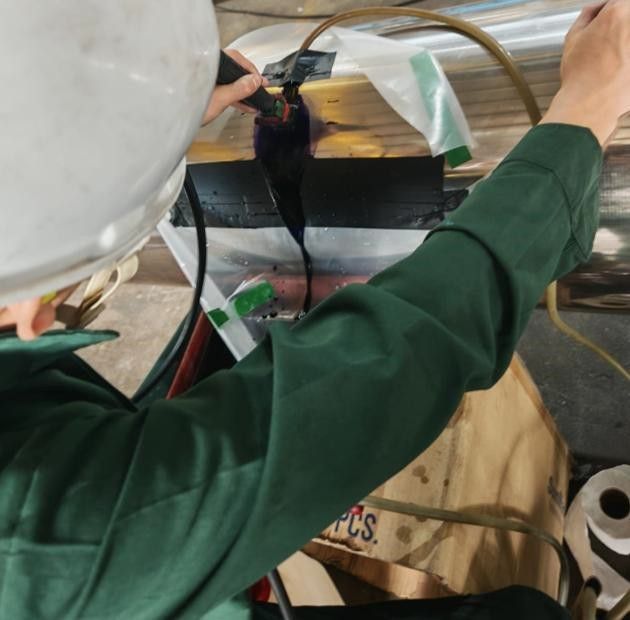
- Low heat. Unlike welding or thermal spray, the process does not subject the shaft or end shield to high temperatures. This helps avoid distortion and protects the surrounding rotor and windings, which should be masked and protected as part of the job.
- Targeted. Only the worn seat is treated. The rest of the shaft or housing is untouched.
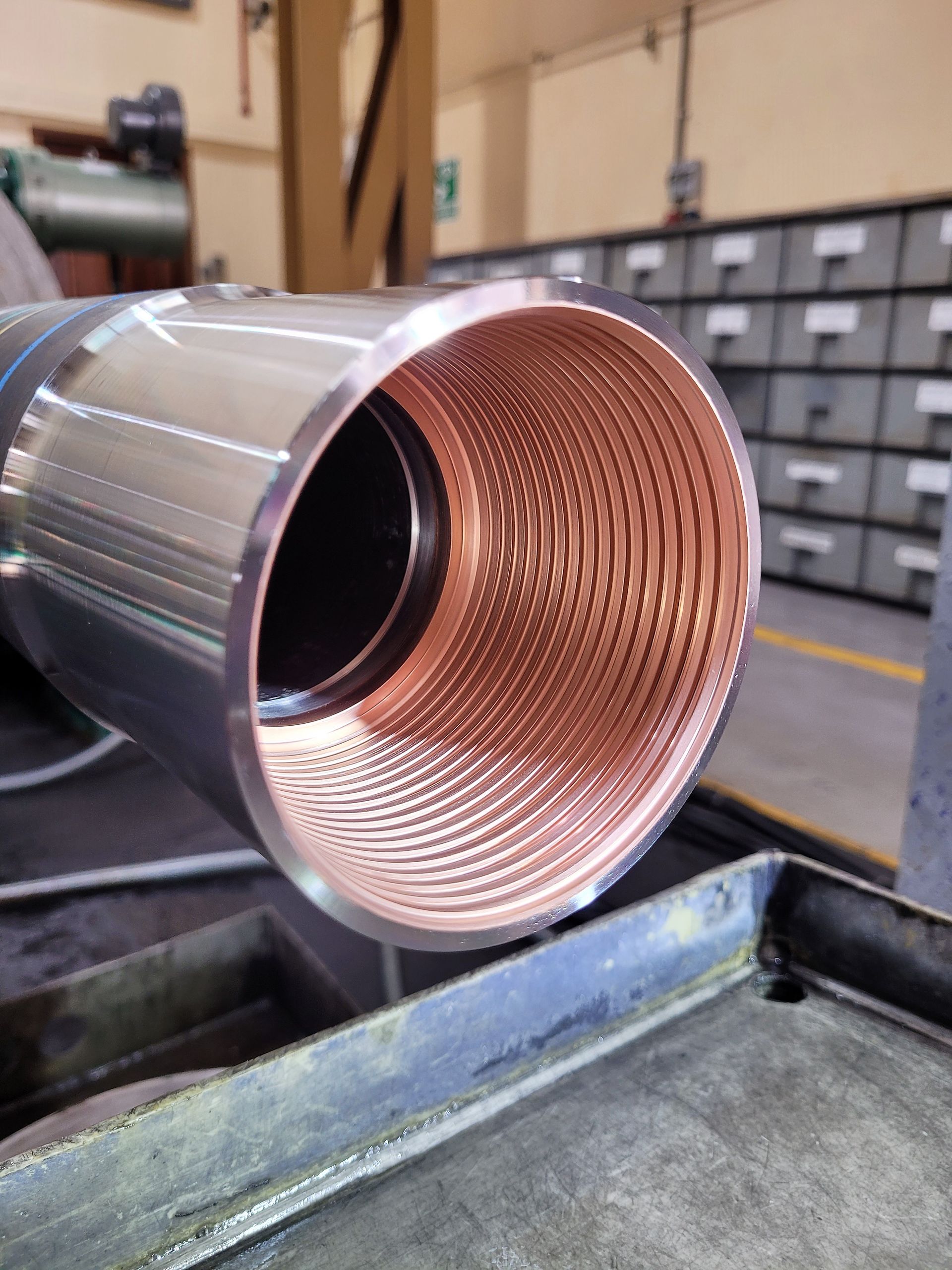
- Precision. Metal is built up in controlled layers, which allows the seat to be restored to its original dimensions and then finished to the required fit.
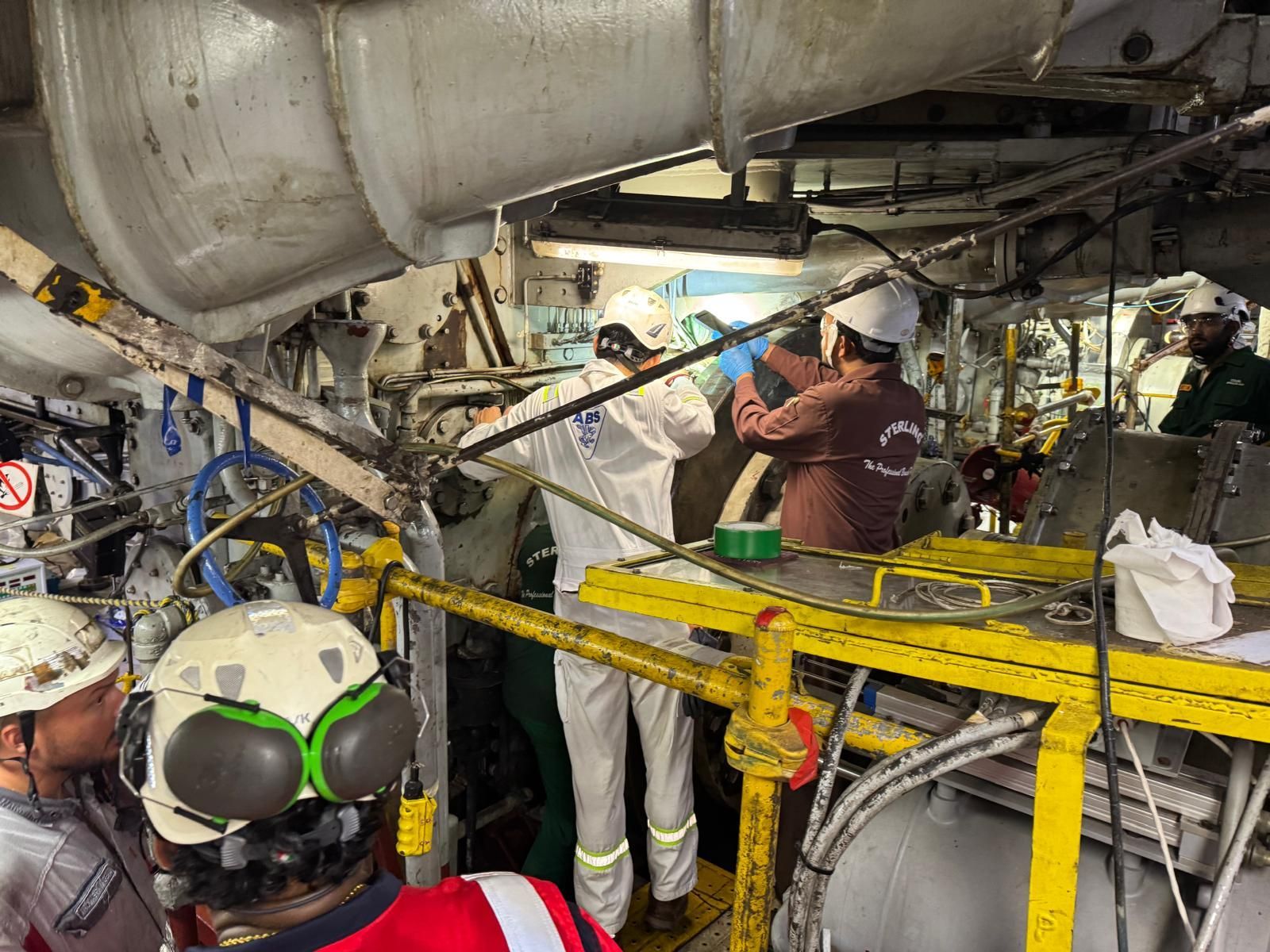
- Portable. For large or hard-to-move motors, equipment can come to the component. For smaller motors, end shields and rotors can be treated in a workshop.
- Works on shafts and bores. Shaft journals are straightforward to plate. Bores in end shields can be treated with specially designed anodes.
What the Repair Process Looks Like
- Assessment. The seat is measured against the specified fit, and the extent and type of wear are checked, along with the condition of the base material.
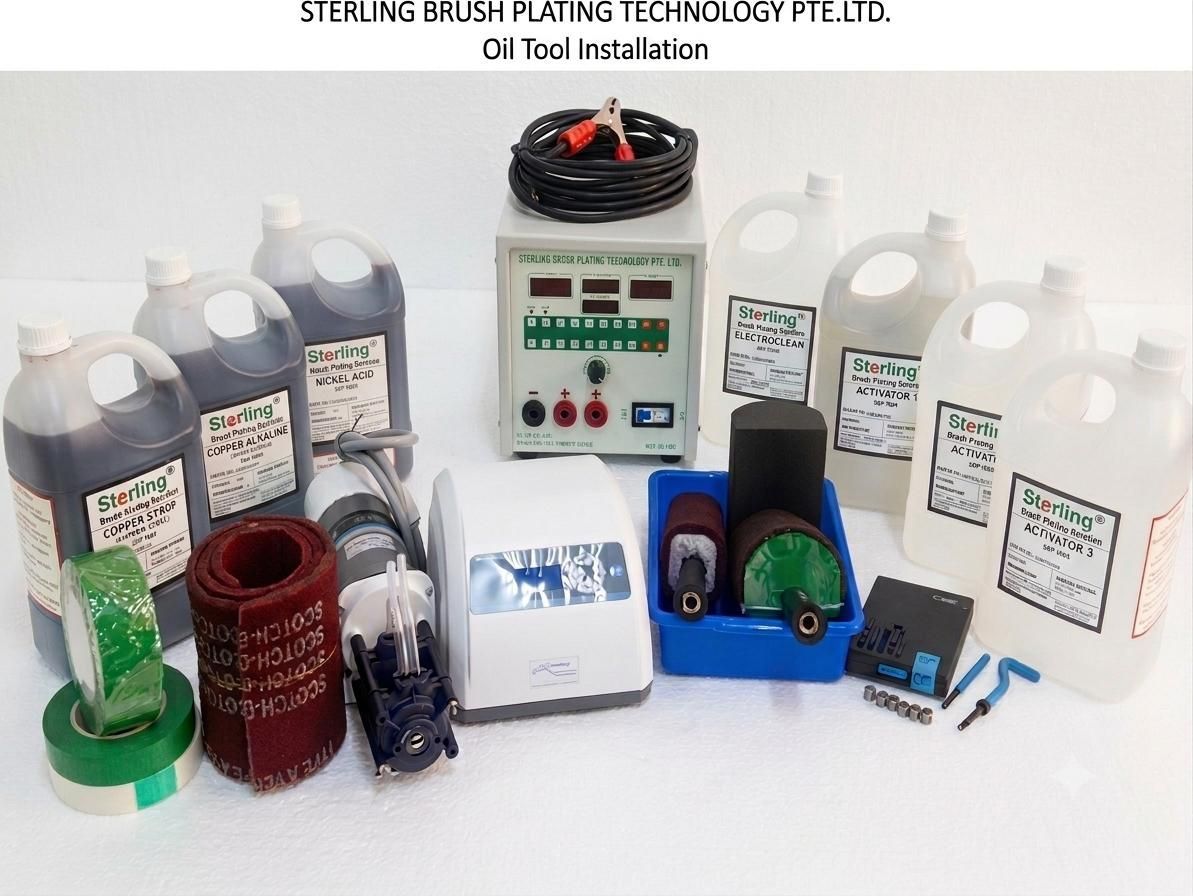
- Preparation. The seat is cleaned and activated so the plated metal bonds properly. Surrounding areas are masked and protected.
- Plating build-up. Metal is applied in controlled layers until the seat is slightly over size.
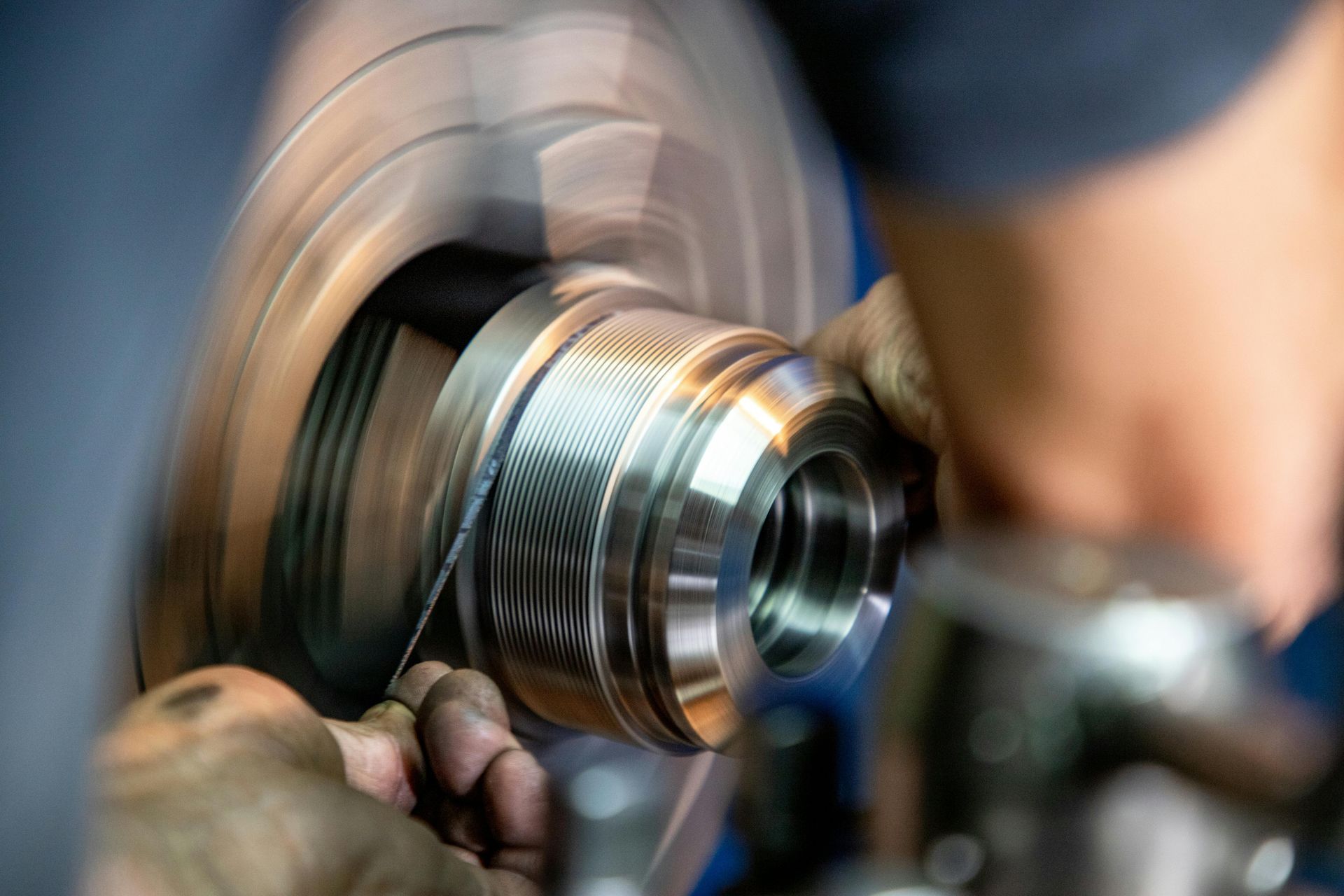
- Finishing. The seat is machined, ground, or polished back to the required dimension and surface finish.
- Final check. The finished seat is measured to confirm it meets the specified bearing fit before the motor is reassembled.
When Replacement Is Still the Right Call
Brush Plating is not suitable for every case. Replace or consider other methods when:
- The shaft is cracked, bent, or fatigued
- The end shield or housing is cracked or structurally damaged
- Wear is too deep for a surface build-up to be practical
- The base material is not sound enough to support a bonded layer
A proper assessment will separate repairable seats from those that are not, ideally before any parts are ordered.
Fixing the Cause, Not Just the Seat
A restored seat only lasts if the cause of the wear is addressed. If the cause is not corrected, the problem is likely to return. Consider:
- Bearing currents on VFD-driven motors. Insulated bearings or shaft grounding systems may be needed.
- Fit and installation practice. Use proper induction heaters or presses rather than hammers or open flame.
- Lubrication. Both over-greasing and under-greasing can cause overheating and wear.
- Alignment and balance. Misalignment and imbalance create loads and vibration that loosen fits.
- Environment. Seals and protection may be needed where moisture or contamination is a problem.
A Simple Habit That Saves Money
Whenever a motor bearing is replaced, measure the seats before fitting the new one. Record the shaft diameter and bore size, and compare them with the specification. This takes minutes and catches wear early, before it causes the next failure.
Who Benefits Most
This approach is particularly valuable for:
- Industrial plants with critical or large motors on pumps, fans, compressors, and conveyors
- Motor repair and rewind shops wanting to offer a seat repair option instead of scrapping parts
- Marine and offshore operators whose motors operate in corrosive environments with long replacement lead times
- Power, water, pulp and paper, and heavy industry where downtime is costly
Send Us the Details
If you have a motor with a worn bearing seat or rotor shaft, send us:
- A few clear photos of the damaged area, with a ruler or scale in the frame
- The measured size of the seat and the specified size
- The motor type, size, and application
- Any history of repeated bearing failures
Our team can tell you whether the seat is a candidate for Brush Plating repair and what the likely turnaround is.
Get in touch with Sterling Impreglon Asia to find out more.
| Option | Strengths | Limitations |
|---|---|---|
| Replace the end shield, rotor or motor | Restores original design | Cost and lead time, especially for large, legacy, or special-order motors |
| Retaining compounds | Quick, low cost | Often a temporary fix for light wear, depends on application and loads |
| Sleeving or oversize machining | Established practice | Needs machining capacity, may change original dimensions, and need alternative bearing sizes |
| Welding or Thermal Spray Build-Up | Can build up larger areas | Heat can cause distortion or stress, and finish machining is needed |
| Hard Chrome Plating | Hard, wear-resistant surface | Usually done in a plating shop, so the part must be removed and transported |
| Brush Plating | Low Heat, precise, targeted, often possible on-site or in-house | Best suited to light to moderate wear, the extent of damage and base material must be assessed |