5 Signs Your OCTG Connections Need Anti-Galling Protection Before Your Next Well Job
5 Signs Your OCTG Connections Need Anti-Galling Protection
Galling has a way of showing up at the worst possible moment, mid-connection, on the rig floor, with the clock already running. The good news is that galling risk rarely appears out of nowhere. In most cases, there are warning signs on the connection well before the job begins, if you know what to look for.
Here are five signs worth checking for before your next well job, and what they typically mean.
1. Visible Scoring, Smearing, or Discoloration on the Threads
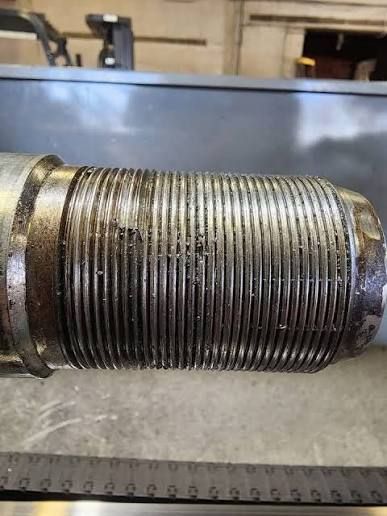
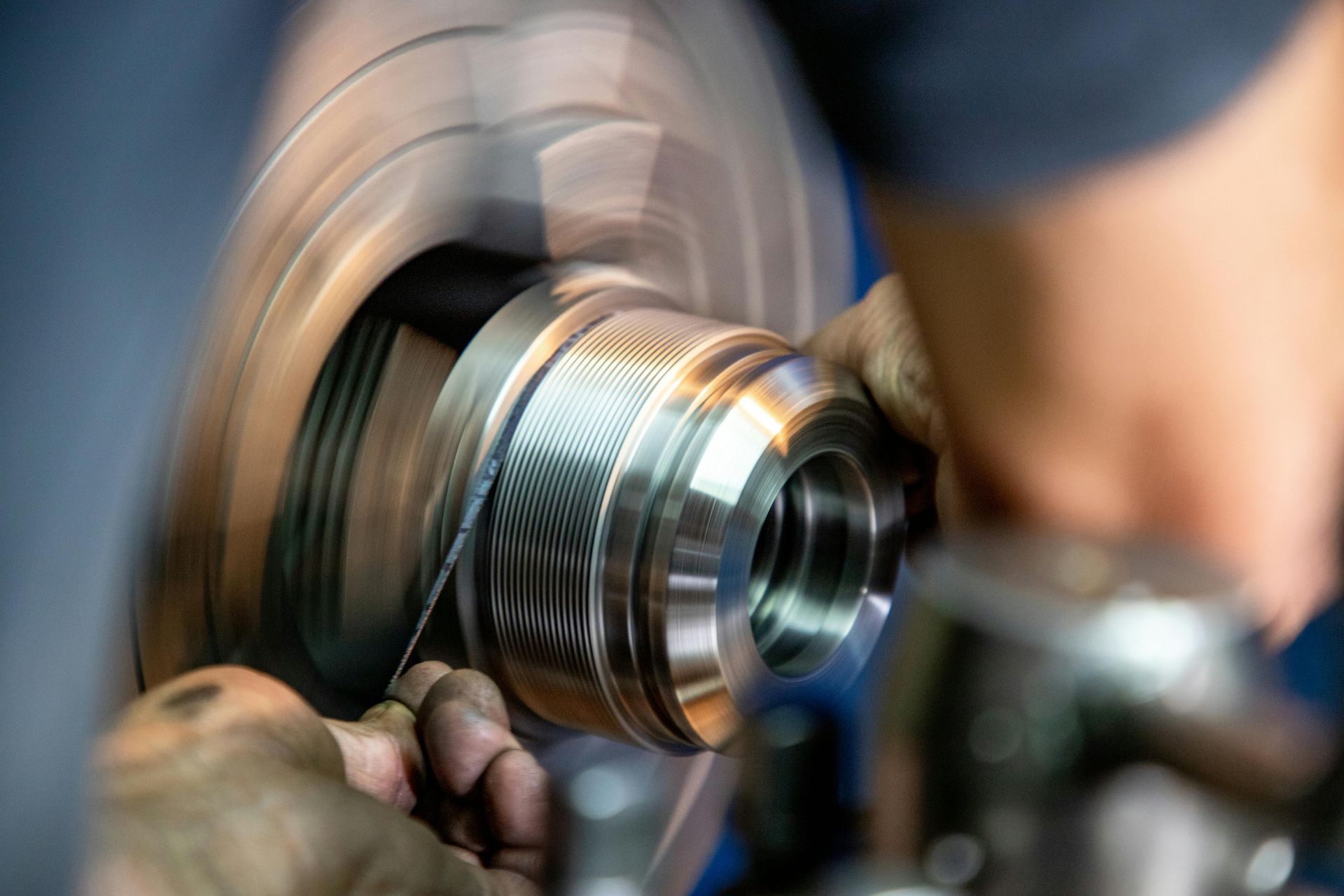
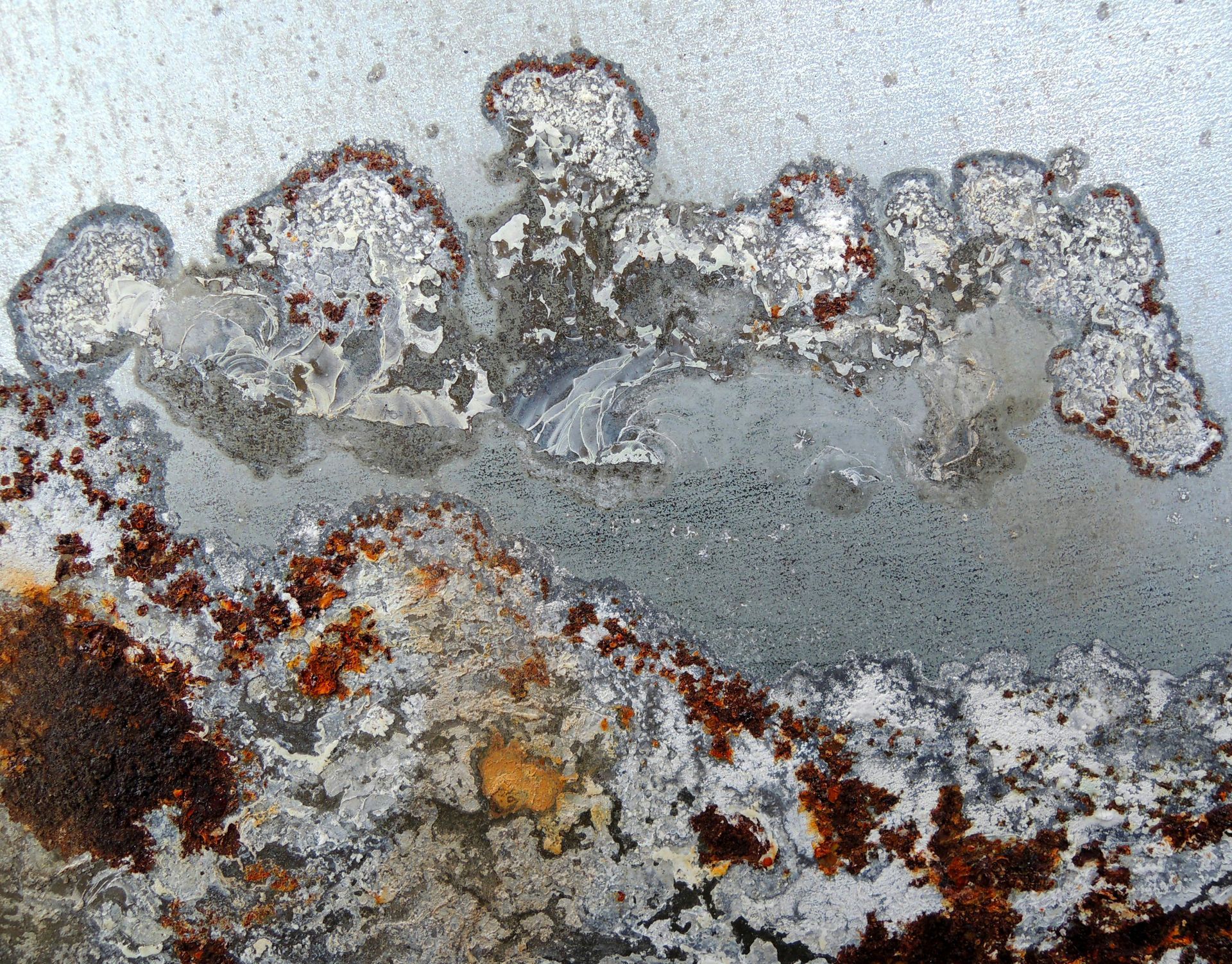
During inspection, look closely at the thread surfaces themselves. Fine scoring lines, smeared or torn metal, or unusual discoloration are all signs that previous make-up or break-out cycles have already caused some degree of adhesive wear.
Even minor surface damage from a past connection can worsen significantly on the next cycle, particularly if the connection isn't given additional protection before it's run again.
2. Increasing or Inconsistent Make-Up Torque
Torque readings tell a story. If a connection is requiring noticeably more torque to reach proper make-up than it has previously, or if torque readings are inconsistent across similar connections, it can indicate rising friction at the thread surface which is often a precursor to galling.
Consistent, predictable torque values are a good sign. Creeping or erratic torque values are worth investigating before the connection goes back into service.
3. High Cycle Count - Repeated Make-Up and Break-Out
Every time a connection is made up and broken out, it accumulates wear. Connections that have been cycled multiple times, particularly tools, accessories, and connections used across multiple wells or jobs carry a materially higher galling risk than a connection being run for the first time.
If you are not tracking cycle counts on frequently re-used connections and accessories, this is worth building into your inspection routine. High-cycle components are exactly where anti-galling protection delivers the most value.
4. No Existing Anti-Galling Coating, or a Worn, Thin Protective Layer
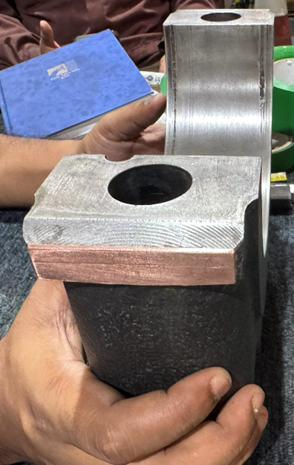
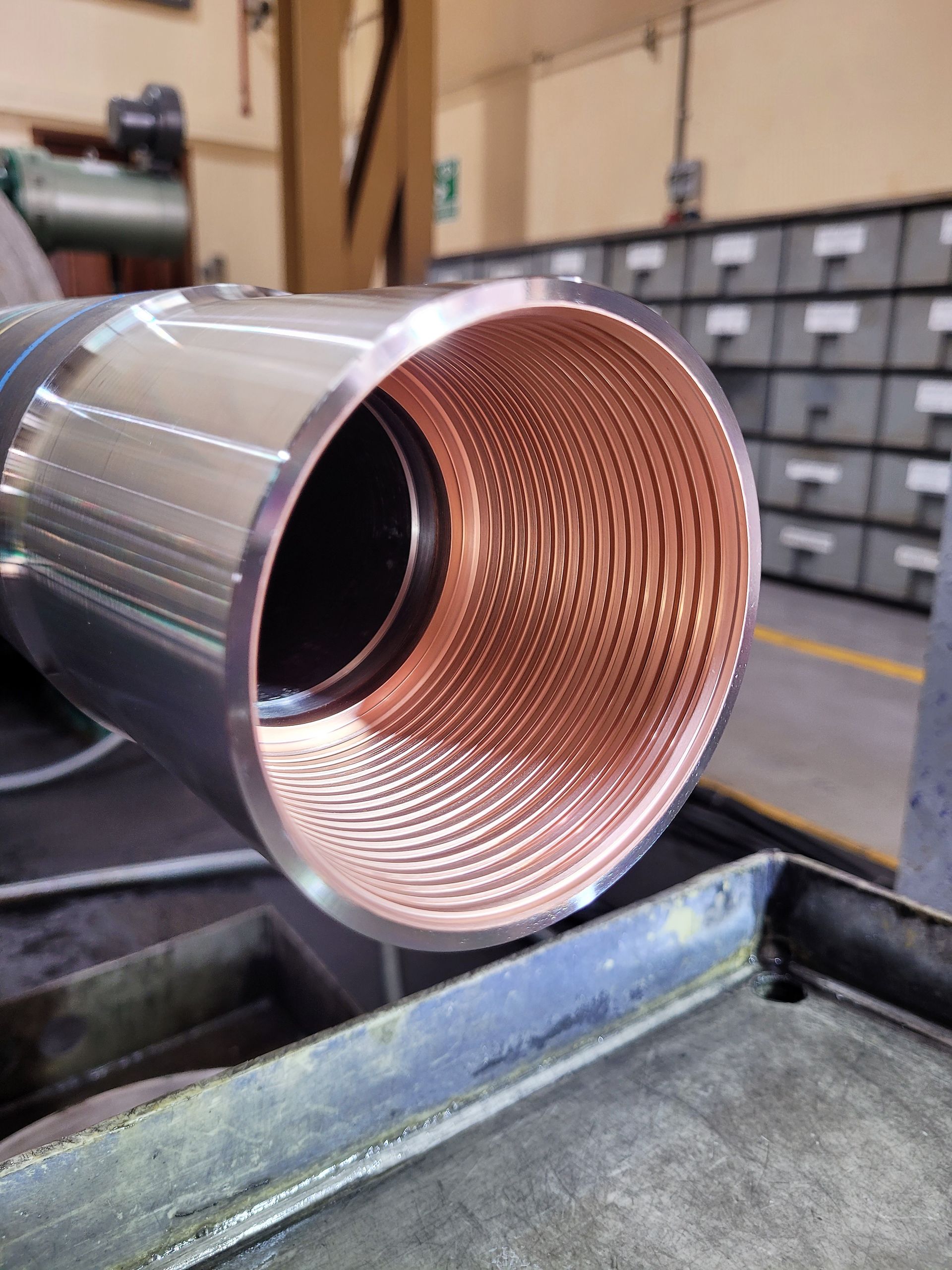
Some connections are manufactured or previously treated with a protective coating, most commonly copper plating, to reduce galling risk. Over time and repeated use, this layer can wear thin or wear away entirely.
On inspection, check whether a protective layer is present and intact. A connection with no coating, or with a coating that's visibly worn through in places, has lost much of its built-in protection and is a strong candidate for reapplication before its next run.
5. A History of Failed Pressure Tests or Seal Issues Traced to Thread Damage
If a connection has previously failed a pressure test, or experienced a seal leak that was ultimately traced back to thread condition, treat that as a clear signal. Thread damage severe enough to compromise a seal doesn't resolve on its own it tends to worsen with continued use unless the underlying surface issue is addressed.
Why Catching These Signs Early Matters
Anti-galling protection is far more effective, and more cost-efficient, when it is applied proactively rather than after a connection has already failed. Waiting until a job is delayed by a galled connection, or a premium connection is scrapped entirely, turns a preventable maintenance step into an expensive, time-critical problem.
Regular inspection for these five signs, ideally as a standard part of your pre-job connection checks. This gives you the opportunity to address galling risk before it costs you rig time.
How Copper Brush Plating Helps
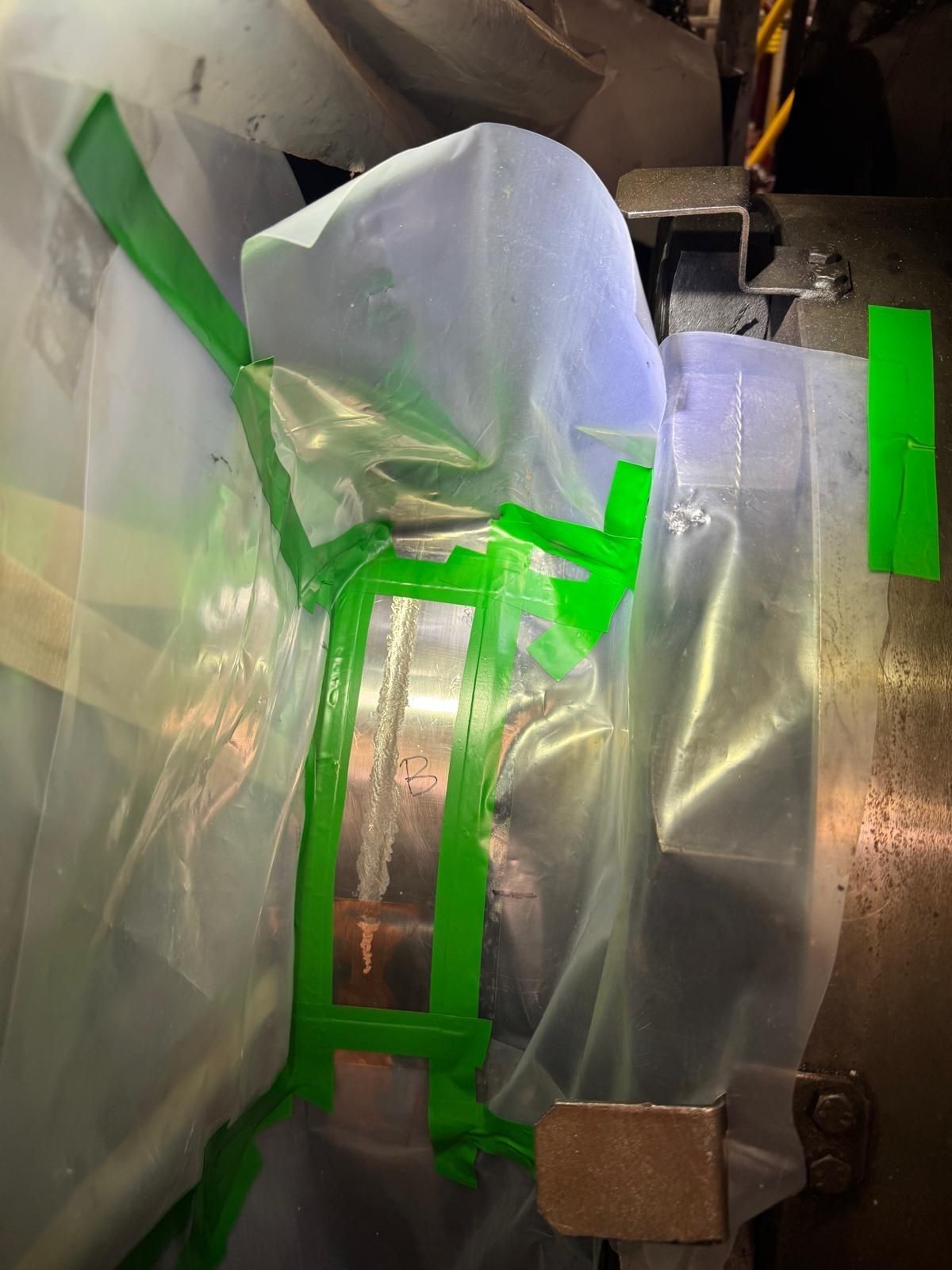
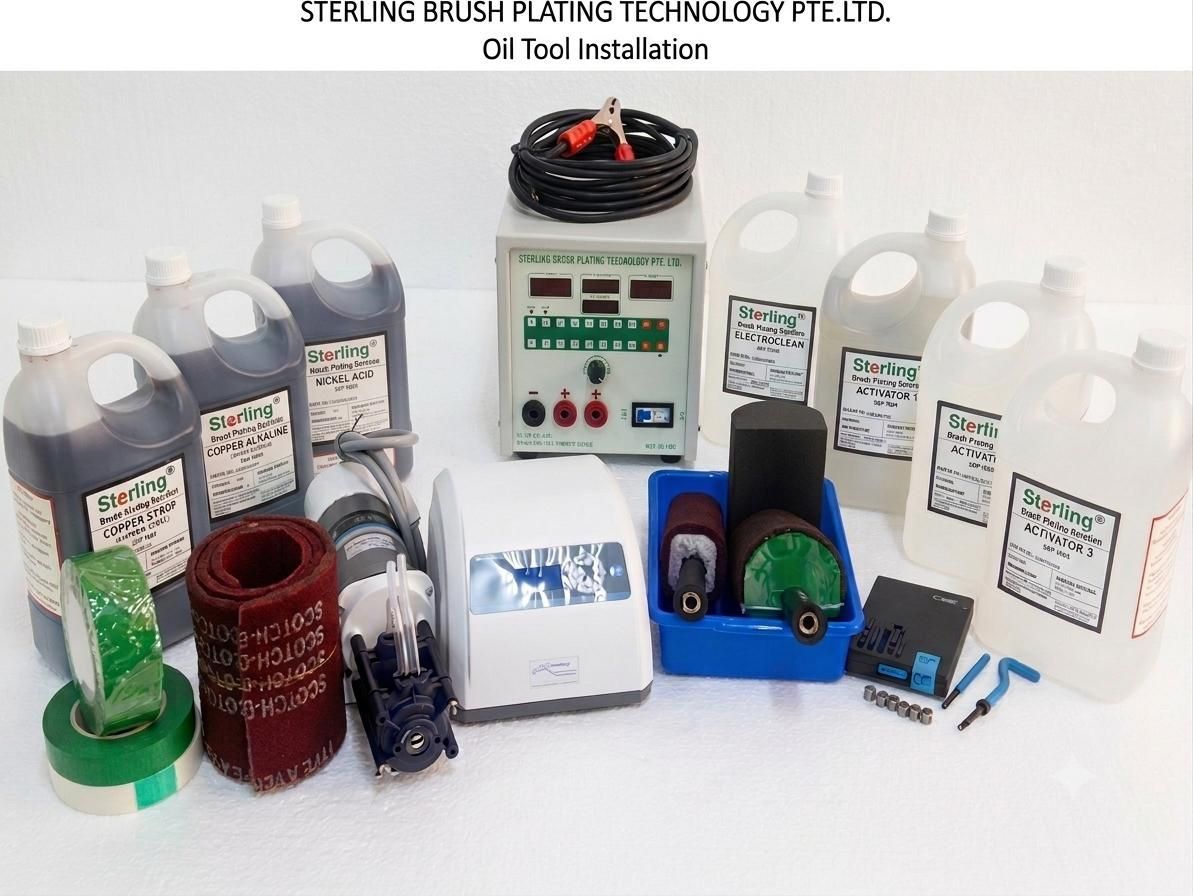
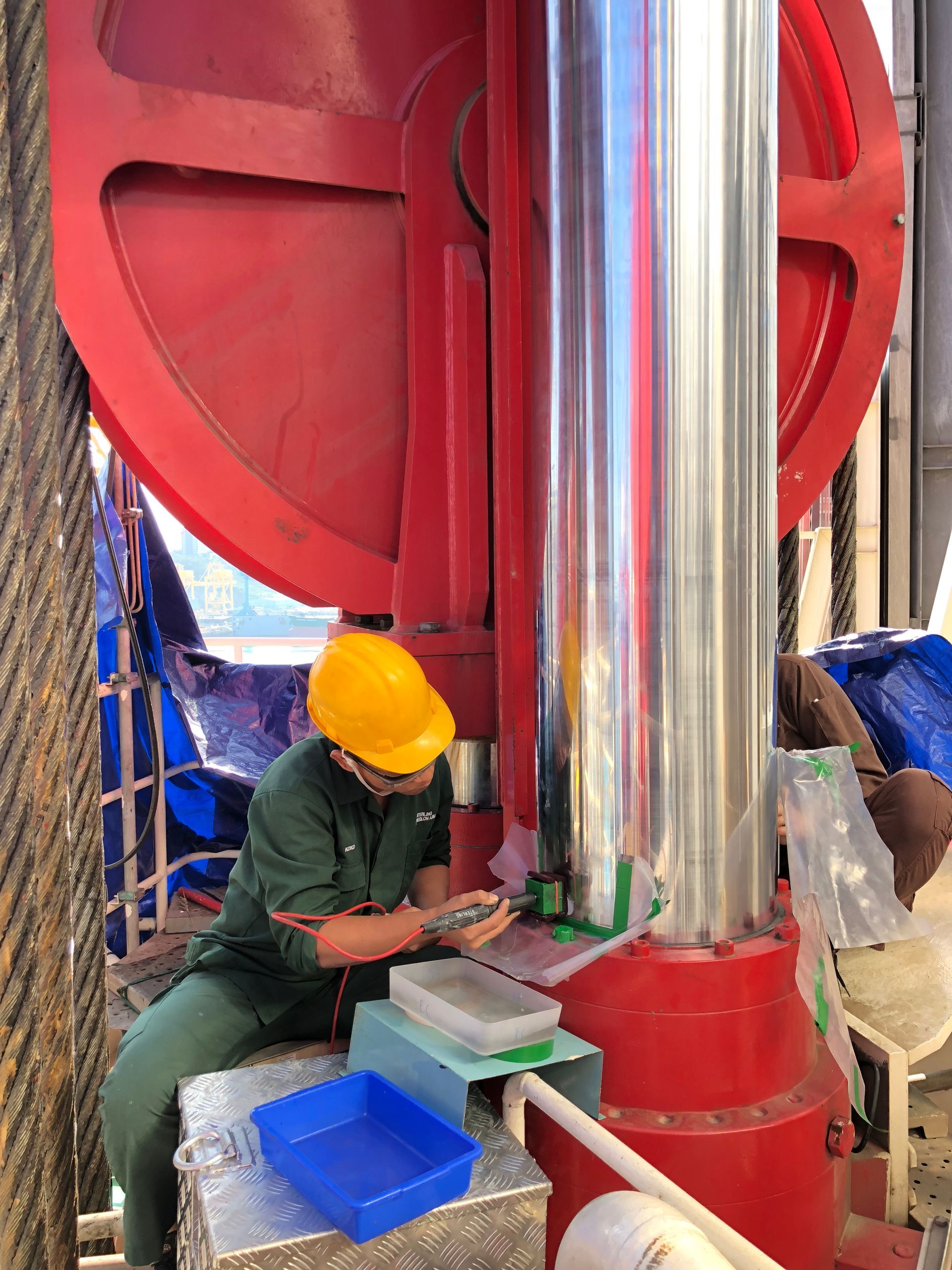
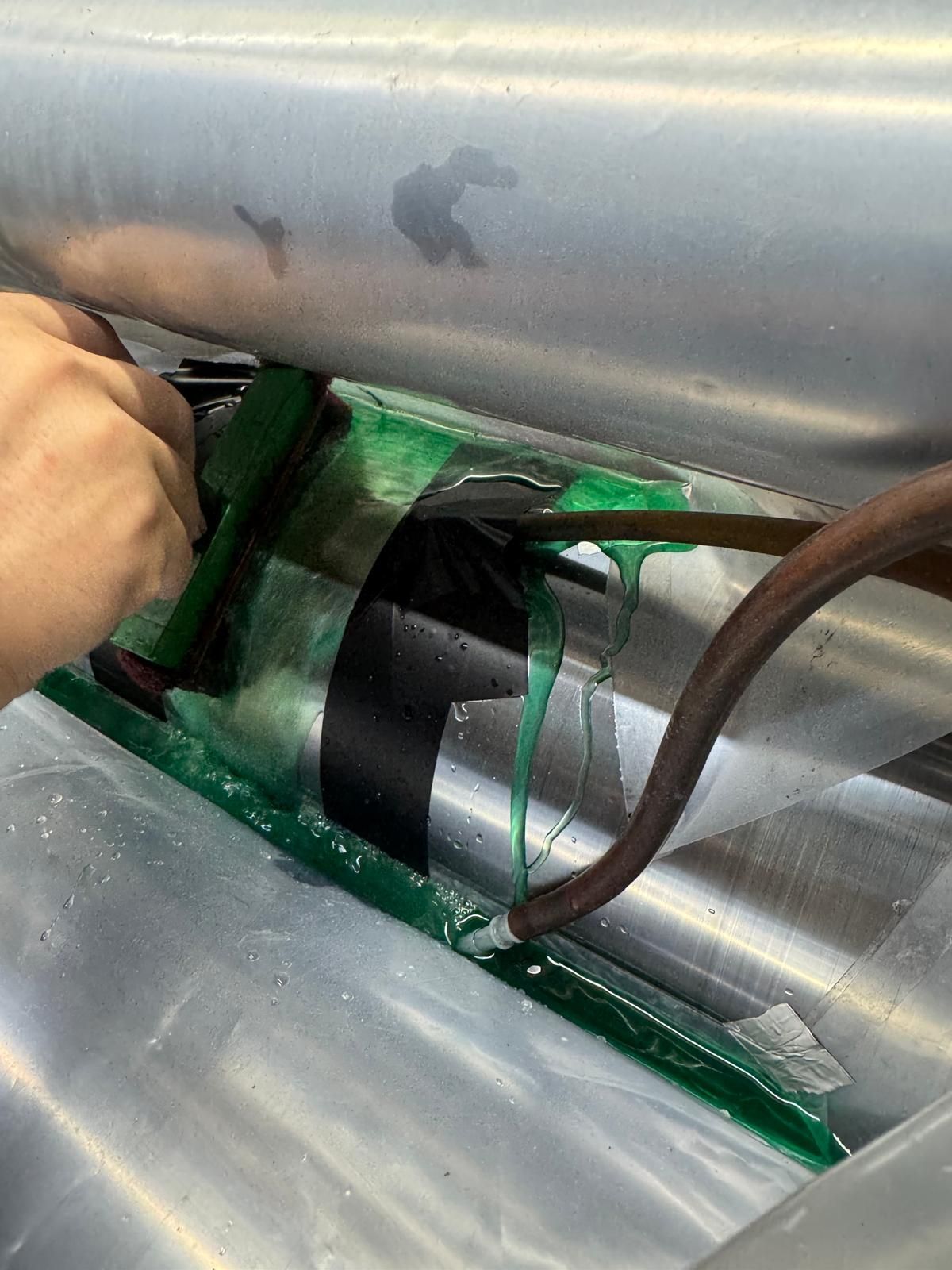
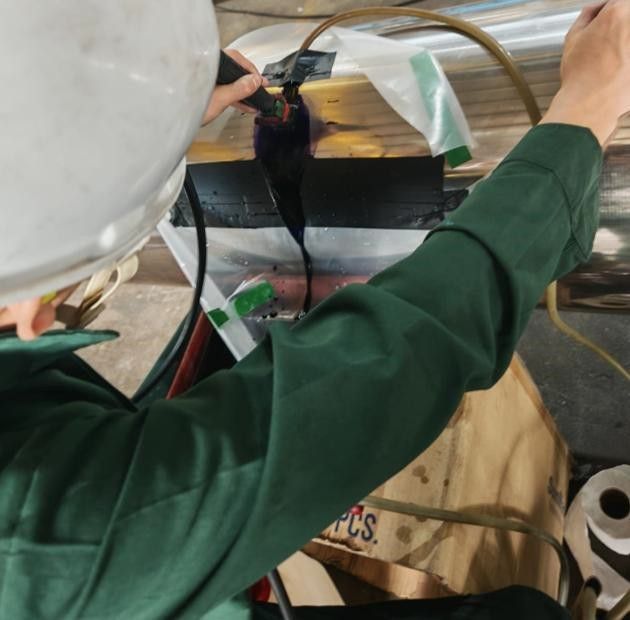
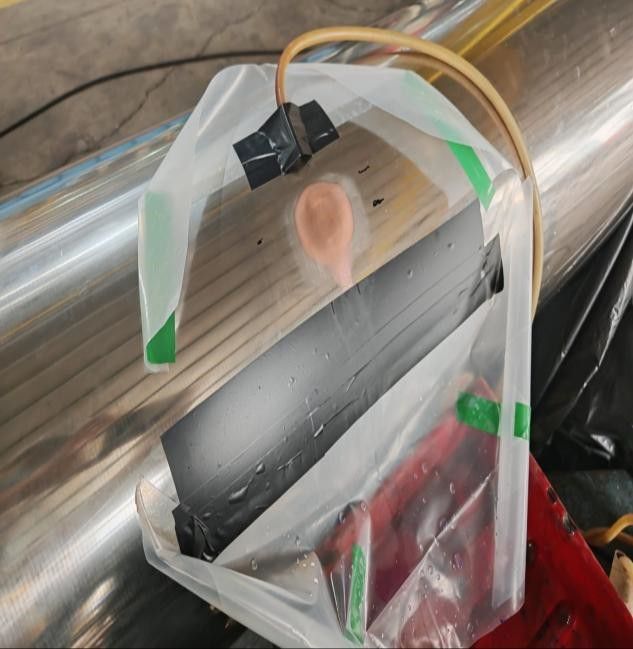
Copper Brush Plating applies a controlled, precise protective layer directly onto the thread surface, creating the sacrificial barrier that prevents steel-on-steel contact during make-up and break-out.
Because the process is portable, it can be applied on-site or in-house restoring protection on connections and accessories without lengthy turnaround times.
Not Sure If Your Connections Need Protection?
If you are seeing any of these signs on your OCTG connections and accessories, it is worth having them assessed before your next well job.
Get in touch with Sterling Impreglon Asia to find out how Brush Copper Plating can protect your connections and reduce the risk of costly delays.