In-House vs. Outsourced Plating
Which Is Right for Your Operation?
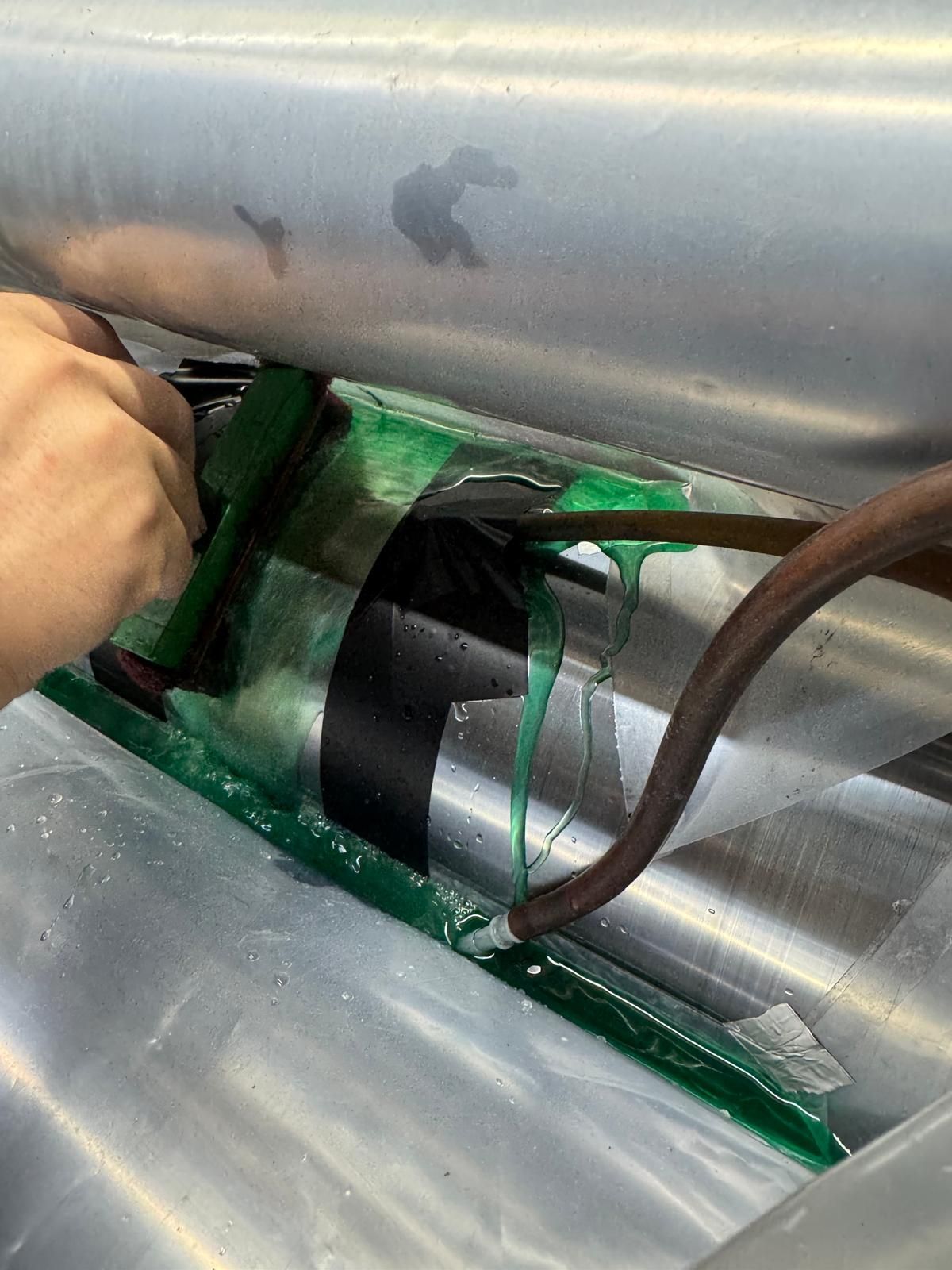
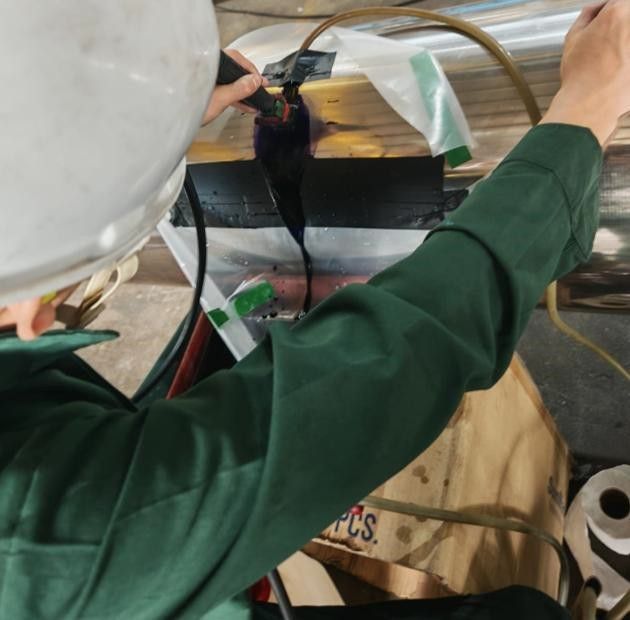
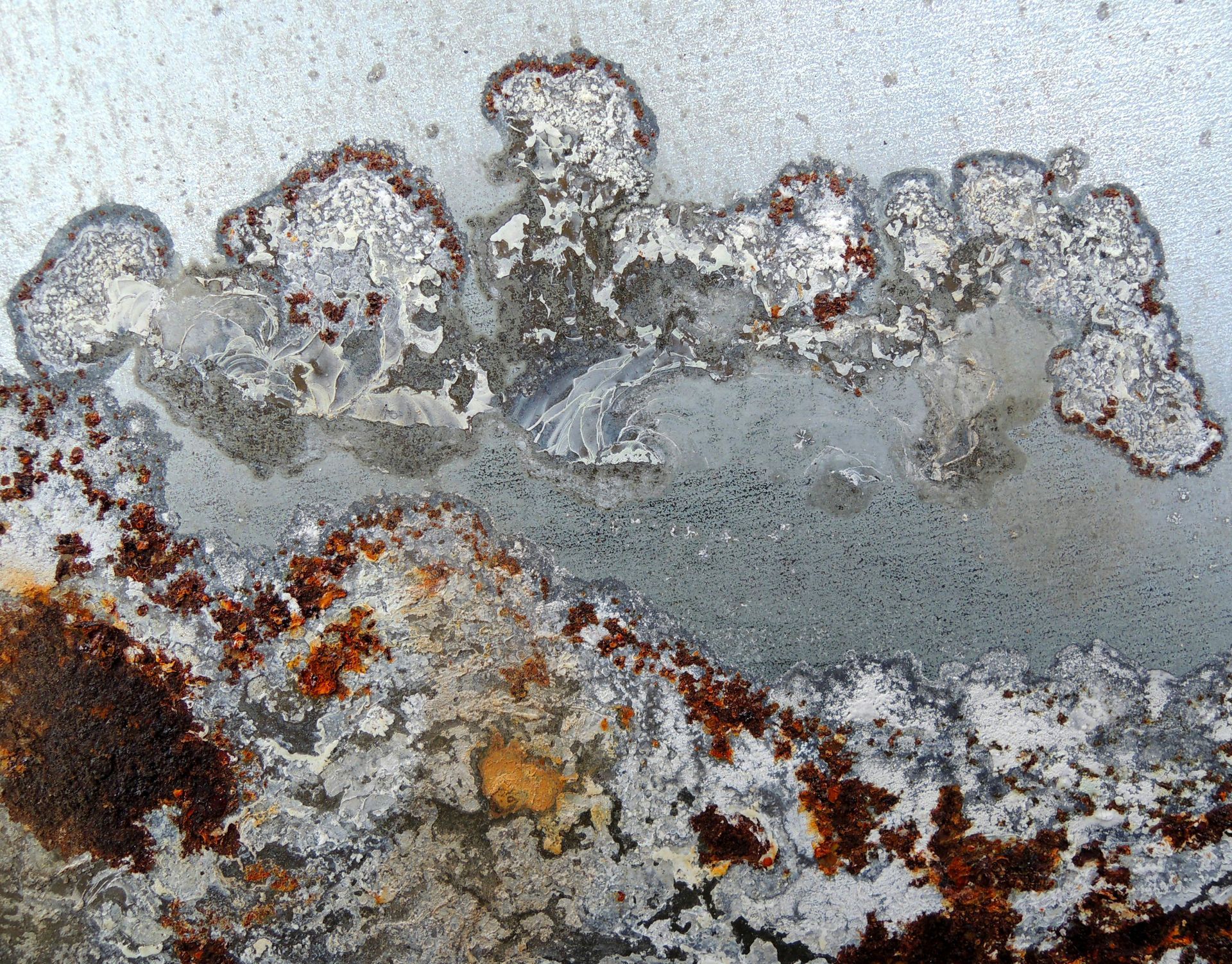
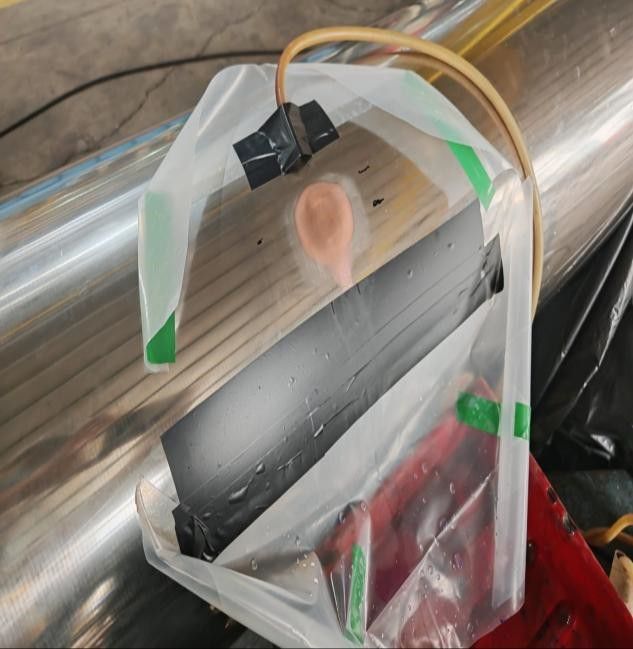
For companies that regularly deal with worn or damaged components, there's a decision that often gets made by default rather than by design: should Brush Plating repair capability live in-house, or should it be outsourced to a specialist provider every time a job comes up?
Neither approach is universally right. The better choice depends on how often you actually need this kind of repair, the nature of your operation, and what you're trying to optimize for. Here's a genuinely balanced look at both.
Outsourcing: Sending Jobs to a Specialist
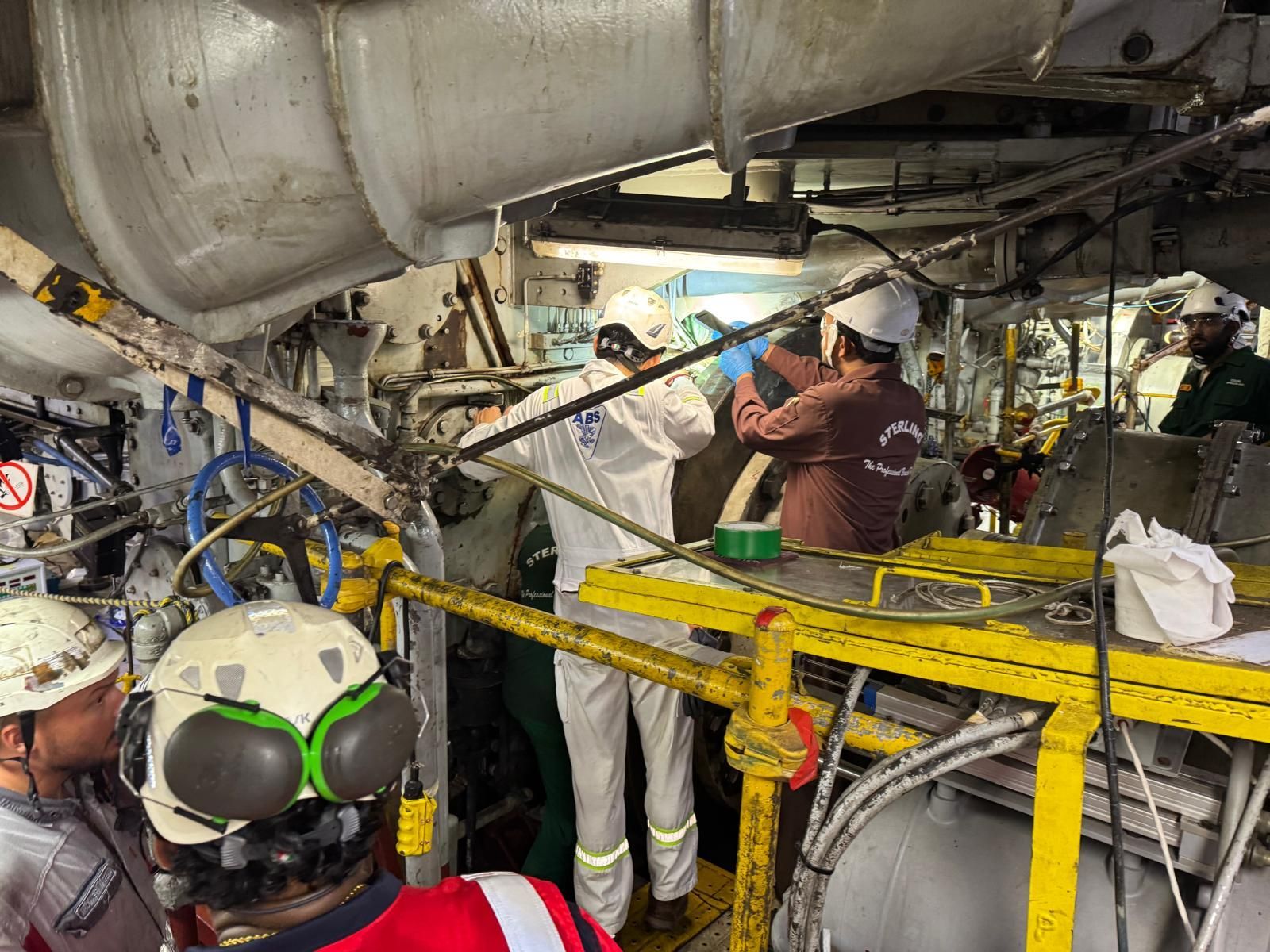
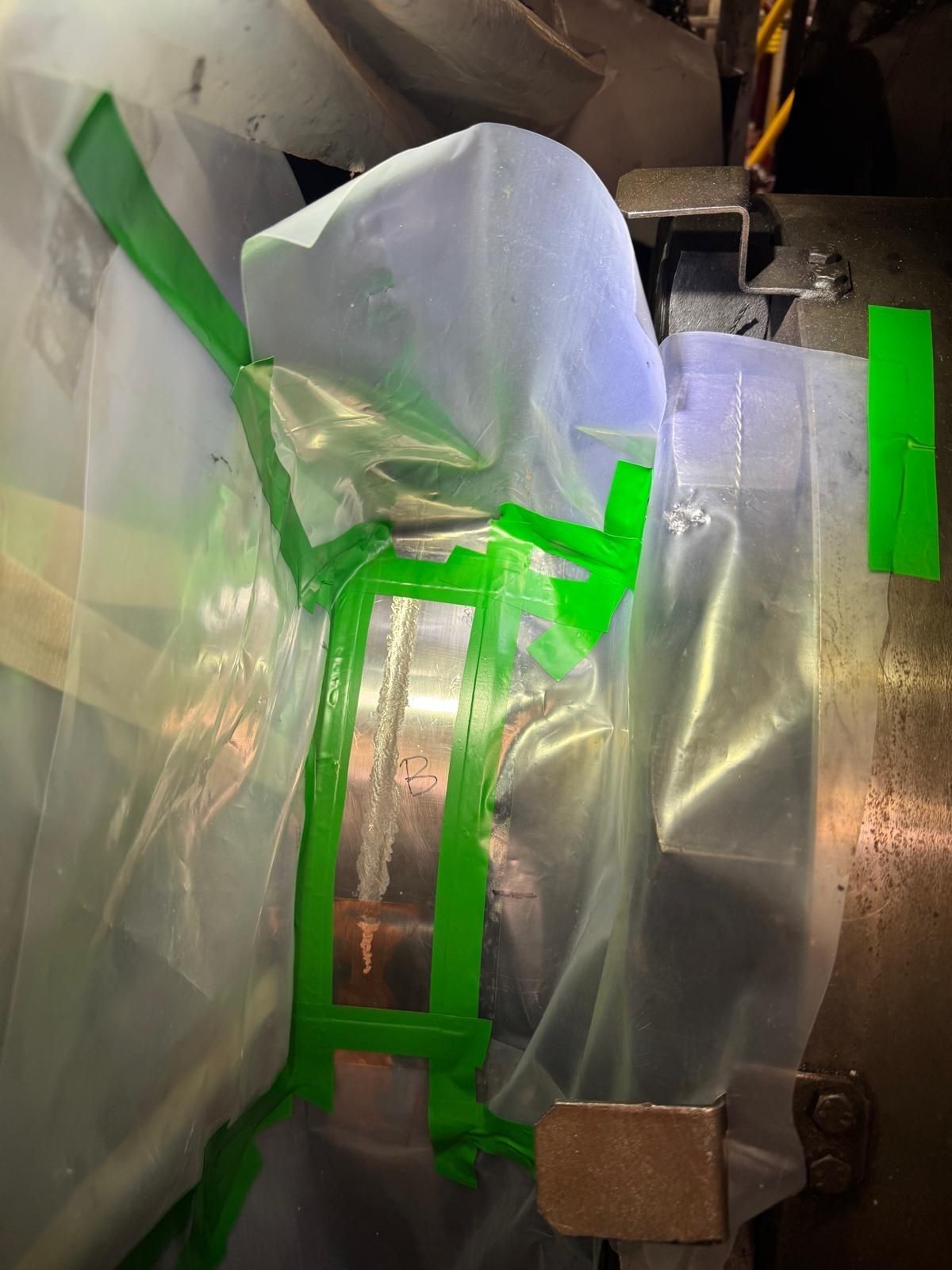
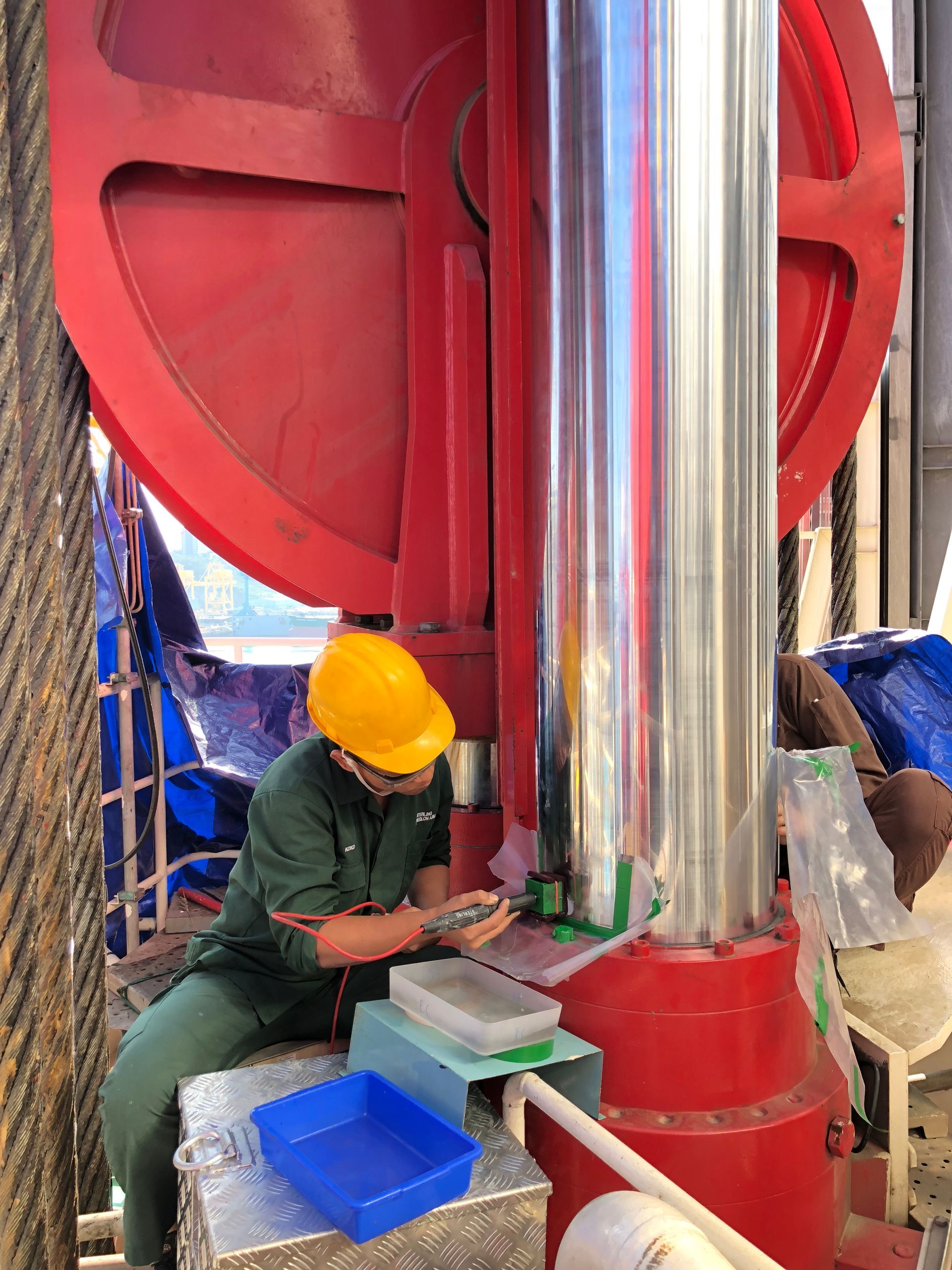
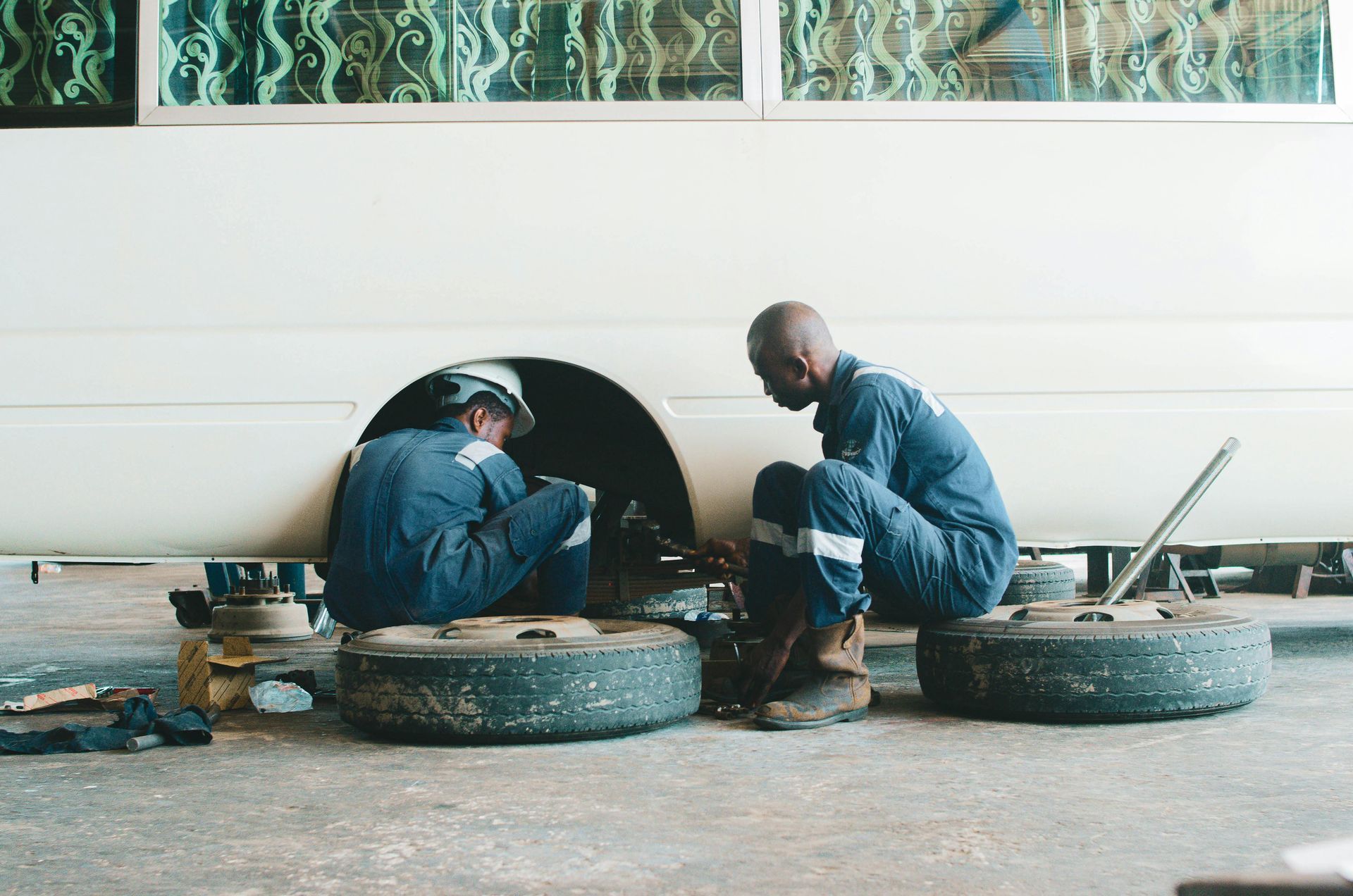
Outsourcing means relying on a provider like us to carry out repairs as they arise either at their facility or on-site at yours without maintaining the equipment, chemicals, or trained personnel internally.
Where outsourcing makes sense:
- Infrequent or unpredictable repair needs. If worn components come up occasionally rather than routinely, the cost of building and maintaining an internal capability is hard to justify against how often it would actually be used.
- Specialized or unusual applications. Certain repairs benefit from the depth of experience that comes from handling a wide range of components and industries, experience that's difficult to replicate with an internal team handling only your own equipment.
- No dedicated maintenance staff or facility space. Smaller operations, or those without a technical maintenance function, often don't have the internal infrastructure to support an in-house plating capability.
- Access to the latest technique refinements. A specialist provider working across many jobs and industries is often the first to encounter and adapt to new challenges experience that gets built into every job.
The trade-off: you're dependent on scheduling and availability outside your own operation, and for very high-volume needs, per-job costs can add up over time compared to an internal capability.
Bringing It In-House: Building Internal Capability
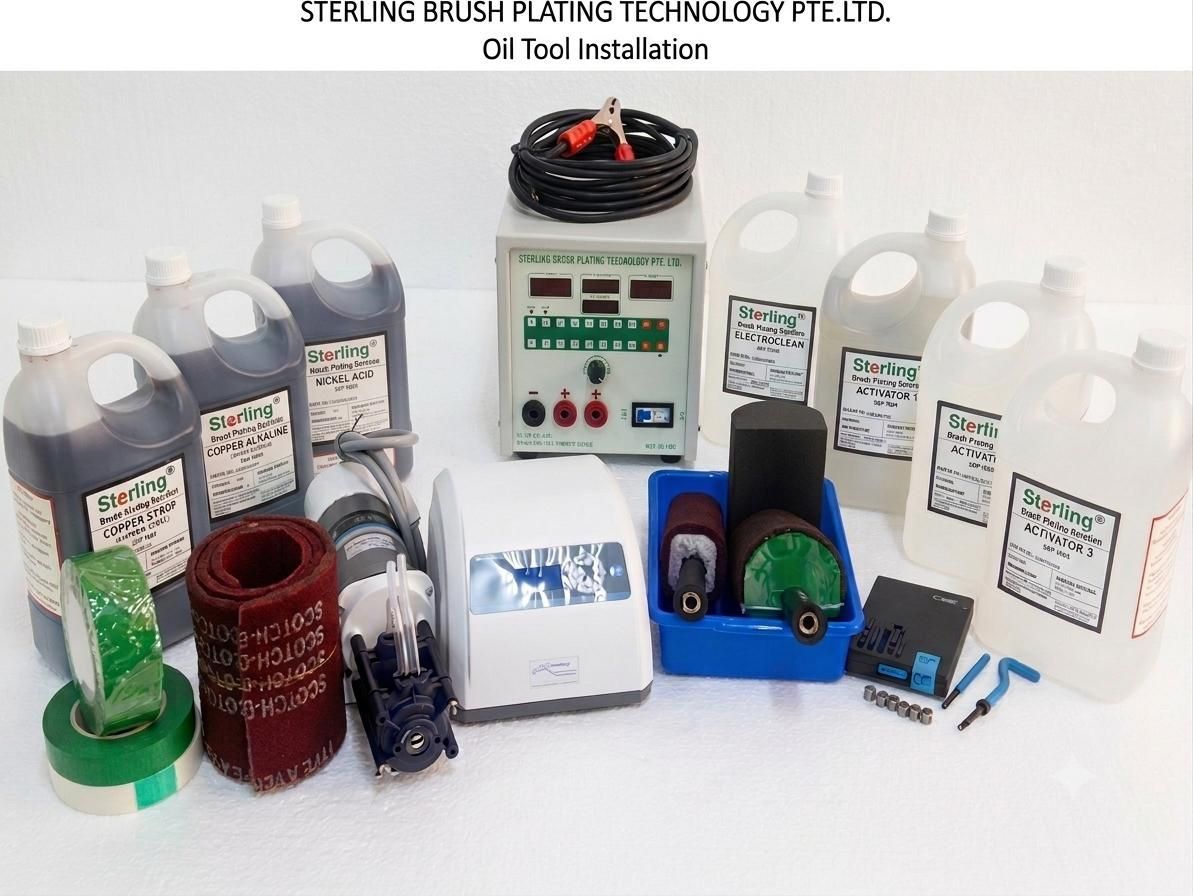
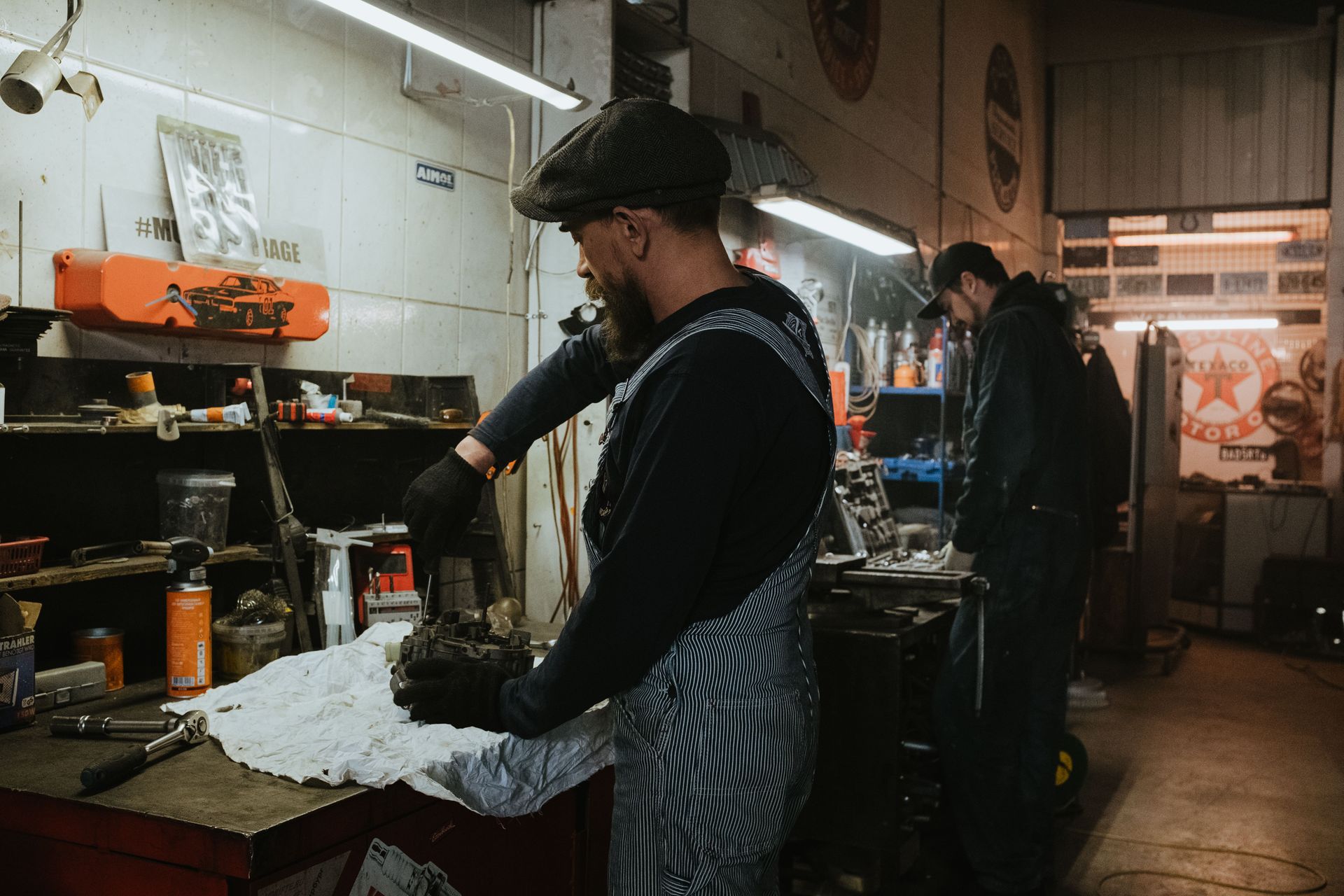
Building an in-house capability means equipping your own team with the chemicals, equipment, and training to carry out Brush Plating repairs directly, without routing every job to an external provider.
Where in-house capability makes sense:
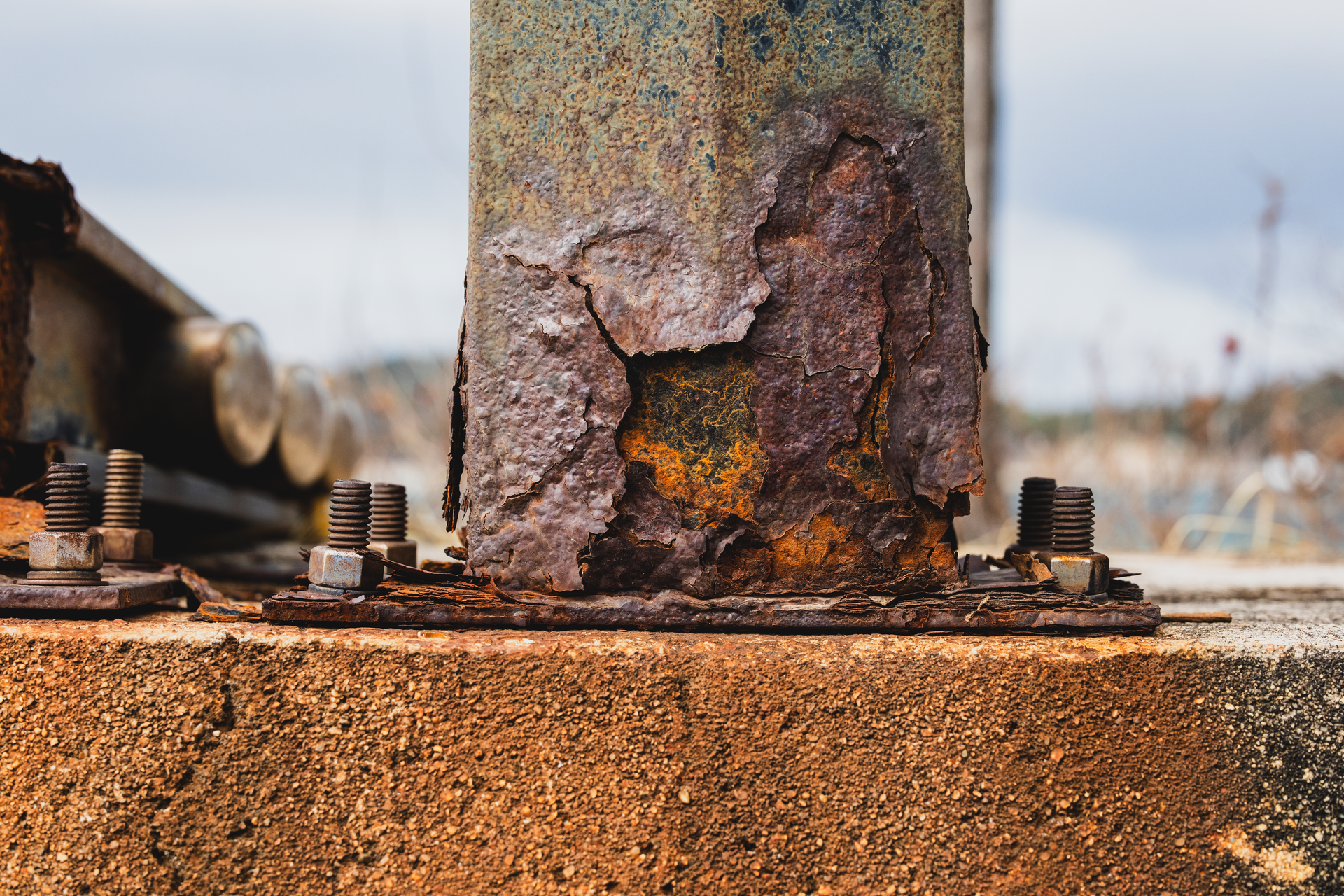
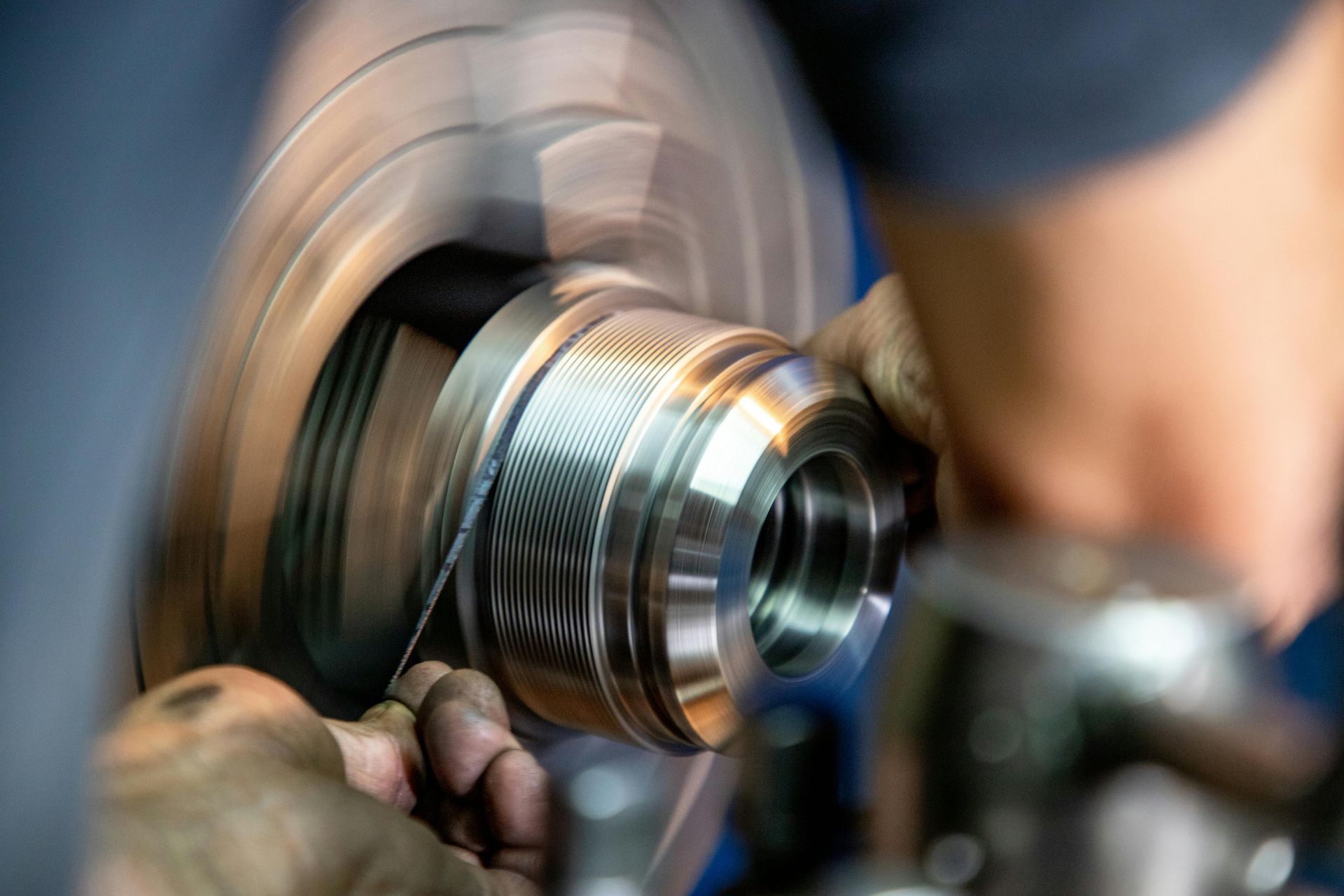
- Frequent or predictable repair volume. If your operation regularly encounters the same kinds of wear, corrosion, or anti-galling challenges, machine workshops, oil tool fabrication facilities, and marine repair yards are common examples. The cost of building internal capability is spread across many repairs, often making it more cost-efficient over time.
- Time-critical operations. When downtime is extremely costly and waiting on an external provider's schedule isn't acceptable, having the capability on-site removes that dependency entirely.
- Control over scheduling and prioritization. An internal team can prioritize repair work according to your own operational needs, rather than working within someone else's queue.
- Long-term cost efficiency. For high-volume users, the equipment and training investment is often recovered over time through reduced per-repair cost and reduced reliance on external turnaround times.
The trade-off: building this capability requires investment in the right chemicals, equipment, and critically, proper training, since Brush Plating is a skilled, hands-on process where technique directly affects the quality and reliability of the result. Without that foundation, an internal program can produce inconsistent results.
A Practical Way to Decide
A useful starting question is simply: how often does this kind of repair come up for us?
- Occasional, unpredictable need → outsourcing is usually the more practical and cost-effective choice
- Frequent, recurring need → building internal capability starts to make strong financial and operational sense
For many operations, the honest answer sits somewhere in between, which is why some companies choose a hybrid approach: building in-house capability for routine, high-volume repairs, while still outsourcing more specialized or unusual jobs to a provider with broader cross-industry experience.
If You Do Decide to Bring It In-House
For companies that land on building internal capability, the same principle that applies to outsourced work still applies: results depend on quality chemicals, reliable equipment, and proper technique not just having the tools on hand.
This is the gap our STERLING SET was built to close. Rather than supplying equipment on its own, it combines our in-house produced chemical solutions, purpose-built equipment, and hands-on training into a single package built around the same standards we apply to our own repair work, with ongoing support as your team builds real-world experience with the process.
Whether that's the right fit depends entirely on your own repair volume and operational needs, which is worth working through properly rather than assuming.