3 Causes of Galling in OCTG Connections
And How to Prevent Them
Galling is one of the most costly and preventable problems in the oilfield operations. A single galled connection can mean a rejected joint, an unplanned delay, or in severe cases, a scrapped premium connection worth thousands of dollars. Yet galling continues to happen across rigs and workshops worldwide, often because the root causes aren't fully understood.
Here are the three most common causes of galling in OCTG (Oil Country Tubular Goods) connections, and what can be done to prevent each one.
What is Galling, exactly?
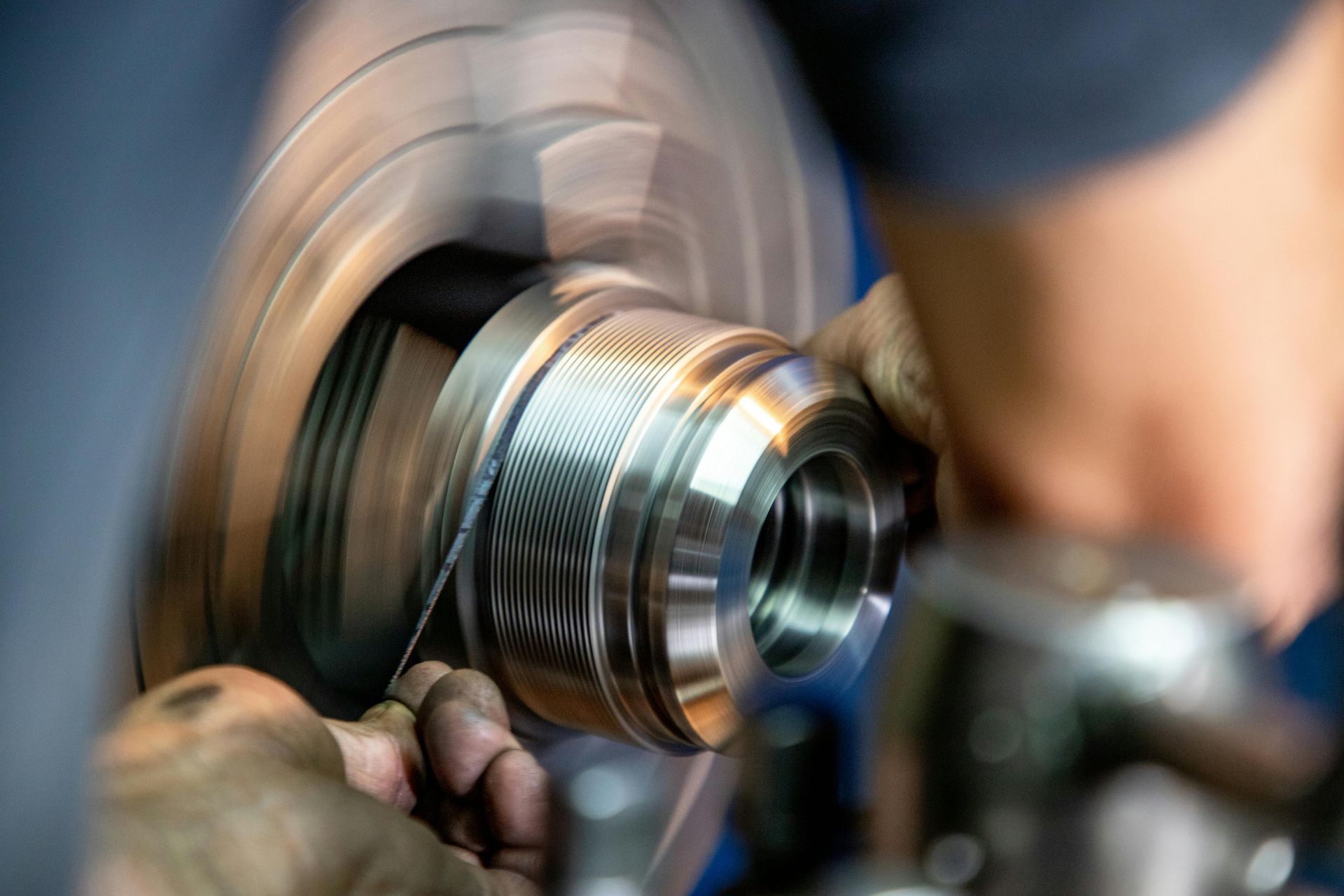
Before getting into the causes, it helps to understand what's actually happening. Galling occurs when two metal surfaces come into contact under pressure and friction, typically during the make-up (connecting) or break-out (disconnecting) of a threaded connection.
Under that pressure, microscopic points on the metal surfaces bond together and tear apart as the surfaces move against each other, transferring material from one surface to the other.
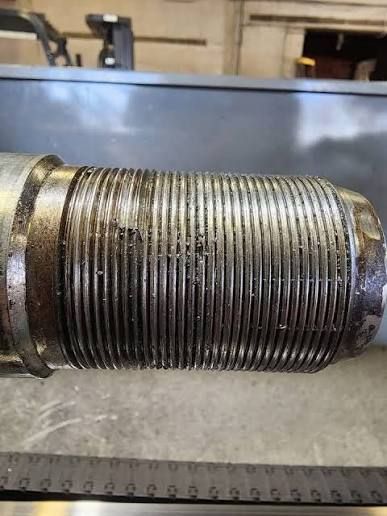
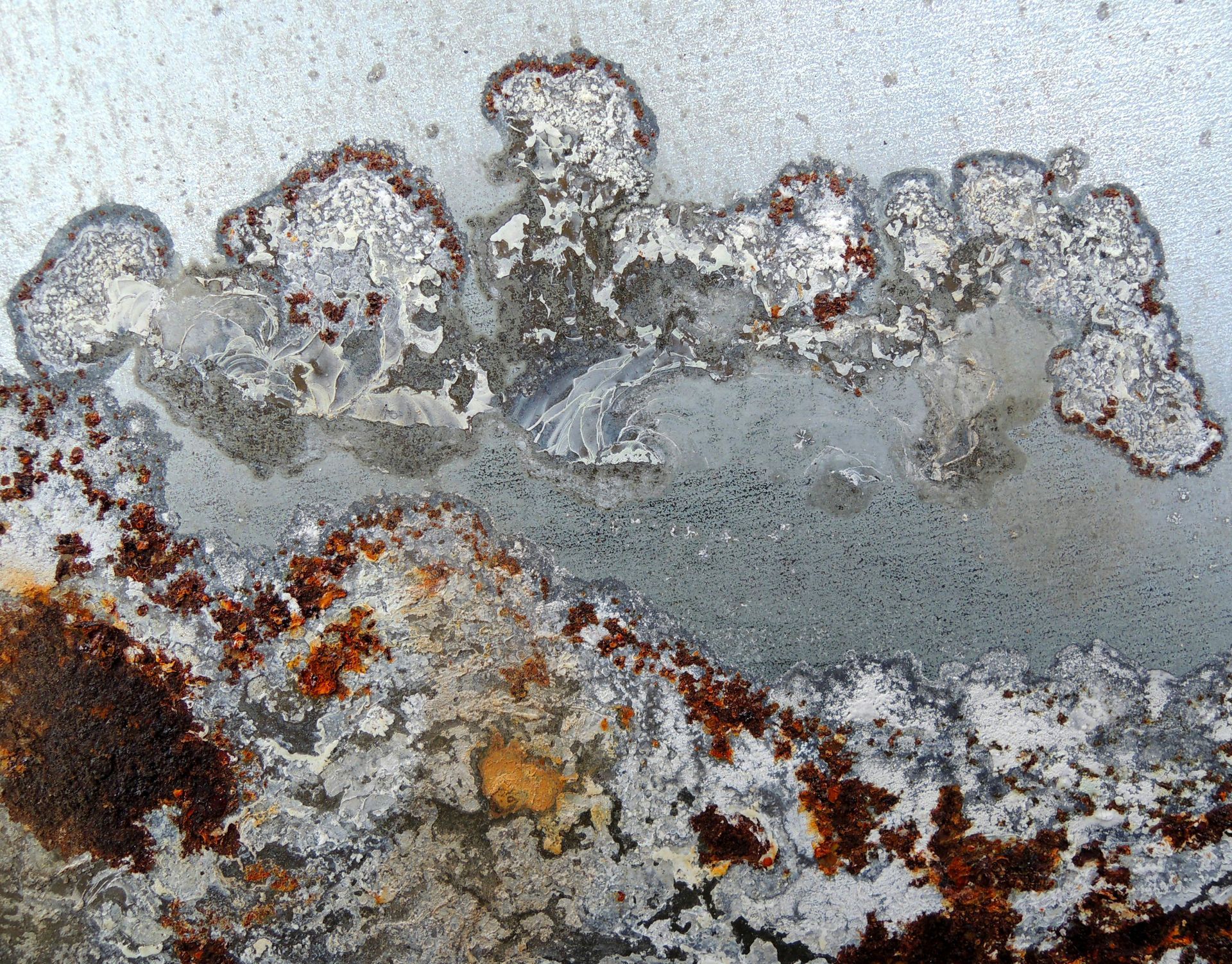
The result is visible damage to the threads, raised metal, rough or torn surfaces, and in severe cases, connections that can no longer seal properly or be reused.
Cause 1: Insufficient or Ineffective Lubrication
Lubrication is the first line of defense against galling. Thread compound is designed to create a barrier between the pin and box surfaces, reducing direct metal-to-metal contact during make-up and break-out.
Galling risk increases sharply when:
- Too little compound is applied, or it's applied unevenly across the thread surface
- The wrong grade of compound is used for the operating conditions
- Compound breaks down under high pressure or temperature before make-up is complete
Without an effective lubricating barrier, the connection is left far more vulnerable to direct metal contact which is exactly where galling begins.
Cause 2: Steel-on-Steel Contact Without Surface Protection
Even with proper lubrication, connections without a dedicated anti-galling surface treatment remain at risk. Bare steel threads making direct contact with other bare steel threads are inherently prone to galling, it's a natural characteristic of similar metals under pressure and friction.
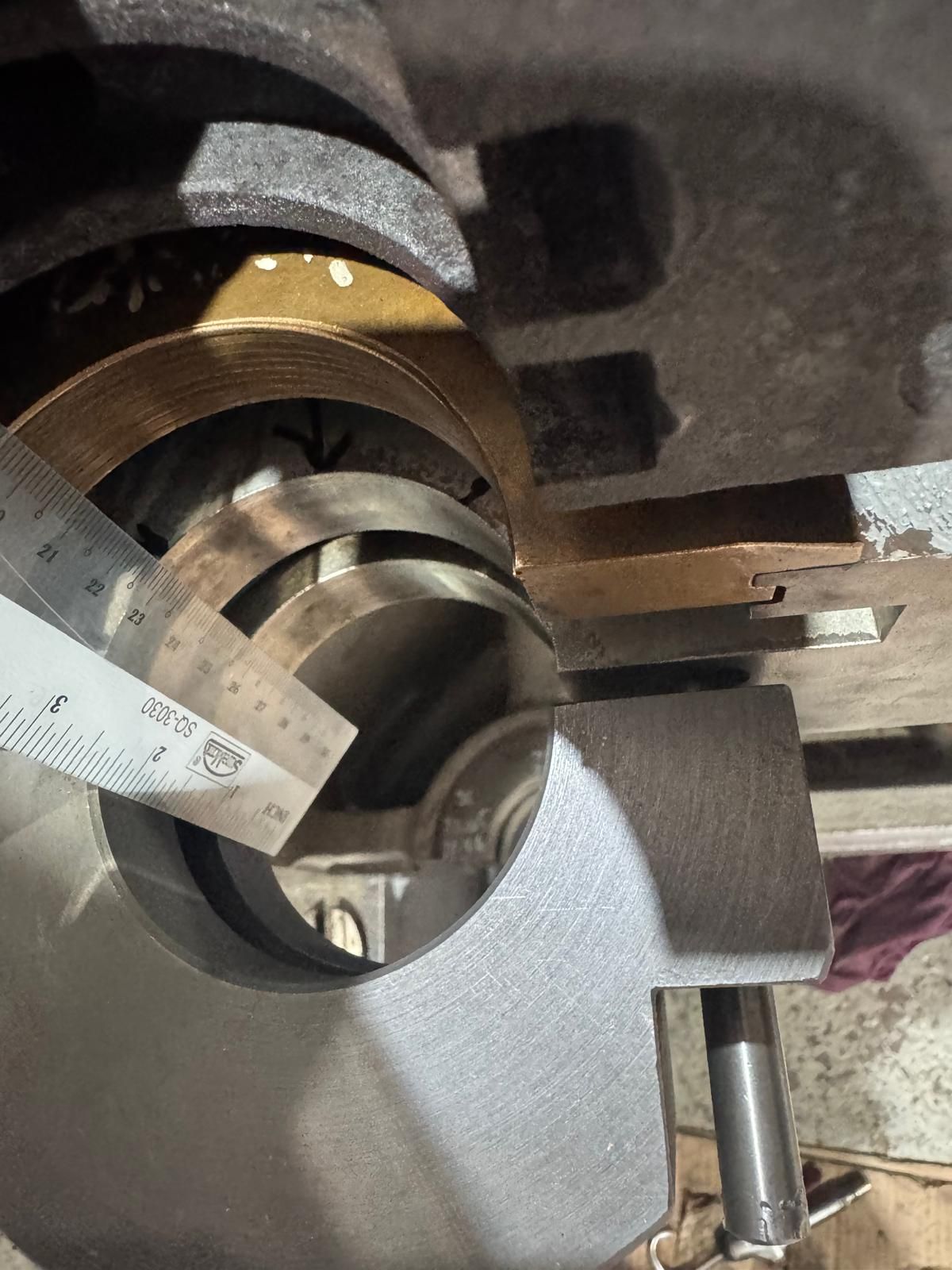
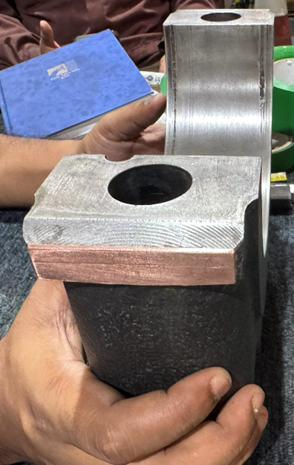
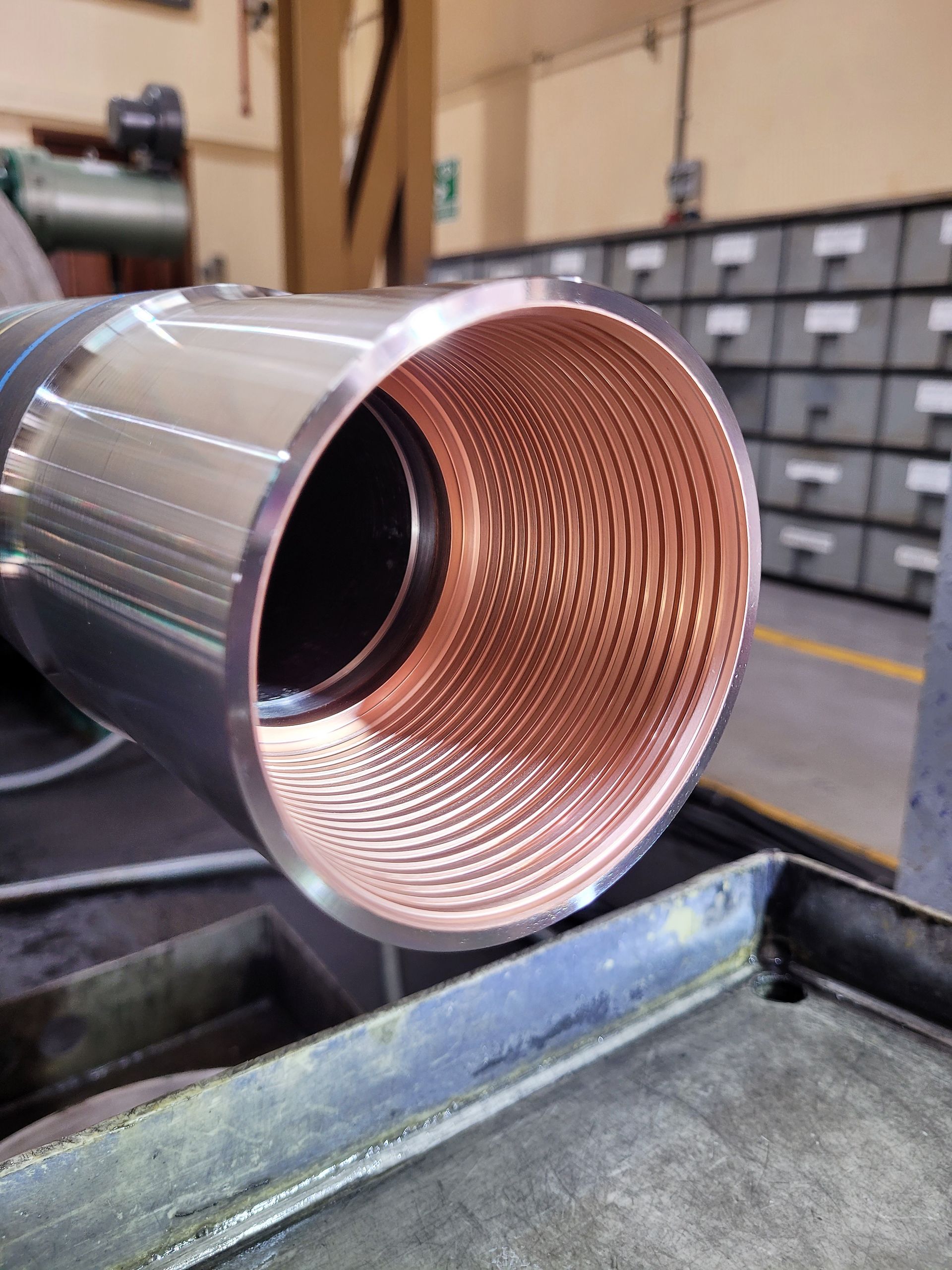
This is why many premium OCTG connections are manufactured with a protective coating, most commonly copper plating, on the pin or box threads. This layer acts as a sacrificial, lubricating barrier between the two steel surfaces, significantly reducing the risk of adhesive wear during make-up and break-out.
The problem arises when this protective layer is missing, worn away, or was never applied in the first place leaving unprotected steel to make direct contact with unprotected steel, cycle after cycle.
Cause 3: High Torque, Friction, and Repeated Make-and-Break Cycles
The third major contributor is mechanical stress on the connection itself. Galling risk increases significantly with:
- Excessive make-up torque: applying more force than the connection is designed for increases friction and heat at the thread surface
- High-speed or improper make-up technique: rushing the process reduces control and increases the chance of surface damage
- Repeated cycling: every additional make-up and break-out cycle adds wear, and connections used repeatedly in harsh field conditions accumulate risk over time
Even a well-lubricated, well-protected connection can eventually show galling if it is subjected to enough torque, speed, and repeated cycling without proper care and inspection.
Why This Matters
Galling is not just cosmetic thread damage. Left unaddressed, it can lead to:
- Rejected connections during inspection
- Loss of seal integrity, with pressure or leak risks
- Unplanned rig downtime while a connection is repaired or replaced
- In severe cases, the total loss of an expensive premium connection
For operators, licensees, and workshops handling high-value OCTG connections, understanding and preventing these three causes is not just good practice. It is a direct protection of both operational uptime and capital investment.
How Brush Copper Plating Helps
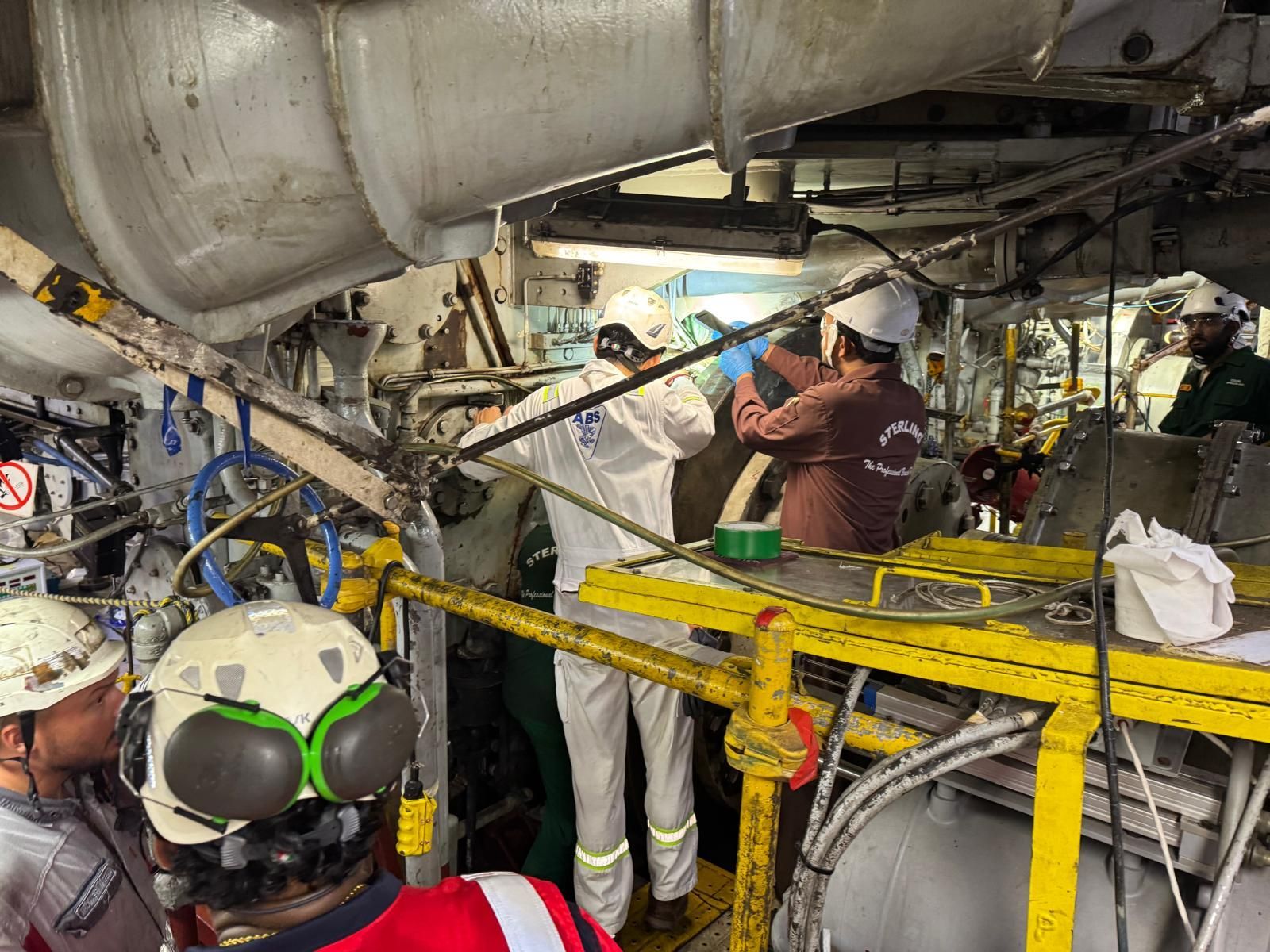
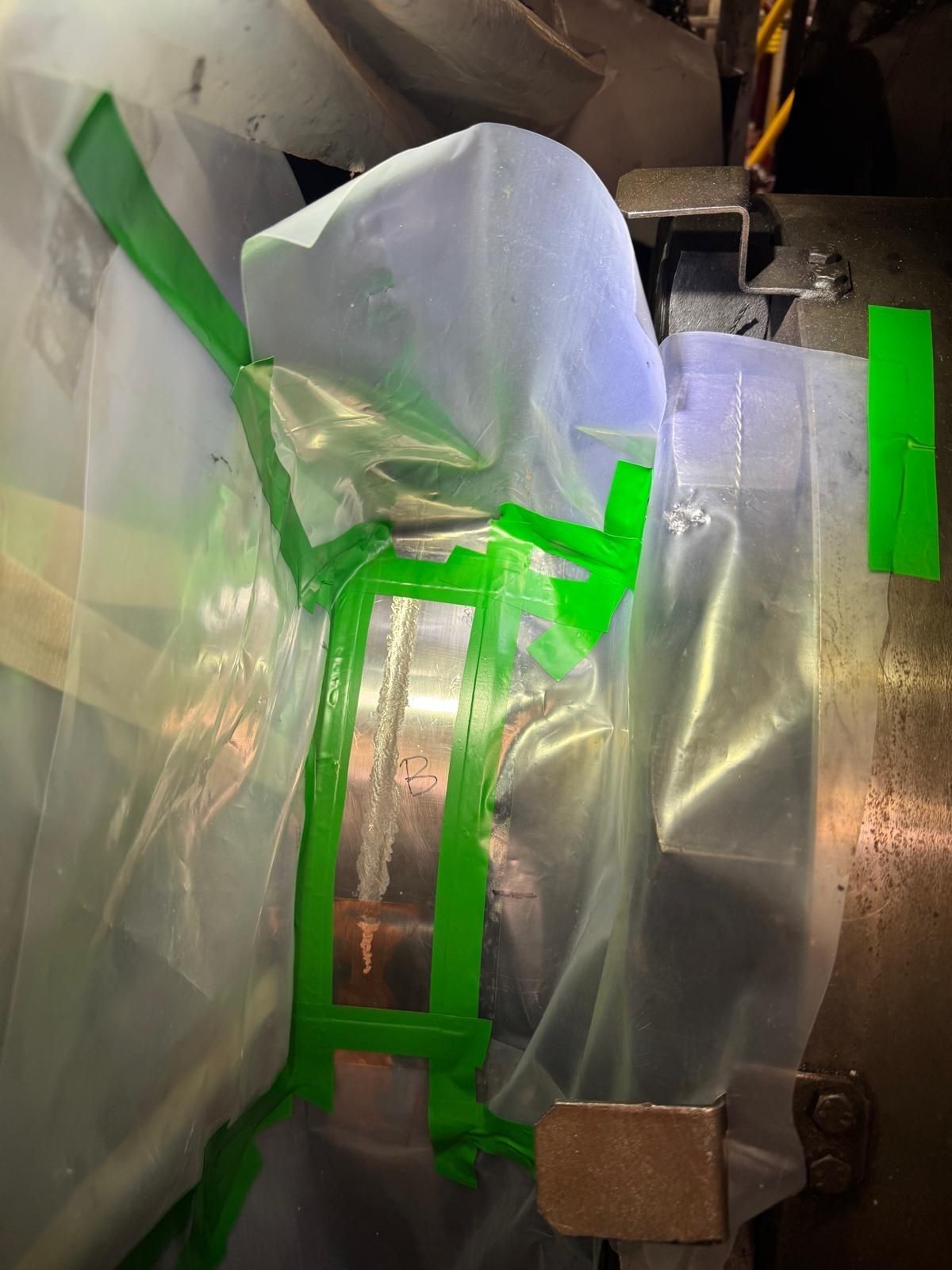
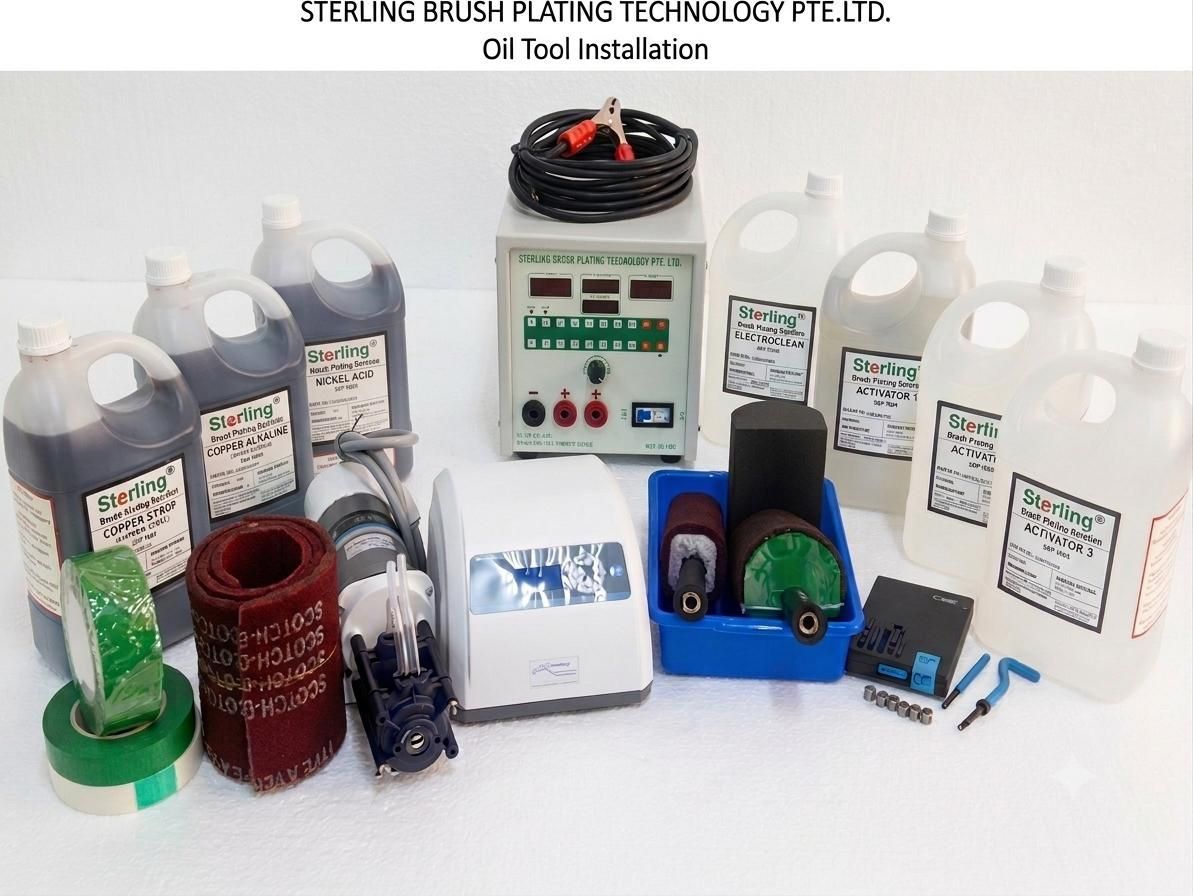
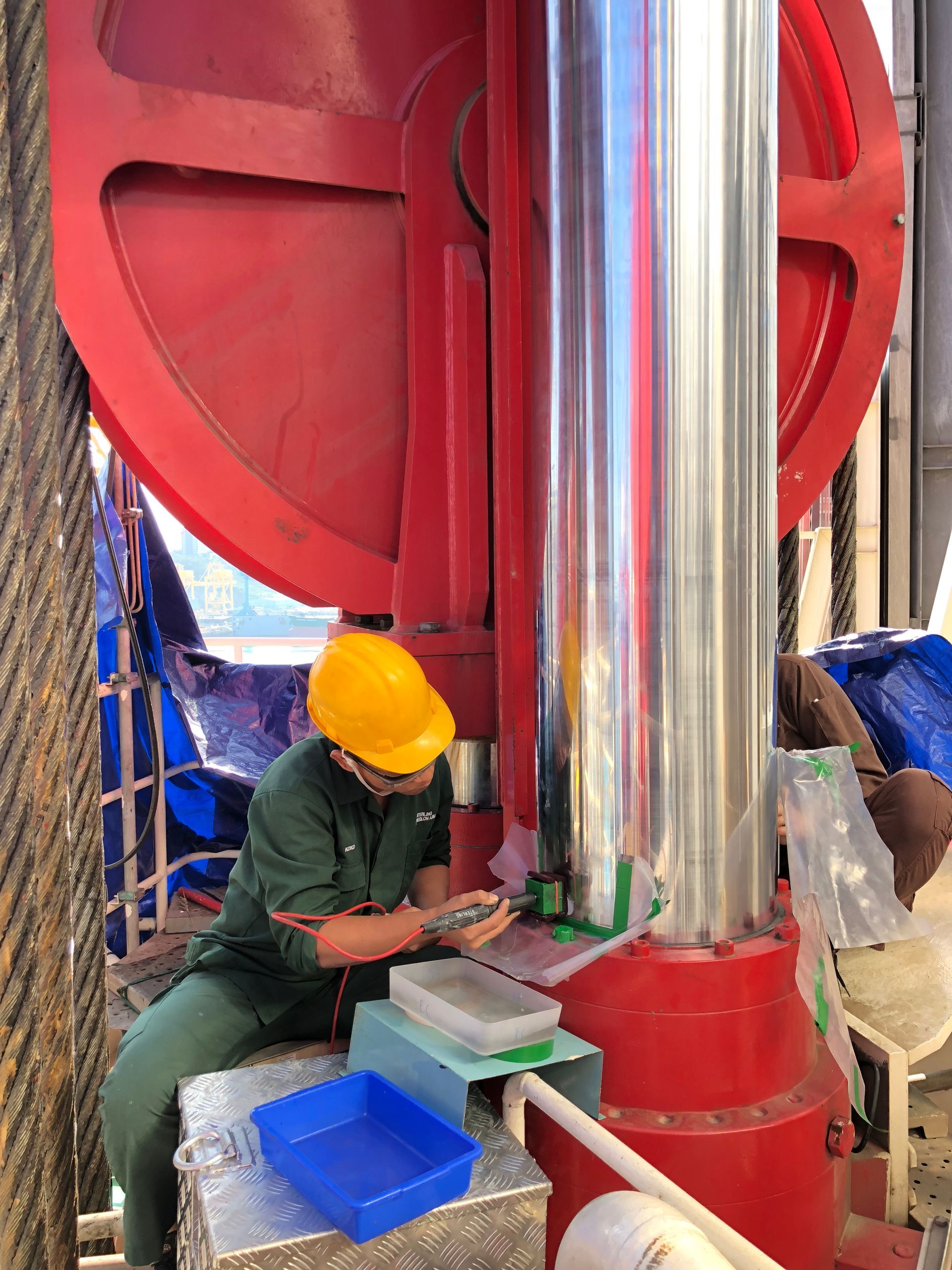
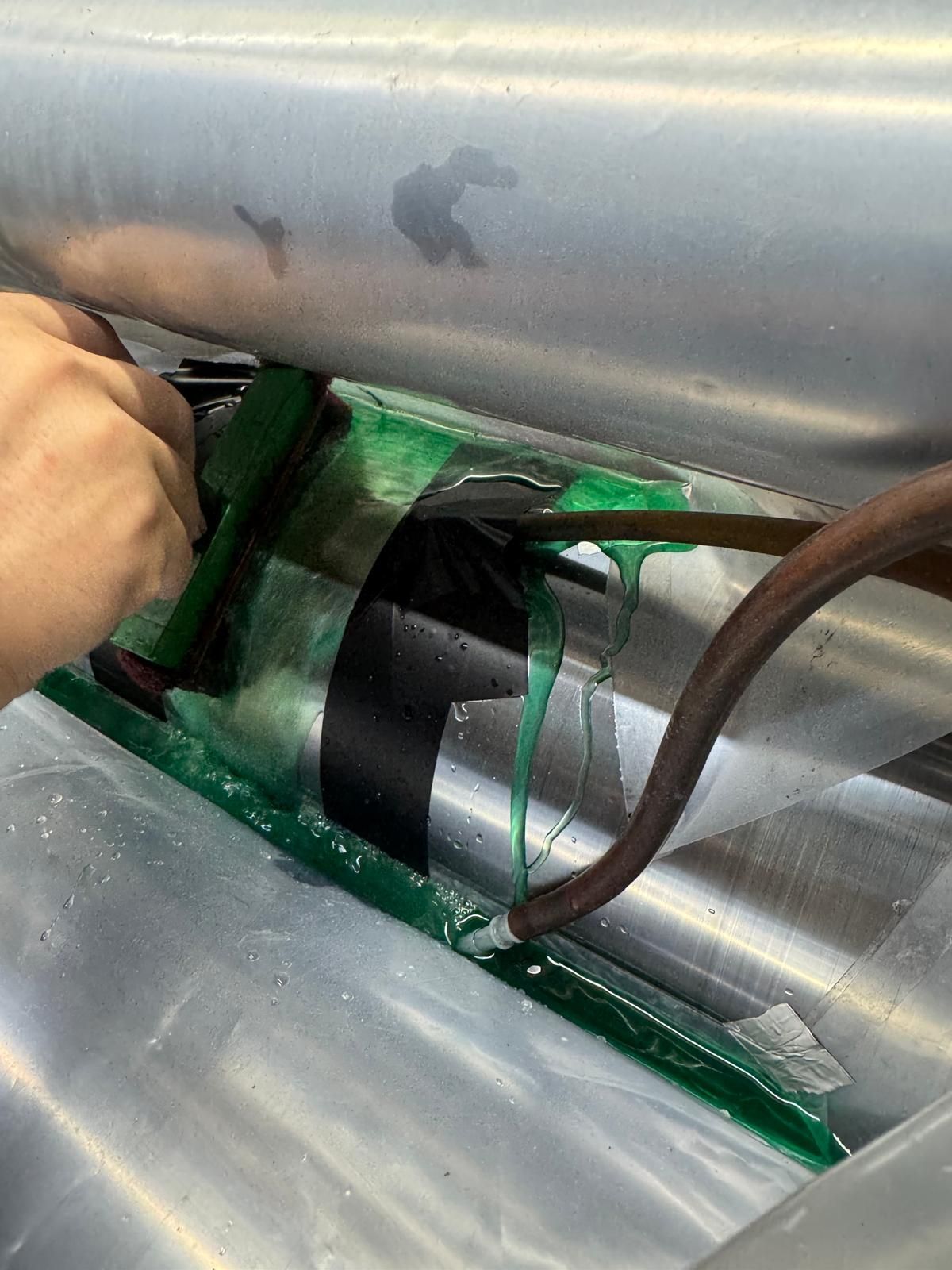
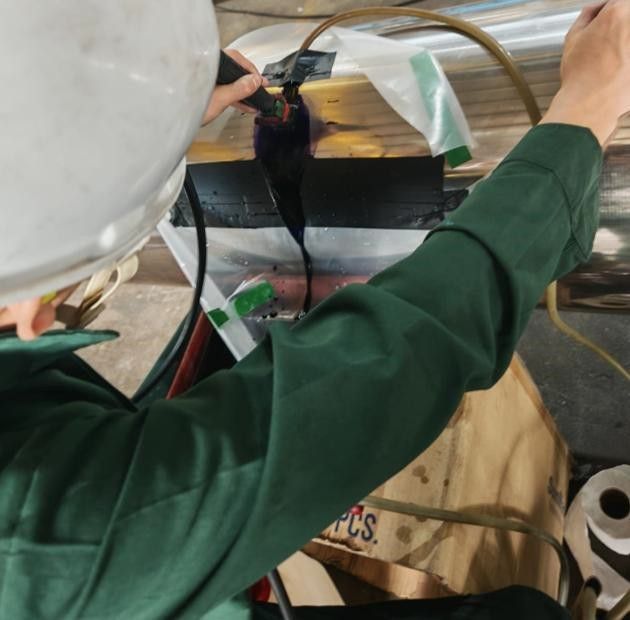
This is exactly the problem Copper Brush Plating is designed to solve. By applying a controlled, precise layer of copper directly onto the thread surface, Brush Plating creates the sacrificial, lubricating barrier that prevents steel-on-steel contact without the need to send the entire tool or connection away for treatment.
Because the process is portable, it can be applied on-site or in-house, restoring or reinforcing anti-galling protection on premium and non-premium connections and accessories alike, with minimal disruption to operations.
Protect Your Connections Before Galling Costs You
If your operation is experiencing recurring galling issues, or you simply want to strengthen your anti-galling protection before problems start, it's worth having your connections assessed.
Get in touch with Sterling Impreglon Asia to find out how Brush Copper Plating can protect your OCTG connections and reduce the risk of costly downtime.