One Process, Five Industries
How Brush Plating Adapts to Different Applications
Most repair or surface treatment technologies are built for a narrow use case, effective in one setting, but not easily transferable to another. Brush Plating is different. The same core process, selective, portable metal deposition adapts to a remarkably wide range of components, damage types, and operating environments.
At Sterling Impreglon Asia, we apply Brush Plating across five distinct industries: Marine, Aerospace, Heavy Equipment, Oil & Gas, and Printing. The equipment, the damage, and the goals differ in each but the underlying process, and the reasons it works, stay the same. Here's how it plays out across each one.
Marine: Keeping Vessels in Service, Not in Dry Dock
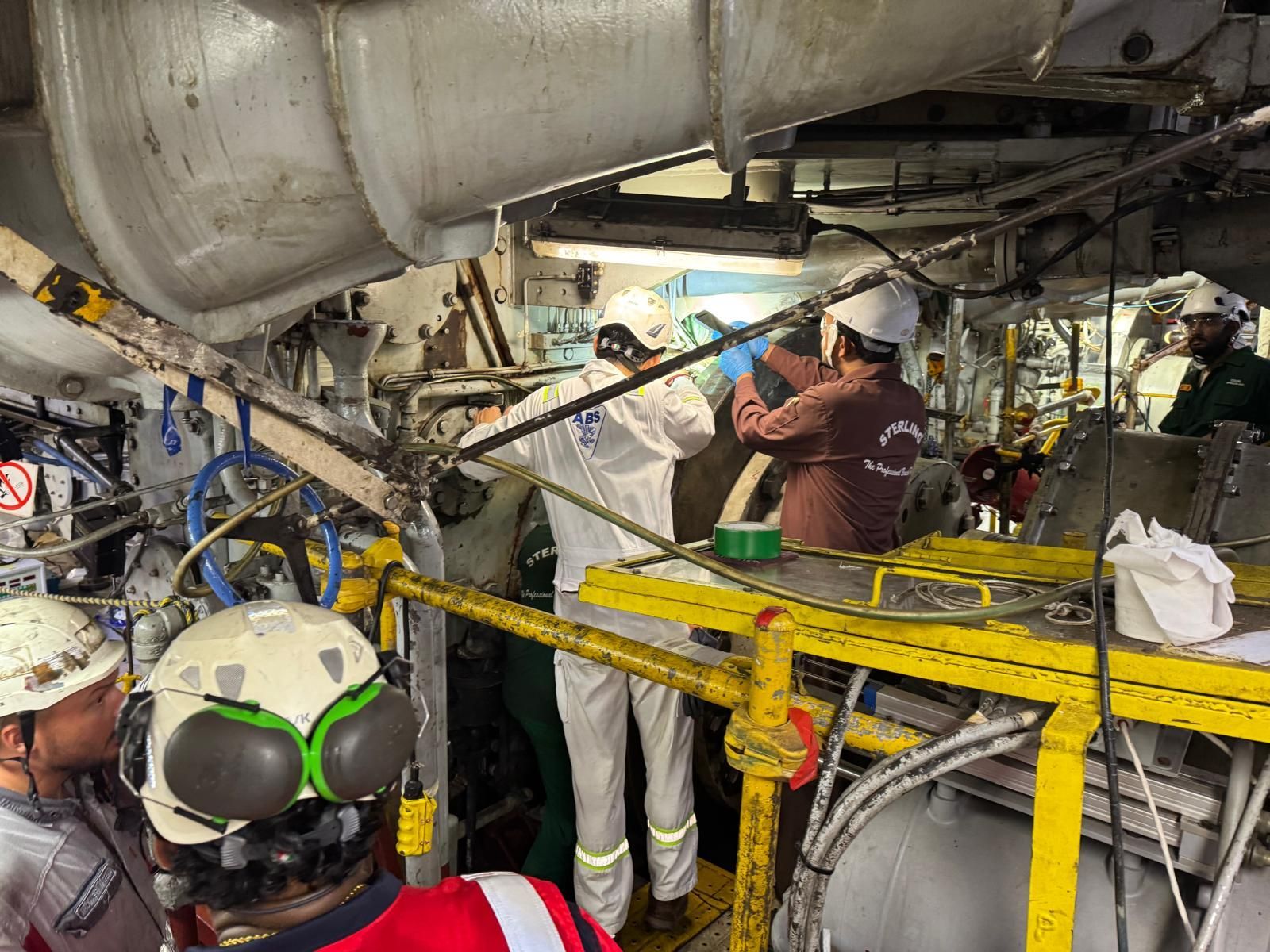
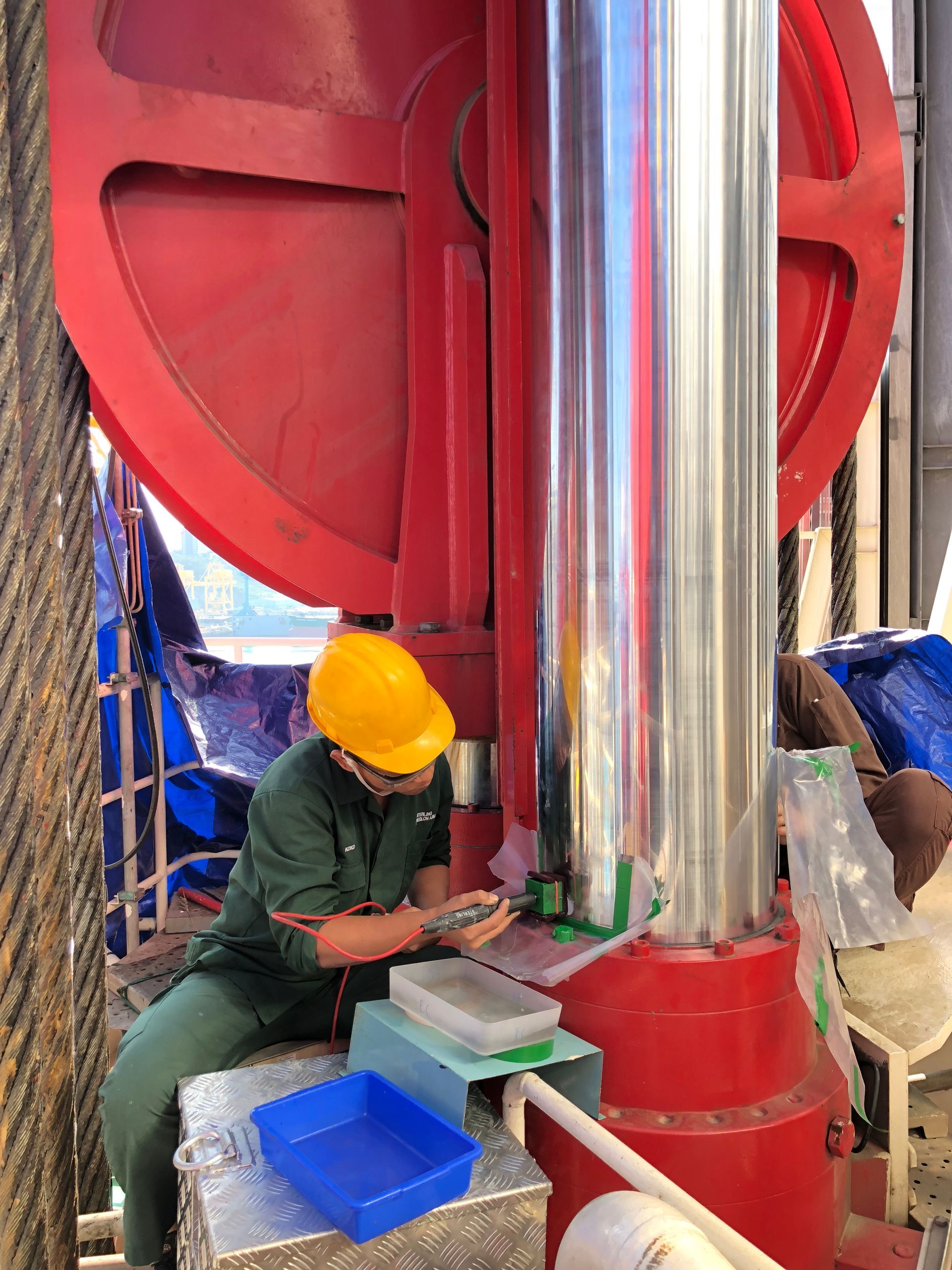
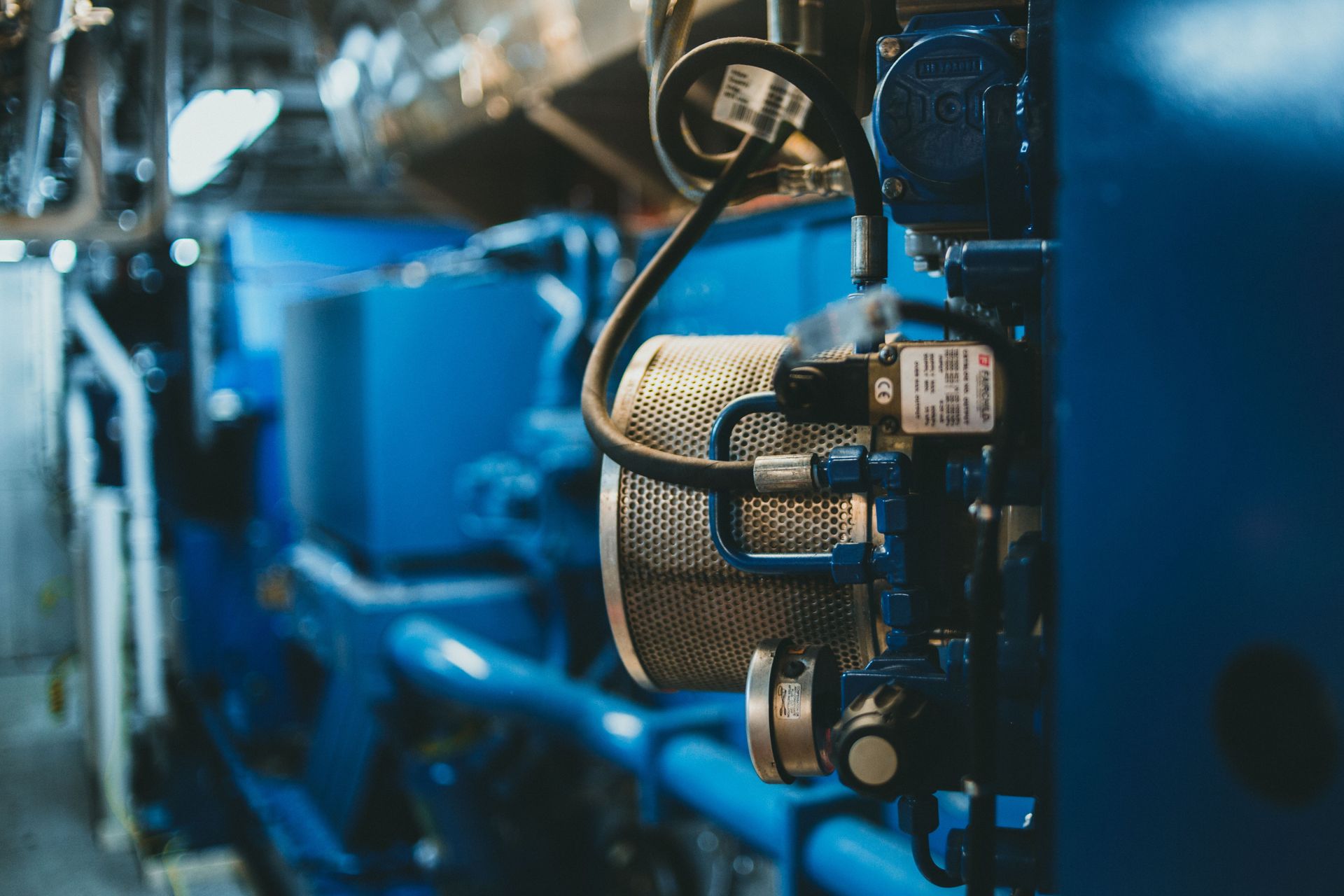
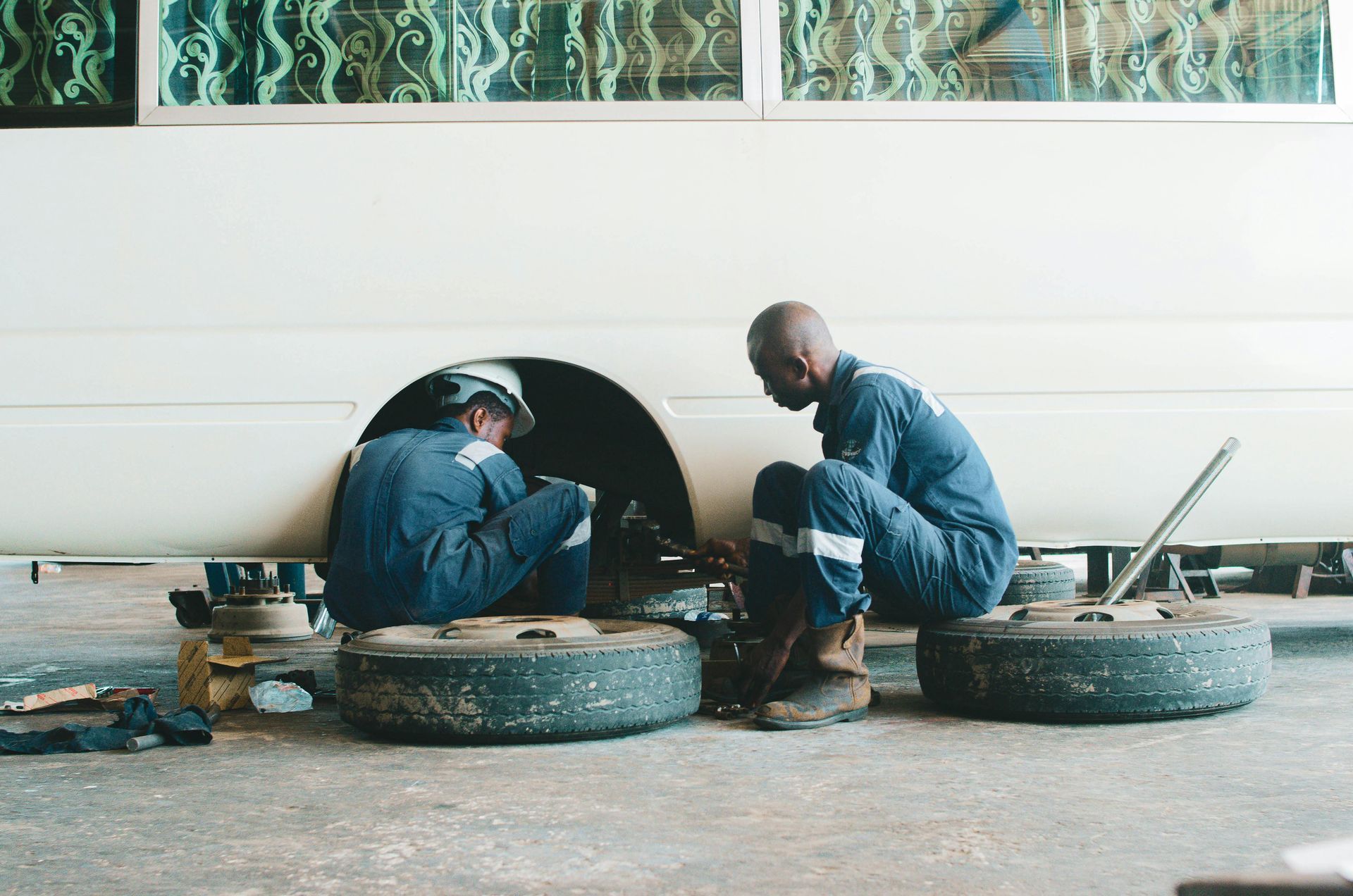
Marine equipment such as propulsion shafts, pump components, turbine casings, hydraulic systems operate under constant mechanical stress, and often in corrosive, saltwater-exposed conditions. Wear and scoring on critical rotating components is common, and taking a vessel out of service to address it is expensive.
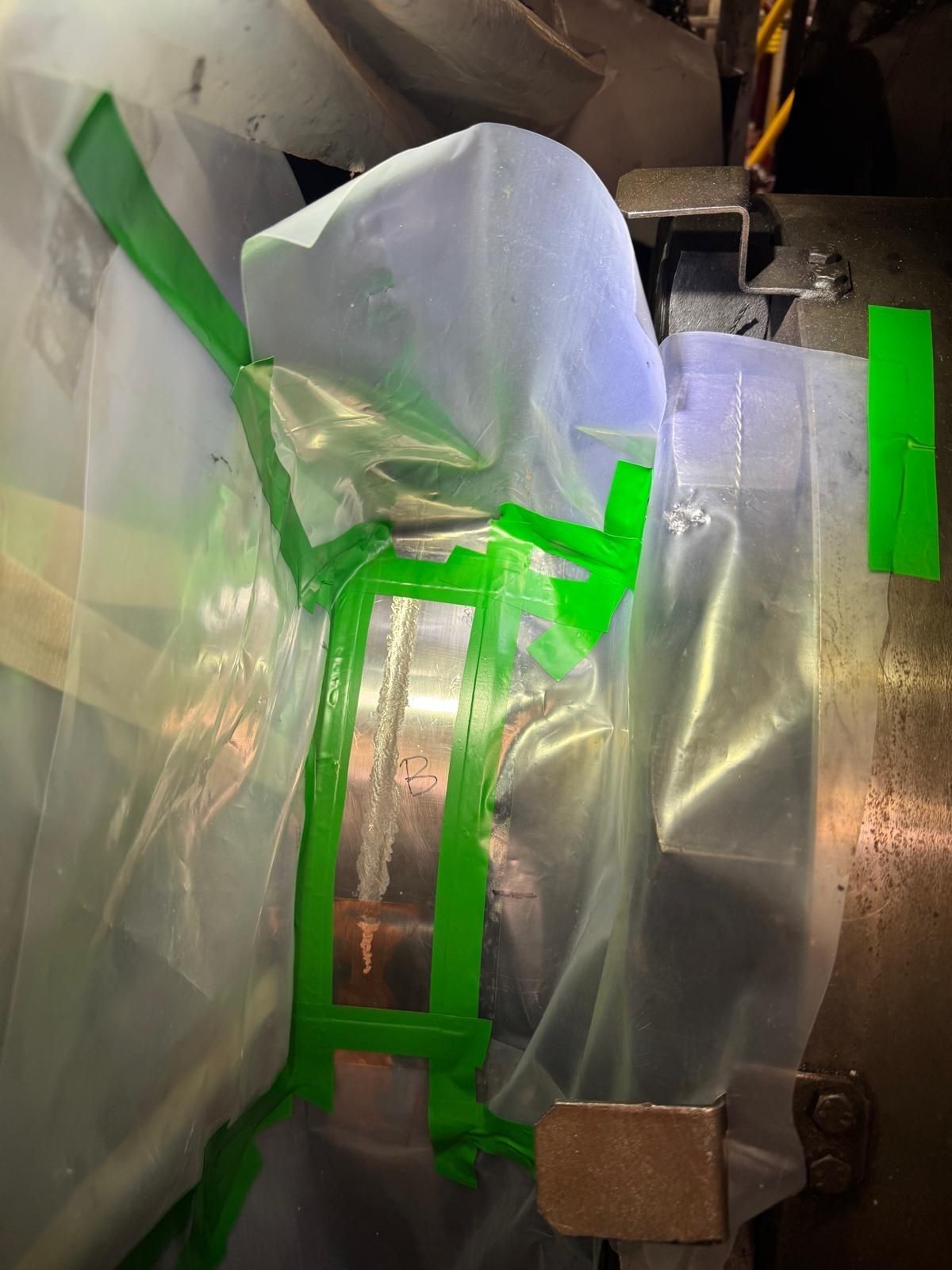
Because Brush Plating can often be performed on-site, without full disassembly, it allows marine components to be restored while minimizing the time a vessel spends out of operation. This is particularly valuable for mechanical components housed deep within machinery, where removal alone can be a significant undertaking.
Aerospace: Precision Where Tolerances Leave No Room for Error
Aerospace components operate under some of the tightest dimensional tolerances of any industry, and the margin for error in a repair is minimal. Landing gear, actuators, and other critical components can develop localized wear that, left unaddressed, compromises fit and function.
Brush Plating's ability to rebuild a surface to within microns of its original specification makes it well suited to this kind of precision work, restoring exact dimensions on a targeted area, without affecting the surrounding surface or the component's broader structural integrity.
Heavy Equipment: Restoring Uptime for Machinery That Can't Afford to Sit Idle
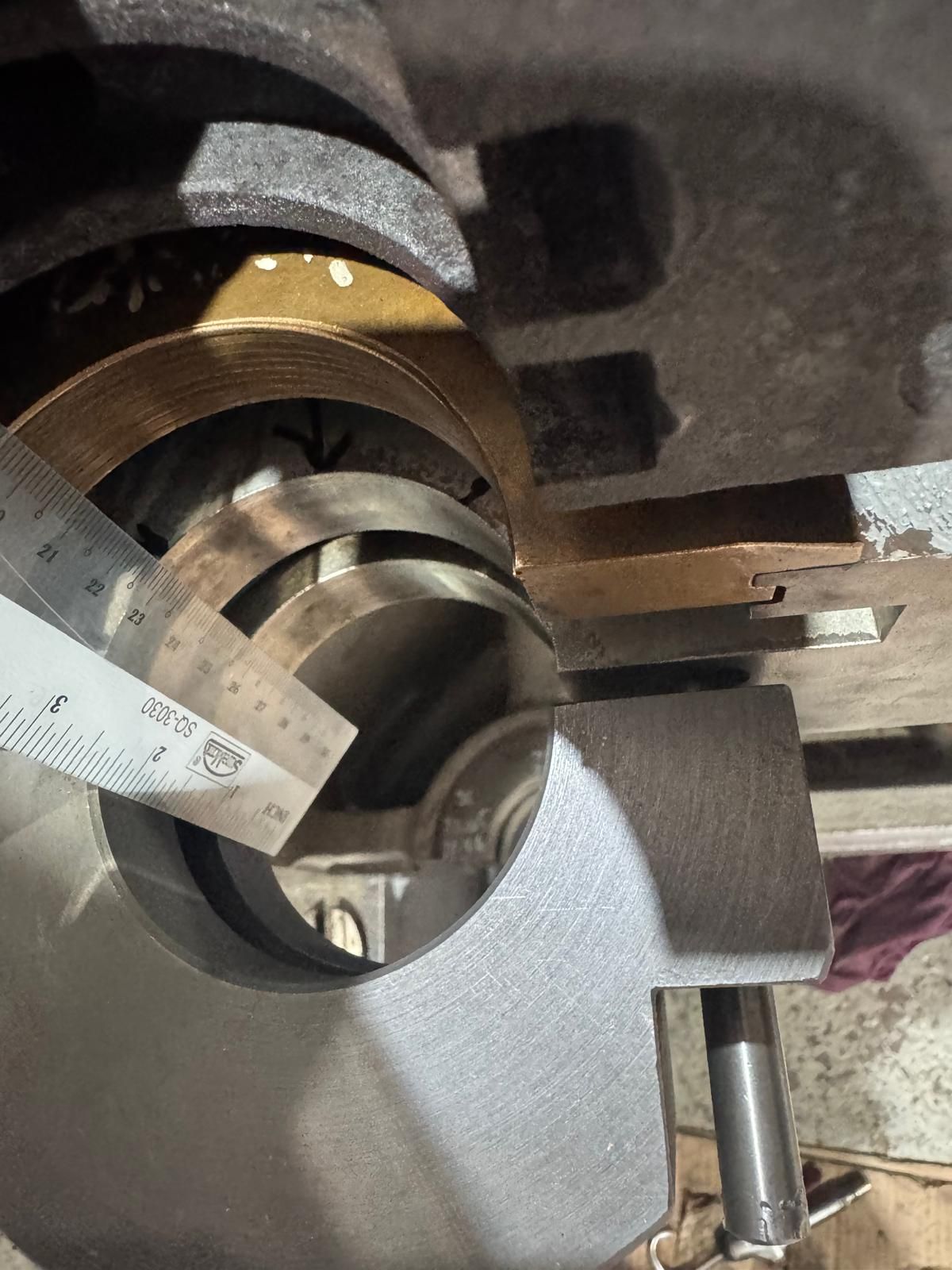
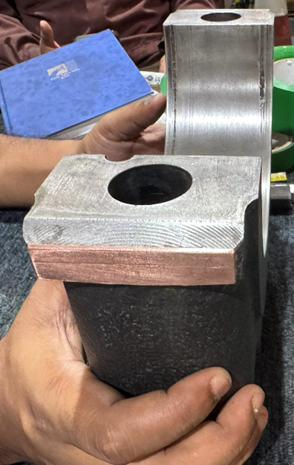
Construction, mining, and industrial machinery take a heavy toll on components like hydraulic cylinders, shafts, and bearing housings, wear that accumulates steadily through constant operational stress. For fleet operators, every day a machine is down for a part replacement is a day of lost productivity.
Brush Plating allows worn components to be restored on-site or in-house, often significantly faster than sourcing and installing a replacement part, helping keep heavy equipment fleets in operation rather than waiting in a workshop queue.
Oil & Gas: Anti-Galling Protection for High-Value Connections
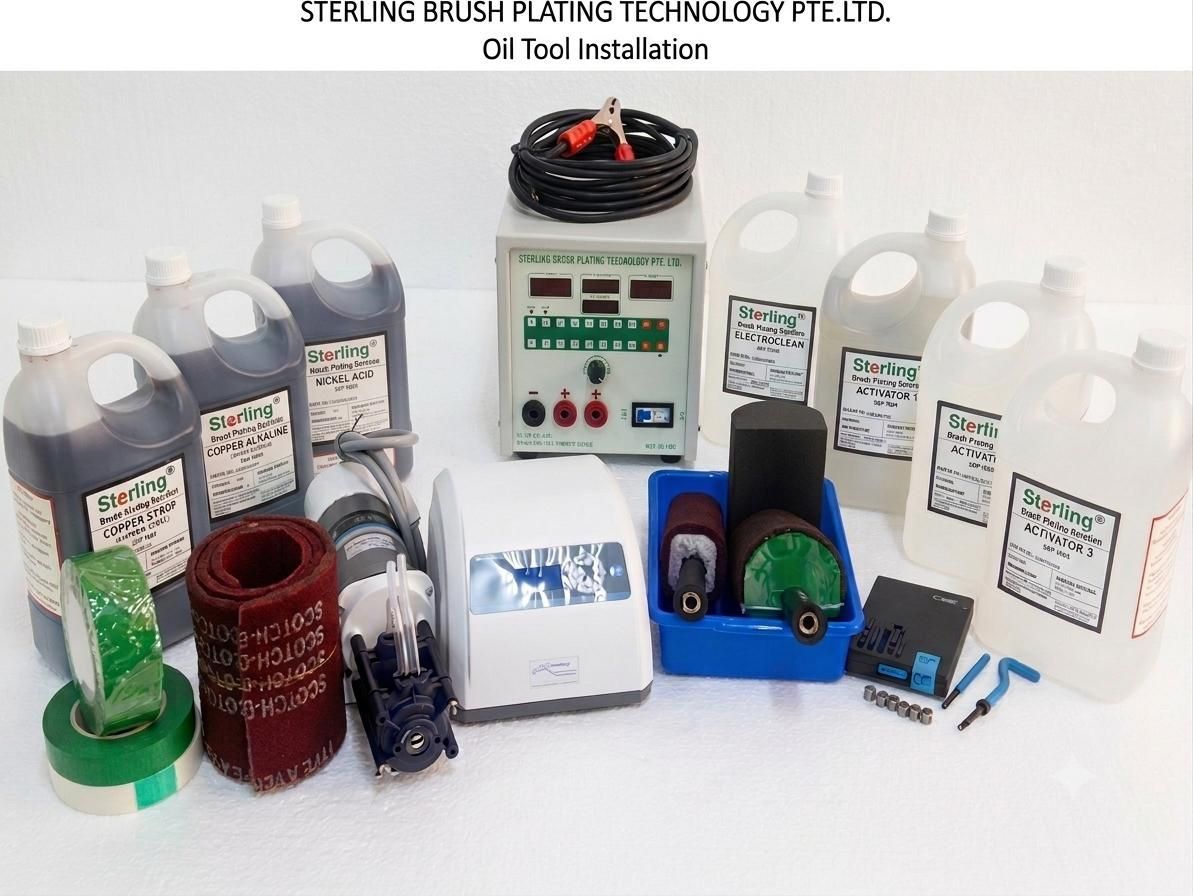
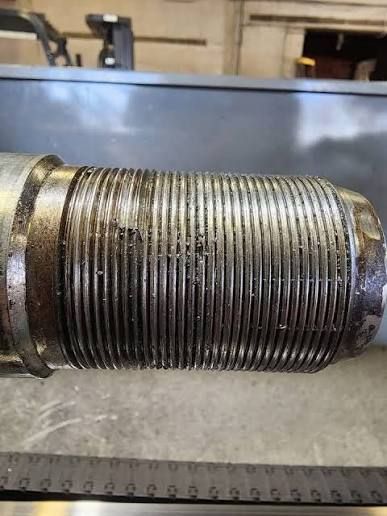
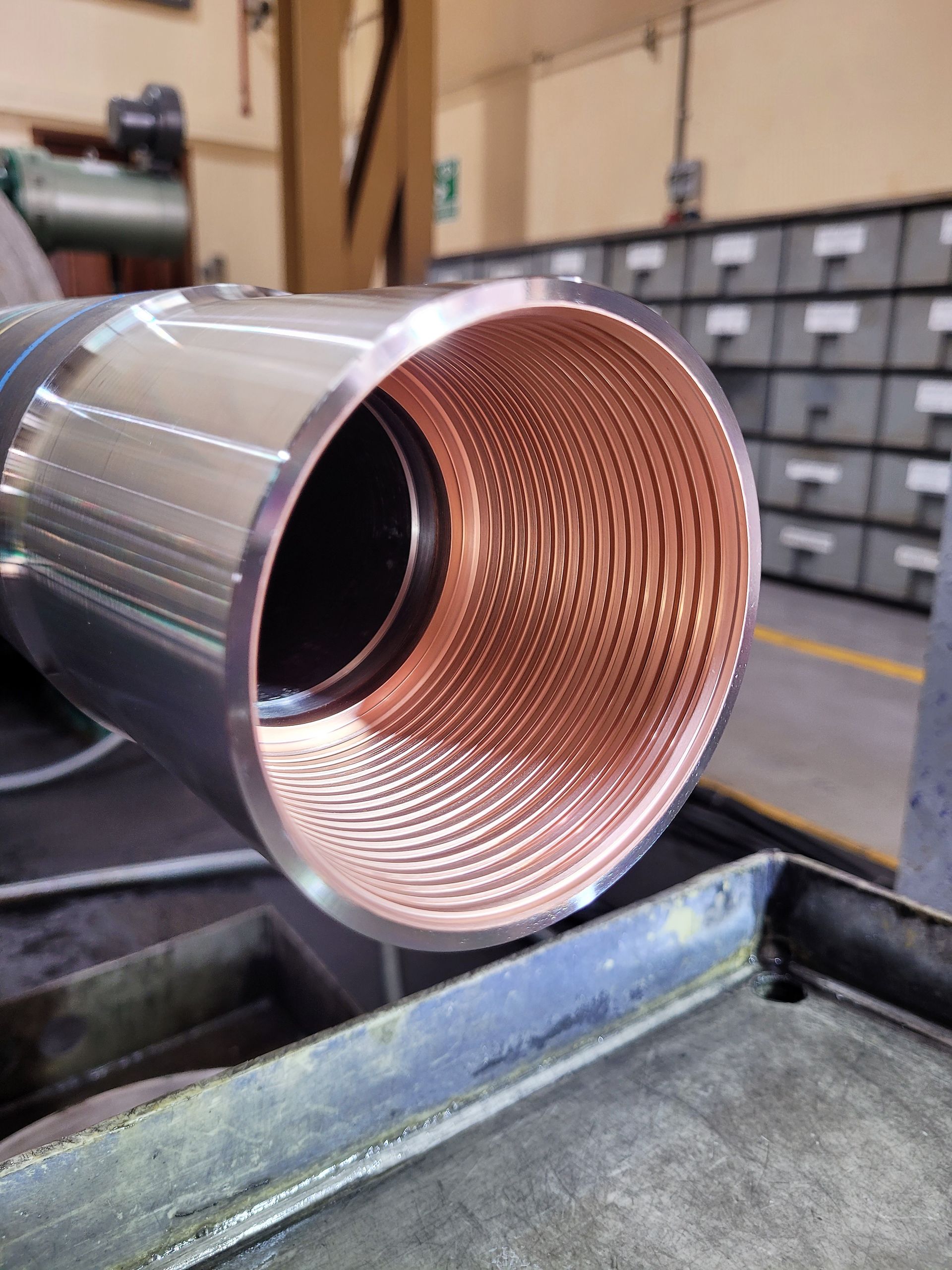
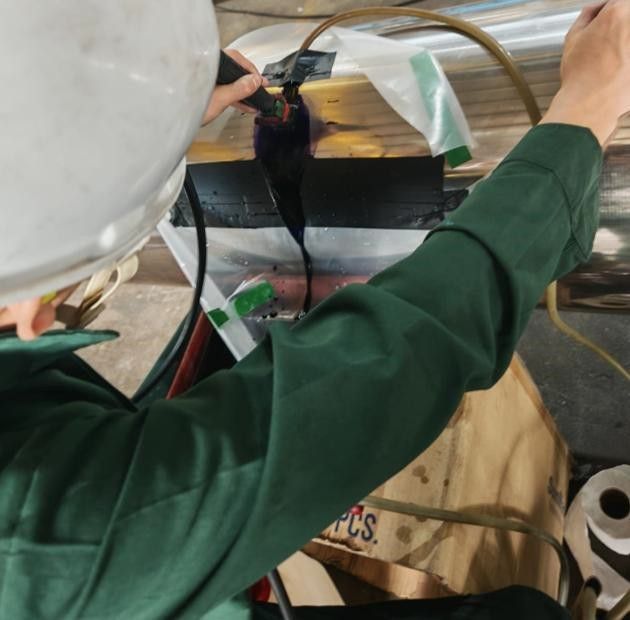
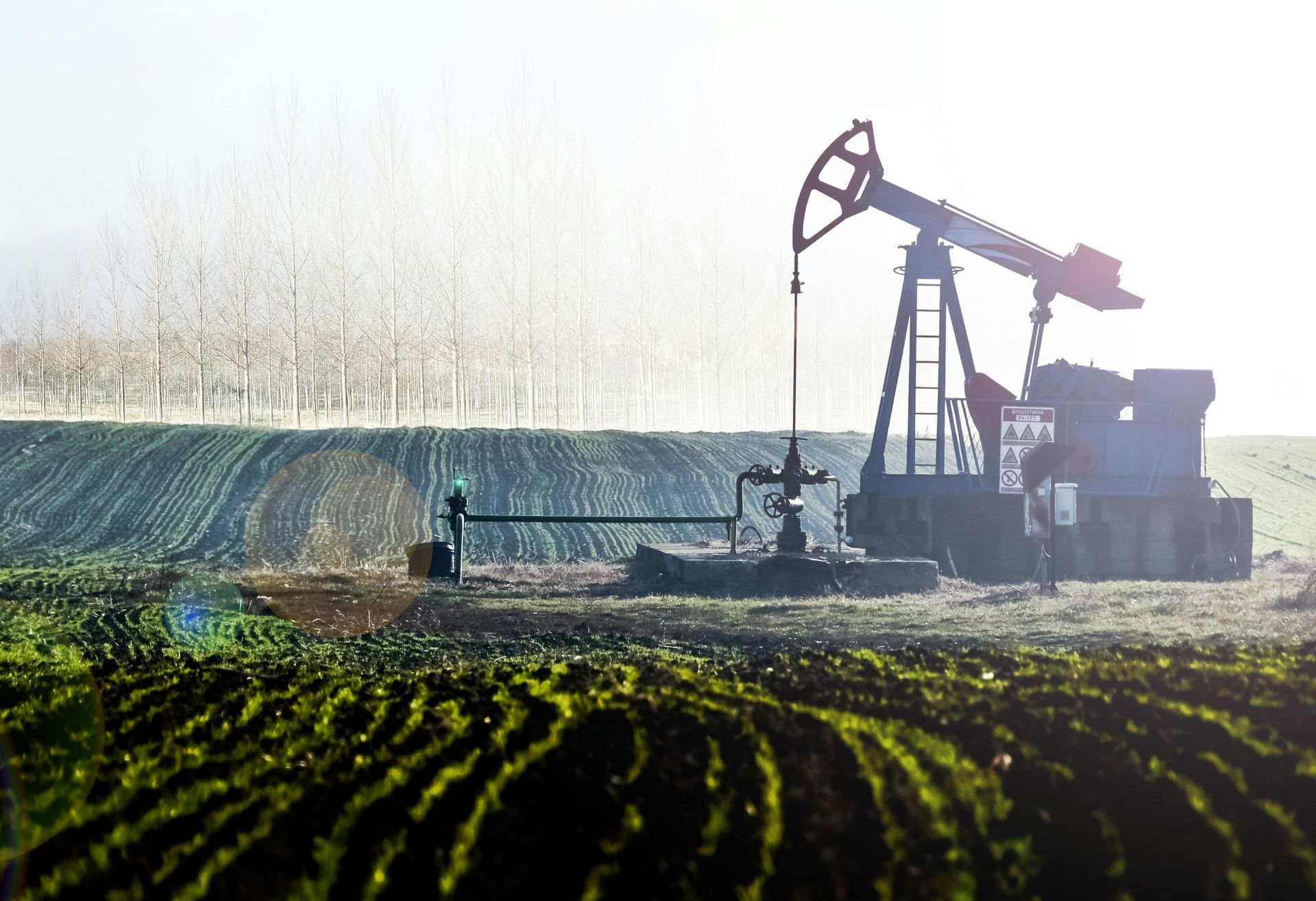
In the oil and gas industry, Brush Plating takes on a different, highly specialized role: applying Copper Brush Plating to OCTG (Oil Country Tubular Goods) connections and accessories to prevent galling during make-up and break-out. This protective layer acts as a sacrificial barrier between steel surfaces, reducing the risk of thread damage, failed connections, and costly rig downtime.
This application highlights a different strength of the process not just repairing damage after the fact, but proactively protecting high-value components before they are put into service.
Printing: Restoring the Fine Surfaces Print Quality Depends On
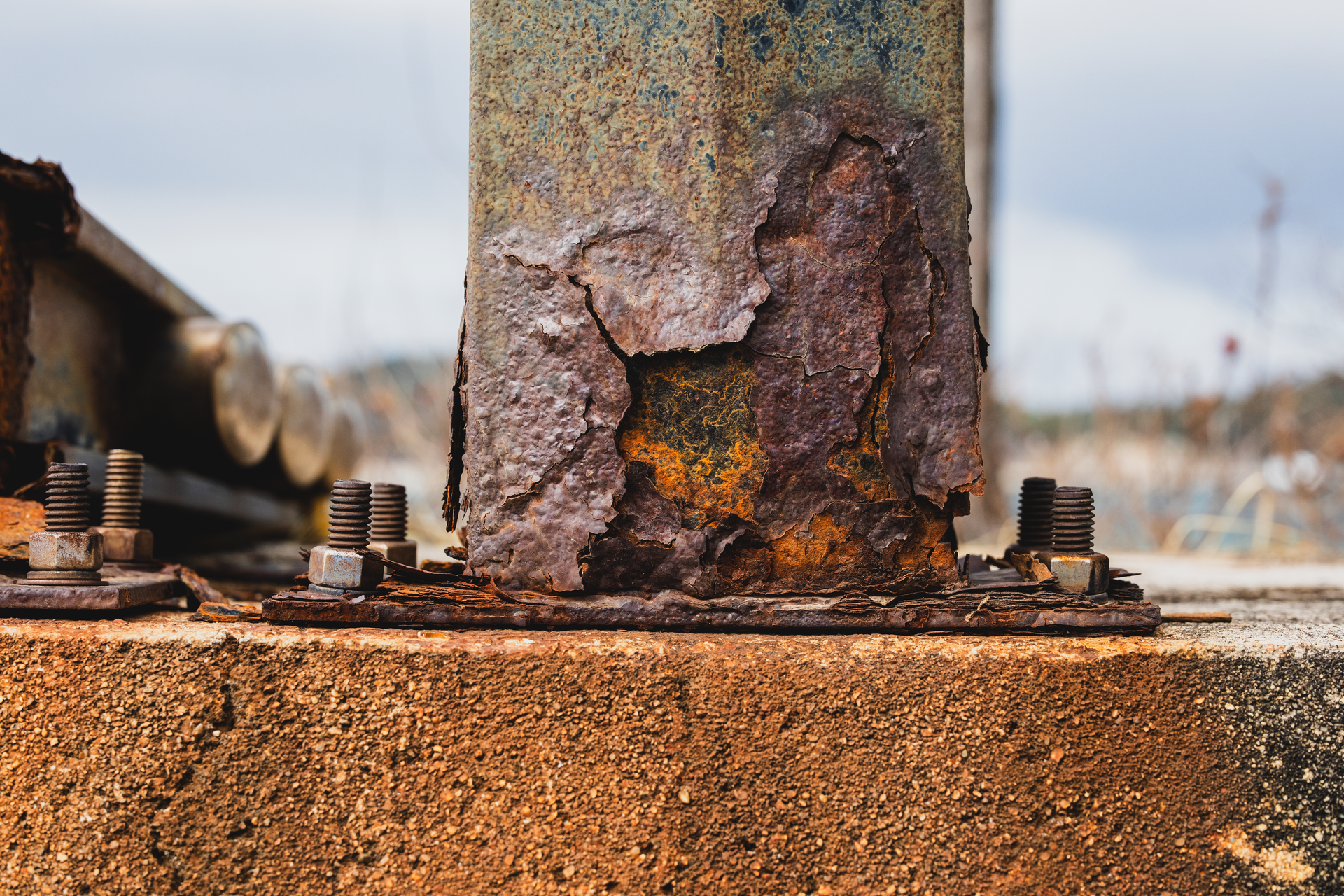
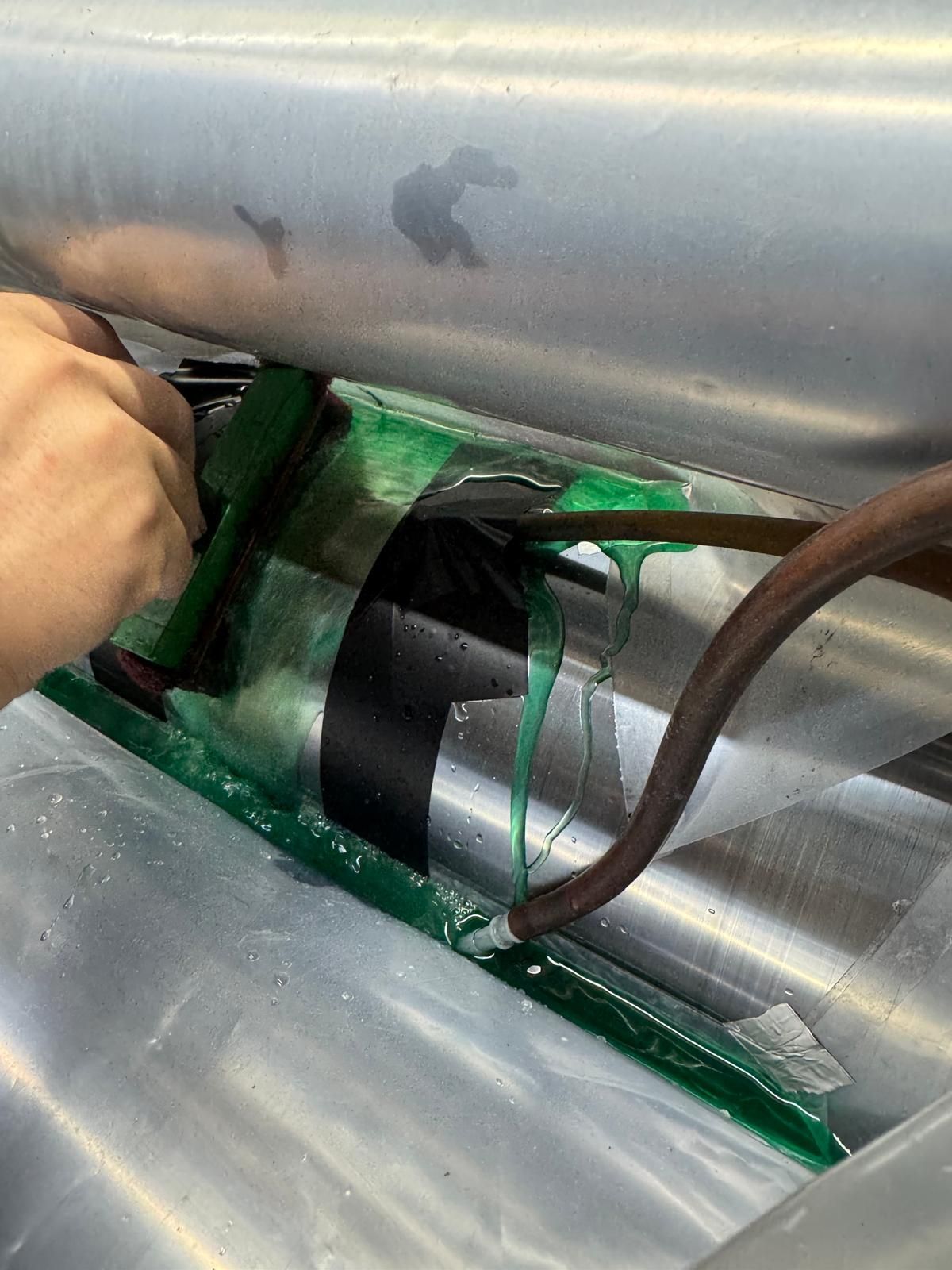
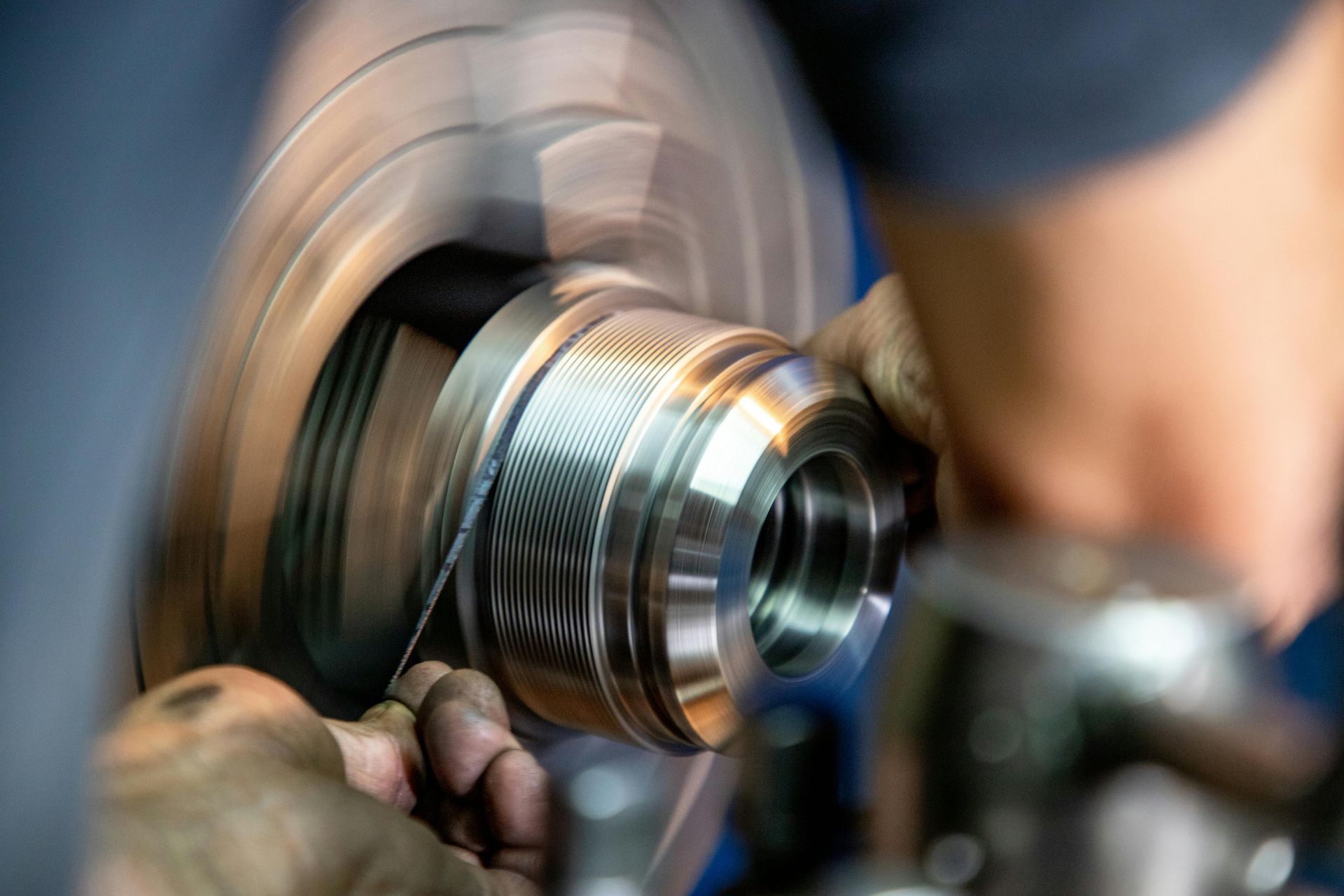
Printing equipment relies on precisely finished cylinders and rollers, where even minor surface wear, scoring, or corrosion can directly affect print quality. Because these components often need to maintain very specific surface finishes and dimensions, damage isn't just a mechanical issue, it is a quality issue.
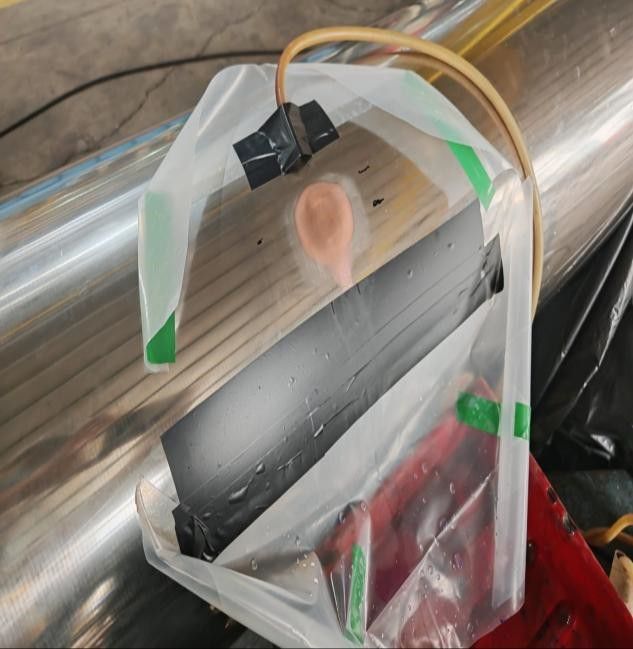
Brush Plating restores these surfaces with the same precision it applies elsewhere, rebuilding worn or corroded areas to the tight tolerances printing equipment requires, without needing to replace the entire cylinder or roller.
The Common Thread
Across all five industries, the same core advantages show up again and again:
- Selective, targeted repair — treating only the damaged area, not the whole component
- Portability — often performed on-site, reducing downtime and avoiding shipping delays
- Micron-level precision — restoring components to exact original tolerances
- Versatility — adaptable to wear restoration, corrosion protection, dimensional correction, and anti-galling applications alike
What changes from industry to industry isn't the process itself, it is the specific problem it's being asked to solve. That adaptability is exactly why Brush Plating has found a place in such a broad range of critical applications.
Not Sure How This Applies to Your Industry?
If you're wondering whether Brush Plating could be applied to a specific component or challenge in your operation, our team can walk you through it.