How We Repaired a Severely Corroded Hydraulic Rod in Just Days
Repairing Damaged Hydraulic Rods in Days
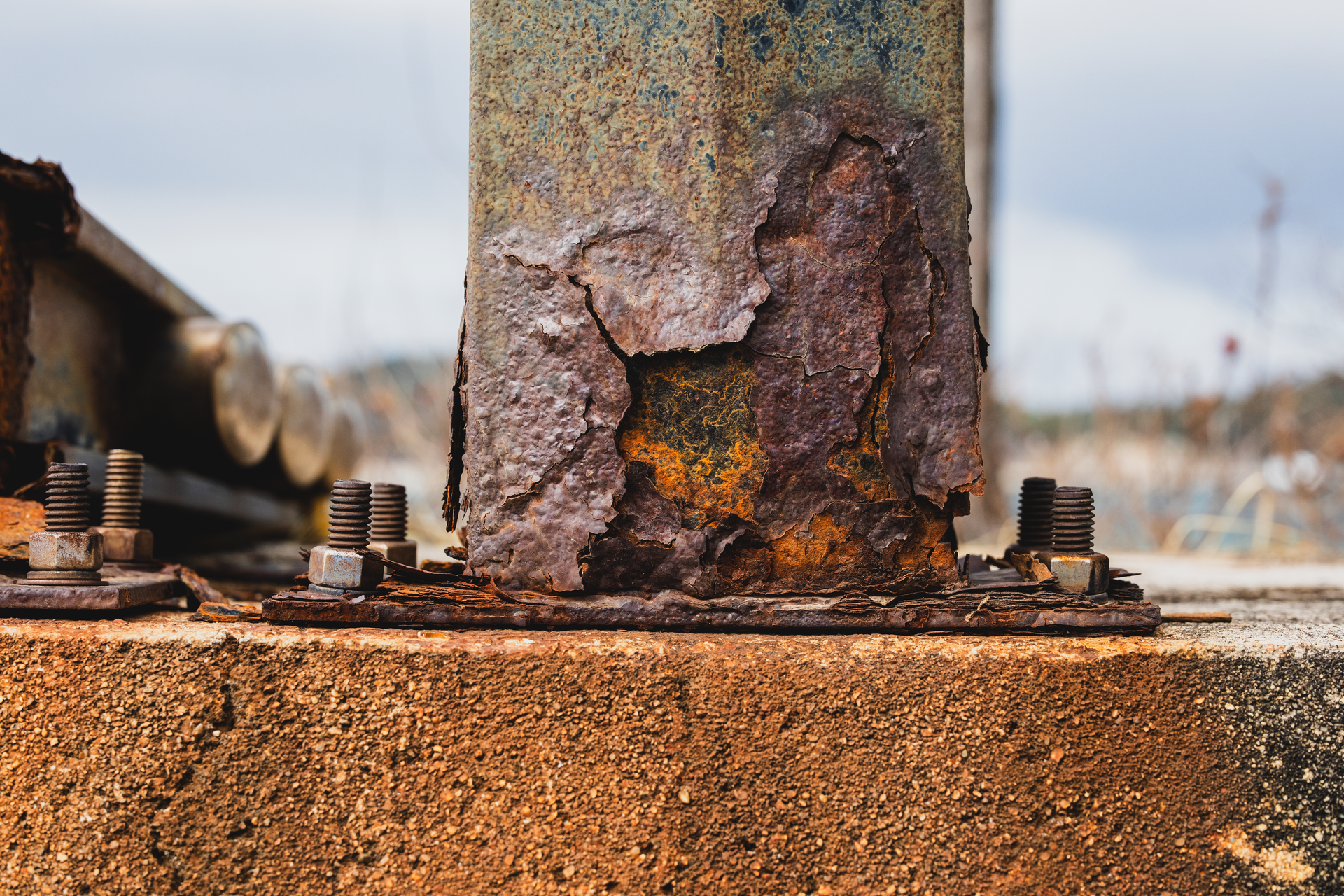
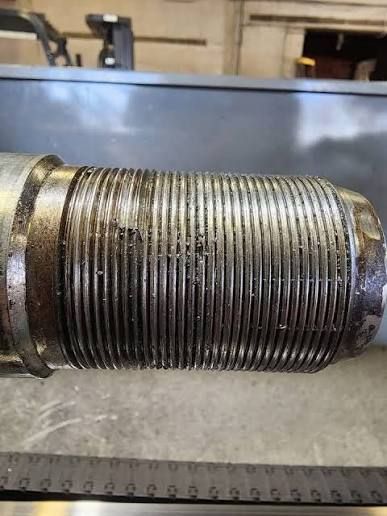
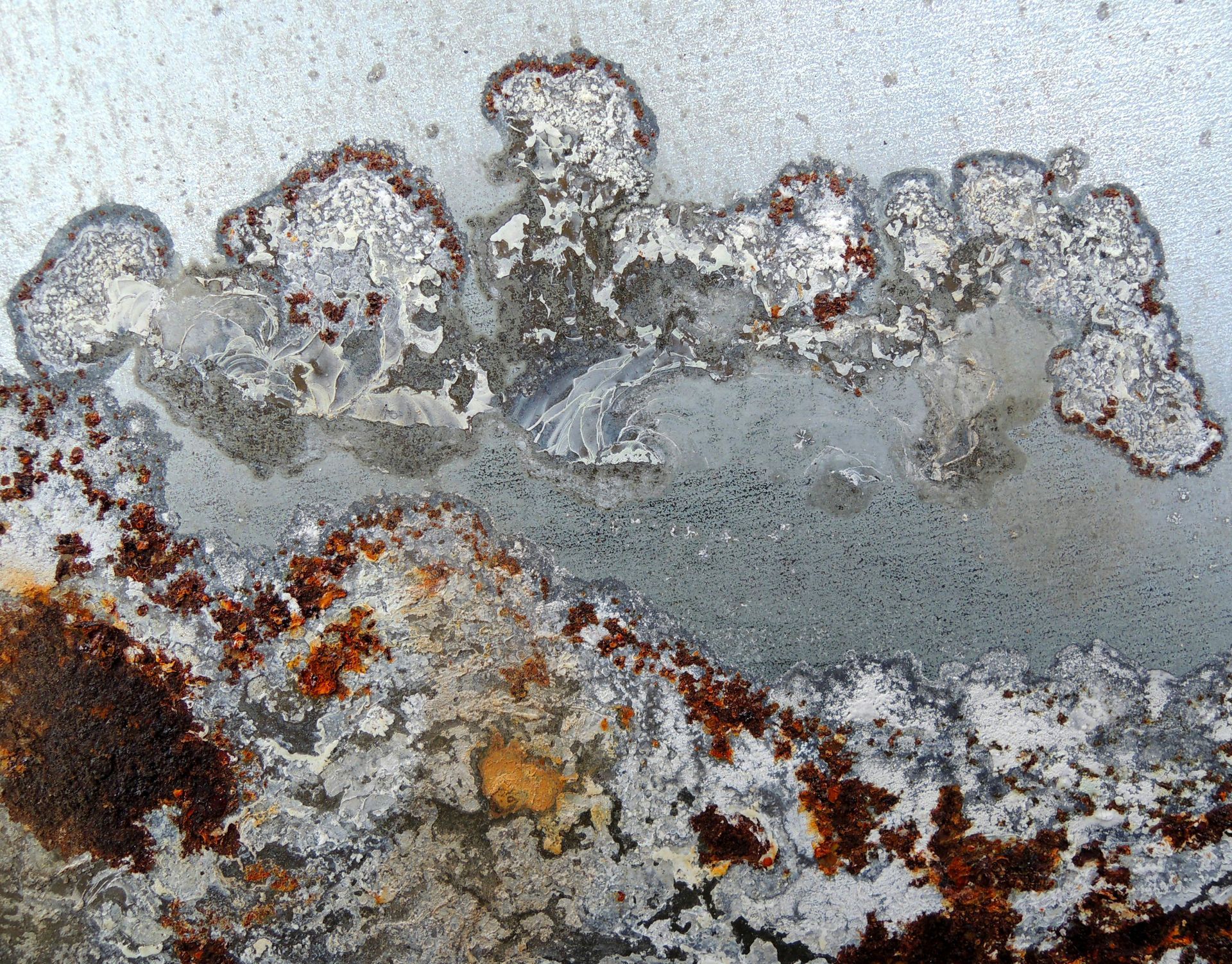
Recently, Sterling Impreglon Asia was approached by our customer facing severe corrosion pitting and scorelines on its Hydraulic Rods, putting performance and operational reliability at risk. To make matters more critical, the repair was needed urgently to avoid prolonged disruption.
The challenge was clear:
To restore the hydraulic rod quickly, accurately, and reliably without waiting for costly replacement lead times.
The Problem: Severe Corrosion and Surface Damage
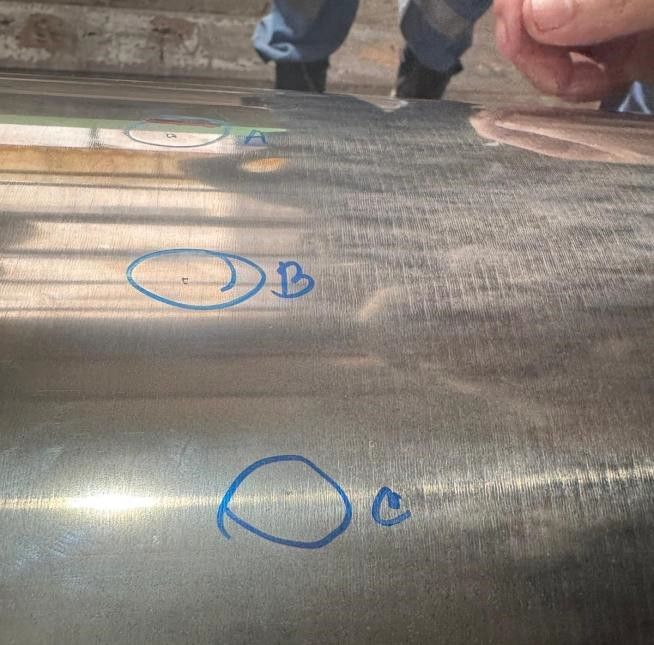
Upon inspection, the hydraulic rod showed clear signs of deterioration:
- Multiple corrosion pittings across the shaft surface
- Deep scorelines and wear marks
- Surface damage affecting sealing performance
- Increased risk of leakage and premature failure
For hydraulic systems, even small imperfections on the rod surface can create major issues. Damaged surfaces can wear out seals faster, reduce efficiency, and eventually lead to equipment breakdown.
Replacing the rod was an option but with long lead times and higher costs, it was not the most practical solution.
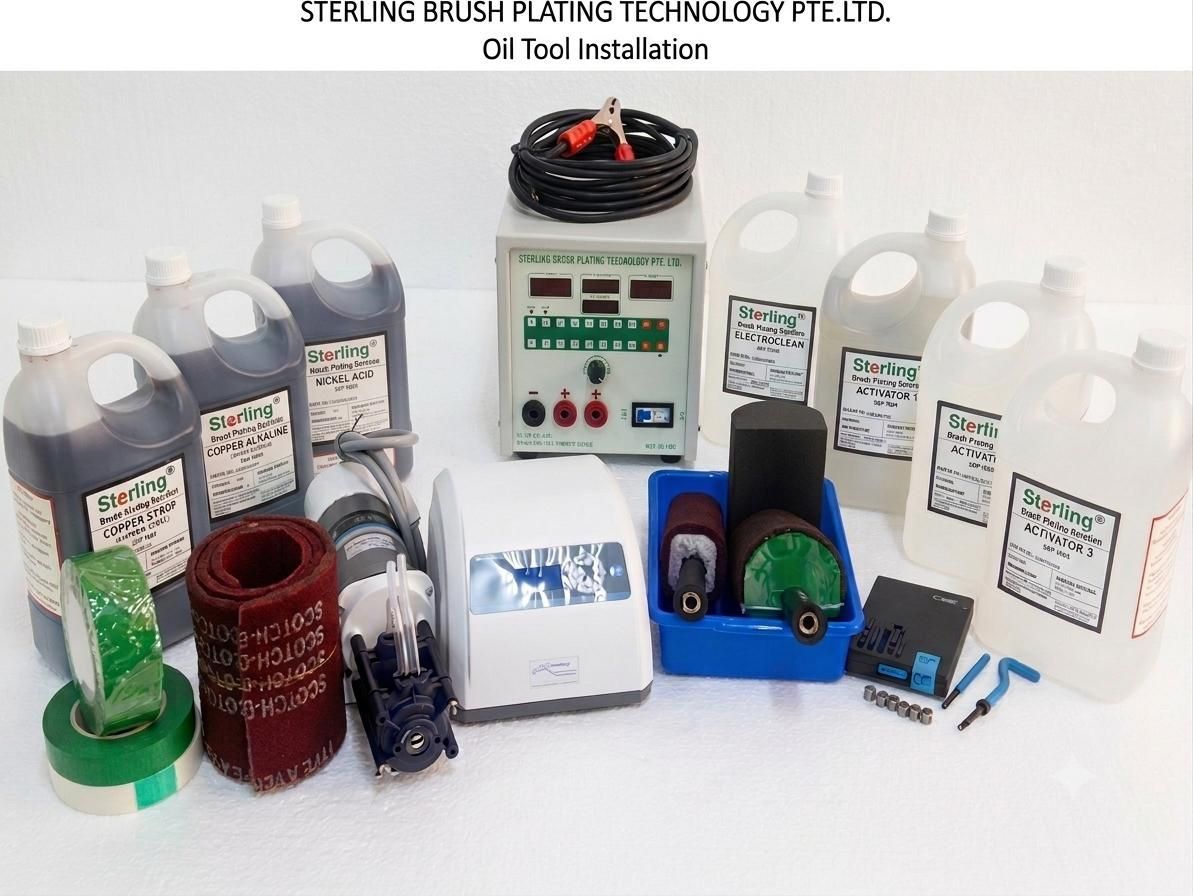
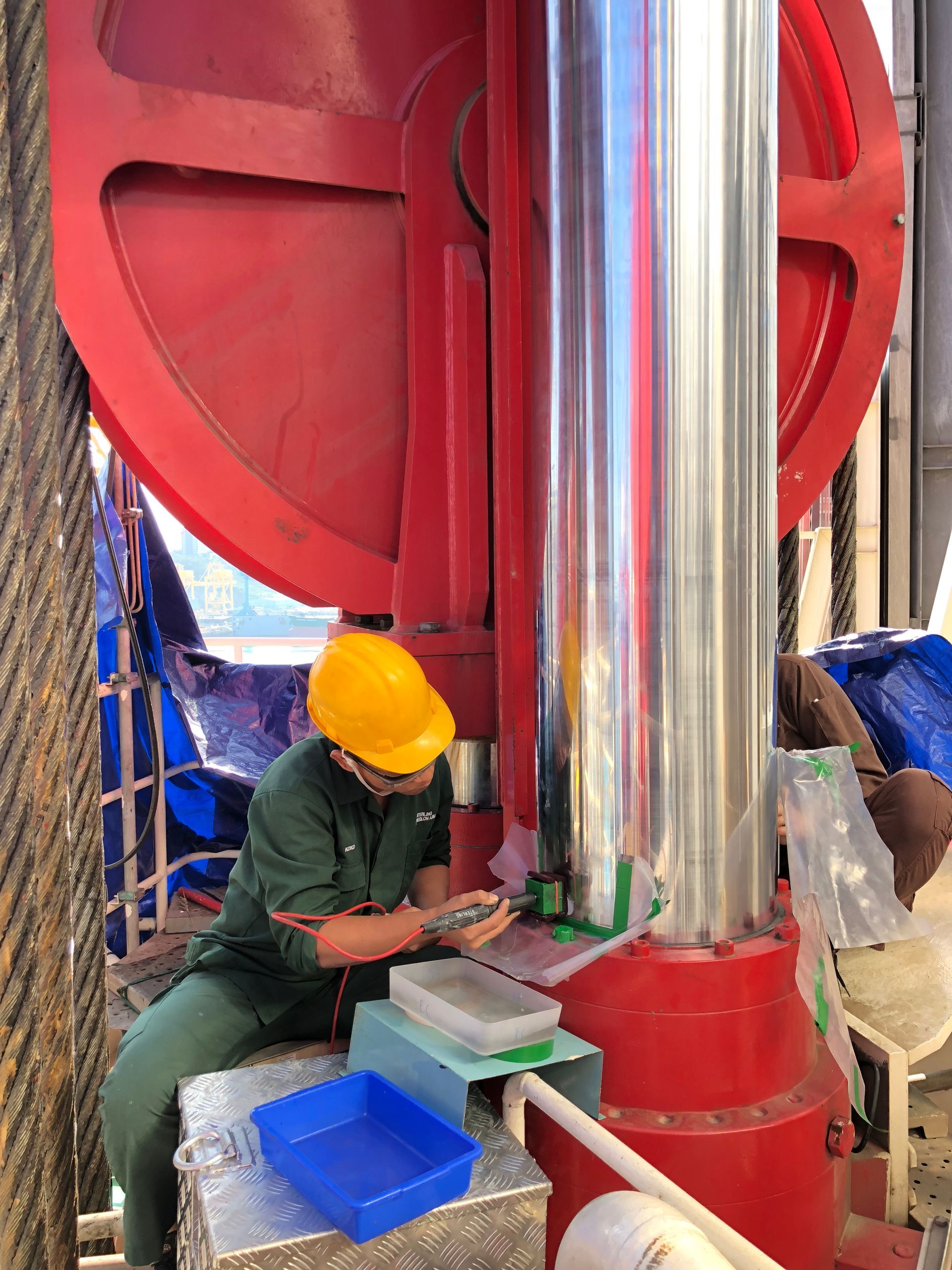
The Solution: Brush Plating
Instead of replacement, we utilized our
proprietary Brush Plating repair process
to restore the damaged rod quickly and efficiently.
Step 1: Preparing the Damaged Areas
The corroded and scored sections were carefully prepared by
opening and widening the damaged areas without deepening the existing pits. This ensured a stable foundation for the repair process.
Step 2: Proper Masking and Surface Cleaning
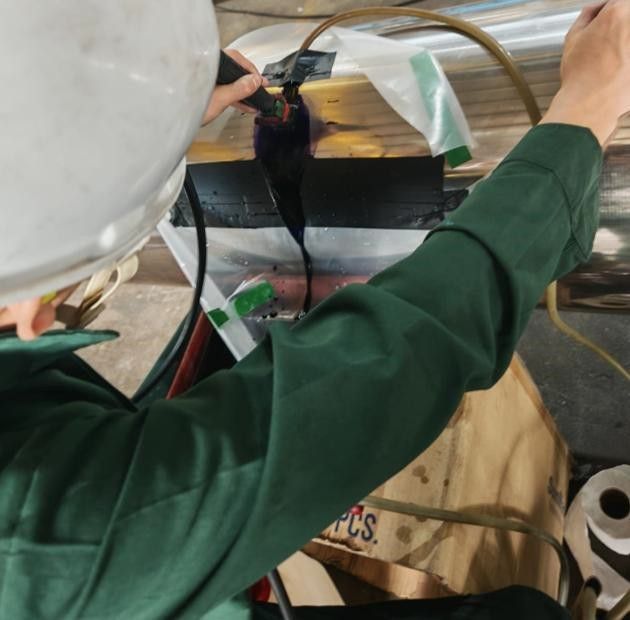
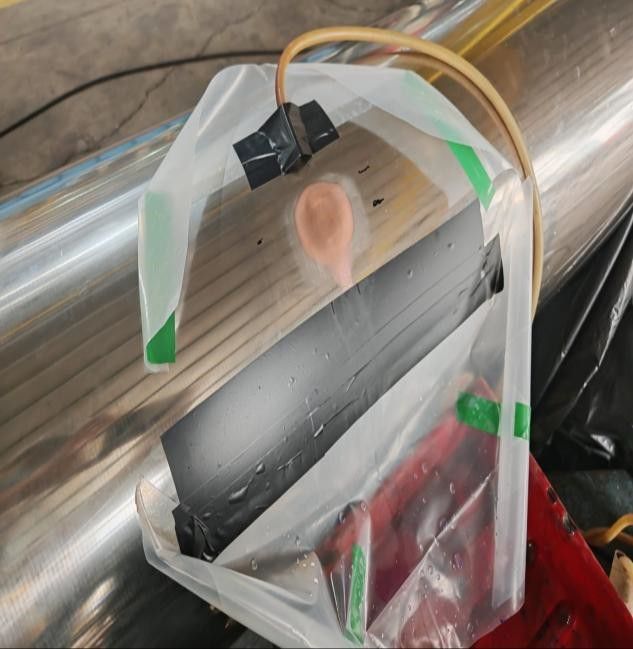
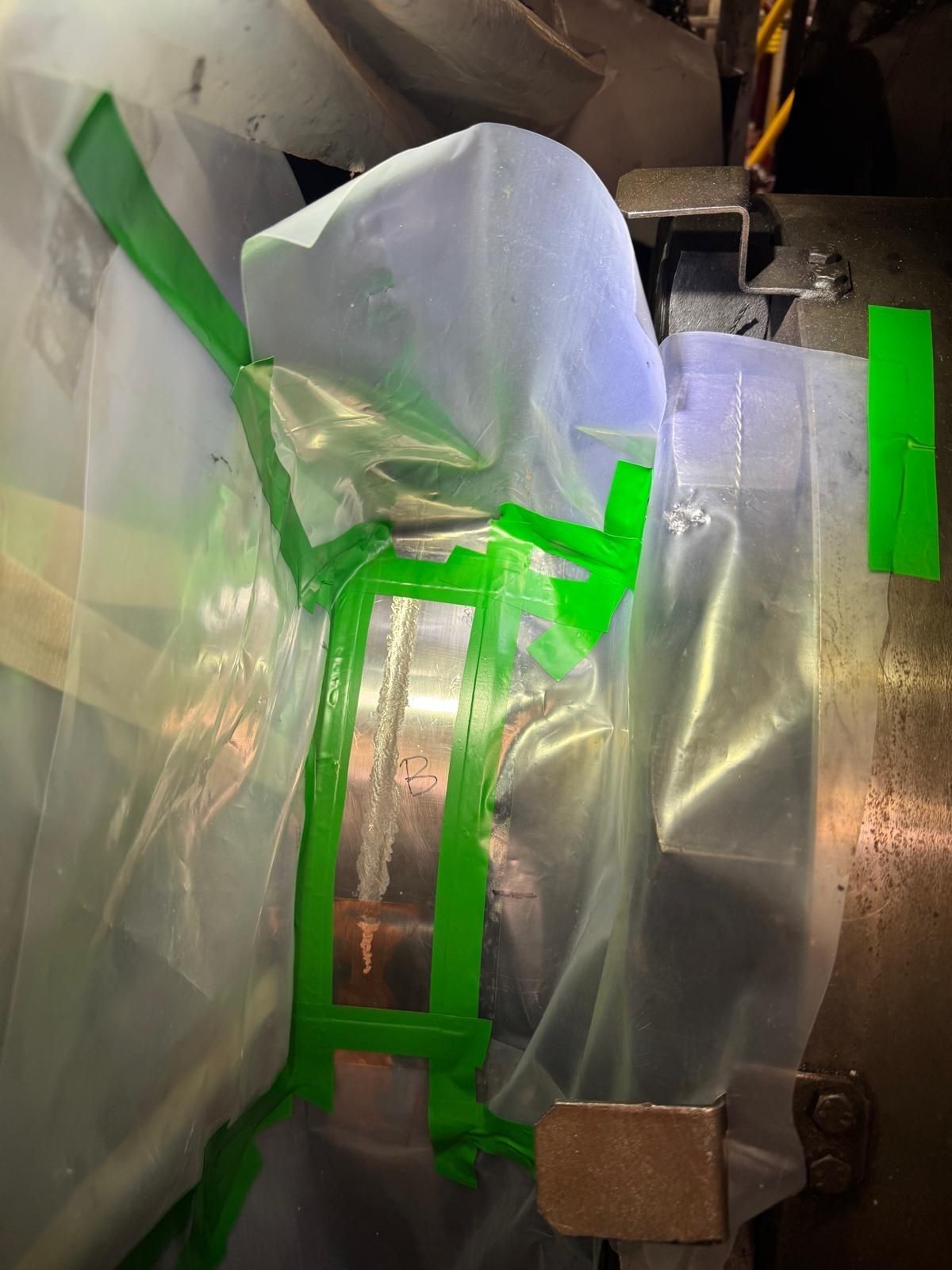
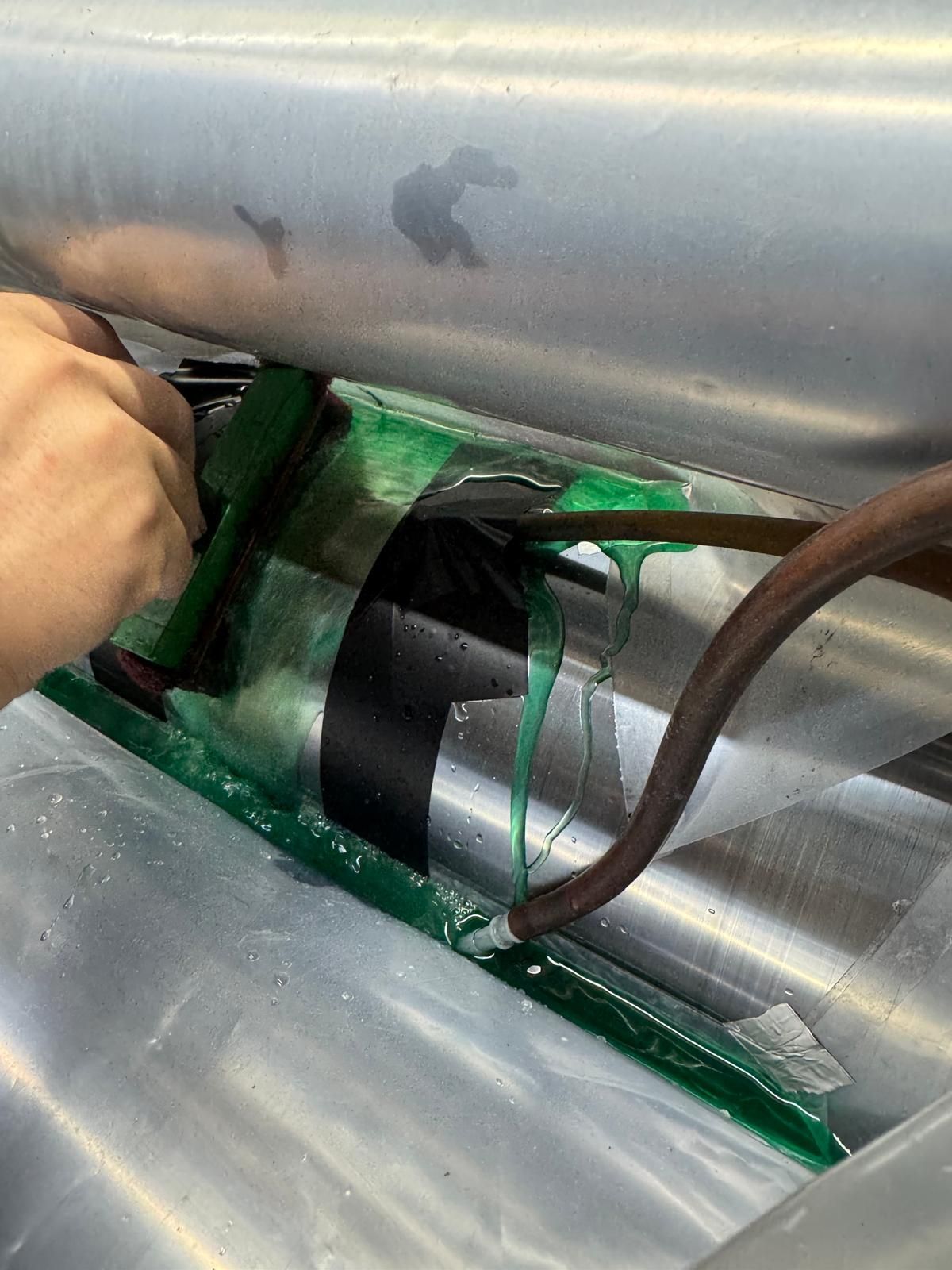
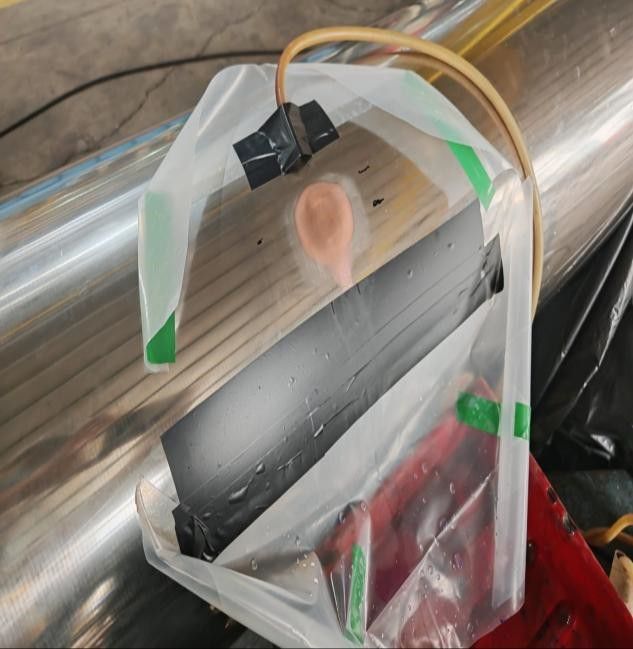
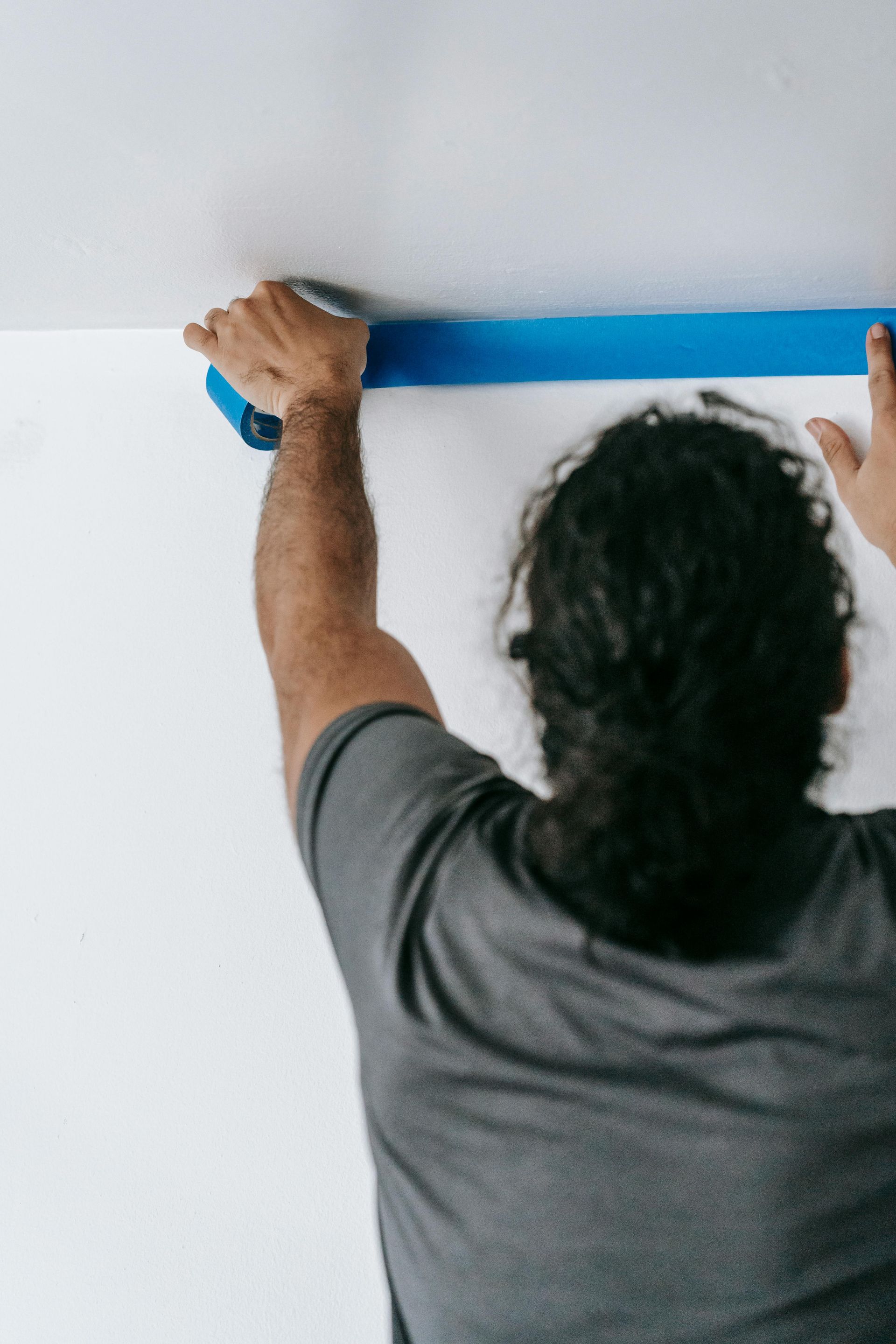
To ensure precise restoration, surrounding areas were properly masked to prevent chemical leakage. The rod surface was then thoroughly cleaned to remove dirt, contamination, and impurities.
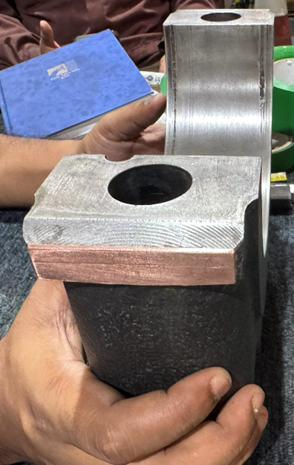
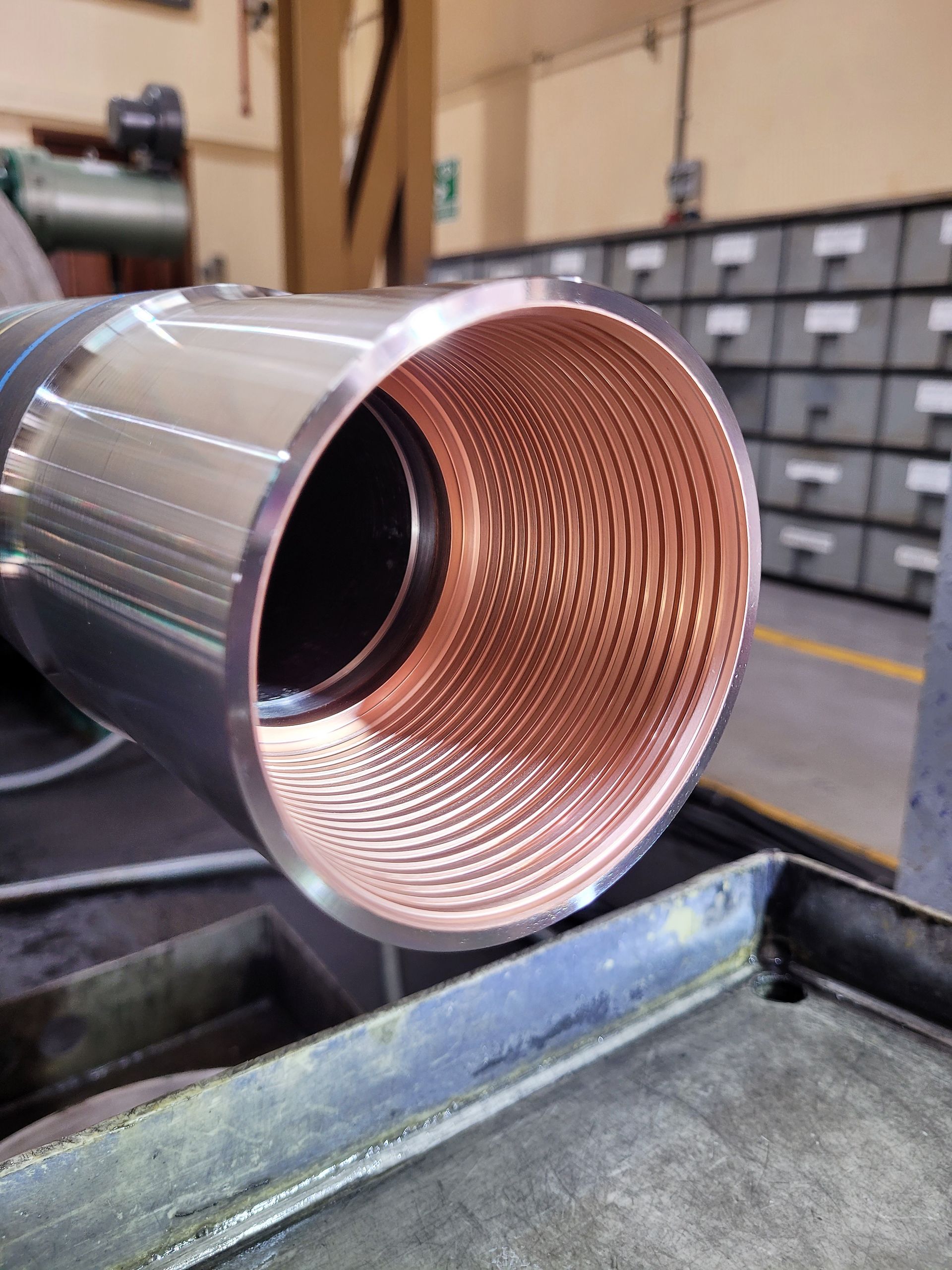
Step 3: Precision Brush Copper Plating
Using our
Brush Plating
process, metal was deposited layer by layer onto the damaged areas, rebuilding the surface back to the required dimensions with precision and accuracy.
Step 4: Blending and Finishing
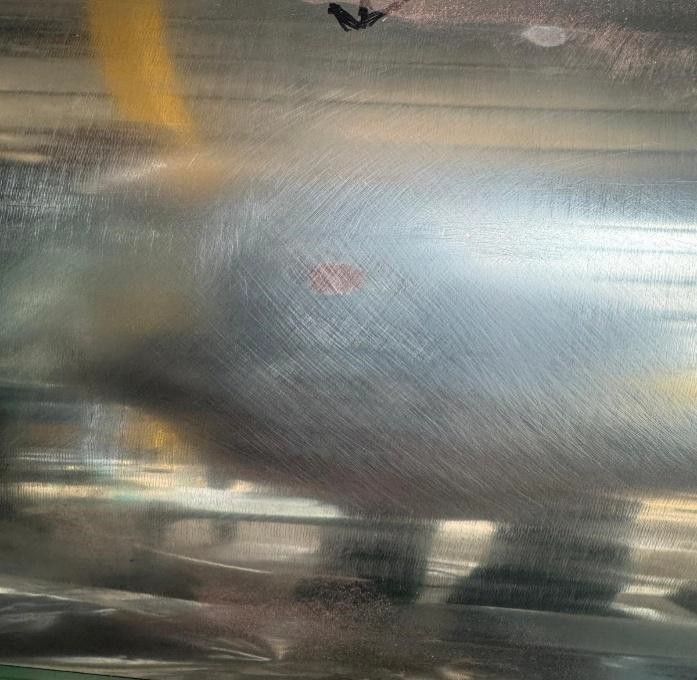
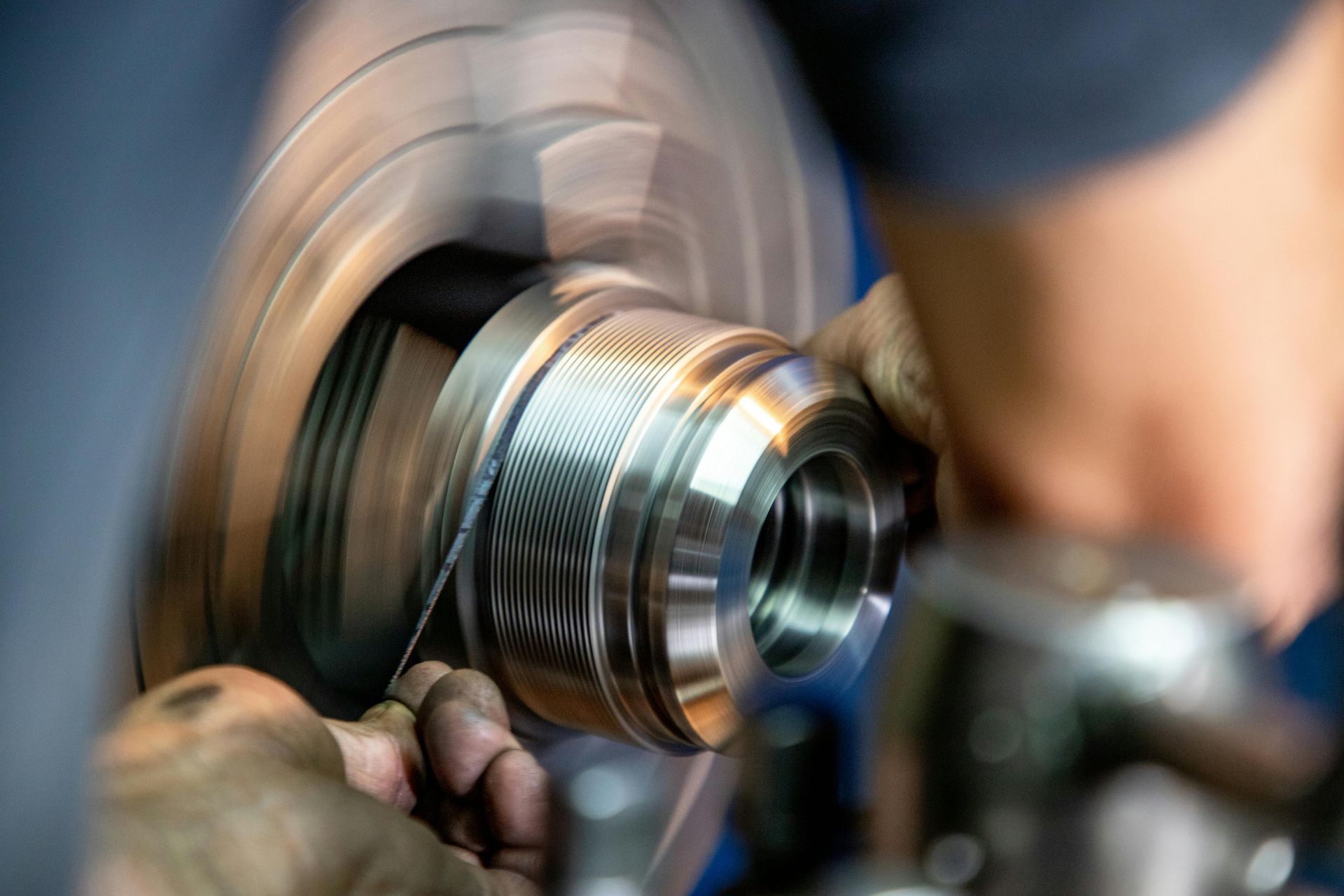
Once plating was completed, the repaired areas were blended smoothly to ensure a consistent surface level with the original shaft.
Step 5: Nickel Capping for Protection and Appearance
A final nickel capping layer was applied not only to improve wear resistance and functionality but also to restore the rod’s appearance, giving it a like brand new finish.|
Step 6: Final Inspection and Quality Checks
To ensure reliability, the repaired hydraulic rod underwent:
✔
Dimensional checks
✔
Tolerance verification
✔
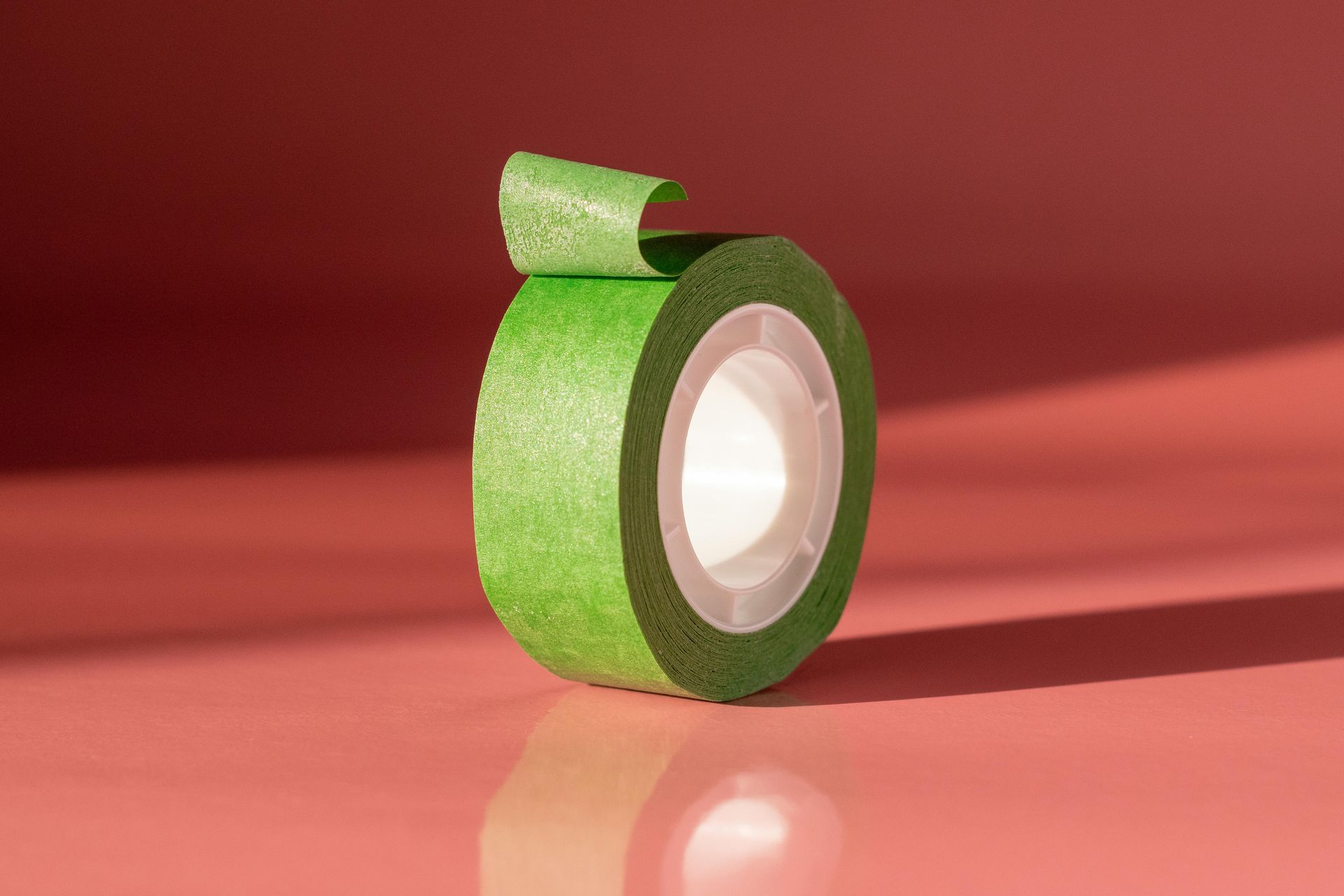
Tape adhesion testing to confirm strong copper bonding and prevent peeling
The Result: From Damaged to Restored in Just Days
The result was a fully restored hydraulic rod that was:
✔ Repaired within
just a few days
✔ Restored to required tolerances
✔ Ready for immediate operation
✔ Significantly more cost-effective than replacement
Most importantly, the customer was able to resume operations quickly and avoid unnecessary downtime.
Why More Companies Are Choosing Repair Over Replacement
Today, more companies are turning to Brush Plating repair because it offers:
- Faster turnaround time
- Lower repair costs
- Minimal operational disruption
- Extended equipment lifespan
In many cases, repairing the damaged area is the smarter and more economical solution.
Final Thought
Severe corrosion and shaft damage does not always mean replacement is necessary.
With the right expertise and repair technology, even badly damaged hydraulic rods can be restored quickly and effectively.
At Sterling Impreglon Asia, we specialize in helping customers restore critical components with precision, speed, and confidence keeping operations running when time matters most.
Facing corrosion pitting or scorelines on your hydraulic rods?
Contact
Sterling Impreglon Asia today to learn how our Brush Plating repair solutions can help restore your equipment quickly and cost-effectively.