What Is Brush Plating?
A Simple Explanation of the Technology Behind Our Repairs
If you have never heard of Brush Plating before, you are not alone. It's a technology most people outside of industrial maintenance, marine engineering, or oil & gas operations never encounter yet it's been quietly repairing critical equipment worldwide for decades.
This article breaks down what Brush Plating actually is, how it works, and why it's become the go-to solution for companies looking to repair, rather than replace worn or damaged mechanical components.
The Simple Version
Imagine a metal shaft that is worn down in one small section from years of friction. Traditionally, you have two options: send the whole shaft away to be re-machined, or replace it entirely. Both take time, both cost money, and both mean your equipment is out of action while you wait.
Brush Plating offers a third option: rebuild just the worn section, in place, without touching the rest of the component.
Think of it like precision patchwork for metal. Rather than treating the entire part, Brush Plating adds a new, durable metal layer exactly where it is needed and nowhere else.
How It Actually Works
Brush Plating (also known as selective plating) is a metal deposition process. Here's the process in plain terms:
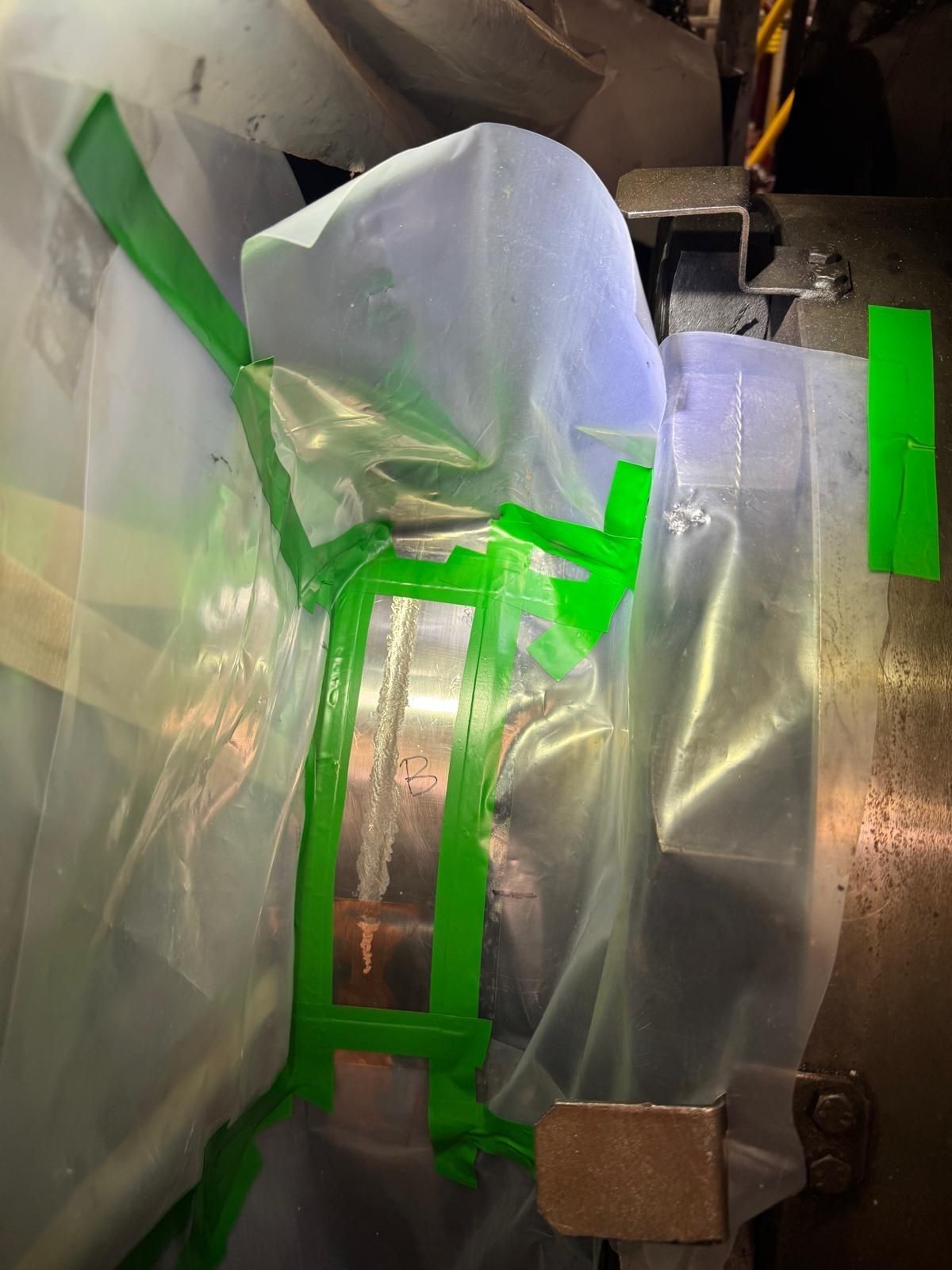
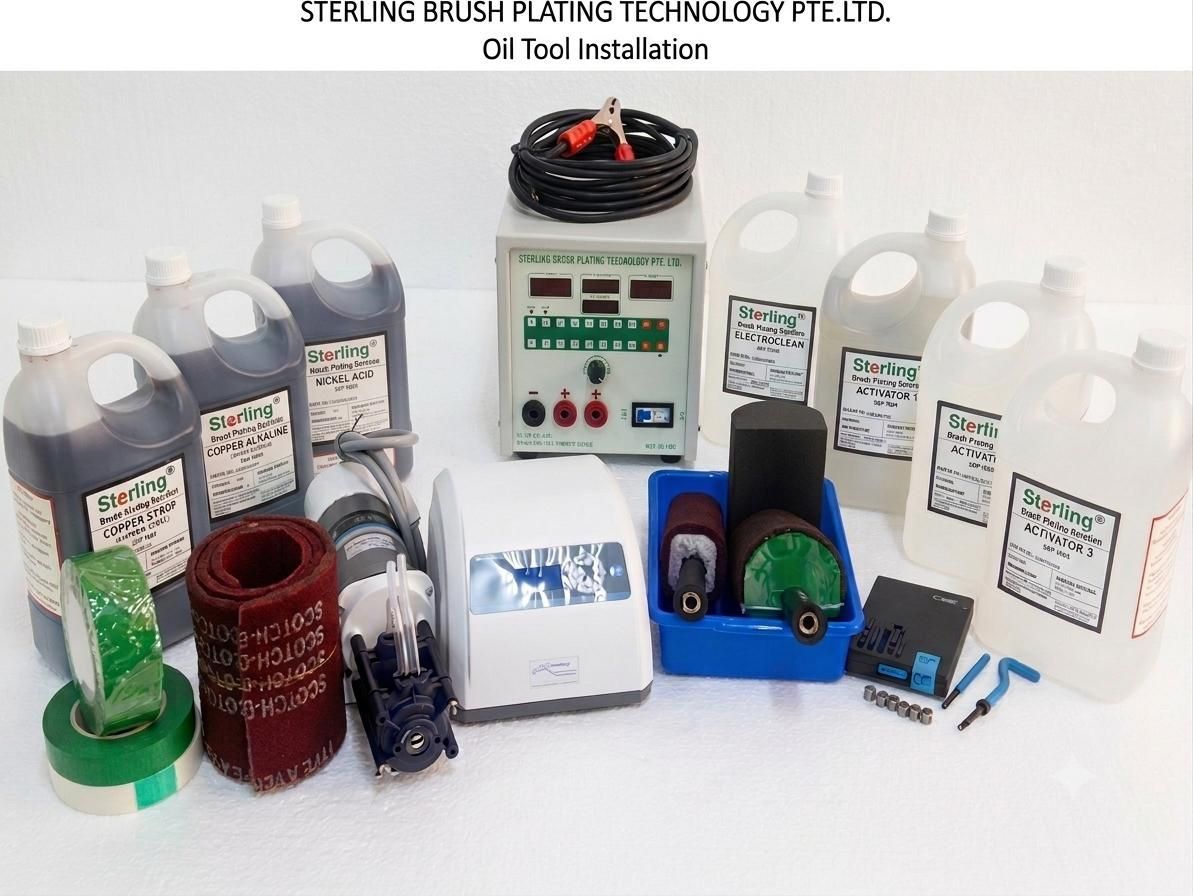
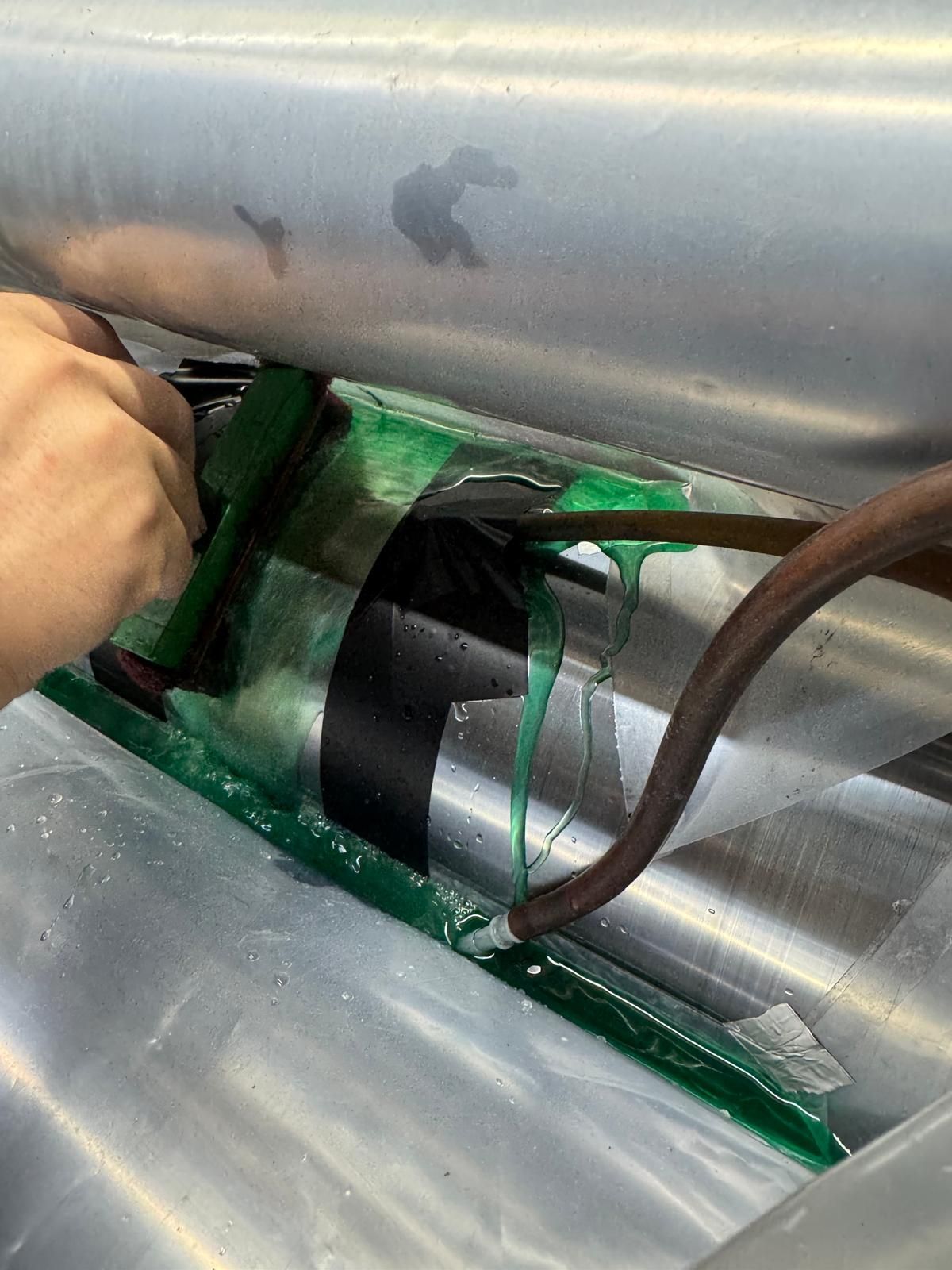
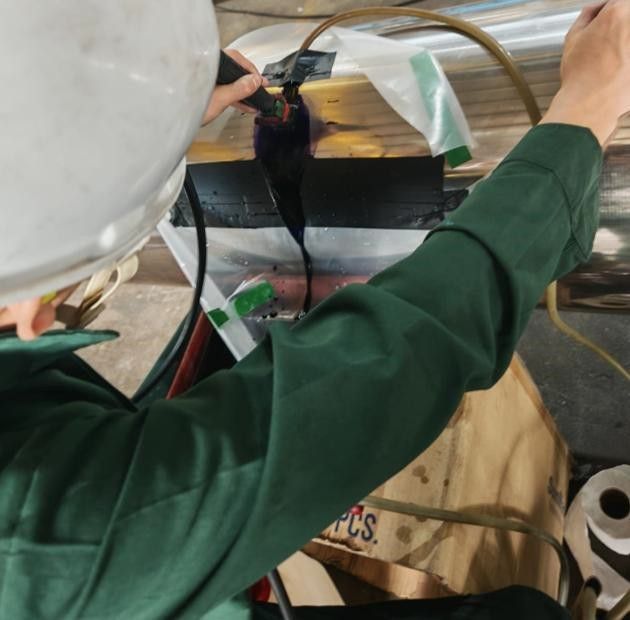
- A portable applicator, similar to a brush or roller, is used - rather than submerging the whole component in a plating tank, the applicator is moved directly over the damaged area.
- A metal-bearing solution is applied through the brush, in contact with the damaged surface.
- An electrical current is passed through the applicator, which causes metal ions in the solution to bond directly onto the component's surface.
- Layer by layer, the worn area is rebuilt back to its original dimensions, with precision measured in microns.
- The surface is finished and blended so the repaired area is smooth and seamless with the rest of the component.
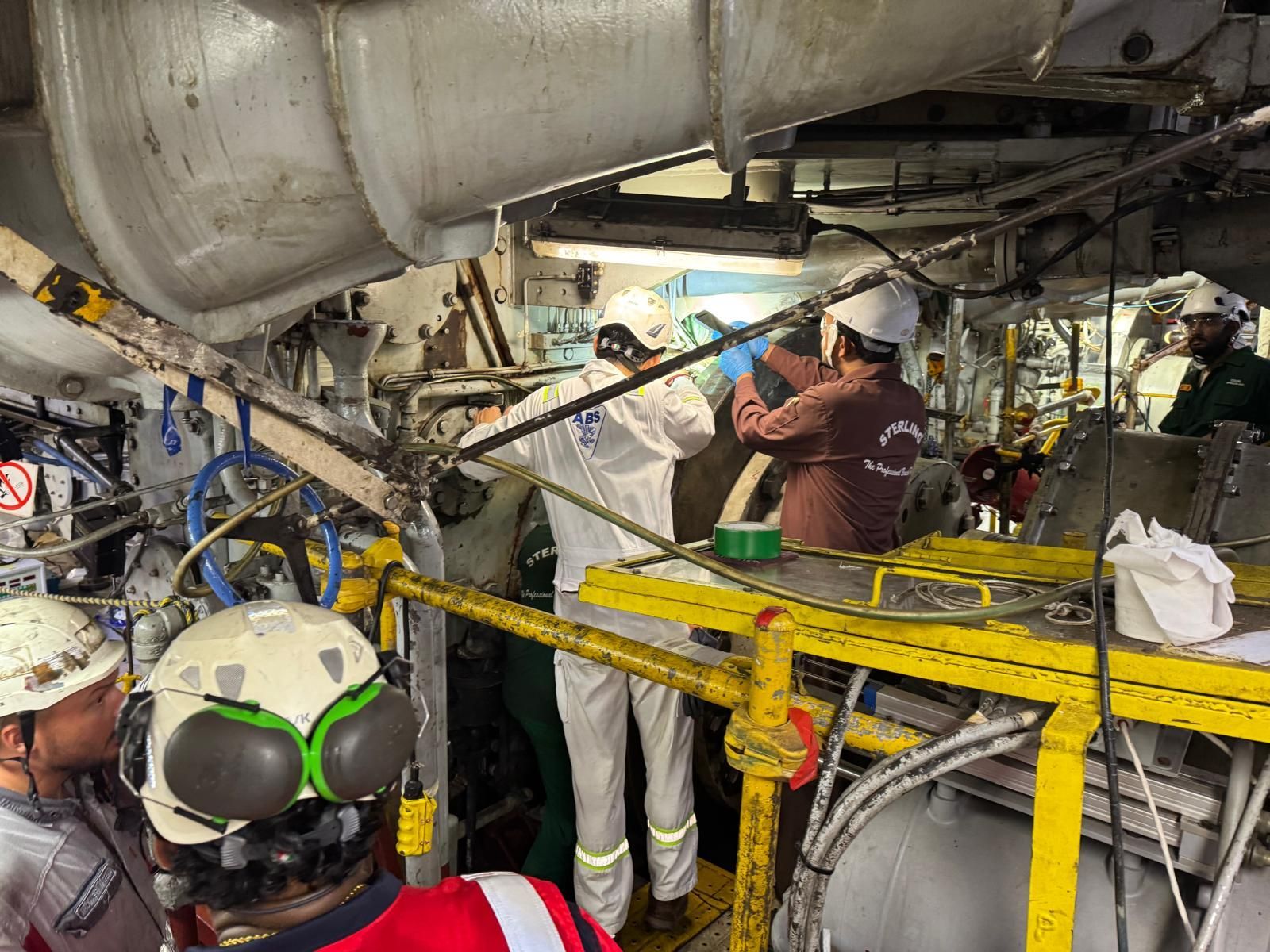
The entire process can typically be performed on-site, meaning the equipment doesn't need to be shipped out, disassembled, or sent to a workshop. Our technicians bring the process to the component, wherever it is.
Why "Selective" Matters
The key word in Brush Plating is selective. Traditional plating methods usually require submerging an entire part in a tank of plating solution which means treating the whole component, even if only a small section is actually damaged.
Brush Plating only treats the specific area that needs it. This has a few important advantages:
- Precision — the deposit thickness is tightly controlled, restoring the exact original dimensions of the worn area
- Speed — there's no need to disassemble large equipment or wait for tank plating cycles
- Reduced risk — full immersion plating can introduce hydrogen embrittlement risk across an entire part; Brush Plating's localized, controlled process significantly reduces this
- Portability — because the equipment is compact, technicians can perform repairs directly at a customer's site, rather than requiring the component to be shipped elsewhere
What Can It Actually Repair?
Brush Plating is used across a wide range of applications, including:
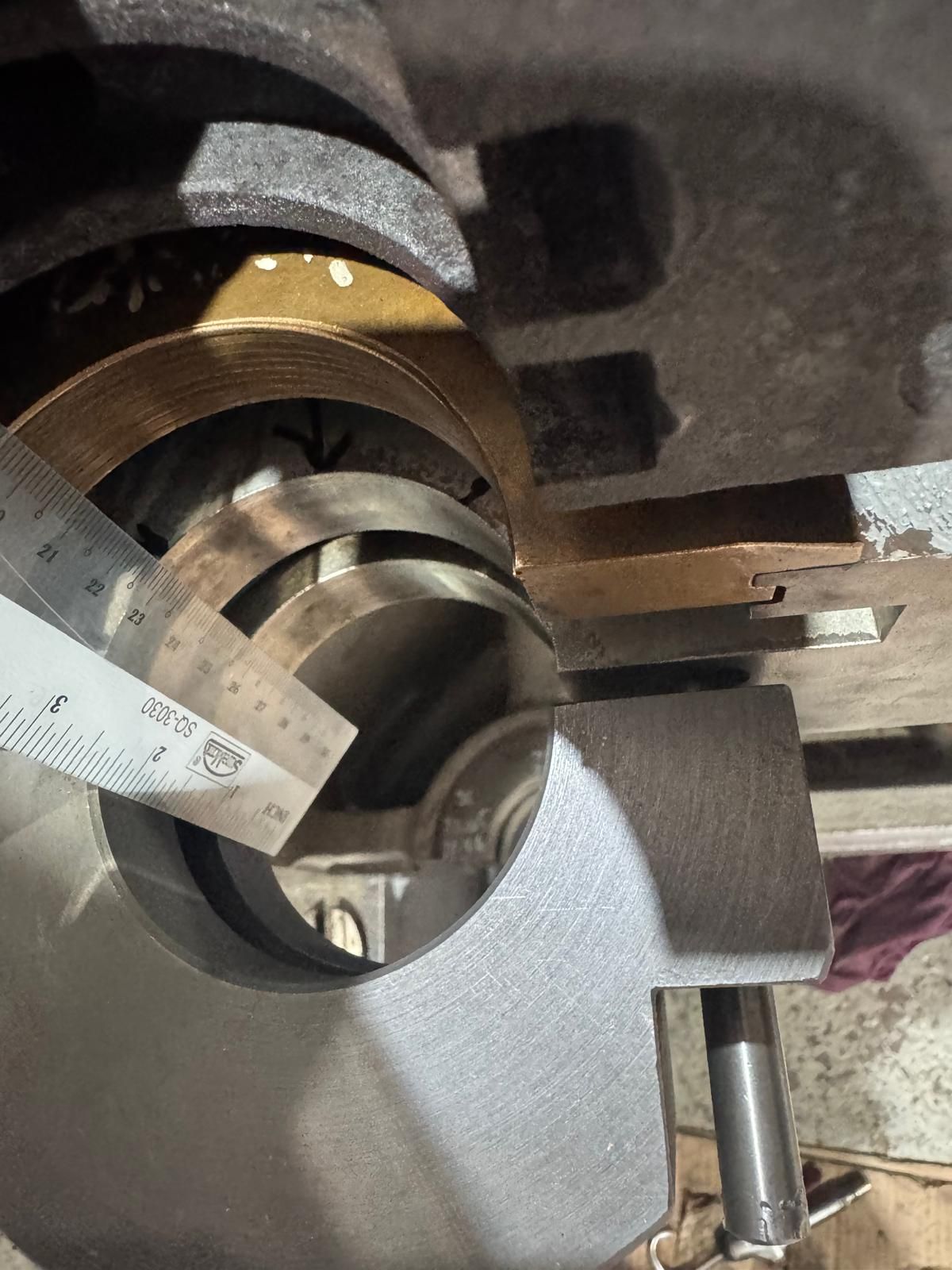
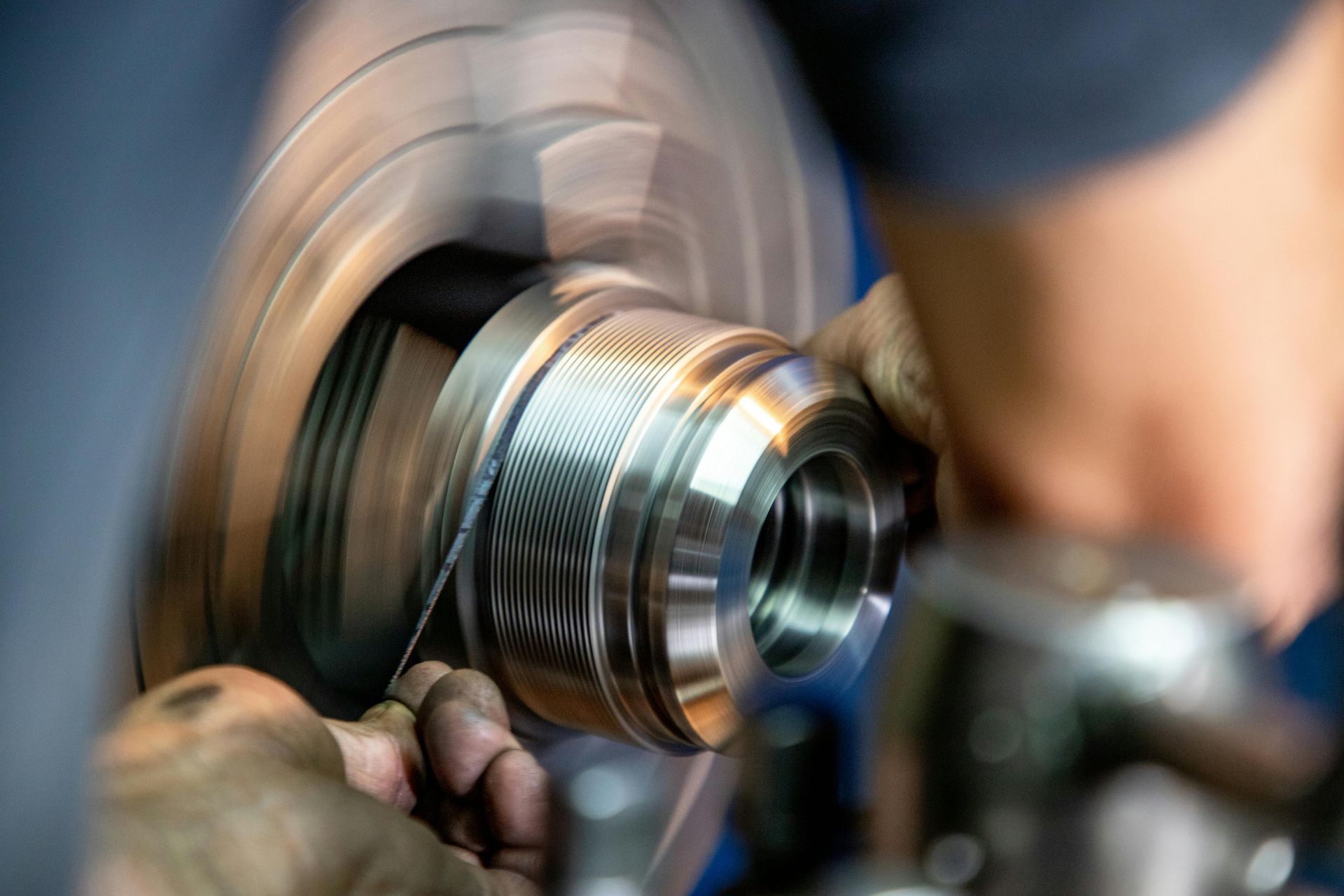
- Wear restoration — rebuilding worn shafts, bearing journals, and housings back to original tolerance
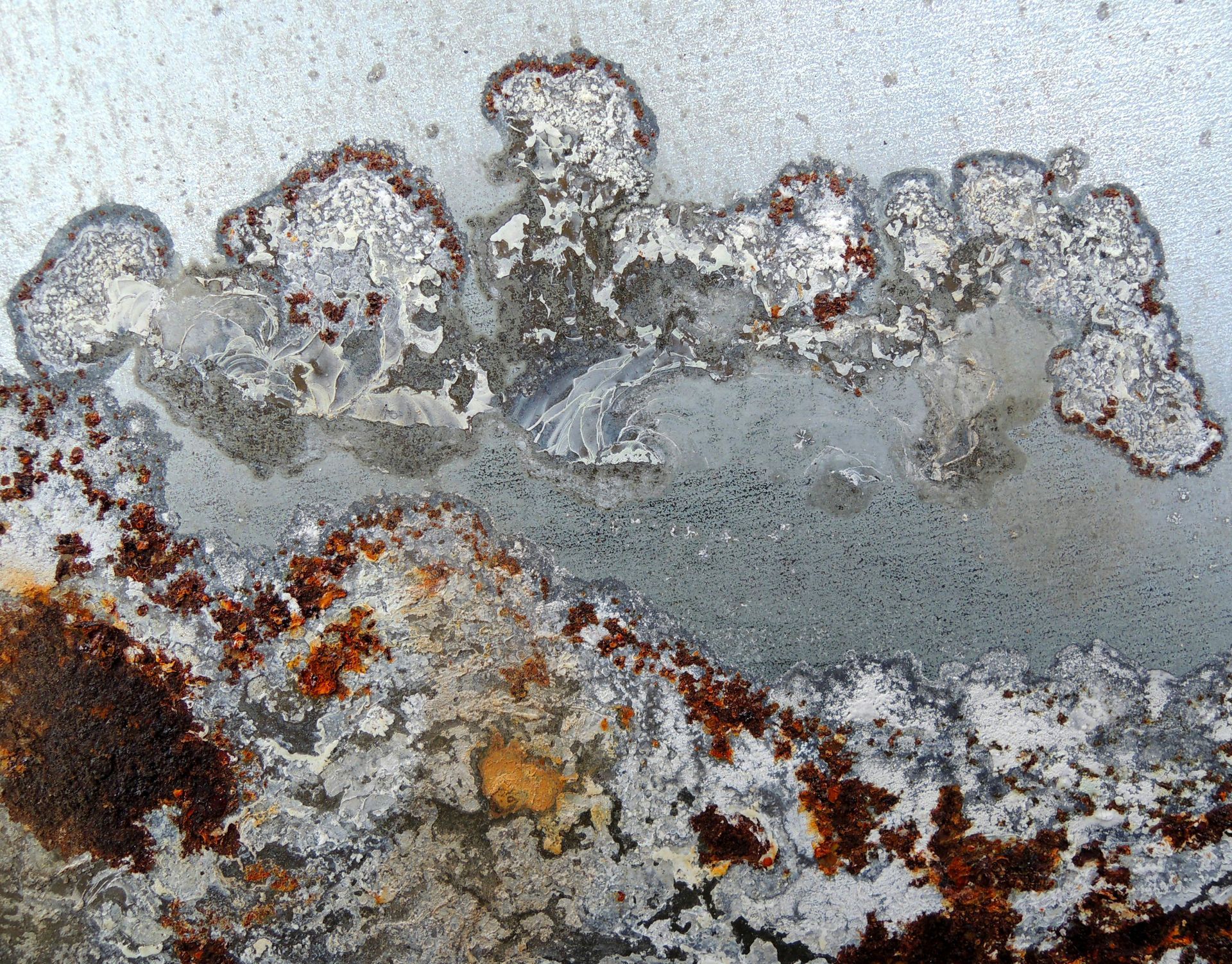
- Corrosion protection — applying protective metal layers to guard against future damage
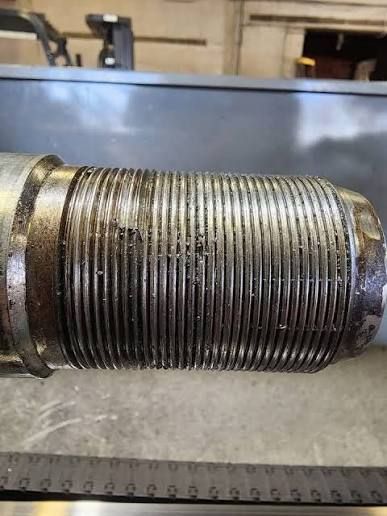
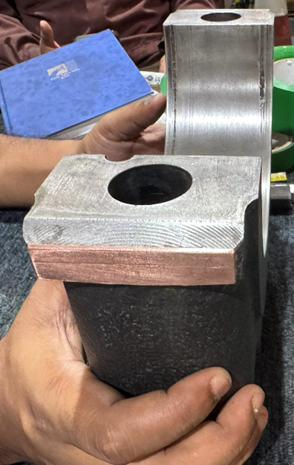
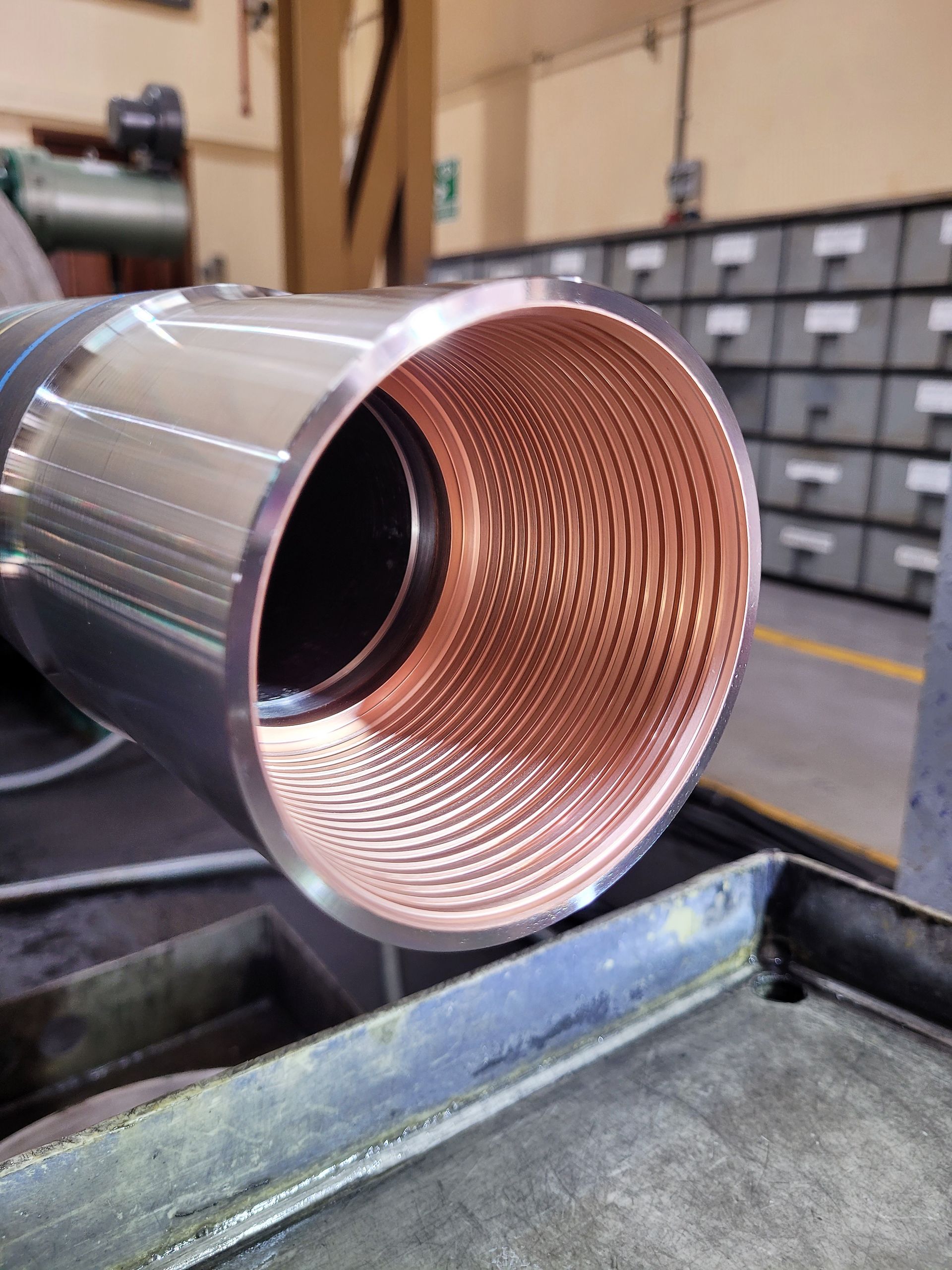
- Anti-galling protection — a specialized application widely used in the oil & gas industry, where Copper Brush Plating is applied to OCTG (Oil Country Tubular Goods) connections to prevent galling and seizing during makeup and breakout
- Dimensional correction — restoring components that have worn slightly undersized back to the exact specification needed for proper fit and function
This makes it relevant across a broad range of industries, from marine propulsion systems and heavy machinery, to aerospace landing gear, printing cylinders, and oil field equipment.
Why This Matters for Your Operation
If your team is currently defaulting to full part replacement every time something wears down, it is worth understanding this alternative. In many cases, particularly where the damage is limited to surface wear, scoring, or corrosion rather than structural failure. Brush Plating can restore a component faster, at a lower cost, and with less disruption than sourcing and installing a replacement part.
However, do take note, it is not the right solution for every type of damage. Components with cracking, severe deformation, or structural failure will still require replacement, and part of doing this properly is being upfront about which repairs are and aren't good candidates.
But for the wear and tear that makes up a large share of mechanical component damage, Brush Plating offers a faster, more precise, and more cost-effective path back to full operation.