: Onboard Repairs vs Workshop Repairs: Which Saves More Time?
Should the repair be done onboard/on-site or sent to a workshop?
Delayed repairs can lead to production losses, vessel delays, missed deadlines, and expensive operational disruptions.
Traditionally, workshop repairs have been the standard approach. However, modern industries are increasingly shifting towards
onboard and on-site repair technologies to reduce downtime and improve operational efficiency.
So, which option actually saves more time?
Let’s compare.
The Traditional Approach: Workshop Repairs
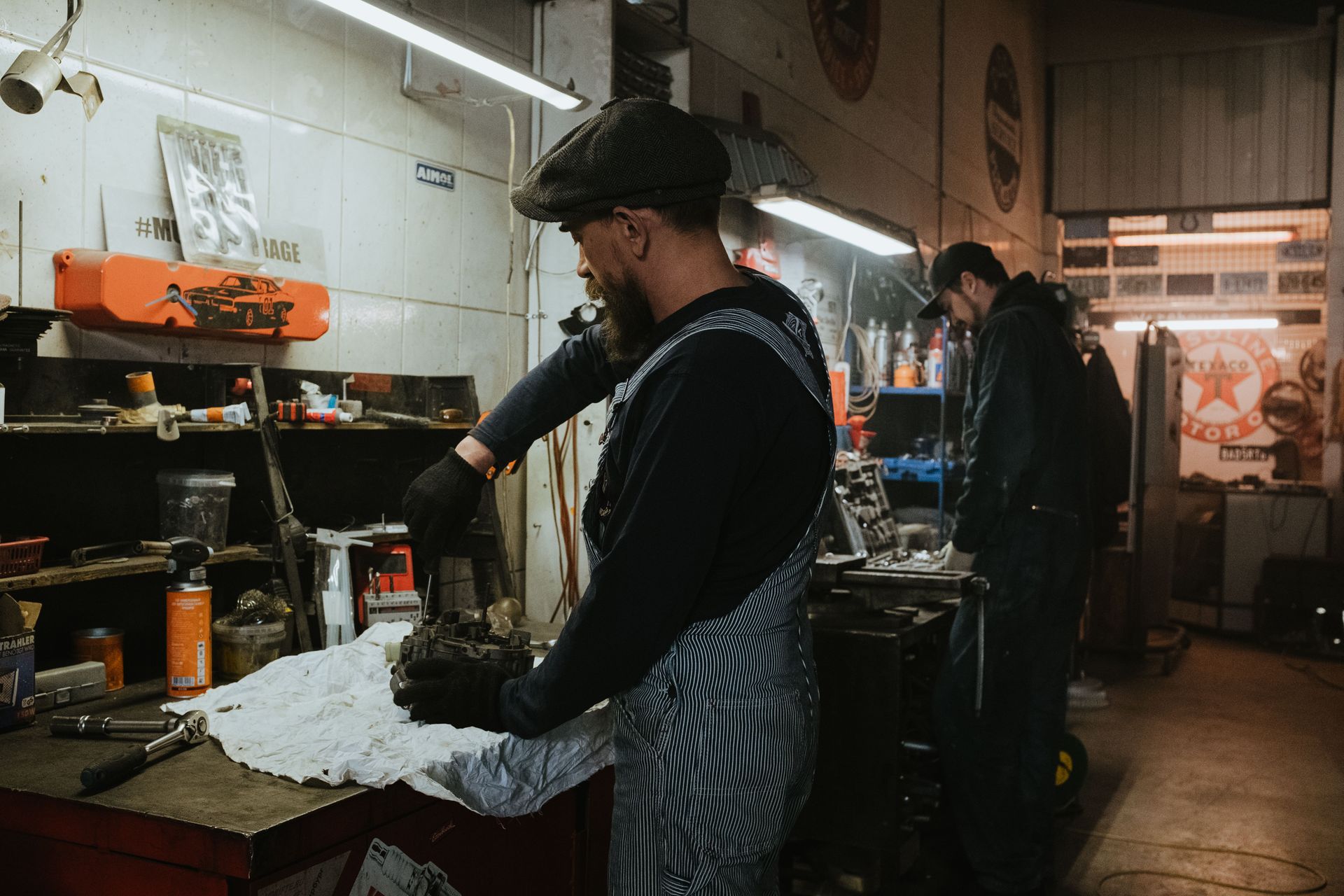
Workshop repairs typically involve:
- Removing the damaged component
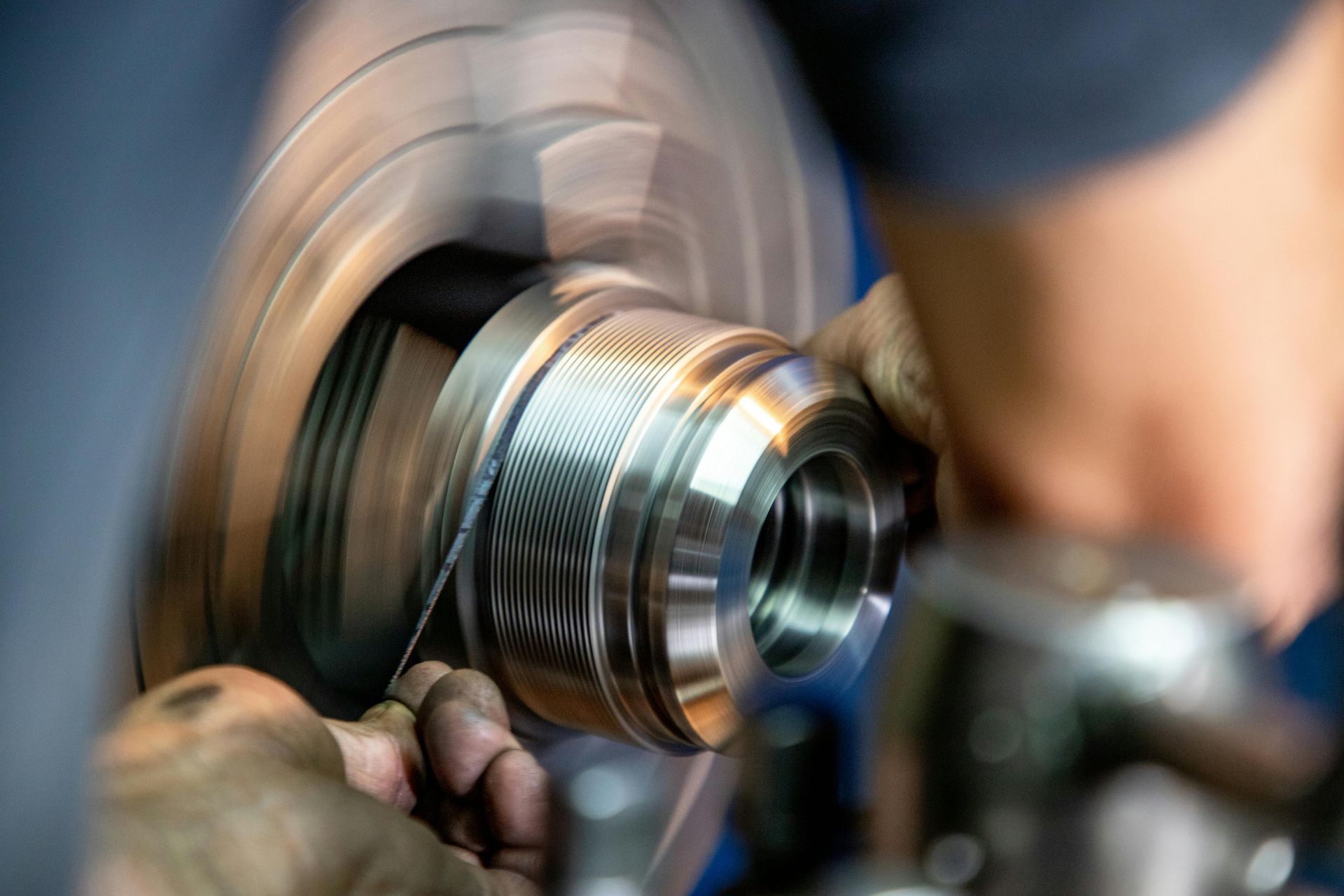
- Transporting it to a repair facility/workshop
- Waiting for machining or restoration
- Reinstalling and recalibrating equipment
While workshop repairs can be suitable for certain situations, the process often involves
significant downtime.
Common Challenges of Workshop Repairs
❌ Equipment dismantling takes time
❌ Heavy logistics and transportation costs
❌ Longer turnaround due to workshop schedules
❌ Delays waiting for replacement parts or machining
For marine and offshore industries, this may even mean
waiting for dry dock schedules, creating additional delays and operational losses.
The Smarter Alternative: Onboard / On-Site Repairs
Today, many companies are turning to
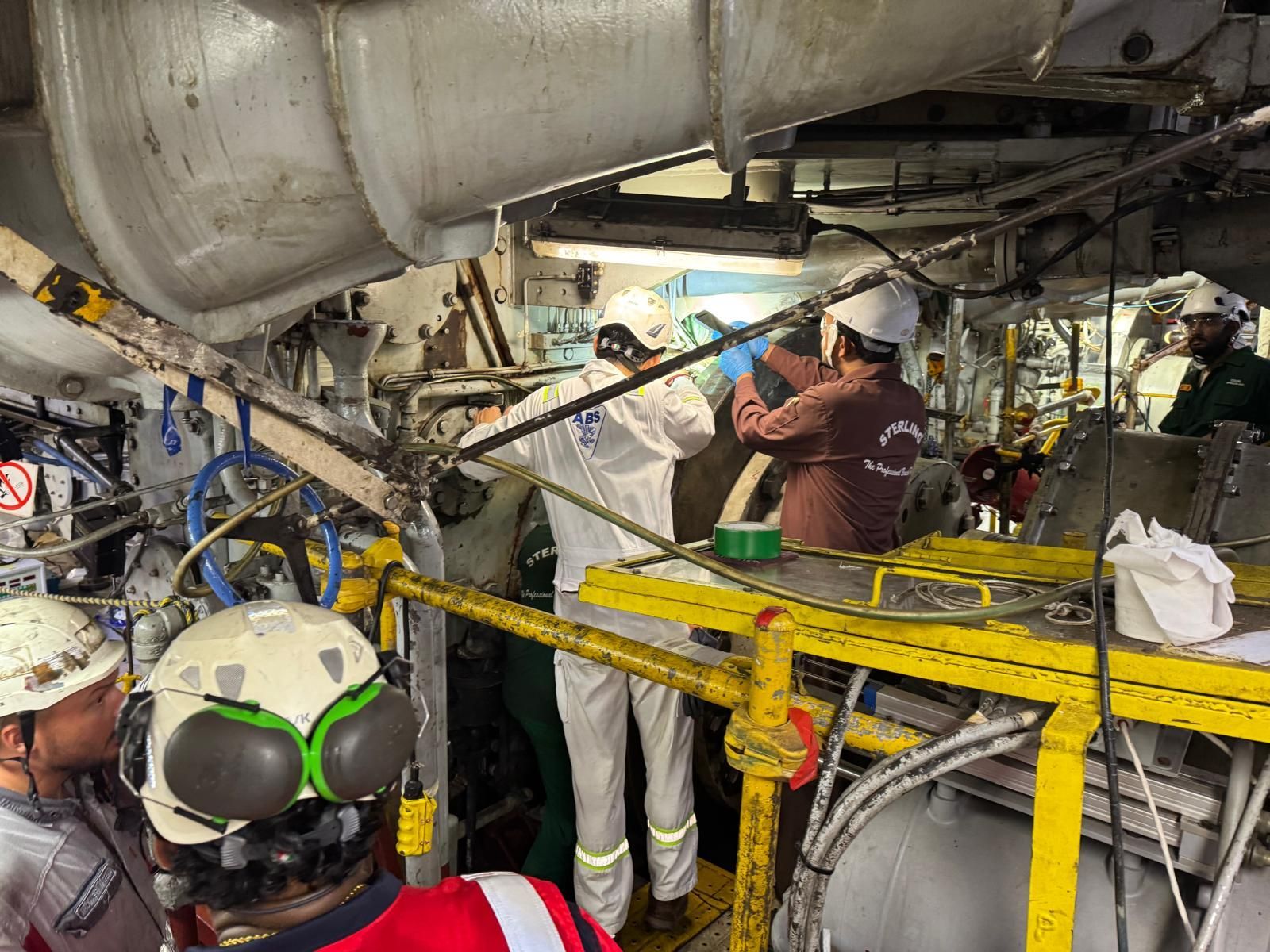
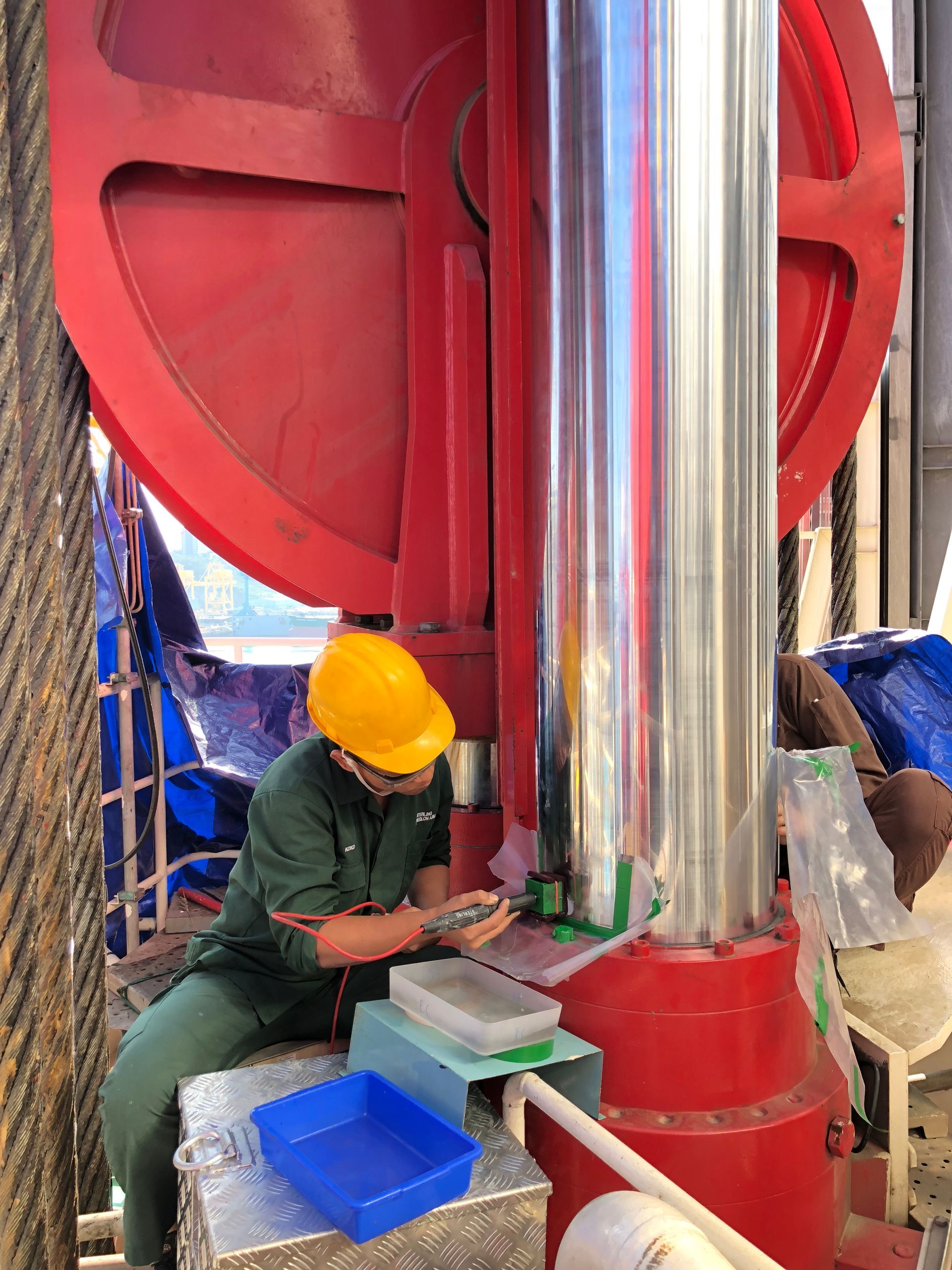
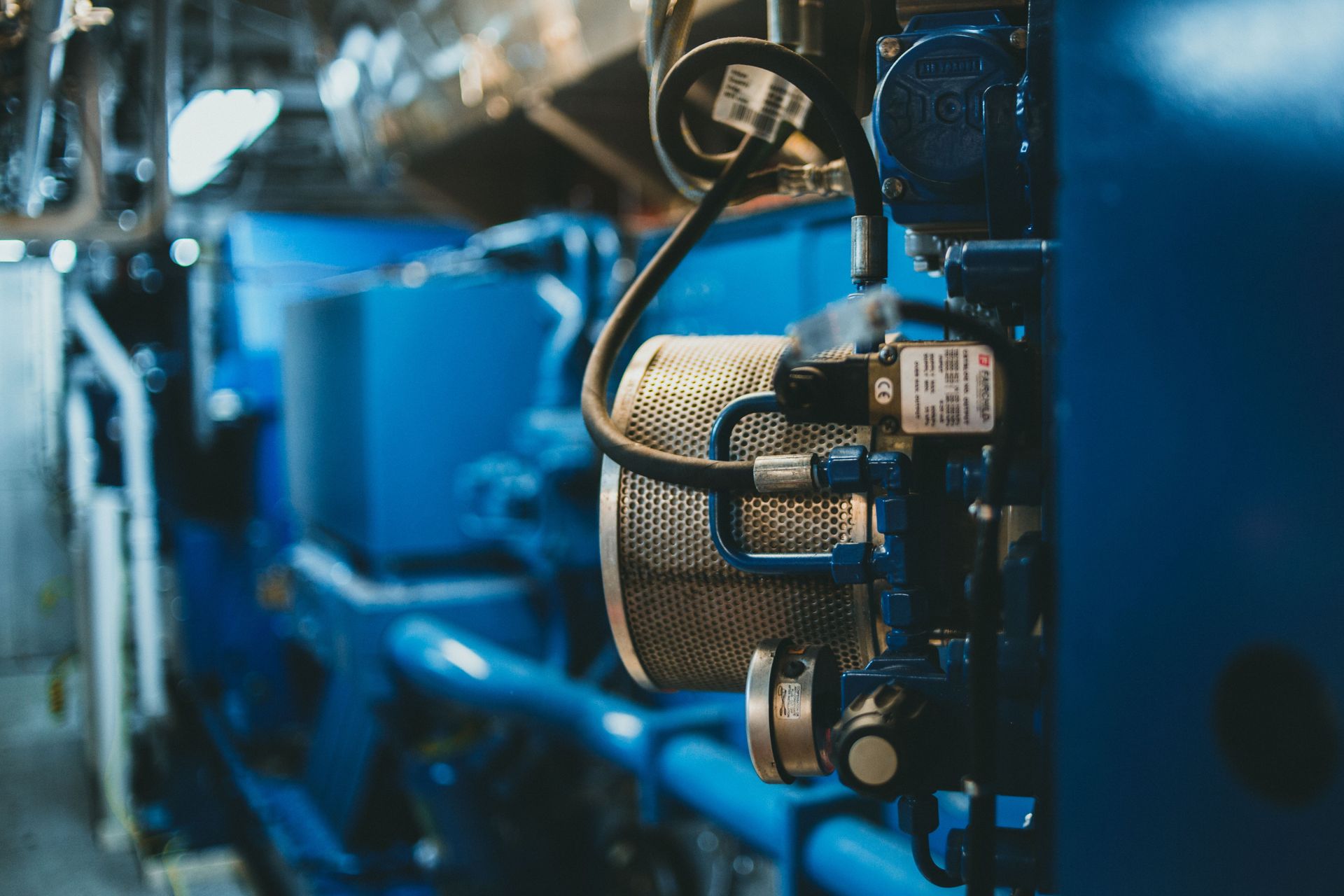
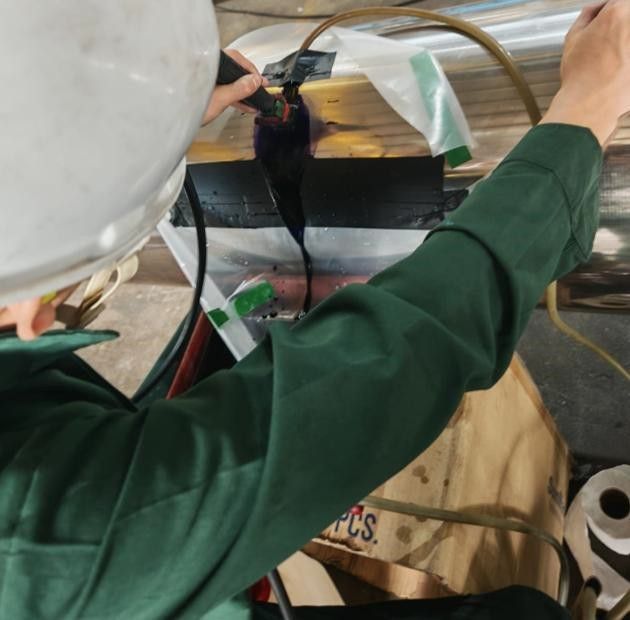
on-site repair solutions that bring the repair process directly to the damaged equipment.
Instead of dismantling and transporting large components, repairs can be carried out
where the equipment is installed.
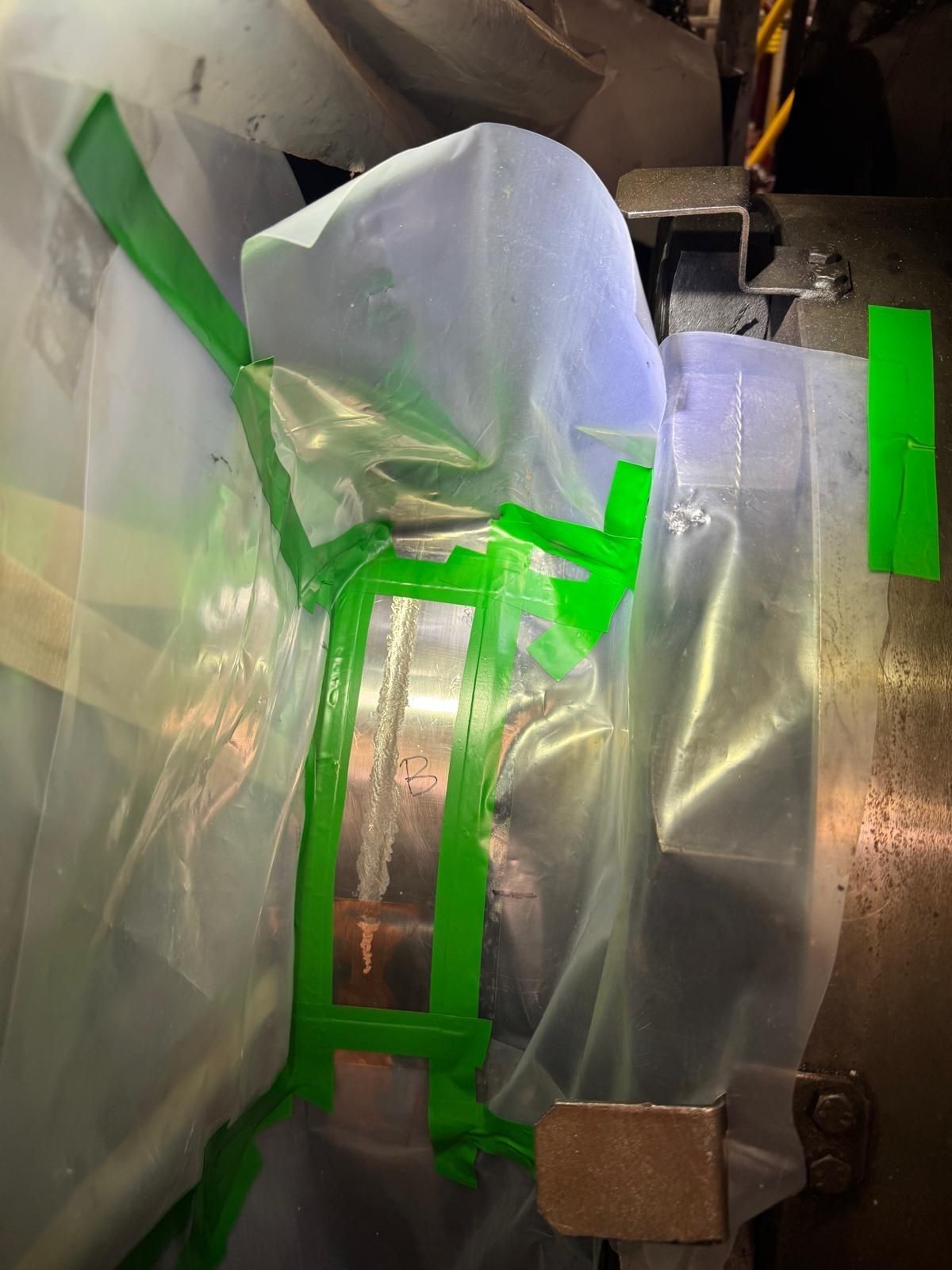
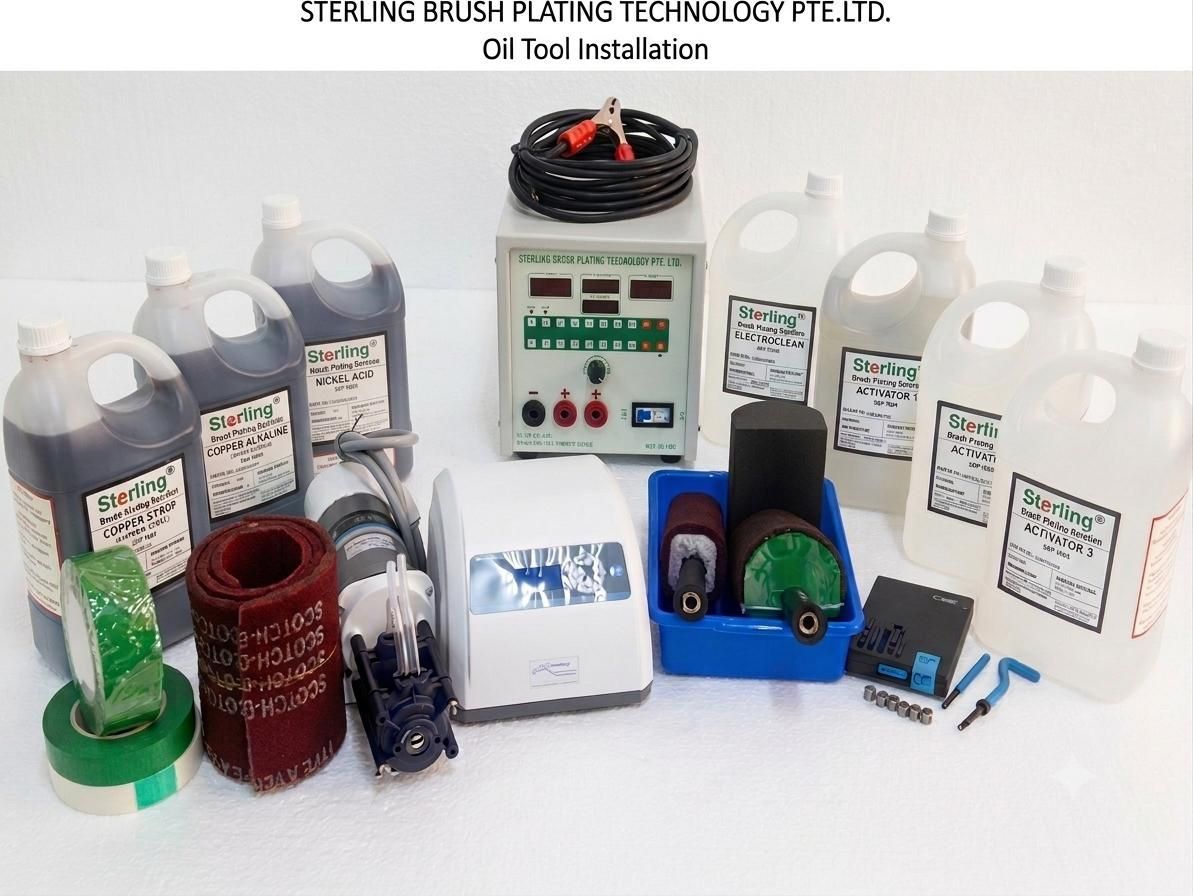
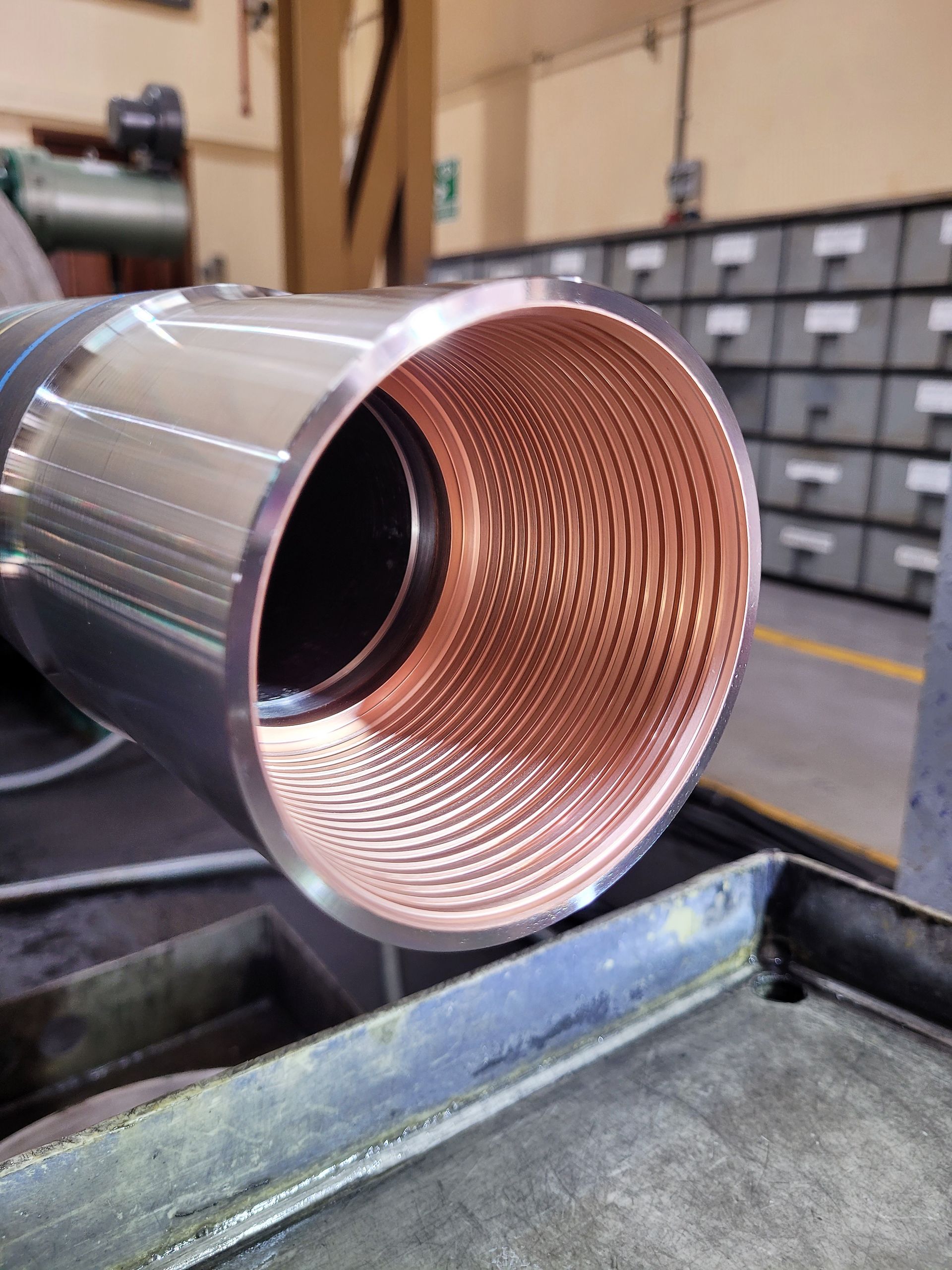
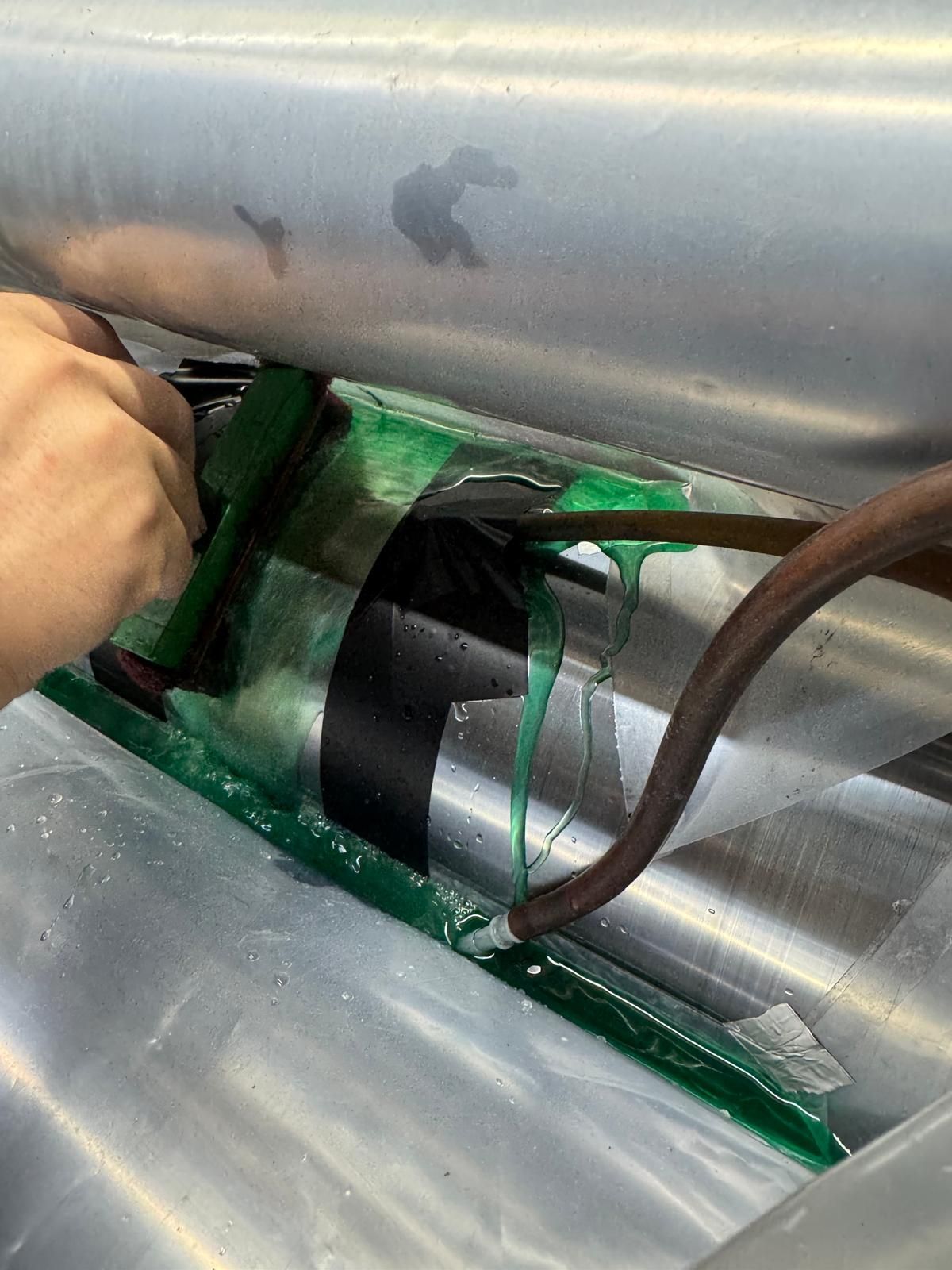
This is where technologies such as Brush Plating have transformed industrial maintenance.
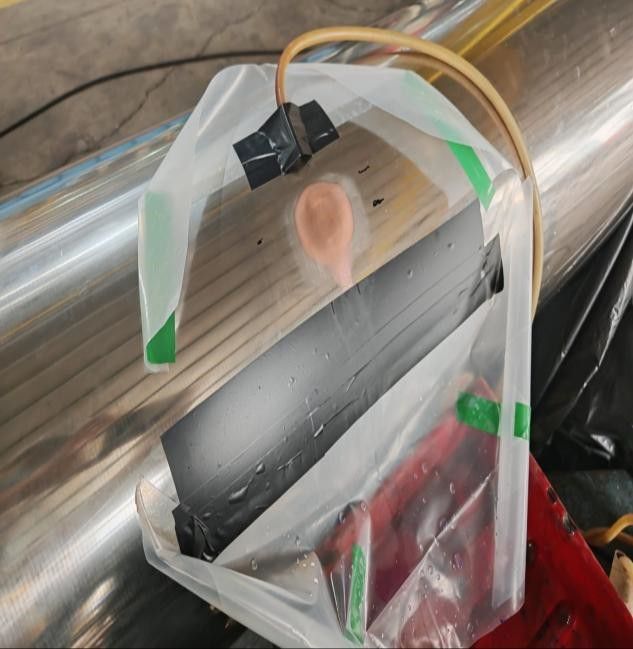
At Sterling Impreglon Asia, we specialize in on-site Brush Plating repairs, restoring damaged mechanical components such as:
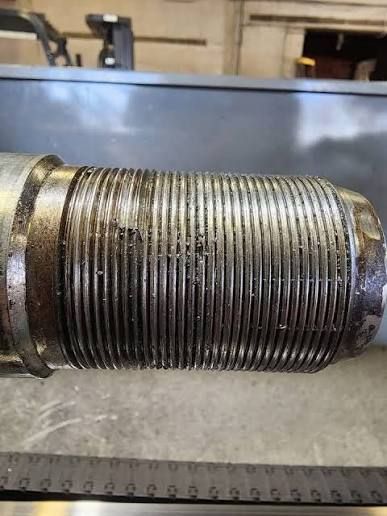
- Hydraulic shafts and rods
- Marine shafts and journals
- Gearbox components
- Printing cylinders
- Diesel engine components
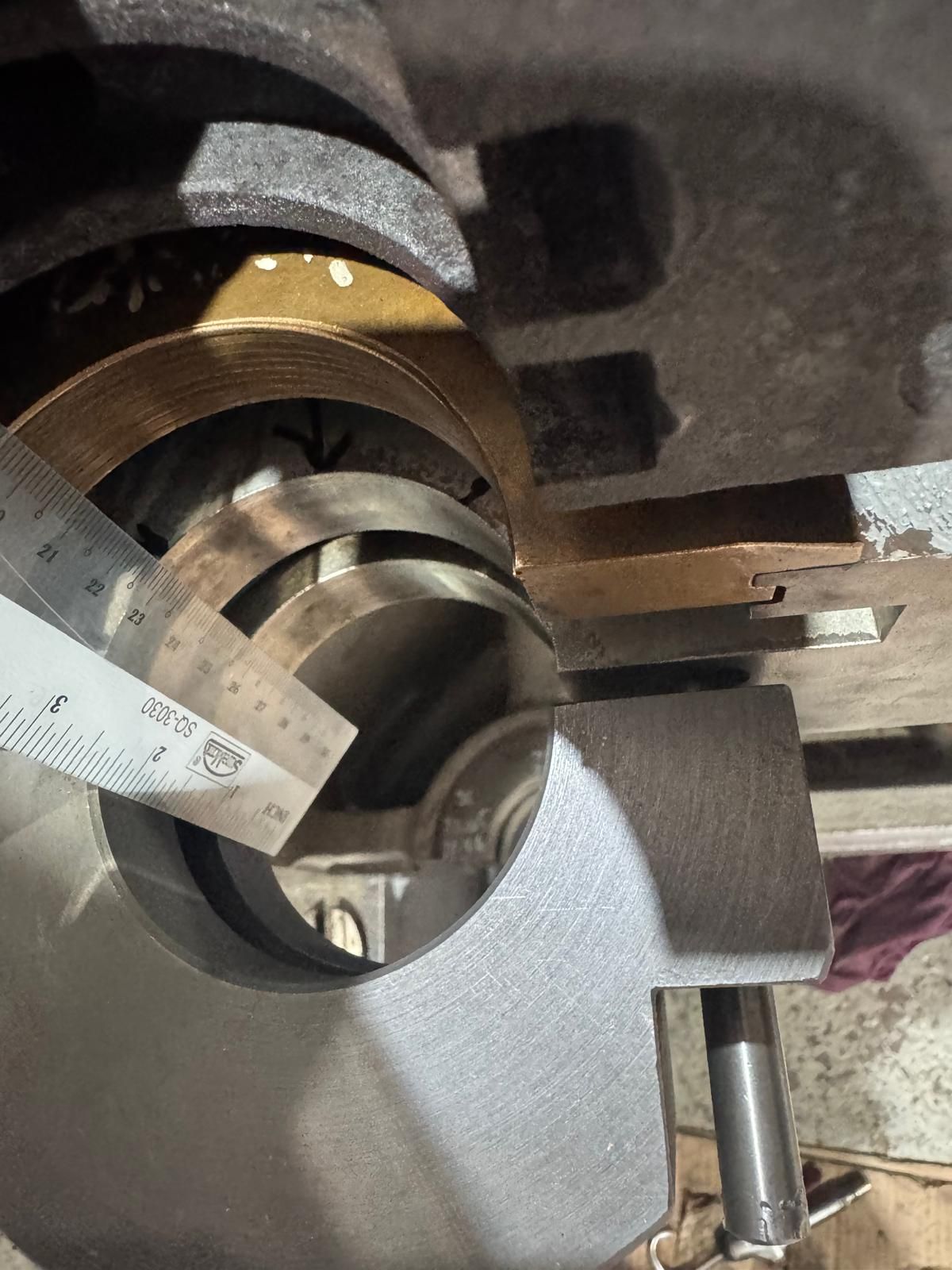
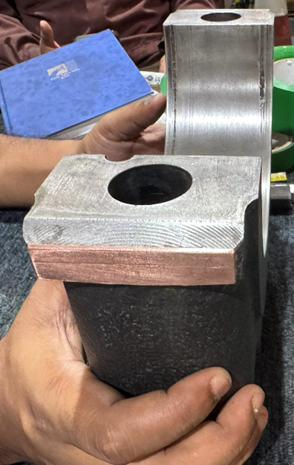
- Bearing saddles and engine block surfaces
- ANY other mechanical components
without unnecessary dismantling or lengthy workshop delays.
Time Comparison: Onboard vs Workshop Repairs
1) Workshop Repair
Estimated Timeline: Days to Weeks
- Equipment removal
- Transportation arrangements
- Workshop queue and machining
- Reinstallation and testing
Result:
Longer downtime and higher operational disruption
2) Onboard / On-Site Repair
Estimated Timeline: Hours to Days
- Damage inspection
- Surface preparation
- Precision repair directly on-site
- Immediate quality checks
Result:
Faster turnaround and reduced downtime
For urgent situations, this difference can save companies
valuable operational time and significant costs.
When Does On-Site Repair Make the Most Sense?
On-site repair is especially beneficial when:
✔ Equipment is too large or difficult to transport
✔ Downtime costs are high
✔ Repairs are urgently needed
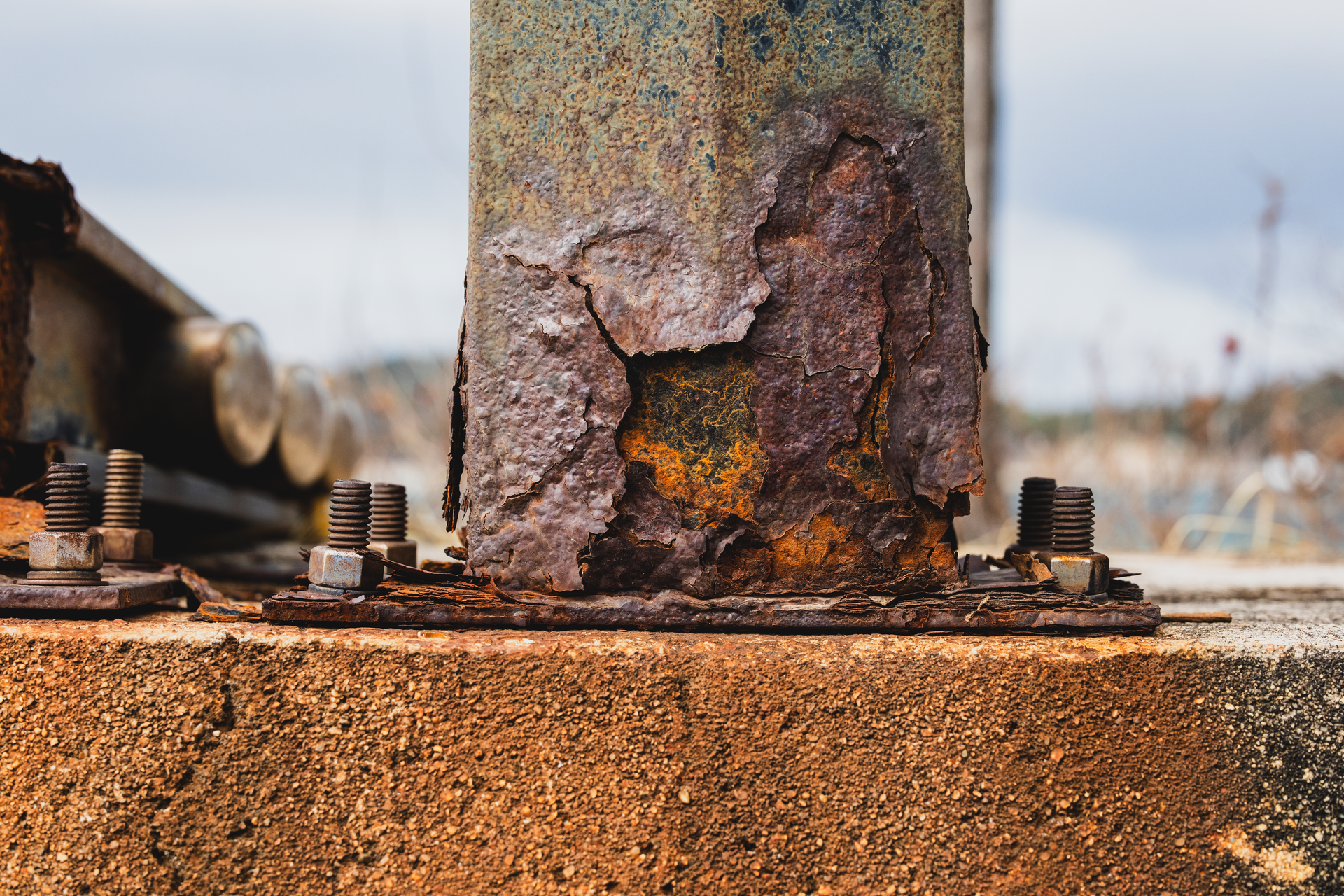
✔ Damage is localized (corrosion, pitting, wear, scorelines)
✔ Operations cannot afford extended delays
This is why many
shipyards, offshore operators, hydraulics companies, and industrial plants increasingly prefer on-site restoration solutions.
The Sterling Advantage: Faster Repairs, Less Downtime
At Sterling Impreglon Asia, our proprietary Brush Plating Technology allows damaged surfaces to be restored with precision, durability, and excellent adhesion.
Unlike traditional repair methods, Brush Plating focuses only on the damaged area, making repairs:
✔ Faster
✔ More cost-effective
✔ Highly accurate
✔ Suitable for both on-site and workshop applications
Most importantly, it helps customers resume operations quickly while avoiding unnecessary replacement costs.
Final Verdict: Which Saves More Time?
For many industrial applications,
onboard and on-site repairs are often the faster and more practical choice.
While workshop repairs still have their place, industries today are prioritizing speed, flexibility, and reduced downtime, making on-site repair technology a growing trend in modern maintenance strategies.
When time matters, repairing equipment where it operates can make all the difference.