Why Sustainability Starts with Repairing Equipment
Sustainability via Repairing
Across industries companies are increasingly expected to improve operational efficiency while reducing waste, emissions, and unnecessary resource consumption. Yet when discussing sustainability, many people immediately think about solar panels, electric vehicles, or reducing office paper usage.
What often gets overlooked is something much more practical:
Repairing equipment instead of replacing it.
In many industrial environments, sustainability can begin right on the workshop floor.
The Hidden Cost of Replacing Equipment
When a mechanical component becomes damaged due to:
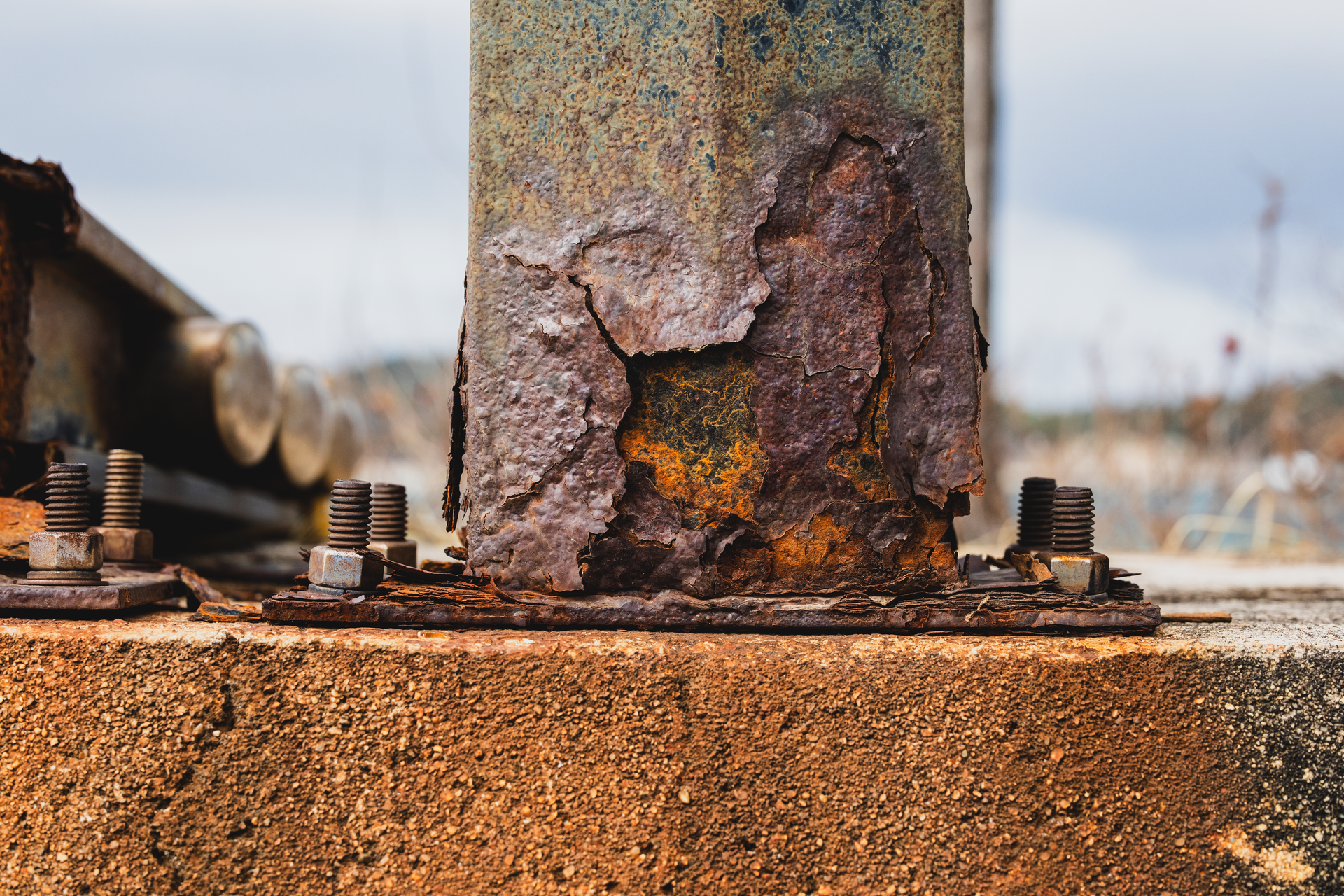
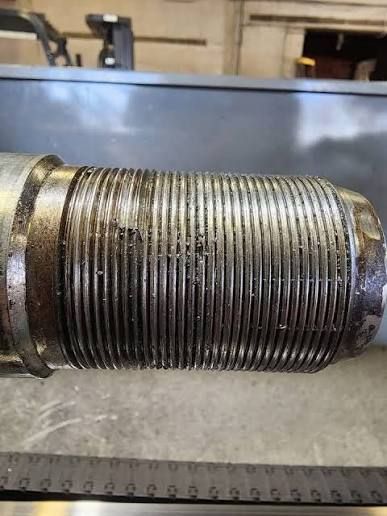
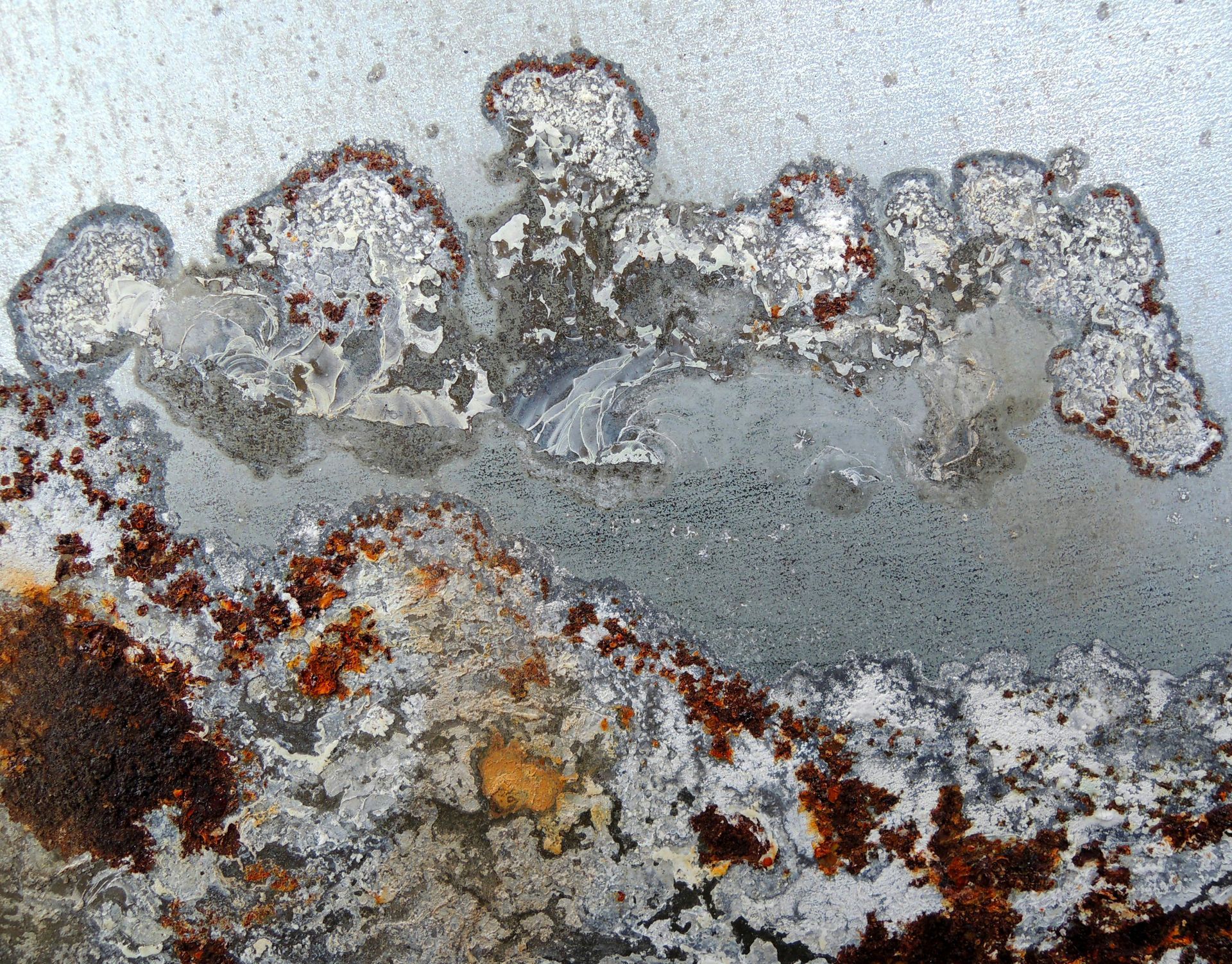
- Corrosion pitting
- Scorelines
- Wear and tear
- Fretting damage
- Surface deterioration
the common assumption is often:
“We should replace it.”
However, replacement comes with hidden environmental and operational costs.
A new component often means:
❌ Additional raw material consumption
❌ Energy-intensive manufacturing processes
❌ Increased carbon footprint from production and transportation
❌ Long lead times and supply chain delays
❌ Higher disposal waste from scrapped parts
For large industrial companies managing hundreds or even thousands of assets, these costs quickly add up. In many cases, replacing equipment too early is neither the most economical nor the most sustainable decision.
Why Repair is Becoming the Smarter Choice
Increasingly, forward-thinking companies are shifting towards an approach known as asset life extension, maximizing the lifespan of critical equipment through repair and restoration.
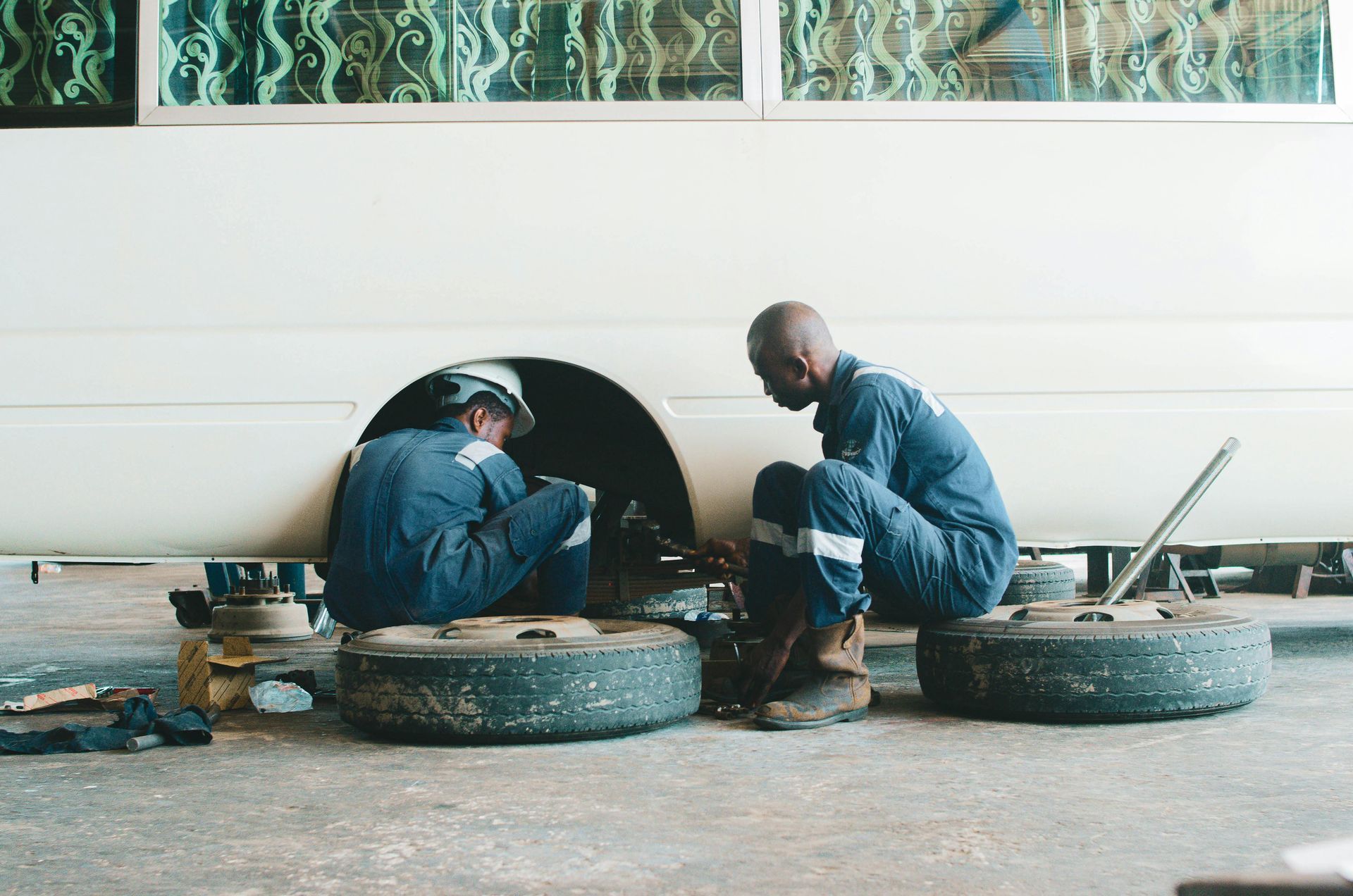
Rather than discarding damaged components, businesses are now restoring them back to operational condition safely and efficiently.
This approach helps organizations:
✔ Reduce material waste
✔ Lower replacement spending
✔ Minimize operational downtime
✔ Extend equipment lifespan
✔ Improve maintenance efficiency
More importantly, it aligns closely with broader
Environmental, Social, and Governance (ESG) objectives.
The ESG Advantage of Equipment Repair
For larger companies, sustainability reporting is becoming increasingly important.
Many organizations are now measured on their ability to reduce:
- Carbon emissions
- Waste generation
- Resource consumption
- Operational inefficiencies
By repairing rather than replacing equipment, companies can contribute meaningfully to ESG goals in several ways.
1. Environmental: Reducing Waste and Carbon Impact
Every repaired component means one less part entering the waste stream.
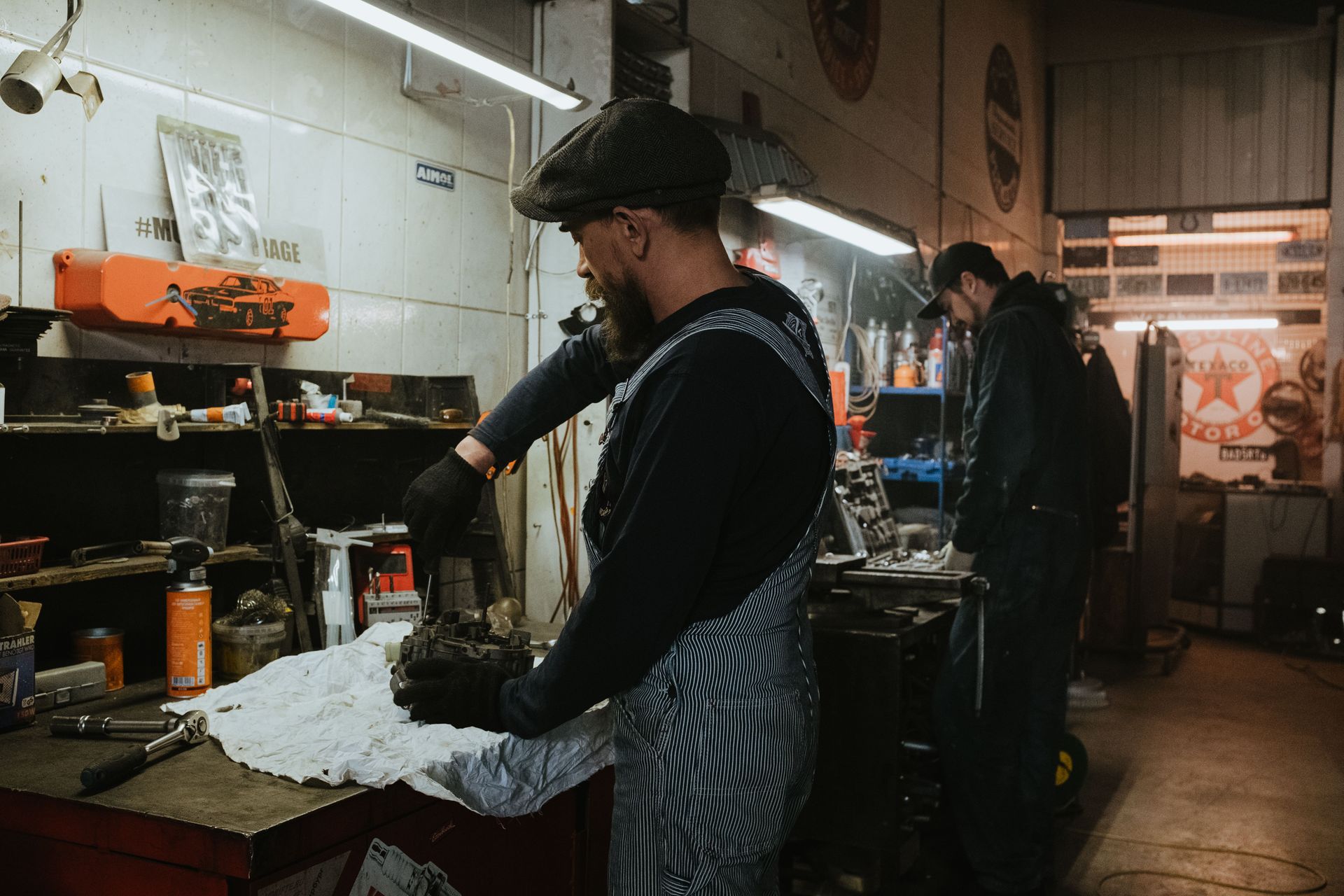
Instead of scrapping an expensive hydraulic rod, shaft, roller, engine housing, or mechanical component, repair helps preserve existing resources and reduce unnecessary manufacturing demand. Less replacement also means lower transportation emissions and reduced industrial waste.
2. Social: Keeping Operations Running Safely
Reliable equipment maintenance helps improve operational reliability and workplace safety.
Unexpected failures can disrupt operations, create downtime pressure, and increase maintenance risks.
By restoring damaged components before failure occurs, businesses improve overall operational resilience.
3. Governance: Smarter Asset Management
Repair-focused maintenance strategies demonstrate responsible asset stewardship.
Rather than adopting a reactive “replace everything” approach, companies that prioritize restoration often achieve:
✔ Better maintenance planning
✔ Lower lifecycle costs
✔ Stronger asset utilization
✔ Improved operational accountability
These are increasingly important metrics for management teams and stakeholders.
How Brush Plating Supports Sustainable Repair
At Sterling Impreglon Asia, sustainability and industrial performance go hand in hand.
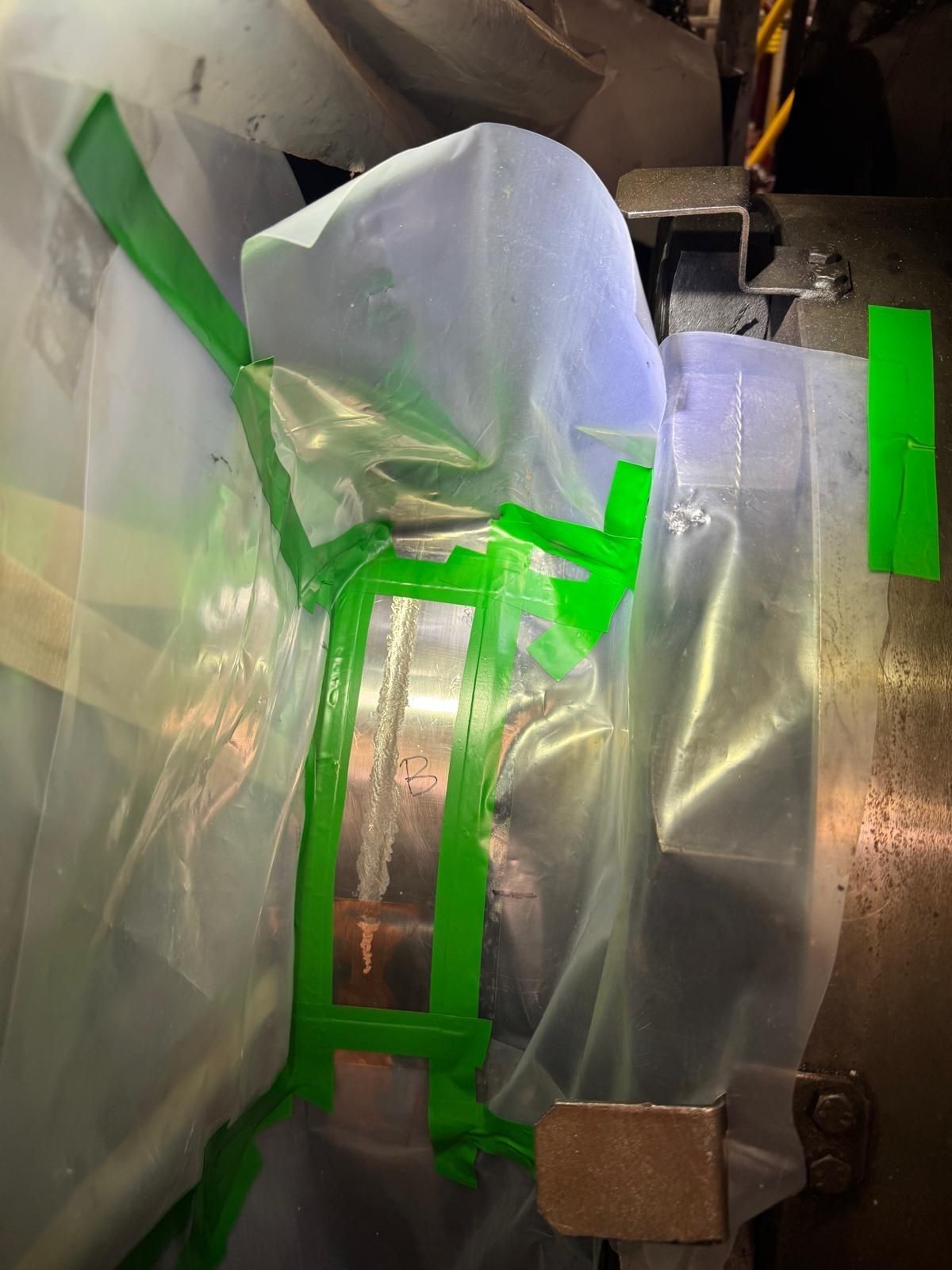
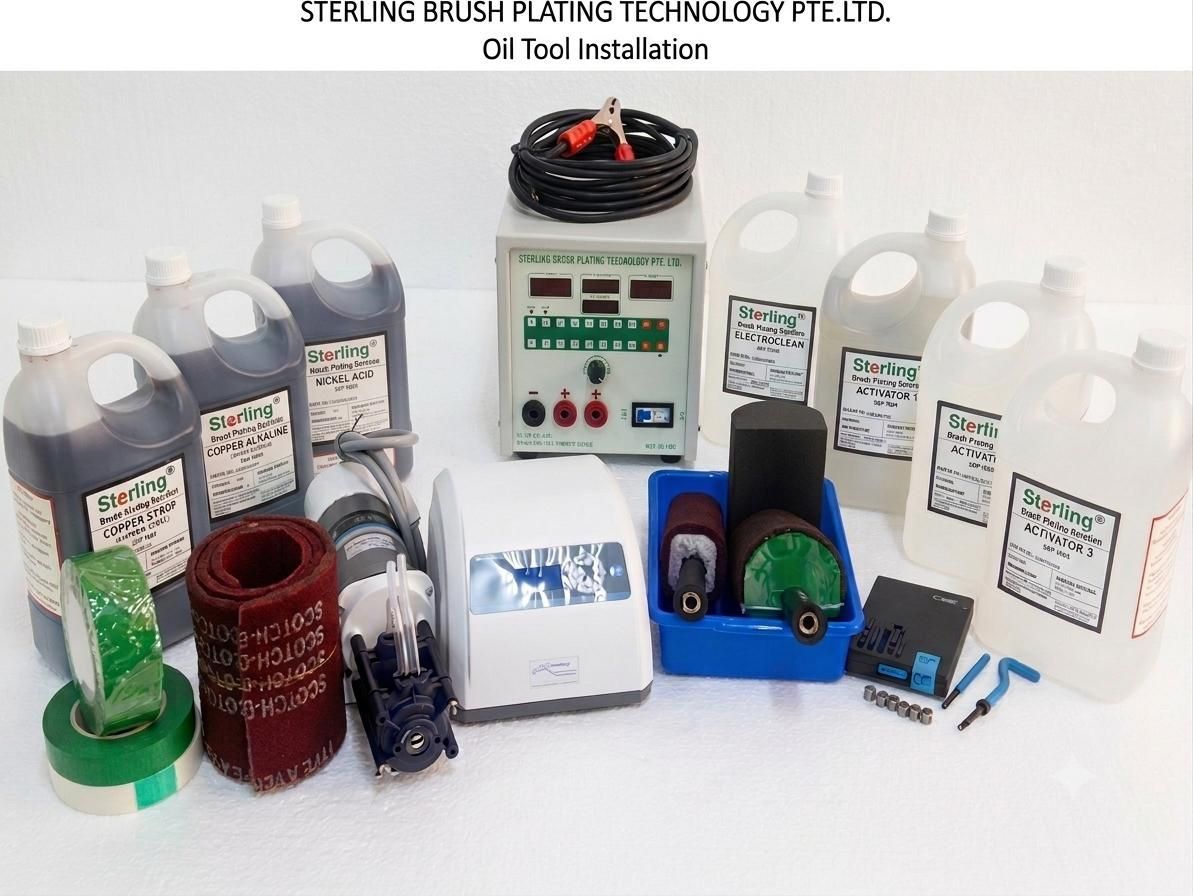
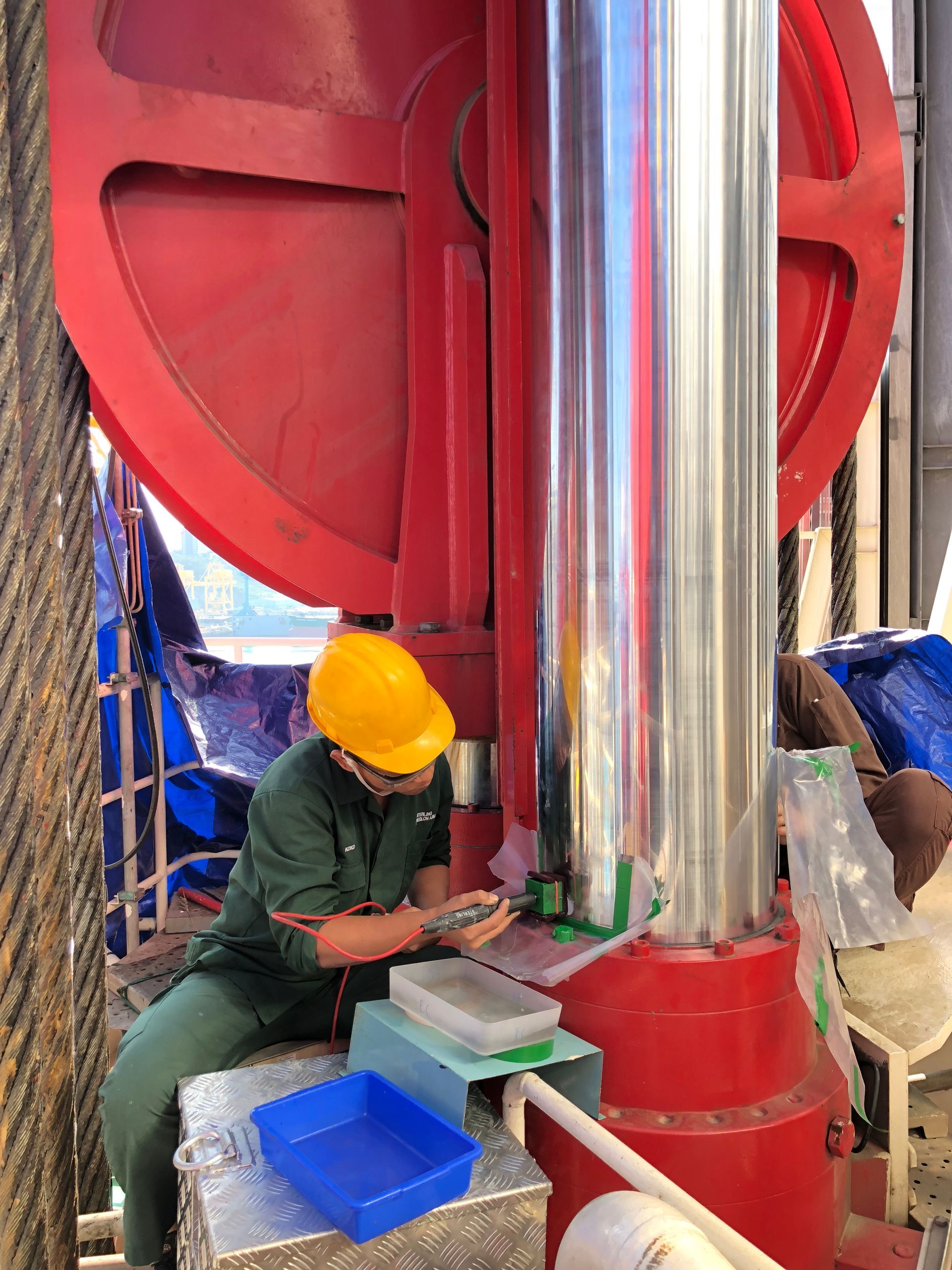
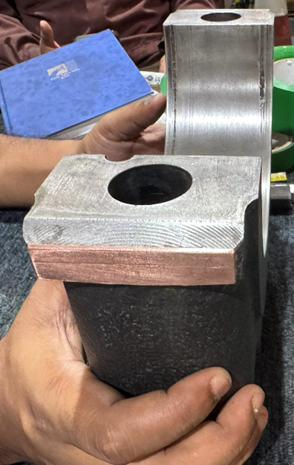
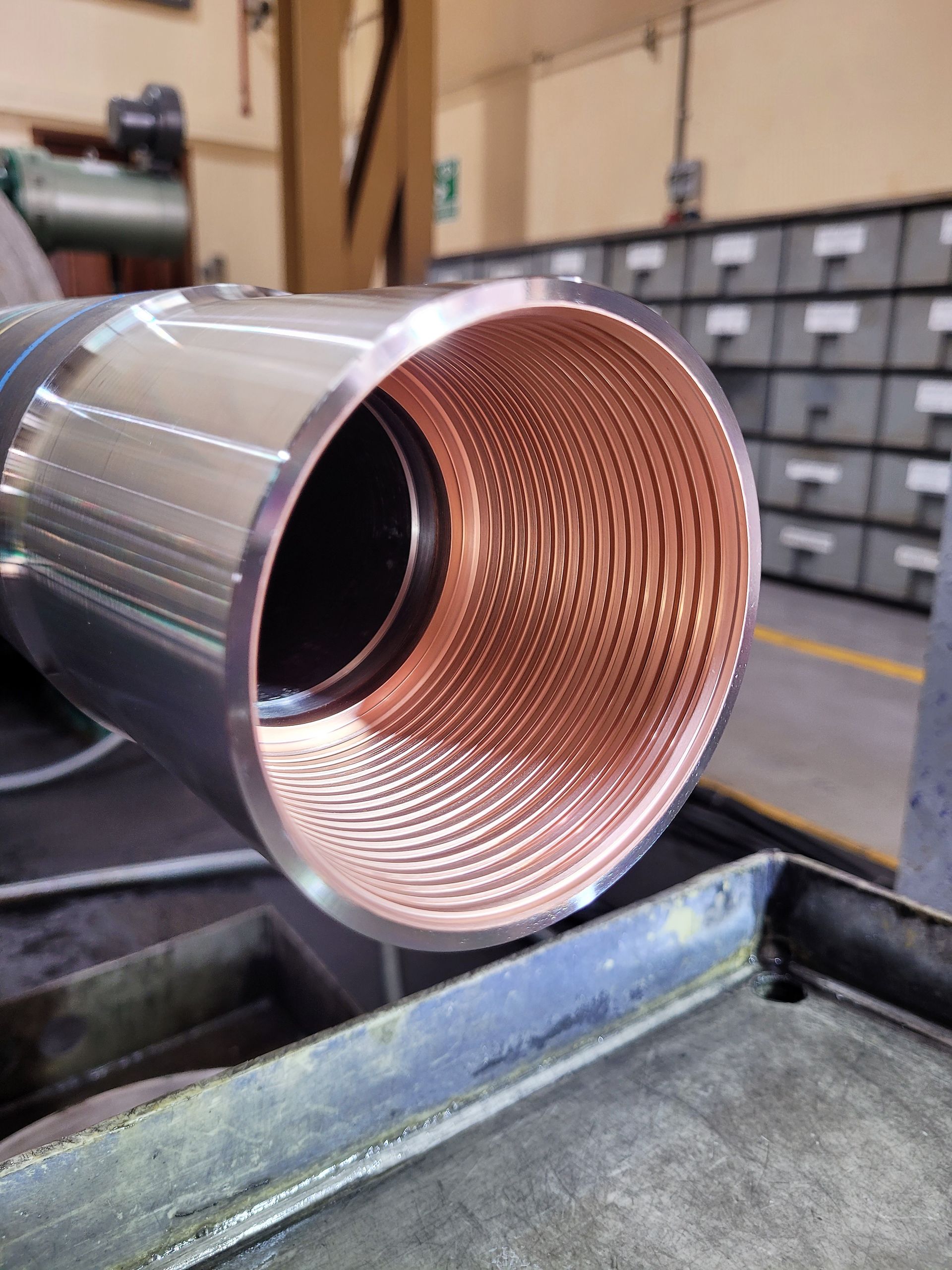
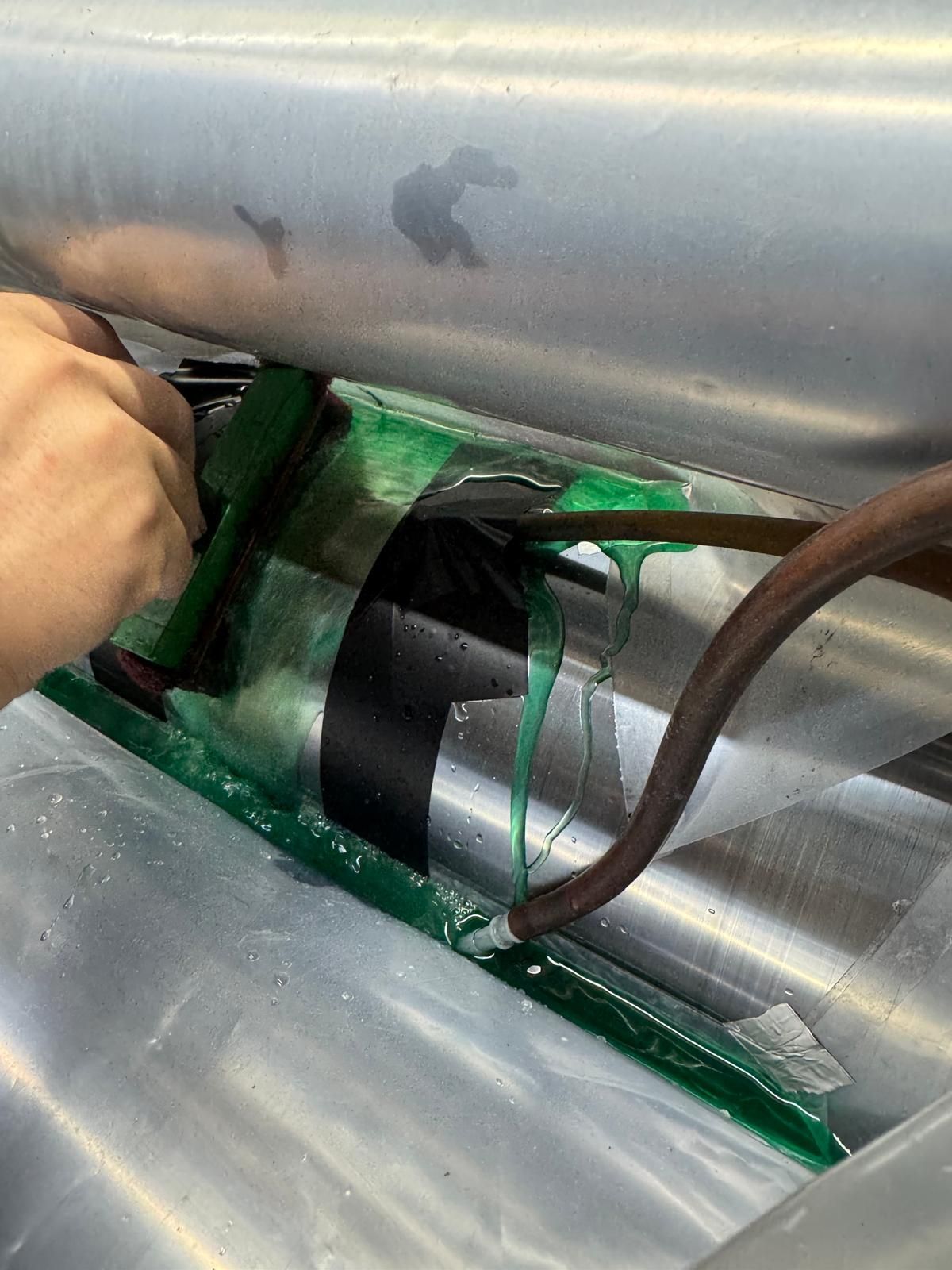
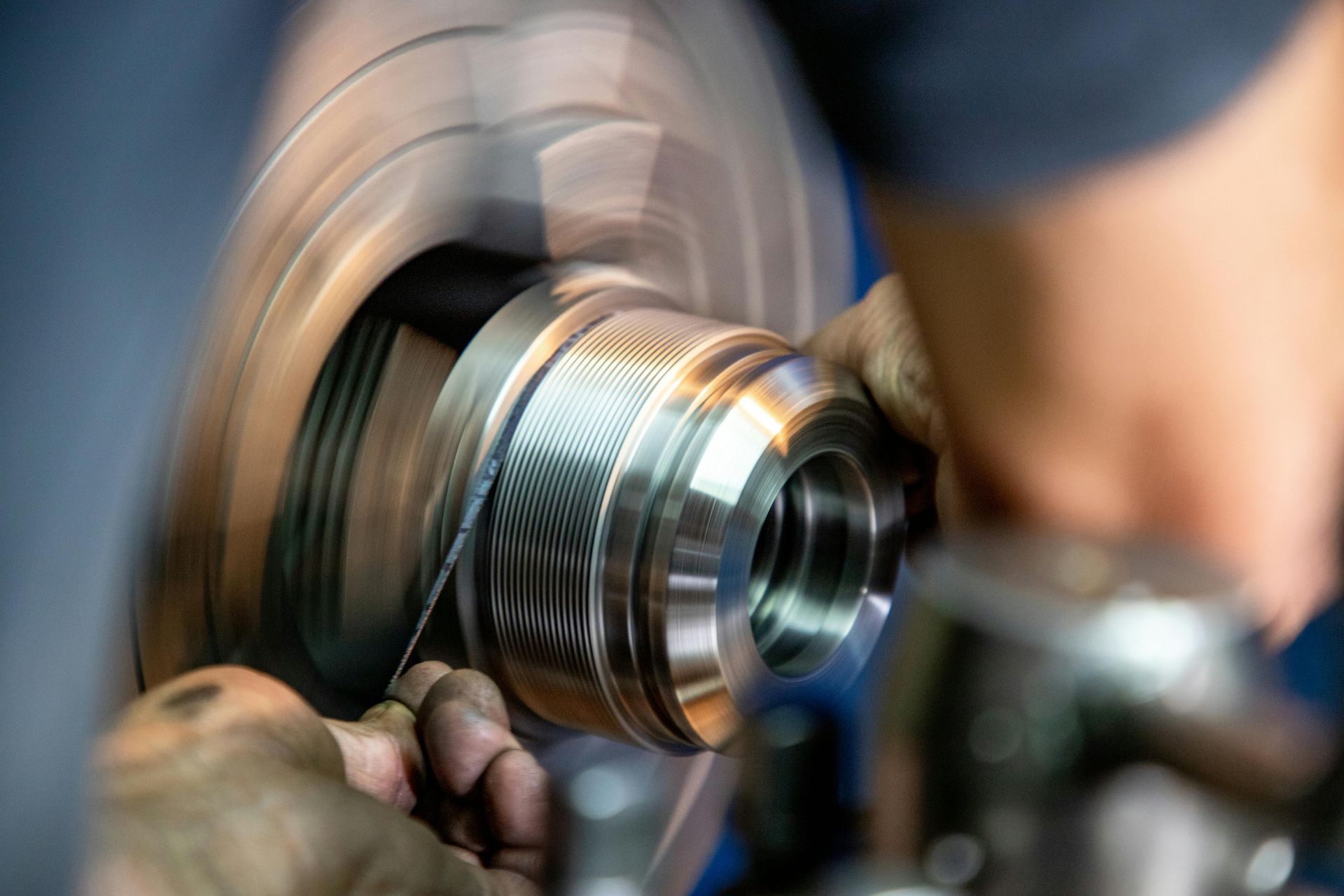
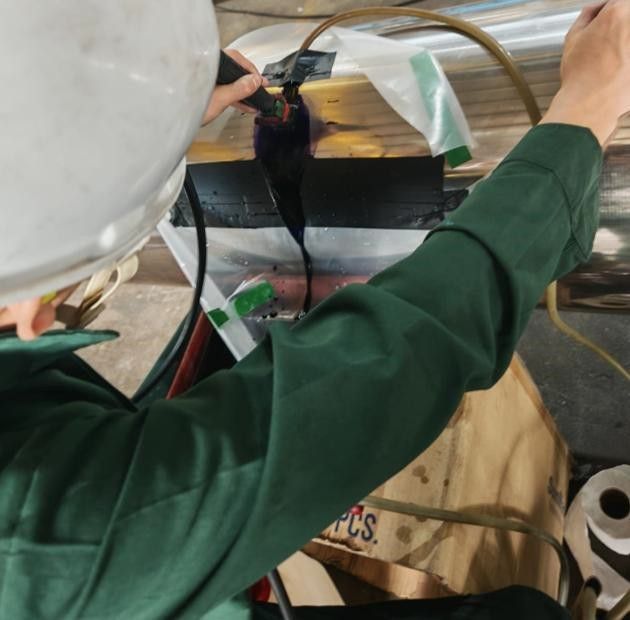
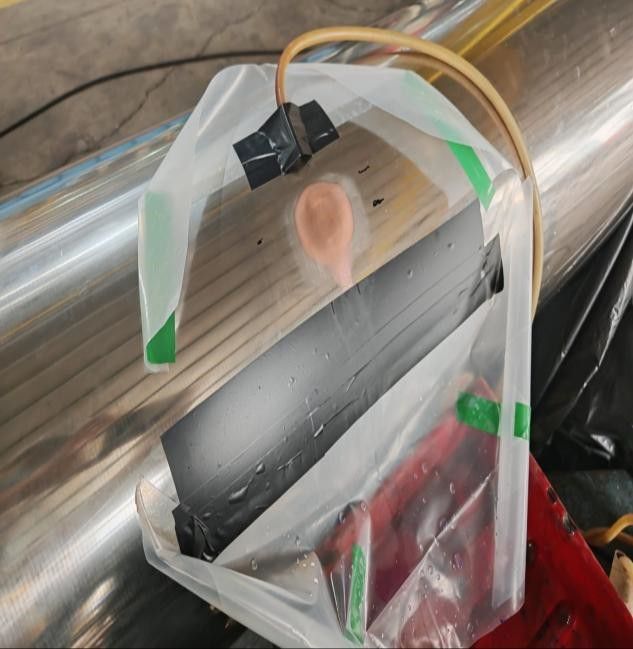
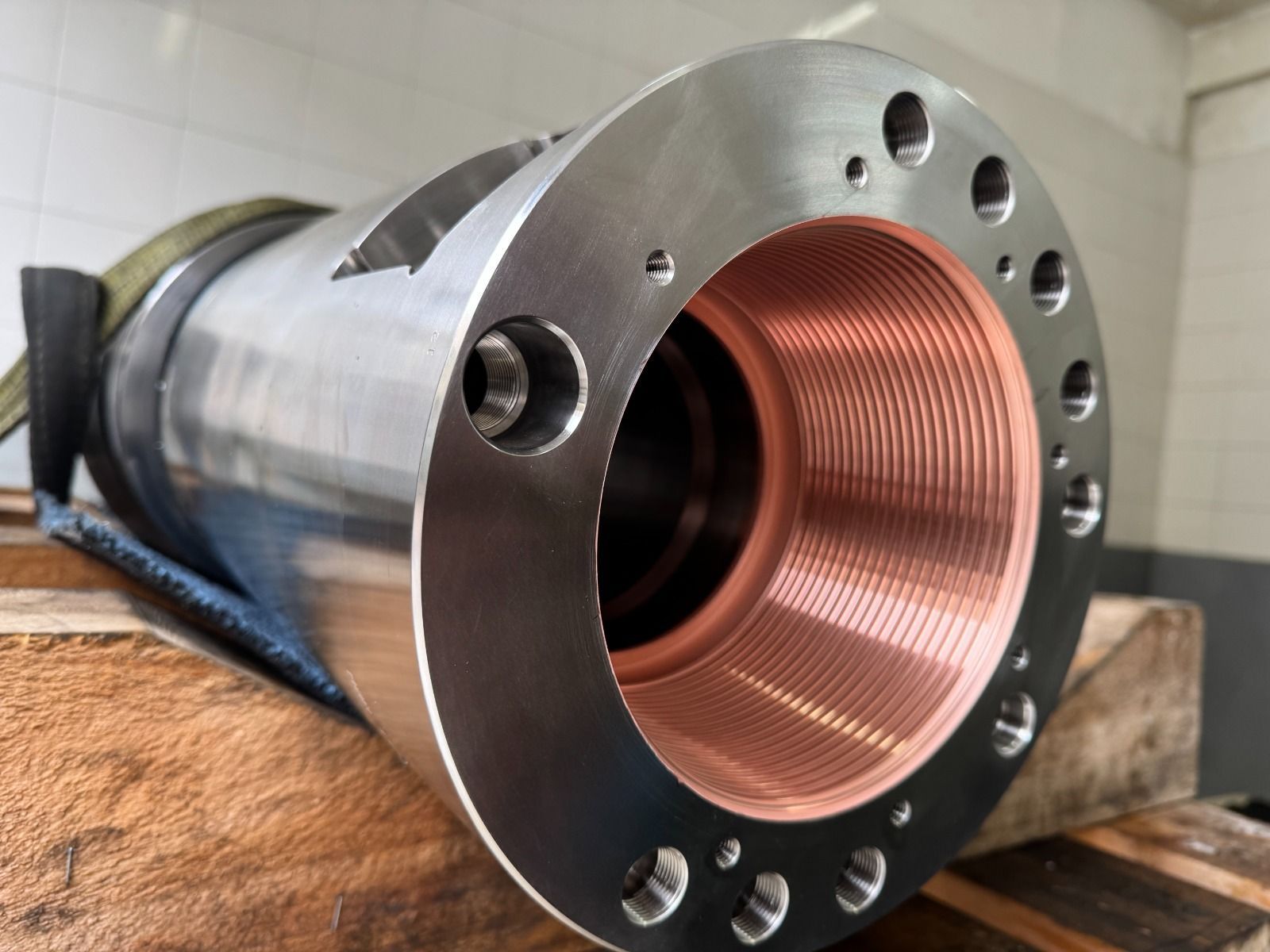
Through our proprietary Brush Plating Technology, damaged mechanical components can often be restored instead of replaced.
We regularly help customers repair:
- Hydraulic rods and cylinders
- Shafts and journals
- Printing cylinders and rollers
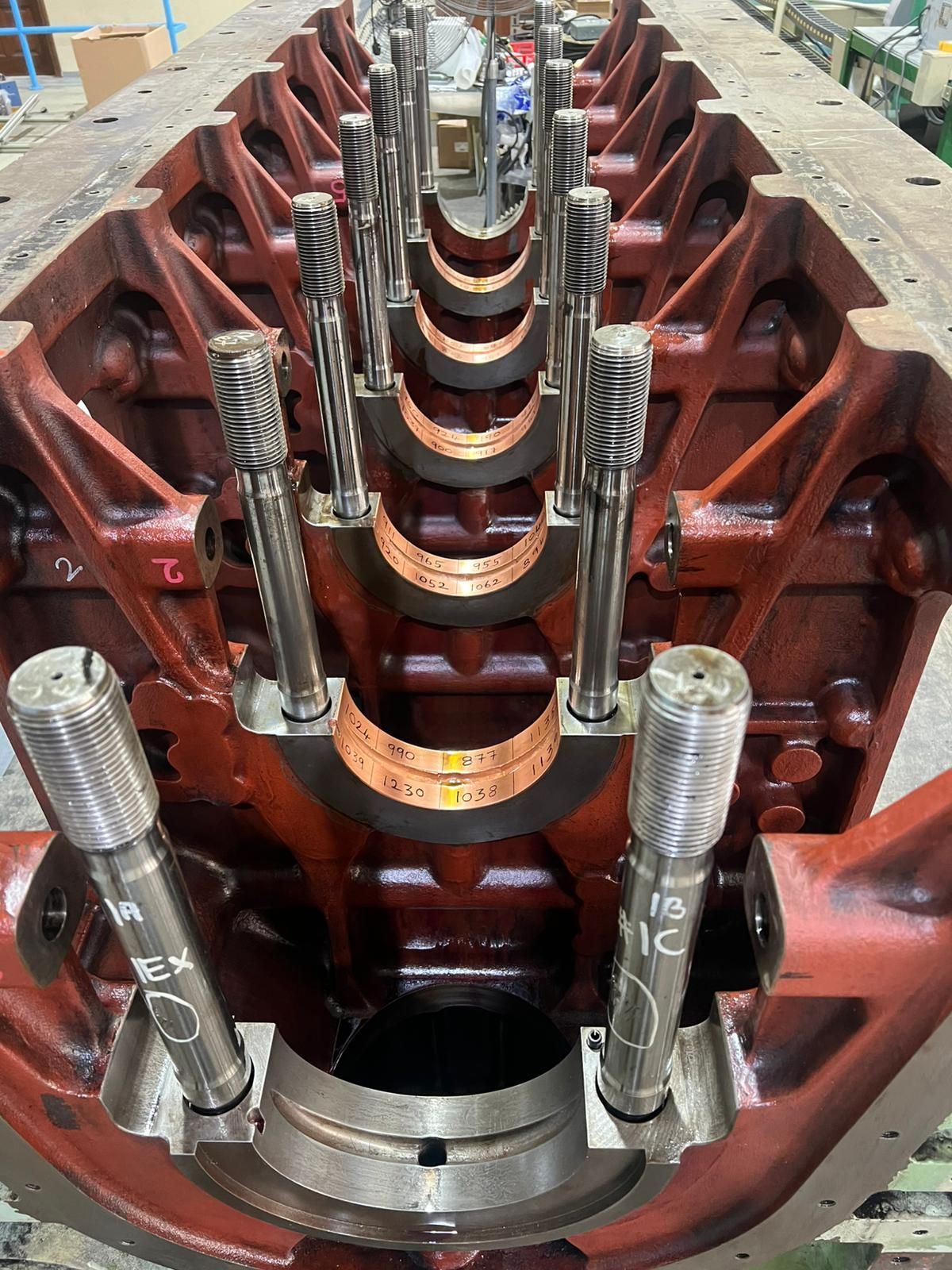
- Marine engine components
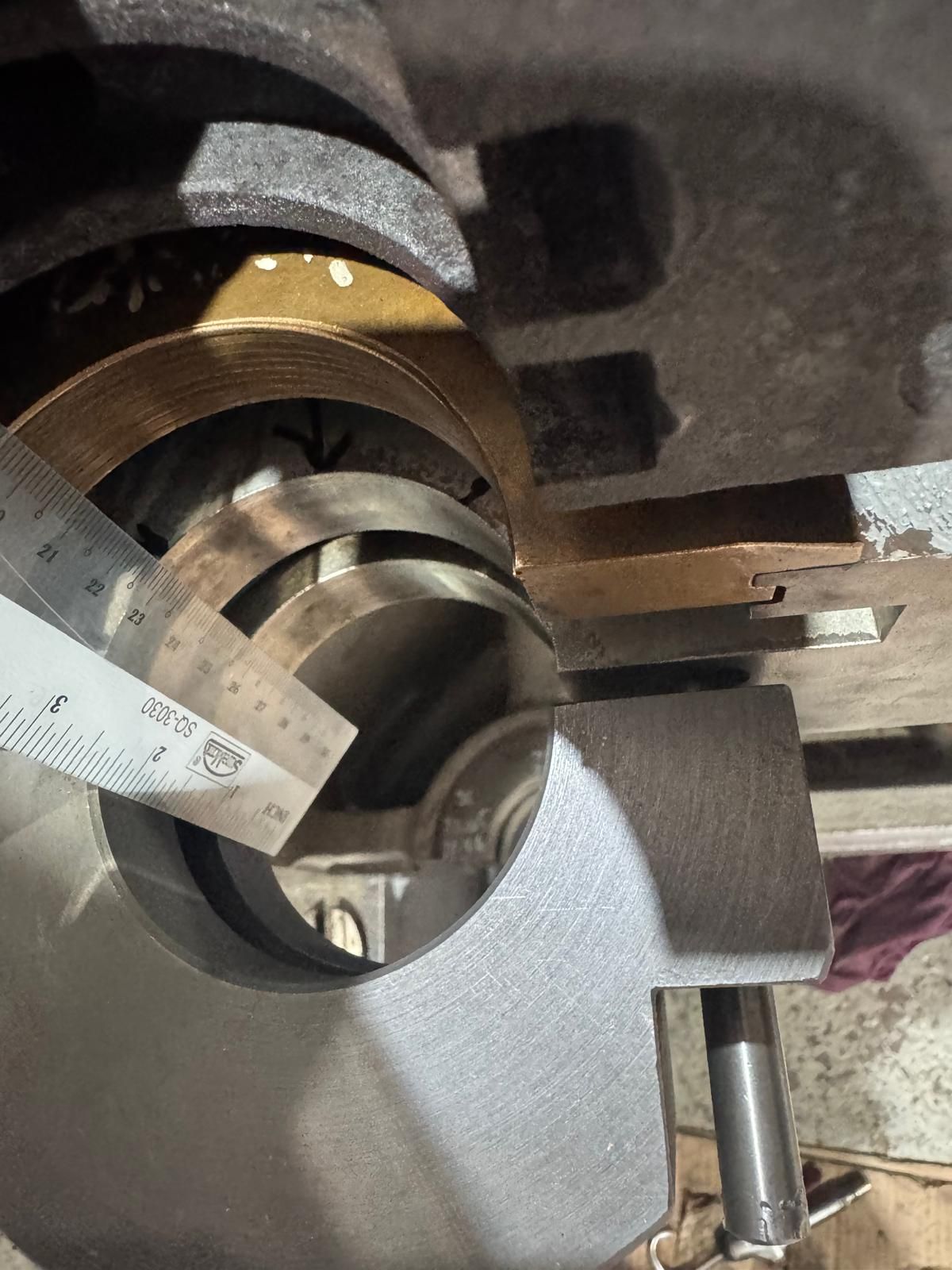
- Gearboxes and bearing housings
- Offshore equipment
Rather than replacing an entire component, our localized repair process rebuilds only the damaged area with precision.
This means:
✔ Less material wastage
✔ Faster turnaround times
✔ Reduced downtime
✔ Lower replacement costs
Most importantly, valuable equipment is given a second life.
Sustainability is No Longer Optional
Industrial sustainability is no longer just about compliance, it is increasingly becoming a competitive advantage.
Customers, stakeholders, and even procurement teams are beginning to ask harder questions:
Can this component be repaired instead of replaced?
Can downtime be reduced without creating unnecessary waste?
Can maintenance become both cost-effective and sustainable?
The companies that answer “yes” to these questions will likely be better positioned for the future
Final Thoughts
Sometimes, sustainability does not begin with major investments or large-scale transformation.
Sometimes, it starts with a simple but smarter decision: Repair instead of replace.
At Sterling Impreglon Asia, we believe extending the life of industrial equipment is not only practical and cost-effective, it is also a more responsible way of doing business.