How Poor Copper Adhesion Leads to Connection Rejections
Why Copper Adhesion is Critical for Connections?
In the oil and gas industry, connection reliability is everything. Whether dealing with premium OCTG connections or oil tool accessories, a single rejected connection can result in delays, costly rework, operational downtime, and financial losses.
While many companies focus on coating thickness and appearance, one critical factor is often overlooked:
Copper Adhesion.
Even if a copper coating looks good, poor adhesion can cause it to fail leading directly to connection rejection.
What is Copper Adhesion?
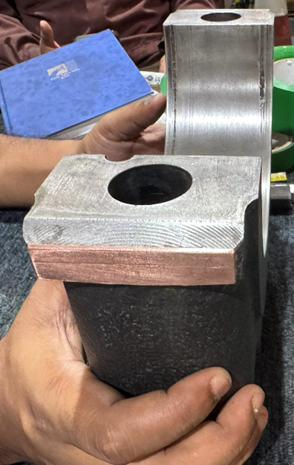
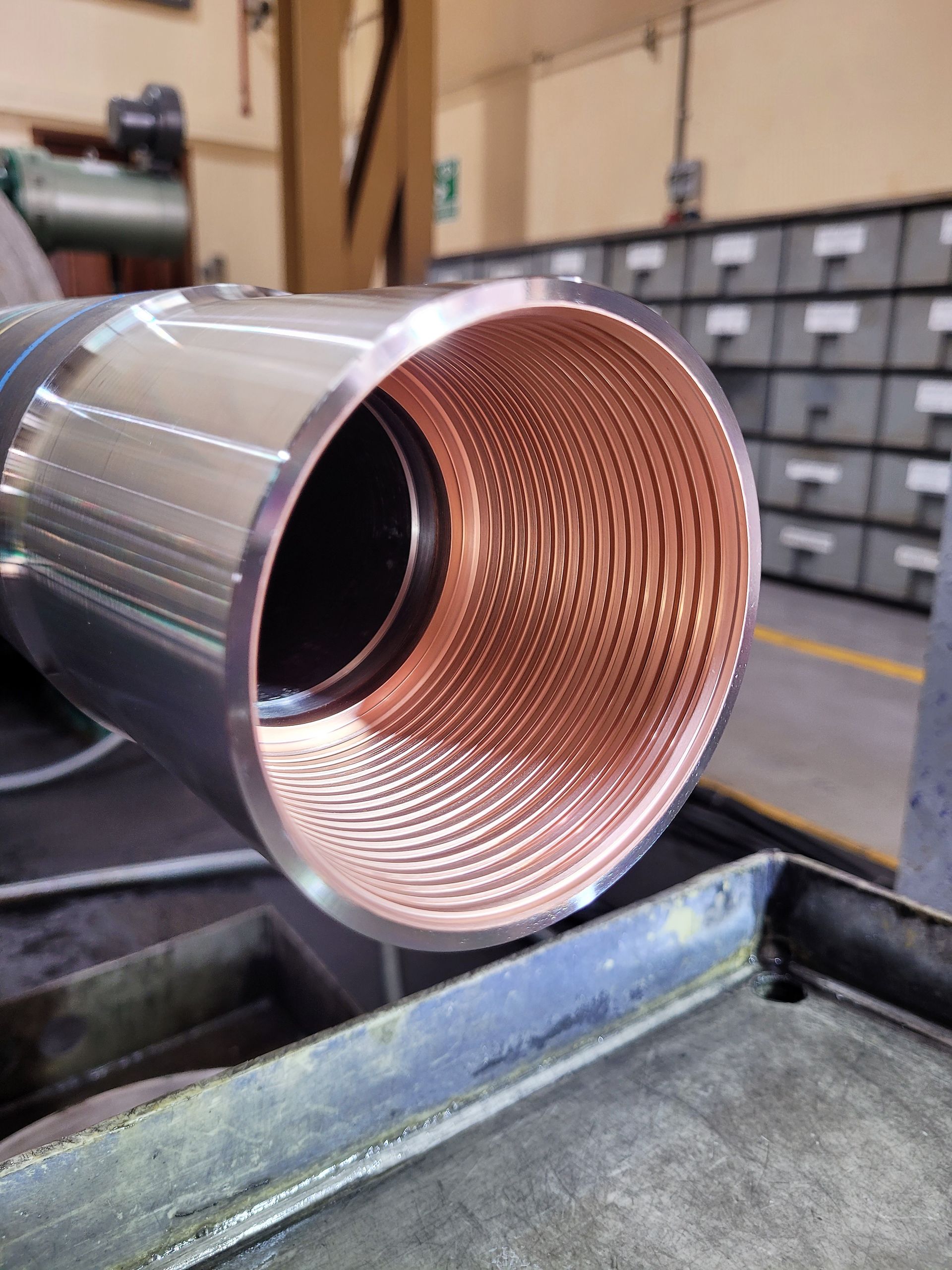
Copper adhesion refers to how strongly the copper coating bonds to the base material of the thread or connection surface.
In anti-galling applications, the coating must remain firmly attached during:
- Handling and transportation
- Connection make-up and break-out
- High-pressure operating conditions
- Repeated usage in demanding environments
If the coating does not adhere properly, it may
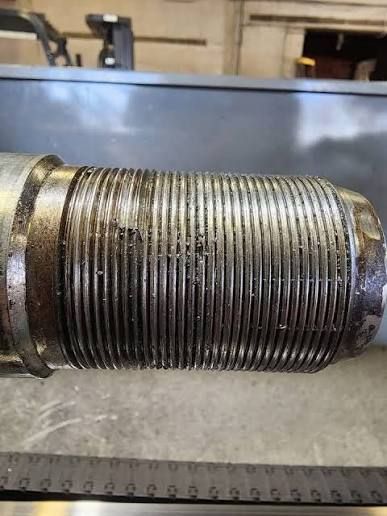
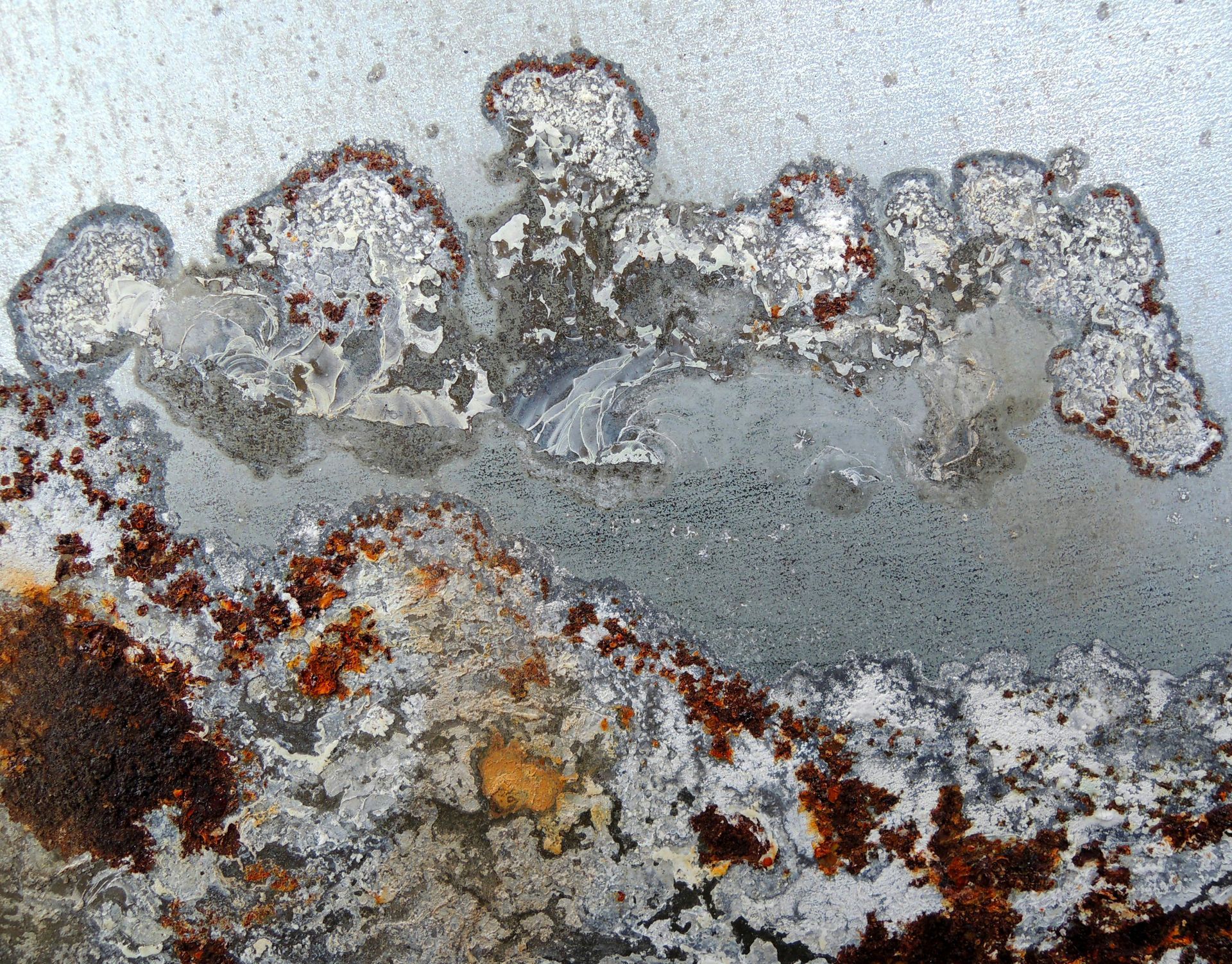
flake, peel, or wear prematurely, exposing the base metal and increasing the risk of galling.
Why Poor Copper Adhesion Leads to Rejection
In OCTG and oil tool applications, precision and reliability are critical. Poor adhesion often results in:
1. Coating Peeling or Flaking
When copper detaches during handling or installation, threads lose their protective anti-galling layer.
Result:
❌ Higher risk of galling
❌ Rejected connections during inspection
2. Inconsistent Performance During Make-Up
Weakly bonded copper may not withstand friction and pressure during thread engagement.
Result:
❌ Uneven make-up performance
❌ Damaged threads
❌ Increased rework costs
3. Failure to Meet Quality Standards
For QA/QC teams, coating integrity is not optional it is a requirement.
Poor adhesion may lead to:
- Failed inspections
- Non-conformance reports
- Batch rejection
- Customer dissatisfaction
Why Does Copper Adhesion Fail?
Poor adhesion is commonly caused by:
1) Improper Surface Preparation
Oil, dirt, oxidation, or contamination prevents proper bonding.
2) Inconsistent Process Control
Poorly controlled plating parameters can reduce coating integrity.
3) Weak Application Methods
Not all copper coating processes provide the same level of bonding and consistency.
In many cases, rejection happens not because copper is ineffective but because the process was not properly controlled.
The Sterling Difference: Adhesion You Can Trust
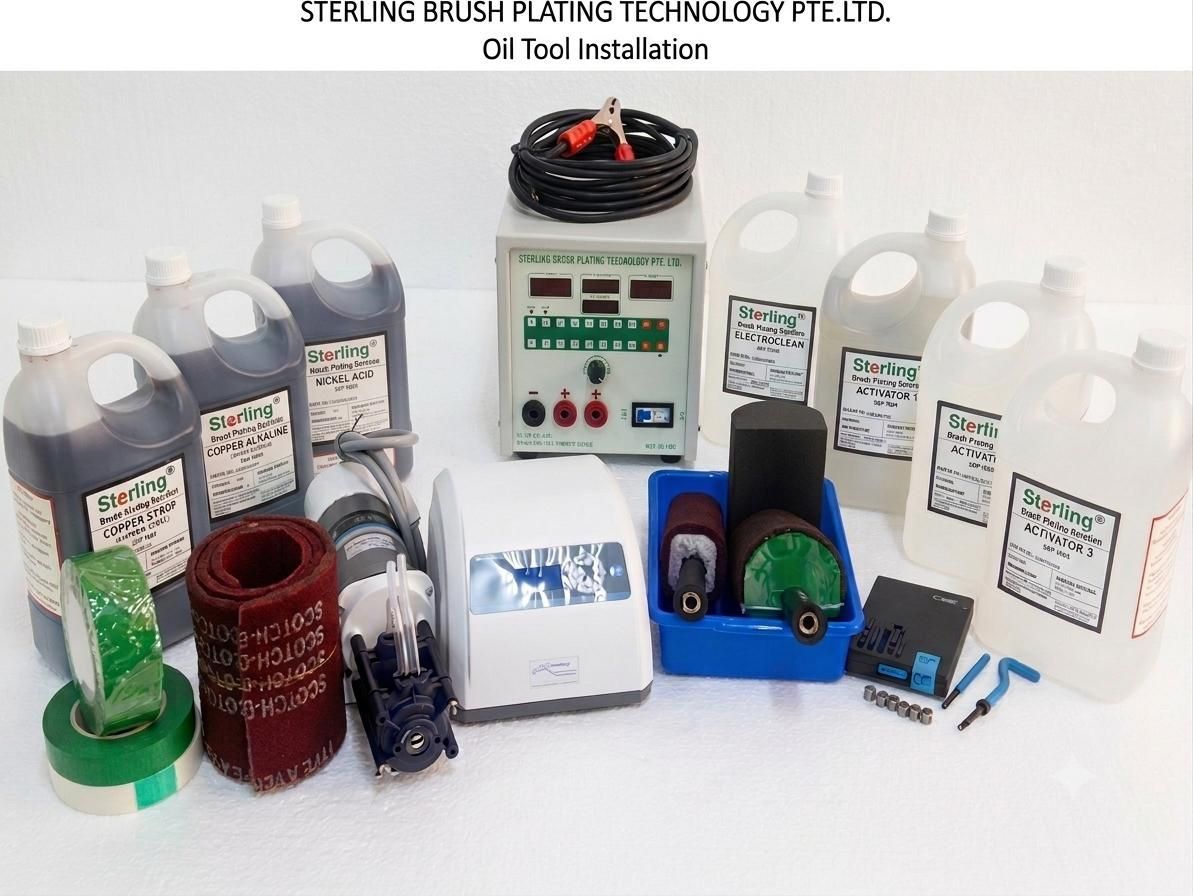
Our proprietary
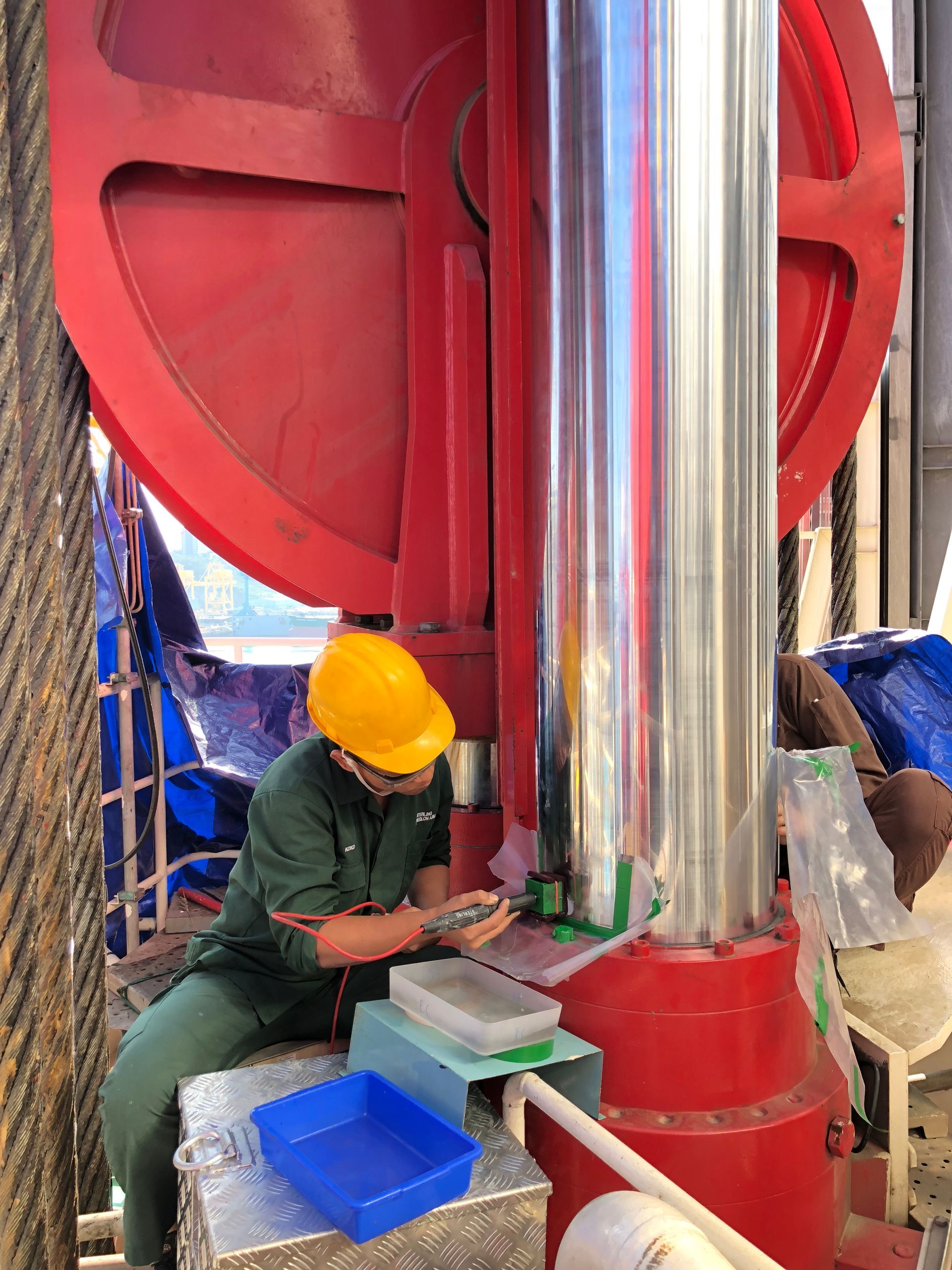
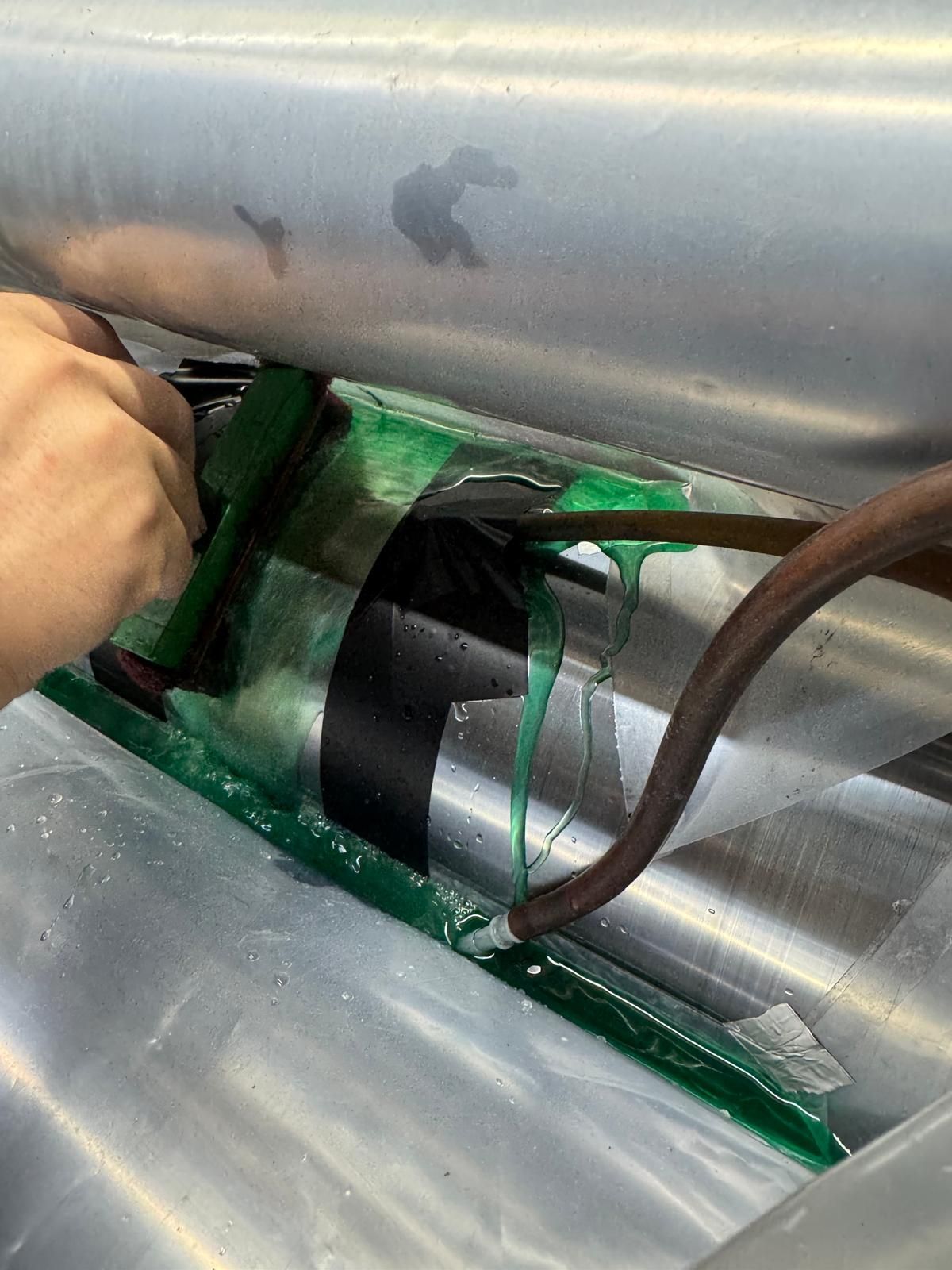
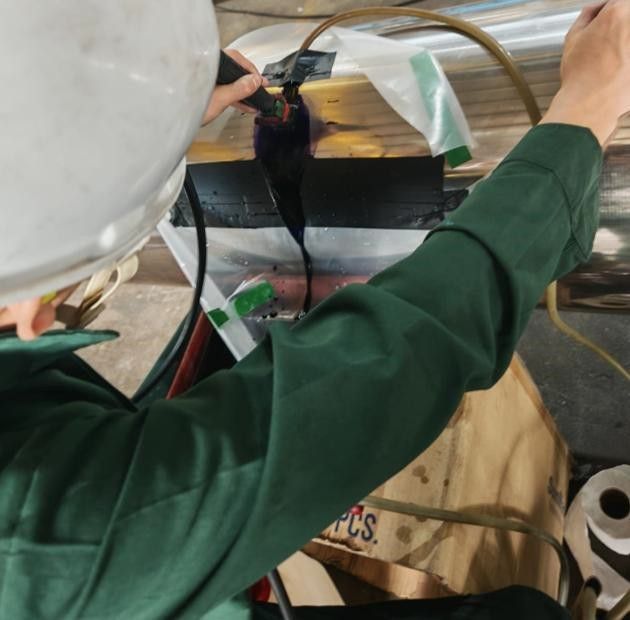
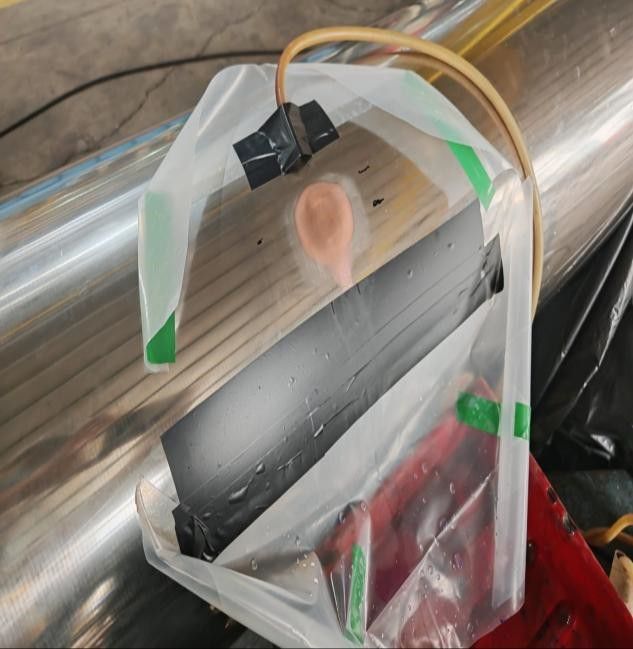
Brush Copper Plating process is carefully controlled to ensure:
✔ Strong and reliable bonding to the base material
✔ Consistent coating thickness
✔ Durable anti-galling performance
✔ Reduced risk of peeling or flaking
Most importantly, our process is
recognized and approved by major OCTG manufacturers worldwide for anti-galling applications giving customers confidence that the coating will perform when it matters most.
How We Ensure Quality
To maintain coating integrity, Sterling implements strict quality procedures, including:
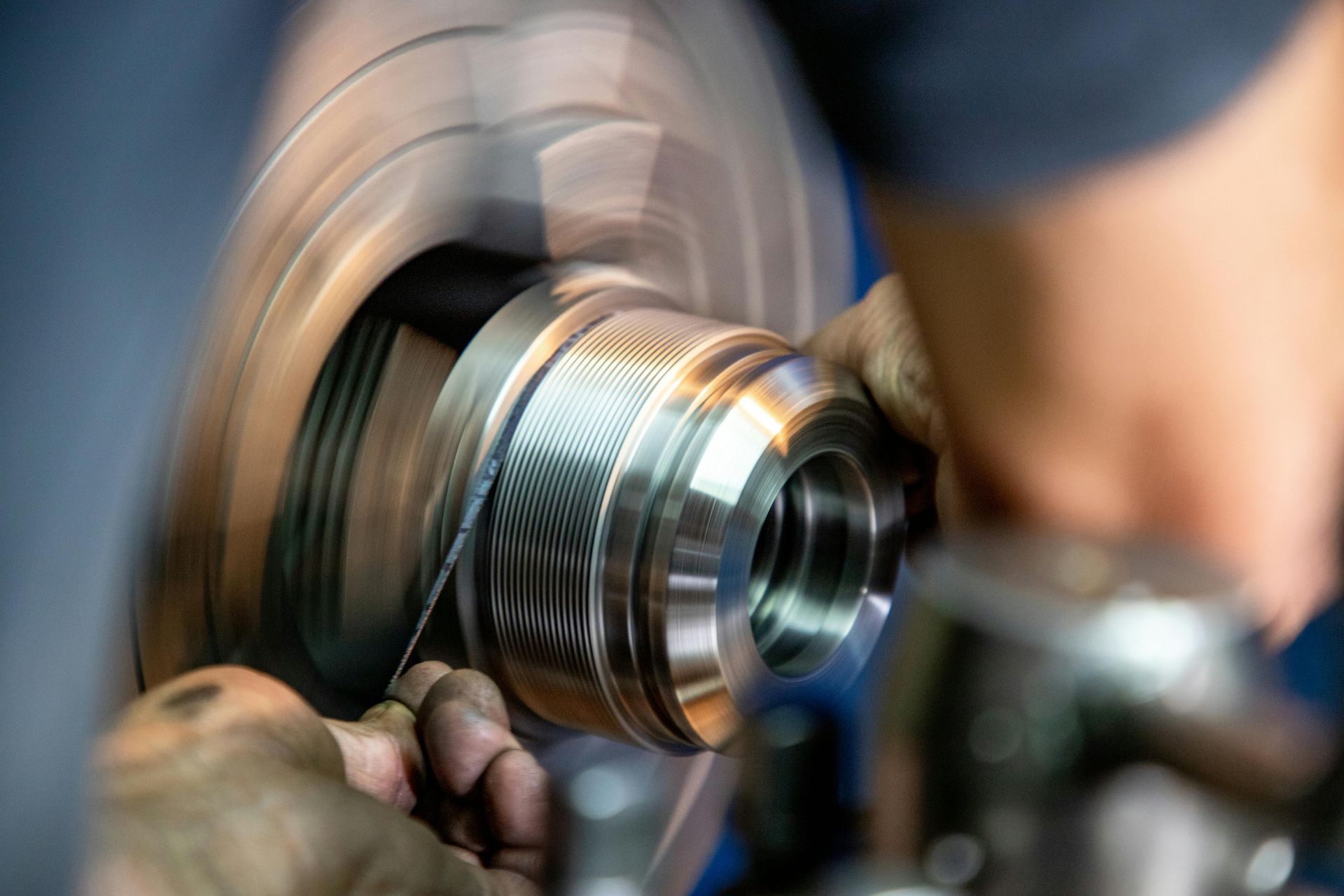
- Thorough cleaning and surface preparation
- Controlled Brush Copper Plating application
- Dimensional and visual inspection
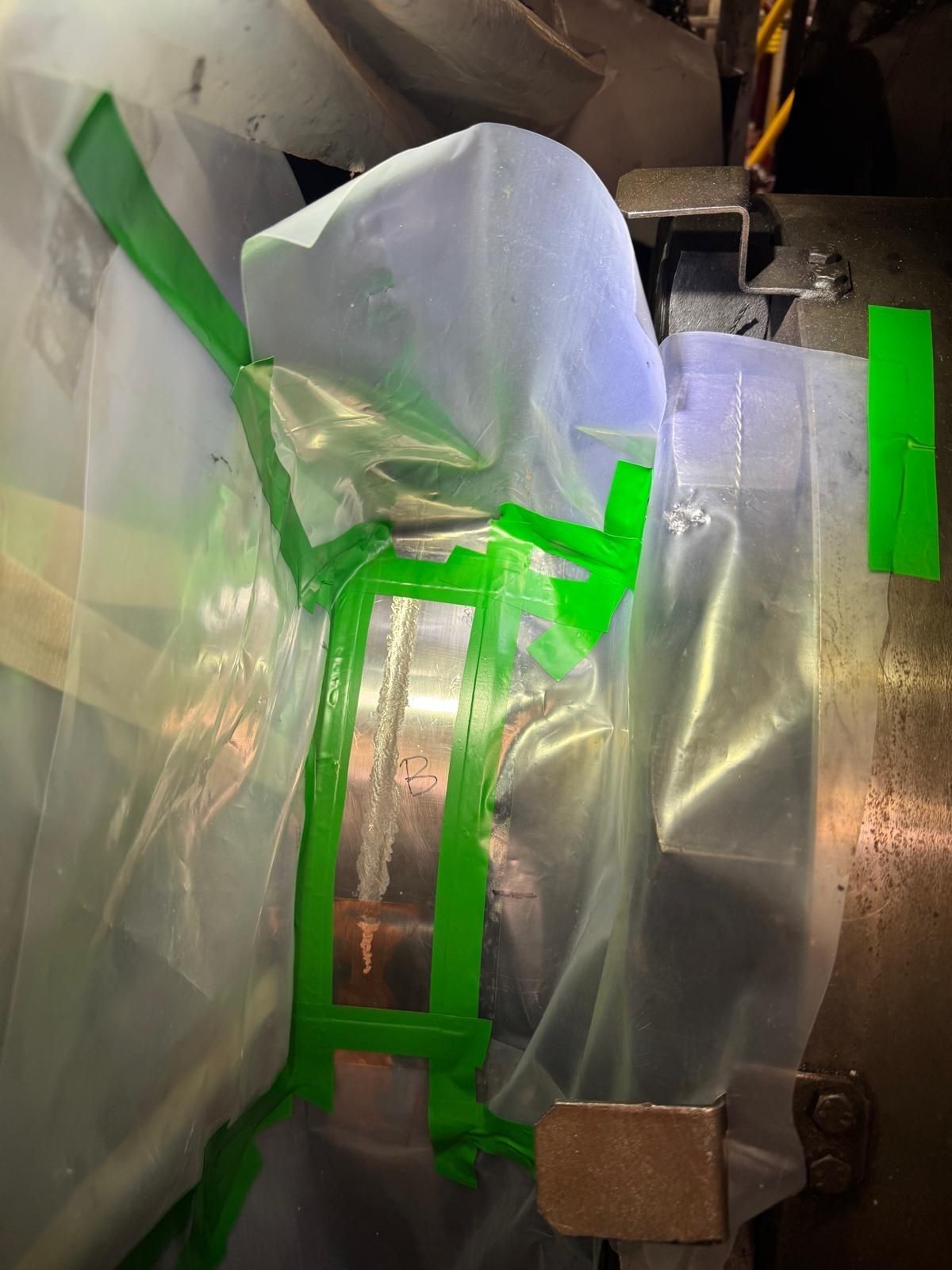
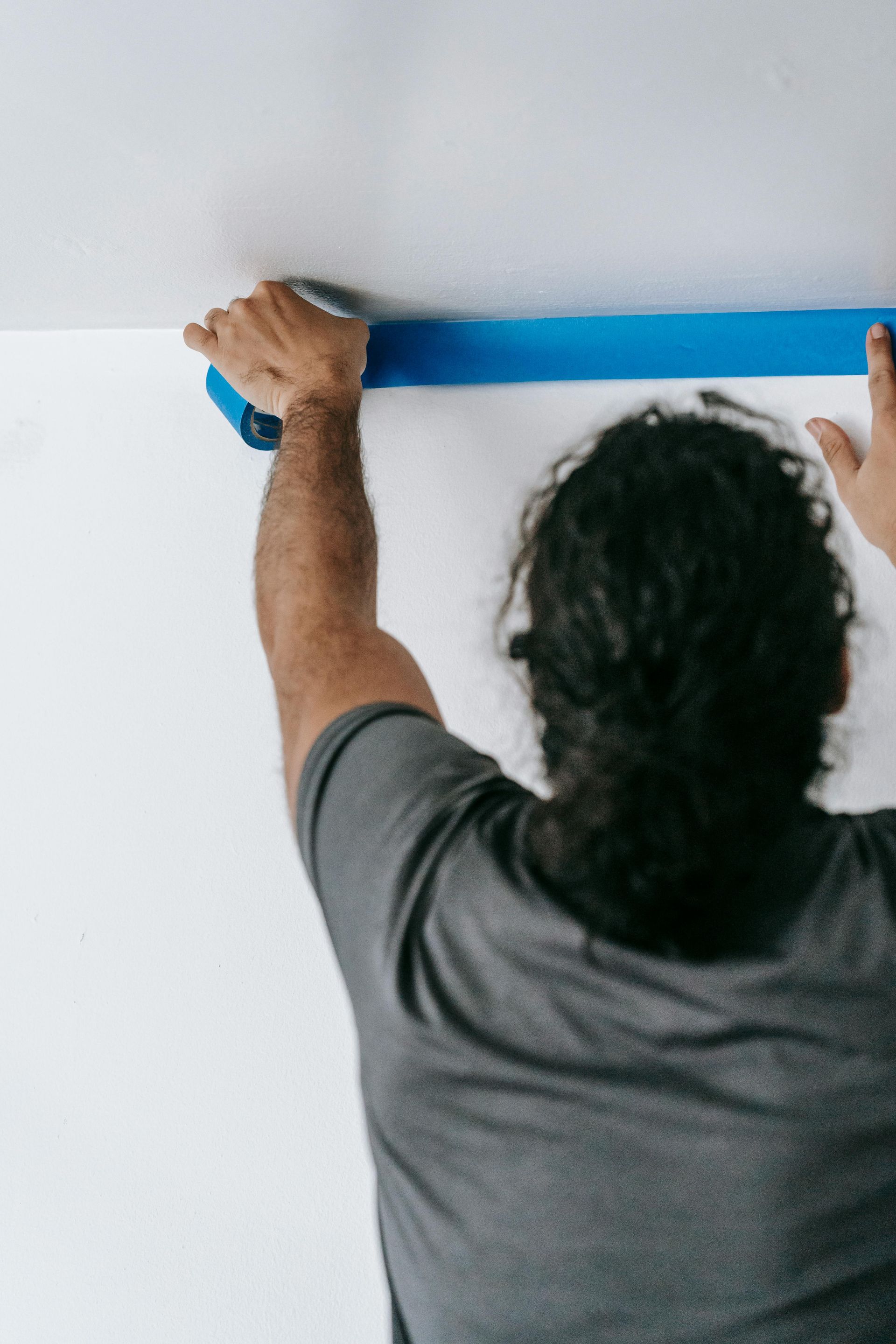
- Adhesion verification (Tape Test) to ensure strong bonding and coating reliability
This helps minimize failures and improves consistency across every batch.
Why Adhesion Matters More Than You Think
In oilfield operations, a rejected connection is more than just an inconvenience it creates:
- Project delays
- Additional labor costs
- Lost productivity
- Increased operational risk
Strong adhesion helps companies reduce rejection rates, improve reliability, and maintain operational efficiency.
Final Thought
When it comes to anti-galling coatings, adhesion is the difference between performance and failure.
A coating that does not bond properly may look acceptable initially but under real operating conditions, poor adhesion can quickly lead to connection rejection and costly consequences.
At Sterling Impreglon Asia, our Brush Copper Plating process is engineered for strong adhesion, proven durability, and consistent anti-galling performance helping customers reduce risk and maintain confidence in their connections.
Refer to our article : Thread Galling in OCTG Connections to find out more
https://www.sterlingimpreglonasia.com/thread-galling-in-octg-connections