What is Brush Plating? A Simple Guide for Engineers and Non-Engineers
A Beginner's Guide to Brush Plating
In many industries, machinery and equipment are constantly exposed to wear, corrosion, and damage. When this happens, the common assumption is that parts must be replaced or sent for major repairs.
But what if there was a faster, more cost-effective way to restore them, without dismantling the equipment?
This is where Brush Plating comes in.
What is Brush Plating?
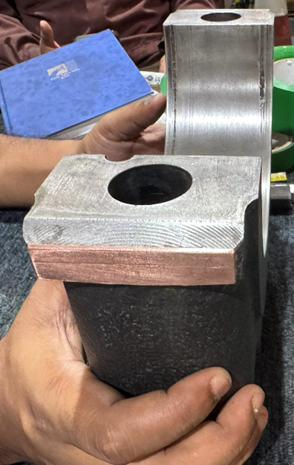
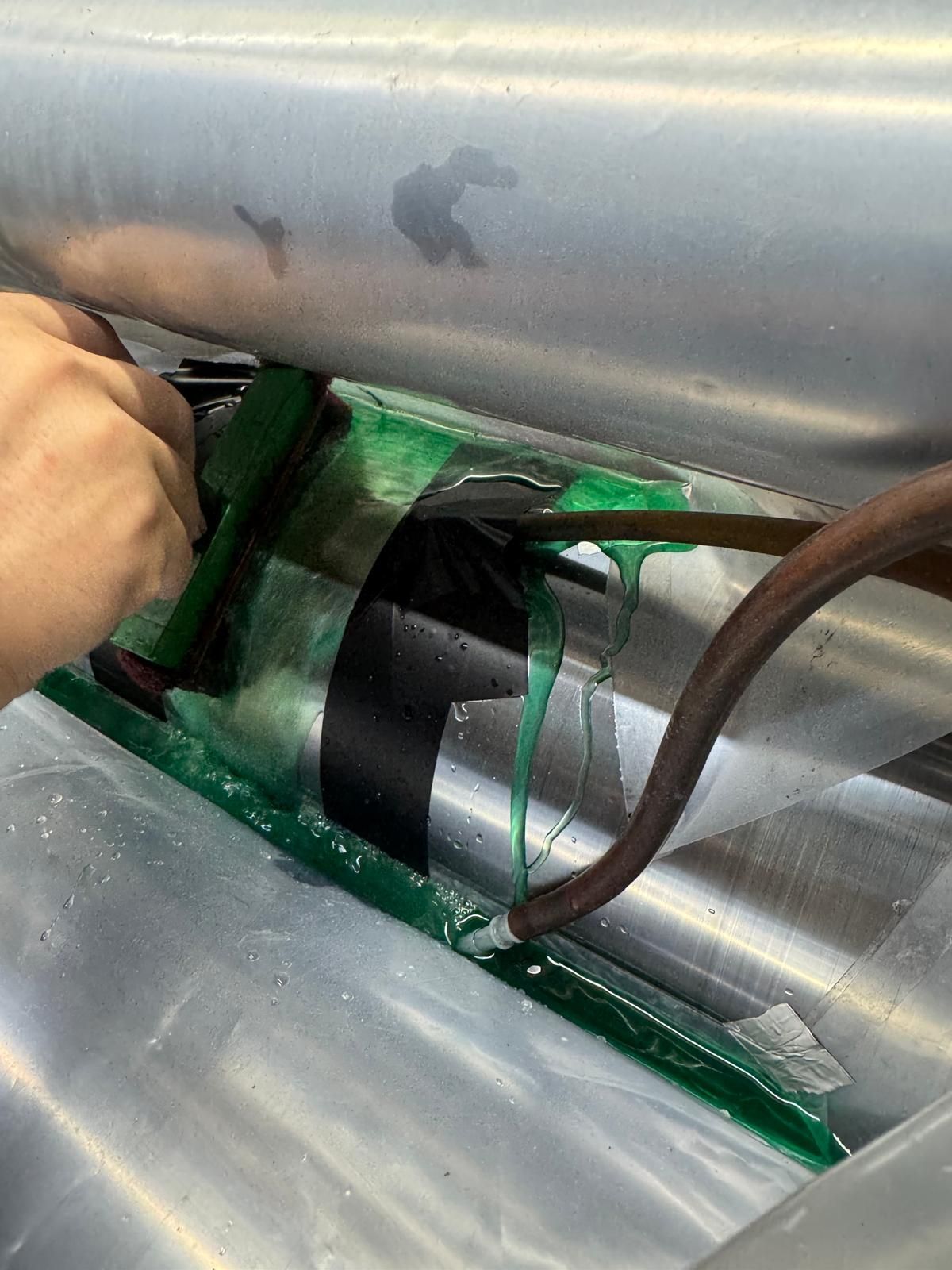
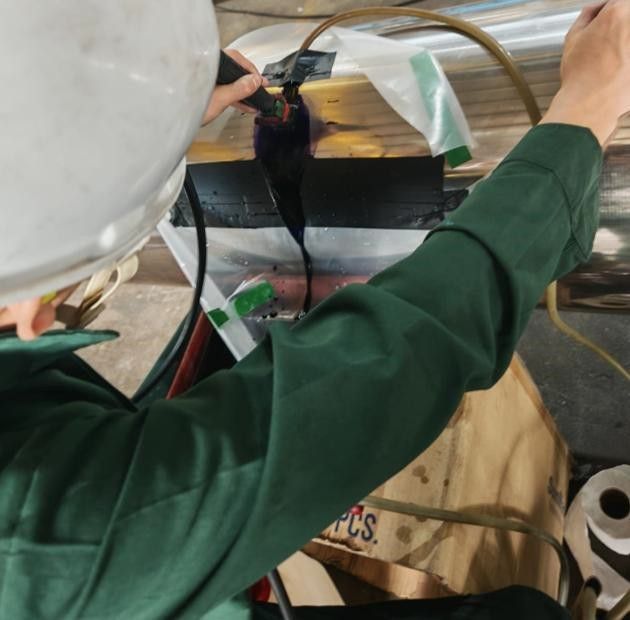
Brush Plating is a portable electroplating process used to repair, restore, or improve metal surfaces.
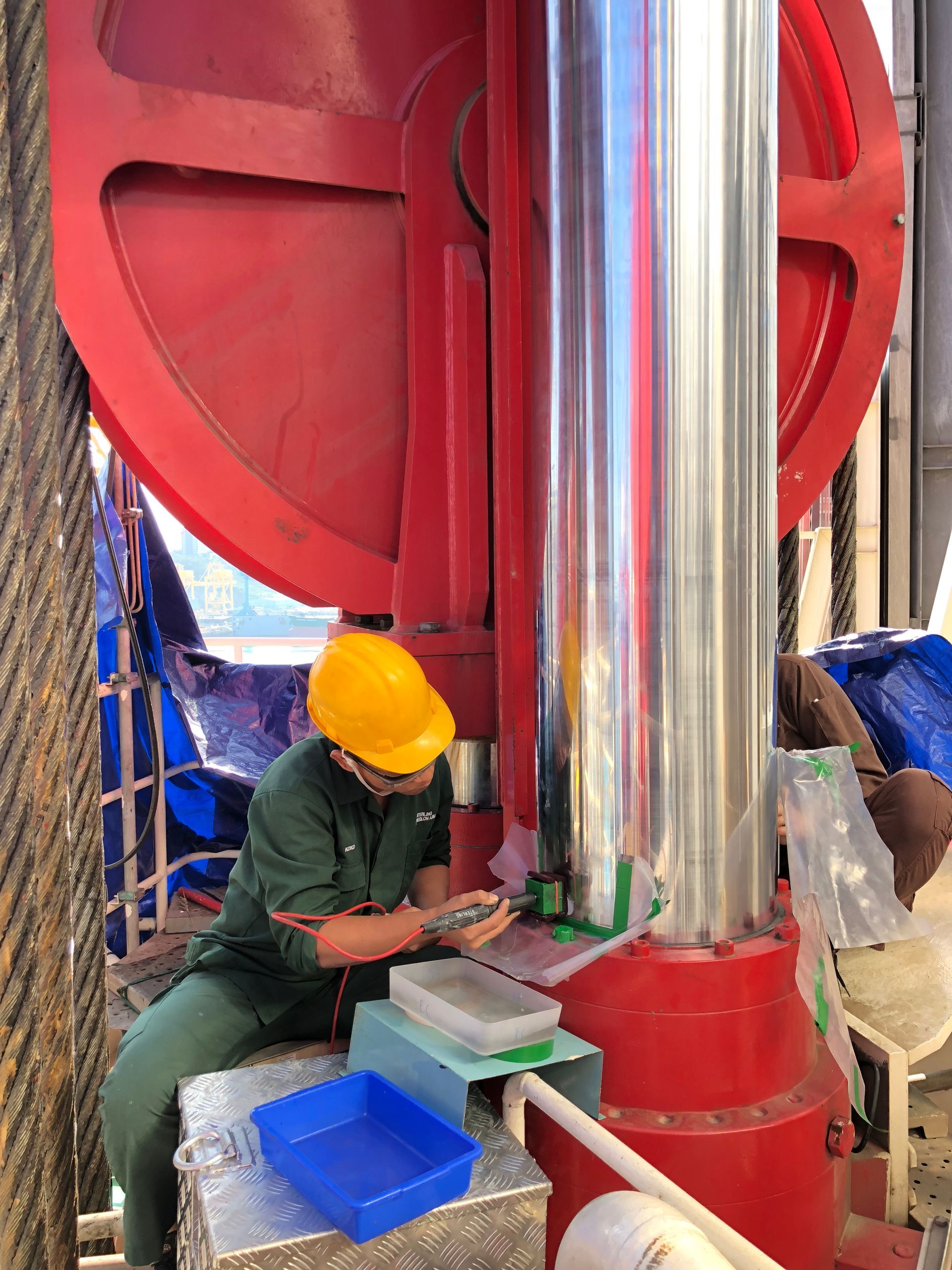
Unlike traditional plating methods that require full immersion in a tank, Brush Plating allows metal to be deposited directly onto a specific damaged area, using a handheld tool.
In simple terms:
It rebuilds worn or damaged metal surfaces
precisely where needed without affecting the rest of the component.
How Does It Work? (Simple Explanation)
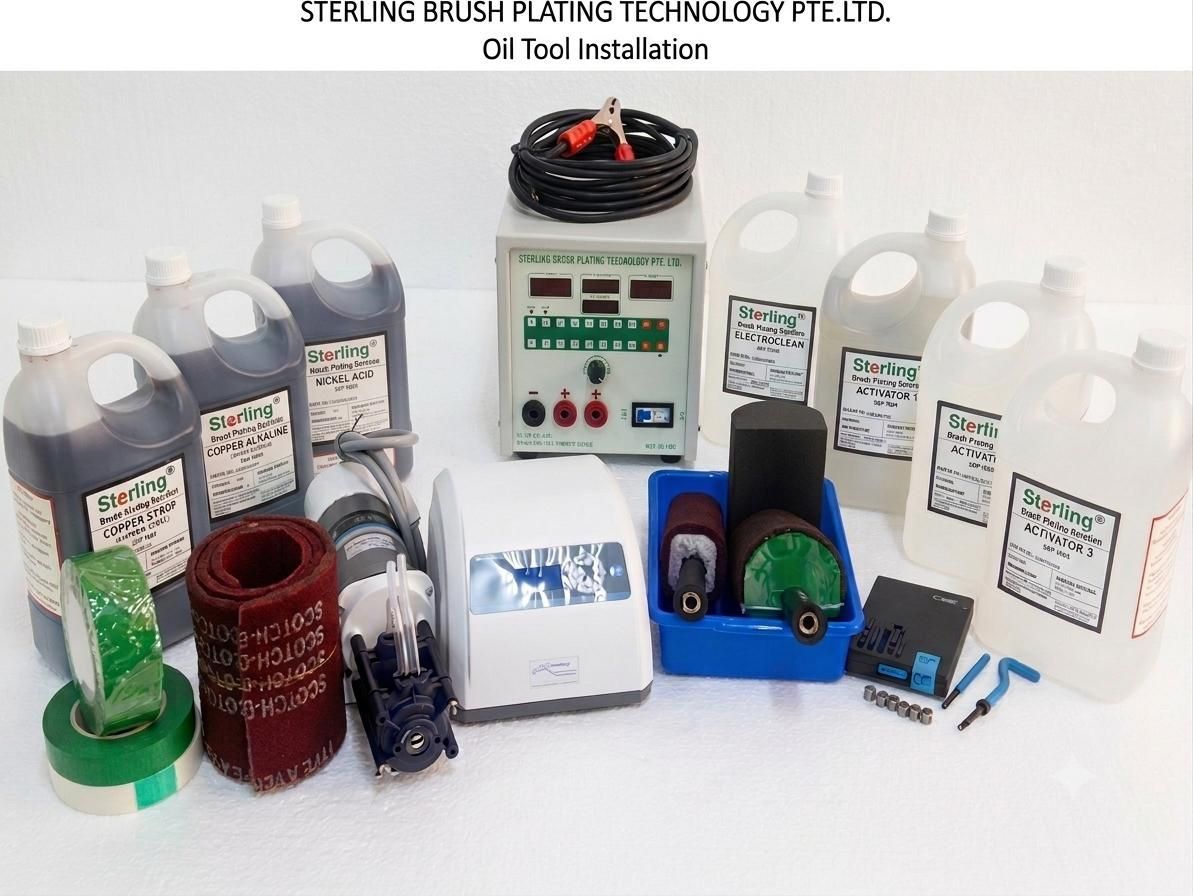
The process uses a combination of electric current and specially formulated solutions to deposit metal onto a surface.
Here is a simplified step-by-step:
- Surface Preparation - The damaged area is cleaned and prepared
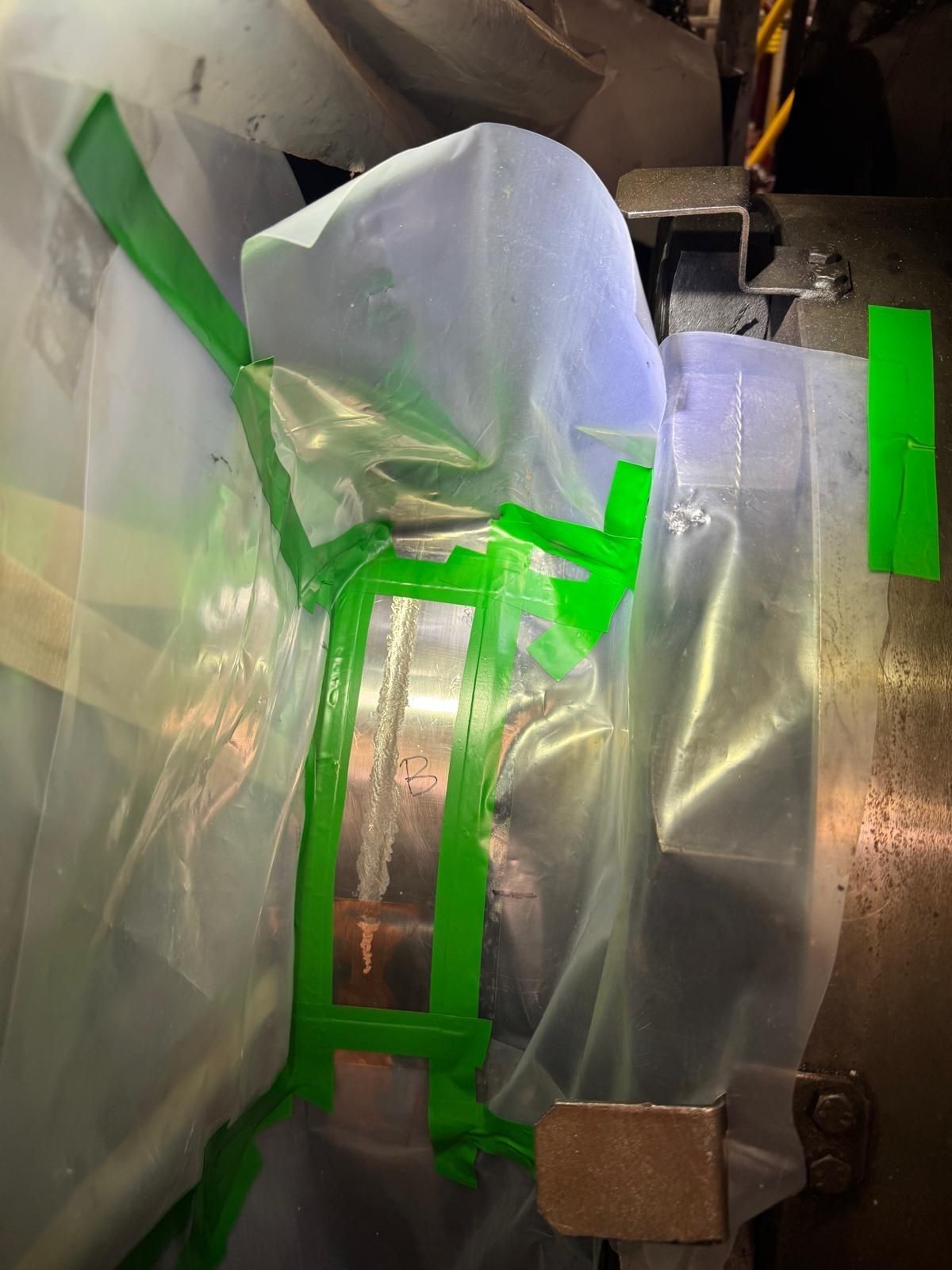
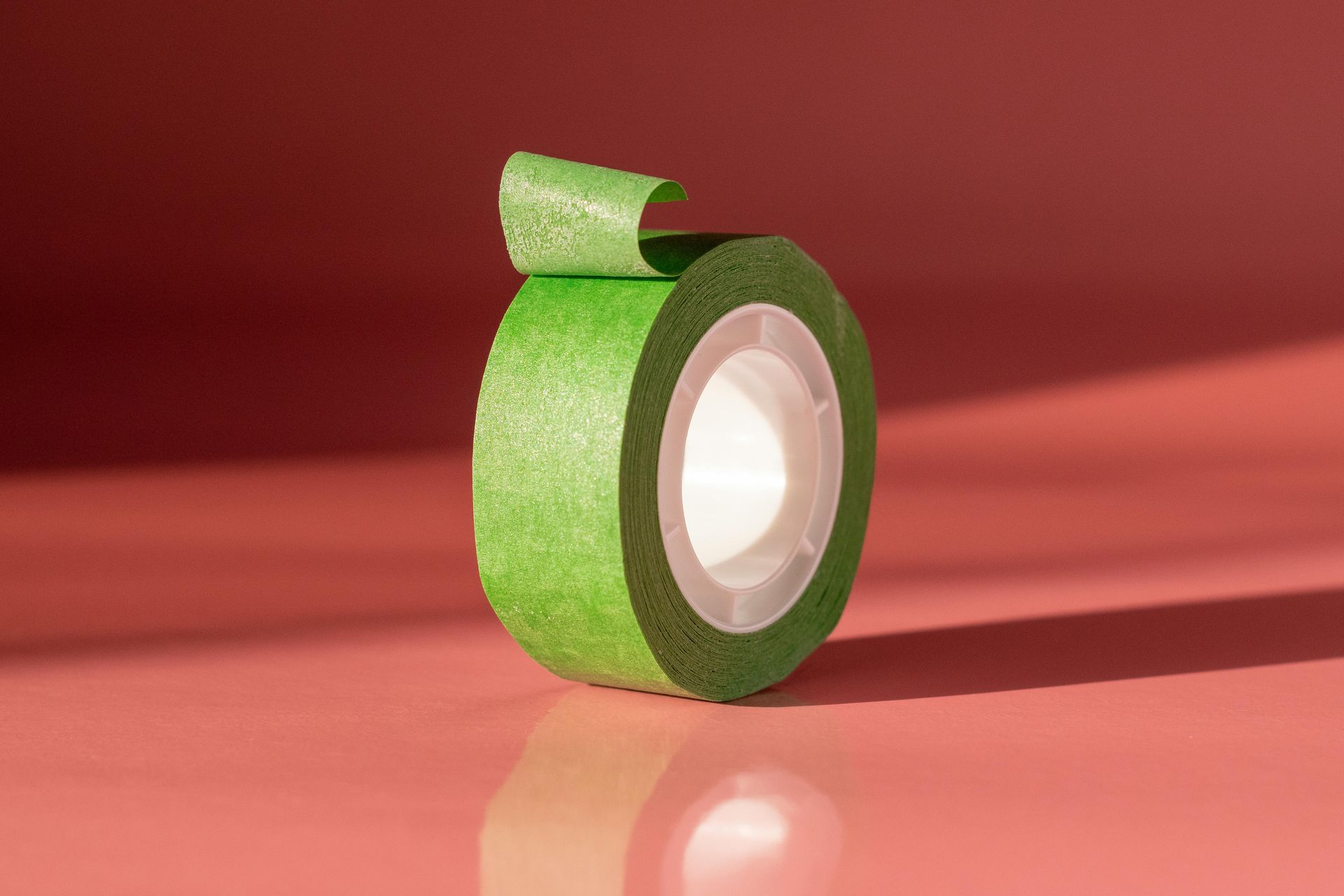
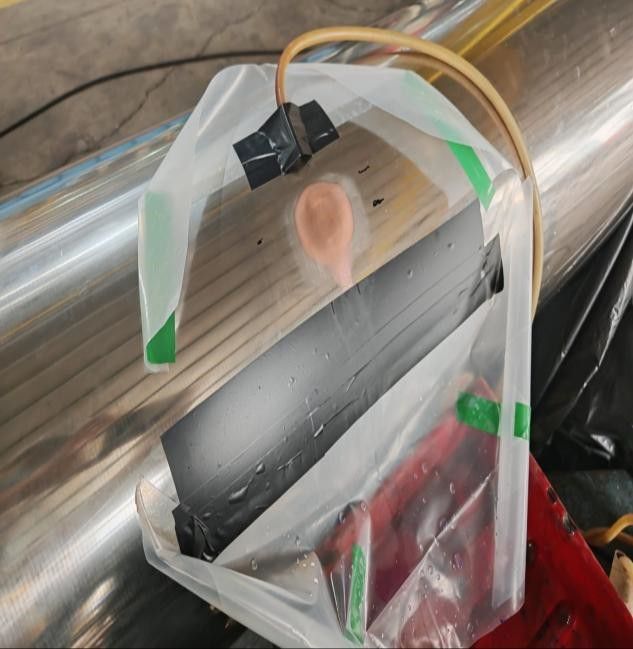
- Masking - Surrounding areas are protected for precise application
- Plating - Metal is applied layer by layer using a handheld tool
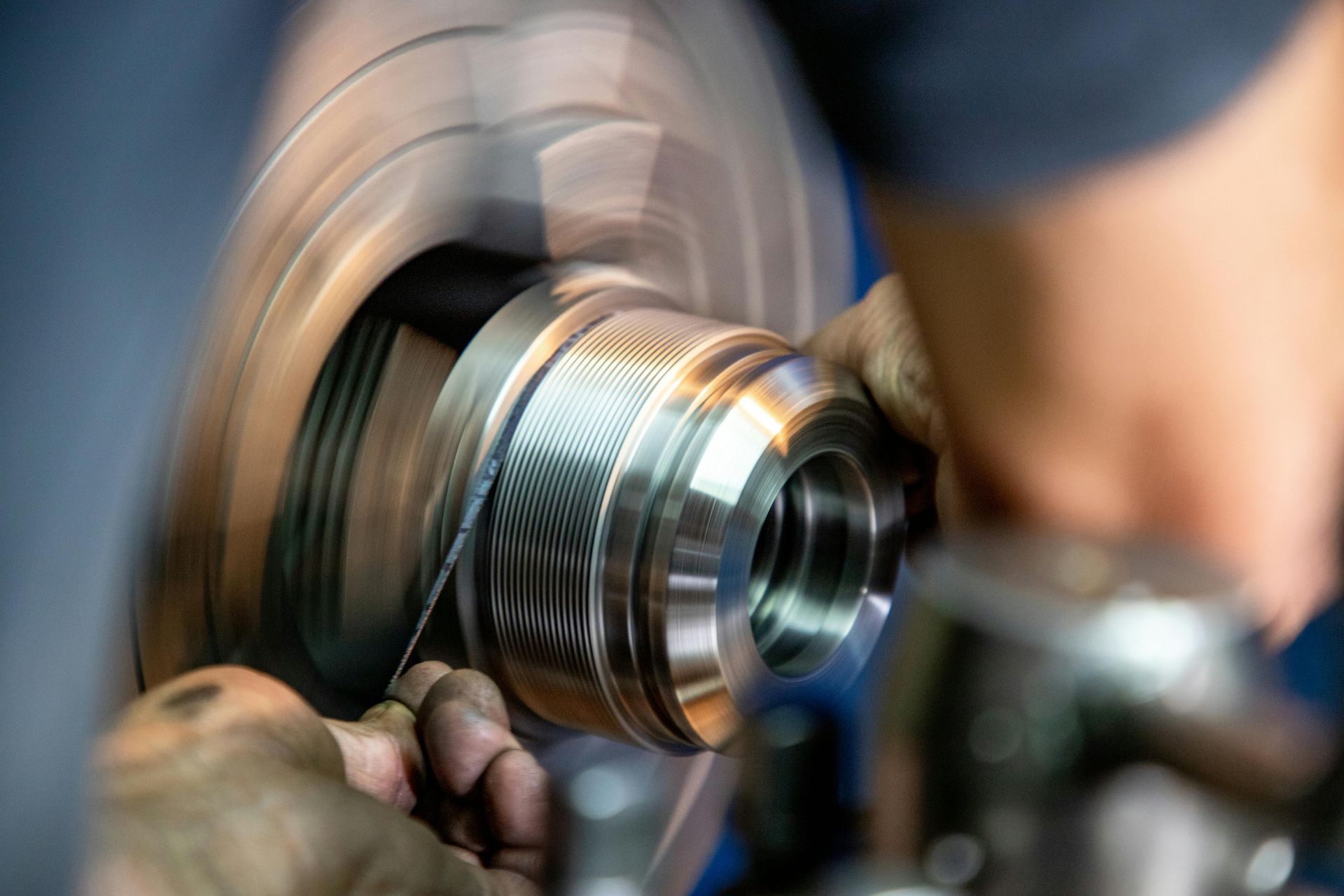
- Finishing - The surface is smoothed and restored to original dimensions
The result is a strong, durable repair with excellent adhesion.
What Can Brush Plating Be Used For?
Brush Plating is widely used across industries to repair and restore mechanical components such as:
- Hydraulic shafts and cylinders
- Printing cylinders
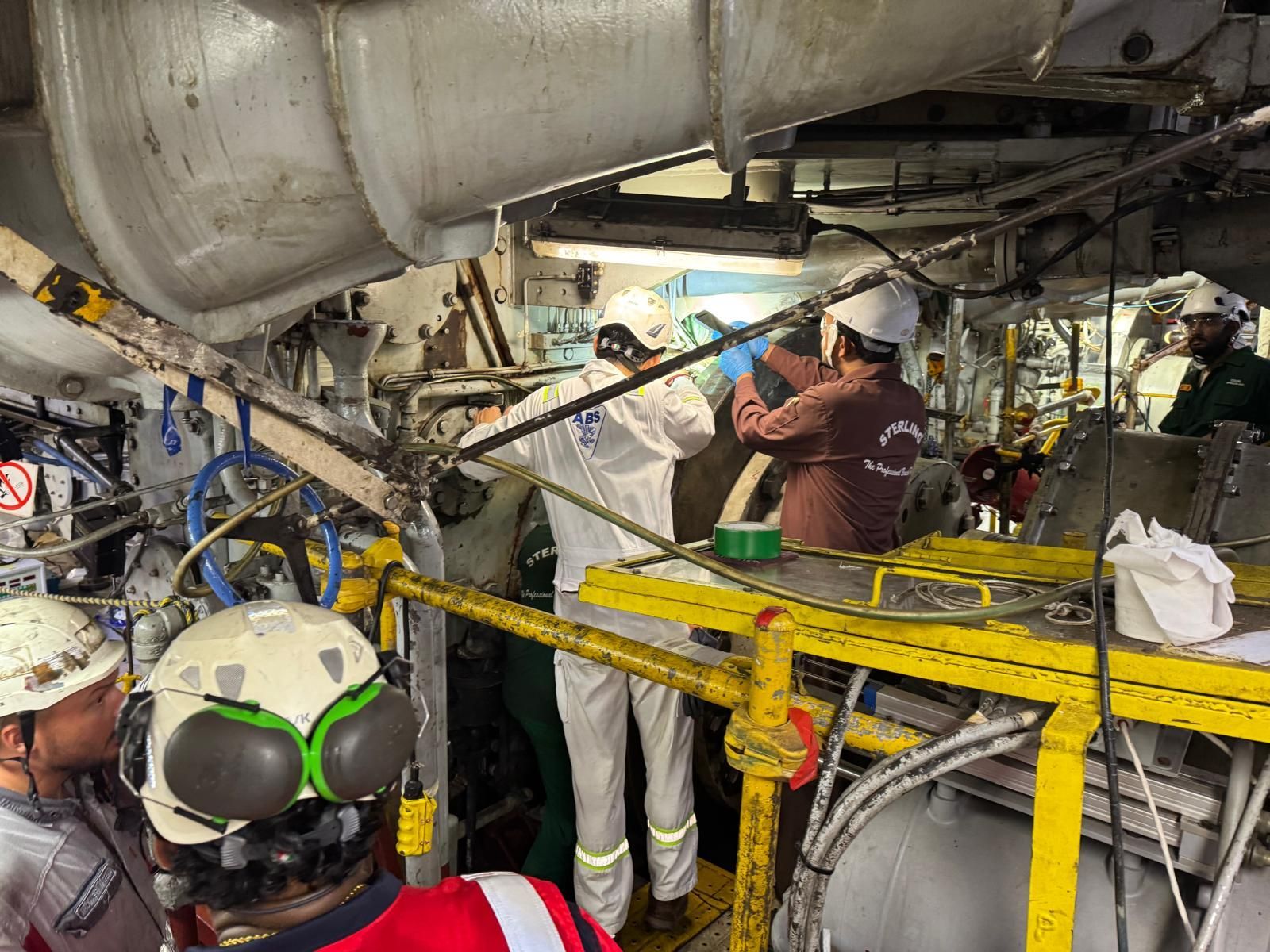
- Marine engine parts and shafts
- Gearbox components
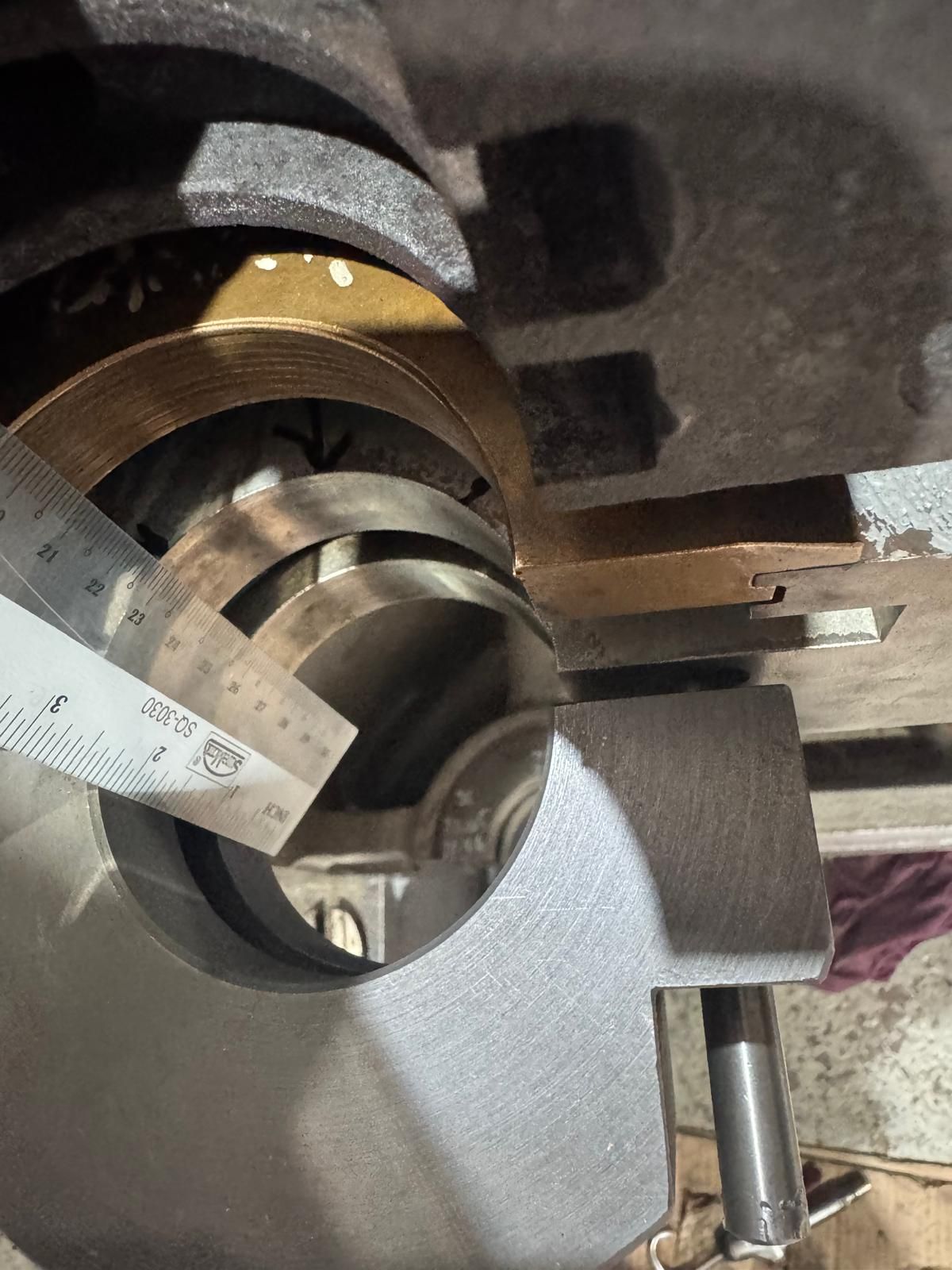
- Bearing seats and engine blocks
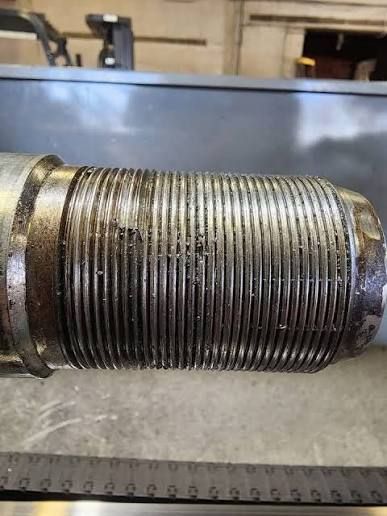
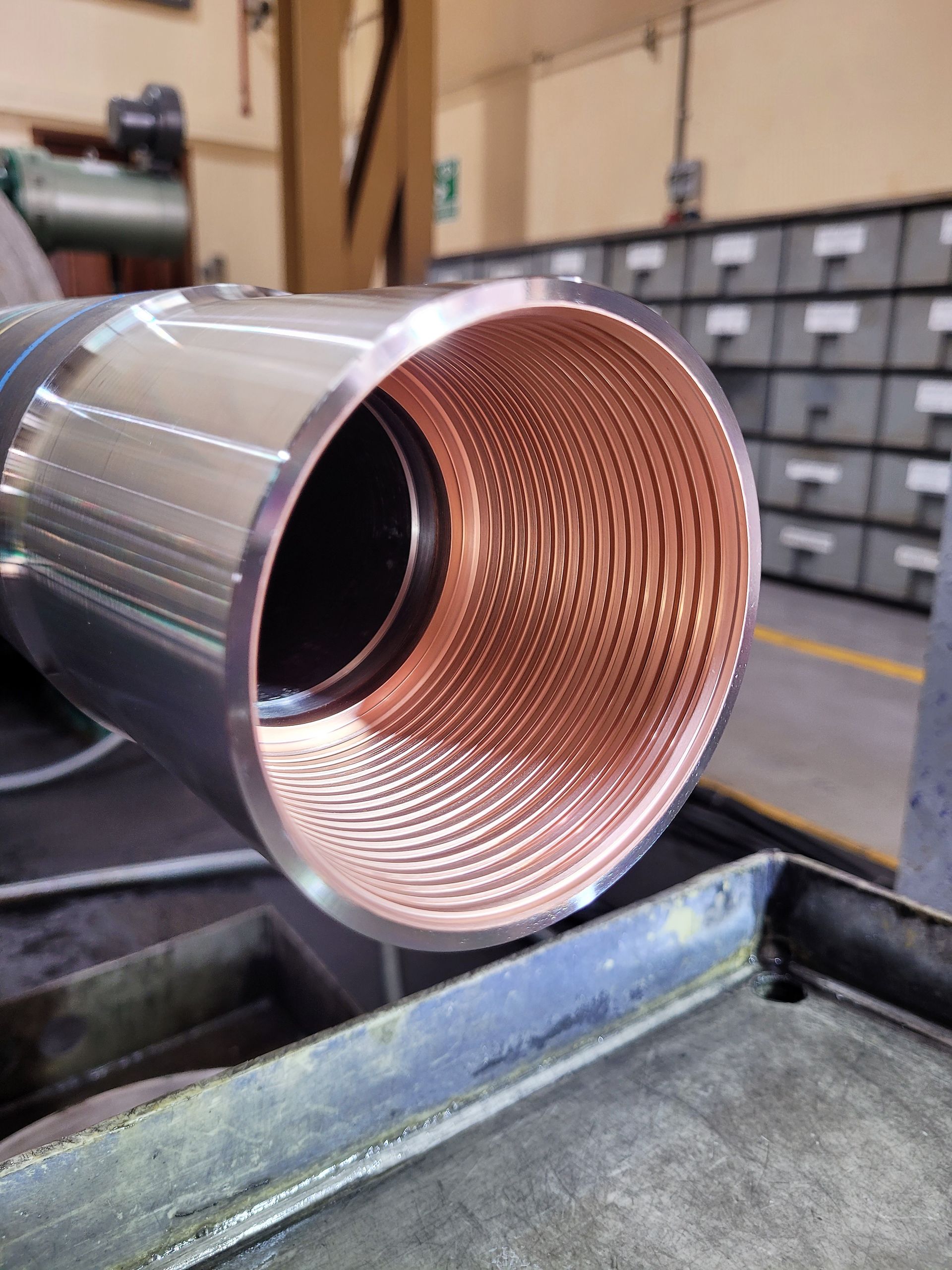
- Drilling and Extraction Oil Tools
It can fix common issues like:
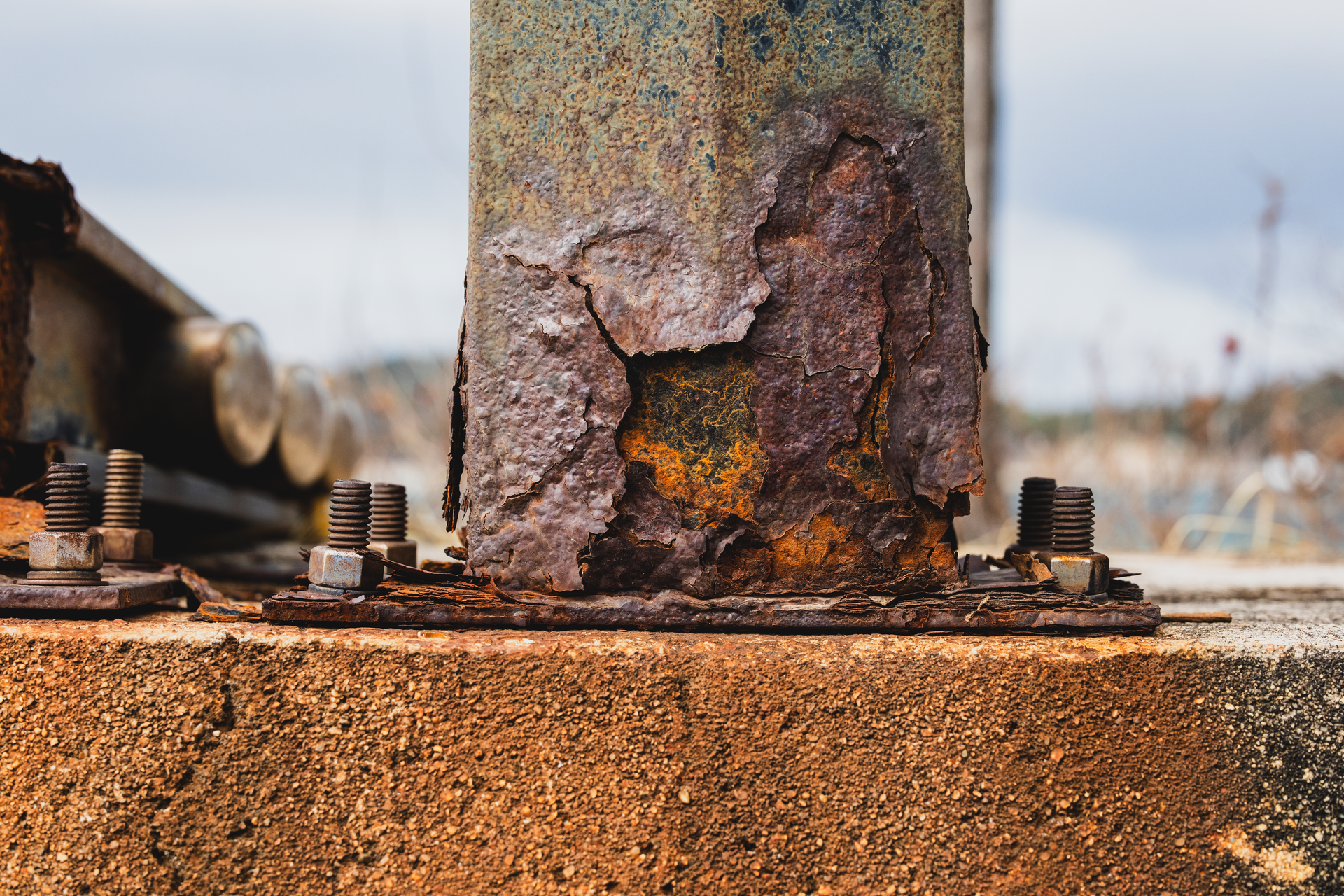
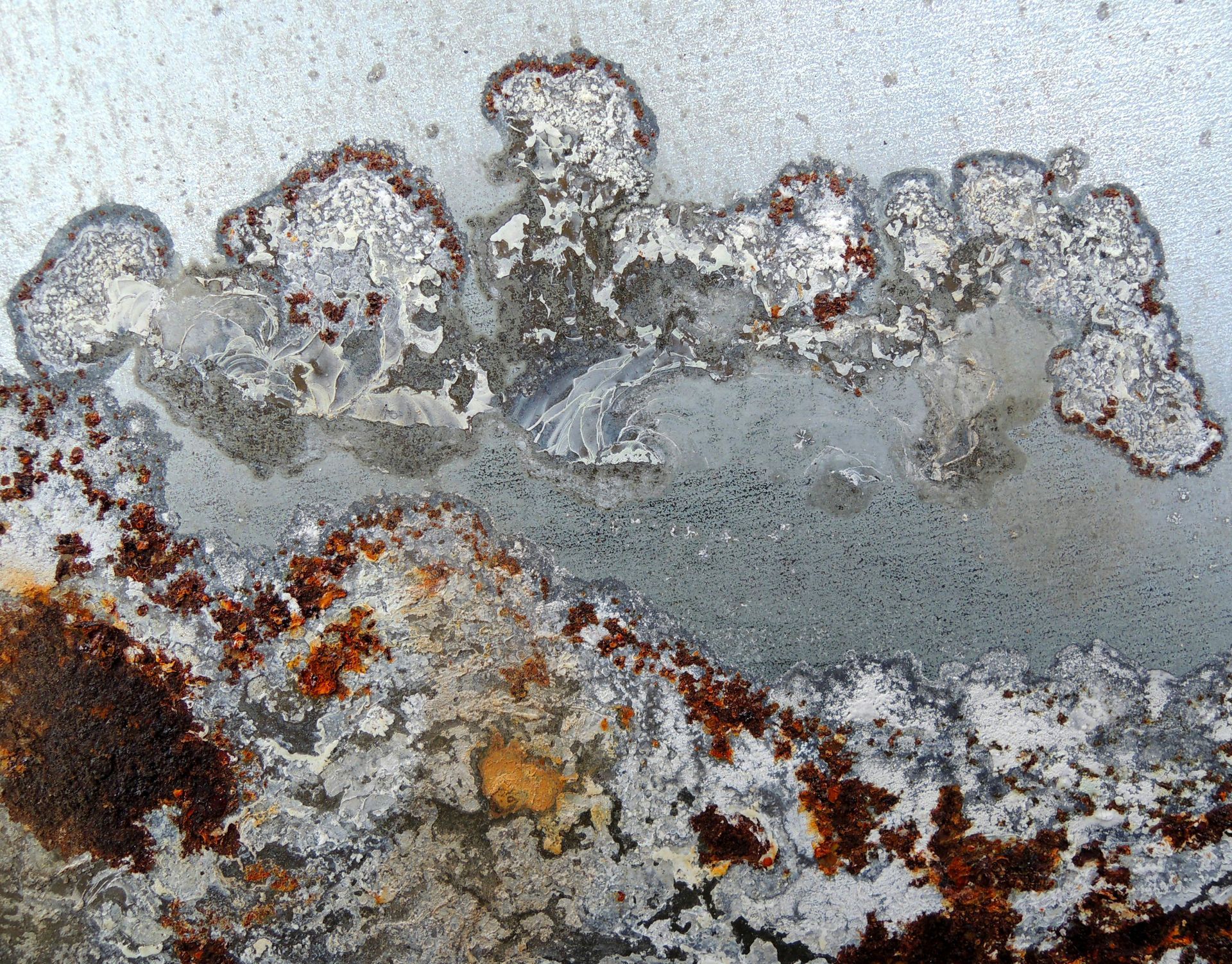
✔ Corrosion pitting
✔ Score lines and scratches
✔ Wear and tear
✔ Surface damage
It can also be used for Anti-Galling Properties for OCTG (Oil Country Tubular Goods) tools and accessories which is particularly important in the Oil and Gas Industry.
Why is Brush Plating So Valuable?
Brush Plating offers several key advantages that make it an attractive alternative to traditional repairs:
✔ No Need to Dismantle Equipment
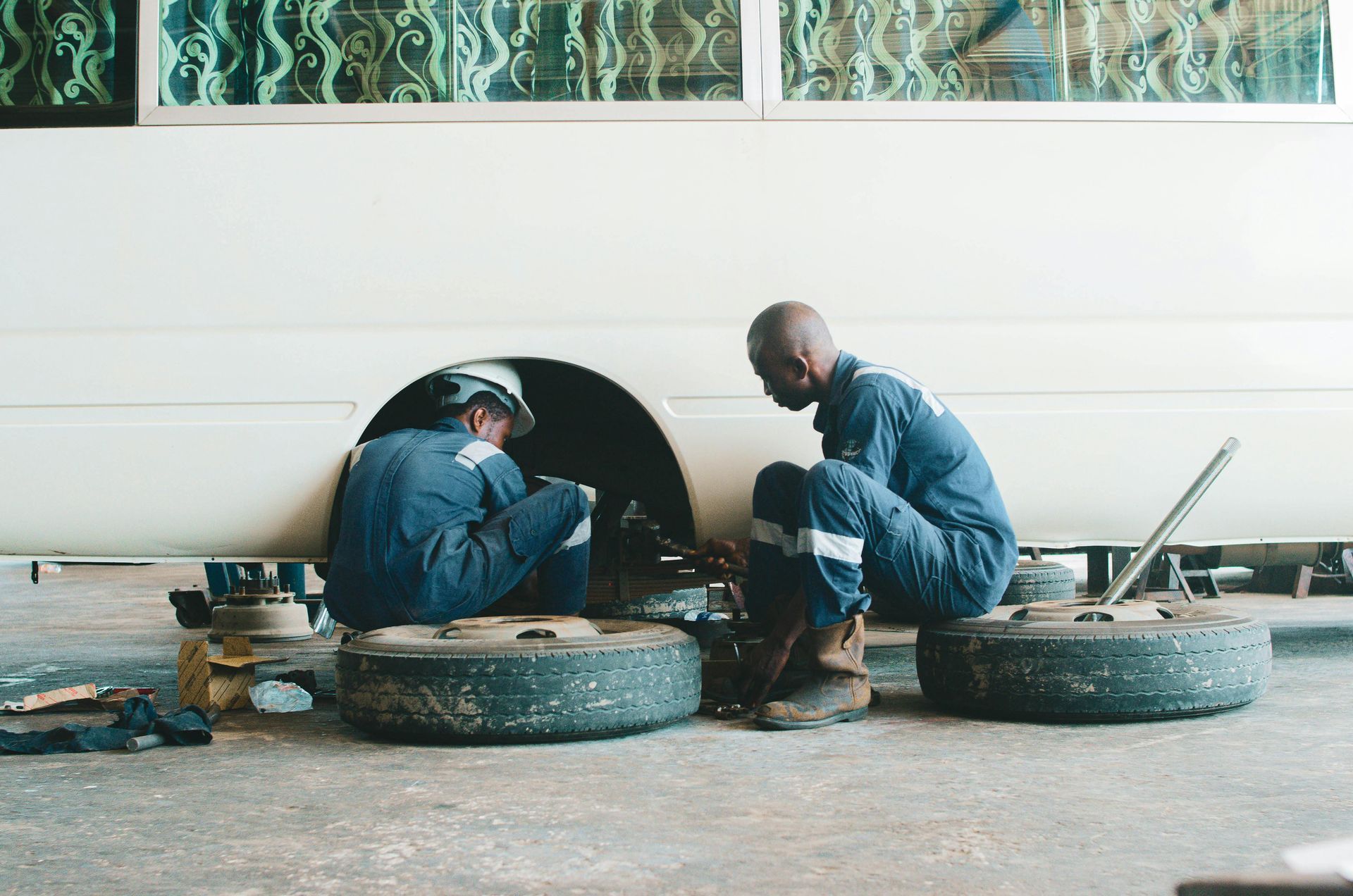
Repairs can often be done on-site, saving time and effort.
✔ Reduced Downtime
Since there is no need for transportation or long machining processes, repairs are completed much faster.
✔ Cost Savings
Restoring a component is typically far more affordable than replacing it.
✔ Precision and Control
Only the damaged area is treated, ensuring accurate restoration to original specifications.
✔ Strong and Durable
The plated metal bonds firmly to the surface, providing long-lasting performance.
Who Uses Brush Plating?
Brush Plating is trusted by various industries where reliability is critical, including:
- Oil & Gas
- Marine & Offshore
- Manufacturing & Printing
- Heavy Equipment & Construction
These industries rely on Brush Plating to keep operations running smoothly while minimizing costly downtime.
Conclusion
Brush Plating may not be as widely known as traditional repair methods but it is one of the most efficient and versatile solutions available today.
For both engineers and non-engineers, the concept is simple:
Instead of replacing damaged parts, restore them—quickly, precisely, and cost-effectively.
At Sterling Impreglon Asia, we specialize in delivering high-quality Brush Plating solutions that help businesses extend the life of their equipment and reduce operational costs.
Want to learn more about how Brush Plating can help your operations?
Contact
Sterling Impreglon Asia today! We’ll be happy to assist.