The Circular Economy Case for Brush Plating
Repair Over Replace
Sustainability conversations in heavy industry tend to focus on the big, visible levers such as fuel efficiency, emissions reporting, renewable energy adoption. But one of the most straightforward ways an operation can reduce its environmental footprint often gets overlooked entirely: choosing to repair a component instead of replacing it.
For procurement and engineering teams increasingly answering to ESG targets, this is worth a closer look.
What "Circular Economy" Actually Means Here
The circular economy is a simple idea applied at scale: instead of a linear path where materials are extracted, manufactured, used, and discarded, resources are kept in use for as long as possible through repair, restoration, and reuse, before anything is scrapped or replaced.
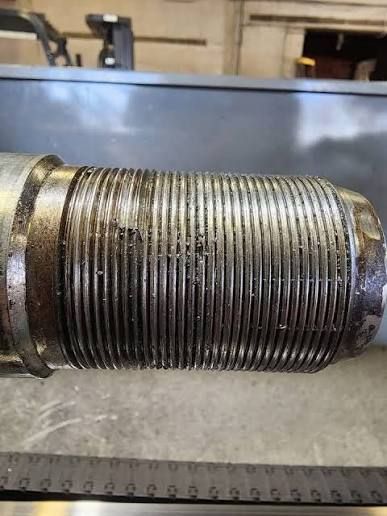
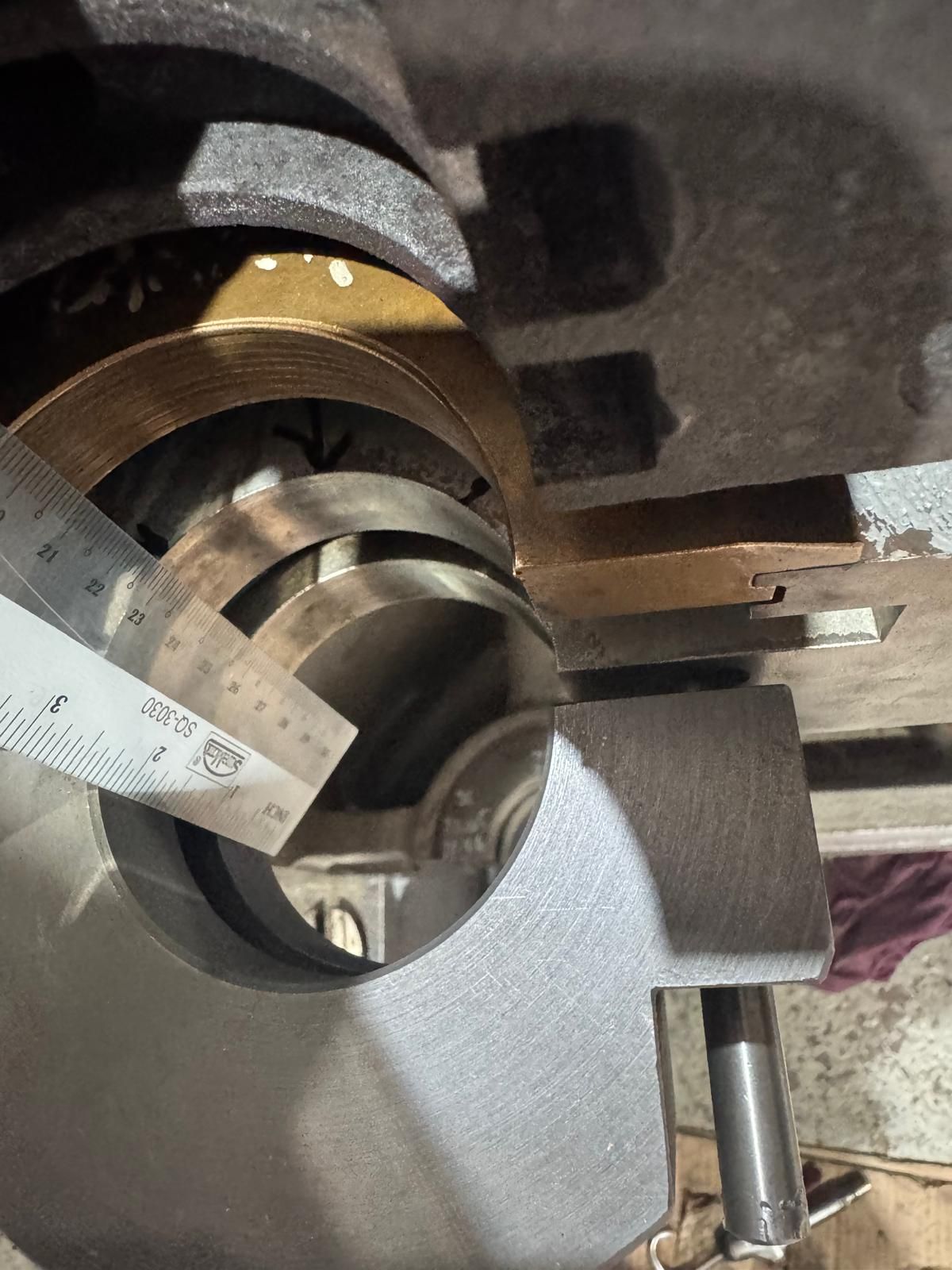
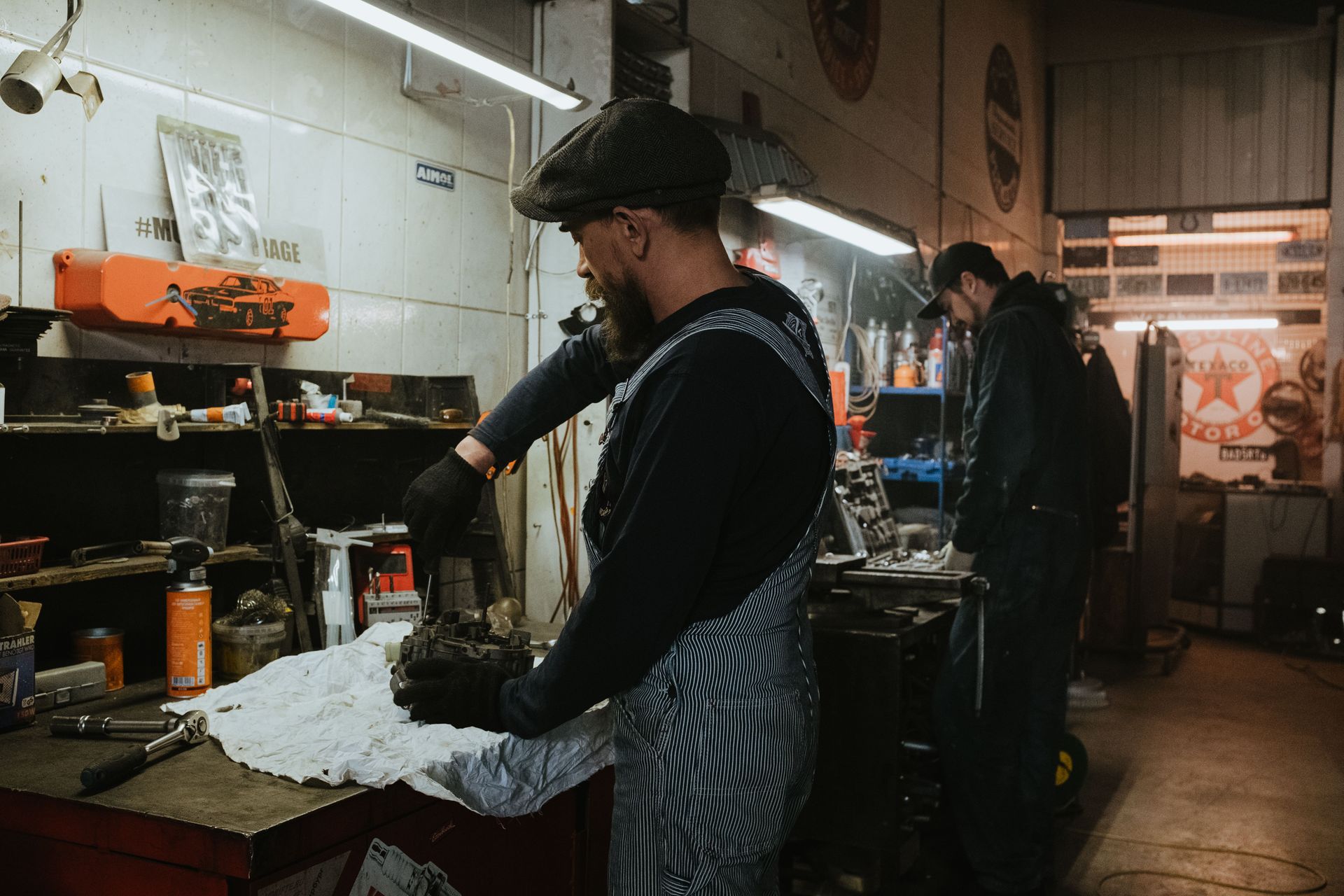
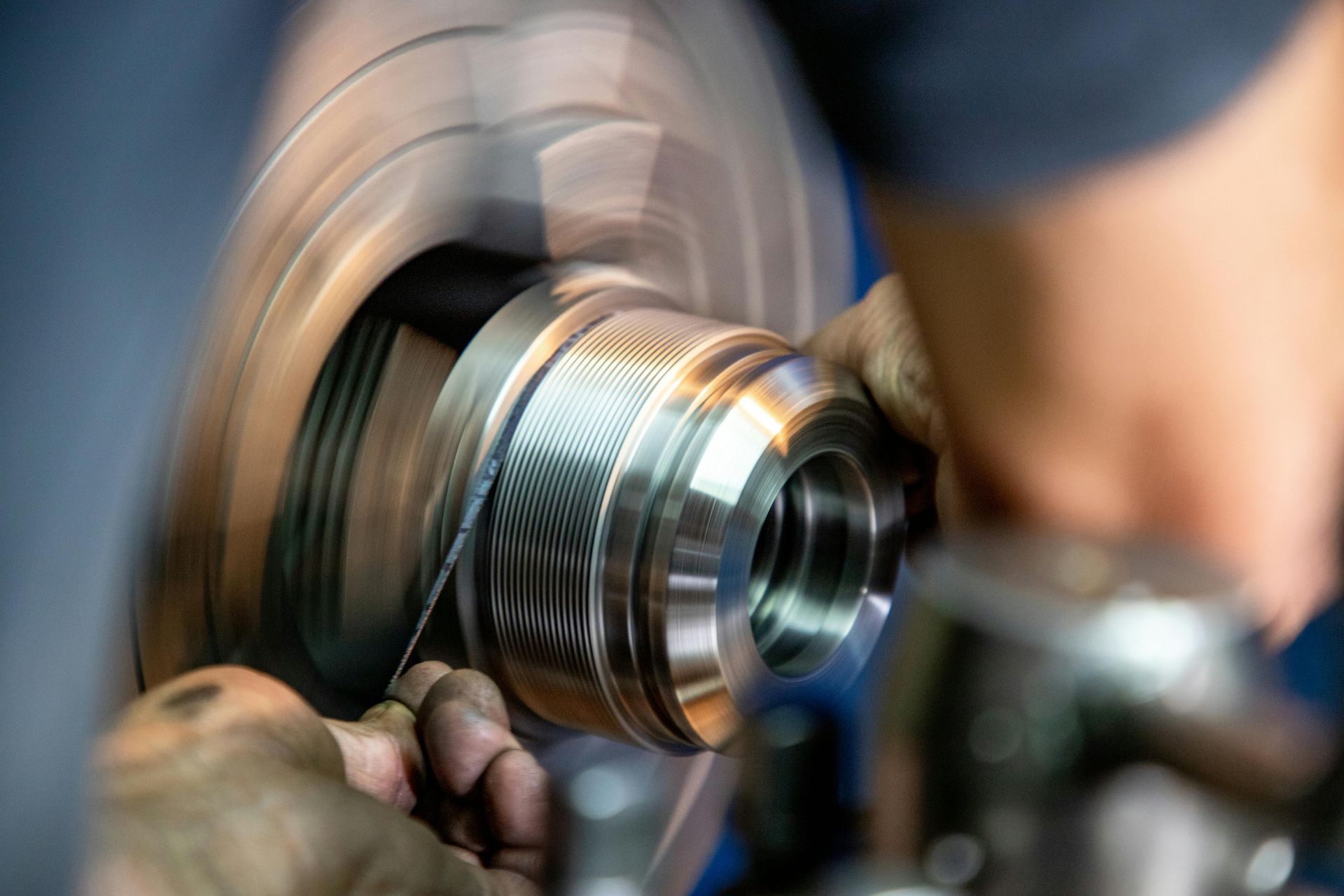
Repairing a worn mechanical component instead of replacing it is a direct, practical example of circular economy thinking in action. The component that already exists stays in service. No new raw materials need to be mined or processed. No new part needs to be manufactured from scratch. The lifecycle of the existing asset simply gets extended.
Where the Environmental Impact of Replacement Actually Comes From
When a component is replaced rather than repaired, the environmental cost is not limited to the part itself. It includes:
- Raw material extraction and processing - mining, refining, and manufacturing a new component from raw metal
- Manufacturing energy use - the energy-intensive processes involved in producing precision mechanical parts
- Transportation emissions - freight, often over long distances, to move the new part from manufacturer to end user
- Waste - the worn or damaged original component, which is typically scrapped once replaced
Each of these steps carries a real environmental cost, most of which is entirely avoided when a component is repaired rather than replaced.
Why This Matters More in Marine and Heavy Equipment
This distinction is especially relevant in industries where components are large, resource-intensive to manufacture, and central to environmental scrutiny:
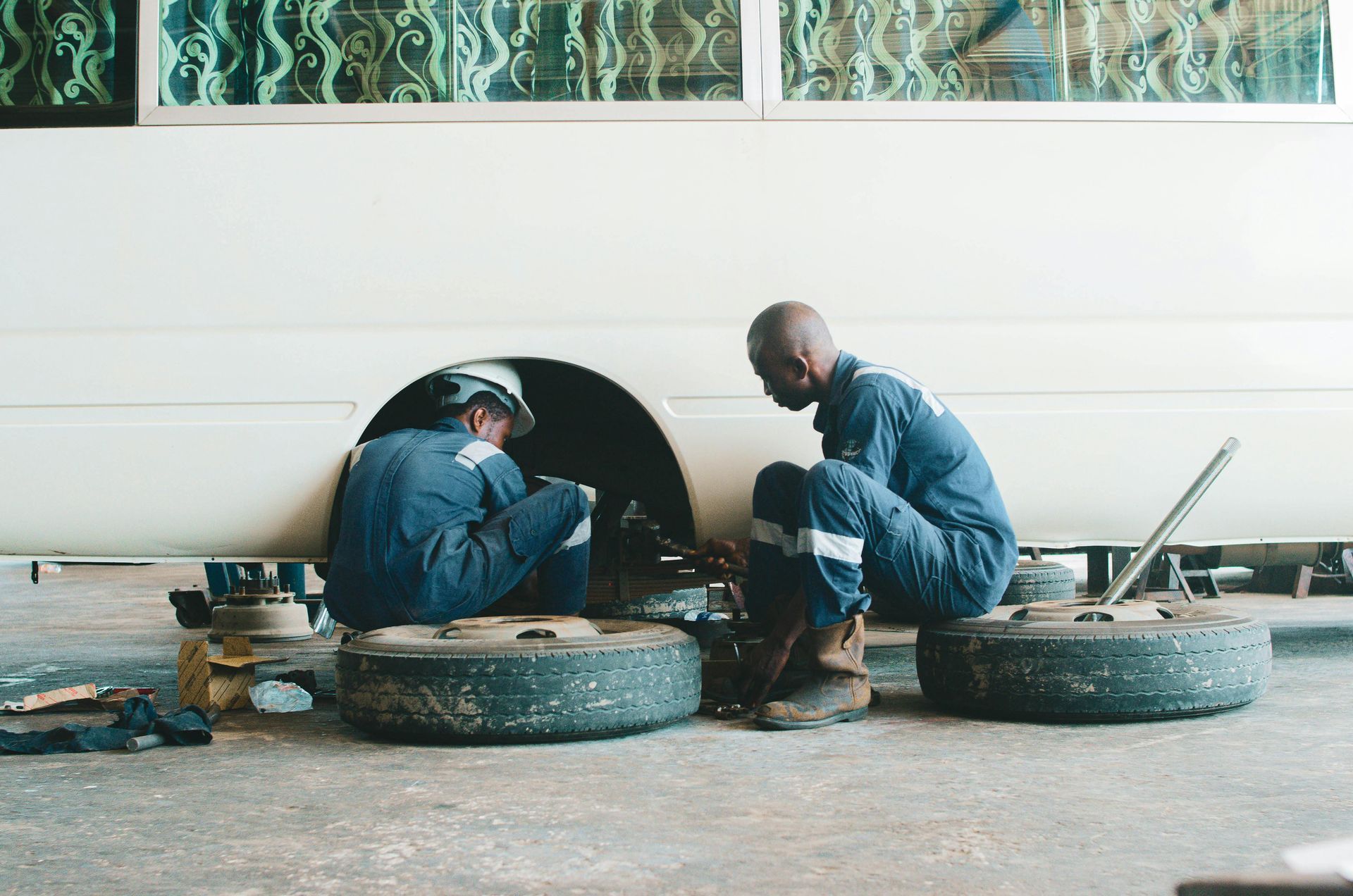
Marine operators are under increasing pressure from regulators, class societies, and charterers to demonstrate environmental responsibility across their operations and not just fuel consumption, but the broader footprint of vessel maintenance and asset management. Choosing to restore a shaft, pump component, or turbine casing rather than manufacturing and shipping a replacement is a concrete, demonstrable step in that direction.
Heavy equipment operators, particularly in construction and mining, manage large fleets of machinery with components that are often substantial in size and material use. Extending the working life of these components through repair, rather than cycling through replacements, meaningfully reduces the cumulative material and manufacturing footprint of fleet maintenance over time.
A Practical Sustainability Step, Not Just a Symbolic One
What makes repair-over-replace a compelling sustainability story is that it doesn't require a trade-off. Unlike some sustainability initiatives that come with added cost or complexity, choosing repair over replacement where appropriate typically reduces cost and downtime as well as environmental impact.
That combination is unusual, and it is worth building into how sustainability performance is measured and reported. A maintenance strategy that favors repair over replacement contributes to:
- Reduced raw material consumption
- Reduced manufacturing and transportation emissions
- Reduced mechanical waste
- Extended asset lifecycles
For ESG-conscious procurement and engineering teams, this offers a way to make measurable progress using decisions that are already part of routine maintenance planning, not a separate sustainability initiative layered on top.
Brush Plating's Role in This
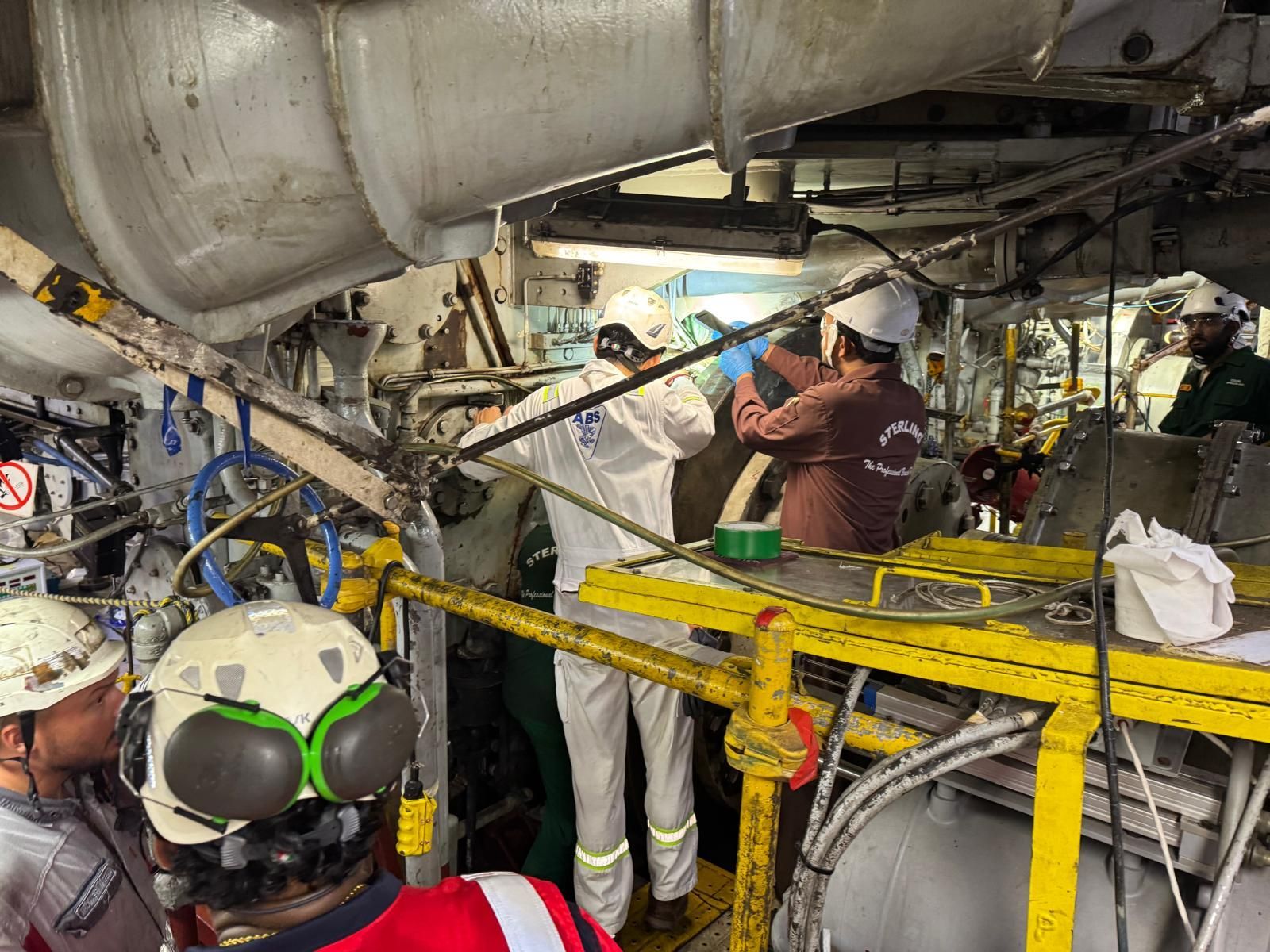
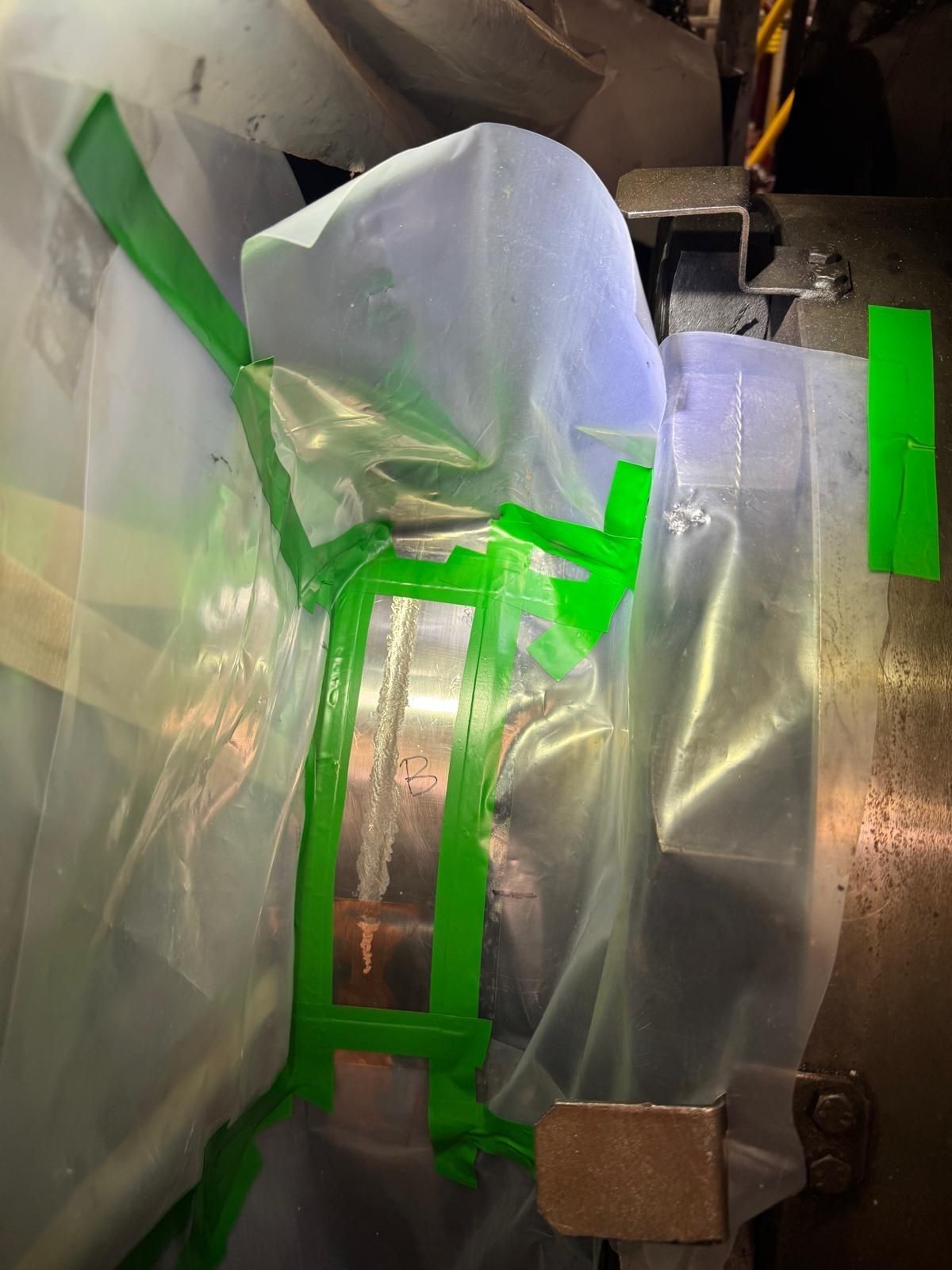
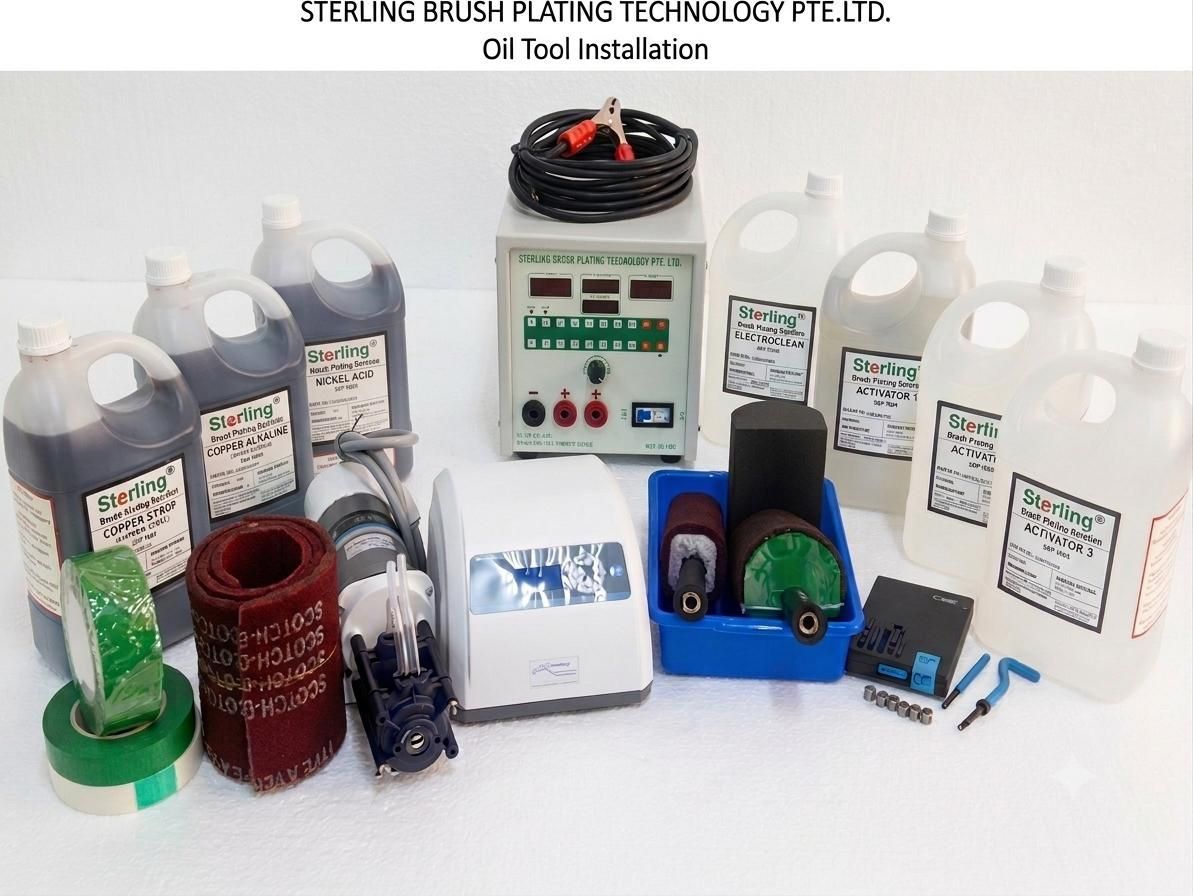
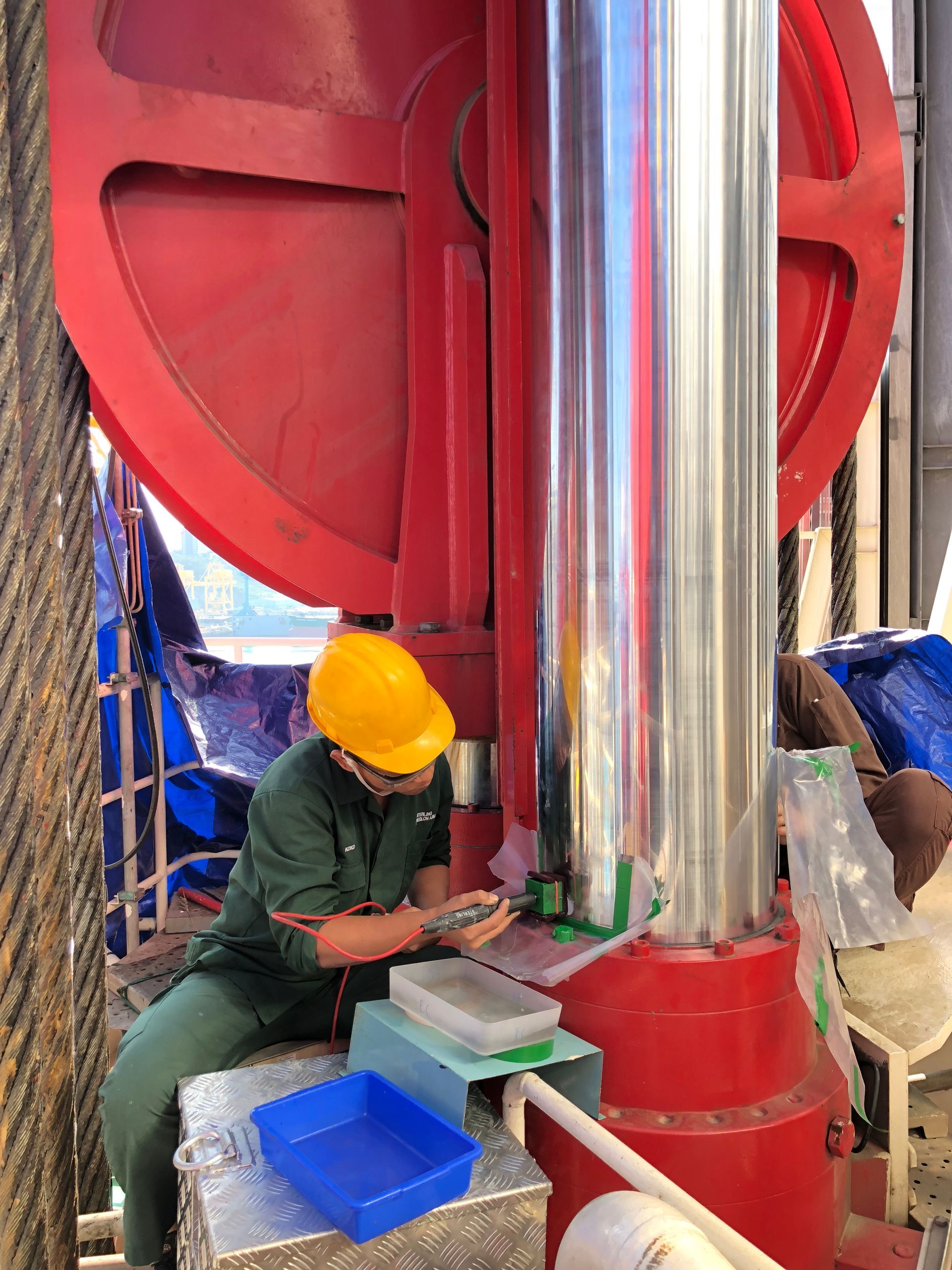
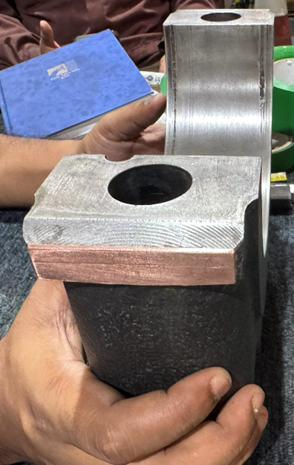
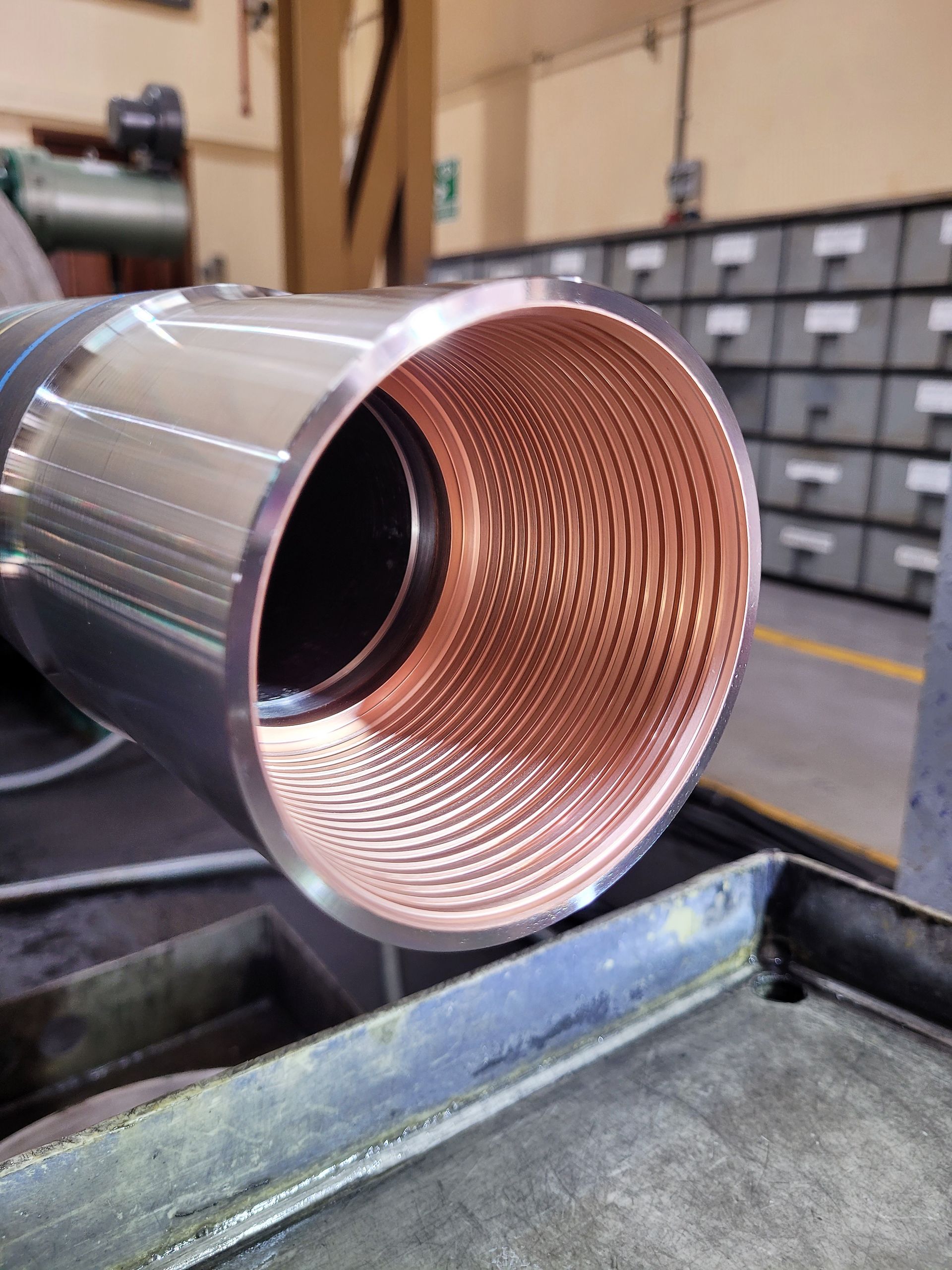
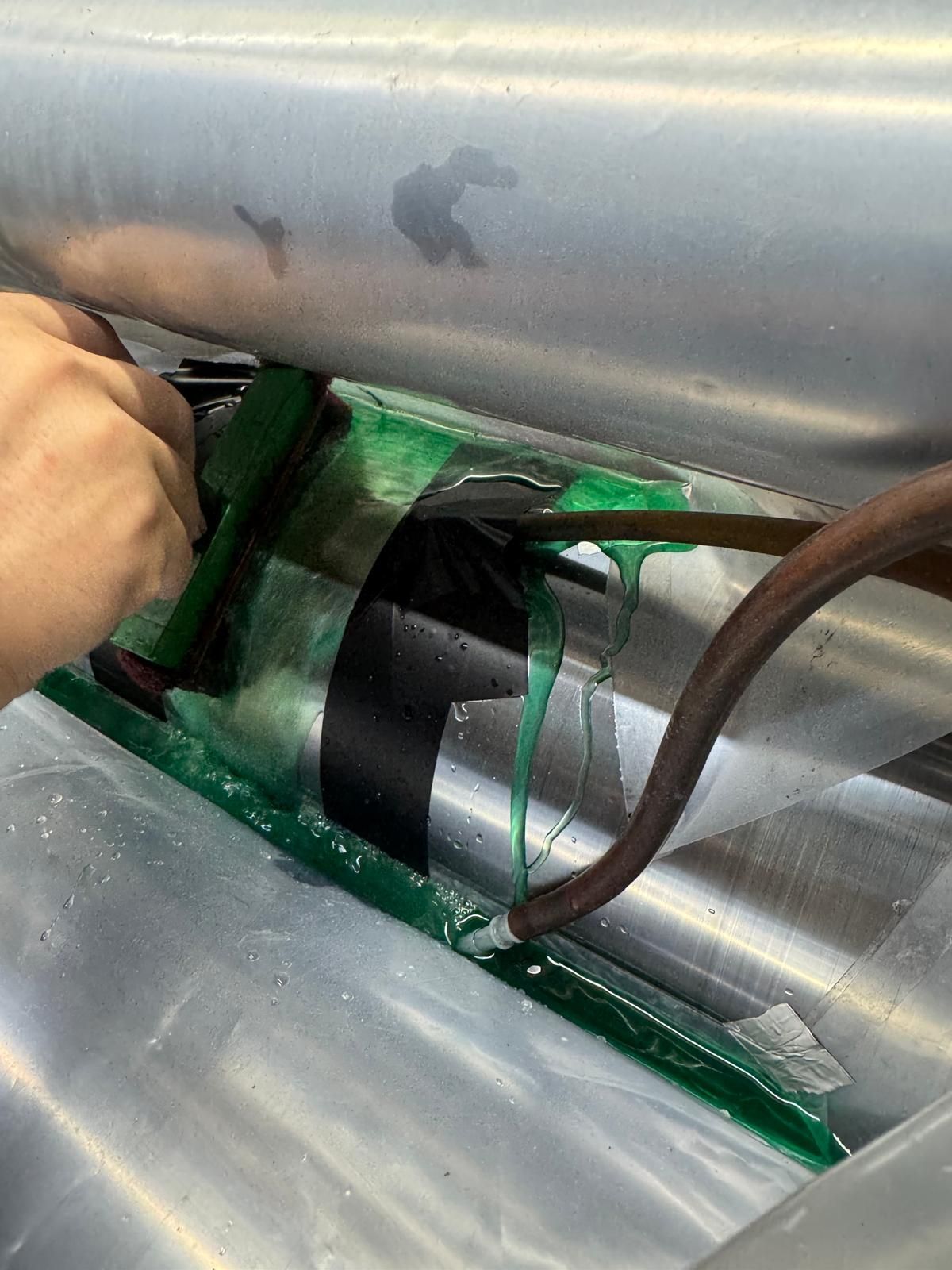
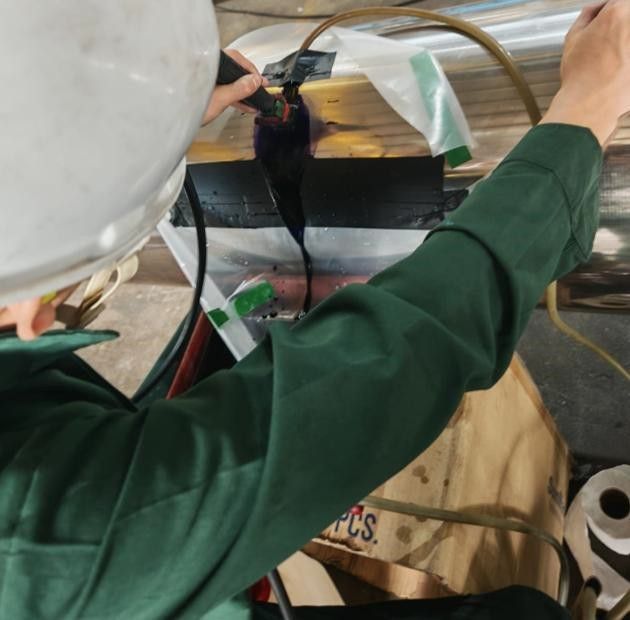
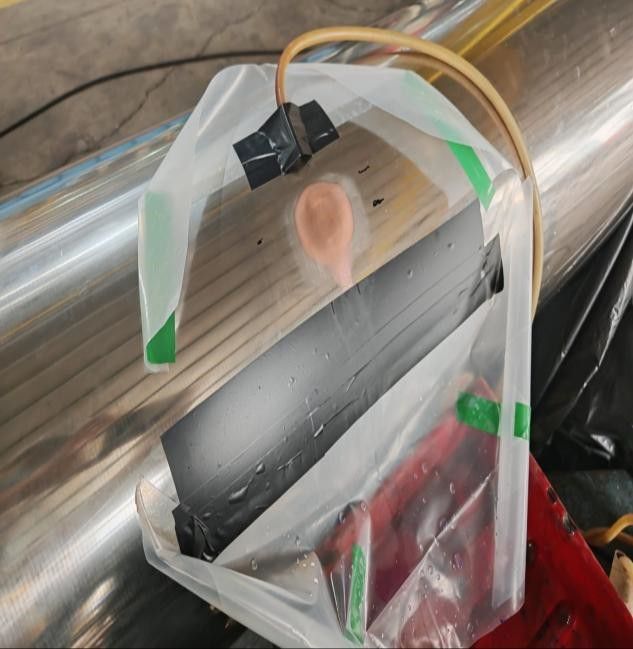
Brush Plating is, by nature, a repair-first technology. Rather than replacing a worn or damaged component, it restores the original part to its working specification, extending its service life without the material and manufacturing footprint of a new one. Because the process is portable and precise, it also avoids the additional transportation footprint of shipping components to and from a treatment facility.
Get in touch with Sterling Impreglon Asia to find out whether your worn or damaged components are candidates for Brush Plating repair.