Analysis of Repair Methods for Industrial Applications
Repair Methods for Industrial Applications
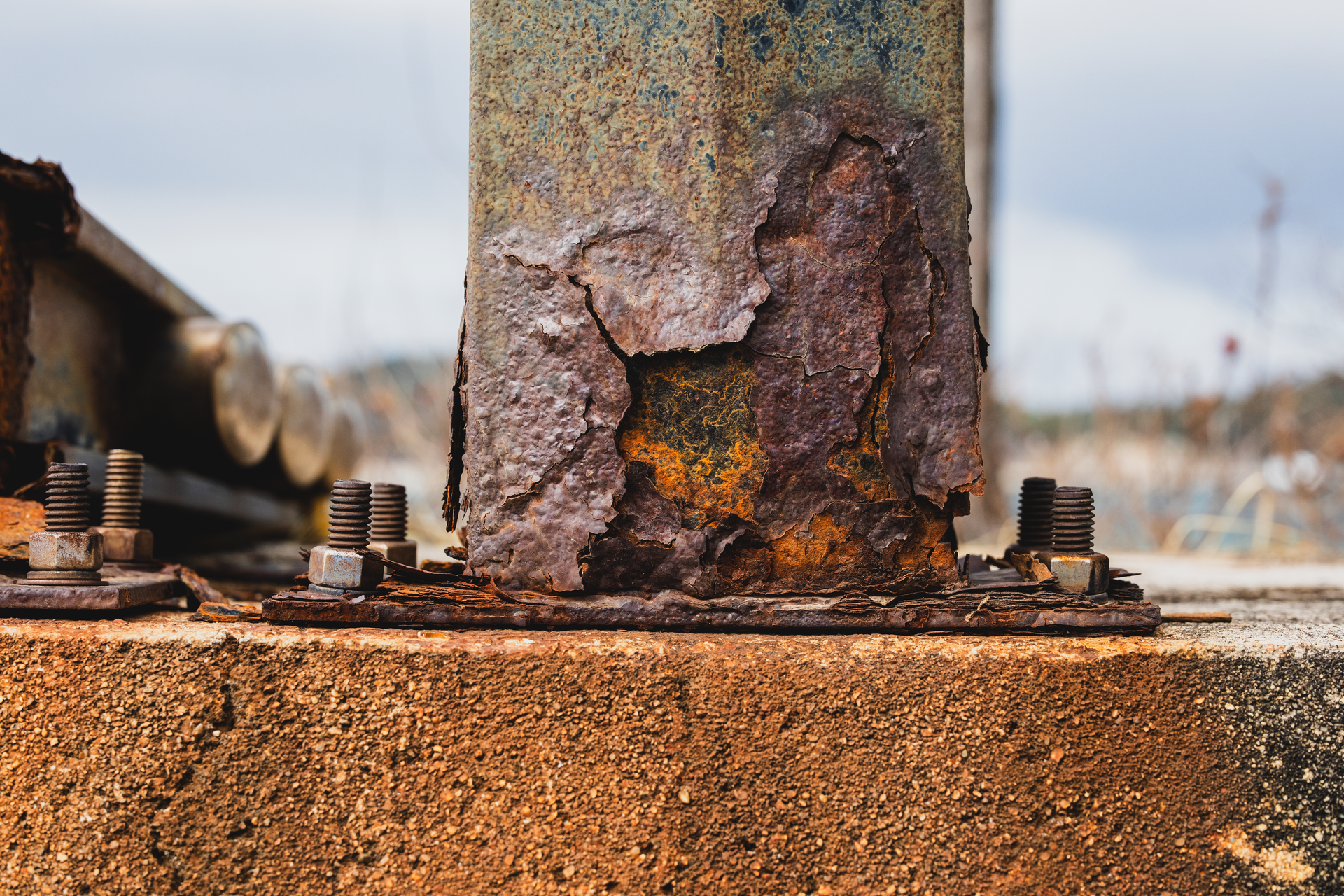
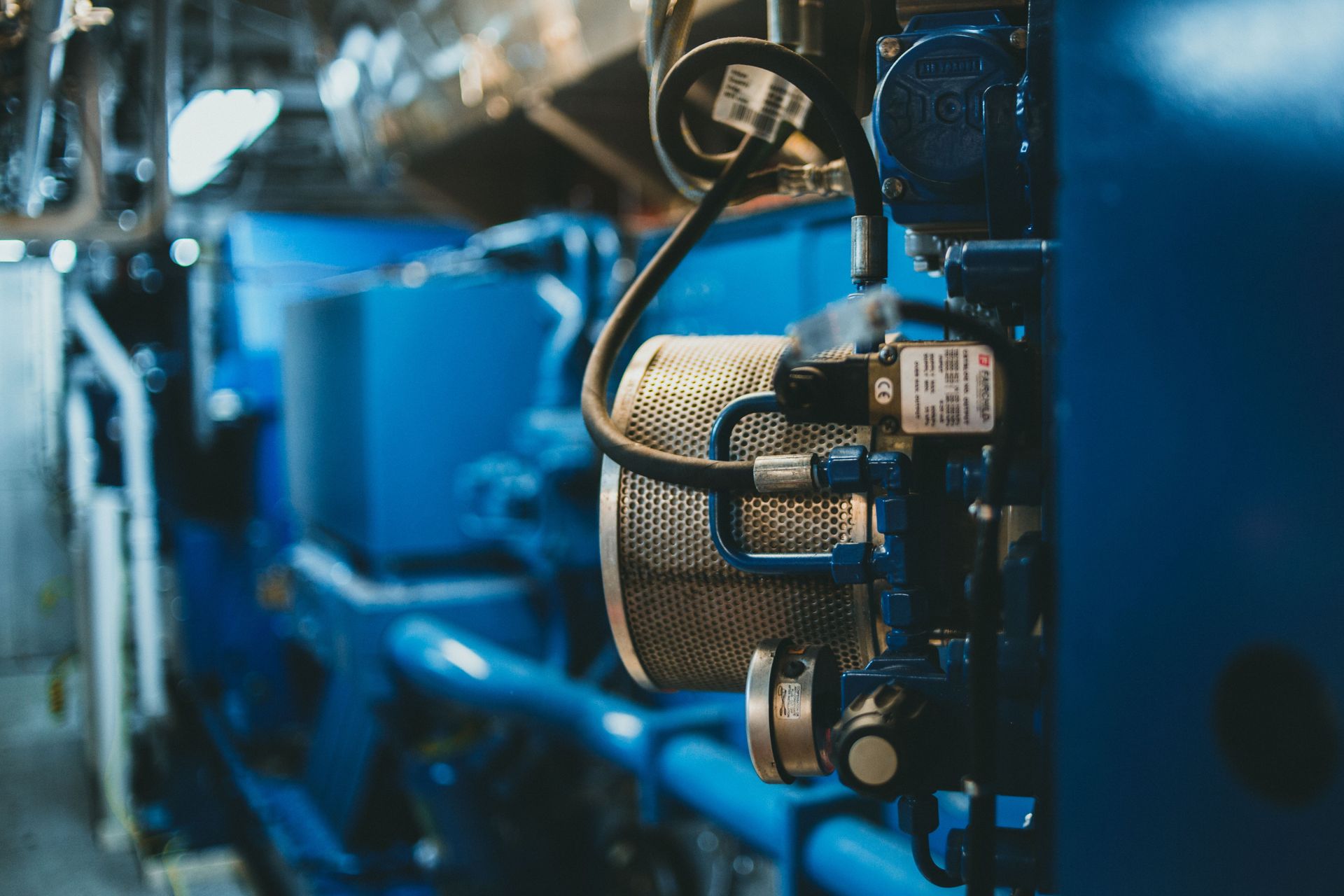
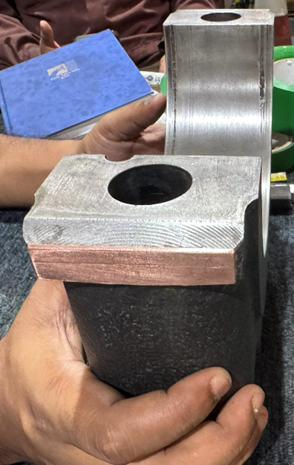
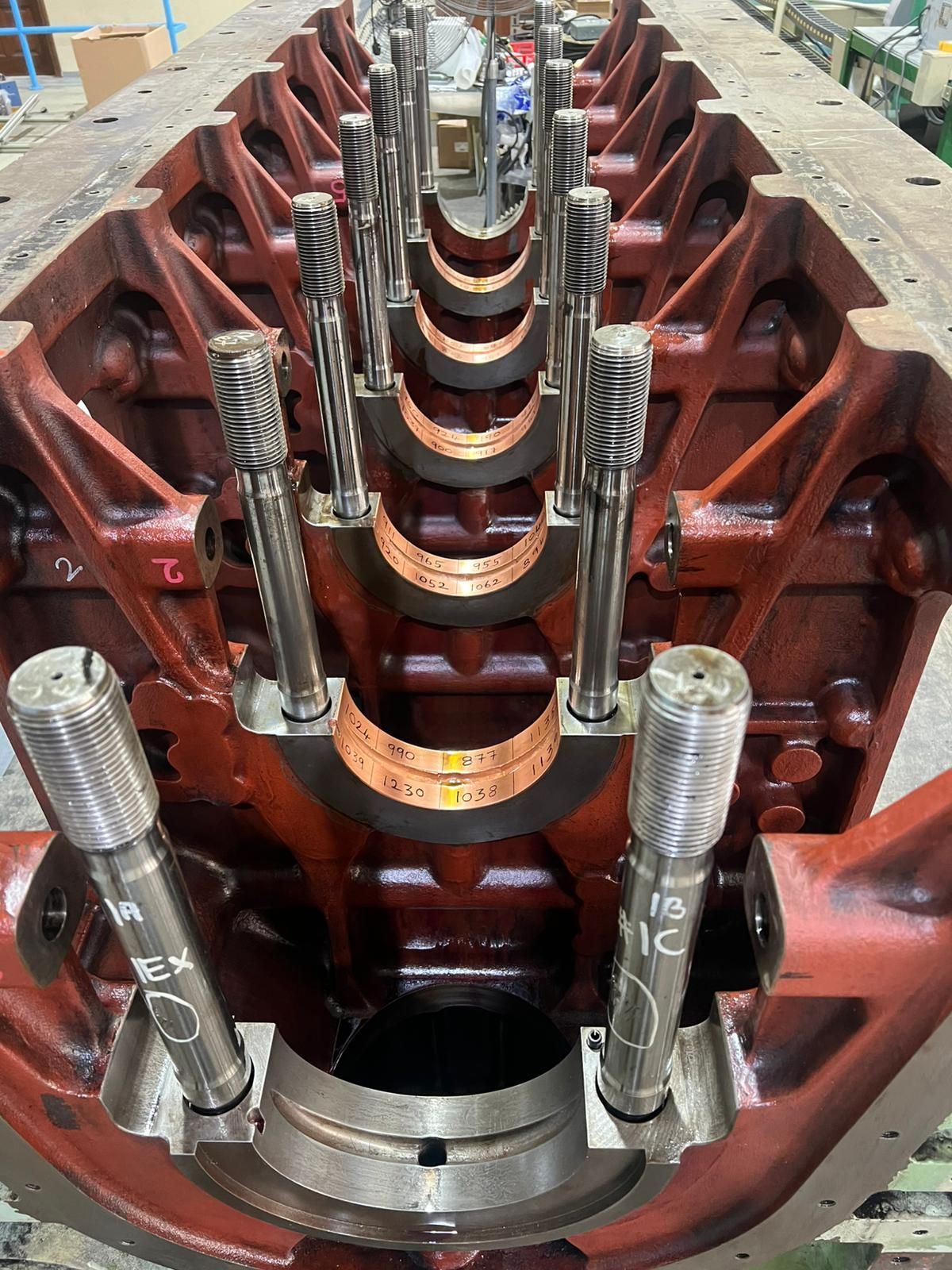
Industrial mechanical components, such as hydraulic shafts, cylinders, rods, gearboxes, printing cylinders, marine diesel engines, and diesel generator bedplates, are critical to operations in industries like oil and gas, marine, manufacturing, and power generation. These components are subject to damages such as scorelines, corrosion pitting, fretting, and wear and tear. When damaged, they require repair to restore functionality, extend service life, and avoid costly replacements. Several repair methods exist, each with specific applications, advantages, and limitations. This document explores these methods, including brush plating, thermal spraying, welding, machining and sleeving, and electroplating, with a focus on their suitability for industrial applications. It subtly highlights why brush plating, particularly Sterling Impreglon Asia’s proprietary process, stands out as a superior solution.
1. Brush Plating
Overview
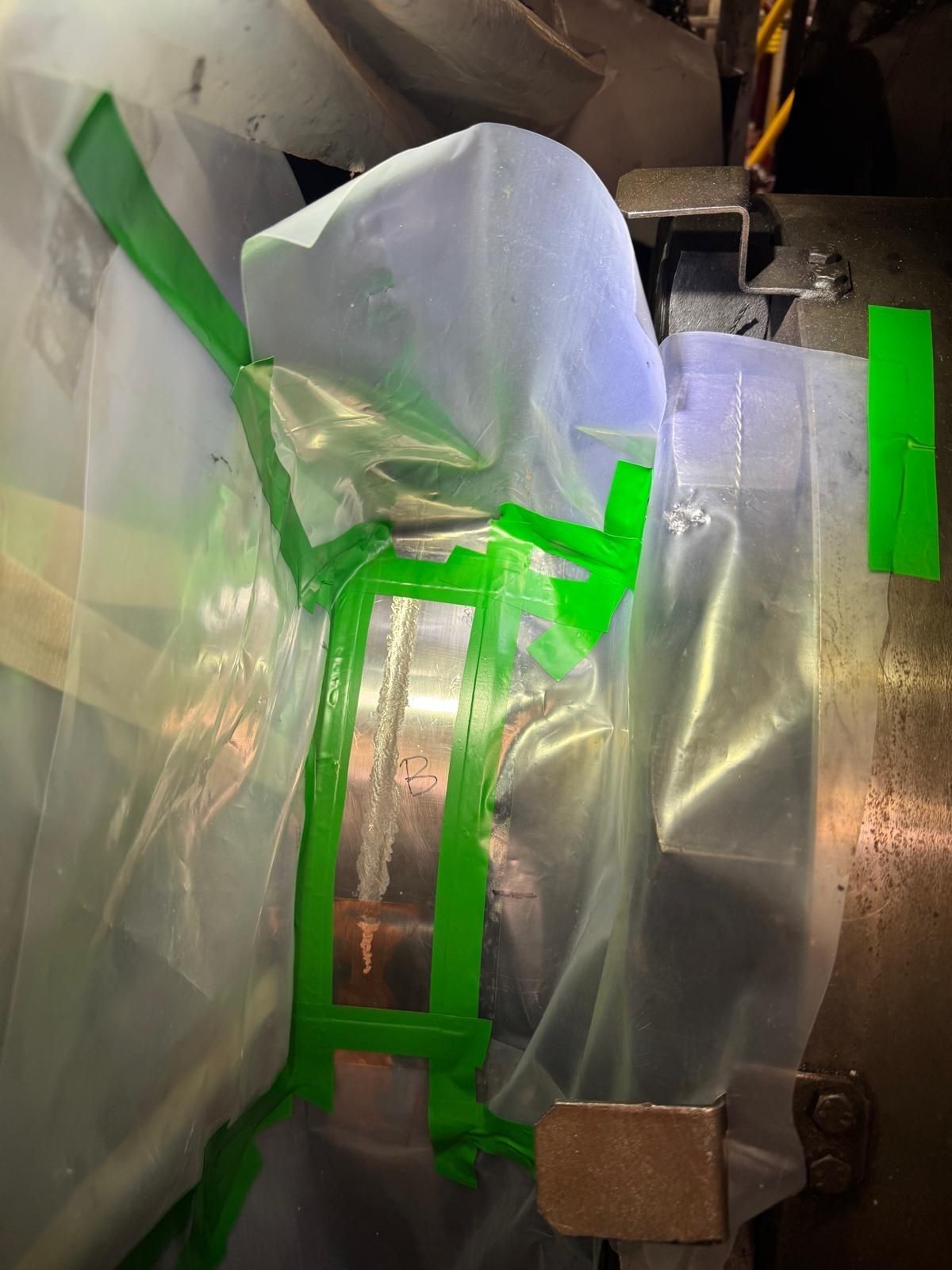
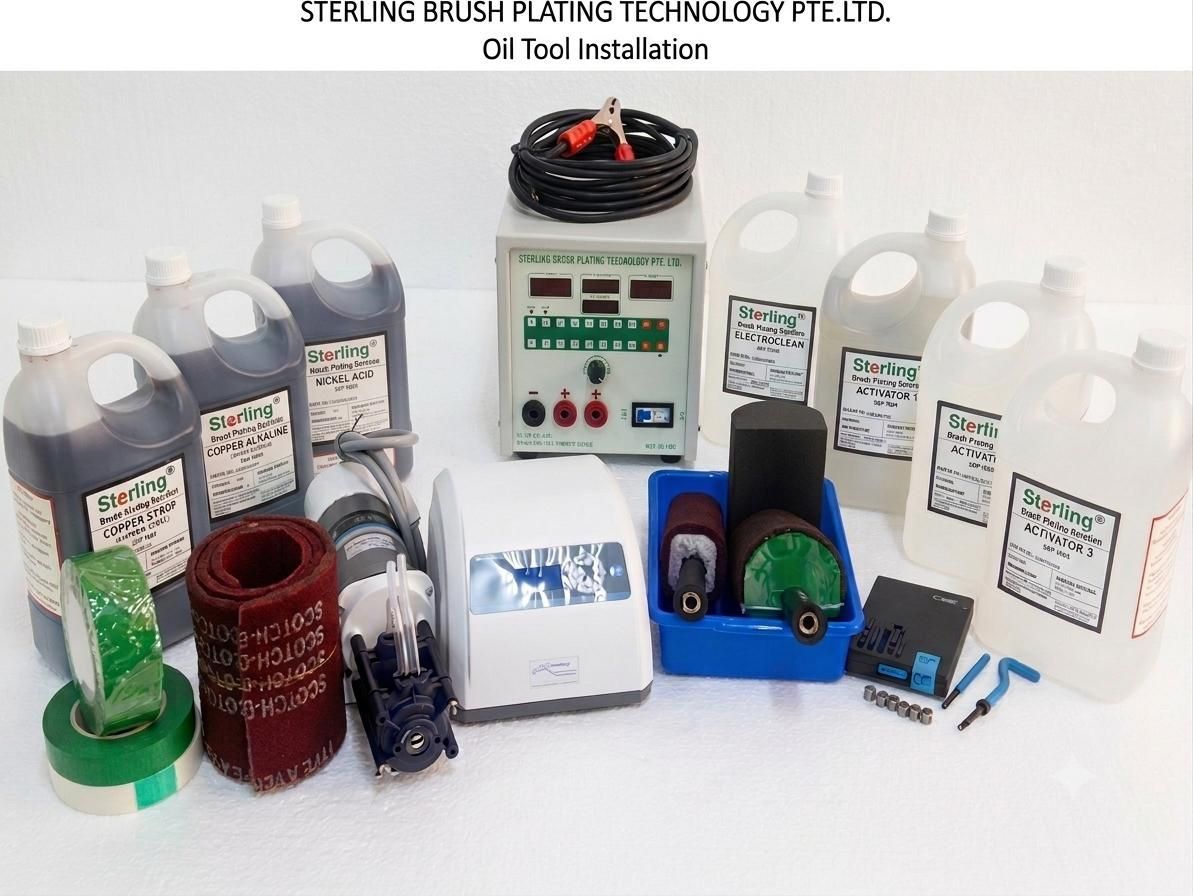
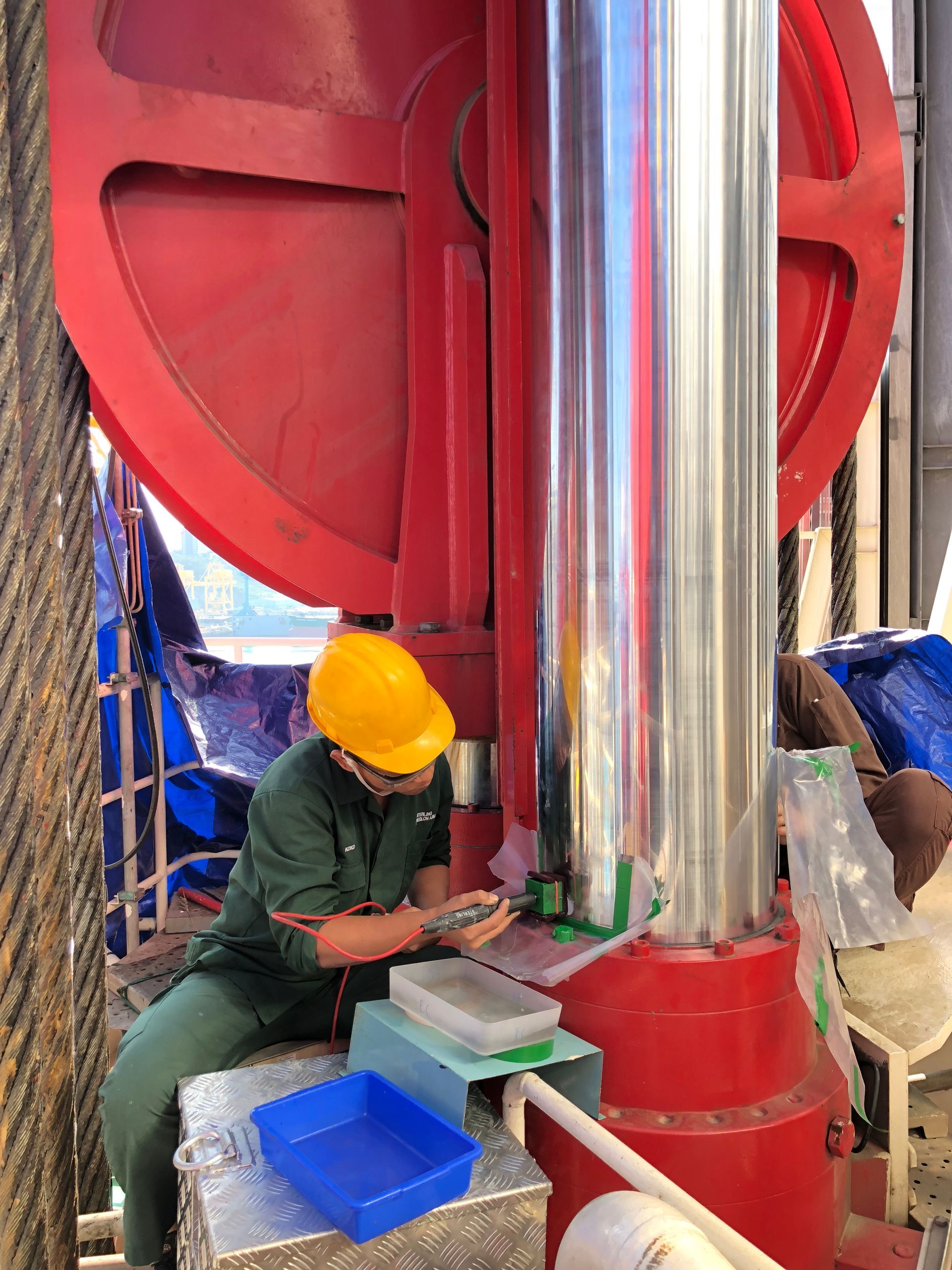
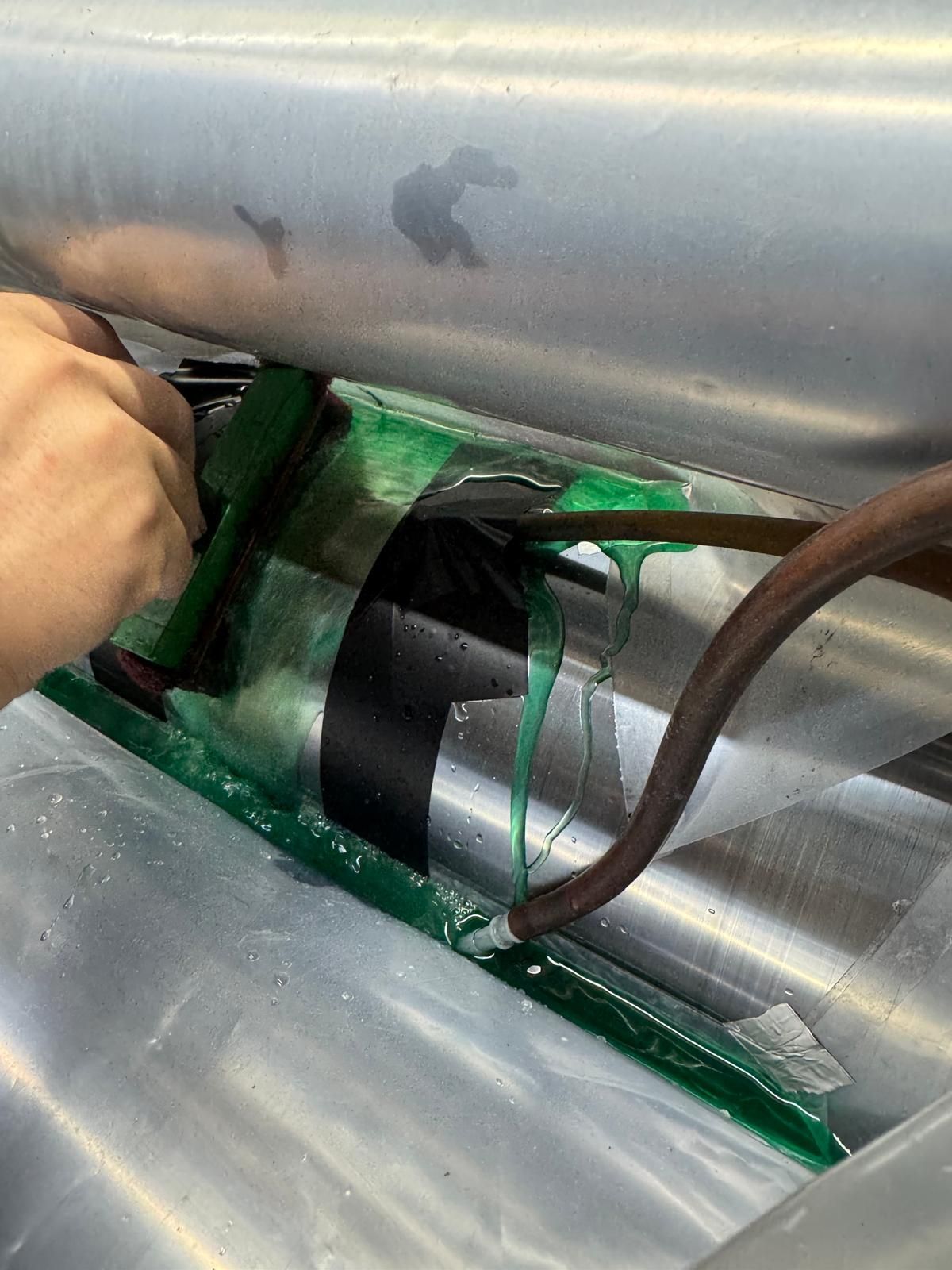
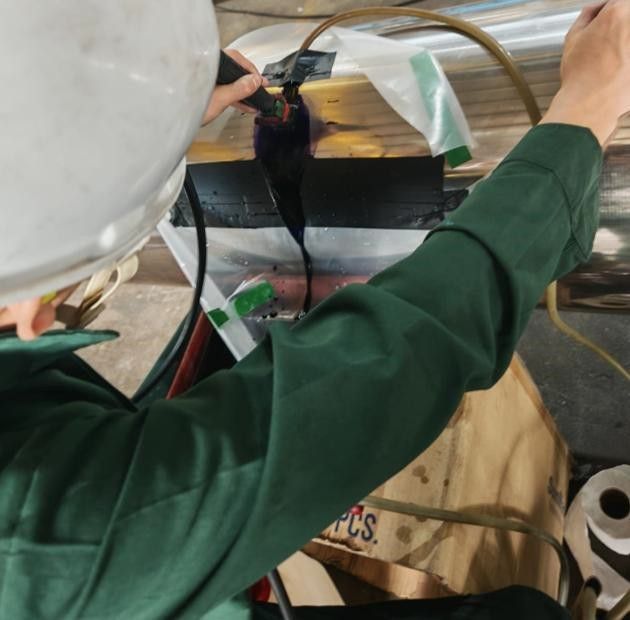
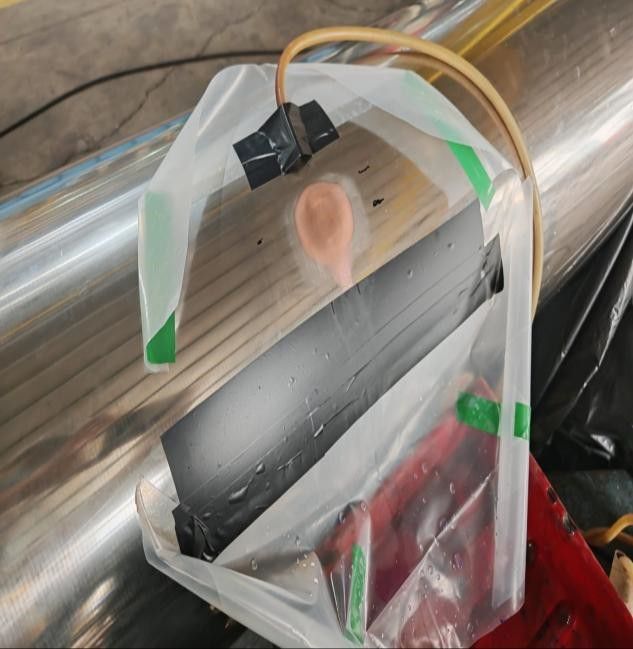
Brush plating, also known as selective plating, is a portable, electrochemical process that deposits metal coatings onto localized areas of a component. Unlike traditional electroplating, it does not require immersion in a plating bath. Instead, a specialized tool (the "brush") applies the plating solution to the damaged area, building up metal to restore original dimensions or enhance surface properties. Sterling Impreglon Asia’s proprietary brush plating process is tailored for precision repairs of components like hydraulic shafts, cylinders, rods, gearboxes, printing cylinders, marine diesel engines, and diesel generator bedplates.
Applications
Repairing scorelines, corrosion pitting, fretting, and wear on mechanical components.
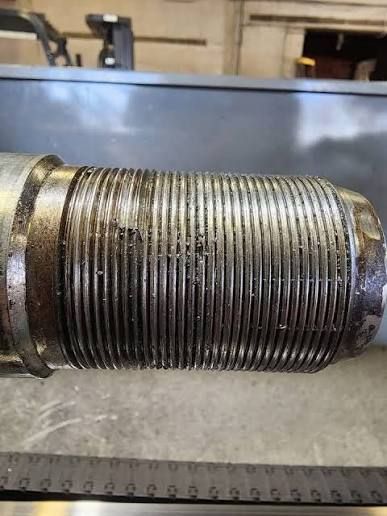
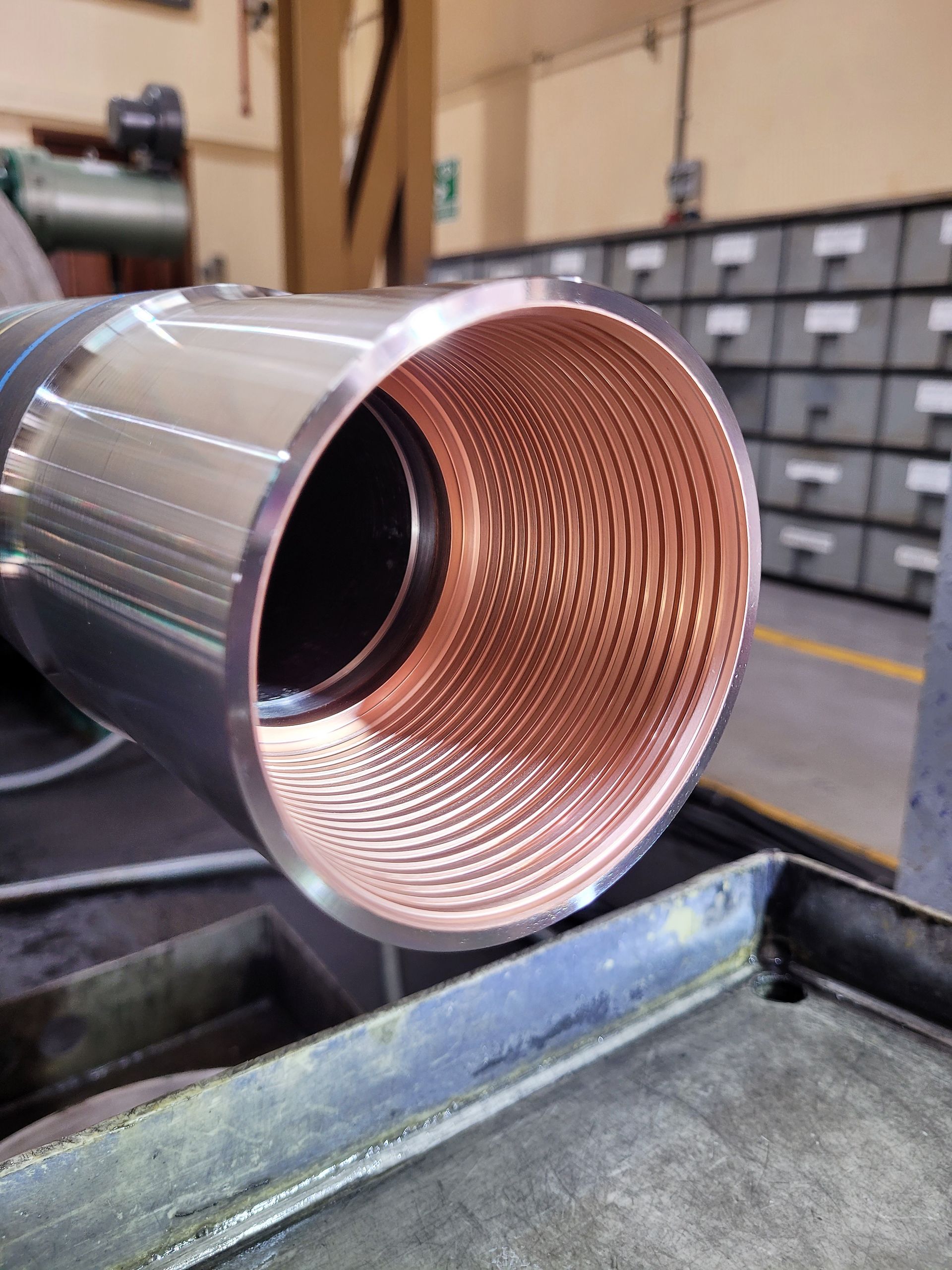
Anti-galling applications for oil and gas pipe threads, recognized by major global manufacturers.
On-site or in-workshop repairs for components that cannot be easily disassembled or transported.
Advantages
Portability and Flexibility: Brush plating can be performed on-site, minimizing downtime and eliminating the need to transport large components.
Precision: The process targets only the damaged area, preserving the integrity of undamaged surfaces and reducing material waste.
Strong Adhesion: Sterling Impreglon Asia’s process ensures excellent bonding to the base material, preventing issues like delamination or peeling, even under high stress.
Cost-Effectiveness: By restoring components to their original dimensions, brush plating eliminates the need for costly replacements.
Versatility: Suitable for a wide range of metals (e.g., copper, nickel, chromium) and applications, including anti-galling for oil and gas pipe threads.
Minimal Heat Input: Unlike welding, brush plating generates negligible heat, reducing the risk of distortion or metallurgical damage.
Industry Recognition: Sterling Impreglon Asia is an approved vendor for major oil and gas pipe manufacturers, ensuring compliance with stringent industry standards.
Limitations
Limited to localized repairs; not suitable for coating entire large surfaces.
Requires skilled technicians to achieve consistent results.
Surface preparation (e.g., cleaning, degreasing) is critical to ensure adhesion.
Why Brush Plating Excels
Brush plating’s ability to perform precise, high-quality repairs on-site makes it ideal for industries where downtime is costly, such as oil and gas or marine. Sterling Impreglon Asia’s proprietary process enhances this method with superior adhesion and durability, ensuring long-lasting repairs that meet or exceed original specifications. Its recognition by global oil and gas manufacturers for anti-galling applications further underscores its reliability and effectiveness.
2. Thermal Spraying
Overview
Thermal spraying involves propelling molten or semi-molten metal, ceramic, or polymer particles onto a surface to build up a coating. Common techniques include plasma spraying, high-velocity oxy-fuel (HVOF), and flame spraying. It is often used to repair worn surfaces or enhance wear resistance.
Applications
Restoring worn surfaces on shafts, bearings, and turbine blades.
Applying wear-resistant or corrosion-resistant coatings to industrial components.
Advantages
Can apply a wide range of materials, including metals, ceramics, and composites.
Suitable for large surface areas and complex geometries.
Provides thick coatings for heavy wear applications.
Limitations
Weaker bonding compared to brush plating, as coatings are mechanically bonded rather than metallurgically fused, increasing the risk of delamination under high stress.
Requires specialized equipment and controlled environments, limiting on-site applicability.
High heat input can cause thermal distortion or metallurgical changes in the base material.
Surface preparation and post-processing (e.g., grinding) add time and cost.
Comparison to Brush Plating
While thermal spraying is effective for large-scale coatings, its weaker bonding and higher heat input make it less suitable for precision repairs or components sensitive to thermal stress. Brush plating’s superior adhesion and on-site capability offer a more reliable and efficient solution for localized repairs.
3. Welding
Overview
Welding involves fusing a filler material to a damaged component using high heat, often through processes like TIG (Tungsten Inert Gas) or MIG (Metal Inert Gas) welding. It is commonly used to repair cracks, rebuild worn areas, or restore dimensions.
Applications
Repairing cracks or rebuilding heavily worn areas on shafts, gears, and engine components.
Joining or rebuilding large structural components.
Advantages
Strong metallurgical bonding between the filler material and base metal.
Suitable for repairing deep cracks or rebuilding large areas.
Widely available and familiar to many technicians.
Limitations
High heat input can cause distortion, residual stresses, or metallurgical changes, particularly in precision components like hydraulic rods or printing cylinders.
Requires significant post-processing (e.g., machining, grinding) to restore original dimensions.
Not feasible for on-site repairs in many cases due to equipment and safety requirements.
Risk of weld imperfections (e.g., porosity, cracks) if not performed correctly.
Comparison to Brush Plating
Welding’s high heat input and need for post-processing make it less suitable for delicate or precision components. Brush plating, with its minimal heat input and precise application, offers a faster, less invasive alternative, particularly for on-site repairs in industries like oil and gas or marine.
4. Machining and Sleeving
Overview
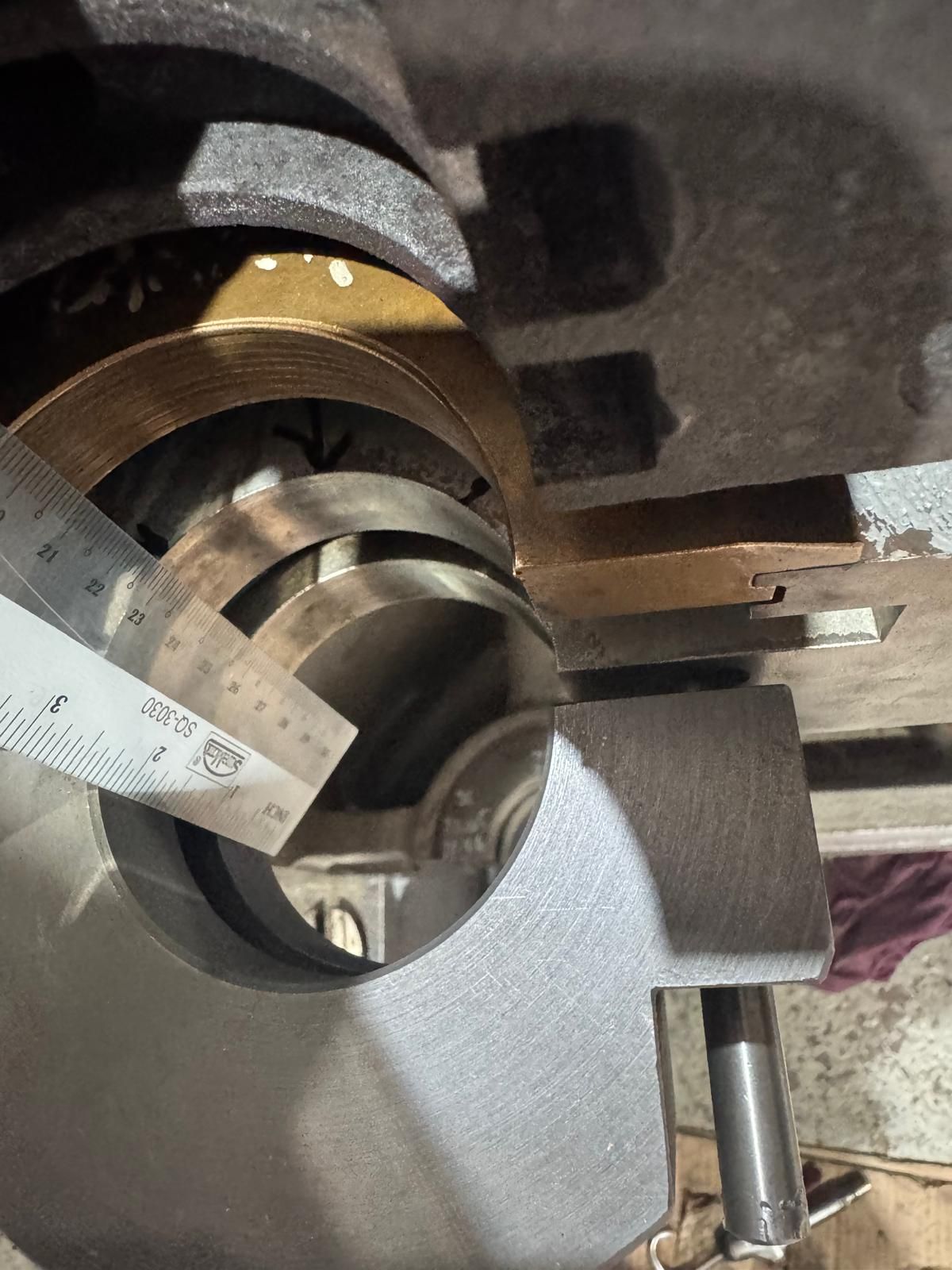
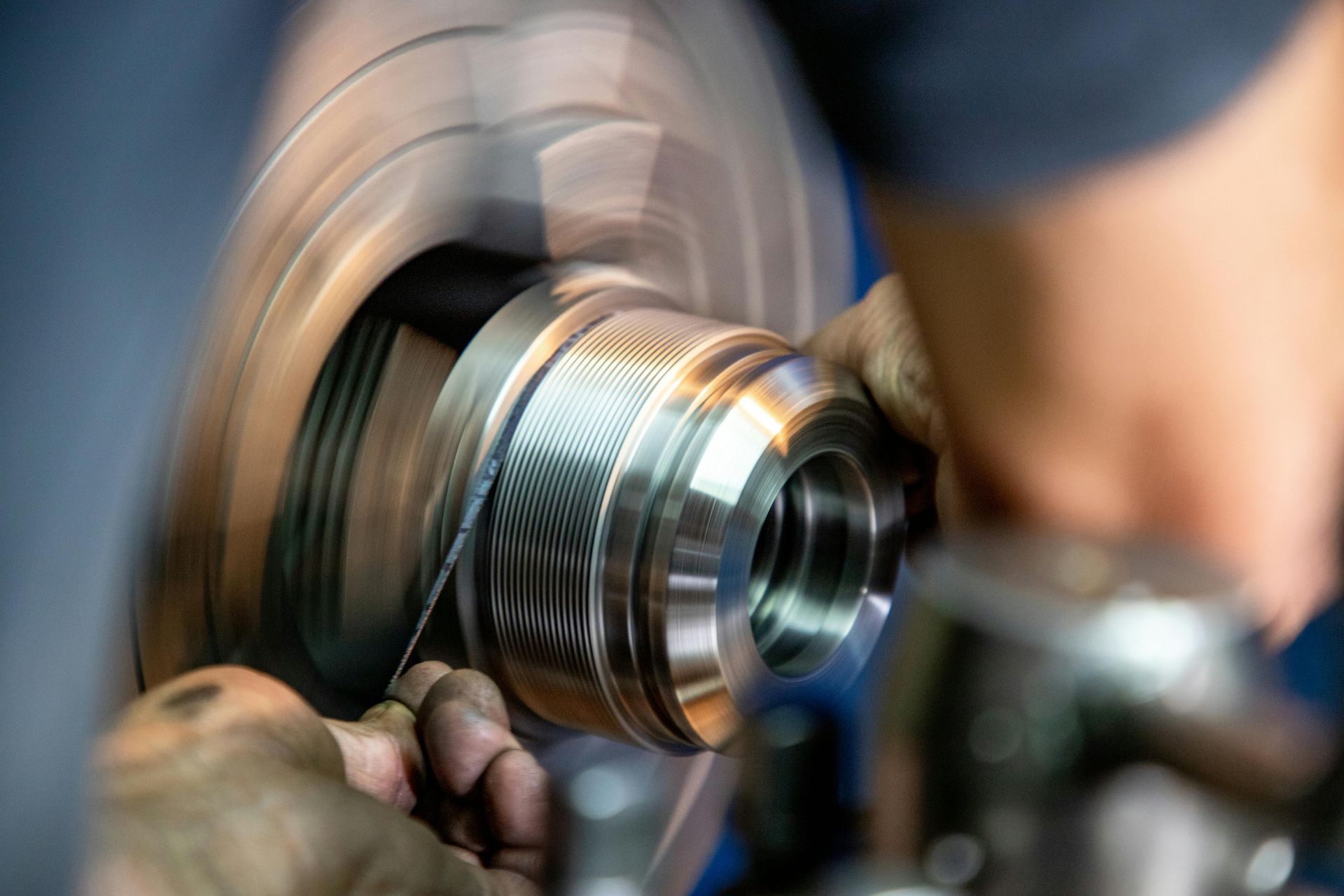
Machining and sleeving involve removing damaged material from a component and installing a sleeve or insert to restore its dimensions. The damaged area is machined to a larger diameter, and a new sleeve is pressed or bonded in place.
Applications
Repairing worn or damaged bores in hydraulic cylinders, gearboxes, or engine blocks.
Restoring bearing surfaces or journals.
Advantages
Can restore severely damaged components to functional condition.
Sleeves can be made from durable materials to enhance wear resistance.
Limitations
Requires precise machining, which can be time-consuming and costly.
May weaken the component by removing material, potentially affecting structural integrity.
Not suitable for on-site repairs due to the need for heavy machinery.
Sleeves may loosen over time if not properly bonded or secured.
Comparison to Brush Plating
Machining and sleeving are invasive and require significant material removal, which can compromise component strength. Brush plating, by contrast, builds up material without removing it, preserving the component’s integrity and allowing for faster, on-site repairs.
5. Electroplating (Tank Plating)
Overview
Electroplating involves immersing a component in a plating bath to deposit a metal coating (e.g., chromium, nickel) via an electric current. It is used to restore dimensions or enhance surface properties like hardness or corrosion resistance.
Applications
Restoring worn surfaces on hydraulic rods, printing cylinders, or engine components.
Applying corrosion-resistant coatings to large components.
Advantages
Provides uniform coatings over large surfaces.
Can achieve high hardness and corrosion resistance.
Well-established process with predictable results.
Limitations
Requires large plating baths, making it unsuitable for on-site repairs.
Component size and shape are limited by the bath’s dimensions.
Environmental concerns due to hazardous chemicals and waste disposal.
Longer lead times due to setup, immersion, and post-processing.
Comparison to Brush Plating
Electroplating ’s reliance on immersion baths limits its flexibility compared to brush plating, which can be performed on-site without disassembling equipment. Sterling Impreglon Asia’s brush plating process also offers comparable or superior adhesion, making it a more practical choice for localized repairs and time-sensitive applications.
Why Choose Sterling Impreglon Asia’s Brush Plating?
Sterling Impreglon Asia, established in 1989, has over three decades of expertise in brush plating, serving industries like oil and gas, marine, and manufacturing. Our proprietary brush plating process stands out for several reasons:
On-Site and In-Workshop Capabilities: We bring repairs to you, minimizing downtime, or perform precise work in our Singapore facility.
Superior Adhesion: Our process ensures coatings bond tightly to the base material, preventing peeling or delamination, even in demanding applications like hydraulic shafts or marine diesel engines.
Industry Recognition: As an approved vendor for major oil and gas pipe manufacturers, our anti-galling solutions for pipe threads meet the highest global standards.
Cost Savings: By restoring components to their original dimensions, we eliminate the need for expensive replacements, saving time and money.
Versatility: Our process addresses a wide range of damages, including scorelines, corrosion pitting, fretting, and wear, across diverse components like gearboxes, printing cylinders, and engine blocks.
Conclusion
While various repair methods—brush plating, thermal spraying, welding, machining and sleeving, and electroplating—offer solutions for industrial component repair, brush plating, particularly Sterling Impreglon Asia’s proprietary process, provides unmatched flexibility, precision, and reliability. Its ability to perform high-quality repairs on-site, combined with excellent adhesion and industry recognition, makes it the preferred choice for restoring critical components in demanding industries. By choosing Sterling Impreglon Asia, customers benefit from a proven, cost-effective solution that extends component life and minimizes operational disruptions.